
Journal of Shanghai Jiao Tong University (Medical Science) ›› 2025, Vol. 45 ›› Issue (1): 87-94.doi: 10.3969/j.issn.1674-8115.2025.01.010
• Public health • Previous Articles Next Articles
ZHANG Yingying1( ), ZHANG Junyao1, SONG Jiwei2, WANG Shengjie2, YAO Junyan2()
Received:2024-06-10
Accepted:2024-10-02
Online:2025-01-28
Published:2025-01-17
Contact:
YAO Junyan
E-mail:yingying1232022@163.com;sunshineyao@163.com
Supported by:CLC Number:
ZHANG Yingying, ZHANG Junyao, SONG Jiwei, WANG Shengjie, YAO Junyan. Two-sample Mendelian randomization study on the causal association between air pollution and Alzheimer′s disease[J]. Journal of Shanghai Jiao Tong University (Medical Science), 2025,(1): 87-94.
Add to citation manager EndNote|Ris|BibTeX
URL: https://xuebao.shsmu.edu.cn/EN/10.3969/j.issn.1674-8115.2025.01.010
| Exposure/outcome | Dataset | Sample size/n | Number of SNPs/n | Population | Publication year |
|---|---|---|---|---|---|
| PM2.5 | ukb-b-10 817 | 423 796 participants | 9 851 867 | European | 2018 |
| PM2.5-10 | ukb-b-12 963 | 423 796 participants | 9 851 867 | European | 2018 |
| PM10 | ukb-b-589 | 455 314 participants | 9 851 867 | European | 2018 |
| Nitrogen dioxide | ukb-b-2 618 | 456 380 participants | 9 851 867 | European | 2018 |
| Nitrogen oxides | ukb-b-12 417 | 456 380 participants | 9 851 867 | European | 2018 |
| AD | NG00053 | 25 580 cases and 48 466 controls | 7 055 881 (stage 1) and 11 632 (stage 2) | European | 2013 |
Tab 1 Sample size, SNP counts and population information for causal association study between air pollution and AD
| Exposure/outcome | Dataset | Sample size/n | Number of SNPs/n | Population | Publication year |
|---|---|---|---|---|---|
| PM2.5 | ukb-b-10 817 | 423 796 participants | 9 851 867 | European | 2018 |
| PM2.5-10 | ukb-b-12 963 | 423 796 participants | 9 851 867 | European | 2018 |
| PM10 | ukb-b-589 | 455 314 participants | 9 851 867 | European | 2018 |
| Nitrogen dioxide | ukb-b-2 618 | 456 380 participants | 9 851 867 | European | 2018 |
| Nitrogen oxides | ukb-b-12 417 | 456 380 participants | 9 851 867 | European | 2018 |
| AD | NG00053 | 25 580 cases and 48 466 controls | 7 055 881 (stage 1) and 11 632 (stage 2) | European | 2013 |
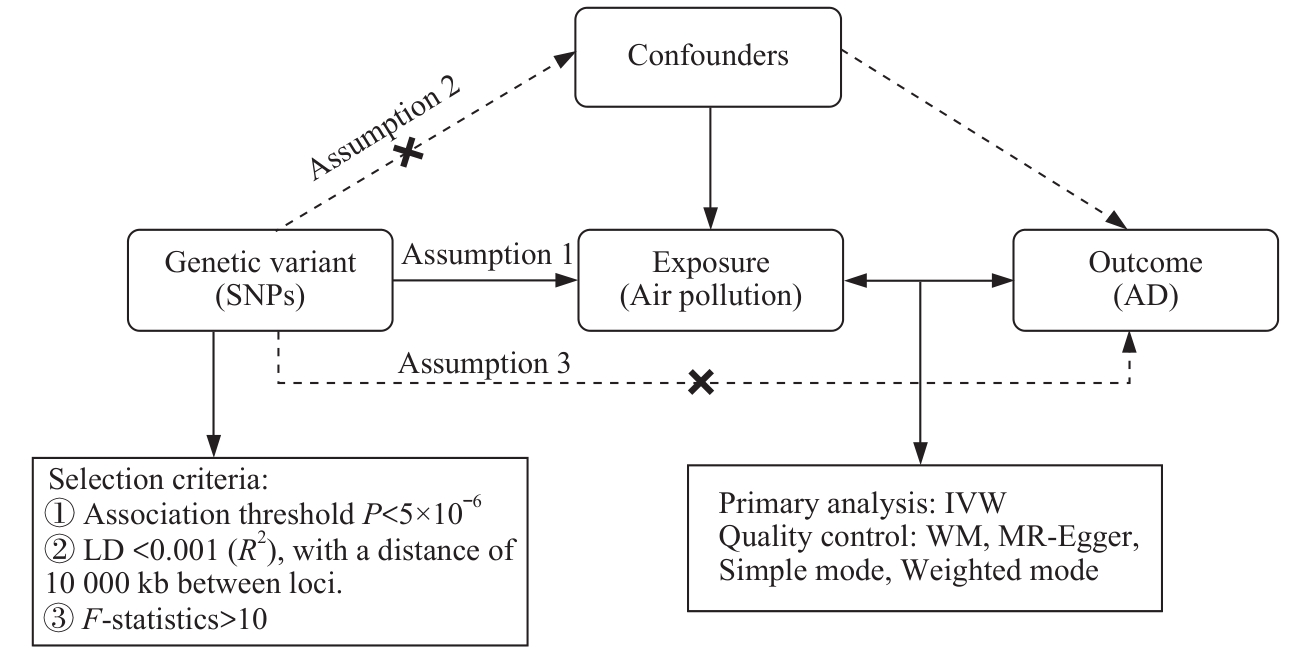
Fig 1 Study design of the two-sample MR analysis
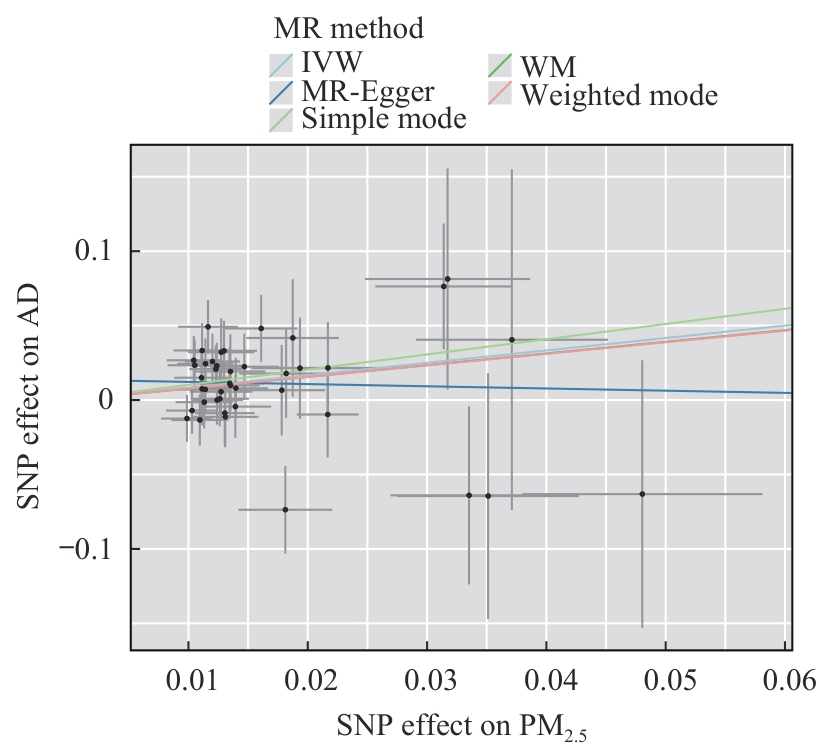
Fig 2 Scatter plot analysis of SNP effects on PM2.5 and AD
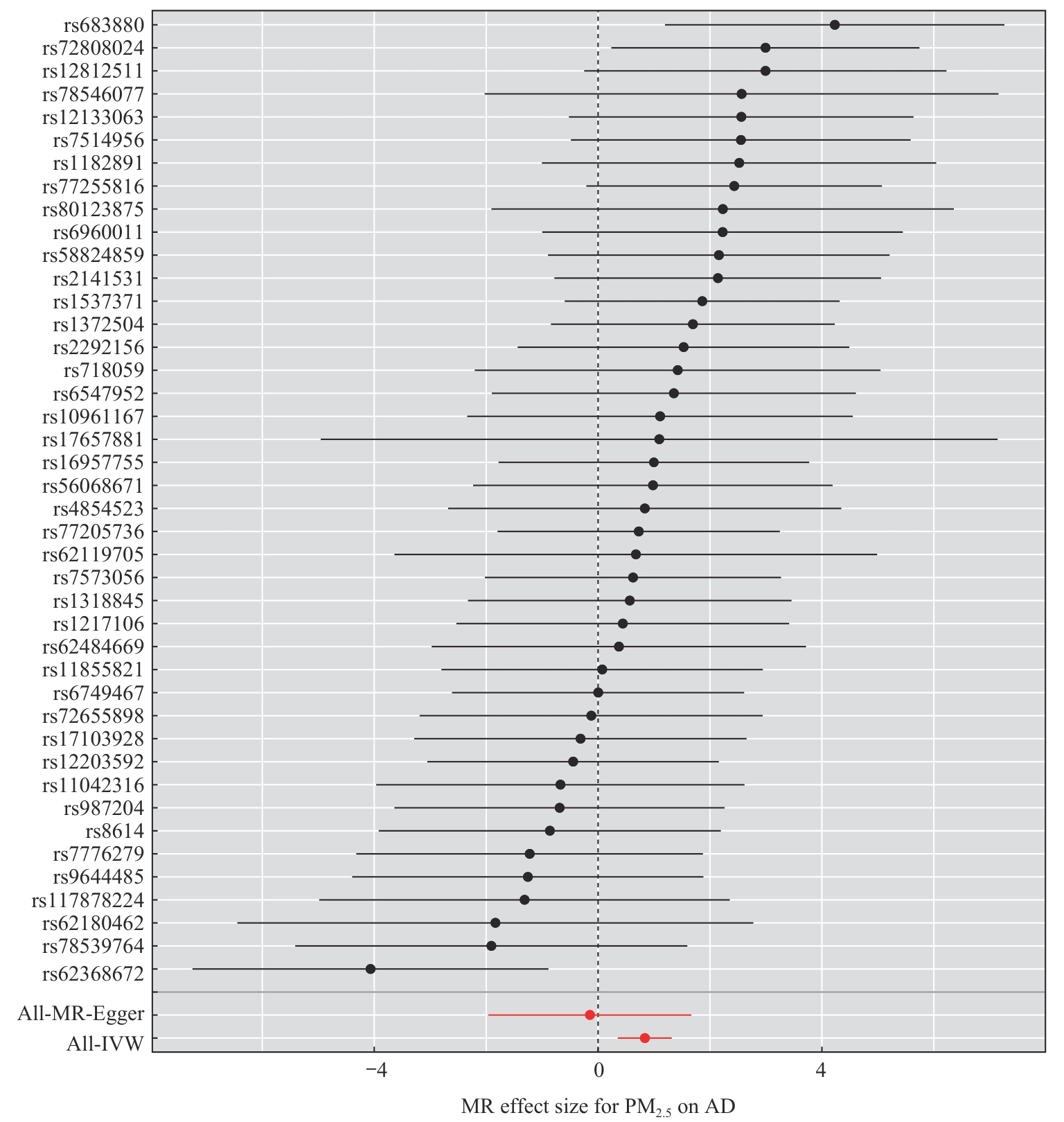
Fig 3 Forest plot analysis of PM2.5 effects on AD
| Exposure | Outcome | SNP/n | MR method | P value | OR value | 95%CI | Pleiotropy P value | Heterogeneity P value |
|---|---|---|---|---|---|---|---|---|
| PM2.5 | AD | 48 | MR-Egger | 0.874 | 0.863 | 0.141‒5.295 | 0.278 | 0.453 |
| WM | 0.031 | 2.186 | 1.073‒4.453 | |||||
| IVW | <0.001 | 2.302 | 1.421‒3.729 | 0.444 | ||||
| Simple mode | 0.192 | 2.777 | 0.615‒12.550 | |||||
| Weighted mode | 0.291 | 2.175 | 0.524‒9.024 | |||||
| PM2.5-10 | AD | 4 | MR-Egger | 0.432 | 0.905 | 0.741‒1.106 | 0.300 | 0.967 |
| WM | 0.890 | 0.992 | 0.878‒1.119 | |||||
| IVW | 0.664 | 1.023 | 0.924‒1.131 | 0.576 | ||||
| Simple mode | 0.945 | 1.007 | 0.828‒1.225 | |||||
| Weighted mode | 0.782 | 0.980 | 0.860‒1.116 | |||||
| PM10 | AD | 4 | MR-Egger | 0.432 | 0.905 | 0.741‒1.106 | 0.300 | 0.967 |
| WM | 0.890 | 0.992 | 0.878‒1.119 | |||||
| IVW | 0.664 | 1.023 | 0.924‒1.131 | 0.576 | ||||
| Simple mode | 0.945 | 1.007 | 0.828‒1.225 | |||||
| Weighted mode | 0.782 | 0.980 | 0.860‒1.116 | |||||
| Nitrogen dioxide | AD | 84 | MR-Egger | 0.973 | 0.978 | 0.271‒3.531 | 0.705 | 0.428 |
| WM | 0.303 | 1.354 | 0.756‒2.423 | |||||
| IVW | 0.284 | 1.239 | 0.837‒1.834 | 0.457 | ||||
| Simple mode | 0.216 | 2.512 | 0.591‒10.670 | |||||
| Weighted mode | 0.294 | 2.063 | 0.538‒7.910 | |||||
| Nitrogen oxides | AD | 67 | MR-Egger | 0.682 | 0.703 | 0.131‒3.764 | 0.563 | 0.206 |
| WM | 0.892 | 0.960 | 0.536‒1.721 | |||||
| IVW | 0.567 | 1.137 | 0.733‒1.762 | 0.223 | ||||
| Simple mode | 0.444 | 0.578 | 0.144‒2.330 | |||||
| Weighted mode | 0.538 | 0.649 | 0.165‒2.549 |
Tab 2 MR analysis of the causal relationship between five air pollution indicators and the risk of AD
| Exposure | Outcome | SNP/n | MR method | P value | OR value | 95%CI | Pleiotropy P value | Heterogeneity P value |
|---|---|---|---|---|---|---|---|---|
| PM2.5 | AD | 48 | MR-Egger | 0.874 | 0.863 | 0.141‒5.295 | 0.278 | 0.453 |
| WM | 0.031 | 2.186 | 1.073‒4.453 | |||||
| IVW | <0.001 | 2.302 | 1.421‒3.729 | 0.444 | ||||
| Simple mode | 0.192 | 2.777 | 0.615‒12.550 | |||||
| Weighted mode | 0.291 | 2.175 | 0.524‒9.024 | |||||
| PM2.5-10 | AD | 4 | MR-Egger | 0.432 | 0.905 | 0.741‒1.106 | 0.300 | 0.967 |
| WM | 0.890 | 0.992 | 0.878‒1.119 | |||||
| IVW | 0.664 | 1.023 | 0.924‒1.131 | 0.576 | ||||
| Simple mode | 0.945 | 1.007 | 0.828‒1.225 | |||||
| Weighted mode | 0.782 | 0.980 | 0.860‒1.116 | |||||
| PM10 | AD | 4 | MR-Egger | 0.432 | 0.905 | 0.741‒1.106 | 0.300 | 0.967 |
| WM | 0.890 | 0.992 | 0.878‒1.119 | |||||
| IVW | 0.664 | 1.023 | 0.924‒1.131 | 0.576 | ||||
| Simple mode | 0.945 | 1.007 | 0.828‒1.225 | |||||
| Weighted mode | 0.782 | 0.980 | 0.860‒1.116 | |||||
| Nitrogen dioxide | AD | 84 | MR-Egger | 0.973 | 0.978 | 0.271‒3.531 | 0.705 | 0.428 |
| WM | 0.303 | 1.354 | 0.756‒2.423 | |||||
| IVW | 0.284 | 1.239 | 0.837‒1.834 | 0.457 | ||||
| Simple mode | 0.216 | 2.512 | 0.591‒10.670 | |||||
| Weighted mode | 0.294 | 2.063 | 0.538‒7.910 | |||||
| Nitrogen oxides | AD | 67 | MR-Egger | 0.682 | 0.703 | 0.131‒3.764 | 0.563 | 0.206 |
| WM | 0.892 | 0.960 | 0.536‒1.721 | |||||
| IVW | 0.567 | 1.137 | 0.733‒1.762 | 0.223 | ||||
| Simple mode | 0.444 | 0.578 | 0.144‒2.330 | |||||
| Weighted mode | 0.538 | 0.649 | 0.165‒2.549 |
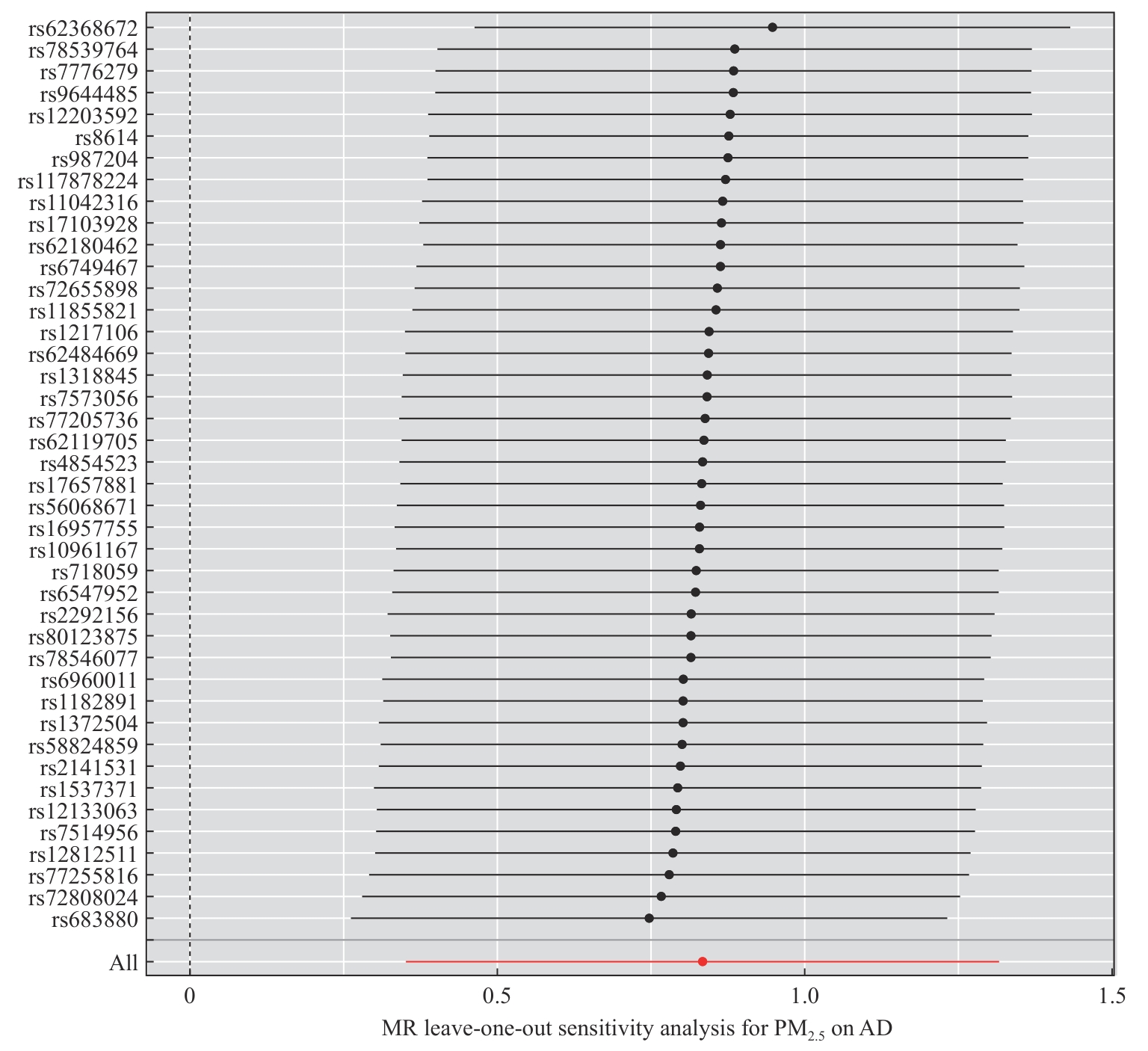
Fig 4 Leave-one-out sensitivity analysis of PM2.5 effects on AD
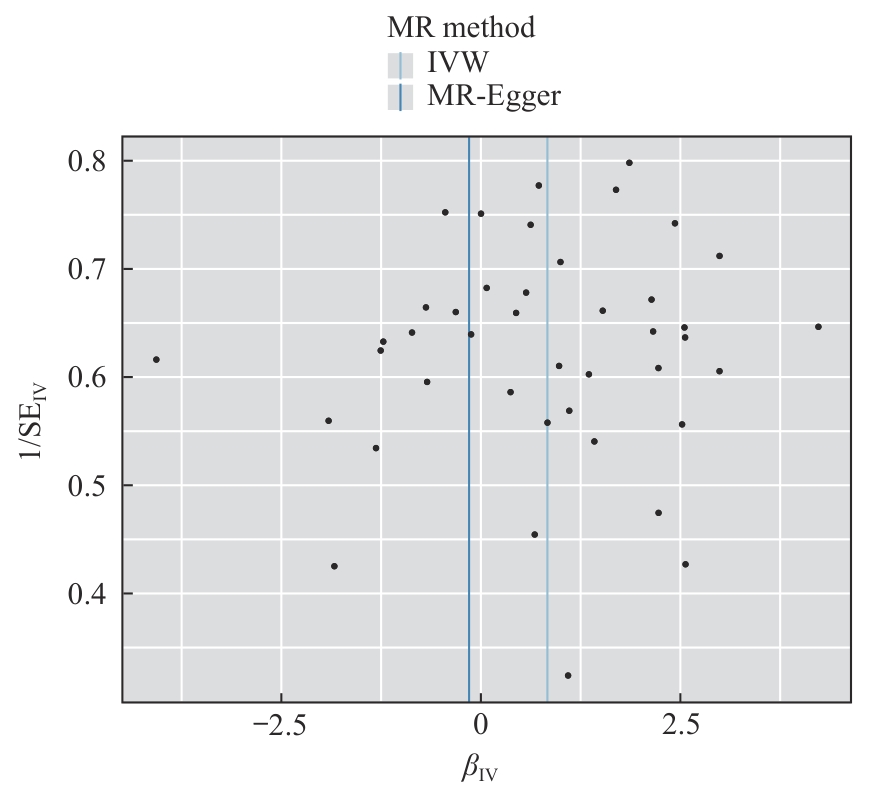
Fig 5 Funnel plot analysis of PM2.5 effects on AD
| 1 | THIANKHAW K, CHATTIPAKORN N, CHATTIPAKORN S C. PM2.5 exposure in association with AD-related neuropathology and cognitive outcomes[J]. Environ Pollut, 2022, 292(Pt A): 118320. |
| 2 | SCHELTENS P, DE STROOPER B, KIVIPELTO M, et al. Alzheimer′s disease[J]. Lancet, 2021, 397(10284): 1577-1590. |
| 3 | CHOI J, OH J Y, LEE Y S, et al. Harmful impact of air pollution on severe acute exacerbation of chronic obstructive pulmonary disease: particulate matter is hazardous[J]. Int J Chron Obstruct Pulmon Dis, 2018, 13: 1053-1059. |
| 4 | AKIMOTO H. Global air quality and pollution[J]. Science, 2003, 302(5651): 1716-1719. |
| 5 | SHOU Y K, HUANG Y L, ZHU X Z, et al. A review of the possible associations between ambient PM2.5 exposures and the development of Alzheimer′s disease[J]. Ecotoxicol Environ Saf, 2019, 174: 344-352. |
| 6 | CHEN J C, SCHWARTZ J. Neurobehavioral effects of ambient air pollution on cognitive performance in US adults[J]. Neurotoxicology, 2009, 30(2): 231-239. |
| 7 | LIU X Q, HUANG J, SONG C, et al. Neurodevelopmental toxicity induced by PM2.5 exposure and its possible role in neurodegenerative and mental disorders[J]. Hum Exp Toxicol, 2023, 42: 9603271231191436. |
| 8 | KATIKIREDDI S V, GREEN M J, TAYLOR A E, et al. Assessing causal relationships using genetic proxies for exposures: an introduction to Mendelian randomization[J]. Addiction, 2018, 113(4): 764-774. |
| 9 | CHANG L, ZHOU G Y, XIA J G. mGWAS-explorer 2.0: causal analysis and interpretation of metabolite-phenotype associations[J]. Metabolites, 2023, 13(7): 826. |
| 10 | LAMBERT J C, IBRAHIM-VERBAAS C A, HAROLD D, et al. Meta-analysis of 74 046 individuals identifies 11 new susceptibility loci for Alzheimer′s disease[J]. Nat Genet, 2013, 45(12): 1452-1458. |
| 11 | SANDERSON E, DAVEY SMITH G, WINDMEIJER F, et al. An examination of multivariable Mendelian randomization in the single-sample and two-sample summary data settings[J]. Int J Epidemiol, 2019, 48(3): 713-727. |
| 12 | ZENG Y J, CAO S, YANG H. The causal role of gastroesophageal reflux disease in anxiety disorders and depression: a bidirectional Mendelian randomization study[J]. Front Psychiatry, 2023, 14: 1135923. |
| 13 | BOWDEN J, DAVEY SMITH G, HAYCOCK P C, et al. Consistent estimation in Mendelian randomization with some invalid instruments using a weighted Median estimator[J]. Genet Epidemiol, 2016, 40(4): 304-314. |
| 14 | BOWDEN J, DAVEY SMITH G, BURGESS S. Mendelian randomization with invalid instruments: effect estimation and bias detection through Egger regression[J]. Int J Epidemiol, 2015, 44(2): 512-525. |
| 15 | YAVORSKA O O, BURGESS S. MendelianRandomization: an R package for performing Mendelian randomization analyses using summarized data[J]. Int J Epidemiol, 2017, 46(6): 1734-1739. |
| 16 | HAYREH S S. Ocular vascular occlusive disorders: natural history of visual outcome[J]. Prog Retin Eye Res, 2014, 41: 1-25. |
| 17 | PIERCE B L, BURGESS S. Efficient design for Mendelian randomization studies: subsample and 2-sample instrumental variable estimators[J]. Am J Epidemiol, 2013, 178(7): 1177-1184. |
| 18 | WU J, GRANDE G, STAFOGGIA M, et al. Air pollution as a risk factor for Cognitive Impairment no Dementia (CIND) and its progression to dementia: a longitudinal study[J]. Environ Int, 2022, 160: 107067. |
| 19 | SHI L H, WU X, DANESH YAZDI M, et al. Long-term effects of PM2.5 on neurological disorders in the American Medicare population: a longitudinal cohort study[J]. Lancet Planet Health, 2020, 4(12): e557-e565. |
| 20 | URBANO T, CHIARI A, MALAGOLI C, et al. Particulate matter exposure from motorized traffic and risk of conversion from mild cognitive impairment to dementia: an Italian prospective cohort study[J]. Environ Res, 2023, 222: 115425. |
| 21 | TZIVIAN L, DLUGAJ M, WINKLER A, et al. Long-term air pollution and traffic noise exposures and mild cognitive impairment in older adults: a cross-sectional analysis of the heinz nixdorf recall study[J]. Environ Health Perspect, 2016, 124(9): 1361-1368. |
| 22 | JUNG C R, LIN Y T, HWANG B F. Ozone, particulate matter, and newly diagnosed Alzheimer′s disease: a population-based cohort study in Taiwan[J]. J Alzheimers Dis, 2015, 44(2): 573-584. |
| 23 | POWER M C, WEISSKOPF M G, ALEXEEFF S E, et al. Traffic-related air pollution and cognitive function in a cohort of older men[J]. Environ Health Perspect, 2011, 119(5): 682-687. |
| 24 | OUDIN A, FORSBERG B, ADOLFSSON A N, et al. Traffic-related air pollution and dementia incidence in northern Sweden: a longitudinal study[J]. Environ Health Perspect, 2016, 124(3): 306-312. |
| 25 | WEUVE J, PUETT R C, SCHWARTZ J, et al. Exposure to particulate air pollution and cognitive decline in older women[J]. Arch Intern Med, 2012, 172(3): 219-227. |
| 26 | AILSHIRE J A, CRIMMINS E M. Fine particulate matter air pollution and cognitive function among older US adults[J]. Am J Epidemiol, 2014, 180(4): 359-366. |
| 27 | LI W, LIN G H, XIAO Z X, et al. A review of respirable fine particulate matter (PM2.5)-induced brain damage[J]. Front Mol Neurosci, 2022, 15: 967174. |
| 28 | HUANG W J, ZHANG X, CHEN W W. Role of oxidative stress in Alzheimer′s disease[J]. Biomed Rep, 2016, 4(5): 519-522. |
| 29 | BLOCK M L, CALDERÓN-GARCIDUEÑAS L. Air pollution: mechanisms of neuroinflammation and CNS disease[J]. Trends Neurosci, 2009, 32(9): 506-516. |
| 30 | CACCIOTTOLO M, WANG X, DRISCOLL I, et al. Particulate air pollutants, APOE alleles and their contributions to cognitive impairment in older women and to amyloidogenesis in experimental models[J]. Transl Psychiatry, 2017, 7(1): e1022. |
| 31 | KILIAN J, KITAZAWA M. The emerging risk of exposure to air pollution on cognitive decline and Alzheimer′s disease: evidence from epidemiological and animal studies[J]. Biomed J, 2018, 41(3): 141-162. |
| 32 | COSTA L G, COLE T B, DAO K, et al. Effects of air pollution on the nervous system and its possible role in neurodevelopmental and neurodegenerative disorders[J]. Pharmacol Ther, 2020, 210: 107523. |
| 33 | CALDERÓN-GARCIDUEÑAS L, REED W, MARONPOT R R, et al. Brain inflammation and Alzheimer′s-like pathology in individuals exposed to severe air pollution[J]. Toxicol Pathol, 2004, 32(6): 650-658. |
| 34 | CASEY E, LI Z J, LIANG D H, et al. Association between fine particulate matter exposure and cerebrospinal fluid biomarkers of Alzheimer′s disease among a cognitively healthy population-based cohort[J]. Environ Health Perspect, 2024, 132(4): 47001. |
| 35 | KU T T, LI B, GAO R, et al. NF-κB-regulated microRNA-574-5p underlies synaptic and cognitive impairment in response to atmospheric PM2.5 aspiration[J]. Part Fibre Toxicol, 2017, 14(1): 34. |
| 36 | FROST B. Alzheimer′s disease and related tauopathies: disorders of disrupted neuronal identity[J]. Trends Neurosci, 2023, 46(10): 797-813. |
| 37 | CALDERÓN-GARCIDUEÑAS L, AVILA-RAMÍREZ J, CALDERÓN-GARCIDUEÑAS A, et al. Cerebrospinal fluid biomarkers in highly exposed PM2.5 urbanites: the risk of Alzheimer′s and Parkinson′s diseases in young Mexico city residents[J]. J Alzheimers Dis, 2016, 54(2): 597-613. |
| 38 | CALDERÓN-GARCIDUEÑAS L, MUKHERJEE P S, WANIEK K, et al. Non-phosphorylated tau in cerebrospinal fluid is a marker of Alzheimer′s disease continuum in young urbanites exposed to air pollution[J]. J Alzheimers Dis, 2018, 66(4): 1437-1451. |
| 39 | SCHEFF S W, PRICE D A, SCHMITT F A, et al. Synaptic alterations in CA1 in mild Alzheimer disease and mild cognitive impairment[J]. Neurology, 2007, 68(18): 1501-1508. |
| [1] | Huang Xi, Hou Qinwu, Zhang Zhaowei, Wang Yanan, Yang Qinghui, Cheng Ling. Causal relationship between liposome and essential hypertension based on two-sample Mendelian randomization analysis [J]. Journal of Shanghai Jiao Tong University (Medical Science), 2026, 46(3): 340-347. |
| [2] | Aikeremu Aierken, Chen Xingjuan, Niu Yueyue. Mendelian randomization study of loneliness, subjective well-being, and frailty index [J]. Journal of Shanghai Jiao Tong University (Medical Science), 2026, 46(1): 75-81. |
| [3] | YAN Junhao, GUO Xiaolei, LUO Zhaofeng, TANG Jian, WANG Zheng. Mendelian randomization analysis of causal relationship between celiac disease and autoimmune thyroid disease [J]. Journal of Shanghai Jiao Tong University (Medical Science), 2025, 45(6): 766-773. |
| [4] | ZHANG Huihua, GAN Jing, HOU Miaomiao, LU Na. Bidirectional Mendelian randomization study of the relationship between brain imaging-derived phenotypes and obstructive sleep apnea [J]. Journal of Shanghai Jiao Tong University (Medical Science), 2025, 45(4): 468-475. |
| [5] | YANG Zihao, CHEN Nan, LIN Siwei. Application of digital terrain analysis to the study of cerebral cortex morphology [J]. Journal of Shanghai Jiao Tong University (Medical Science), 2023, 43(3): 342-349. |
| [6] | HAN Kai-yi, JI Xiao-fan, HU Shi-yao, et al. Advances of correlation between air pollution and childhood acute leukemia [J]. , 2015, 35(3): 441-. |
| [7] | YANG Ling, HAN Li, WANG Gen-fa, et al. Effect of nitrated pollen on airway inflammation in asthmatic mice [J]. , 2013, 33(4): 409-. |
| Viewed | ||||||
|
Full text |
|
|||||
|
Abstract |
|
|||||
