
Journal of Shanghai Jiao Tong University (Medical Science) ›› 2026, Vol. 46 ›› Issue (6): 778-785.doi: 10.3969/j.issn.1674-8115.2026.06.010
• Public health • Previous Articles Next Articles
Cui Guoyu1,2, Wang Qiuyun1, Tan Haozhou1, Yang Qianzi1, Luo Yan1( )
)
Received:2026-01-27
Accepted:2026-03-09
Online:2026-06-28
Published:2026-06-29
Contact:
Luo Yan
E-mail:ly11087@rjh.com.cn
Supported by:CLC Number:
Cui Guoyu, Wang Qiuyun, Tan Haozhou, Yang Qianzi, Luo Yan. Mendelian randomization study on the causal relationship between dietary factors and insomnia symptoms[J]. Journal of Shanghai Jiao Tong University (Medical Science), 2026,(6): 778-785.
Add to citation manager EndNote|Ris|BibTeX
URL: https://xuebao.shsmu.edu.cn/EN/10.3969/j.issn.1674-8115.2026.06.010
| Category | Trait | Population | Sample size/n | SNP number/n | Open GWAS ID |
|---|---|---|---|---|---|
| Liquids | Alcoholic drinks per week | European | 335 394 | 11 887 865 | ieu-b-73 |
| Water consumption | European | 445 799 | 5 733 790 | ebi-a-GCST90096929 | |
| Tea consumption | European | 434 171 | 5 733 790 | ebi-a-GCST90096926 | |
| Milk intake | European | 64 943 | 9 851 867 | ukb-b-2966 | |
| Yogurt intake | European | 64 949 | 9 851 867 | ukb-b-7753 | |
| Coffee intake | European | 428 860 | 9 851 867 | ukb-b-5237 | |
| Meat | Pork consumption | European | 187 202 | 5 733 790 | ebi-a-GCST90096919 |
| Beef consumption | European | 241 092 | 5 733 790 | ebi-a-GCST90096901 | |
| Lamb consumption | European | 189 984 | 5 733 790 | ebi-a-GCST90096915 | |
| Poultry intake | European | 461 900 | 9 851 867 | ukb-b-8006 | |
| Oily fish consumption | European | 297 881 | 5 733 790 | ebi-a-GCST90096918 | |
| Non-oily fish consumption | European | 318 136 | 5 733 790 | ebi-a-GCST90096917 | |
| Staple foods | White rice intake | European | 64 949 | 9 851 867 | ukb-b-14690 |
| Grains | Cereal intake | European | 441 640 | 9 851 867 | ukb-b-15926 |
| Fruit | Fresh fruit consumption | European | 433 186 | 5 733 790 | ebi-a-GCST90096912 |
| Dried fruit consumption | European | 409 125 | 5 733 790 | ebi-a-GCST90096909 | |
| Vegetable | Cooked vegetable intake | European | 448 651 | 9 851 867 | ukb-b-8089 |
| Salad/raw vegetable intake | European | 435 435 | 9 851 867 | ukb-b-1996 | |
| Nuts | Salted nuts intake | European | 64 949 | 9 851 867 | ukb-b-15960 |
| Unsalted nuts intake | European | 64 949 | 9 851 867 | ukb-b-12217 | |
| Outcome | Insomnia | European | 462 341 | 9 851 867 | ukb-b-3957 |
Tab 1 Characteristics of exposure and outcome GWAS data
| Category | Trait | Population | Sample size/n | SNP number/n | Open GWAS ID |
|---|---|---|---|---|---|
| Liquids | Alcoholic drinks per week | European | 335 394 | 11 887 865 | ieu-b-73 |
| Water consumption | European | 445 799 | 5 733 790 | ebi-a-GCST90096929 | |
| Tea consumption | European | 434 171 | 5 733 790 | ebi-a-GCST90096926 | |
| Milk intake | European | 64 943 | 9 851 867 | ukb-b-2966 | |
| Yogurt intake | European | 64 949 | 9 851 867 | ukb-b-7753 | |
| Coffee intake | European | 428 860 | 9 851 867 | ukb-b-5237 | |
| Meat | Pork consumption | European | 187 202 | 5 733 790 | ebi-a-GCST90096919 |
| Beef consumption | European | 241 092 | 5 733 790 | ebi-a-GCST90096901 | |
| Lamb consumption | European | 189 984 | 5 733 790 | ebi-a-GCST90096915 | |
| Poultry intake | European | 461 900 | 9 851 867 | ukb-b-8006 | |
| Oily fish consumption | European | 297 881 | 5 733 790 | ebi-a-GCST90096918 | |
| Non-oily fish consumption | European | 318 136 | 5 733 790 | ebi-a-GCST90096917 | |
| Staple foods | White rice intake | European | 64 949 | 9 851 867 | ukb-b-14690 |
| Grains | Cereal intake | European | 441 640 | 9 851 867 | ukb-b-15926 |
| Fruit | Fresh fruit consumption | European | 433 186 | 5 733 790 | ebi-a-GCST90096912 |
| Dried fruit consumption | European | 409 125 | 5 733 790 | ebi-a-GCST90096909 | |
| Vegetable | Cooked vegetable intake | European | 448 651 | 9 851 867 | ukb-b-8089 |
| Salad/raw vegetable intake | European | 435 435 | 9 851 867 | ukb-b-1996 | |
| Nuts | Salted nuts intake | European | 64 949 | 9 851 867 | ukb-b-15960 |
| Unsalted nuts intake | European | 64 949 | 9 851 867 | ukb-b-12217 | |
| Outcome | Insomnia | European | 462 341 | 9 851 867 | ukb-b-3957 |
| Category | Exposure | IV number/n | β | SE | P value | OR (95%CI) |
|---|---|---|---|---|---|---|
| Liquids | Alcoholic drinks per week | 34 | 0.064 | 0.027 | 0.018 | 1.07 (1.01‒1.12) |
| Water consumption | 56 | -0.004 | 0.015 | 0.770 | 1.00 (0.97‒1.02) | |
| Tea consumption | 26 | -0.042 | 0.066 | 0.520 | 0.96 (0.84‒1.09) | |
| Milk intake | 6 | -0.019 | 0.049 | 0.690 | 0.98 (0.89‒1.08) | |
| Yogurt intake | 3 | 0.019 | 0.048 | 0.699 | 1.02 (0.93‒1.12) | |
| Coffee intake | 39 | 0.004 | 0.029 | 0.905 | 1.00 (0.95‒1.06) | |
| Meat | Pork consumption | 5 | 0.348 | 0.418 | 0.405 | 1.42 (0.62‒3.21) |
| Beef consumption | 6 | -0.214 | 0.409 | 0.601 | 0.81 (0.36‒1.80) | |
| Lamb consumption | 20 | 0.155 | 0.229 | 0.501 | 1.17 (0.74‒1.83) | |
| Poultry intake | 7 | 0.112 | 0.055 | 0.041 | 1.12 (1.00‒1.24) | |
| Oily fish consumption | 42 | -0.090 | 0.045 | 0.047 | 0.91 (0.84‒1.00) | |
| Non-oily fish consumption | 5 | -0.239 | 0.186 | 0.198 | 0.79 (0.55‒1.13) | |
| Staple foods | White rice intake | 3 | 0.005 | 0.137 | 0.972 | 1.00 (0.77‒1.32) |
| Grains | Cereal intake | 39 | -0.078 | 0.033 | 0.017 | 0.92 (0.87‒0.99) |
| Fruits | Fresh fruit consumption | 47 | -0.178 | 0.078 | 0.022 | 0.84 (0.72‒0.98) |
| Dried fruit consumption | 41 | -0.267 | 0.053 | 5.256×10⁻⁷ | 0.77 (0.69‒0.85) | |
| Vegetables | Cooked vegetable intake | 17 | -0.052 | 0.089 | 0.559 | 0.95 (0.80‒1.13) |
| Salad/raw vegetable intake | 18 | 0.064 | 0.066 | 0.332 | 1.07 (0.94‒1.21) | |
| Nuts | Salted nuts intake | 7 | -0.012 | 0.067 | 0.855 | 0.99 (0.87‒1.13) |
Tab 2 Causal effects of dietary factors on insomnia symptoms based on the IVW method
| Category | Exposure | IV number/n | β | SE | P value | OR (95%CI) |
|---|---|---|---|---|---|---|
| Liquids | Alcoholic drinks per week | 34 | 0.064 | 0.027 | 0.018 | 1.07 (1.01‒1.12) |
| Water consumption | 56 | -0.004 | 0.015 | 0.770 | 1.00 (0.97‒1.02) | |
| Tea consumption | 26 | -0.042 | 0.066 | 0.520 | 0.96 (0.84‒1.09) | |
| Milk intake | 6 | -0.019 | 0.049 | 0.690 | 0.98 (0.89‒1.08) | |
| Yogurt intake | 3 | 0.019 | 0.048 | 0.699 | 1.02 (0.93‒1.12) | |
| Coffee intake | 39 | 0.004 | 0.029 | 0.905 | 1.00 (0.95‒1.06) | |
| Meat | Pork consumption | 5 | 0.348 | 0.418 | 0.405 | 1.42 (0.62‒3.21) |
| Beef consumption | 6 | -0.214 | 0.409 | 0.601 | 0.81 (0.36‒1.80) | |
| Lamb consumption | 20 | 0.155 | 0.229 | 0.501 | 1.17 (0.74‒1.83) | |
| Poultry intake | 7 | 0.112 | 0.055 | 0.041 | 1.12 (1.00‒1.24) | |
| Oily fish consumption | 42 | -0.090 | 0.045 | 0.047 | 0.91 (0.84‒1.00) | |
| Non-oily fish consumption | 5 | -0.239 | 0.186 | 0.198 | 0.79 (0.55‒1.13) | |
| Staple foods | White rice intake | 3 | 0.005 | 0.137 | 0.972 | 1.00 (0.77‒1.32) |
| Grains | Cereal intake | 39 | -0.078 | 0.033 | 0.017 | 0.92 (0.87‒0.99) |
| Fruits | Fresh fruit consumption | 47 | -0.178 | 0.078 | 0.022 | 0.84 (0.72‒0.98) |
| Dried fruit consumption | 41 | -0.267 | 0.053 | 5.256×10⁻⁷ | 0.77 (0.69‒0.85) | |
| Vegetables | Cooked vegetable intake | 17 | -0.052 | 0.089 | 0.559 | 0.95 (0.80‒1.13) |
| Salad/raw vegetable intake | 18 | 0.064 | 0.066 | 0.332 | 1.07 (0.94‒1.21) | |
| Nuts | Salted nuts intake | 7 | -0.012 | 0.067 | 0.855 | 0.99 (0.87‒1.13) |
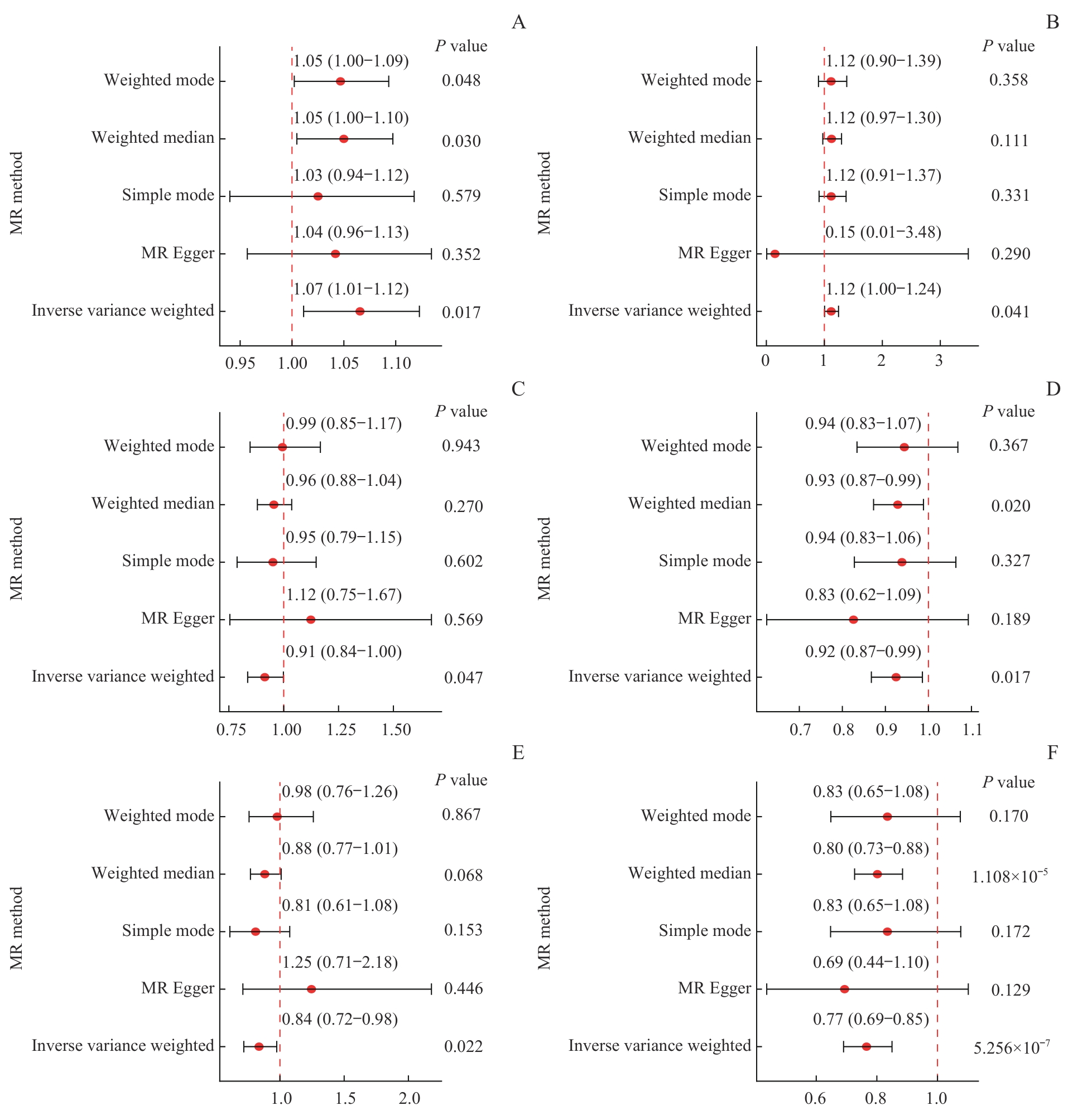
Fig 1 Causal effects of six exposures significantly associated with insomnia symptoms estimated using five MR methods
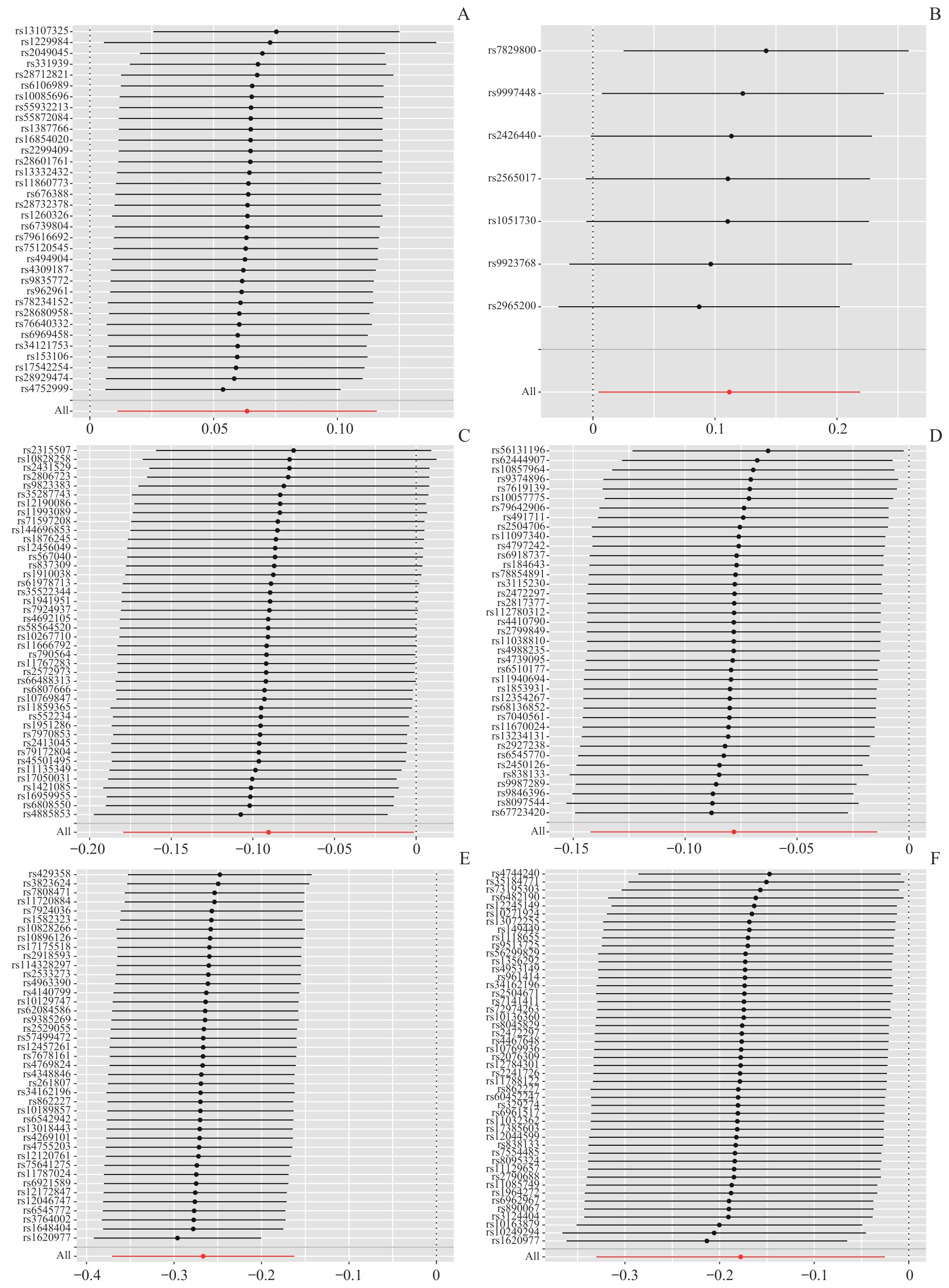
Fig 2 Leave-one-out sensitivity analyses of six exposures significantly associated with insomnia symptoms
| [1] | Perlis M L, Posner D, Riemann D, et al. Insomnia[J]. Lancet, 2022, 400(10357): 1047-1060. |
| [2] | Morin C M, Jarrin D C. Epidemiology of insomnia: prevalence, course, risk factors, and public health burden[J]. Sleep Med Clin, 2022, 17(2): 173-191. |
| [3] | Wang S C, Zheng X T, Huang J X, et al. Sleep characteristics and risk of Alzheimer's disease: a systematic review and meta-analysis of longitudinal studies[J]. J Neurol, 2024, 271(7): 3782-3793. |
| [4] | Li L Q, Gan Y, Zhou X G, et al. Insomnia and the risk of hypertension: a meta-analysis of prospective cohort studies[J]. Sleep Med Rev, 2021, 56: 101403. |
| [5] | Hertenstein E, Feige B, Gmeiner T, et al. Insomnia as a predictor of mental disorders: a systematic review and meta-analysis[J]. Sleep Med Rev, 2019, 43: 96-105. |
| [6] | Madari S, Golebiowski R, Mansukhani M P, et al. Pharmacological management of insomnia[J]. Neurotherapeutics, 2021, 18(1): 44-52. |
| [7] | Morin C M, Buysse D J. Management of insomnia[J]. N Engl J Med, 2024, 391(3): 247-258. |
| [8] | Şahin-Bodur G, Kemaneci S, Tunçer E, et al. Evaluation of the relationship between the Mediterranean diet adherence and sleep quality in adults[J]. Sleep Breath, 2024, 28(1): 511-518. |
| [9] | Vlahoyiannis A, Giannaki C D, Sakkas G K, et al. A systematic review, meta-analysis and meta-regression on the effects of carbohydrates on sleep[J]. Nutrients, 2021, 13(4): 1283. |
| [10] | Gangwisch J E, Hale L, St-Onge M P, et al. High glycemic index and glycemic load diets as risk factors for insomnia: analyses from the Women's Health Initiative[J]. Am J Clin Nutr, 2020, 111(2): 429-439. |
| [11] | Larsson S C, Butterworth A S, Burgess S. Mendelian randomization for cardiovascular diseases: principles and applications[J]. Eur Heart J, 2023, 44(47): 4913-4924. |
| [12] | Richmond R C, Davey Smith G. Mendelian randomization: concepts and scope[J]. Cold Spring Harb Perspect Med, 2022, 12(1): a040501. |
| [13] | Elsworth B, Lyon M, Alexander T, et al. The MRC IEU OpenGWAS data infrastructure[EB/OL]. [2025-08-10]. https://www.biorxiv.org/content/10.1101/2020.08.10.244293v1. |
| [14] | Lyon M S, Andrews S J, Elsworth B, et al. The variant call format provides efficient and robust storage of GWAS summary statistics[J]. Genome Biol, 2021, 22(1): 32. |
| [15] | Liu M Z, Jiang Y, Wedow R, et al. Association studies of up to 1.2 million individuals yield new insights into the genetic etiology of tobacco and alcohol use[J]. Nat Genet, 2019, 51(2): 237-244. |
| [16] | Pirastu N, McDonnell C, Grzeszkowiak E J, et al. Using genetic variation to disentangle the complex relationship between food intake and health outcomes[J]. PLoS Genet, 2022, 18(6): e1010162. |
| [17] | Bowden J, Spiller W, Del Greco M F, et al. Improving the visualization, interpretation and analysis of two-sample summary data Mendelian randomization via the Radial plot and Radial regression[J]. Int J Epidemiol, 2018, 47(6): 2100. |
| [18] | Verbanck M, Chen C Y, Neale B, et al. Detection of widespread horizontal pleiotropy in causal relationships inferred from Mendelian randomization between complex traits and diseases[J]. Nat Genet, 2018, 50(5): 693-698. |
| [19] | Davies N M, Holmes M V, Davey Smith G. Reading Mendelian randomisation studies: a guide, glossary, and checklist for clinicians[J]. BMJ, 2018, 362: k601. |
| [20] | Bowden J, Davey Smith G, Burgess S. Mendelian randomization with invalid instruments: effect estimation and bias detection through Egger regression[J]. Int J Epidemiol, 2015, 44(2): 512-525. |
| [21] | Hemani G, Zheng J, Elsworth B, et al. The MR-Base platform supports systematic causal inference across the human phenome[J]. eLife, 2018, 7: e34408. |
| [22] | Tan X, Alén M, Wang K, et al. Effect of six-month diet intervention on sleep among overweight and obese men with chronic insomnia symptoms: a randomized controlled trial[J]. Nutrients, 2016, 8(11): 751. |
| [23] | Golmohammadi M, Attari V E, Salimi Y, et al. The effect of MIND diet on sleep status, mental health, and serum level of BDNF in overweight/obese diabetic women with insomnia: a randomized controlled trial[J]. Sci Rep, 2025, 15(1): 8237. |
| [24] | Zhang C, Du X X. Application of Mendelian randomization to explore the genetic association between drinking habits of different beverages and sleep disorder[J]. Arch Med Sci, 2025, 21(4): 1310-1322. |
| [25] | Sekula P, Del Greco M F, Pattaro C, et al. Mendelian randomization as an approach to assess causality using observational data[J]. J Am Soc Nephrol, 2016, 27(11): 3253-3265. |
| [26] | Li S Y, Ma M W, Hu L M, et al. Association between fish consumption and sleep disorders among Chinese adults: a cross-sectional study[J]. Ann Med, 2025, 57(1): 2491663. |
| [27] | Meng X, Li Y, Li S, et al. Dietary sources and bioactivities of melatonin[J]. Nutrients, 2017, 9(4): 367. |
| [28] | Maruani J, Reynaud E, Chambe J, et al. Efficacy of melatonin and ramelteon for the acute and long-term management of insomnia disorder in adults: a systematic review and meta-analysis[J]. J Sleep Res, 2023, 32(6): e13939. |
| [29] | Jansen E C, She R C, Rukstalis M, et al. Changes in fruit and vegetable consumption in relation to changes in sleep characteristics over a 3-month period among young adults[J]. Sleep Health, 2021, 7(3): 345-352. |
| [30] | Reed Z E, Wootton R E, Khouja J N, et al. Exploring pleiotropy in Mendelian randomisation analyses: what are genetic variants associated with 'cigarette smoking initiation' really capturing?[J]. Genet Epidemiol, 2025, 49(1): e22583. |
| [1] | ZHANG Yu, YUAN Chengmei, XIAO Zeping. Research advances in the electroencephalographic characteristics and treatment of paradoxical insomnia [J]. Journal of Shanghai Jiao Tong University (Medical Science), 2024, 44(5): 658-662. |
| [2] | LUO Xin, YUAN Chengmei. Current status of development of Chinese versions of insomnia-related scales [J]. Journal of Shanghai Jiao Tong University (Medical Science), 2023, 43(11): 1436-1444. |
| [3] | GAO Xiong, ZHANG Qiuxia, YANG Miaomiao, LUO Wei, WANG Yuegang, XIU Jiancheng. Causal relationship between atrial fibrillation and cognitive impairment: a Mendelian randomization study [J]. Journal of Shanghai Jiao Tong University (Medical Science), 2023, 43(11): 1359-1365. |
| [4] | Wen-hui XU, Jing BIAN, Lei-zhen ZHENG. Research progress of the relationship between high-fat diet and colorectal cancer and its prevention and treatment countermeasures [J]. JOURNAL OF SHANGHAI JIAOTONG UNIVERSITY (MEDICAL SCIENCE), 2021, 41(11): 1514-1517. |
| [5] | PAN Sheng-ke, LI Hui, WEI Yan-yan, YAO Pei-fen, LI Hua-fang. Placebo effect in primary insomnia: a meta-analysis [J]. , 2020, 40(4): 505-. |
| [6] | YAO Tao, AO Min, PENG Yin-yin, JIANG Li-sha, GUO Shu-liang . Comparison analysis of clinical characteristic of non-organic dyspnea and asthma both with a complaint of dyspnea#br# [J]. , 2017, 37(7): 959-. |
| [7] | ZHANG Lei, HE Shen, YU Yi-min, LI Yan, WEN Hui, QIAO Ying, LI Hua-fang. Study on sociodemographic characteristics, sleep quality, and risk factors in population with primary insomnia [J]. , 2016, 36(5): 689-. |
| [8] | PENG Yin-yin, GUO Shu-liang. Clinical analysis of non-organic dyspnea of respiratory outpatient department [J]. , 2014, 34(8): 1158-. |
| [9] | YAO Pei-fen, CHEN Xing-shi, ZHU Yi-sheng, et al. Effects of Stilnox on QUISI parameters in patients with insomnia [J]. , 2009, 29(9): 1074-. |
| Viewed | ||||||
|
Full text |
|
|||||
|
Abstract |
|
|||||
