
Journal of Shanghai Jiao Tong University (Medical Science) ›› 2026, Vol. 46 ›› Issue (9): 1155-1168.doi: 10.3969/j.issn.1674-8115.2026.09.001
• Innovative research team achievement column •
Huang Xinyu, Mo Jialin, Tang Yujie( )
)
Received:2026-02-05
Accepted:2026-03-26
Online:2026-09-11
Published:2026-09-11
Contact:
Tang Yujie
E-mail:yujietang@shsmu.edu.cn
Supported by:CLC Number:
Huang Xinyu, Mo Jialin, Tang Yujie. Study on the pro-tumorigenic function of N-acetyltransferase 10 in Ewing sarcoma and its upstream and downstream regulatory molecular mechanisms[J]. Journal of Shanghai Jiao Tong University (Medical Science), 2026,(9): 1155-1168.
Add to citation manager EndNote|Ris|BibTeX
URL: https://xuebao.shsmu.edu.cn/EN/10.3969/j.issn.1674-8115.2026.09.001
| Gene | Forward | Reverse |
|---|---|---|
| NAT10 | GGATTGCCTCAACATCACTCGG | CGTTGGAGGAAAACTTCAGAGGC |
| EWS-FLI1 | GCCAAGCTCCAAGTCAATATAGC | GAGGCCAGAATTCATGTTATTGC |
| INCENP | AGGCTCCTGAATGTTGAGGTGC | GTGTGCTGTTGGCAATCTCCGT |
| KIF11 | TACAGAAACCACTTAGTAGTGTCC | GAGTTCCTGTGAGAAGCCATCAG |
| KIF14 | GCACTTTCGGAACAAGCAAACCA | ATGTTGCTGGCAGCGGGACTAA |
| MCM5 | GACTTACTCGCCGAGGAGACAT | TGCTGCCTTTCCCAGACGTGTA |
| NCAPG2 | GGAACTGGCATTTGACACGAGC | GCTGCTCTAACAATGGGTGGCT |
| POLD1 | ACTACACGGGAGCCACTGTCAT | GCGTGGTGTAACACAGGTTGTG |
| TOP2A | GTGGCAAGGATTCTGCTAGTCC | ACCATTCAGGCTCAACACGCTG |
| GAPDH | TGACTTCAACAGCGACACCCA | CACCCTGTTGCTGTAGCCAAA |
Tab 1 Primer sequences for real-time quantitative PCR (5′→3′)
| Gene | Forward | Reverse |
|---|---|---|
| NAT10 | GGATTGCCTCAACATCACTCGG | CGTTGGAGGAAAACTTCAGAGGC |
| EWS-FLI1 | GCCAAGCTCCAAGTCAATATAGC | GAGGCCAGAATTCATGTTATTGC |
| INCENP | AGGCTCCTGAATGTTGAGGTGC | GTGTGCTGTTGGCAATCTCCGT |
| KIF11 | TACAGAAACCACTTAGTAGTGTCC | GAGTTCCTGTGAGAAGCCATCAG |
| KIF14 | GCACTTTCGGAACAAGCAAACCA | ATGTTGCTGGCAGCGGGACTAA |
| MCM5 | GACTTACTCGCCGAGGAGACAT | TGCTGCCTTTCCCAGACGTGTA |
| NCAPG2 | GGAACTGGCATTTGACACGAGC | GCTGCTCTAACAATGGGTGGCT |
| POLD1 | ACTACACGGGAGCCACTGTCAT | GCGTGGTGTAACACAGGTTGTG |
| TOP2A | GTGGCAAGGATTCTGCTAGTCC | ACCATTCAGGCTCAACACGCTG |
| GAPDH | TGACTTCAACAGCGACACCCA | CACCCTGTTGCTGTAGCCAAA |
| shRNA ID | Forward | Reverse |
|---|---|---|
| shNAT10-1# | CCGGAGGGCCCTCCTTTCCTATAAGCTCGAGCTTATAGGAAAGGAGGGCCCTTTTTTG | AATTCAAAAAAGGGCCCTCCTTTCCTATAAGCTCGAGCTTATAGGAAAGGAGGGCCCT |
| shNAT10-2# | CCGGCGGCCATCTCTCGCATCTATTCTCGAGAATAGATGCGAGAGATGGCCGTTTTTG | AATTCAAAAACGGCCATCTCTCGCATCTATTCTCGAGAATAGATGCGAGAGATGGCCG |
Tab 2 Primer sequences for shRNA (5′→3′)
| shRNA ID | Forward | Reverse |
|---|---|---|
| shNAT10-1# | CCGGAGGGCCCTCCTTTCCTATAAGCTCGAGCTTATAGGAAAGGAGGGCCCTTTTTTG | AATTCAAAAAAGGGCCCTCCTTTCCTATAAGCTCGAGCTTATAGGAAAGGAGGGCCCT |
| shNAT10-2# | CCGGCGGCCATCTCTCGCATCTATTCTCGAGAATAGATGCGAGAGATGGCCGTTTTTG | AATTCAAAAACGGCCATCTCTCGCATCTATTCTCGAGAATAGATGCGAGAGATGGCCG |
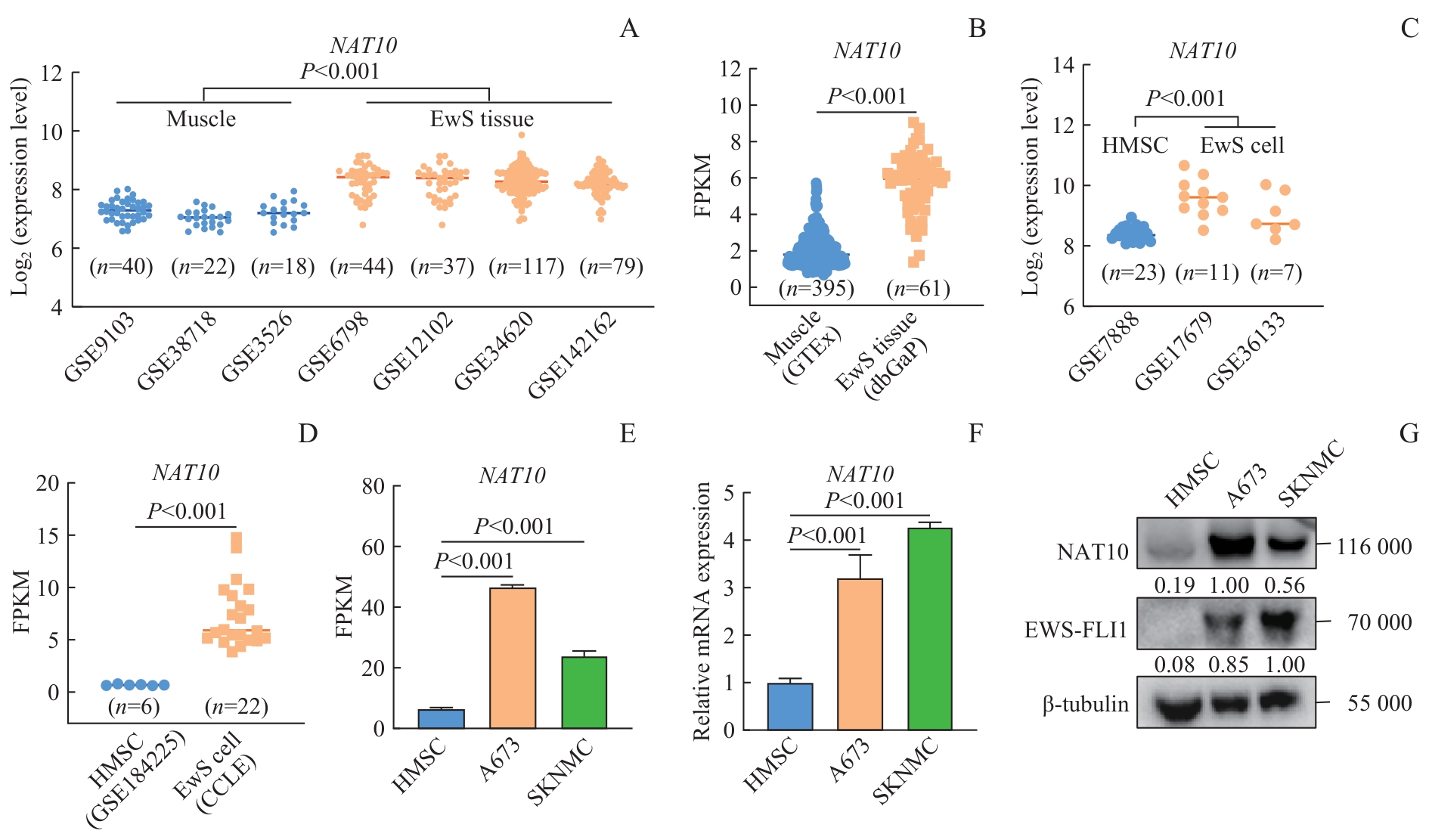
Fig 1 Analysis and validation of NAT10 expression levels in EwS tissues and cells
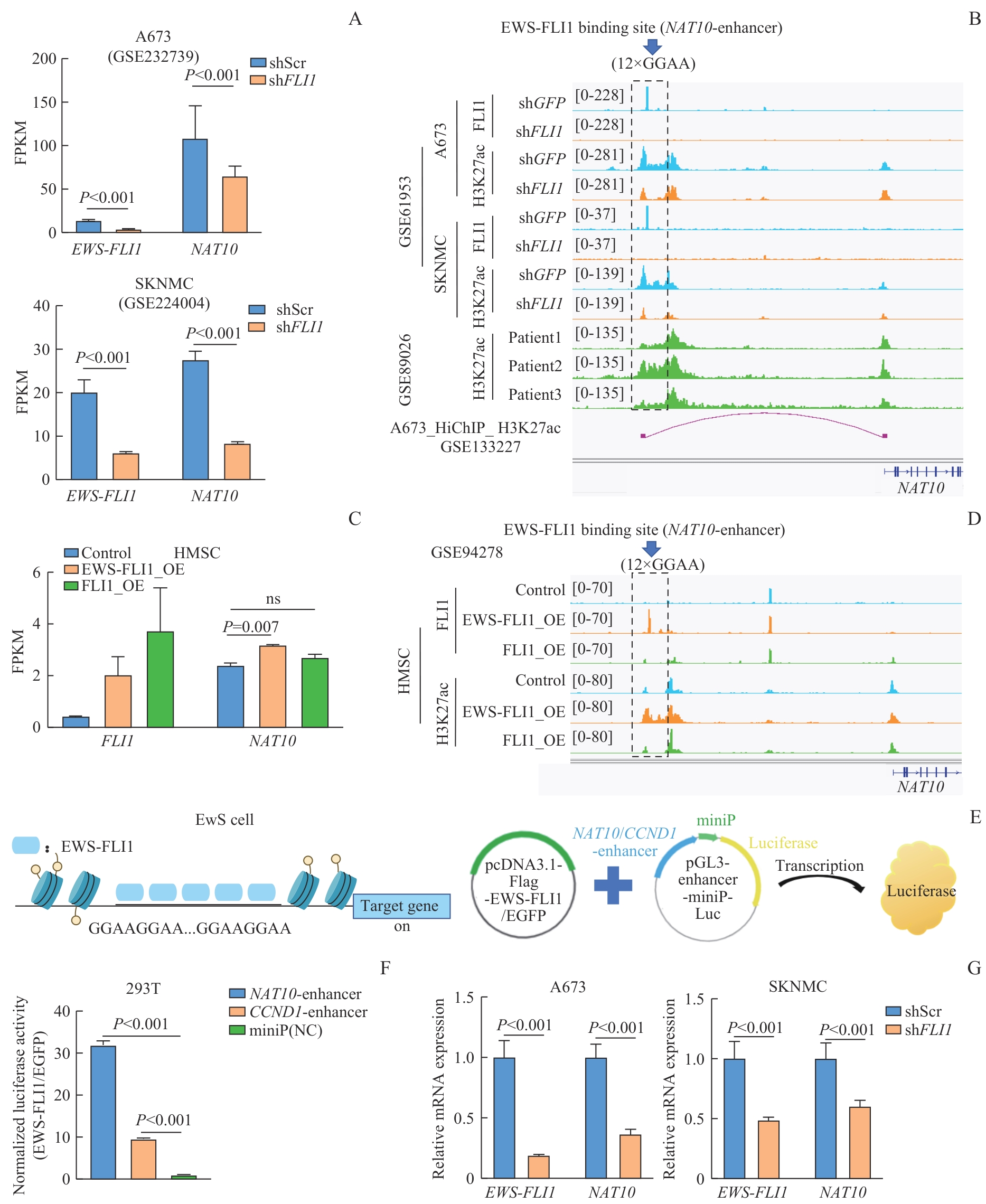
Fig 2 Transcriptional regulation of NAT10 by EWS-FLI1 analyzed via ChIP-seq, RNA-seq, and dual-luciferase reporter assays
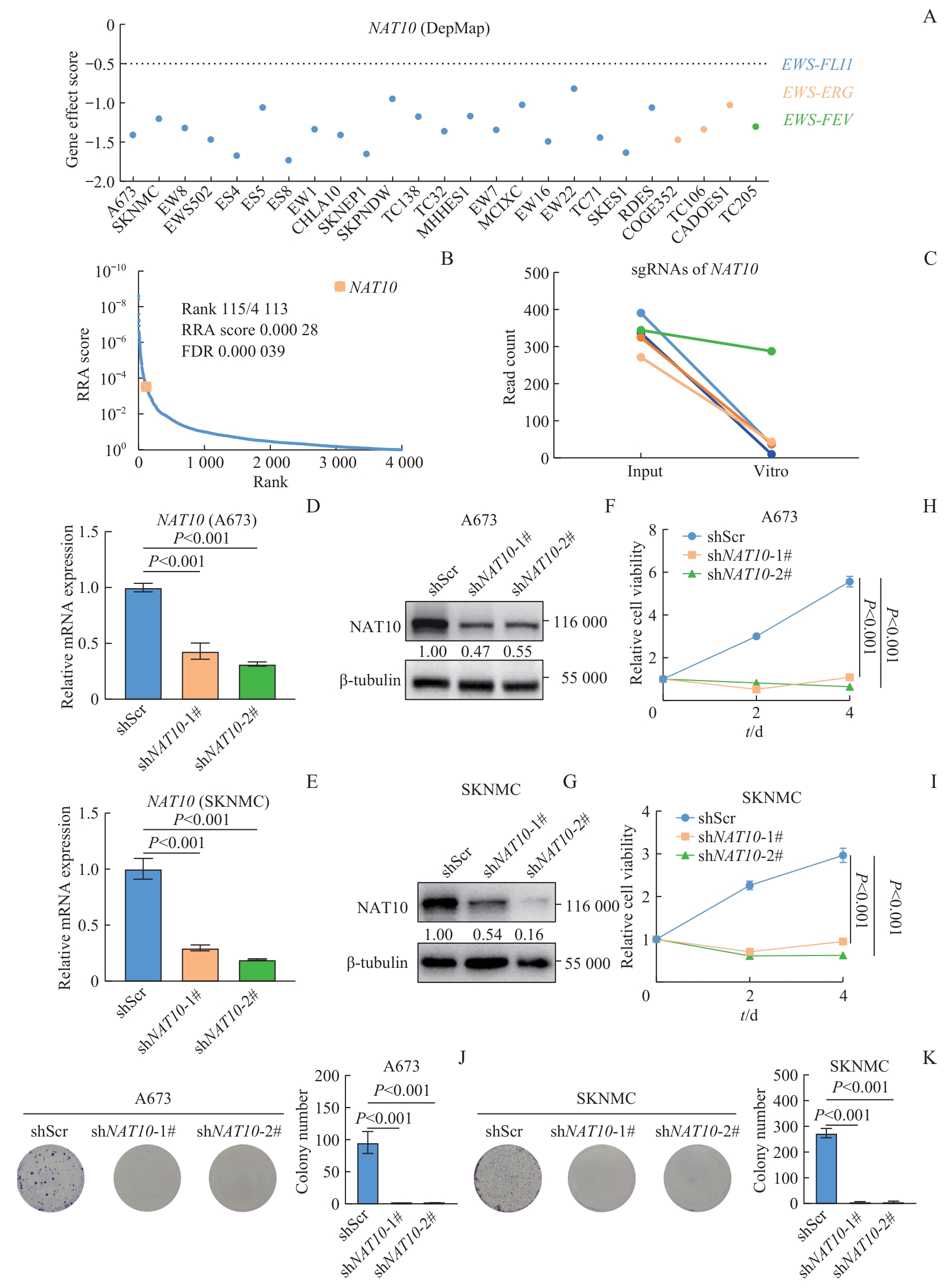
Fig 3 Evaluation of the dependency of EwS on NAT10via the DepMap database, CRISPR-Cas9 screening, and in vitro functional assays
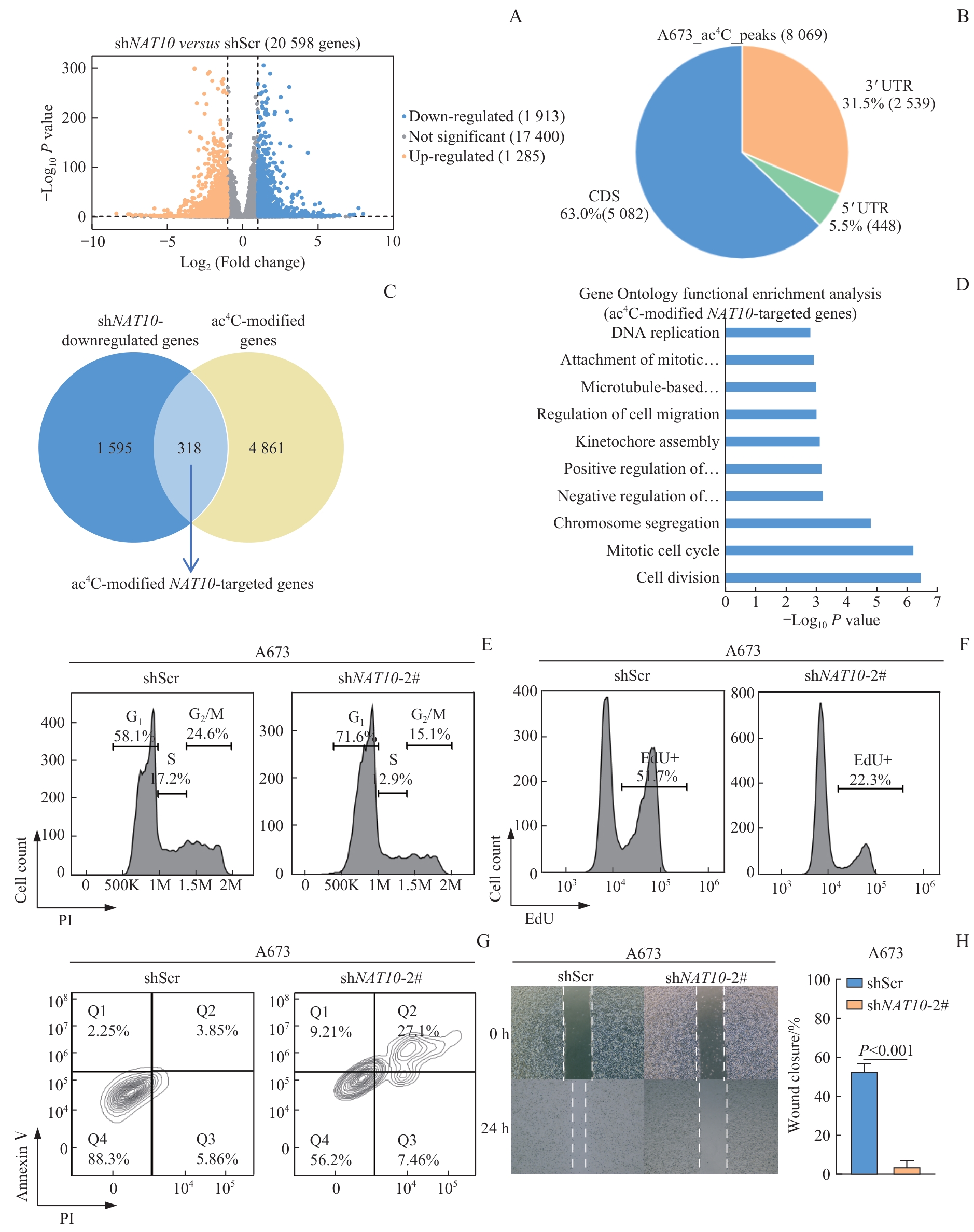
Fig 4 Identification and functional analysis of NAT10-regulated ac4C -modified genes
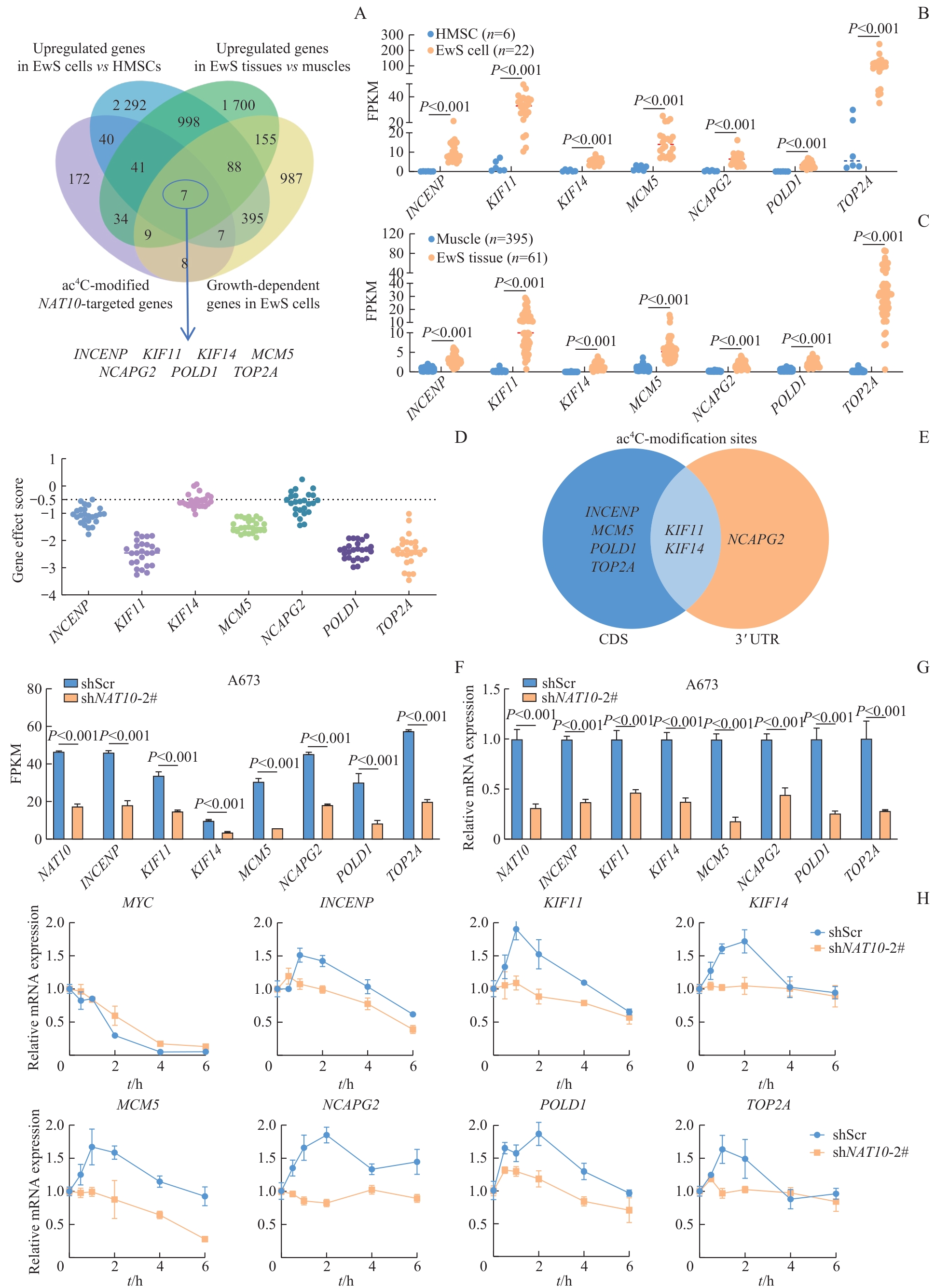
Fig 5 Identification of key NAT10-regulated ac4C-modified target genes and validation of their mRNA stability
| [1] | Grünewald T G P, Cidre-Aranaz F, Surdez D, et al. Ewing sarcoma[J]. Nat Rev Dis Primers, 2018, 4: 5. |
| [2] | Riggi N, Suva M L, Stamenkovic I. Ewing′s sarcoma[J]. N Engl J Med, 2021, 384(2): 154-164. |
| [3] | Monument M J, Johnson K M, Grossmann A H, et al. Microsatellites with macro-influence in ewing sarcoma[J]. Genes, 2012, 3(3): 444-460. |
| [4] | Gangwal K, Sankar S, Hollenhorst P C, et al. Microsatellites as EWS/FLI response elements in Ewing′s sarcoma[J]. Proc Natl Acad Sci USA, 2008, 105(29): 10149-10154. |
| [5] | Tomazou E M, Sheffield N C, Schmidl C, et al. Epigenome mapping reveals distinct modes of gene regulation and widespread enhancer reprogramming by the oncogenic fusion protein EWS-FLI1[J]. Cell Rep, 2015, 10(7): 1082-1095. |
| [6] | Palombo R, Frisone P, Fidaleo M, et al. The promoter-associated noncoding RNA pncCCND1_B assembles a protein-RNA complex to regulate cyclin D1 transcription in ewing sarcoma[J]. Cancer Res, 2019, 79(14): 3570-3582. |
| [7] | Dauphinot L, De Oliveira C, Melot T, et al. Analysis of the expression of cell cycle regulators in Ewing cell lines: EWS-FLI-1 modulates p57KIP2 and c-Myc expression[J]. Oncogene, 2001, 20(25): 3258-3265. |
| [8] | Shi X P, Zheng Y Y, Jiang L L, et al. EWS-FLI1 regulates and cooperates with core regulatory circuitry in Ewing sarcoma[J]. Nucleic Acids Res, 2020, 48(20): 11434-11451. |
| [9] | Uren A, Tcherkasskaya O, Toretsky J A. Recombinant EWS-FLI1 oncoprotein activates transcription[J]. Biochemistry, 2004, 43(42): 13579-13589. |
| [10] | Erkizan H V, Uversky V N, Toretsky J A. Oncogenic partnerships: EWS-FLI1 protein interactions initiate key pathways of Ewing′s sarcoma[J]. Clin Cancer Res, 2010, 16(16): 4077-4083. |
| [11] | Conn E, Hour S, Allega Koen D, et al. Development of an Ewing sarcoma cell line with resistance to EWS-FLI1 inhibitor YK-4-279[J]. Mol Med Rep, 2020, 21(3): 1667-1675. |
| [12] | Meyers P A, Federman N, Daw N, et al. Open-label, multicenter, phase Ⅰ/Ⅱ, first-in-human trial of TK216: a first-generation EWS:FLI1 fusion protein antagonist in ewing sarcoma[J]. J Clin Oncol, 2024, 42(31): 3725-3734. |
| [13] | Mohibi S, Chen X B, Zhang J. Cancer the'RBP'eutics-RNA-binding proteins as therapeutic targets for cancer[J]. Pharmacol Ther, 2019, 203: 107390. |
| [14] | An Y Y, Duan H. The role of m6A RNA methylation in cancer metabolism[J]. Mol Cancer, 2022, 21(1): 14. |
| [15] | Yu L, Xu H E, Xiong H C, et al. The role of m5C RNA modification in cancer development and therapy[J]. Heliyon, 2024, 10(19): e38660. |
| [16] | Luo Y J, Yao Y X, Wu P, et al. The potential role of N7-methylguanosine (m7G) in cancer[J]. J Hematol Oncol, 2022, 15(1): 63. |
| [17] | Barbieri I, Kouzarides T. Role of RNA modifications in cancer[J]. Nat Rev Cancer, 2020, 20(6): 303-322. |
| [18] | Jiang J, Fan Q, Qu H S, et al. Novel prognostic biomarkers, METTL14 and YTHDF2, associated with RNA methylation in Ewing′s sarcoma[J]. Sci Rep, 2022, 12: 7041. |
| [19] | He F Z, Ren T T, Tang X D. METTL3-modified lncRNA-MALAT1 regulates the molecular axis of miR-124-3p/CDK4 involved in Ewing′s sarcoma[J]. Cell Mol Biol, 2023, 69(6): 193-197. |
| [20] | Chen Y Q, Jiao X J, Xu B T, et al. Gene signatures of m5C regulators may predict prognosis and immunity status of patients with Ewing′s sarcoma[J]. Int Immunopharmacol, 2025, 159: 114849. |
| [21] | Gu Z R, Zou L B, Pan X J, et al. The role and mechanism of NAT10-mediated ac4C modification in tumor development and progression[J]. MedComm, 2024, 5(12): e70026. |
| [22] | Arango D, Sturgill D, Alhussaini N, et al. Acetylation of cytidine in mRNA promotes translation efficiency[J]. Cell, 2018, 175(7): 1872-1886.e24. |
| [23] | Rodrigues P, Bangali H, Ali E, et al. The mechanistic role of NAT10 in cancer: unraveling the enigmatic web of oncogenic signaling[J]. Pathol Res Pract, 2024, 253: 154990. |
| [24] | Jin C, Wang T, Zhang D S, et al. Acetyltransferase NAT10 regulates the Wnt/β-catenin signaling pathway to promote colorectal cancer progression via ac4C acetylation of KIF23 mRNA[J]. J Exp Clin Cancer Res, 2022, 41(1): 345. |
| [25] | Pan Z P, Bao Y W, Hu M Y, et al. Role of NAT10-mediated ac4C-modified HSP90AA1 RNA acetylation in ER stress-mediated metastasis and lenvatinib resistance in hepatocellular carcinoma[J]. Cell Death Discov, 2023, 9(1): 56. |
| [26] | Zou Y T, Guo S Y, Wen L L, et al. Targeting NAT10 inhibits osteosarcoma progression via ATF4/ASNS-mediated asparagine biosynthesis[J]. Cell Rep Med, 2024, 5(9): 101728. |
| [27] | Mo J, Tan K, Dong Y, et al. Therapeutic targeting the oncogenic driver EWSR1::FLI1 in Ewing sarcoma through inhibition of the FACT complex[J]. Oncogene, 2023, 42(1): 11-25. |
| [28] | Galvan B, Ongena L, Bruyr J, et al. Subversion of mRNA degradation pathways by EWSR1: FLI1 represents a therapeutic vulnerability in Ewing sarcoma[J]. Nat Commun, 2025, 16: 6537. |
| [29] | Liu Y Y, Wang X, Liu Y Y, et al. N4-acetylcytidine-dependent GLMP mRNA stabilization by NAT10 promotes head and neck squamous cell carcinoma metastasis and remodels tumor microenvironment through MAPK/ERK signaling pathway[J]. Cell Death Dis, 2023, 14(11): 712. |
| [30] | Chen X N, Hao Y, Liu Y, et al. NAT10/ac4C/FOXP1 promotes malignant progression and facilitates immunosuppression by reprogramming glycolytic metabolism in cervical cancer[J]. Adv Sci, 2023, 10(32): 2302705. |
| [31] | Matsuhashi A, Ohno T, Kimura M, et al. Growth suppression and mitotic defect induced by JNJ-7706621, an inhibitor of cyclin-dependent kinases and aurora kinases[J]. Curr Cancer Drug Targets, 2012, 12(6): 625-639. |
| [32] | Turaga S M, Vishwakarma V, Hembluff S L, et al. Inducing mitotic catastrophe as a therapeutic approach to improve outcomes in ewing sarcoma[J]. Cancers, 2023, 15(20): 4911. |
| [33] | Ayala F R R, Martin J W, Bertuzzzo C S. Replication timing aberration of KIF14 and MDM4/PI3KC 2β alleles and aneuploidy as markers of chromosomal instability and poor treatment response in ewing family tumor patients[J]. Glob Med Genet, 2023, 10(2): 54-62. |
| [34] | Mao J Y, Shen J, Lu X M, et al. MCM5 is an oncogene of colon adenocarcinoma and promotes progression through cell cycle control[J]. Acta Histochem, 2023, 125(6): 152072. |
| [35] | Zhan P, Xi G M, Zhang B, et al. NCAPG2 promotes tumour proliferation by regulating G2/M phase and associates with poor prognosis in lung adenocarcinoma[J]. J Cell Mol Med, 2017, 21(4): 665-676. |
| [36] | Nicolas E, Golemis E A, Arora S. POLD1: central mediator of DNA replication and repair, and implication in cancer and other pathologies[J]. Gene, 2016, 590(1): 128-141. |
| [37] | Zhang K W, Zheng X Y, Sun Y Q, et al. TOP2A modulates signaling via the AKT/mTOR pathway to promote ovarian cancer cell proliferation[J]. Cancer Biol Ther, 2024, 25(1): 2325126. |
| [38] | Shi L, Zhang M W, Yang H, et al. NAT10 regulates heart development and function by maintaining the expression of genes related to fatty acid β-oxidation and heart contraction[J]. Cell Death Differ, 2026, 33(2): 358-373. |
| [39] | Larrieu D, Britton S, Demir M, et al. Chemical inhibition of NAT10 corrects defects of laminopathic cells[J]. Science, 2014, 344(6183): 527-532. |
| [1] | Huang Xinyu, Mo Jialin, Tang Yujie. Study on the pro-tumorigenic function of N-acetyltransferase 10 in Ewing sarcoma and its upstream and downstream regulatory molecular mechanisms [J]. Journal of Shanghai Jiao Tong University (Medical Science), 2026, (): 1-14. |
| [2] | LI Xiang, WEI Ming, WU Wenxi, LUO Xiaoqin, YAO Biao, WU Siyu. Inhibitory effect of rutin on the growth and metastasis of osteosarcoma in vitro and in vivo [J]. Journal of Shanghai Jiao Tong University (Medical Science), 2025, 45(1): 20-28. |
| [3] | HU Fei, CAI Xiaohan, CHENG Rui, JI Shiyu, MIAO Jiaxin, ZHU Yan, FAN Guangjian. Progress in translational research on immunotherapy for osteosarcoma [J]. Journal of Shanghai Jiao Tong University (Medical Science), 2024, 44(7): 814-821. |
| [4] | HE Qin, ZHANG Wei-bin, SHEN Yu-hui. Establishment of a prognostic scoring model for the breast cancer patients with spinal metastasis [J]. JOURNAL OF SHANGHAI JIAOTONG UNIVERSITY (MEDICAL SCIENCE), 2020, 40(9): 1243-1248. |
| [5] | WANG Jun1*, LIANG Jing1*, HE Yi-feng2, 3. A preliminary study on the impact of Notch1 on RANKL/RANK system in osteoclast via RAW264.7 cells [J]. , 2018, 38(12): 1440-. |
| [6] | QU Yang1, 2, AI Song-tao2, WU Wen1, WANG Lei1, LI Xiao-min2, JIANG Wen-bo3, HAO Yong-qiang1, DAI Ke-rong1. Preliminary application of 3D printed customized guide in bone tumor biopsy [J]. , 2018, 38(9): 1053-. |
| [7] | LI Xiang, WEI Ming, WU Wenxi, LUO Xiaoqin, YAO Biao, WU Siyu. Inhibitory effect of rutin on the growth and metastasis of osteosarcoma in vitro and in vivo [J]. Journal of Shanghai Jiao Tong University (Medical Science), 2025, (): 1-9. |
| Viewed | ||||||
|
Full text |
|
|||||
|
Abstract |
|
|||||
