
Journal of Shanghai Jiao Tong University (Medical Science) ›› 2025, Vol. 45 ›› Issue (3): 301-309.doi: 10.3969/j.issn.1674-8115.2025.03.006
• Clinical research • Previous Articles Next Articles
BAO Renqiang( ), LÜ Chengqi, YU Lüfeng, LU Jiayu, ZOU Derong()
Received:2024-05-09
Accepted:2024-11-11
Online:2025-03-28
Published:2025-03-28
Contact:
ZOU Derong
E-mail:1823478277@qq.com;drzou@sjtu.edu.cn
Supported by:CLC Number:
BAO Renqiang, LÜ Chengqi, YU Lüfeng, LU Jiayu, ZOU Derong. Single narrow-diameter implant-supported dual-unit cantilever restorations for consecutive missing teeth in the anterior mandible: a 3D finite element analysis[J]. Journal of Shanghai Jiao Tong University (Medical Science), 2025,(3): 301-309.
Add to citation manager EndNote|Ris|BibTeX
URL: https://xuebao.shsmu.edu.cn/EN/10.3969/j.issn.1674-8115.2025.03.006
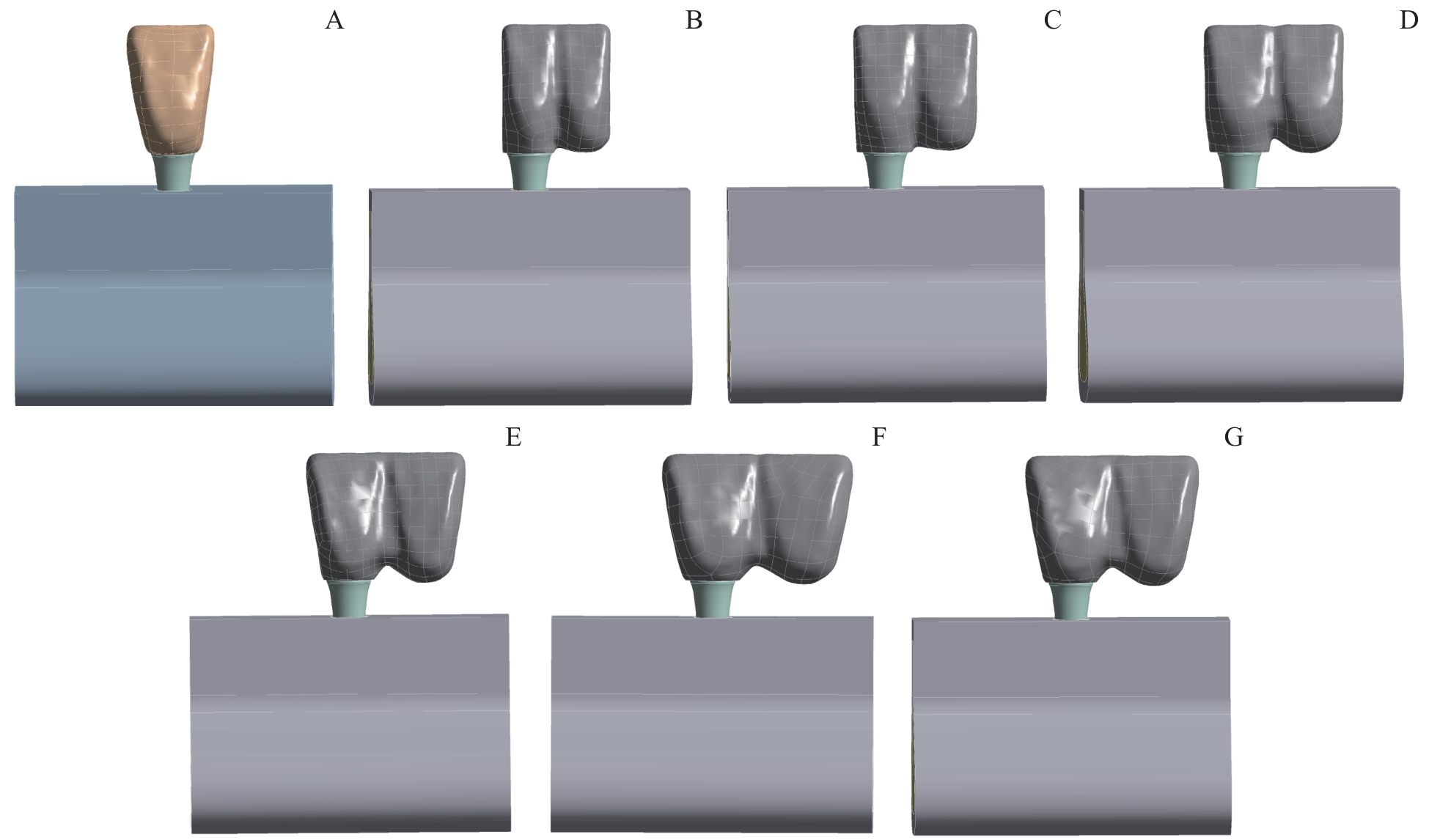
Fig 1 Crown models supported by a single implant
| Material | Elasticity modulus/MPa | Poisson ratio |
|---|---|---|
| Implants and abutments (Ti Grade 5) | 103 400 | 0.35 |
| Cortical bone | 13 700 | 0.30 |
| Dense trabecular bone | 1 370 | 0.30 |
| Crowns (feldspathic porcelain) | 82 800 | 0.35 |
Tab 1 Elastic parameters of each part of the whole model
| Material | Elasticity modulus/MPa | Poisson ratio |
|---|---|---|
| Implants and abutments (Ti Grade 5) | 103 400 | 0.35 |
| Cortical bone | 13 700 | 0.30 |
| Dense trabecular bone | 1 370 | 0.30 |
| Crowns (feldspathic porcelain) | 82 800 | 0.35 |
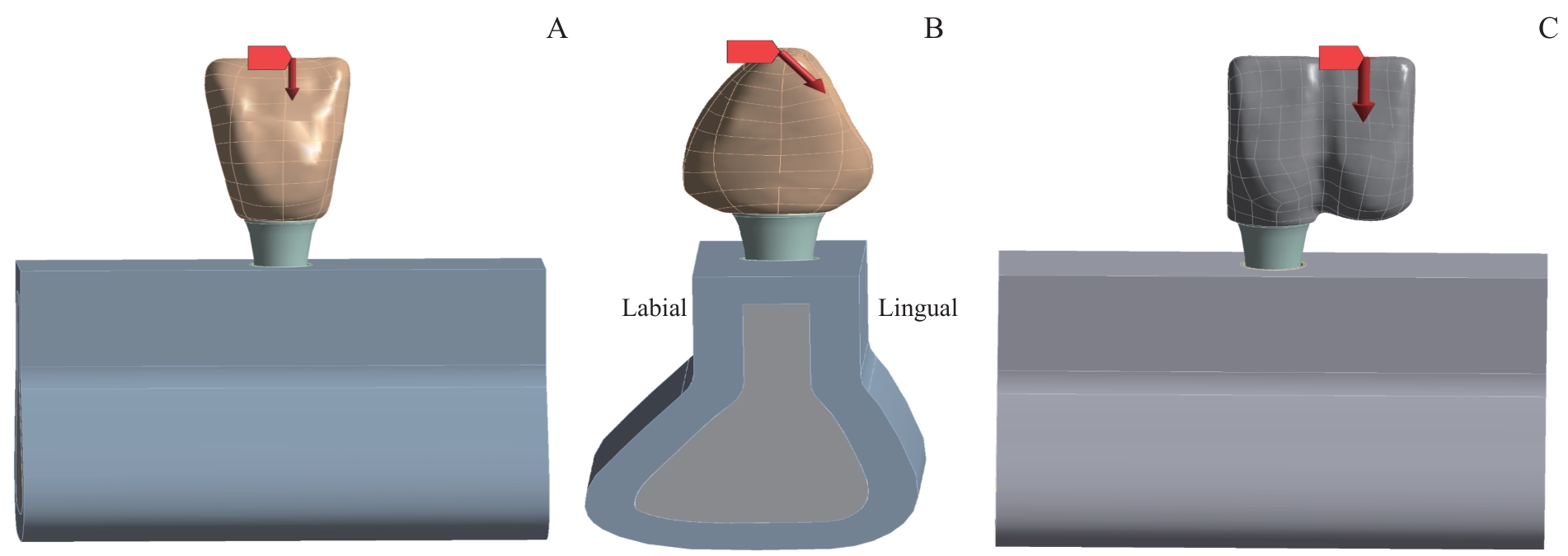
Fig 2 Loading points and directions of the forces on the modesl
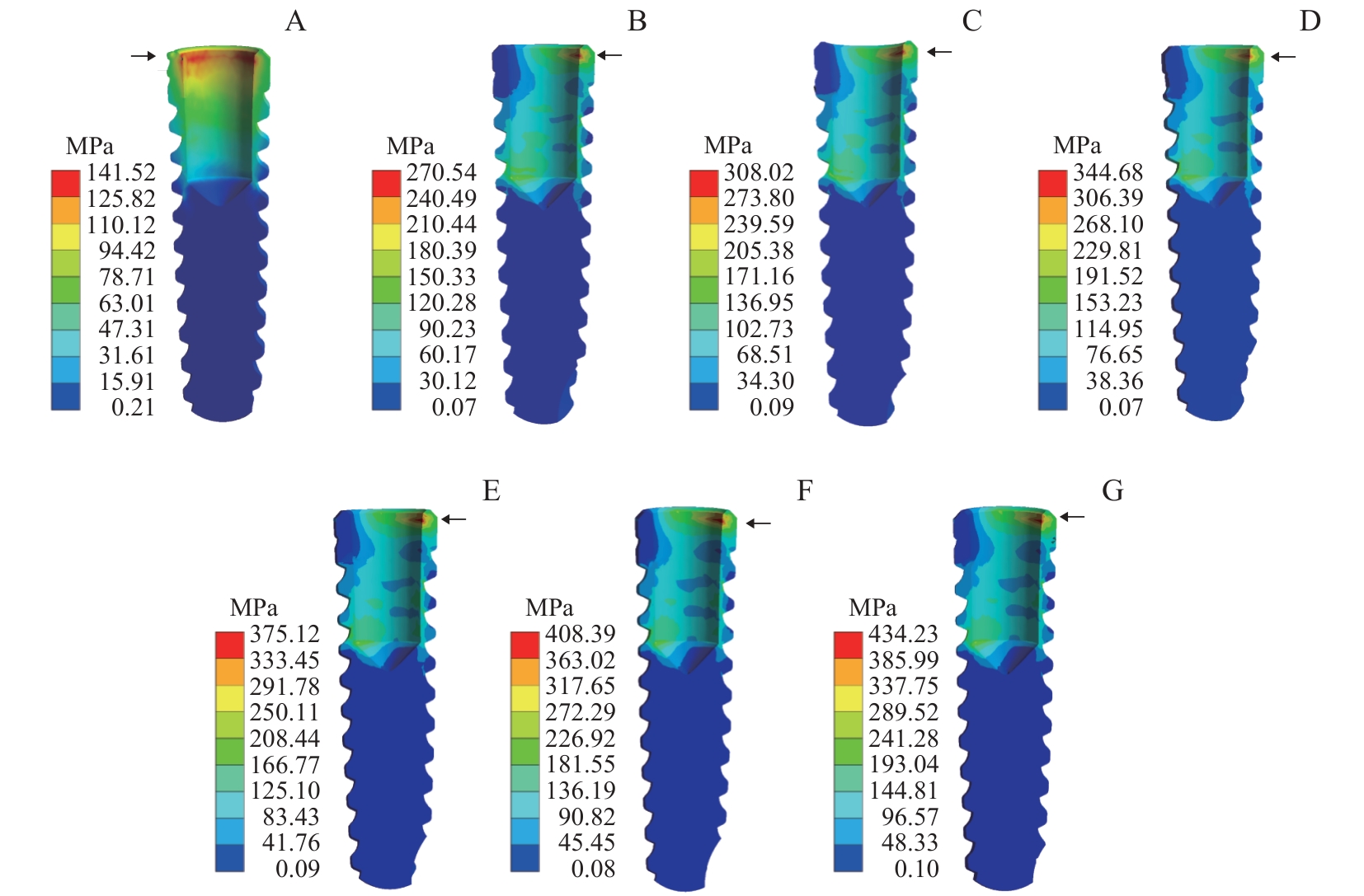
Fig 3 Von-Mises stress peak values and locations on the implants under vertical loading
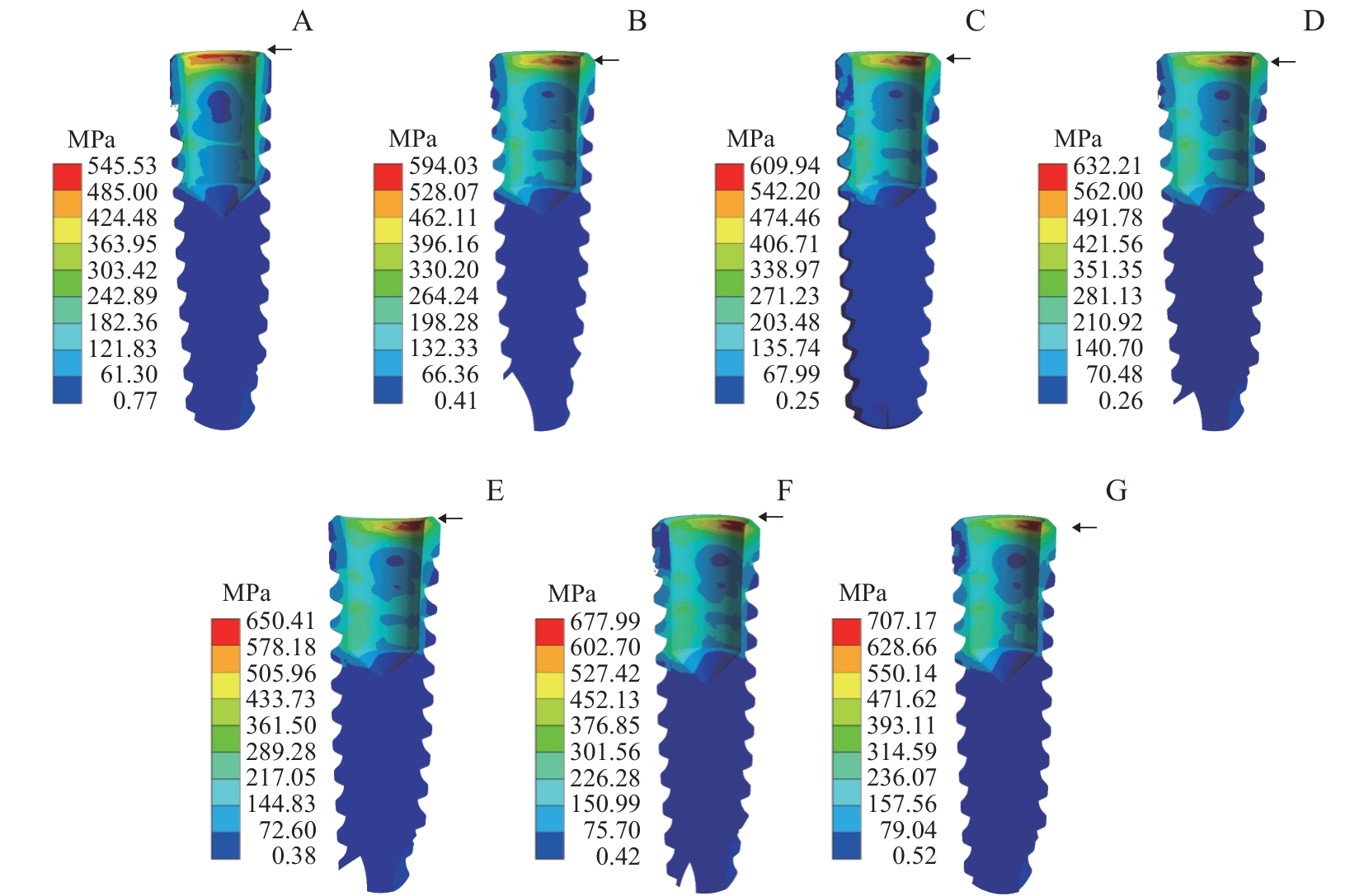
Fig 4 Von-Mises stress peak values and locations on the implants under oblique 30° loading
Mesiodistal width of the crown /mm | Maximum tensile stress in the cortical bone/MPa | Maximum compressive stress in the cortical bone/MPa | Maximum tensile stress in the cancellous bone/MPa |
|---|---|---|---|
| 5.8 | 10.68 | -22.95 | 0.84 |
| 6.8 | 35.12 | -61.69 | 1.95 |
| 7.8 | 38.58 | -68.60 | 2.15 |
| 8.8 | 42.01 | -75.26 | 2.36 |
| 9.8 | 42.14 | -79.47 | 2.57 |
| 10.8 | 47.75 | -86.20 | 2.73 |
| 11.8 | 50.04 | -90.55 | 2.88 |
Tab 2 Stress of alveolar bones around implants under vertical loading
Mesiodistal width of the crown /mm | Maximum tensile stress in the cortical bone/MPa | Maximum compressive stress in the cortical bone/MPa | Maximum tensile stress in the cancellous bone/MPa |
|---|---|---|---|
| 5.8 | 10.68 | -22.95 | 0.84 |
| 6.8 | 35.12 | -61.69 | 1.95 |
| 7.8 | 38.58 | -68.60 | 2.15 |
| 8.8 | 42.01 | -75.26 | 2.36 |
| 9.8 | 42.14 | -79.47 | 2.57 |
| 10.8 | 47.75 | -86.20 | 2.73 |
| 11.8 | 50.04 | -90.55 | 2.88 |
Mesiodistal width of the crown /mm | Maximum tensile stress in the cortical bone/MPa | Maximum compressive stress in the cortical bone/MPa | Maximum tensile stress in the cancellous bone/MPa |
|---|---|---|---|
| 5.8 | 50.35 | -91.10 | 3.85 |
| 6.8 | 46.10 | -106.68 | 4.51 |
| 7.8 | 47.04 | -110.50 | 4.56 |
| 8.8 | 50.81 | -114.28 | 4.61 |
| 9.8 | 48.20 | -119.18 | 4.64 |
| 10.8 | 57.78 | -124.75 | 4.66 |
| 11.8 | 60.82 | -129.39 | 4.70 |
Tab 3 Stress of alveolar bones around implants under oblique 30° loading
Mesiodistal width of the crown /mm | Maximum tensile stress in the cortical bone/MPa | Maximum compressive stress in the cortical bone/MPa | Maximum tensile stress in the cancellous bone/MPa |
|---|---|---|---|
| 5.8 | 50.35 | -91.10 | 3.85 |
| 6.8 | 46.10 | -106.68 | 4.51 |
| 7.8 | 47.04 | -110.50 | 4.56 |
| 8.8 | 50.81 | -114.28 | 4.61 |
| 9.8 | 48.20 | -119.18 | 4.64 |
| 10.8 | 57.78 | -124.75 | 4.66 |
| 11.8 | 60.82 | -129.39 | 4.70 |
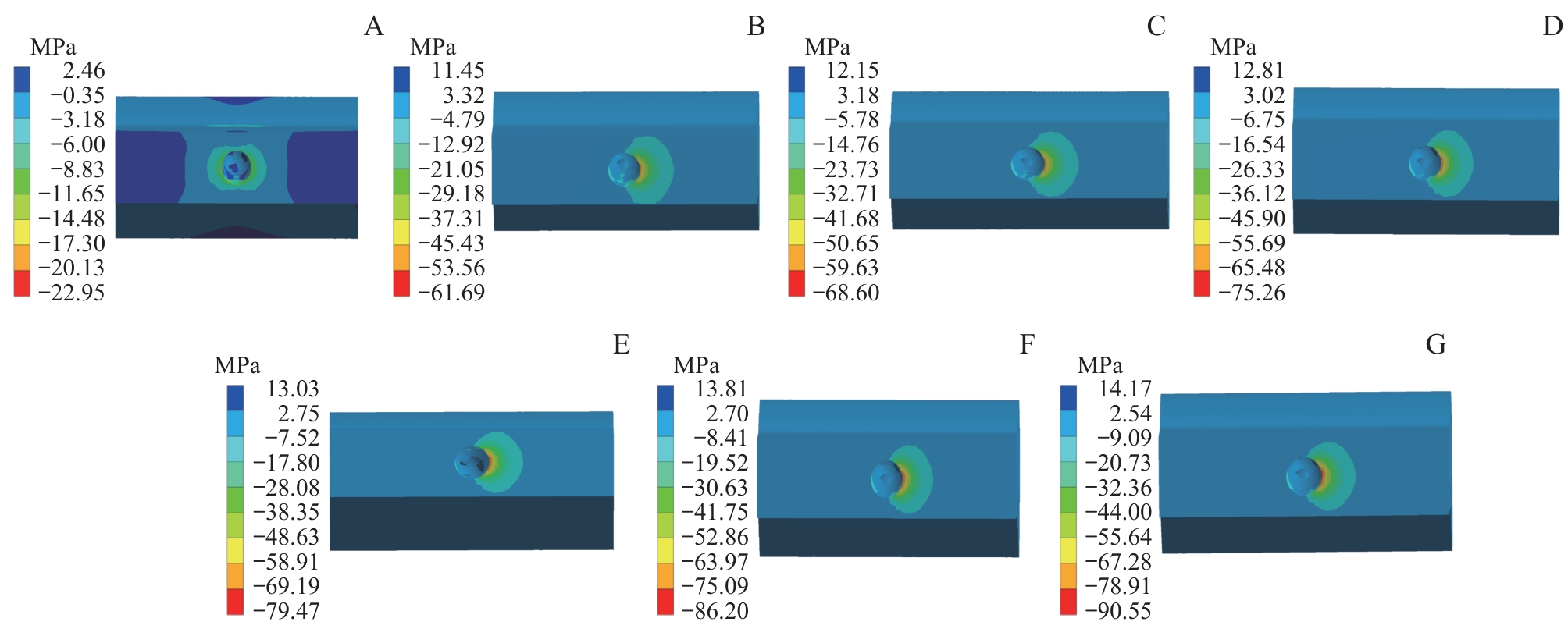
Fig 5 Maximum compressive stress of cortical bones around the implants under vertical loading
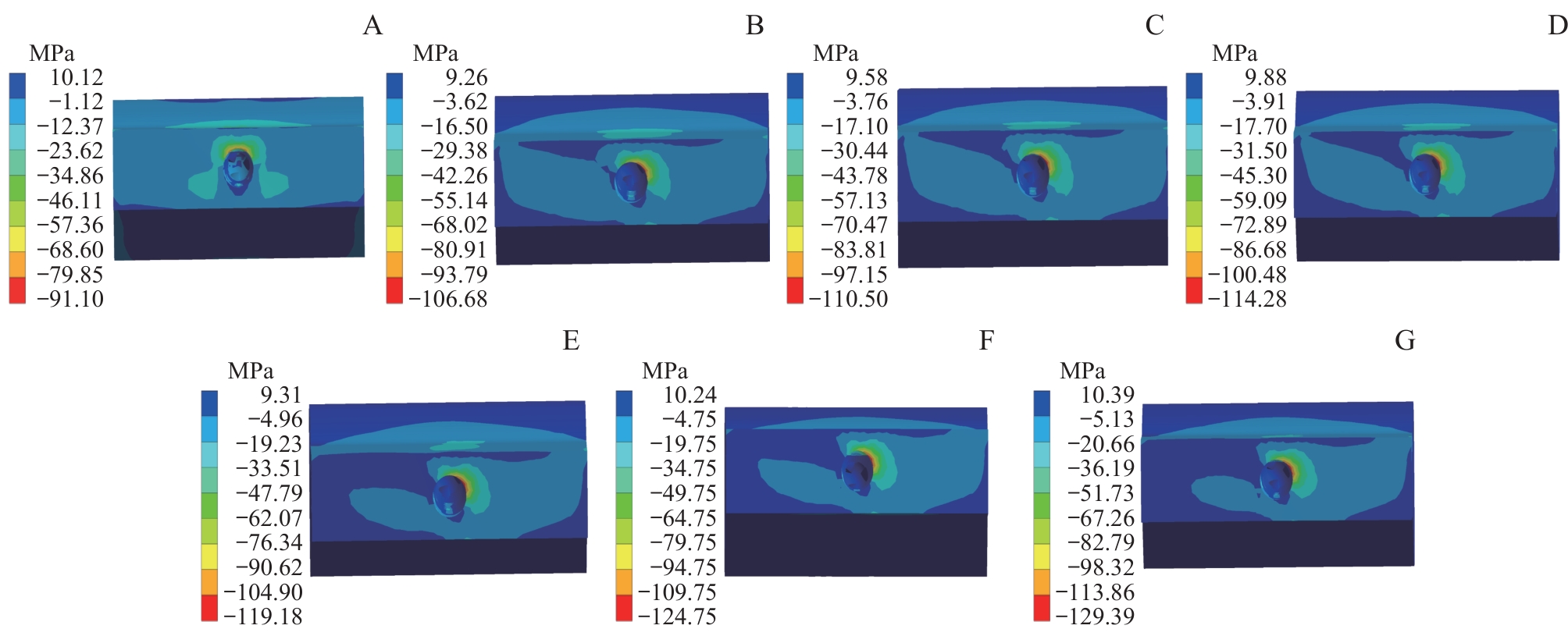
Fig 6 Maximum compressive stress of cortical bones around the implants under oblique 30° loading
| 1 | 蔡芸舟, 李熠洁, 杨艳青, 等. 种植修复的发展现状与不足[J]. 医学信息, 2021, 34(9): 37-39, 44. |
| CAI Y Z, LI Y J, YANG Y Q, et al. Development status and shortcomings of planting restoration[J]. Medical Information, 2021, 34(9): 37-39, 44. | |
| 2 | 杨凯文, 刘艾芃, 王晓华, 等. 水平骨量不足情况下种植牙的研究进展[J]. 医学综述, 2020, 26(22): 4450-4456. |
| YANG K W, LIU A P, WANG X H, et al. Research progress of dental implants under condition of insufficient horizontal alveolar bone[J]. Medical Recapitulate, 2020, 26(22): 4450-4456. | |
| 3 | JOHN J, RANGARAJAN V, SAVADI R C, et al. A finite element analysis of stress distribution in the bone, around the implant supporting a mandibular overdenture with Ball/O ring and magnetic attachment[J]. J Indian Prosthodont Soc, 2012, 12(1): 37-44. |
| 4 | SEVIMAY M, TURHAN F, KILIÇARSLAN M A, et al. Three-dimensional finite element analysis of the effect of different bone quality on stress distribution in an implant-supported crown[J]. J Prosthet Dent, 2005, 93(3): 227-234. |
| 5 | ZAREI M, JAHANGIRNEZHAD M, YOUSEFIMANESH H, et al. A comparative study on the stress distribution around dental implants in three arch form models for replacing six implants using finite element analysis[J]. J Indian Soc Periodontol, 2018, 22(2): 127-132. |
| 6 | ZUPANCIC CEPIC L, FRANK M, REISINGER A, et al. Biomechanical finite element analysis of short-implant-supported, 3-unit, fixed CAD/CAM prostheses in the posterior mandible[J]. Int J Implant Dent, 2022, 8(1): 8. |
| 7 | KÜMBÜLOĞLU Ö, KOYUNCU B, YERLIOĞLU G, et al. Stress distribution on various implant-retained bar overdentures[J]. Materials (Basel), 2022, 15(9): 3248. |
| 8 | UNSAL G S. Three-dimensional finite element analysis of different implant configurations in enlarged first molar areas[J]. Int J Oral Maxillofac Implants, 2020, 35(4): 675-683. |
| 9 | CINEL S, CELIK E, SAGIRKAYA E, et al. Experimental evaluation of stress distribution with narrow diameter implants: a finite element analysis[J]. J Prosthet Dent, 2018, 119(3): 417-425. |
| 10 | 张雨晗, 谢伟丽. 不同长度种植体支持单端固定桥的三维有限元分析[J]. 哈尔滨医科大学学报, 2021, 55(6): 574-578. |
| ZHANG Y H, XIE W L. Three-dimensional finite element analysis of cantilever fixed bridges supported by implants of different lengths[J]. Journal of Harbin Medical University, 2021, 55(6): 574-578. | |
| 11 | 夏昭鑫, 高亦辰, 邓雨瑶, 等. 不同材料种植体修复单颗上前牙缺失的三维有限元分析[J]. 中国组织工程研究, 2025, 29(22): 4687-4693. |
| XIA Z X, GAO Y C, DENG Y Y, et al. Three-dimensional finite element analysis of different material implants for replacing single missing anterior tooth[J]. Chinese Journal of Tissue Engineering Research, 2025, 29(22): 4687-4693. | |
| 12 | 王岚, 秦思琪, 陈思宇, 等. 三维有限元分析法在口腔种植学中的应用进展[J]. 现代医药卫生, 2022, 38(6): 995-999. |
| WANG L, QIN S Q, CHEN S Y, et al. Progress in the application of three-dimensional finite element analysis in oral implantology[J]. Journal of Modern Medicine & Health, 2022, 38(6): 995-999. | |
| 13 | MEIJER H J A, STELLINGSMA K, POL C W P, et al. Dental implant treatment for two adjacent missing teeth in the esthetic region: a systematic review and 10-year results of a prospective comparative pilot study[J]. Clin Exp Dent Res, 2023, 9(6): 954-968. |
| 14 | TAHA A, AL-SHAHAT M A, GHAZY M. Clinical and radiographic evaluations of implant-supported cantilever fixed partial dentures replacing maxillary anterior teeth: a randomized clinical trial[J]. J Prosthet Dent, 2020, 124(6): 659-666. |
| 15 | WANG S C, WANG J C, CHANG C J, et al. Interdisciplinary treatment with implant-supported two-unit cantilever prosthesis for a patient with hypodontia: a clinical report[J]. J Prosthet Dent, 2023, 129(5): 676-680. |
| 16 | RUES S, KAPPEL S, RUCKES D, et al. Resistance to fracture in fixed dental prostheses over cemented and screw-retained implant-supported zirconia cantilevers in the anterior region: an in vitro study[J]. Int J Oral Maxillofac Implants, 2020, 35(3): 521-529. |
| 17 | ROCCUZZO A, JENSEN S S, WORSAAE N, et al. Implant-supported 2-unit cantilevers compared with single crowns on adjacent implants: a comparative retrospective case series[J]. J Prosthet Dent, 2020, 123(5): 717-723. |
| 18 | MOSAVAR A, NILI M, HASHEMI S R, et al. A comparative analysis on two types of oral implants, bone-level and tissue-level, with different cantilever lengths of fixed prosthesis[J]. J Prosthodont, 2017, 26(4): 289-295. |
| 19 | KANG N, WU Y Y, GONG P, et al. A study of force distribution of loading stresses on implant-bone interface on short implant length using 3-dimensional finite element analysis[J]. Oral Surg Oral Med Oral Pathol Oral Radiol, 2014, 118(5): 519-523. |
| 20 | CORRÊA C B, MARGONAR R, NORITOMI P Y, et al. Mechanical behavior of dental implants in different positions in the rehabilitation of the anterior maxilla[J]. J Prosthet Dent, 2014, 111(4): 301-309. |
| 21 | KIM P, IVANOVSKI S, LATCHAM N, et al. The impact of cantilevers on biological and technical success outcomes of implant-supported fixed partial dentures. A retrospective cohort study[J]. Clin Oral Implants Res, 2014, 25(2): 175-184. |
| 22 | PALMER R M, HOWE L C, PALMER P J, et al. A prospective clinical trial of single Astra Tech 4.0 or 5.0 diameter implants used to support two-unit cantilever bridges: results after 3 years[J]. Clin Oral Implants Res, 2012, 23(1): 35-40. |
| 23 | 张先玉, 赵鹏, 许嘉琳, 等. 种植体支持式单端悬臂桥的中短期临床评价[J]. 中国实用口腔科杂志, 2023, 16(1): 70-75. |
| ZHANG X Y, ZHAO P, XU J L, et al. Clinical evaluation of implant-supported prostheses with cantilever in short and mid-term period[J]. Chinese Journal of Practical Stomatology, 2023, 16(1): 70-75. | |
| 24 | SCHIEGNITZ E, AL-NAWAS B. Narrow-diameter implants: a systematic review and meta-analysis[J]. Clin Oral Implants Res, 2018, 29 (Suppl 16): 21-40. |
| 25 | BARBOSA F T, ZANATTA L C S, DE SOUZA RENDOHL E, et al. Comparative analysis of stress distribution in one-piece and two-piece implants with narrow and extra-narrow diameters: a finite element study[J]. PLoS One, 2021, 16(2): e0245800. |
| 26 | 刘东升, 王彦梅, 何家才. 钛锆小直径种植体应用于前牙美学区的临床效果[J]. 口腔疾病防治, 2019, 27(7): 446-450. |
| LIU D S, WANG Y M, HE J C. Clinical effect of titanium-zirconium small-diameter implants in the anterior esthetic zone[J]. Journal of Prevention and Treatment for Stomatological Diseases, 2019, 27(7): 446-450. | |
| 27 | 黄燕霞. 窄直径种植体修复上颌中切牙缺失的效果观察[J]. 现代诊断与治疗, 2020, 31(8): 1270-1271. |
| HUANG Y X. Observation on the effect of narrow diameter implants in the restoration of missing maxillary central incisors[J]. Modern Diagnosis and Treatment, 2020, 31(8): 1270-1271. | |
| 28 | SHI J Y, XU F Y, ZHUANG L F, et al. Long-term outcomes of narrow diameter implants in posterior jaws: a retrospective study with at least 8-year follow-up[J]. Clin Oral Implants Res, 2018, 29(1): 76-81. |
| 29 | ASSAF A, SAAD M, HIJAWI S. Use of narrow-diameter implants in the posterior segments of the jaws: a retrospective observational study of 2 to 11 years[J]. J Prosthet Dent, 2023, 130(6): 840-848. |
| 30 | DE SOUZA A B, SUKEKAVA F, TOLENTINO L, et al. Narrow- and regular-diameter implants in the posterior region of the jaws to support single crowns: a 3-year split-mouth randomized clinical trial[J]. Clin Oral Implants Res, 2018, 29(1): 100-107. |
| [1] | Jian-ming YUAN, Bin WEI, Wei-xing XU, Lei ZHANG. CBCT effects of different abutment angles on alveolar bone changes in maxillary anterior teeth [J]. JOURNAL OF SHANGHAI JIAOTONG UNIVERSITY (MEDICAL SCIENCE), 2021, 41(3): 339-343. |
| Viewed | ||||||
|
Full text |
|
|||||
|
Abstract |
|
|||||
