Journal of Shanghai Jiao Tong University (Medical Science) ›› 2025, Vol. 45 ›› Issue (8): 981-989.doi: 10.3969/j.issn.1674-8115.2025.08.005

• Basic research • Previous Articles     Next Articles

Role of CARD9 in macrophage M1 polarization in severe acute pancreatitis rats

WANG Lin1, XU Ping1,2, ZHANG Qiaoting2, TIAN Jun1, LOU Xiaoli2, WANG Jing1()   

  1. 1.Department of Gastroenterology, Songjiang Hospital, Shanghai Jiao Tong University School of Medicine, Shanghai 201600, China
    2.Shanghai Songjiang Clinical Medical College of Nanjing Medical University, Shanghai 201600, China
  • Received:2024-12-06 Accepted:2025-04-25 Online:2025-08-28 Published:2025-08-18
  • Contact: WANG Jing E-mail:wangj0081@126.com
  • Supported by:
    Shanghai Natural Science Foundation(20ZR1450900)

Abstract:

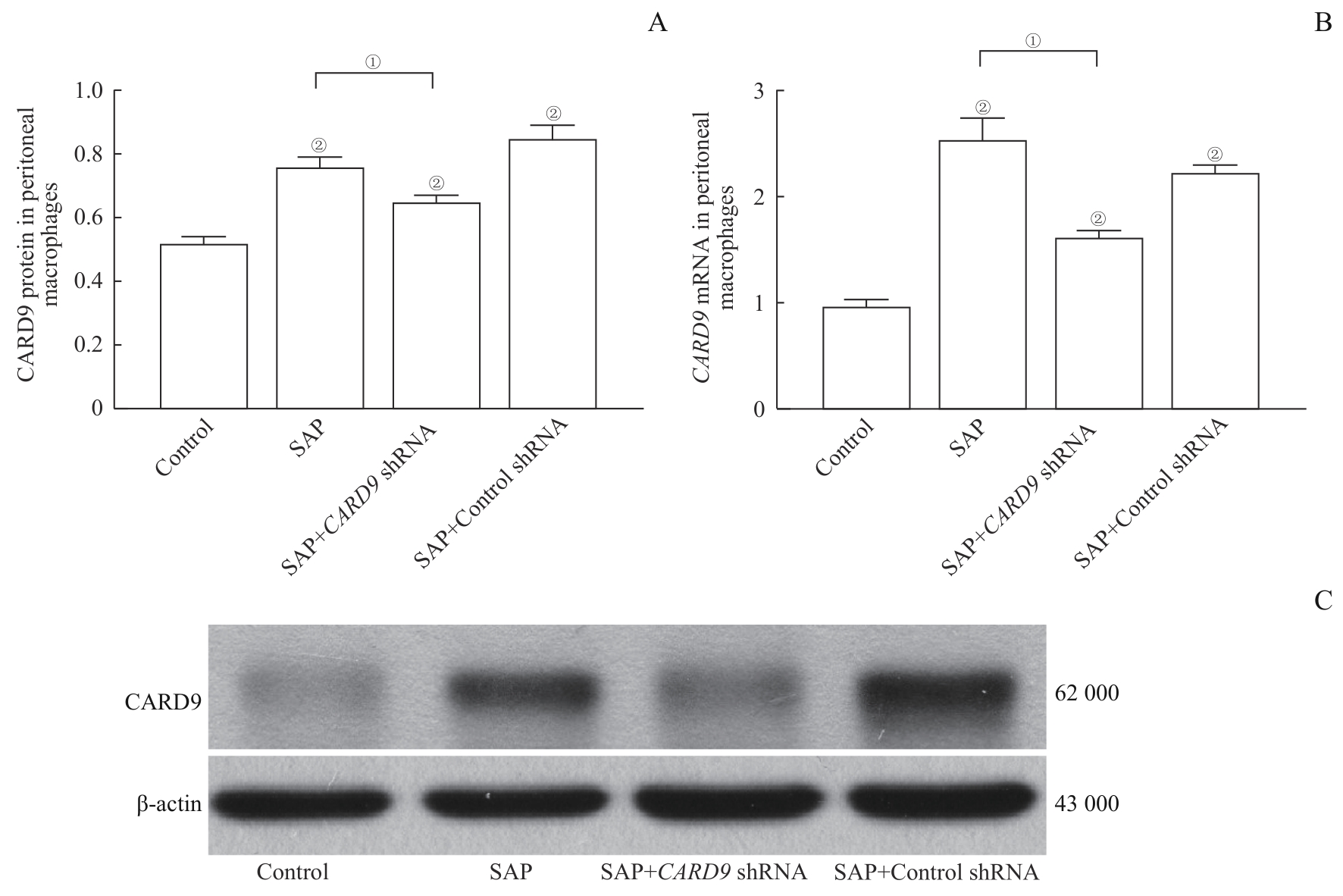
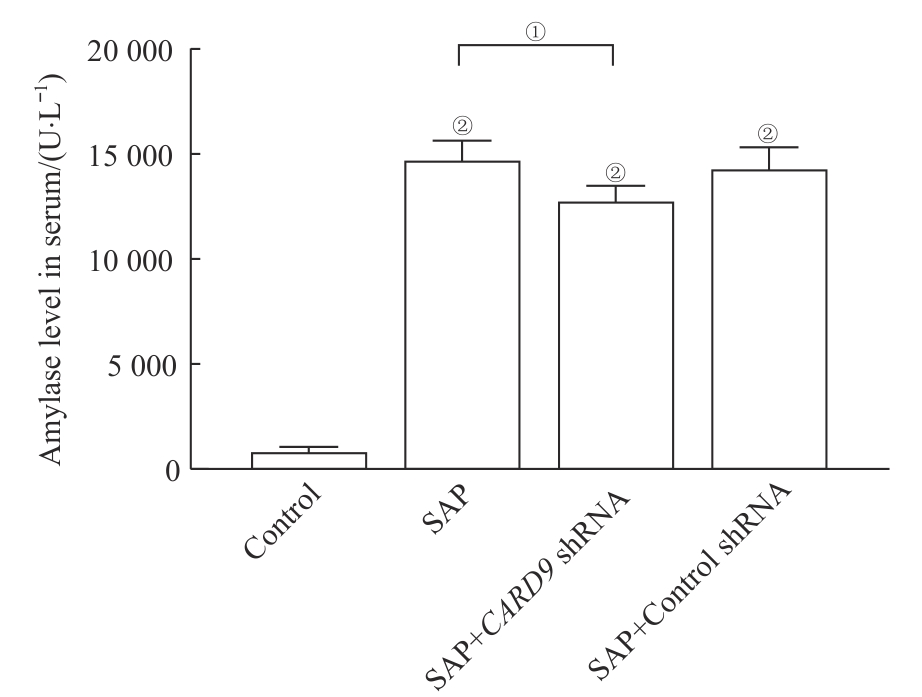
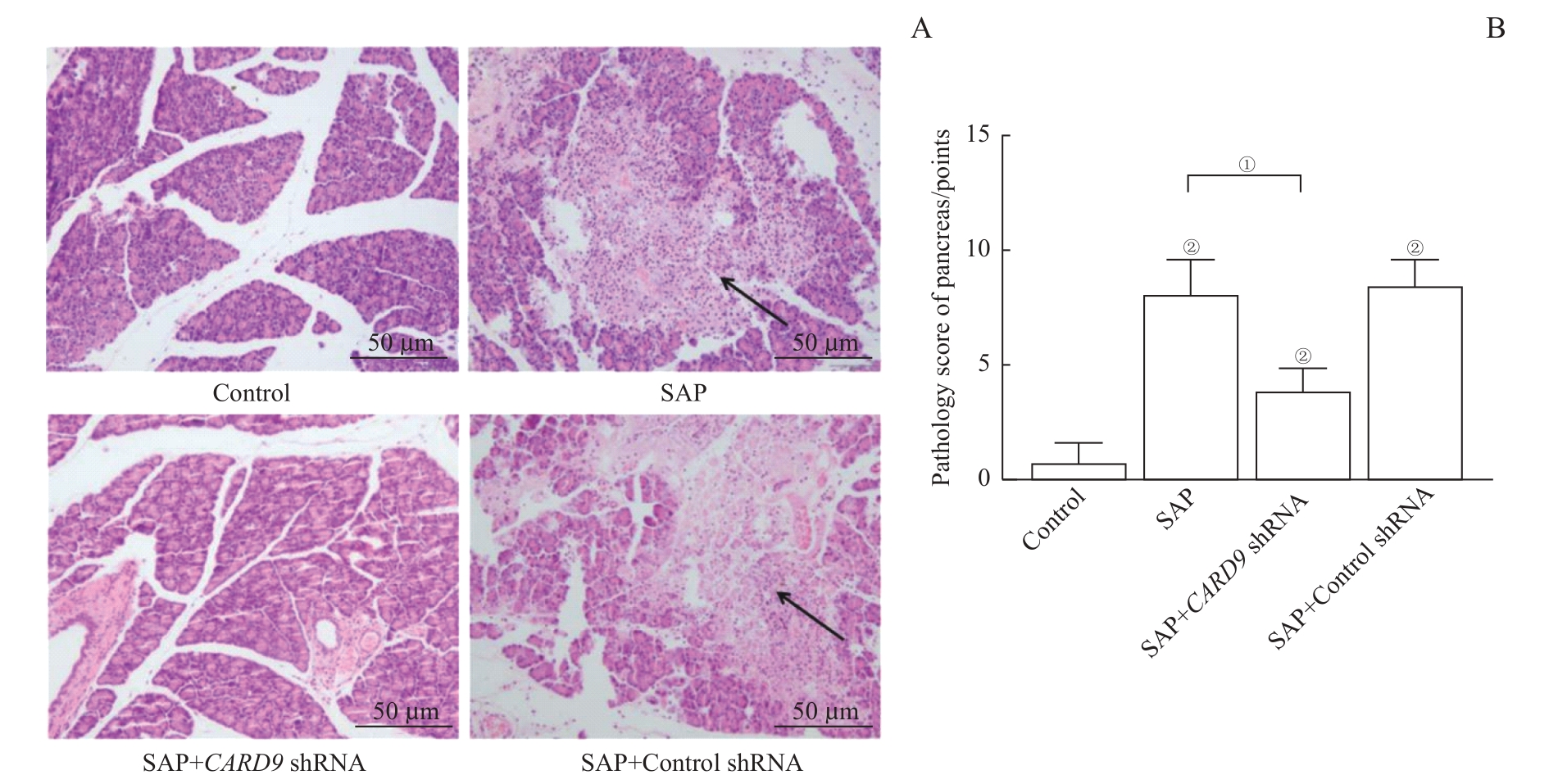
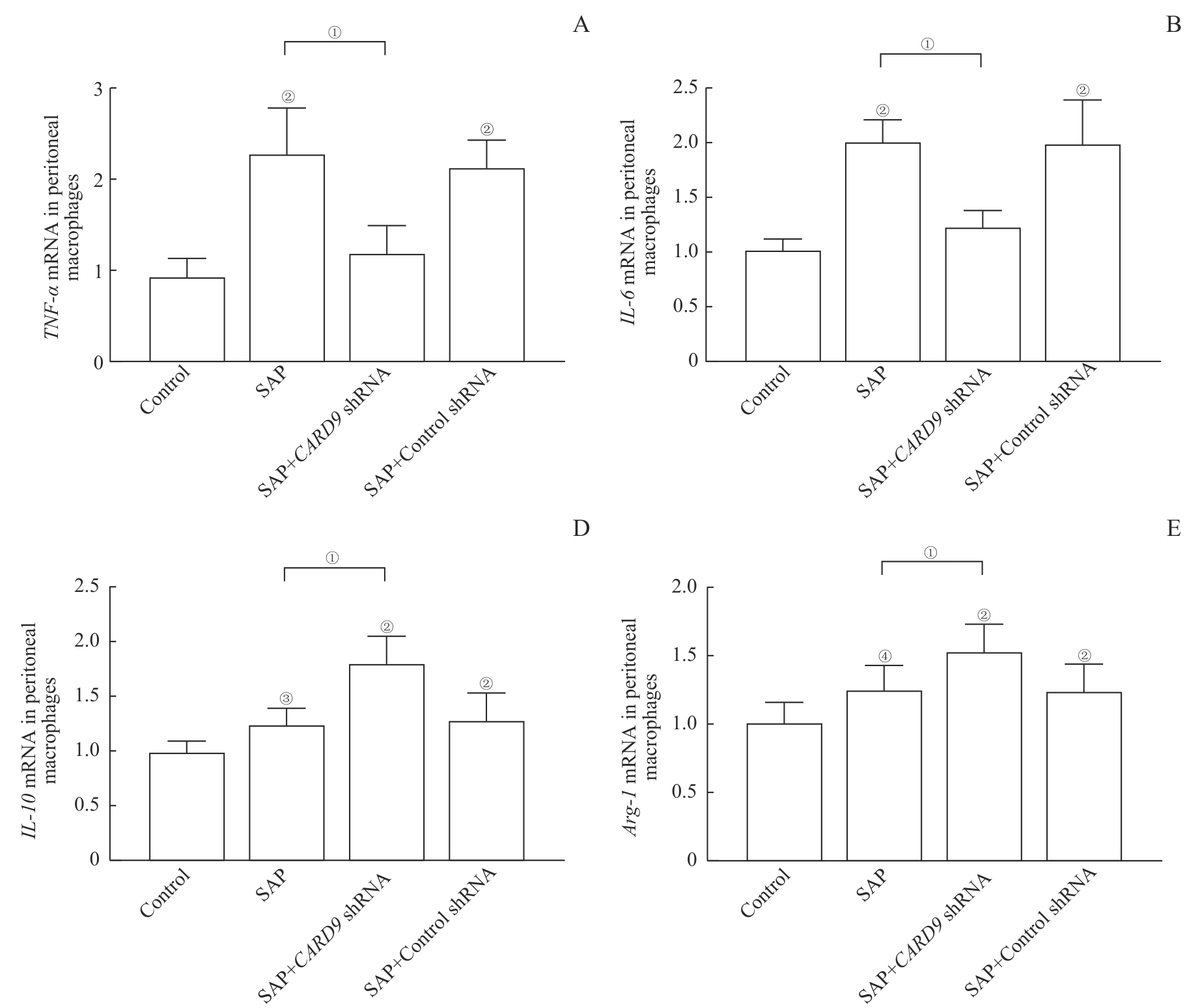
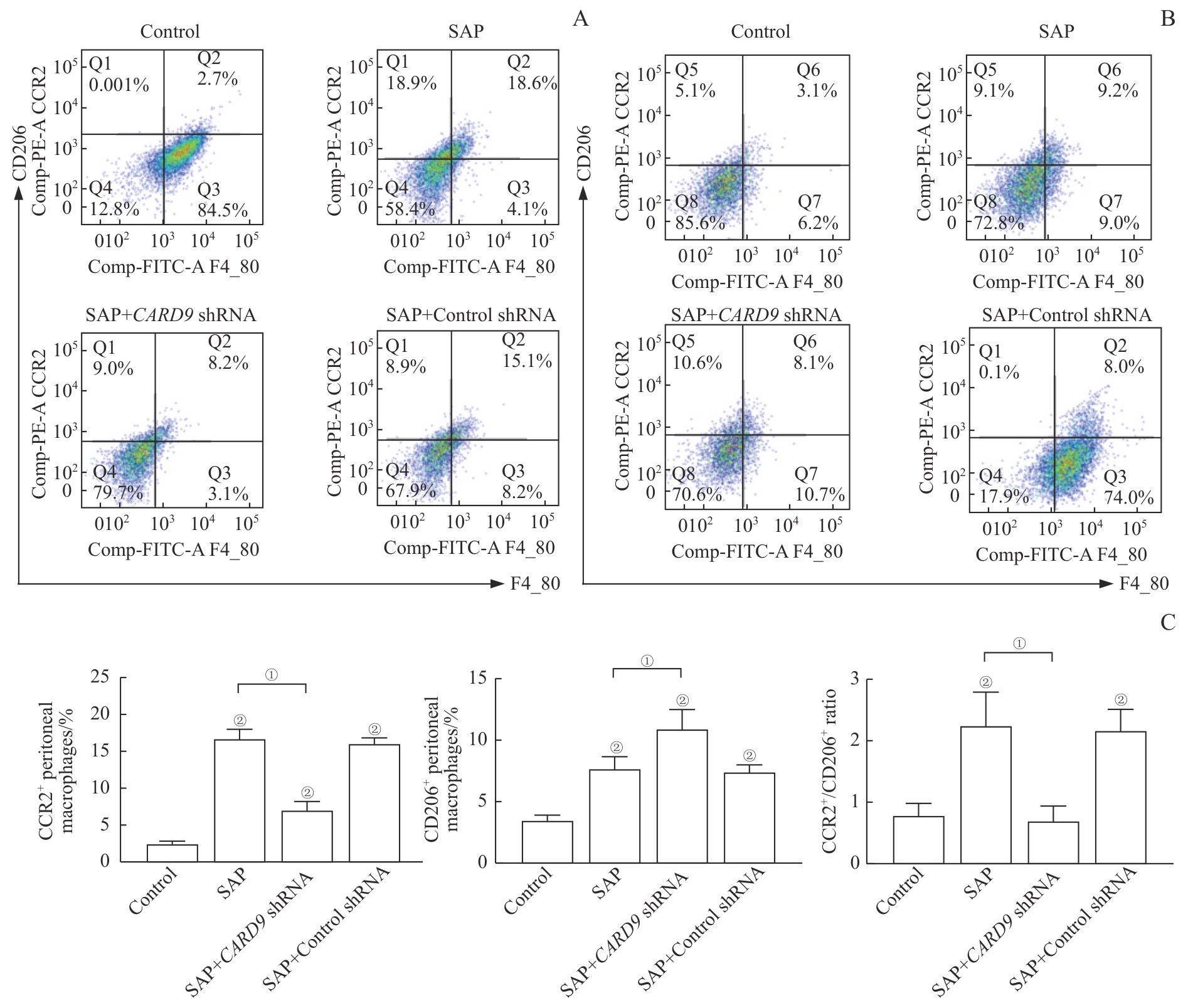
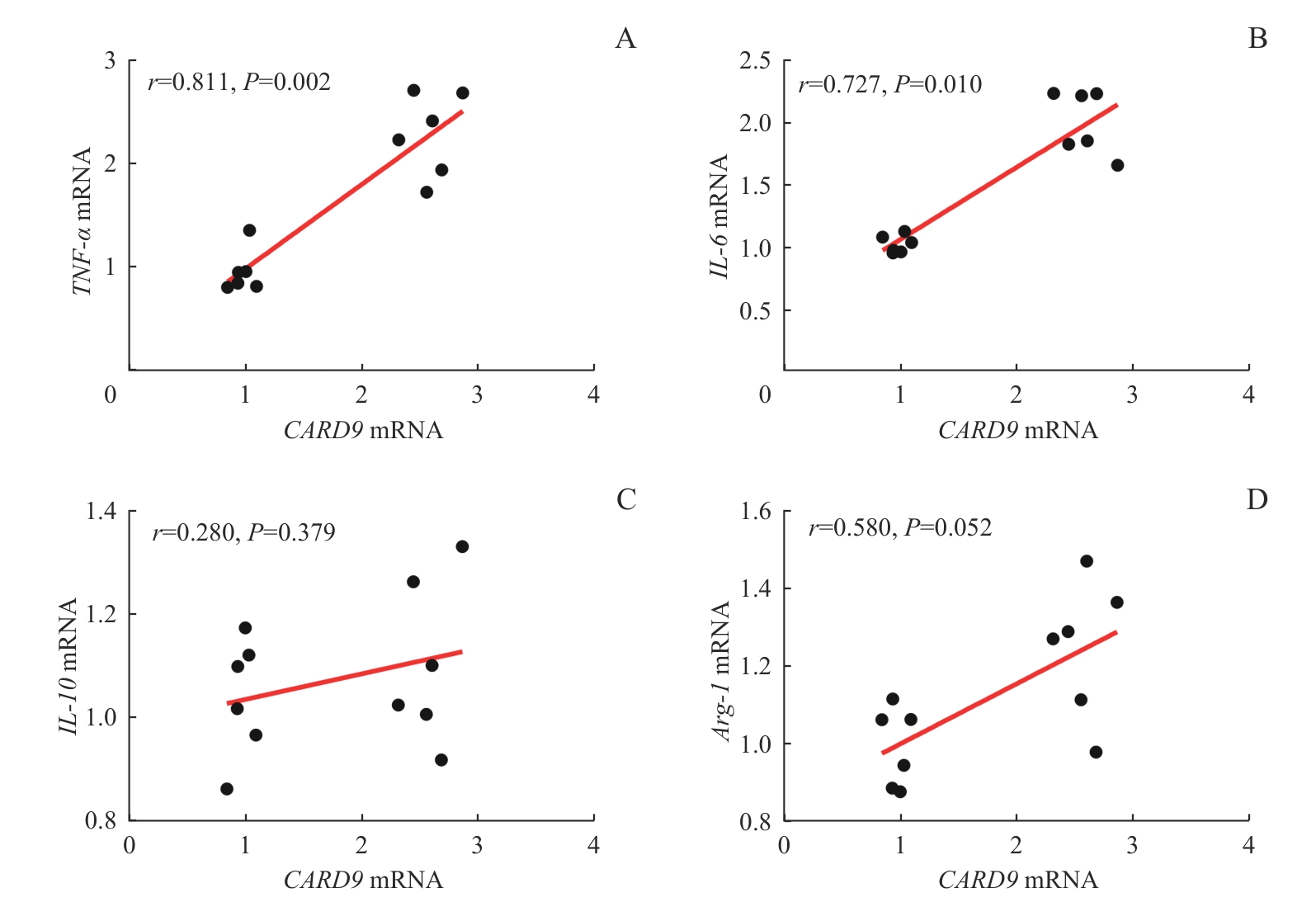
Objective ·To investigate the role of caspase recruitment domain-containing protein 9 (CARD9) in regulating macrophage polarization in a rat model of severe acute pancreatitis (SAP). Methods ·SD rats were divided into 4 groups: Control group, SAP group, SAP+CARD9 shRNA group, and SAP+Control shRNA group with six rats in each group. The SAP rats transfected with CARD9 shRNA were established by injecting CARD9 shRNA adenovirus 48 hours before the SAP model was induced. The pancreatic tissues, peripheral blood, and peritoneal macrophages were collected 12 hours after the model was established. The expressions of CARD9 gene and CARD9 protein in peritoneal macrophages and pancreatic tissues were measured by real-time PCR and Western blotting. The expressions of TNF-α, IL-6, IL-10 and Arg-1 mRNA were detected by real-time PCR and the polarization types of peritoneal macrophages were detected by flow cytometry. Results ·The expressions of CARD9 gene and CARD9 protein in peritoneal macrophages in CARD9 shRNA rats were significantly lower than those in SAP rats and interference control rats, which confirmed the success of CARD9 interference model. Compared with SAP rats, CARD9 shRNA rats had significantly reduced degree of inflammation and pathological scores; the mRNA levels of TNF-α, and IL-6 in peritoneal macrophages were significantly decreased; meanwhile, the mRNA levels of IL-10 and Arg-1 were increased, and the changes in TNF-α and IL-6 were significantly higher than those of IL-10 and Arg-1. The proportion of M1 macrophages was significantly reduced, and the ratio of M1/M2 was significantly decreased. The expression level of CARD9 mRNA in peritoneal macrophages was positively correlated with the proportion of M1 macrophages and the mRNA levels of TNF-α and IL-6. Conclusion ·CARD9 is involved in regulating macrophage polarization in SAP rats, and it mainly regulates M1 polarization. Inhibition of CARD9 expression can reduce M1 macrophage polarization and reduce the inflammatory response in SAP rats.

Key words: macrophage polarization, severe acute pancreatitis, caspase recruitment domain-containing protein 9, SD rat, peritoneal macrophage

CLC Number: