
Journal of Shanghai Jiao Tong University (Medical Science) ›› 2026, Vol. 46 ›› Issue (7): 961-971.doi: 10.3969/j.issn.1674-8115.2026.07.015
• Evidence-based medicine • Previous Articles Next Articles
Hao Fengjie1,2, Wang Junqing1,2( ), Lu Ye1()
Received:2025-12-22
Accepted:2026-02-24
Online:2026-06-29
Published:2026-06-29
Contact:
Wang Junqing, Lu Ye
E-mail:wangjunqingmd@ hotmail.com;wangjunqingmd@hotmail.com;eric_luye@163.com
Supported by:CLC Number:
Hao Fengjie, Wang Junqing, Lu Ye. Immune cell traits mediate the association between alcoholic liver disease and hepatocellular carcinoma: a Mendelian randomization and mediation analysis[J]. Journal of Shanghai Jiao Tong University (Medical Science), 2026,(7): 961-971.
Add to citation manager EndNote|Ris|BibTeX
URL: https://xuebao.shsmu.edu.cn/EN/10.3969/j.issn.1674-8115.2026.07.015
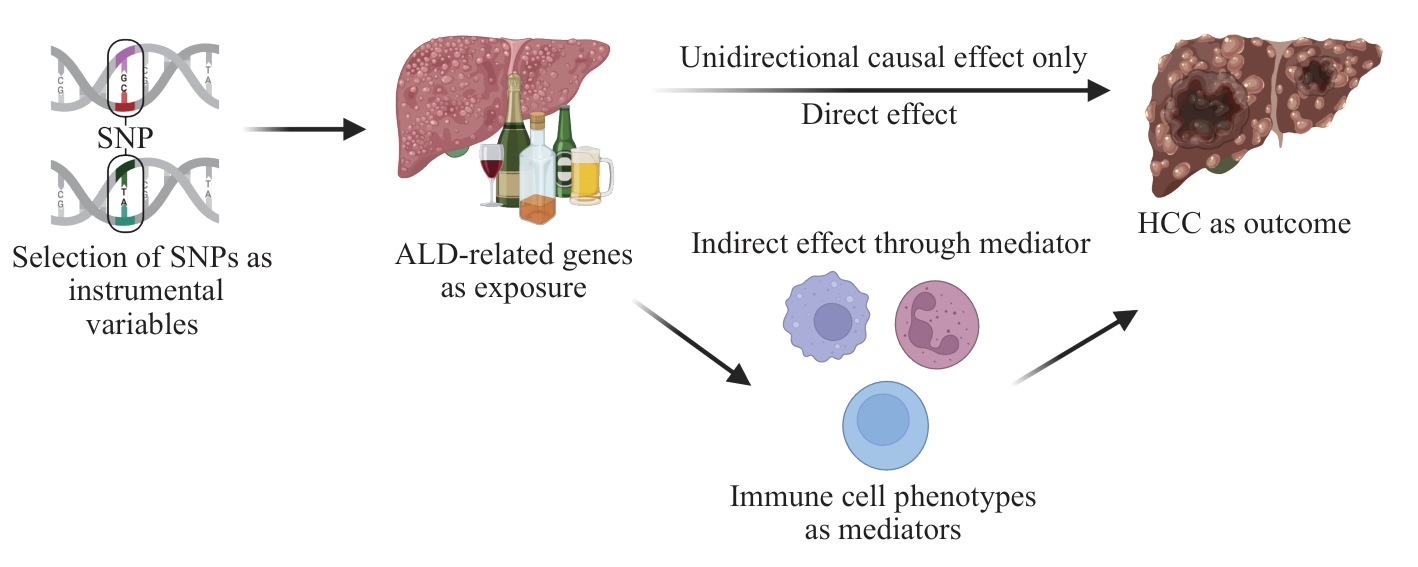
Fig 1 Study design workflow
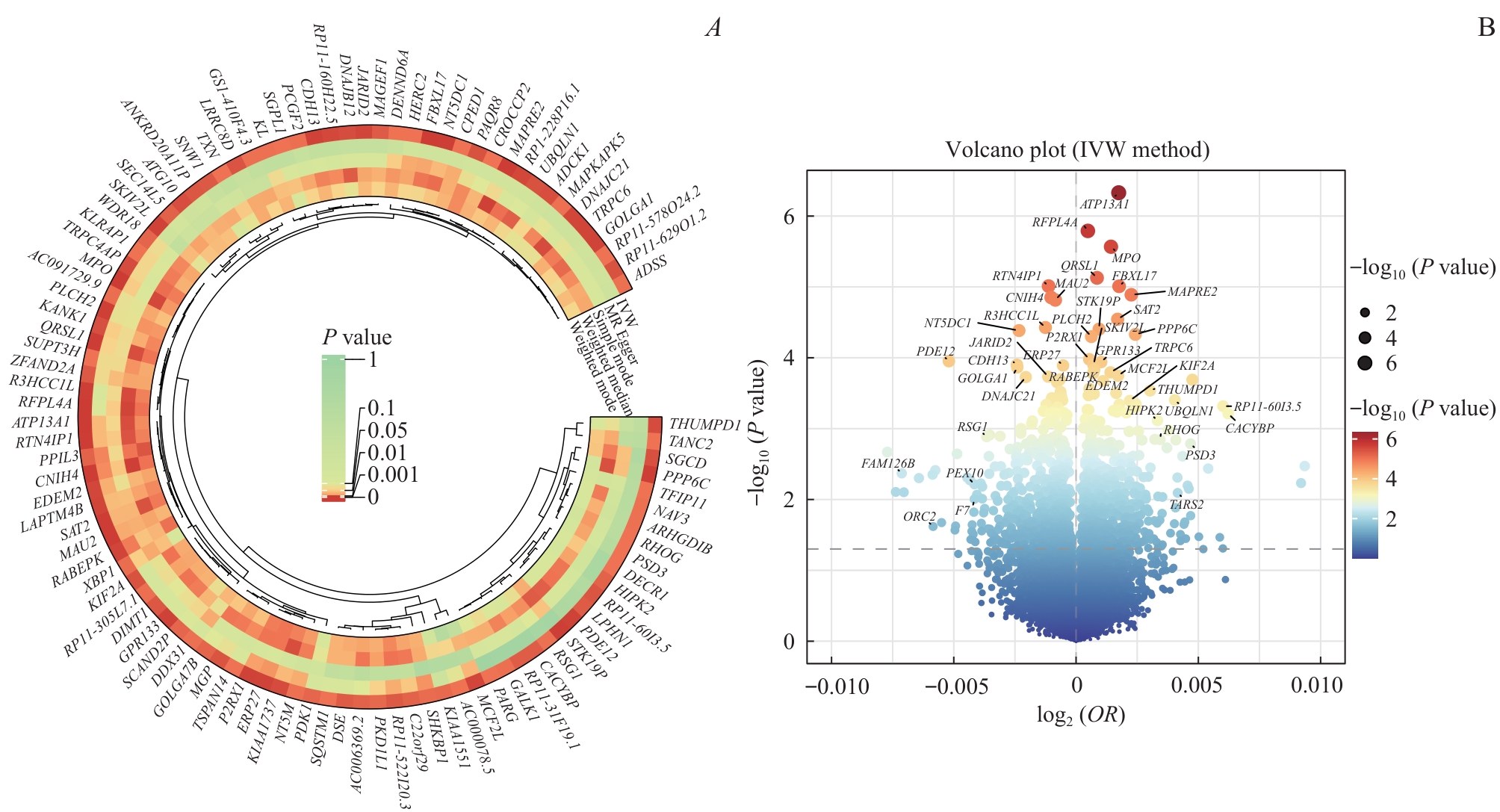
Fig 2 Positive results from MR analysis of cis-eQTL data on HCC
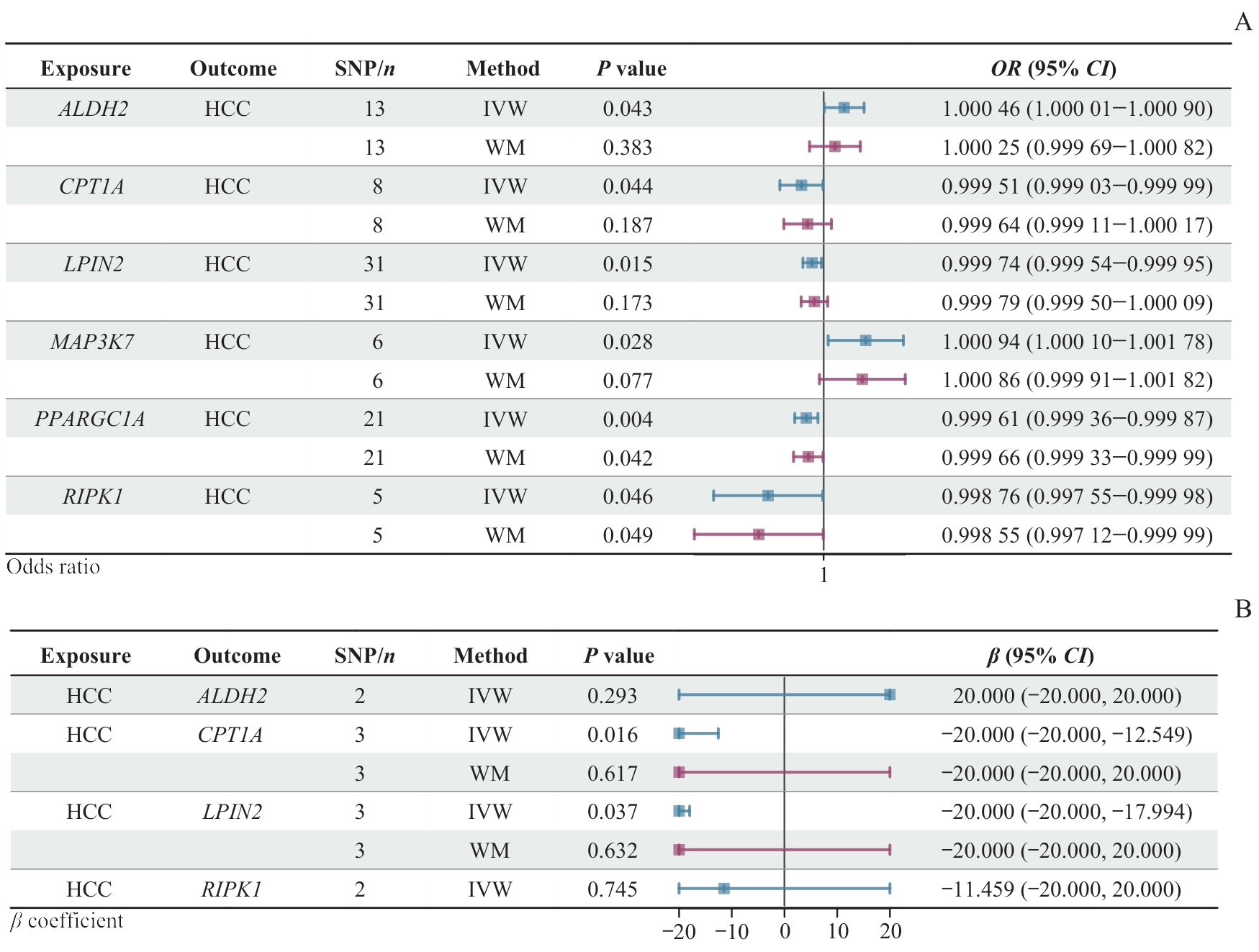
Fig 3 MR analysis of the effect of ALD-related genes on HCC
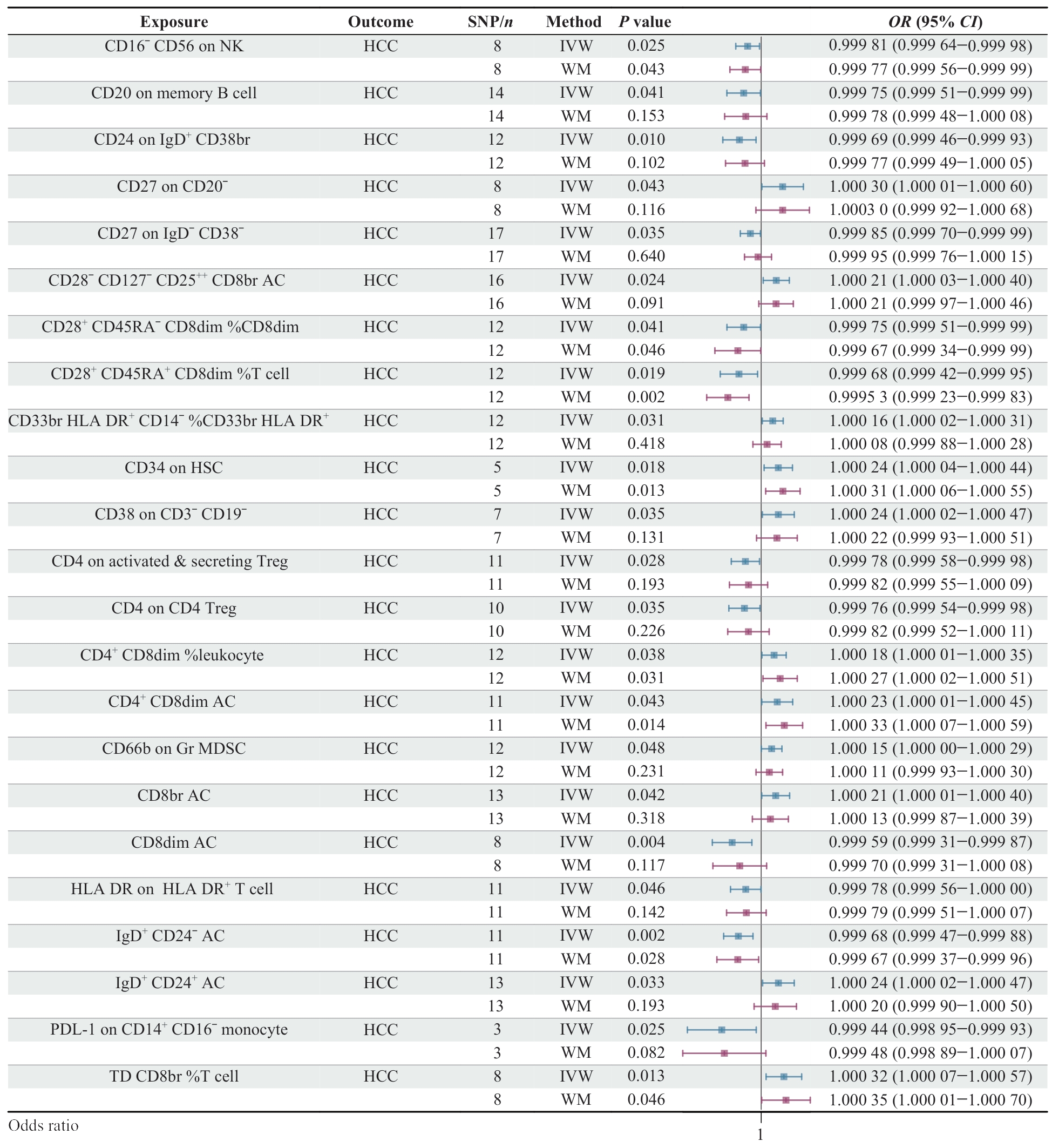
Fig 4 MR analysis of immune cell traits associated HCC
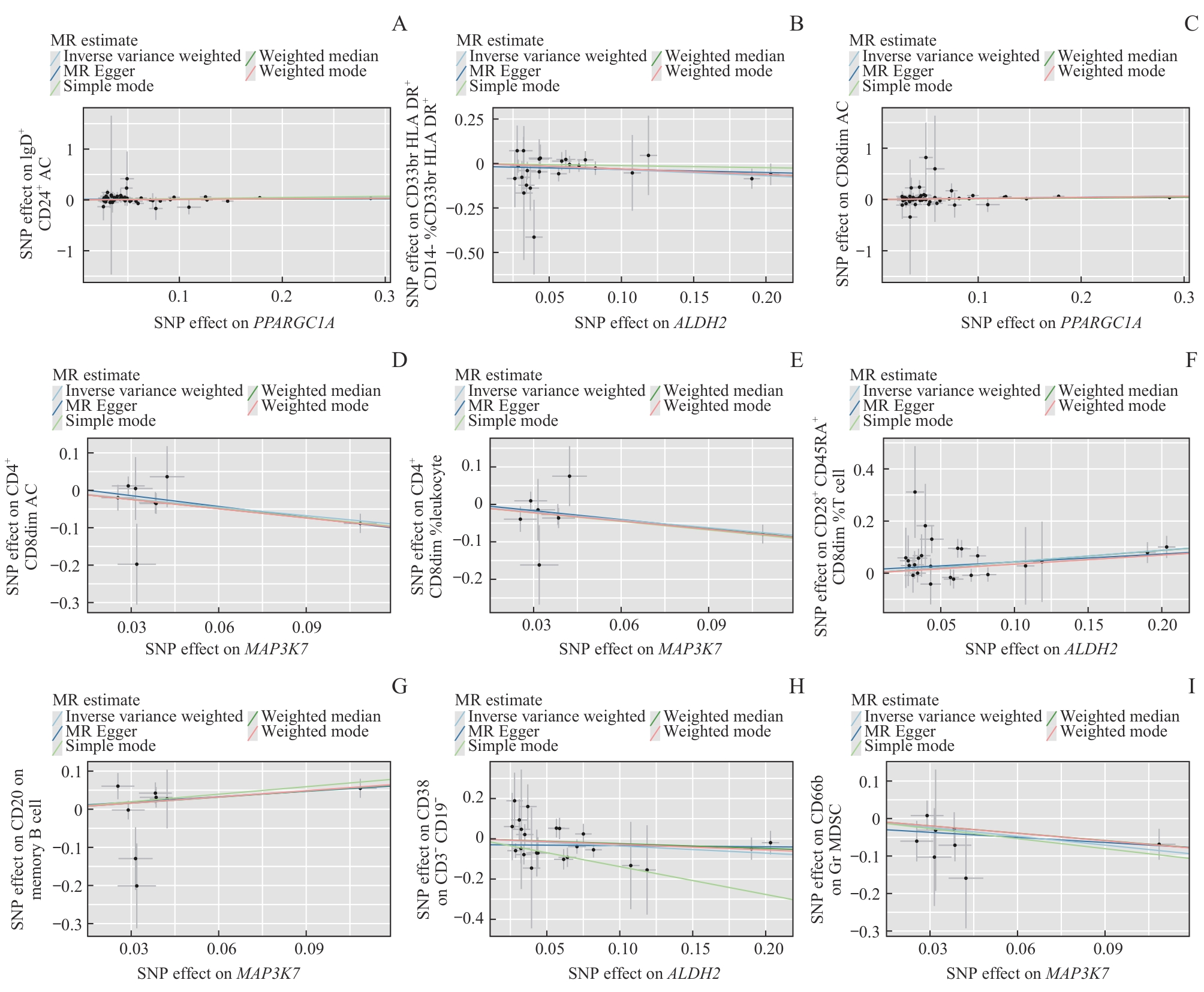
Fig 5 Scatter plots of ALD-related genes and immune cell traits
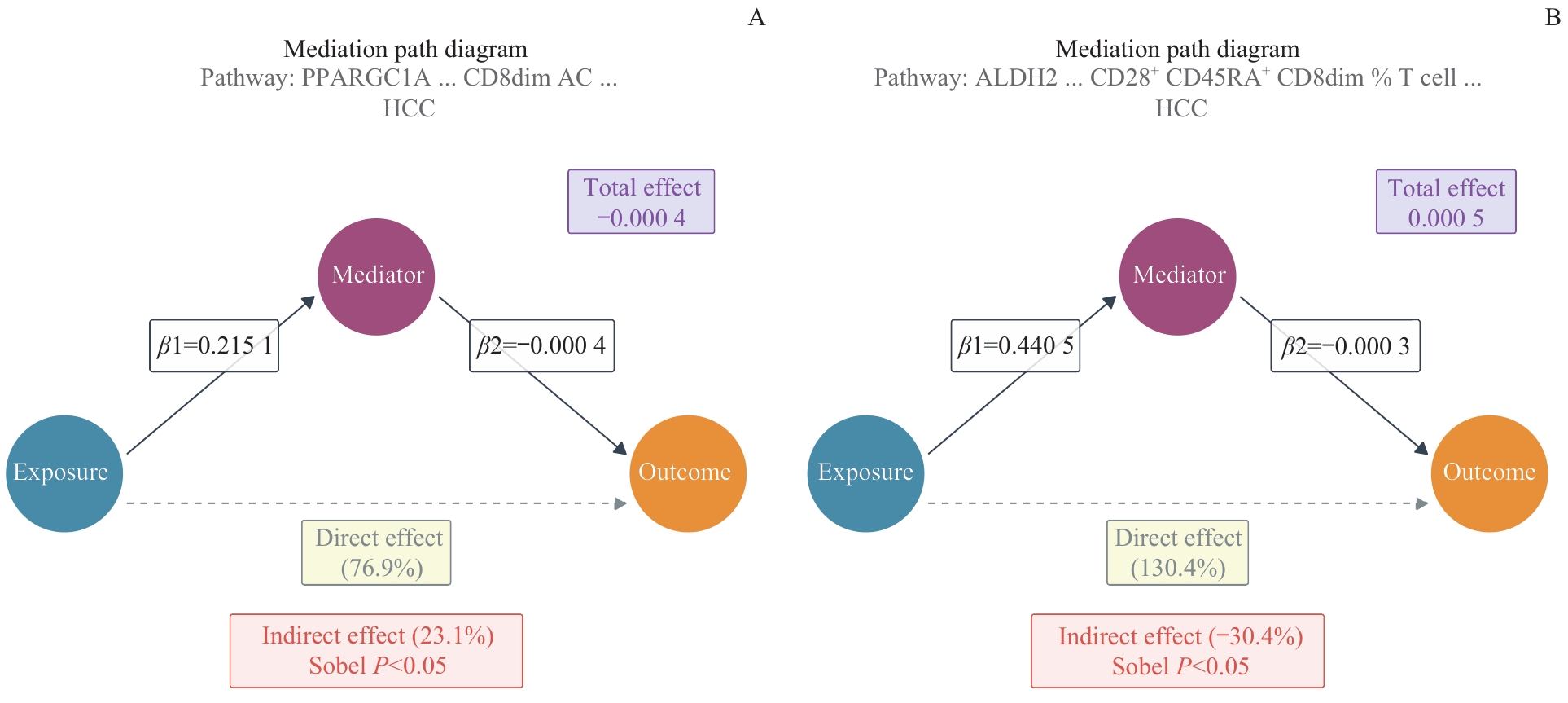
Fig 6 Mediating effects of specific immune cell phenotypes on the association between ALD and HCC risk
| [1] | Singal A K, Mathurin P. Diagnosis and treatment of alcohol-associated liver disease: a review[J]. Jama, 2021, 326(2): 165. |
| [2] | Åberg F, Jiang Z G, Cortez-Pinto H, et al. Alcohol-associated liver disease: global epidemiology[J]. Hepatology, 2024, 80(6): 1307-1322. |
| [3] | Wu M Y, Qin S X, Tan C Q, et al. Estimated projection of incidence and mortality of alcohol-related liver disease in China from 2022 to 2040: a modeling study[J]. BMC Med, 2023, 21(1): 277. |
| [4] | Rajbhandari R, Nguyen V H, Knoble A, et al. Advances in the management of hepatitis B[J]. BMJ, 2025, 389: e079579. |
| [5] | 姜绍文, 周惠娟, 谢青. 我国原发性肝癌筛查的现状、挑战及发展方向[J]. 诊断学理论与实践, 2024, 23(1): 9-15. |
| Jiang S W, Zhou H J, Xie Q. Current status, challenges and future directions for hepatocellular carcinoma surveillance in China[J]. Journal of Diagnostics Concepts & Practice, 2024, 23(1): 9-15. | |
| [6] | Mackowiak B, Fu Y J, Maccioni L, et al. Alcohol-associated liver disease[J]. J Clin Invest, 2024, 134(3): e176345. |
| [7] | 张烁, 纪冰, 杨丽, 等. 肠-肝轴在酒精性肝病中的作用机制研究进展[J]. 中华消化杂志, 2024, 44(5): 349-353, 348. |
| Zhang S, Ji B, Yang L, et al. Research progress on the mechanism of intestinal-hepatic axis in alcoholic liver disease[J]. Chinese Journal of Digestion, 2024, 44(5): 349-353, 348. | |
| [8] | Llovet J M, Pinyol R, Yarchoan M, et al. Adjuvant and neoadjuvant immunotherapies in hepatocellular carcinoma[J]. Nat Rev Clin Oncol, 2024, 21(4): 294-311. |
| [9] | Shen K Y, Zhu Y, Xie S Z, et al. Immunosuppressive tumor microenvironment and immunotherapy of hepatocellular carcinoma: current status and prospectives[J]. J Hematol Oncol, 2024, 17(1): 25. |
| [10] | Emdin C A, Khera A V, Kathiresan S. Mendelian randomization[J]. JAMA, 2017, 318(19): 1925. |
| [11] | 安慧慧, 吴涛, 刘文慧, 等. 91种炎症蛋白水平与急性髓系白血病发病风险相关的孟德尔随机化研究[J]. 诊断学理论与实践, 2024, 23(5): 509-516. |
| An H H, Wu T, Liu W H, et al. A Mendelian randomized study on the correlation between 91 inflammatory protein levels and the risk of acute myeloid leukemia[J]. Journal of Diagnostics Concepts & Practice, 2024, 23(5): 509-516. | |
| [12] | 司书成, 刘红艳, 吴柳柳. 孟德尔随机化研究规范化要点[J]. 中华儿科杂志, 2024, 62(10): 940. |
| Si S C, Liu H Y, Wu L L. Key points of standardization of Mendelian randomization research[J]. Chinese Journal of Pediatrics, 2024, 62(10): 940. | |
| [13] | Skrivankova V W, Richmond R C, Woolf B A R, et al. Strengthening the reporting of observational studies in epidemiology using Mendelian randomization: the STROBE-MR statement[J]. JAMA, 2021, 326(16): 1614-1621. |
| [14] | Albillos A, de Gottardi A, Rescigno M. The gut-liver axis in liver disease: pathophysiological basis for therapy[J]. J Hepatol, 2020, 72(3): 558-577. |
| [15] | Wang R, Tang R Q, Li B, et al. Gut microbiome, liver immunology, and liver diseases[J]. Cell Mol Immunol, 2021, 18(1): 4-17. |
| [16] | Taru V, Szabo G, Mehal W, et al. Inflammasomes in chronic liver disease: hepatic injury, fibrosis progression and systemic inflammation[J]. J Hepatol, 2024, 81(5): 895-910. |
| [17] | Maccioni L, Guan Y K, Kim M, et al. Opposite regulation of intestinal and intrahepatic CD8+ T cells controls alcohol-associated liver disease progression[J]. Gut, 2025, 74(8): 1308-1320. |
| [18] | Eom J A, Jeong J J, Han S H, et al. Gut-microbiota prompt activation of natural killer cell on alcoholic liver disease[J]. Gut Microbes, 2023, 15(2): 2281014. |
| [19] | Lan J M, Li H, Xue J, et al. The immune microenvironment in liver cancer: from analysis to targeting[J]. Adv Sci, 2025, 12(47): e18487. |
| [20] | Yao S B, Yin X X, Chen T T, et al. ALDH2 is a prognostic biomarker and related with immune infiltrates in HCC[J]. Am J Cancer Res, 2021, 11(11): 5319-5337. |
| [21] | Yang D S, Hu Y, Yang J F, et al. Research progress on the correlation between acetaldehyde dehydrogenase 2 and hepatocellular carcinoma development[J]. J Pharmacol Exp Ther, 2024, 389(2): 163-173. |
| [22] | Wang Y, Deng Y, Chen J F, et al. cGAS inhibits ALDH2 to suppress lipid droplet function and regulate MASLD progression[J]. Adv Sci (Weinh), 2025, 12(46): e08576. |
| [23] | Ma Z Y, Sun J, Guo C, et al. Formononetin mitigates alcoholic liver disease by restoring ALDH2 function and inducing ERK1/2-Nrf2 antioxidant signaling[J]. Phytomedicine, 2025, 148: 157408. |
| [24] | Pei H T, Li R, Zhang Y D, et al. Trans-fatty acids (TFA) induced vascular injury through the regulation of the Sirt1-Ppargc1a-Nfe2l2 signaling pathway in male rats[J]. Food Sci Nutr, 2025, 13(10): e70975. |
| [25] | Wang W J, Wang C G, Xu H X, et al. Aldehyde dehydrogenase, liver disease and cancer[J]. Int J Biol Sci, 2020, 16(6): 921-934. |
| [26] | Druesne-Pecollo N, Tehard B, Mallet Y, et al. Alcohol and genetic polymorphisms: effect on risk of alcohol-related cancer[J]. Lancet Oncol, 2009, 10(2): 173-180. |
| [27] | Liu D, Li M Z, Liang Y, et al. Immune microenvironment regulation and clinical immunotherapy strategies of metastatic liver cancer[J]. Front Immunol, 2025, 16: 1633315. |
| [1] | Tang Qiuyi, Dong Wenjun, Hu Chunnan, Gong Wei. Identification of risk biomarkers of gallbladder cancer through plasma proteome-wide Mendelian randomization analysis [J]. Journal of Shanghai Jiao Tong University (Medical Science), 2026, 46(7): 972-980. |
| [2] | Cui Guoyu, Wang Qiuyun, Tan Haozhou, Yang Qianzi, Luo Yan. Mendelian randomization study on the causal relationship between dietary factors and insomnia symptoms [J]. Journal of Shanghai Jiao Tong University (Medical Science), 2026, 46(6): 778-785. |
| [3] | Gao Linna, Tang Yangyang, Liu Yifan, Xu Junming, Xing Tonghai. Prediction of postoperative prognosis in hepatocellular carcinoma patients undergoing liver transplantation based on preoperative CT imaging combined with clinical indicators [J]. Journal of Shanghai Jiao Tong University (Medical Science), 2026, 46(5): 642-650. |
| [4] | Huang Xi, Hou Qinwu, Zhang Zhaowei, Wang Yanan, Yang Qinghui, Cheng Ling. Causal relationship between liposome and essential hypertension based on two-sample Mendelian randomization analysis [J]. Journal of Shanghai Jiao Tong University (Medical Science), 2026, 46(3): 340-347. |
| [5] | Aikeremu Aierken, Chen Xingjuan, Niu Yueyue. Mendelian randomization study of loneliness, subjective well-being, and frailty index [J]. Journal of Shanghai Jiao Tong University (Medical Science), 2026, 46(1): 75-81. |
| [6] | LI Qianyu, QIAN Yifei, LI Songling, ZHU Zijun, QIN Wenli, LIU Yanfeng, QIU Bijun. Function and mechanism of suppressor of zeste 12 in hepatocellular carcinoma [J]. Journal of Shanghai Jiao Tong University (Medical Science), 2025, 45(9): 1138-1148. |
| [7] | ZHU Zijun, QIAN Yife, LI Qianyu, LI Songling, QIN Wenli, LIU Yanfeng. Anaphase-promoting complex subunit 10 promotes hepatocellular carcinoma progression through regulation of the PI3K-AKT-mTOR signaling pathway [J]. Journal of Shanghai Jiao Tong University (Medical Science), 2025, 45(9): 1171-1182. |
| [8] | LI Long, ZHAO Xia, JIN Shan, LI Zeying, LÜ Fuqiang, PANG Lijuan, LIU Kejian. Deciphering the protective role of AZGP1 in heart failure through Mendelian randomization [J]. Journal of Shanghai Jiao Tong University (Medical Science), 2025, 45(8): 1035-1045. |
| [9] | YAN Junhao, GUO Xiaolei, LUO Zhaofeng, TANG Jian, WANG Zheng. Mendelian randomization analysis of causal relationship between celiac disease and autoimmune thyroid disease [J]. Journal of Shanghai Jiao Tong University (Medical Science), 2025, 45(6): 766-773. |
| [10] | XU Ling, HUANGFU Yuchan, SHEN Lisong, MA Yanhui. Causal association between plasma phosphatidylethanolamine and risk of colorectal adenocarcinoma: a two-sample Mendelian randomization study [J]. Journal of Shanghai Jiao Tong University (Medical Science), 2025, 45(5): 605-613. |
| [11] | ZHANG Huihua, GAN Jing, HOU Miaomiao, LU Na. Bidirectional Mendelian randomization study of the relationship between brain imaging-derived phenotypes and obstructive sleep apnea [J]. Journal of Shanghai Jiao Tong University (Medical Science), 2025, 45(4): 468-475. |
| [12] | LIU Tiantian, ZHAO Yilin, NING Jingjing, ZHANG Yucai, WANG Chunxia. Identification of prognostic long non-coding RNA and construction of competing endogenous RNA networks in pediatric sepsis [J]. Journal of Shanghai Jiao Tong University (Medical Science), 2025, 45(3): 282-291. |
| [13] | MA Huihua, YAN Kuipo, LIU Gang, XU Yazhou, ZHANG Lei, SUN Yanqin. Causal relationship between gut microbiota and cardiovascular diseases: a bidirectional Mendelian randomization analysis [J]. Journal of Shanghai Jiao Tong University (Medical Science), 2025, 45(12): 1606-1619. |
| [14] | WANG Xiaohong, FANG Yiru. Research progress on the neuroinflammation mechanisms in bipolar disorder [J]. Journal of Shanghai Jiao Tong University (Medical Science), 2025, 45(1): 107-112. |
| [15] | ZHANG Yingying, ZHANG Junyao, SONG Jiwei, WANG Shengjie, YAO Junyan. Two-sample Mendelian randomization study on the causal association between air pollution and Alzheimer′s disease [J]. Journal of Shanghai Jiao Tong University (Medical Science), 2025, 45(1): 87-94. |
| Viewed | ||||||
|
Full text |
|
|||||
|
Abstract |
|
|||||
