
Journal of Shanghai Jiao Tong University (Medical Science) ›› 2026, Vol. 46 ›› Issue (3): 340-347.doi: 10.3969/j.issn.1674-8115.2026.03.008
• Evidence-based medicine • Previous Articles
Huang Xi1, Hou Qinwu1, Zhang Zhaowei1, Wang Yanan1, Yang Qinghui2( ), Cheng Ling3
Received:2025-09-12
Accepted:2025-12-05
Online:2026-03-28
Published:2026-03-30
Contact:
Yang Qinghui
E-mail:qinghuiyang@tongji.edu.cn
Supported by:CLC Number:
Huang Xi, Hou Qinwu, Zhang Zhaowei, Wang Yanan, Yang Qinghui, Cheng Ling. Causal relationship between liposome and essential hypertension based on two-sample Mendelian randomization analysis[J]. Journal of Shanghai Jiao Tong University (Medical Science), 2026, 46(3): 340-347.
Add to citation manager EndNote|Ris|BibTeX
URL: https://xuebao.shsmu.edu.cn/EN/10.3969/j.issn.1674-8115.2026.03.008
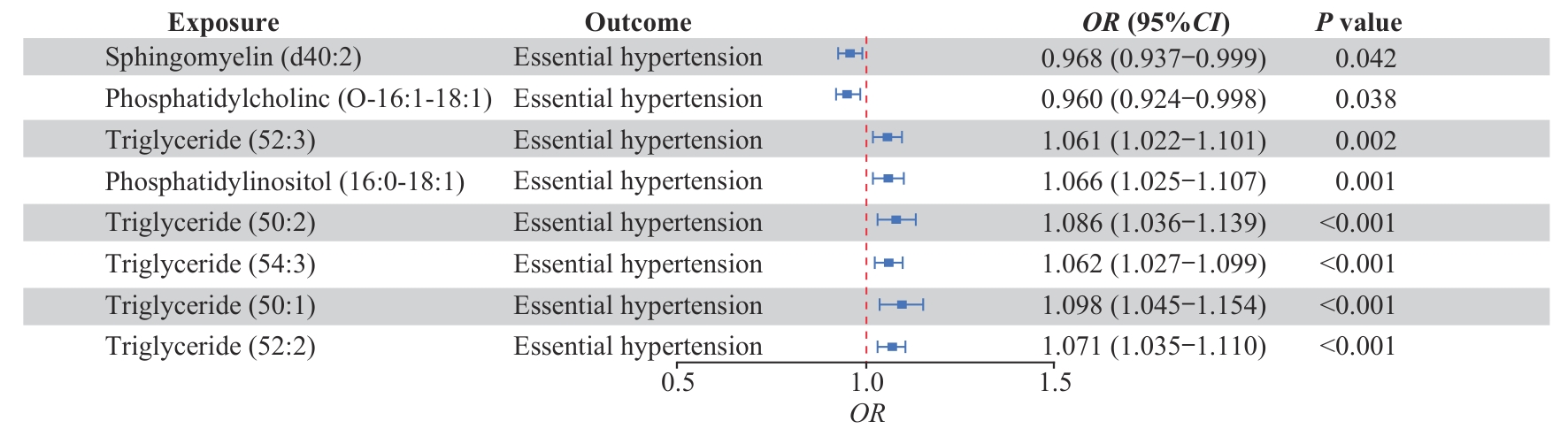
Fig 1 Forest plot of the causal associations between liposomes and essential hypertension
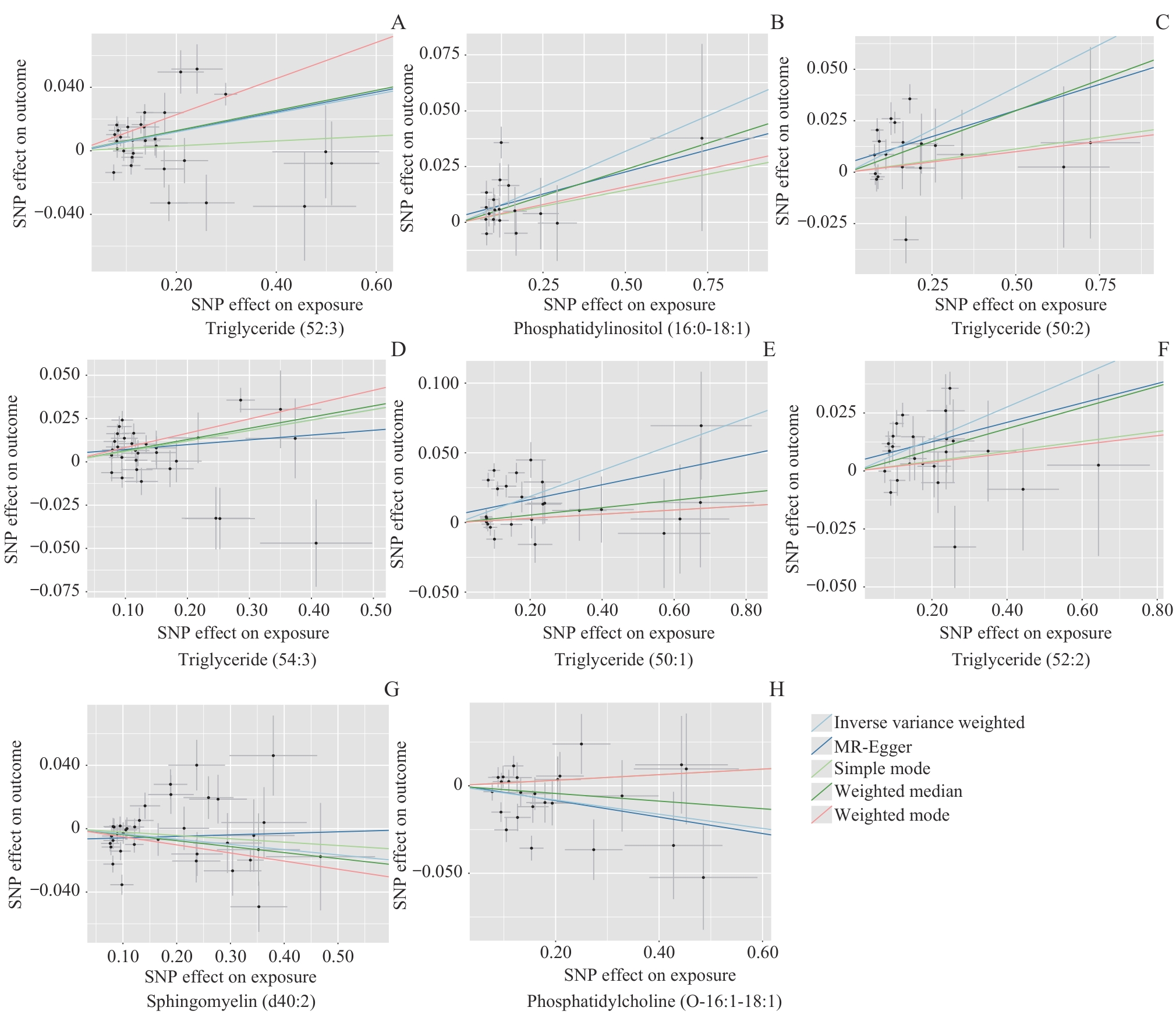
Fig 2 Scatter plot of the associations between liposomes and essential hypertension
| Exposure factor | Variable | Pleiotropy | Heterogeneity | ||||
|---|---|---|---|---|---|---|---|
| Intercept | Standard error | P value | Method | Cochran Q | P value | ||
| Triglyceride (52:3) | Essential hypertension | 0 | 0.006 | 0.942 | IVW | 103.532 | <0.001 |
| Phosphatidylinositl (16:0-18:1) | Essential hypertension | 0.003 | 0.006 | 0.644 | IVW | 31.954 | 0.015 |
| Triglyceride (50:2) | Essential hypertension | 0.005 | 0.007 | 0.543 | IVW | 55.111 | <0.001 |
| Triglyceride (54:3) | Essential hypertension | 0.004 | 0.005 | 0.418 | IVW | 82.530 | <0.001 |
| Triglyceride (50:1) | Essential hypertension | 0.006 | 0.007 | 0.391 | IVW | 113.066 | <0.001 |
| Triglyceride (52:2) | Essential hypertension | 0.004 | 0.006 | 0.470 | IVW | 53.829 | <0.001 |
| Sphingomyelin (d40:2) | Essential hypertension | -0.007 | 0.005 | 0.140 | IVW | 110.019 | <0.001 |
| Phosphatidylcholine (O-16:1-18:1) | Essential hypertension | 0.001 | 0.007 | 0.887 | IVW | 5.067 | <0.001 |
Tab 1 Pleiotropy and heterogeneity of liposomes
| Exposure factor | Variable | Pleiotropy | Heterogeneity | ||||
|---|---|---|---|---|---|---|---|
| Intercept | Standard error | P value | Method | Cochran Q | P value | ||
| Triglyceride (52:3) | Essential hypertension | 0 | 0.006 | 0.942 | IVW | 103.532 | <0.001 |
| Phosphatidylinositl (16:0-18:1) | Essential hypertension | 0.003 | 0.006 | 0.644 | IVW | 31.954 | 0.015 |
| Triglyceride (50:2) | Essential hypertension | 0.005 | 0.007 | 0.543 | IVW | 55.111 | <0.001 |
| Triglyceride (54:3) | Essential hypertension | 0.004 | 0.005 | 0.418 | IVW | 82.530 | <0.001 |
| Triglyceride (50:1) | Essential hypertension | 0.006 | 0.007 | 0.391 | IVW | 113.066 | <0.001 |
| Triglyceride (52:2) | Essential hypertension | 0.004 | 0.006 | 0.470 | IVW | 53.829 | <0.001 |
| Sphingomyelin (d40:2) | Essential hypertension | -0.007 | 0.005 | 0.140 | IVW | 110.019 | <0.001 |
| Phosphatidylcholine (O-16:1-18:1) | Essential hypertension | 0.001 | 0.007 | 0.887 | IVW | 5.067 | <0.001 |
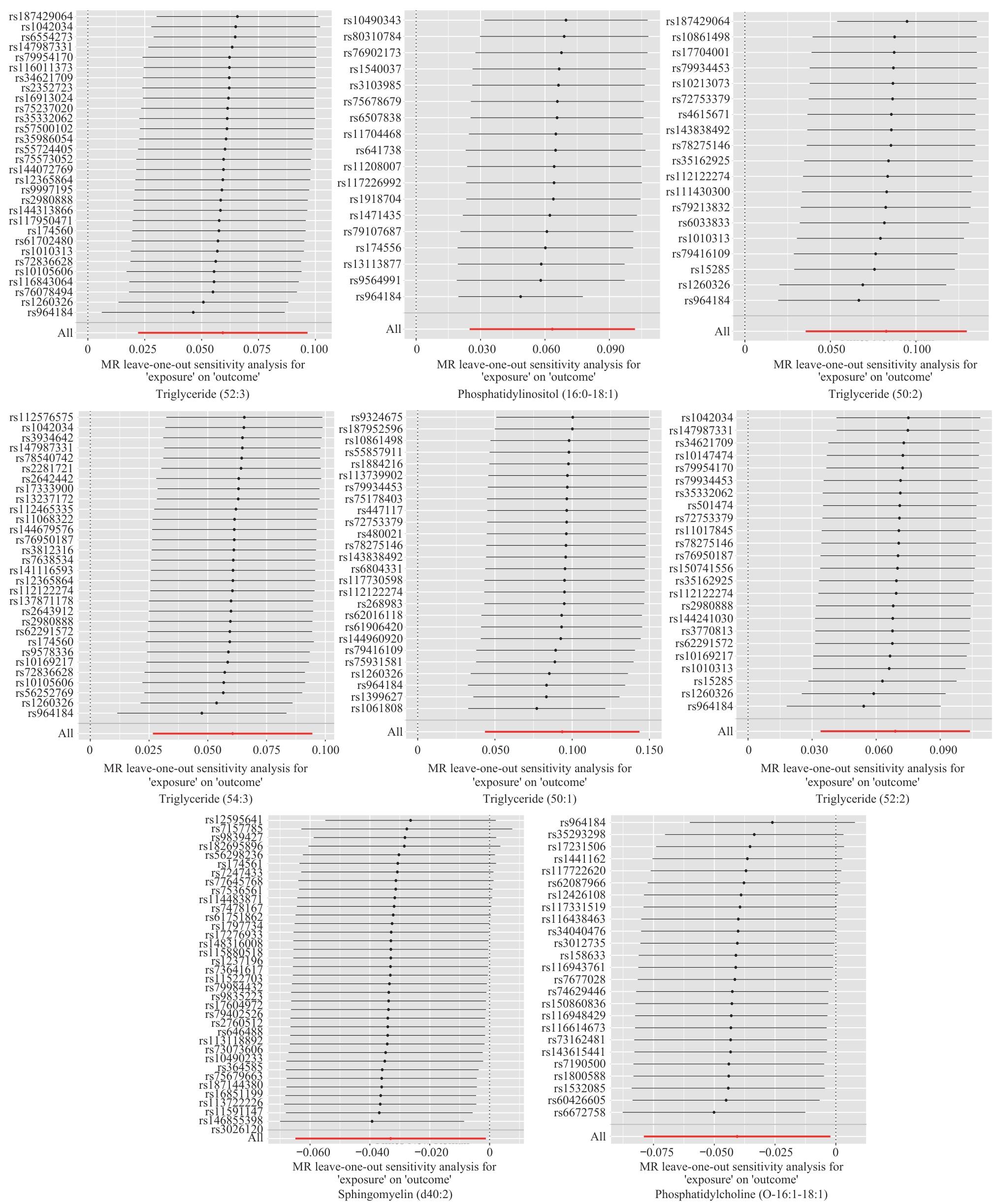
Fig 3 Leave-one-out sensitivity analysis of the associations between liposomes and essential hypertension
| [1] | Burnier M, Damianaki A. Hypertension as cardiovascular risk factor in chronic kidney disease[J]. Circ Res. 2023, 132(8): 1050-1063. |
| [2] | Tiwari S, Riazi S, Ecelbarger C A. Insulin′s impact on renal sodium transport and blood pressure in health, obesity, and diabetes[J]. Am J Physiol Renal Physiol, 2007, 293(4): F974-F984. |
| [3] | Vasan R S, Beiser A, Seshadri S, et al. Residual lifetime risk for developing hypertension in middle-aged women and men: the Framingham Heart Study[J]. JAMA, 2002, 287(8): 1003-1010. |
| [4] | Lloyd-Jones D M, Evans J C, Levy D. Hypertension in adults across the age spectrum: current outcomes and control in the community[J]. JAMA, 2005, 294(4): 466-472. |
| [5] | Cao X, Wang X, Tian Y X, et al. Trends and sociodemographic patterns in hypertension prevalence and treatment in China[J]. Med, 2025, 6(11): 100808. |
| [6] | 中国高血压防治指南修订委员会, 高血压联盟(中国), 中国医疗保健国际交流促进会高血压分会, 等. 中国高血压防治指南(2024年修订版)[J]. 中华高血压杂志(中英文), 2024, 32(7): 603-700. |
| Revision Committee of Chinese Guidelines for the Management of Hypertension, Hypertension League (China), Hypertension Branch of China International Exchange and Promotive Association for Medical and Health Care, et al. Chinese guidelines for the management of hypertension (2024 revised edition)[J]. Chinese Journal of Hypertension, 2024, 32(7): 603-700. | |
| [7] | Liu W F, Yang C Z, Lei F, et al. Major lipids and lipoprotein levels and risk of blood pressure elevation: a Mendelian randomisation study[J]. EBioMedicine, 2024, 100: 104964. |
| [8] | Bangham A D, Standish M M, Watkins J C. Diffusion of univalent ions across the lamellae of swollen phospholipids[J]. J Mol Biol, 1965, 13(1): 238-252. |
| [9] | 蔡晓璇, 吕应年, 戚怡. 长循环脂质体的应用领域和作用机制[J]. 中国组织工程研究, 2022, 26(16): 2613-2617. |
| Cai X X, Lü Y N, Qi Y. Long-circulating liposomes: application and mechanism[J]. Chinese Journal of Tissue Engineering Research, 2022, 26(16): 2613-2617. | |
| [10] | 刘彦彬, 黄蕾, 张英杰, 等. 氯膦酸二钠脂质体改善高血压小鼠血管内皮细胞功能及心肌肥厚[J]. 中国动脉硬化杂志, 2017, 25(4): 325-331. |
| Liu Y B, Huang L, Zhang Y J, et al. Clodronate liposome ameliorated endothelial function and cardiac hypertrophy in angiotensin Ⅱ hypertensive mice[J]. Chinese Journal of Arteriosclerosis, 2017, 25(4): 325-331. | |
| [11] | 陆苑, 陆玉婷, 杨思敏, 等. 金钱菇中降血压肽的纯化和磁性脂质体分离鉴定[J]. 广西科技大学学报, 2023, 34(3): 116-122, 138. |
| Lu Y, Lu Y T, Yang S M, et al. Purification of anti-hypertensive peptide and separation identification of magnetic liposome from Lentinus edodes[J]. Journal of Guangxi University of Science and Technology, 2023, 34(3): 116-122, 138. | |
| [12] | 郭婧仪. 超声联合阳离子脂质微泡介导siRNA-Cyp11b2抑制醛固酮合成酶的研究[D]. 成都: 成都医学院, 2024. |
| Guo J Y. Ultrasound combined with cationic lipid microbubbles mediates the inhibition of aldosterone synthase by siRNA-Cyp11b2[D]. Chengdu:Chengdu Medical College, 2024. | |
| [13] | 王金鑫. 金枪鱼ACE抑制肽的筛选鉴定及其脂质体的构建[D]. 烟台: 烟台大学, 2024. |
| Wang J X. Screening and identification of ACE inhibiting peptides from tuna and construction of liposomes[D]. Yantai: Yantai University, 2024. | |
| [14] | Lawlor D A, Harbord R M, Sterne J A C, et al. Mendelian randomization: using genes as instruments for making causal inferences in epidemiology[J]. Stat Med, 2008, 27(8): 1133-1163. |
| [15] | Orrù V, Steri M, Sidore C, et al. Complex genetic signatures in immune cells underlie autoimmunity and inform therapy[J]. Nat Genet, 2020, 52(10): 1036-1045. |
| [16] | Ottensmann L, Tabassum R, Ruotsalainen S E, et al. Genome-wide association analysis of plasma lipidome identifies 495 genetic associations[J]. Nat Commun, 2023, 14(1): 6934. |
| [17] | Gagliano Taliun S A, Evans D M. Ten simple rules for conducting a Mendelian randomization study[J]. PLoS Comput Biol, 2021, 17(8): e1009238. |
| [18] | Skrivankova V W, Richmond R C, Woolf B A R, et al. Strengthening the reporting of observational studies in epidemiology using Mendelian randomization: the STROBE-MR statement[J]. JAMA, 2021, 326(16): 1614-1621. |
| [19] | Burgess S, Thompson S G. Interpreting findings from Mendelian randomization using the MR-Egger method[J]. Eur J Epidemiol, 2017, 32(5): 377-389. |
| [20] | Kettunen J, Demirkan A, Würtz P, et al. Genome-wide study for circulating metabolites identifies 62 loci and reveals novel systemic effects of LPA[J]. Nat Commun, 2016, 7: 11122. |
| [21] | Bowden J, Davey Smith G, Haycock P C, et al. Consistent estimation in Mendelian randomization with some invalid instruments using a weighted Median estimator[J]. Genet Epidemiol, 2016, 40(4): 304-314. |
| [22] | Bowden J, Davey Smith G, Burgess S. Mendelian randomization with invalid instruments: effect estimation and bias detection through Egger regression[J]. Int J Epidemiol, 2015, 44(2): 512-525. |
| [23] | 王若楠, 张德生, 白朝, 等. 甘油三酯、空腹血糖及甘油三酯葡萄糖乘积指数与高血压发病风险的前瞻性队列研究[J]. 中华流行病学杂志, 2021, 42(3): 482-487. |
| Wang R N, Zhang D S, Bai Z, et al. Prospective cohort study of relationship of triglyceride, fasting blood-glucose and triglyceride glucose product index with risk of hypertension[J]. Chinese Journal of Epidemiology, 2021, 42(3): 482-487. | |
| [24] | 顾亦斌, 顾淑君, 张秋伊, 等. 2021—2023年江苏省35~75岁居民高甘油三酯血症与高血压患病的关系[J]. 卫生研究, 2025, 54(5): 770-775, 783. |
| Gu Y B, Gu S J, Zhang Q Y, et al. Relationship between hypertriglyceridemia and hypertension among adults aged 35‒75 years in Jiangsu Province from 2021 to 2023[J]. Journal of Hygiene Research, 2025, 54(5): 770-775, 783. | |
| [25] | 苏工. 苯扎贝特对高血压合并高甘油三酯血症患者血压的影响及机制探讨[D]. 北京: 中国人民解放军军医进修学院, 2003. |
| Su G. Effects of bezafibrate on blood pressure in hypertensive patients with hypertriglyceridemia[D]. Beijing: Chinese People′s Liberation Army Medical School, 2003. | |
| [26] | Wen Y, Chen Y Q, Konrad R J. The regulation of triacylglycerol metabolism and lipoprotein lipase activity[J]. Adv Biol, 2022, 6(10): e2200093. |
| [27] | 王锦淳. 黄芩茎叶总黄酮对高甘油三酯血清诱导的血管内皮细胞氧化损伤的保护作用及机制研究[D]. 扬州: 扬州大学, 2011. |
| Wang J C. Study the protective effect and mechanism of Scutellaria baicalensis stem-leaf total flavonoid against the vascular endothelial cells oxidative injury induced by high triglyceride blood serum[D]. Yangzhou: Yangzhou University, 2011. | |
| [28] | 蔡毕青. FAR在不同甘油三酯水平与老年冠心病患者冠脉病变严重程度的相关性研究[D]. 成都: 成都医学院, 2024. |
| Cai B Q. Correlation between FAR and coronary artery lesion severity in elderly patients with coronary heart disease in different triglyceride levels[D]. Chengdu: Chengdu Medical College, 2024. | |
| [29] | Viaud J, Payrastre B. Phosphoinositides: the lipids coordinating cell dynamics[J]. Med Sci (Paris), 2015, 31(11): 996-1005. |
| [30] | Yang J H, Saucerman J J. Phospholemman is a negative feed-forward regulator of Ca2+ in β-adrenergic signaling, accelerating β-adrenergic inotropy[J]. J Mol Cell Cardiol, 2012, 52(5): 1048-1055. |
| [31] | Saddouk F Z, Ginnan R, Singer H A. Ca2+/calmodulin-dependent protein kinase Ⅱ in vascular smooth muscle[M]//Vascular pharmacology: smooth muscle. Amsterdam: Elsevier, 2017: 171-202. |
| [32] | 高原. 白介素增强结合因子3调节一氧化氮产生参与高血压交感亢进的作用研究[D]. 上海: 中国人民解放军海军军医大学, 2022. |
| Gao Y. Role of interleukin-enhancing binding factor 3 in regulating nitric oxide production in sympathetic hyperactivity of hypertension[D]. Shanghai: Naval Medical University of the Chinese People's Liberation Army, 2022. | |
| [33] | Zheng H, Xie X Y, Xie N Z, et al. Sphingomyelin levels in nondipper and dipper hypertensive patients[J]. Exp Ther Med, 2014, 7(3): 599-603. |
| [34] | Borodzicz S, Czarzasta K, Kuch M, et al. Sphingolipids in cardiovascular diseases and metabolic disorders[J]. Lipids Health Dis, 2015, 14: 55. |
| [35] | Brizuela L, Cuvillier O. Biochemical methods for quantifying sphingolipids: ceramide, sphingosine, sphingosine kinase-1 activity, and sphingosine-1-phosphate[J]. Methods Mol Biol, 2012, 874: 1-20. |
| [36] | Gratschev D, Löf C, Heikkilä J, et al. Sphingosine kinase as a regulator of calcium entry through autocrine sphingosine 1-phosphate signaling in thyroid FRTL-5 cells[J]. Endocrinology, 2009, 150(11): 5125-5134. |
| [37] | Fischer T H, Eiringhaus J, Dybkova N, et al. Activation of protein phosphatase 1 by a selective phosphatase disrupting peptide reduces sarcoplasmic reticulum Ca2+ leak in human heart failure[J]. Eur J Heart Fail, 2018, 20(12): 1673-1685. |
| [38] | Arya D, Chang S H, DiMuzio P, et al. Sphingosine-1-phosphate promotes the differentiation of adipose-derived stem cells into endothelial nitric oxide synthase (eNOS) expressing endothelial-like cells[J]. J Biomed Sci, 2014, 21(1): 55. |
| [39] | 熊雪莲. 机体代谢物与高血压病发病风险的相关性研究[D]. 十堰: 湖北医药学院, 2020. |
| Xiong X L. A Study on the association of metabolites with the risk of incident hypertension[D]. Shiyan: Hubei University of Medicine, 2020. | |
| [40] | Zembowicz A, Tang J L, Wu K K. Transcriptional induction of endothelial nitric oxide synthase type Ⅲ by lysophosphatidylcholine[J]. J Biol Chem, 1995, 270(28): 17006-17010. |
| [41] | Gong Y C, Li Q F, Ma Z T, et al. Downregulation of activating transcription factor 4 attenuates lysophosphatidycholine-induced inflammation via the NF-κB pathway[J]. Eur J Pharmacol, 2021, 911: 174457. |
| [42] | Zheng L, McQuaw C M, Baker M J, et al. Investigating lipid-lipid and lipid-protein interactions in model membranes by ToF-SIMS[J]. Appl Surf Sci, 2008, 255(4): 1190-1192. |
| [43] | White U A, Fitch M D, Beyl R A, et al. Racial differences in in vivo adipose lipid kinetics in humans[J]. J Lipid Res, 2018, 59(9): 1738-1744. |
| [1] | Aikeremu Aierken, Chen Xingjuan, Niu Yueyue. Mendelian randomization study of loneliness, subjective well-being, and frailty index [J]. Journal of Shanghai Jiao Tong University (Medical Science), 2026, 46(1): 75-81. |
| [2] | YAN Junhao, GUO Xiaolei, LUO Zhaofeng, TANG Jian, WANG Zheng. Mendelian randomization analysis of causal relationship between celiac disease and autoimmune thyroid disease [J]. Journal of Shanghai Jiao Tong University (Medical Science), 2025, 45(6): 766-773. |
| [3] | ZHANG Huihua, GAN Jing, HOU Miaomiao, LU Na. Bidirectional Mendelian randomization study of the relationship between brain imaging-derived phenotypes and obstructive sleep apnea [J]. Journal of Shanghai Jiao Tong University (Medical Science), 2025, 45(4): 468-475. |
| [4] | CHANG Guili, LIU Changyuan, LI Mingchun, HU Zhe, CHEN Jing, CAO Qun'an, CHU Shaoli, CHEN Xin. Relationship between non-renin-dependent aldosterone and left ventricular hypertrophy in essential hypertension [J]. Journal of Shanghai Jiao Tong University (Medical Science), 2025, 45(10): 1372-1377. |
| [5] | ZHANG Yingying, ZHANG Junyao, SONG Jiwei, WANG Shengjie, YAO Junyan. Two-sample Mendelian randomization study on the causal association between air pollution and Alzheimer′s disease [J]. Journal of Shanghai Jiao Tong University (Medical Science), 2025, 45(1): 87-94. |
| [6] | Nan XU, Shu-yue ZHANG, Xue-ying DING. Cell-penetrating peptide Penetratin-modified liposomes for ophthalmic application: construction and in vitro evaluation [J]. JOURNAL OF SHANGHAI JIAOTONG UNIVERSITY (MEDICAL SCIENCE), 2021, 41(5): 595-602. |
| [7] | XIANG Yi1, 2, LIU Li-li1, 2, CUI Wen-guo1, 2. Fabrication of an antibacterial hydrogel laden with adhesive liposomes for bone repairment [J]. , 2019, 39(9): 947-. |
| [8] | CHENG Ruo-yu, YAN Yu-fei, CHEN Hao, QI Jin, DENG Lian-fu, CUI Wen-guo. Fabrication of dual-functional organic/inorganic osteogenetic hydrogel for bone regeneration [J]. , 2018, 38(8): 900-. |
| [9] | BAI Fang, CHEN Ting, LIU Yan, WU Ke-jin, CHEN Qing, LU Yun-shu, GE Mei-xin . Preparation of liposomal pemetrexed and its effects on breast cancer [J]. , 2017, 37(2): 190-. |
| [10] | ZHAO Li-qun, LI Xu-guang, XIE Li-jun, WU Hai-qing, WANG Zhi-min, LIU Shao-wen . Value of angiotensin Ⅱ and aldosterone for the diagnosis of atrial fibrillation in patients with primary hypertension [J]. , 2016, 36(12): 1732-. |
| [11] | MIAO Wei-feng, WU Yi-ping, YU Yong-tao, et al. Preparation of docetaxel loaded transferrin modified liposome and its in vitro anti-glioma effect [J]. , 2013, 33(12): 1608-. |
| [12] | MA Yu, YUAN Ke-jian, YANG Hui-zhong, et al. Effects of liposome prostaglandin E1 on prethrombotic state of patients with severe burn [J]. , 2011, 31(7): 975-. |
| [13] | LI Dian-cheng, ZHU Jia-an, GUO Wei, et al. Preparation of gene-loaded ultrasound contrast agent and its in vitro and in vivo enhancement effects [J]. , 2010, 30(9): 1024-. |
| [14] | XIAO Bing, ZHANG Yi, GAO Ping-jin, et al. Association between RGS5 and ATP1B1 and essential hypertension [J]. , 2009, 29(9): 1022-. |
| Viewed | ||||||
|
Full text |
|
|||||
|
Abstract |
|
|||||
