
Journal of Shanghai Jiao Tong University (Medical Science) ›› 2026, Vol. 46 ›› Issue (9): 1242-1251.doi: 10.3969/j.issn.1674-8115.2026.09.009
• Clinical research • Previous Articles
Shi Yaqiang1, Bai Xiaoyu1, Jiang Yongjie1, Liu Jun2, Qi Quan1,3( )
)
Received:2025-12-29
Accepted:2026-03-16
Online:2026-09-09
Published:2026-09-09
Contact:
Qi Quan
E-mail:quanqi@126.com
Supported by:CLC Number:
Shi Yaqiang, Bai Xiaoyu, Jiang Yongjie, Liu Jun, Qi Quan. Predictive value of combined biomarkers for early postoperative risk following the modified extended Morrow procedure for hypertrophic obstructive cardiomyopathy[J]. Journal of Shanghai Jiao Tong University (Medical Science), 2026,(9): 1242-1251.
Add to citation manager EndNote|Ris|BibTeX
URL: https://xuebao.shsmu.edu.cn/EN/10.3969/j.issn.1674-8115.2026.09.009
| Indicator | Total (n=83) | No-MACE group (n=62) | MACE group (n=21) | t/Z/χ2 value | P value |
|---|---|---|---|---|---|
| Age/year | 56.00 (51.50, 63.00) | 56.00 (51.25, 63.00) | 56.00 (52.00, 61.25) | -0.361 | 0.721 |
| Male/n(%) | 41 (49.40) | 28 (45.16) | 13 (61.90) | 1.153 | 0.283 |
| BMI/(kg·m-2) | 24.61 (22.52, 26.50) | 25.16 (23.20, 26.97) | 23.93 (22.04, 24.91) | 1.995 | 0.047 |
| Heart rate/(beat·min-1) | 81.00 (72.00, 88.50) | 81.00 (72.00, 90.00) | 80.50 (76.00, 86.00) | 0.697 | 0.489 |
| SBP/mmHg | 122.00 (112.00, 132.50) | 125.00 (112.25, 134.75) | 120.00 (110.00, 124.00) | 1.189 | 0.236 |
| DBP/mmHg | 72.00 (68.00, 80.00) | 72.50 (68.00, 80.75) | 68.00 (63.00, 79.00) | 1.409 | 0.160 |
| Clinical characteristic/n(%) | |||||
| Dyspnea | 64 (77.11) | 46 (74.19) | 18 (85.71) | ‒ | 0.374 |
| Chest pain | 34 (40.96) | 27 (43.55) | 7 (33.33) | 0.320 | 0.571 |
| Syncope | 28 (33.73) | 22 (35.48) | 6 (28.57) | 0.097 | 0.755 |
| Palpitation | 17 (20.48) | 11 (17.74) | 6 (28.57) | ‒ | 0.351 |
| NYHA functional class/n(%) | -1.924 | 0.055 | |||
| Ⅰ | 6 (7.23) | 5 (8.06) | 1 (4.76) | ||
| Ⅱ | 28 (33.73) | 24 (38.71) | 4 (19.05) | ||
| Ⅲ | 45 (54.22) | 31 (50.00) | 14 (66.67) | ||
| Ⅳ | 4 (4.82) | 2 (3.23) | 2 (9.52) | ||
| Patient history/n(%) | |||||
| Hypertension | 47 (56.63) | 39 (62.90) | 8 (38.10) | 2.986 | 0.084 |
| Diabetes | 7 (8.43) | 6 (9.68) | 1 (4.76) | ‒ | 0.673 |
| Coronary artery disease | 21 (25.30) | 14 (22.58) | 7 (33.33) | 0.475 | 0.491 |
| Cerebrovascular disease | 9 (10.84) | 6 (9.68) | 3 (14.29) | ‒ | 0.686 |
| Atrial fibrillation | 11 (13.25) | 7 (11.29) | 4 (19.05) | ‒ | 0.457 |
| COPD | 3 (3.61) | 1 (1.61) | 2 (9.52) | ‒ | 0.156 |
| Hyperlipidemia | 20 (24.10) | 14 (22.58) | 6 (28.57) | 0.067 | 0.795 |
| Laboratory parameter | |||||
| D-dimer/(μg·mL-1) | 0.22 (0.15, 0.38) | 0.19 (0.13, 0.23) | 0.51 (0.27, 0.61) | -4.934 | <0.001 |
| NT-proBNP ratio | 15.13 (7.23, 33.84) | 9.69 (4.45, 19.66) | 51.85 (32.79, 76.84) | -5.562 | <0.001 |
| Creatinine/(μmol·L-1) | 70.50 (62.50, 85.00) | 69.50 (62.00, 79.75) | 73.00 (68.20, 99.90) | -1.409 | 0.160 |
| Echocardiographic parameter | |||||
| IVS/mm | 21.00 (18.00, 25.00) | 20.50 (17.00, 24.00) | 23.00 (20.00, 27.00) | -2.006 | 0.045 |
| LAD/mm | 39.73±7.71 | 38.69±7.34 | 42.81±8.16 | -2.160 | 0.034 |
| LVEDD/mm | 47.00 (41.50, 51.50) | 46.50 (41.00, 50.75) | 48.00 (44.00, 52.00) | -0.864 | 0.390 |
| LVESD/mm | 29.00 (25.00, 35.00) | 28.50 (25.00, 33.75) | 33.00 (24.00, 37.00) | -1.278 | 0.202 |
| LVEF/% | 64.19±7.25 | 64.71±7.04 | 62.67±7.81 | 1.118 | 0.267 |
| LVOT PG, max/mmHg | 77.00 (58.50, 106.00) | 74.50 (52.00, 101.25) | 82.00 (64.00, 132.00) | -0.985 | 0.327 |
| SAM/n(%) | 73 (87.95) | 55 (88.71) | 18 (85.71) | ‒ | 0.708 |
| Mitral valve regurgitation/n(%) | -1.823 | 0.069 | |||
| No | 10 (12.05) | 6 (9.68) | 4 (19.05) | ||
| Mild | 32 (38.55) | 22 (35.48) | 10 (47.62) | ||
| Moderate | 26 (31.33) | 21 (33.87) | 5 (23.81) | ||
| Significant | 15 (18.07) | 13 (20.97) | 2 (9.52) |
Tab 1 Baseline characteristics of patients with HOCM
| Indicator | Total (n=83) | No-MACE group (n=62) | MACE group (n=21) | t/Z/χ2 value | P value |
|---|---|---|---|---|---|
| Age/year | 56.00 (51.50, 63.00) | 56.00 (51.25, 63.00) | 56.00 (52.00, 61.25) | -0.361 | 0.721 |
| Male/n(%) | 41 (49.40) | 28 (45.16) | 13 (61.90) | 1.153 | 0.283 |
| BMI/(kg·m-2) | 24.61 (22.52, 26.50) | 25.16 (23.20, 26.97) | 23.93 (22.04, 24.91) | 1.995 | 0.047 |
| Heart rate/(beat·min-1) | 81.00 (72.00, 88.50) | 81.00 (72.00, 90.00) | 80.50 (76.00, 86.00) | 0.697 | 0.489 |
| SBP/mmHg | 122.00 (112.00, 132.50) | 125.00 (112.25, 134.75) | 120.00 (110.00, 124.00) | 1.189 | 0.236 |
| DBP/mmHg | 72.00 (68.00, 80.00) | 72.50 (68.00, 80.75) | 68.00 (63.00, 79.00) | 1.409 | 0.160 |
| Clinical characteristic/n(%) | |||||
| Dyspnea | 64 (77.11) | 46 (74.19) | 18 (85.71) | ‒ | 0.374 |
| Chest pain | 34 (40.96) | 27 (43.55) | 7 (33.33) | 0.320 | 0.571 |
| Syncope | 28 (33.73) | 22 (35.48) | 6 (28.57) | 0.097 | 0.755 |
| Palpitation | 17 (20.48) | 11 (17.74) | 6 (28.57) | ‒ | 0.351 |
| NYHA functional class/n(%) | -1.924 | 0.055 | |||
| Ⅰ | 6 (7.23) | 5 (8.06) | 1 (4.76) | ||
| Ⅱ | 28 (33.73) | 24 (38.71) | 4 (19.05) | ||
| Ⅲ | 45 (54.22) | 31 (50.00) | 14 (66.67) | ||
| Ⅳ | 4 (4.82) | 2 (3.23) | 2 (9.52) | ||
| Patient history/n(%) | |||||
| Hypertension | 47 (56.63) | 39 (62.90) | 8 (38.10) | 2.986 | 0.084 |
| Diabetes | 7 (8.43) | 6 (9.68) | 1 (4.76) | ‒ | 0.673 |
| Coronary artery disease | 21 (25.30) | 14 (22.58) | 7 (33.33) | 0.475 | 0.491 |
| Cerebrovascular disease | 9 (10.84) | 6 (9.68) | 3 (14.29) | ‒ | 0.686 |
| Atrial fibrillation | 11 (13.25) | 7 (11.29) | 4 (19.05) | ‒ | 0.457 |
| COPD | 3 (3.61) | 1 (1.61) | 2 (9.52) | ‒ | 0.156 |
| Hyperlipidemia | 20 (24.10) | 14 (22.58) | 6 (28.57) | 0.067 | 0.795 |
| Laboratory parameter | |||||
| D-dimer/(μg·mL-1) | 0.22 (0.15, 0.38) | 0.19 (0.13, 0.23) | 0.51 (0.27, 0.61) | -4.934 | <0.001 |
| NT-proBNP ratio | 15.13 (7.23, 33.84) | 9.69 (4.45, 19.66) | 51.85 (32.79, 76.84) | -5.562 | <0.001 |
| Creatinine/(μmol·L-1) | 70.50 (62.50, 85.00) | 69.50 (62.00, 79.75) | 73.00 (68.20, 99.90) | -1.409 | 0.160 |
| Echocardiographic parameter | |||||
| IVS/mm | 21.00 (18.00, 25.00) | 20.50 (17.00, 24.00) | 23.00 (20.00, 27.00) | -2.006 | 0.045 |
| LAD/mm | 39.73±7.71 | 38.69±7.34 | 42.81±8.16 | -2.160 | 0.034 |
| LVEDD/mm | 47.00 (41.50, 51.50) | 46.50 (41.00, 50.75) | 48.00 (44.00, 52.00) | -0.864 | 0.390 |
| LVESD/mm | 29.00 (25.00, 35.00) | 28.50 (25.00, 33.75) | 33.00 (24.00, 37.00) | -1.278 | 0.202 |
| LVEF/% | 64.19±7.25 | 64.71±7.04 | 62.67±7.81 | 1.118 | 0.267 |
| LVOT PG, max/mmHg | 77.00 (58.50, 106.00) | 74.50 (52.00, 101.25) | 82.00 (64.00, 132.00) | -0.985 | 0.327 |
| SAM/n(%) | 73 (87.95) | 55 (88.71) | 18 (85.71) | ‒ | 0.708 |
| Mitral valve regurgitation/n(%) | -1.823 | 0.069 | |||
| No | 10 (12.05) | 6 (9.68) | 4 (19.05) | ||
| Mild | 32 (38.55) | 22 (35.48) | 10 (47.62) | ||
| Moderate | 26 (31.33) | 21 (33.87) | 5 (23.81) | ||
| Significant | 15 (18.07) | 13 (20.97) | 2 (9.52) |
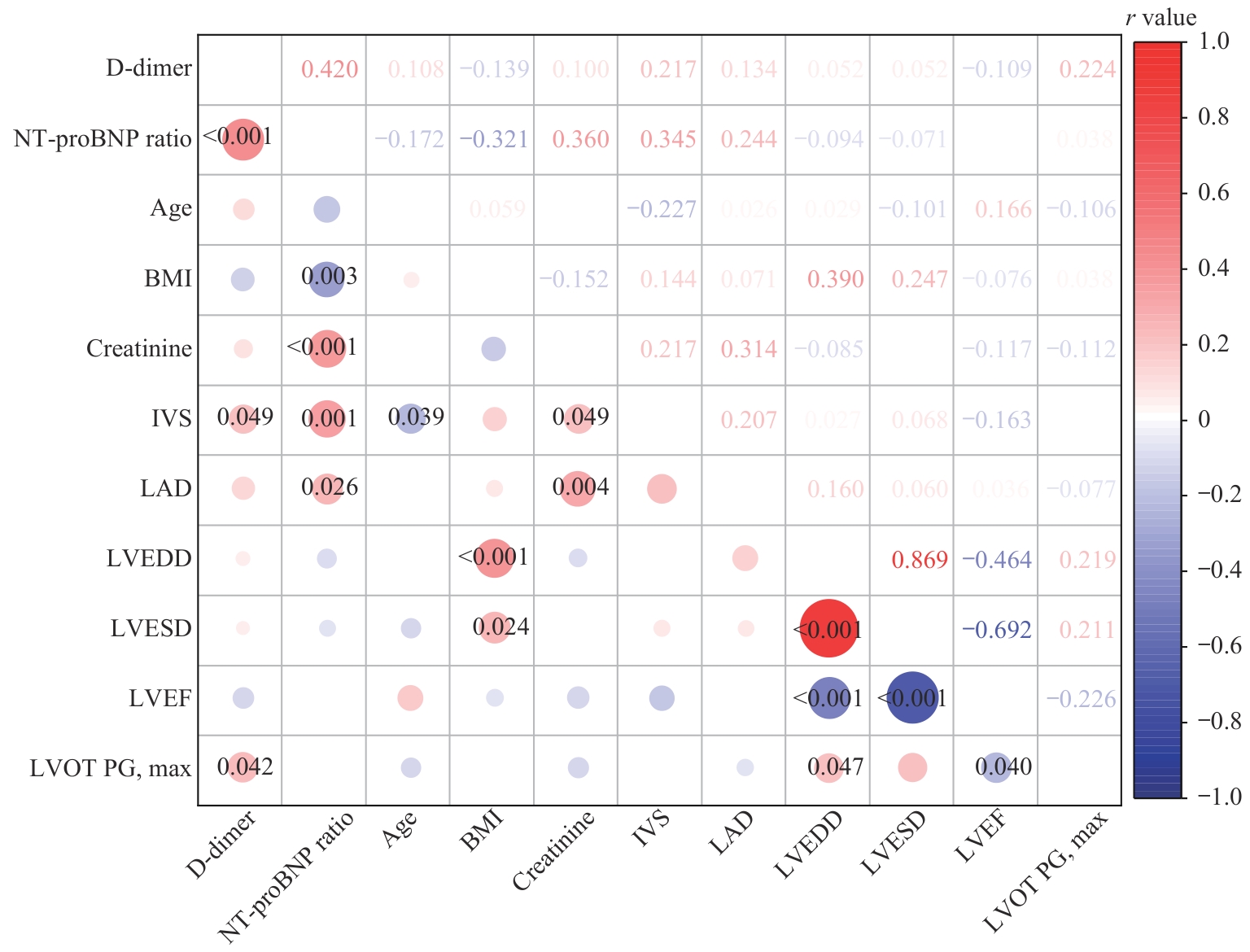
Fig 1 Correlation between preoperative D-dimer levels, NT-proBNP ratio, and other key parameters in patients with HOCM
| Index | Model A | Model B | Model C | Model D | ||||
|---|---|---|---|---|---|---|---|---|
| aOR (95%CI) | P value | aOR (95%CI) | P value | aOR (95%CI) | P value | aOR (95%CI) | P value | |
| BMI | 0.809 (0.665‒0.985) | 0.035 | 0.877 (0.672‒1.145) | 0.335 | 0.821 (0.653‒1.032) | 0.090 | 0.856 (0.646‒1.133) | 0.277 |
| NYHA class | 3.020 (1.186‒7.688) | 0.020 | 2.103 (0.657‒6.732) | 0.210 | 3.243 (1.092‒9.627) | 0.034 | 2.161 (0.571‒8.176) | 0.256 |
| IVS | 1.214 (1.071‒1.376) | 0.002 | 1.170 (0.972‒1.409) | 0.096 | 1.187 (1.022‒1.379) | 0.025 | 1.166 (0.947‒1.437) | 0.148 |
| NT-proBNP ratio | ‒ | ‒ | 1.086 (1.040‒1.134) | <0.001 | ‒ | ‒ | 1.073 (1.027‒1.121) | 0.002 |
| D-dimer | ‒ | ‒ | ‒ | ‒ | 84.261 (4.387‒1 618.449) | 0.003 | 30.296 (1.067‒860.242) | 0.046 |
Tab 2 Logistic regression models for predicting early postoperative MACE in patients with HOCM
| Index | Model A | Model B | Model C | Model D | ||||
|---|---|---|---|---|---|---|---|---|
| aOR (95%CI) | P value | aOR (95%CI) | P value | aOR (95%CI) | P value | aOR (95%CI) | P value | |
| BMI | 0.809 (0.665‒0.985) | 0.035 | 0.877 (0.672‒1.145) | 0.335 | 0.821 (0.653‒1.032) | 0.090 | 0.856 (0.646‒1.133) | 0.277 |
| NYHA class | 3.020 (1.186‒7.688) | 0.020 | 2.103 (0.657‒6.732) | 0.210 | 3.243 (1.092‒9.627) | 0.034 | 2.161 (0.571‒8.176) | 0.256 |
| IVS | 1.214 (1.071‒1.376) | 0.002 | 1.170 (0.972‒1.409) | 0.096 | 1.187 (1.022‒1.379) | 0.025 | 1.166 (0.947‒1.437) | 0.148 |
| NT-proBNP ratio | ‒ | ‒ | 1.086 (1.040‒1.134) | <0.001 | ‒ | ‒ | 1.073 (1.027‒1.121) | 0.002 |
| D-dimer | ‒ | ‒ | ‒ | ‒ | 84.261 (4.387‒1 618.449) | 0.003 | 30.296 (1.067‒860.242) | 0.046 |
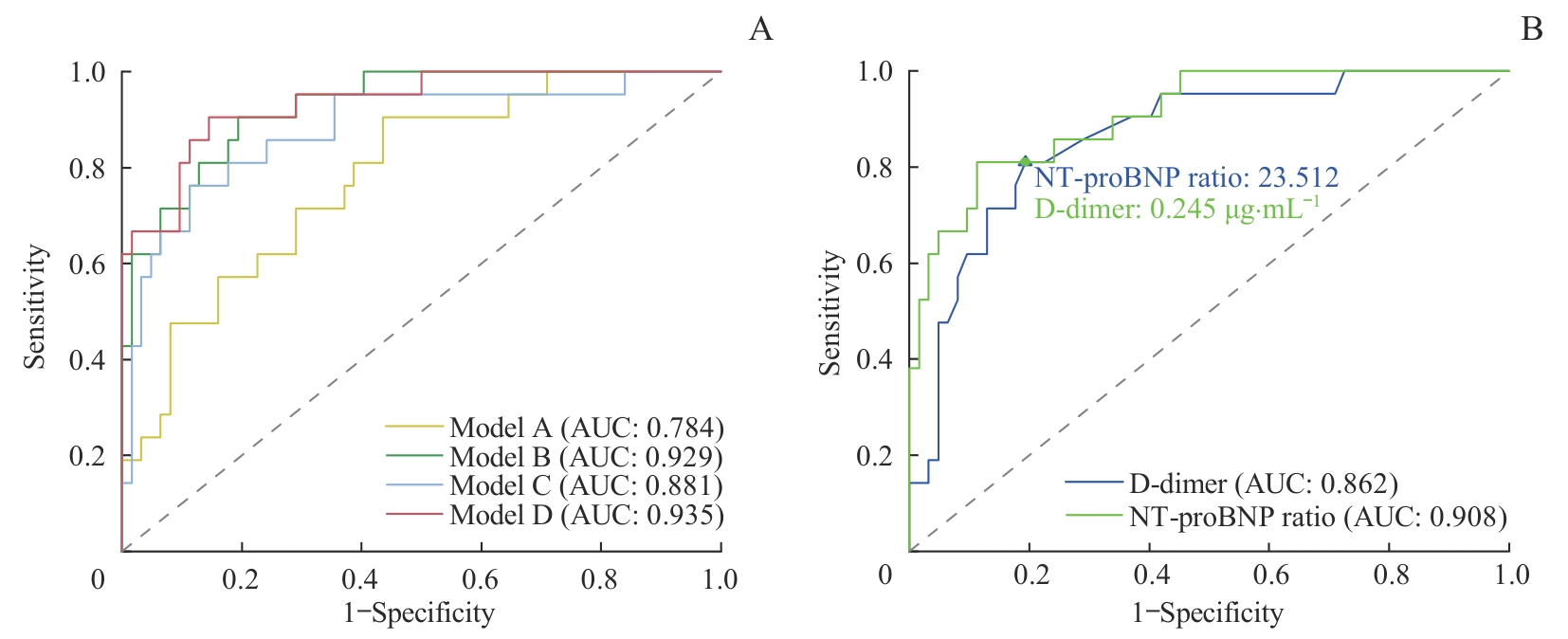
Fig 2 Comparison of predictive efficacy among different models and analysis of individual biomarkers
| Model comparison | NRI (95%CI) | P1 value | IDI (95%CI) | P2 value |
|---|---|---|---|---|
| Model B vs Model A | 1.170 (0.725‒1.600) | <0.001 | 0.306 (0.143‒0.465) | <0.001 |
| Model C vs Model A | 1.170 (0.705‒1.550) | <0.001 | 0.204 (0.100‒0.333) | <0.001 |
| Model D vs Model A | 1.390 (0.987‒1.750) | <0.001 | 0.366 (0.197‒0.531) | <0.001 |
| Model D vs Model B | 0.820 (0.317‒1.280) | 0.002 | 0.060 (0.010‒0.114) | 0.014 |
| Model D vs Model C | 1.110 (0.668‒1.520) | <0.001 | 0.161 (0.010‒0.293) | 0.010 |
Tab 3 Comparison of risk reclassification improvement among different predictive models
| Model comparison | NRI (95%CI) | P1 value | IDI (95%CI) | P2 value |
|---|---|---|---|---|
| Model B vs Model A | 1.170 (0.725‒1.600) | <0.001 | 0.306 (0.143‒0.465) | <0.001 |
| Model C vs Model A | 1.170 (0.705‒1.550) | <0.001 | 0.204 (0.100‒0.333) | <0.001 |
| Model D vs Model A | 1.390 (0.987‒1.750) | <0.001 | 0.366 (0.197‒0.531) | <0.001 |
| Model D vs Model B | 0.820 (0.317‒1.280) | 0.002 | 0.060 (0.010‒0.114) | 0.014 |
| Model D vs Model C | 1.110 (0.668‒1.520) | <0.001 | 0.161 (0.010‒0.293) | 0.010 |
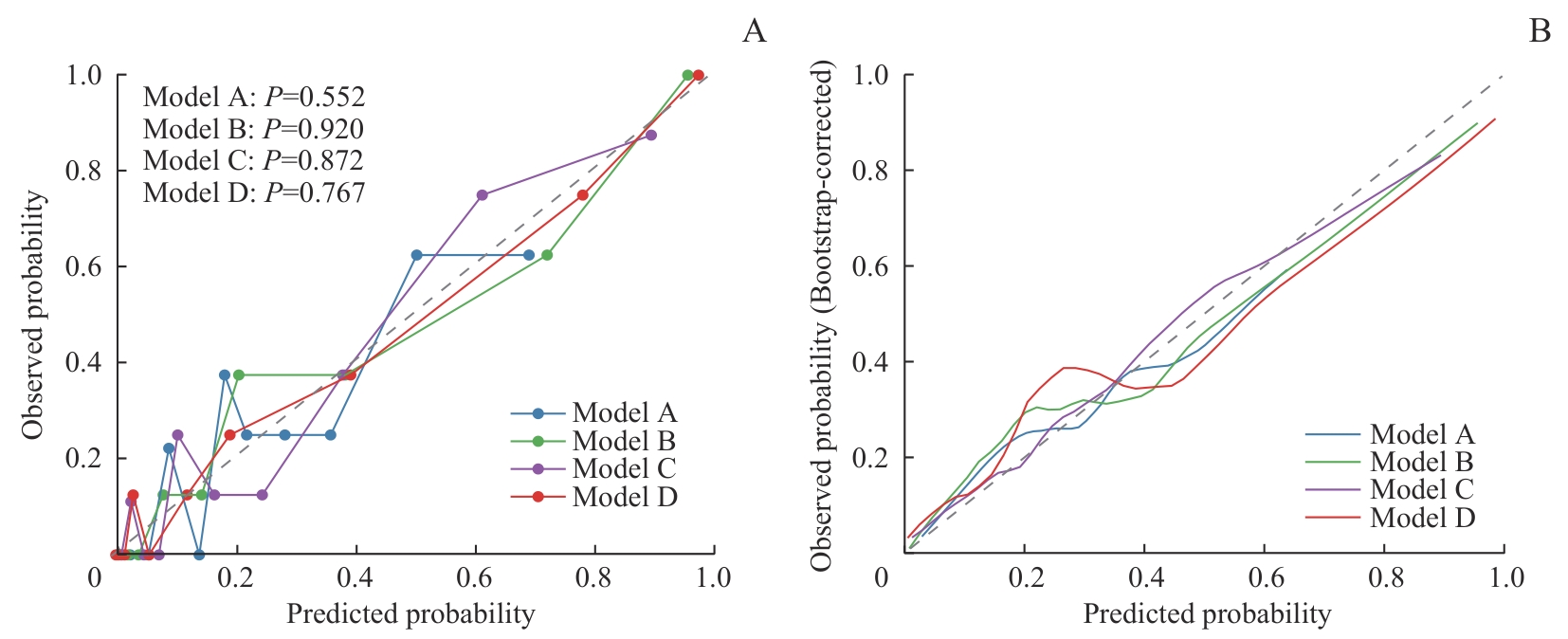
Fig 3 Calibration plots of the four predictive models
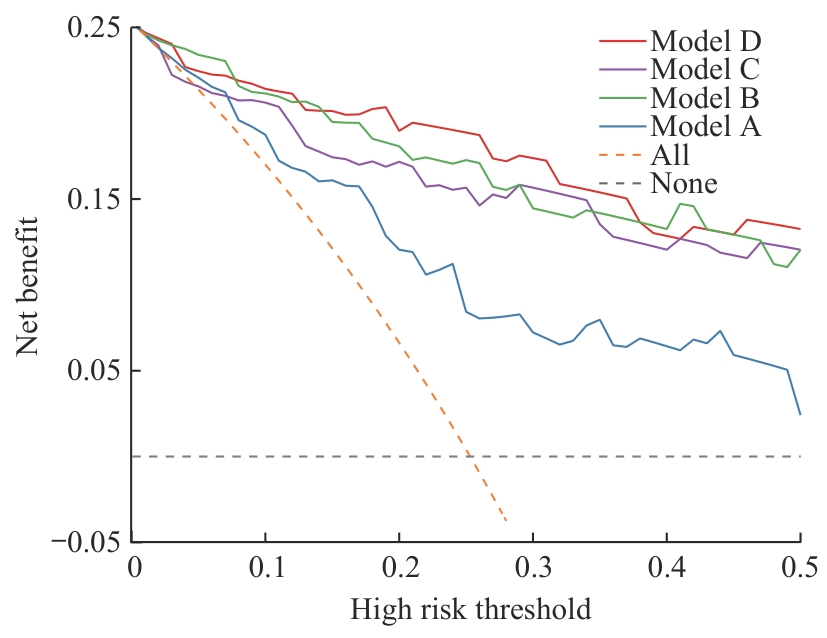
Fig 4 Decision curve analysis of the four predictive models
| Variable | Total (n=83) | Dual-biomarker grouping | H/χ2 value | P value | ||
|---|---|---|---|---|---|---|
“Dual-low” (n=41) | “Single-high” (n=26) | “Dual-high” (n=16) | ||||
| Postoperative occurrence of MACE/n(%) | 21 (25.30) | 2 (4.88)① | 4 (15.38)② | 15 (93.75) | ‒ | <0.001 |
| Cardiopulmonary bypass time/min | 100.00 (90.00, 122.50) | 95.00 (85.00, 115.00)③ | 100.00 (90.00, 115.00) | 125.00 (110.00, 136.25) | 9.699 | 0.008 |
| Aortic cross-clamp time/min | 70.00 (60.00, 90.00) | 65.00 (60.00, 80.00)④ | 70.00 (60.00, 83.75) | 90.00 (82.50, 91.25) | 9.660 | 0.008 |
| Duration of mechanical ventilation/h | 18.00 (12.50, 24.00) | 18.00 (12.00, 21.00)⑤ | 19.50 (12.00, 24.00) | 25.00 (18.63, 63.00) | 10.284 | 0.006 |
| Immediate postoperative LVOT PG/mmHg | 12.00 (8.00, 16.00) | 11.00 (7.00, 16.00) | 13.00 (9.25, 18.25) | 14.00 (6.75, 16.00) | 0.294 | 0.863 |
| Length of postoperative hospital stay/day | 12.00 (10.00, 15.50) | 11.00 (10.00, 14.00)⑥ | 12.50 (10.00, 15.00)⑦ | 19.00 (15.00, 21.00) | 14.421 | <0.001 |
Tab 4 Comparison of clinical characteristics and perioperative outcomes among patients stratified by preoperative dual biomarkers
| Variable | Total (n=83) | Dual-biomarker grouping | H/χ2 value | P value | ||
|---|---|---|---|---|---|---|
“Dual-low” (n=41) | “Single-high” (n=26) | “Dual-high” (n=16) | ||||
| Postoperative occurrence of MACE/n(%) | 21 (25.30) | 2 (4.88)① | 4 (15.38)② | 15 (93.75) | ‒ | <0.001 |
| Cardiopulmonary bypass time/min | 100.00 (90.00, 122.50) | 95.00 (85.00, 115.00)③ | 100.00 (90.00, 115.00) | 125.00 (110.00, 136.25) | 9.699 | 0.008 |
| Aortic cross-clamp time/min | 70.00 (60.00, 90.00) | 65.00 (60.00, 80.00)④ | 70.00 (60.00, 83.75) | 90.00 (82.50, 91.25) | 9.660 | 0.008 |
| Duration of mechanical ventilation/h | 18.00 (12.50, 24.00) | 18.00 (12.00, 21.00)⑤ | 19.50 (12.00, 24.00) | 25.00 (18.63, 63.00) | 10.284 | 0.006 |
| Immediate postoperative LVOT PG/mmHg | 12.00 (8.00, 16.00) | 11.00 (7.00, 16.00) | 13.00 (9.25, 18.25) | 14.00 (6.75, 16.00) | 0.294 | 0.863 |
| Length of postoperative hospital stay/day | 12.00 (10.00, 15.50) | 11.00 (10.00, 14.00)⑥ | 12.50 (10.00, 15.00)⑦ | 19.00 (15.00, 21.00) | 14.421 | <0.001 |
| [1] | Maron B J, Maron M S. Hypertrophic cardiomyopathy[J]. Lancet, 2013, 381(9862): 242-255. |
| [2] | Wang S W, Cui H, Ji K S, et al. Impact of type 2 diabetes mellitus on mid-term mortality for hypertrophic cardiomyopathy patients who underwent septal myectomy[J]. Cardiovasc Diabetol, 2020, 19(1): 64. |
| [3] | Veselka J, Anavekar N S, Charron P. Hypertrophic obstructive cardiomyopathy[J]. Lancet, 2017, 389(10075): 1253-1267. |
| [4] | Osawa I, Akita K, Hasegawa K, et al. Plasma SVEP1 levels predict cardiovascular events in hypertrophic cardiomyopathy beyond conventional clinical risk models including NT-proBNP[J]. Circ Heart Fail, 2025, 18(2): e012343. |
| [5] | Argirò A, Parikh V, Jurcut R, et al. Hypertrophic cardiomyopathy[J]. Nat Rev Dis Primers, 2025, 11: 58. |
| [6] | Ommen S R, Ho C Y, Asif I M, et al. 2024 AHA/ACC/AMSSM/HRS/PACES/SCMR guideline for the management of hypertrophic cardiomyopathy: a report of the American Heart Association/American College of Cardiology Joint Committee on clinical practice guidelines[J]. Circulation, 2024, 149(23): e1239-e1311. |
| [7] | Parry D J, Raskin R E, Poynter J A, et al. Short and medium term outcomes of surgery for patients with hypertrophic obstructive cardiomyopathy[J]. Ann Thorac Surg, 2015, 99(4): 1213-1219. |
| [8] | Coats C J, Gallagher M J, Foley M, et al. Relation between serum N-terminal pro-brain natriuretic peptide and prognosis in patients with hypertrophic cardiomyopathy[J]. Eur Heart J, 2013, 34(32): 2529-2537. |
| [9] | Cui H, Wu X, Wang S Y, et al. Time and age dependent decrease of NT-proBNP after septal myectomy in hypertrophic obstructive cardiomyopathy[J]. Clin Chem Lab Med, 2017, 55(10): 1614-1620. |
| [10] | Song C P, Wang S W, Guo Y, et al. Preoperative NT-proBNP predicts midterm outcome after septal myectomy[J]. J Am Heart Assoc, 2019, 8(4): e011075. |
| [11] | Gębka A, Rajtar-Salwa R, Dziewierz A, et al. Serum N-terminal pro-B-type natriuretic peptide levels are associated with left atrial dilation, resting left ventricular outflow tract gradient, and pulmonary hypertension in patients with hypertrophic cardiomyopathy[J]. Postepy Kardiol Interwencyjnej, 2020, 16(1): 97-101. |
| [12] | Hutt E, Mentias A, Alashi A, et al. Prognostic value of age-sex adjusted NT-proBNP ratio in obstructive hypertrophic cardiomyopathy[J]. Prog Cardiovasc Dis, 2022, 74: 11-18. |
| [13] | Huang L Y, Liang L, Tian P C, et al. D-dimer and outcomes in hospitalized heart failure patients across the ejection fraction phenotypes[J]. ESC Heart Fail, 2022, 9(5): 3060-3070. |
| [14] | Lu T, Zhu C S, Cui H, et al. Preoperative D-dimer and outcomes in obstructive hypertrophic cardiomyopathy after myectomy[J]. Int J Cardiol, 2025, 419: 132705. |
| [15] | 华潞, 杜海燕, 牛云枫, 等. 老年高血压性肥厚型心肌病和高血压左心室肥厚患者的比较研究[J]. 中国循环杂志, 2014, 29(6): 432-435. |
| Hua L, Du H Y, Niu Y F, et al. Comparative study for the patients of hypertensive hypertrophic cardiomyopathy in elder age and the patients of hypertensive left ventricular hypertrophy[J]. Chinese Circulation Journal, 2014, 29(6): 432-435. | |
| [16] | 国家心血管病中心心肌病专科联盟, 中国医疗保健国际交流促进 会心血管病精准医学分会“中国成人肥厚型心肌病诊断与治疗指南2023”专家组. 中国成人肥厚型心肌病诊断与治疗指南2023[J]. 中国循环杂志, 2023, 38(1): 1-33. |
| The Joint Committee of Cardiomyopathy Specialty Alliance, National Center for Cardiovascular Diseases/Cardiovascular Precision Medicine Branch of China International Exchange and Promotive Association for Medical and Health Care. 2023 Chinese guideline for the diagnosis and treatment of patients with hypertrophic cardiomyopathy[J]. Chinese Circulation Journal, 2023, 38(1): 1-33. | |
| [17] | Lang R M, Badano L P, Mor-Avi V, et al. Recommendations for cardiac chamber quantification by echocardiography in adults: an update from the American Society of Echocardiography and the European Association of Cardiovascular Imaging[J]. J Am Soc Echocardiogr, 2015, 28(1): 1-39.e14. |
| [18] | Wang S Y, Luo M Y, Sun H T, et al. A retrospective clinical study of transaortic extended septal myectomy for obstructive hypertrophic cardiomyopathy in China[J]. Eur J Cardiothorac Surg, 2013, 43(3): 534-540. |
| [19] | Lin J F, Chen Y J, Xu M K, et al. Association and predictive ability between significant perioperative cardiovascular adverse events and stress glucose rise in patients undergoing non-cardiac surgery[J]. Cardiovasc Diabetol, 2024, 23(1): 445. |
| [20] | Duceppe E, Heels-Ansdell D, Devereaux P J. Preoperative N-terminal pro-B-type natriuretic peptide and cardiovascular events after noncardiac surgery[J]. Ann Intern Med, 2020, 172(12): 843. |
| [21] | Zhang B, Xu H Y, Zhang H T, et al. Prognostic value of N-terminal pro-B-type natriuretic peptide in elderly patients with valvular heart disease[J]. J Am Coll Cardiol, 2020, 75(14): 1659-1672. |
| [22] | Weitz J I, Fredenburgh J C, Eikelboom J W. A test in context: D-dimer[J]. J Am Coll Cardiol, 2017, 70(19): 2411-2420. |
| [23] | Simes J, Robledo K P, White H D, et al. D-dimer predicts long-term cause-specific mortality, cardiovascular events, and cancer in patients with stable coronary heart disease: LIPID study[J]. Circulation, 2018, 138(7): 712-723. |
| [24] | Borgognone A, Shantsila E, Worrall S M, et al. Nitrite circumvents platelet resistance to nitric oxide in patients with heart failure preserved ejection fraction and chronic atrial fibrillation[J]. Cardiovasc Res, 2018, 114(10): 1313-1323. |
| [25] | Raman B, Ariga R, Spartera M, et al. Progression of myocardial fibrosis in hypertrophic cardiomyopathy: mechanisms and clinical implications[J]. Eur Heart J Cardiovasc Imaging, 2019, 20(2): 157-167. |
| [26] | Lowe G D, Yarnell J W, Rumley A, et al. C-reactive protein, fibrin D-dimer, and incident ischemic heart disease in the Speedwell study: are inflammation and fibrin turnover linked in pathogenesis?[J]. Arterioscler Thromb Vasc Biol, 2001, 21(4): 603-610. |
| [27] | Song B R, Yao B, Dang H M, et al. Soluble ST2, Galectin-3 and clinical prognosis of patients with hypertrophic cardiomyopathy undergoing ventricular septal myectomy: a correlation analysis[J]. Cardiovasc Diagn Ther, 2020, 10(2): 145-152. |
| [28] | Coats C J, Masri A, Barriales-Villa R, et al. Cardiac biomarkers and effects of aficamten in obstructive hypertrophic cardiomyopathy: the SEQUOIA-HCM trial[J]. Eur Heart J, 2024, 45(42): 4464-4478. |
| Viewed | ||||||
|
Full text |
|
|||||
|
Abstract |
|
|||||
