
Journal of Shanghai Jiao Tong University (Medical Science) ›› 2025, Vol. 45 ›› Issue (12): 1671-1678.doi: 10.3969/j.issn.1674-8115.2025.12.013
• Review • Previous Articles
HUANG Mingwang, JIA Kangni, YAN Xiaoxiang( )
)
Received:2025-06-26
Accepted:2025-09-03
Online:2025-12-22
Published:2025-12-22
Contact:
YAN Xiaoxiang
E-mail:cardexyanxx@hotmail.com
Supported by:CLC Number:
HUANG Mingwang, JIA Kangni, YAN Xiaoxiang. Mechanism and therapeutic strategies of myocardial infarction based on circadian rhythm genes[J]. Journal of Shanghai Jiao Tong University (Medical Science), 2025, 45(12): 1671-1678.
Add to citation manager EndNote|Ris|BibTeX
URL: https://xuebao.shsmu.edu.cn/EN/10.3969/j.issn.1674-8115.2025.12.013
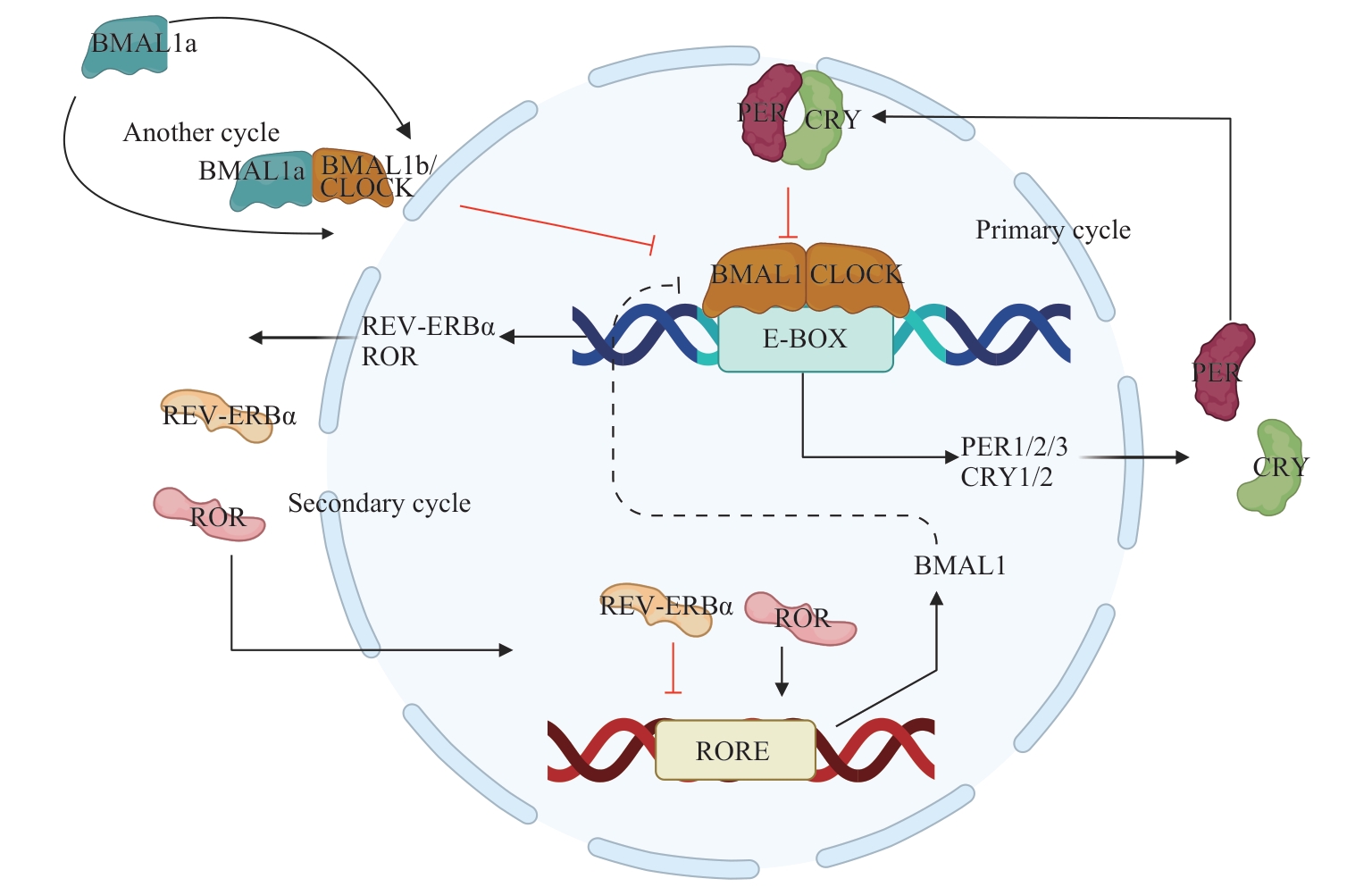
Fig 1 Regulatory loop of the core molecular clock pathway
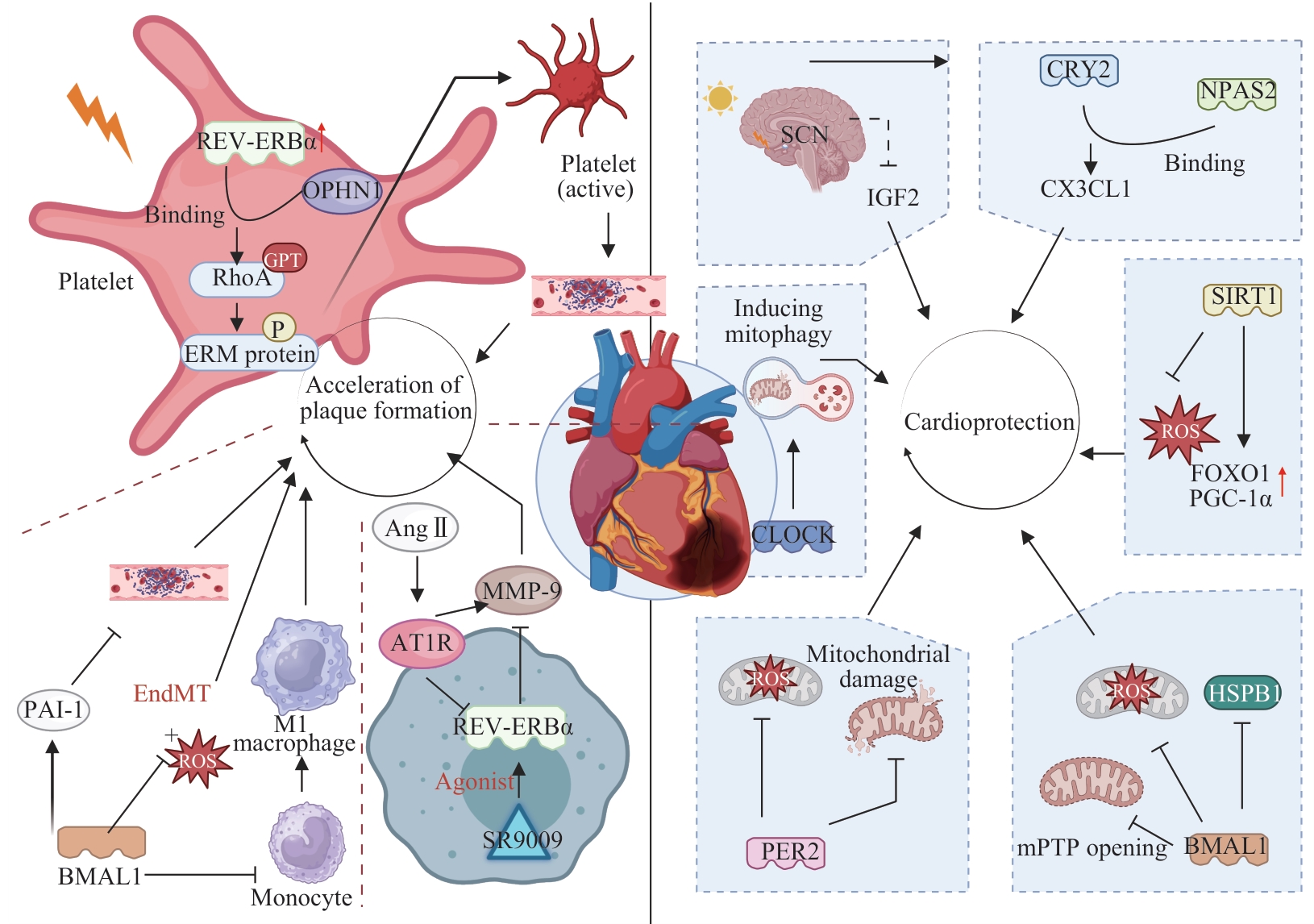
Fig 2 Mechanistic pathways of circadian rhythm genes in myocardial infarction
| [1] | BARGIELLO T A, JACKSON F R, YOUNG M W. Restoration of circadian behavioural rhythms by gene transfer in Drosophila[J]. Nature, 1984, 312(5996): 752-754. |
| [2] | KOIKE N, YOO S H, HUANG H C, et al. Transcriptional architecture and chromatin landscape of the core circadian clock in mammals[J]. Science, 2012, 338(6105): 349-354. |
| [3] | DE LOS REYES P, SERRANO-BUENO G, ROMERO-CAMPERO F J, et al. CONSTANS alters the circadian clock in Arabidopsis thaliana[J]. Mol Plant, 2024, 17(8): 1204-1220. |
| [4] | LIU Z, SELBY C P, YANG Y, et al. Circadian regulation of c-MYC in mice[J]. Proc Natl Acad Sci USA, 2020, 117(35): 21609-21617. |
| [5] | PARTCH C L, GREEN C B, TAKAHASHI J S. Molecular architecture of the mammalian circadian clock[J]. Trends Cell Biol, 2014, 24(2): 90-99. |
| [6] | RANA S, PRABHU S D, YOUNG M E. Chronobiological influence over cardiovascular function: the good, the bad, and the ugly[J]. Circ Res, 2020, 126(2): 258-279. |
| [7] | SHAH P K, LECIS D. Inflammation in atherosclerotic cardiovascular disease[J]. F1000Res, 2019, 8: . |
| [8] | KOLOGRIVOVA I, SHTATOLKINA M, SUSLOVA T, et al. Cells of the immune system in cardiac remodeling: main players in resolution of inflammation and repair after myocardial infarction[J]. Front Immunol, 2021, 12: 664457. |
| [9] | ZHAO D, LIU J, WANG M, et al. Epidemiology of cardiovascular disease in China: current features and implications[J]. Nat Rev Cardiol, 2019, 16(4): 203-212. |
| [10] | LINDSEY M L, IYER R P, JUNG M, et al. Matrix metalloproteinases as input and output signals for post-myocardial infarction remodeling[J]. J Mol Cell Cardiol, 2016, 91: 134-140. |
| [11] | JOHANSSON S, ROSENGREN A, YOUNG K, et al. Mortality and morbidity trends after the first year in survivors of acute myocardial infarction: a systematic review[J]. BMC Cardiovasc Disord, 2017, 17(1): 53. |
| [12] | VIRAG J A, LUST R M. Circadian influences on myocardial infarction[J]. Front Physiol, 2014, 5: 422. |
| [13] | GEIGER S S, CURTIS A M, O'NEILL L A J, et al. Daily variation in macrophage phagocytosis is clock-independent and dispensable for cytokine production[J]. Immunology, 2019, 157(2): 122-136. |
| [14] | DOMÍNGUEZ F, FUSTER V, FERNÁNDEZ-ALVIRA J M, et al. Association of sleep duration and quality with subclinical atherosclerosis[J]. J Am Coll Cardiol, 2019, 73(2): 134-144. |
| [15] | LI H, KILGALLEN A B, MÜNZEL T, et al. Influence of mental stress and environmental toxins on circadian clocks: implications for redox regulation of the heart and cardioprotection[J]. Br J Pharmacol, 2020, 177(23): 5393-5412. |
| [16] | THOSAR S S, BERMAN A M, HERZIG M X, et al. Circadian rhythm of vascular function in midlife adults[J]. Arterioscler Thromb Vasc Biol, 2019, 39(6): 1203-1211. |
| [17] | MAN A W C, LI H, XIA N. Circadian rhythm: potential therapeutic target for atherosclerosis and thrombosis[J]. Int J Mol Sci, 2021, 22(2): E676. |
| [18] | ZHANG Z Q, DING J W, WANG X A, et al. Abnormal circadian rhythms are associated with plaque instability in acute coronary syndrome patients[J]. Int J Clin Exp Pathol, 2019, 12(10): 3761-3771. |
| [19] | CHALLET E. Minireview: entrainment of the suprachiasmatic clockwork in diurnal and nocturnal mammals[J]. Endocrinology, 2007, 148(12): 5648-5655. |
| [20] | DOMINGUEZ-RODRIGUEZ A. Melatonin in cardiovascular disease[J]. Expert Opin Investig Drugs, 2012, 21(11): 1593-1596. |
| [21] | OTA S M, KONG X P, HUT R, et al. The impact of stress and stress hormones on endogenous clocks and circadian rhythms[J]. Front Neuroendocrinol, 2021, 63: 100931. |
| [22] | RABINOVICH-NIKITIN I, KIRSHENBAUM E, KIRSHENBAUM L A. Autophagy, clock genes, and cardiovascular disease[J]. Can J Cardiol, 2023, 39(12): 1772-1780. |
| [23] | SHEARMAN L P, SRIRAM S, WEAVER D R, et al. Interacting molecular loops in the mammalian circadian clock[J]. Science, 2000, 288(5468): 1013-1019. |
| [24] | SOLT L A, KOJETIN D J, BURRIS T P. The REV-ERBs and RORs: molecular links between circadian rhythms and lipid homeostasis[J]. Future Med Chem, 2011, 3(5): 623-638. |
| [25] | LEE J, PARK E, KIM G H, et al. A splice variant of human Bmal1 acts as a negative regulator of the molecular circadian clock[J]. Exp Mol Med, 2018, 50(12): 1-10. |
| [26] | YAN J, WANG H, LIU Y, et al. Analysis of gene regulatory networks in the mammalian circadian rhythm[J]. PLoS Comput Biol, 2008, 4(10): e1000193. |
| [27] | YOUNG M E, BREWER R A, PELICIARI-GARCIA R A, et al. Cardiomyocyte-specific BMAL1 plays critical roles in metabolism, signaling, and maintenance of contractile function of the heart[J]. J Biol Rhythms, 2014, 29(4): 257-276. |
| [28] | SATO F, KOHSAKA A, TAKAHASHI K, et al. Smad3 and Bmal1 regulate p21 and S100A4 expression in myocardial stromal fibroblasts via TNF-α[J]. Histochem Cell Biol, 2017, 148(6): 617-624. |
| [29] | ASTONE M, OBERKERSCH R E, TOSI G, et al. The circadian protein BMAL1 supports endothelial cell cycle during angiogenesis[J]. Cardiovasc Res, 2023, 119(10): 1952-1968. |
| [30] | TAKAGURI A, SASANO J, AKIHIRO O, et al. The role of circadian clock gene BMAL1 in vascular proliferation[J]. Eur J Pharmacol, 2020, 872: 172924. |
| [31] | ABDEL-RAHMAN E A, HOSSEINY S, AALIYA A, et al. Sleep/wake calcium dynamics, respiratory function, and ROS production in cardiac mitochondria[J]. J Adv Res, 2021, 31: 35-47. |
| [32] | SCHRODER E A, BURGESS D E, ZHANG X P, et al. The cardiomyocyte molecular clock regulates the circadian expression of Kcnh2 and contributes to ventricular repolarization[J]. Heart Rhythm, 2015, 12(6): 1306-1314. |
| [33] | MIA S, KANE M S, LATIMER M N, et al. Differential effects of REV-ERBα/β agonism on cardiac gene expression, metabolism, and contractile function in a mouse model of circadian disruption[J]. Am J Physiol Heart Circ Physiol, 2020, 318(6): H1487-H1508. |
| [34] | SHI J, TONG R, ZHOU M, et al. Circadian nuclear receptor Rev-erbα is expressed by platelets and potentiates platelet activation and thrombus formation[J]. Eur Heart J, 2022, 43(24): 2317-2334. |
| [35] | SATO S, SAKURAI T, OGASAWARA J, et al. A circadian clock gene, Rev-erbα, modulates the inflammatory function of macrophages through the negative regulation of Ccl2 expression[J]. J Immunol, 2014, 192(1): 407-417. |
| [36] | MARTINO T A, YOUNG M E. Influence of the cardiomyocyte circadian clock on cardiac physiology and pathophysiology[J]. J Biol Rhythms, 2015, 30(3): 183-205. |
| [37] | ERIKSSON H P, SÖDERBERG M, NEITZEL R L, et al. Cardiovascular mortality in a Swedish cohort of female industrial workers exposed to noise and shift work[J]. Int Arch Occup Environ Health, 2021, 94(2): 285-293. |
| [38] | ARORA N, RICHMOND R C, BRUMPTON B M, et al. Self-reported insomnia symptoms, sleep duration, chronotype and the risk of acute myocardial infarction (AMI): a prospective study in the UK Biobank and the HUNT Study[J]. Eur J Epidemiol, 2023, 38(6): 643-656. |
| [39] | YANG Z, BLACK K, OHMAN-STRICKLAND P, et al. Disruption of central and peripheral circadian clocks and circadian controlled estrogen receptor rhythms in night shift nurses in working environments[J]. FASEB J, 2024, 38(11): e23719. |
| [40] | ŠKRLEC I, MILIĆ J, STEINER R. The impact of the circadian genes CLOCK and ARNTL on myocardial infarction[J]. J Clin Med, 2020, 9(2): E484. |
| [41] | ŠKRLEC I, MILIC J, HEFFER M, et al. Genetic variations in circadian rhythm genes and susceptibility for myocardial infarction[J]. Genet Mol Biol, 2018, 41(2): 403-409. |
| [42] | YAN X, HUANG Y, WU J. Identify cross talk between circadian rhythm and coronary heart disease by multiple correlation analysis[J]. J Comput Biol, 2018, 25(12): 1312-1327. |
| [43] | ZHAO Y C, LU X Y, WAN F, et al. Disruption of circadian rhythms by shift work exacerbates reperfusion injury in myocardial infarction[J]. J Am Coll Cardiol, 2022, 79(21): 2097-2115. |
| [44] | ZHANG L, ZHANG R, TIEN C L, et al. REV-ERBα ameliorates heart failure through transcription repression[J]. JCI Insight, 2017, 2(17): 95177. |
| [45] | WANG S, GU X, ZHANG Q, et al. Angiotensin Ⅱ suppresses rev-erbα expression in THP-1 macrophages via the Ang Ⅱ type 1 receptor/liver X receptor α pathway[J]. Cell Physiol Biochem, 2018, 46(1): 303-313. |
| [46] | HEMMERYCKX B, FREDERIX L, LIJNEN H R. Deficiency of Bmal1 disrupts the diurnal rhythm of haemostasis[J]. Exp Gerontol, 2019, 118: 1-8. |
| [47] | ZHU M, TANG H, TANG X, et al. BMAL1 suppresses ROS-induced endothelial-to-mesenchymal transition and atherosclerosis plaque progression via BMP signaling[J]. Am J Transl Res, 2018, 10(10): 3150-3161. |
| [48] | HUO M, HUANG Y, QU D, et al. Myeloid Bmal1 deletion increases monocyte recruitment and worsens atherosclerosis[J]. FASEB J, 2017, 31(3): 1097-1106. |
| [49] | HAO K L, ZHAI Q C, GU Y, et al. Disturbance of suprachiasmatic nucleus function improves cardiac repair after myocardial infarction by IGF2-mediated macrophage transition[J]. Acta Pharmacol Sin, 2023, 44(8): 1612-1624. |
| [50] | HUANG J, QING W, PAN Y. NPAS2 ameliorates myocardial ischaemia/reperfusion injury in rats via CX3CL1 pathways and regulating autophagy[J]. Aging (Albany NY), 2021, 13(16): 20569-20584. |
| [51] | KILGALLEN A B, VAN DEN AKKER F, FEYEN D A M, et al. Circadian dependence of the acute immune response to myocardial infarction[J]. Front Pharmacol, 2022, 13: 869512. |
| [52] | LIU X, XIAO W, JIANG Y, et al. Bmal1 regulates the redox rhythm of HSPB1, and homooxidized HSPB1 attenuates the oxidative stress injury of cardiomyocytes[J]. Oxid Med Cell Longev, 2021, 2021: 5542815. |
| [53] | ZHANG X Y, WANG L, YAN W J, et al. Period 2-induced activation of autophagy improves cardiac remodeling after myocardial infarction[J]. Hum Gene Ther, 2020, 31(1/2): 119-128. |
| [54] | BEESLEY S, NOGUCHI T, WELSH D K. Cardiomyocyte circadian oscillations are cell-autonomous, amplified by β-adrenergic signaling, and synchronized in cardiac ventricle tissue[J]. PLoS One, 2016, 11(7): e0159618. |
| [55] | WENG Y, LI H, GAO L, et al. PER2 regulates reactive oxygen species production in the circadian susceptibility to ischemia/reperfusion injury in the heart[J]. Oxid Med Cell Longev, 2021, 2021: 6256399. |
| [56] | RABINOVICH-NIKITIN I, RASOULI M, REITZ C J, et al. Mitochondrial autophagy and cell survival is regulated by the circadian Clock gene in cardiac myocytes during ischemic stress[J]. Autophagy, 2021, 17(11): 3794-3812. |
| [57] | WANG X D, KANG S. Ferroptosis in myocardial infarction: not a marker but a maker[J]. Open Biol, 2021, 11(4): 200367. |
| [58] | MONTAIGNE D, MARECHAL X, MODINE T, et al. Daytime variation of perioperative myocardial injury in cardiac surgery and its prevention by Rev-Erbα antagonism: a single-centre propensity-matched cohort study and a randomised study[J]. Lancet, 2018, 391(10115): 59-69. |
| [59] | OYAMA Y, BARTMAN C M, BONNEY S, et al. Intense light-mediated circadian cardioprotection via transcriptional reprogramming of the endothelium[J]. Cell Rep, 2019, 28(6): 1471-1484.e11. |
| [60] | BARTMAN C M, OYAMA Y, BRODSKY K, et al. Intense light-elicited upregulation of miR-21 facilitates glycolysis and cardioprotection through Per2-dependent mechanisms[J]. PLoS One, 2017, 12(4): e0176243. |
| [61] | HERMIDA R C, AYALA D E. Chronotherapy with the angiotensin-converting enzyme inhibitor ramipril in essential hypertension: improved blood pressure control with bedtime dosing[J]. Hypertension, 2009, 54(1): 40-46. |
| [62] | WINTER C, SILVESTRE-ROIG C, ORTEGA-GOMEZ A, et al. Chrono-pharmacological targeting of the CCL2-CCR2 axis ameliorates atherosclerosis[J]. Cell Metab, 2018, 28(1): 175-182.e5. |
| [63] | ZHANG B, WANG C, GUO M, et al. Circadian rhythm-dependent therapy by composite targeted polyphenol nanoparticles for myocardial ischemia-reperfusion injury[J]. ACS Nano, 2024, 18(41): 28154-28169. |
| [64] | ŠKRLEC I, TALAPKO J, JUZBAŠIĆ M, et al. Sex differences in circadian clock genes and myocardial infarction susceptibility[J]. J Cardiovasc Dev Dis, 2021, 8(5): 53. |
| [65] | ALIBHAI F J, REITZ C J, PEPPLER W T, et al. Female ClockΔ19/Δ19 mice are protected from the development of age-dependent cardiomyopathy[J]. Cardiovasc Res, 2018, 114(2): 259-271. |
| [66] | KROETSCH J T, LIDINGTON D, ALIBHAI F J, et al. Disrupting circadian control of peripheral myogenic reactivity mitigates cardiac injury following myocardial infarction[J]. Cardiovasc Res, 2023, 119(6): 1403-1415. |
| [67] | HALADE G V, MAT Y, GOWDA S G B, et al. Sleep deprivation in obesogenic setting alters lipidome and microbiome toward suboptimal inflammation in acute heart failure[J]. FASEB J, 2023, 37(5): e22899. |
| [1] | YANG Chendie, HU Changqing, YUAN He, TAY Guan Poh, AMUTI Abulikemu, ZHANG Ruiyan, WANG Xiaoqun. Association between insulin resistance and left ventricular remodeling after STEMI in patients without a history of diabetes mellitus [J]. Journal of Shanghai Jiao Tong University (Medical Science), 2025, 45(3): 292-300. |
| [2] | LI Wenli, JIN Lixing, ZHAO Yichao, ZHONG Fangyuan, SHI Yao, LEI Jie, PU Jun, GE Heng. Impact of left ventricular myocardial strain injury on secondary tricuspid regurgitation in acute STEMI assessed by cardiac magnetic resonance [J]. Journal of Shanghai Jiao Tong University (Medical Science), 2025, 45(12): 1578-1588. |
| [3] | RUAN Qingqing, SU Shuzhi, LI Yanting, REN Yuan, DAI Yong, QIAO Zengyong. Intraoperative complications in percutaneous coronary intervention for acute myocardial infarction: development of a risk prediction model [J]. Journal of Shanghai Jiao Tong University (Medical Science), 2025, 45(12): 1589-1597. |
| [4] | JIANG Kai, XU Yue, YANG Xingbo, WANG Dandan, XIANG Yaozu. Hematopoietic imbalance-mediated ventricular remodeling after myocardial infarction: roles of immune cell subsets and emerging therapeutic strategies [J]. Journal of Shanghai Jiao Tong University (Medical Science), 2025, 45(12): 1644-1653. |
| [5] | LIU Yuting, YU Wanqi, HONG Wen, KANG Sang, LI Xinni, DANZENG Quyang, XIAO Huoyuan, PAN Jingwei. Predictive value of Clinical Frailty Scale in long term prognosis of patients with acute myocardial infarction after in-hospital cardiac rehabilitation [J]. Journal of Shanghai Jiao Tong University (Medical Science), 2024, 44(5): 599-605. |
| [6] | ZHENG Mengyi, MAO Jialiang, ZOU Zhiguo, ZHANG Ruilei, ZHANG Hou, LI Shiguang. Predictive value of systemic immune inflammation index and somatic symptom scale-China in the occurrence of in-hospital major adverse cardiovascular events after first-episode of acute myocardial infarction undergoing PCI [J]. Journal of Shanghai Jiao Tong University (Medical Science), 2024, 44(3): 334-341. |
| [7] | HU Xiao, ZHANG Xin, GU Yang. Study on the interaction between body weight and C1q tumour necrosis factor-related protein 1 in patients with myocardial infarction [J]. Journal of Shanghai Jiao Tong University (Medical Science), 2022, 42(6): 786-791. |
| [8] | XU Li, YANG Yan, CHEN Hanfen, JIANG Meng, PU Jun. Study on influencing factors and effect evaluation of patients with acute myocardial infarction in the cardiac rehabilitation center [J]. Journal of Shanghai Jiao Tong University (Medical Science), 2022, 42(5): 646-652. |
| [9] | Pei-kun HU, Jie HE, Lian-ming WU, Heng GE, Jian-rong XU, Jun PU. Effect of microvascular obstruction on left ventricle function and prognosis in patients with ST-segment elevation myocardial infarction [J]. JOURNAL OF SHANGHAI JIAOTONG UNIVERSITY (MEDICAL SCIENCE), 2021, 41(2): 173-179. |
| [10] | Jian-xun DONG, Lai WEI, Jie HE, Ling-cong KONG, Heng GE, Jun PU. Progress of cardiac magnetic resonance in assessment of left ventricular mechanical dyssynchrony [J]. JOURNAL OF SHANGHAI JIAOTONG UNIVERSITY (MEDICAL SCIENCE), 2021, 41(12): 1698-1702. |
| [11] | Ya-jie GAO, Wen-kun MA, Cheng-jie GAO, Yi ZHOU, Jing-wei PAN. Exploration of the predictive value of myocardial strain on ventricular remodeling after acute ST-segment elevation myocardial infarction [J]. JOURNAL OF SHANGHAI JIAOTONG UNIVERSITY (MEDICAL SCIENCE), 2021, 41(11): 1478-1484. |
| [12] | FENG Ze-hao1*, ZHANG Qing1*, CHAI Ye-zi1, SU Xuan1, SUN Bao-hang-xing1, LIU Qi-ming1, YAN Fu-hua2, JIANG Meng1#, PU Jun1#. Evaluation of effect of smoking on myocardial injury and prognosis in patients with acute ST-segment elevation myocardial infarction [J]. JOURNAL OF SHANGHAI JIAOTONG UNIVERSITY (MEDICAL SCIENCE), 2020, 40(5): 573-582. |
| [13] | TANG Dong-juan, XUE Xiao-mei, HE Bin. Early diagnosis and prognostic evaluation value of miR-133a in patients with acute myocardial infarction [J]. , 2020, 40(3): 339-. |
| [14] | MIAO Yu-tong1, SHEN Lan1, 2, HE Ben1. Imaging evaluation of post-myocardial infarction injury [J]. , 2019, 39(4): 436-. |
| [15] | XIA Zhi-li1, GAO Cheng-jie2, GAO Ya-jie1, TAO Yi-jing1, WAN Qing1, WU Hao1, WEI Jun-bo1, ZHOU Yi1, PAN Jing-wei1. Value of stress hyperglycemia ratio in predicting the prognosis of patients with acute myocardial infarction [J]. , 2019, 39(3): 309-. |
| Viewed | ||||||
|
Full text |
|
|||||
|
Abstract |
|
|||||
