
Journal of Shanghai Jiao Tong University (Medical Science) ›› 2025, Vol. 45 ›› Issue (12): 1578-1588.doi: 10.3969/j.issn.1674-8115.2025.12.003
• Clinical research • Previous Articles Next Articles
LI Wenli, JIN Lixing, ZHAO Yichao, ZHONG Fangyuan, SHI Yao, LEI Jie, PU Jun, GE Heng( )
)
Received:2025-06-19
Accepted:2025-09-28
Online:2025-12-28
Published:2025-12-28
Contact:
GE Heng
E-mail:dr.geheng@foxmail.com
Supported by:CLC Number:
LI Wenli, JIN Lixing, ZHAO Yichao, ZHONG Fangyuan, SHI Yao, LEI Jie, PU Jun, GE Heng. Impact of left ventricular myocardial strain injury on secondary tricuspid regurgitation in acute STEMI assessed by cardiac magnetic resonance[J]. Journal of Shanghai Jiao Tong University (Medical Science), 2025,(12): 1578-1588.
Add to citation manager EndNote|Ris|BibTeX
URL: https://xuebao.shsmu.edu.cn/EN/10.3969/j.issn.1674-8115.2025.12.003
| Parameter | Total population (N=729) | Non-significant STR (n=676) | Significant STR (n=53) | P value (non-significant STR vs significant STR) |
|---|---|---|---|---|
| Clinical characteristic | ||||
| Age/year | 60 (54, 66) | 59 (53, 65) | 67 (65, 72) | <0.001 |
| Male/n(%) | 643 (88.2) | 603 (89.2) | 40 (75.5) | 0.006 |
| BMI/(kg·m-2) | 24.8 (22.9, 26.7) | 24.8 (23.0, 26.8) | 24.9 (22.0, 26.3) | 0.194 |
| Hypertension/n(%) | 397 (54.5) | 366 (54.1) | 31 (58.5) | 0.639 |
| Diabetes/n(%) | 220 (30.2) | 199 (29.4) | 21 (39.6) | 0.161 |
| Smoking/n(%) | 415 (56.9) | 392 (58.0) | 23 (43.4) | 0.055 |
| Hyperlipidemia/n(%) | 342 (46.9) | 330 (48.8) | 12 (22.6) | <0.001 |
| Killip class/n(%) | 0.234 | |||
| 1 | 678 (93.0) | 630 (93.2) | 48 (90.6) | |
| 2 | 43 (5.9) | 40 (5.9) | 3 (5.7) | |
| 3 | 3 (0.4) | 2 (0.3) | 1 (1.9) | |
| 4 | 5 (0.7) | 4 (0.6) | 1 (1.9) | |
| Pre-PCI TIMI flow/n(%) | 0.303 | |||
| 0‒1 | 497 (68.2) | 457 (67.6) | 40 (75.5) | |
| 2‒3 | 232 (31.8) | 219 (32.4) | 13 (24.5) | |
| Post-PCI TIMI flow/n(%) | 0.656 | |||
| 0‒2 | 102 (14.0) | 93 (13.8) | 9 (17.0) | |
| 3 | 627 (86.0) | 583 (86.2) | 44 (83.0) | |
| Culprit vessel/n(%) | 0.090 | |||
| LAD | 460 (63.1) | 420 (62.1) | 40 (75.5) | |
| LCX | 48 (6.6) | 44 (6.5) | 4 (7.5) | |
| RCA | 221 (30.3) | 212 (31.4) | 9 (17.0) | |
| Number of diseased vessel/n(%) | 1.000 | |||
| 1 | 268 (36.8) | 249 (36.8) | 19 (35.8) | |
| ≥2 | 461 (63.2) | 427 (63.2) | 34 (64.2) | |
| Peak hs-cTnI/(ng·mL-1) | 27.9 (11.0, 52.6) | 27.7 (10.7, 51.8) | 30.0 (18.4, 74.2) | 0.057 |
| Peak creatinine/(μmol·L-1) | 80.0 (70.0, 92.0) | 81.0 (70.9, 92.0) | 76.5 (65.0, 93.0) | 0.390 |
| QRS duration/ms | 90 (84, 98) | 90 (84, 97) | 92 (84, 100) | 0.392 |
| CLBBB/n(%) | 23 (3.2) | 21 (3.1) | 2 (3.8) | 1.000 |
Tab 1 Clinical characteristics of STEMI patients
| Parameter | Total population (N=729) | Non-significant STR (n=676) | Significant STR (n=53) | P value (non-significant STR vs significant STR) |
|---|---|---|---|---|
| Clinical characteristic | ||||
| Age/year | 60 (54, 66) | 59 (53, 65) | 67 (65, 72) | <0.001 |
| Male/n(%) | 643 (88.2) | 603 (89.2) | 40 (75.5) | 0.006 |
| BMI/(kg·m-2) | 24.8 (22.9, 26.7) | 24.8 (23.0, 26.8) | 24.9 (22.0, 26.3) | 0.194 |
| Hypertension/n(%) | 397 (54.5) | 366 (54.1) | 31 (58.5) | 0.639 |
| Diabetes/n(%) | 220 (30.2) | 199 (29.4) | 21 (39.6) | 0.161 |
| Smoking/n(%) | 415 (56.9) | 392 (58.0) | 23 (43.4) | 0.055 |
| Hyperlipidemia/n(%) | 342 (46.9) | 330 (48.8) | 12 (22.6) | <0.001 |
| Killip class/n(%) | 0.234 | |||
| 1 | 678 (93.0) | 630 (93.2) | 48 (90.6) | |
| 2 | 43 (5.9) | 40 (5.9) | 3 (5.7) | |
| 3 | 3 (0.4) | 2 (0.3) | 1 (1.9) | |
| 4 | 5 (0.7) | 4 (0.6) | 1 (1.9) | |
| Pre-PCI TIMI flow/n(%) | 0.303 | |||
| 0‒1 | 497 (68.2) | 457 (67.6) | 40 (75.5) | |
| 2‒3 | 232 (31.8) | 219 (32.4) | 13 (24.5) | |
| Post-PCI TIMI flow/n(%) | 0.656 | |||
| 0‒2 | 102 (14.0) | 93 (13.8) | 9 (17.0) | |
| 3 | 627 (86.0) | 583 (86.2) | 44 (83.0) | |
| Culprit vessel/n(%) | 0.090 | |||
| LAD | 460 (63.1) | 420 (62.1) | 40 (75.5) | |
| LCX | 48 (6.6) | 44 (6.5) | 4 (7.5) | |
| RCA | 221 (30.3) | 212 (31.4) | 9 (17.0) | |
| Number of diseased vessel/n(%) | 1.000 | |||
| 1 | 268 (36.8) | 249 (36.8) | 19 (35.8) | |
| ≥2 | 461 (63.2) | 427 (63.2) | 34 (64.2) | |
| Peak hs-cTnI/(ng·mL-1) | 27.9 (11.0, 52.6) | 27.7 (10.7, 51.8) | 30.0 (18.4, 74.2) | 0.057 |
| Peak creatinine/(μmol·L-1) | 80.0 (70.0, 92.0) | 81.0 (70.9, 92.0) | 76.5 (65.0, 93.0) | 0.390 |
| QRS duration/ms | 90 (84, 98) | 90 (84, 97) | 92 (84, 100) | 0.392 |
| CLBBB/n(%) | 23 (3.2) | 21 (3.1) | 2 (3.8) | 1.000 |
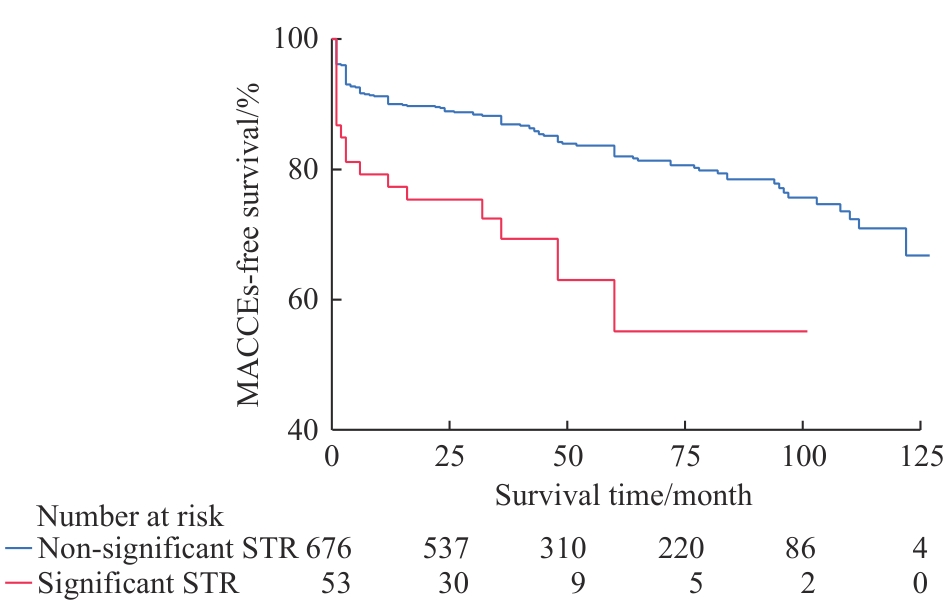
Fig 1 Kaplan-Meier survival curves of patients after STEMI
| Parameter | Total population (N=729) | Non-significant STR (n=676) | Significant STR (n=53) | P value (non-significant STR vs significant STR) |
|---|---|---|---|---|
| Volumetric parameter | ||||
| LVEDVi/(mL·m-2) | 62.31 (54.77, 72.20) | 64.37 (55.32, 76.83) | 63.68 (57.16, 73.38) | 0.848 |
| LVESVi/(mL·m-2) | 27.82 (21.74, 35.16) | 27.56 (21.65, 34.37) | 30.46 (25.44, 48.33) | 0.010 |
| LVCI/(L·min-1·m-2) | 2.38 (2.03, 2.76) | 2.39 (2.04, 2.77) | 2.25 (1.86, 2.59) | 0.058 |
| LVmassi/(g·m-2) | 64.32 (55.44, 76.55) | 64.17 (55.27, 75.62) | 66.52 (57.60, 85.18) | 0.073 |
| LVEF/% | 53.98 (46.21, 61.62) | 54.26 (46.94, 61.93) | 48.12 (35.38, 55.86) | <0.001 |
| LV-IS/% | 26.17 (16.97, 37.16) | 25.91 (16.69, 36.62) | 30.61 (19.20, 37.85) | 0.160 |
| Myocardial strain/% | ||||
| LV-GRS | 19.66 (14.81, 25.29) | 19.88 (15.07, 25.48) | 17.16 (12.05, 21.98) | 0.016 |
| LV-GCS | -14.31±3.99 | -14.44±3.94 | -12.68±4.37 | 0.002 |
| LV-GLS | -8.26 (-10.56, -6.09) | -8.32 (-10.61, -6.15) | -7.31 (-10.23, -5.30) | 0.082 |
| Diastolic function/s-1 | ||||
| rPEDSR | -0.96 (-1.27, -0.67) | -0.97 (-1.28, -0.69) | -0.84 (-1.06, -0.51) | 0.002 |
| cPEDSR | 0.59 (0.44, 0.74) | 0.60 (0.45, 0.75) | 0.51 (0.34, 0.65) | 0.010 |
Tab 2 CMR characteristics of STEMI patients
| Parameter | Total population (N=729) | Non-significant STR (n=676) | Significant STR (n=53) | P value (non-significant STR vs significant STR) |
|---|---|---|---|---|
| Volumetric parameter | ||||
| LVEDVi/(mL·m-2) | 62.31 (54.77, 72.20) | 64.37 (55.32, 76.83) | 63.68 (57.16, 73.38) | 0.848 |
| LVESVi/(mL·m-2) | 27.82 (21.74, 35.16) | 27.56 (21.65, 34.37) | 30.46 (25.44, 48.33) | 0.010 |
| LVCI/(L·min-1·m-2) | 2.38 (2.03, 2.76) | 2.39 (2.04, 2.77) | 2.25 (1.86, 2.59) | 0.058 |
| LVmassi/(g·m-2) | 64.32 (55.44, 76.55) | 64.17 (55.27, 75.62) | 66.52 (57.60, 85.18) | 0.073 |
| LVEF/% | 53.98 (46.21, 61.62) | 54.26 (46.94, 61.93) | 48.12 (35.38, 55.86) | <0.001 |
| LV-IS/% | 26.17 (16.97, 37.16) | 25.91 (16.69, 36.62) | 30.61 (19.20, 37.85) | 0.160 |
| Myocardial strain/% | ||||
| LV-GRS | 19.66 (14.81, 25.29) | 19.88 (15.07, 25.48) | 17.16 (12.05, 21.98) | 0.016 |
| LV-GCS | -14.31±3.99 | -14.44±3.94 | -12.68±4.37 | 0.002 |
| LV-GLS | -8.26 (-10.56, -6.09) | -8.32 (-10.61, -6.15) | -7.31 (-10.23, -5.30) | 0.082 |
| Diastolic function/s-1 | ||||
| rPEDSR | -0.96 (-1.27, -0.67) | -0.97 (-1.28, -0.69) | -0.84 (-1.06, -0.51) | 0.002 |
| cPEDSR | 0.59 (0.44, 0.74) | 0.60 (0.45, 0.75) | 0.51 (0.34, 0.65) | 0.010 |
| Parameter | OR | 95%CI | P value |
|---|---|---|---|
| Clinical characteristic | |||
| Age | 1.129 | 1.086‒1.172 | <0.001 |
| Male | 0.374 | 0.191‒0.731 | 0.004 |
| BMI | 0.942 | 0.856‒1.036 | 0.215 |
| Hypertension | 1.200 | 0.681‒2.116 | 0.528 |
| Diabetes | 1.578 | 0.888‒2.803 | 0.120 |
| Smoking | 0.538 | 0.306‒0.946 | 0.031 |
| Hyperlipidemia | 0.305 | 0.158‒0.591 | <0.001 |
| Killip class | |||
| 1 | Ref. | Ref. | |
| 2 | 1.003 | 0.299‒3.366 | 0.996 |
| 3 | 6.685 | 0.595‒75.110 | 0.124 |
| 4 | 3.342 | 0.366‒30.521 | 0.285 |
| Pre-PCI TIMI flow | |||
| 0‒1 | Ref. | Ref. | |
| 2‒3 | 0.640 | 0.334‒1.228 | 0.179 |
| Post-PCI TIMI flow | |||
| 0‒2 | Ref. | Ref. | |
| 3 | 0.453 | 0.192‒1.067 | 0.070 |
| Culprit vessel | |||
| LAD | Ref. | Ref. | |
| LCX | 0.945 | 0.323‒2.767 | 0.918 |
| RCA | 0.442 | 0.210‒0.927 | 0.031 |
| Number of diseased vessel | |||
| 1 | Ref. | Ref. | |
| ≥2 | 1.050 | 0.584‒1.887 | 0.871 |
| Peak hs-cTnI | 1.008 | 0.999‒1.016 | 0.070 |
| Peak creatinine | 1.004 | 0.992‒1.017 | 0.527 |
| QRS duration | 1.004 | 0.984‒1.026 | 0.676 |
| CLBBB | 1.223 | 0.279‒5.363 | 0.789 |
Tab 3 Univariate Logistic regression analysis of clinical characteristics in patients with significant STR
| Parameter | OR | 95%CI | P value |
|---|---|---|---|
| Clinical characteristic | |||
| Age | 1.129 | 1.086‒1.172 | <0.001 |
| Male | 0.374 | 0.191‒0.731 | 0.004 |
| BMI | 0.942 | 0.856‒1.036 | 0.215 |
| Hypertension | 1.200 | 0.681‒2.116 | 0.528 |
| Diabetes | 1.578 | 0.888‒2.803 | 0.120 |
| Smoking | 0.538 | 0.306‒0.946 | 0.031 |
| Hyperlipidemia | 0.305 | 0.158‒0.591 | <0.001 |
| Killip class | |||
| 1 | Ref. | Ref. | |
| 2 | 1.003 | 0.299‒3.366 | 0.996 |
| 3 | 6.685 | 0.595‒75.110 | 0.124 |
| 4 | 3.342 | 0.366‒30.521 | 0.285 |
| Pre-PCI TIMI flow | |||
| 0‒1 | Ref. | Ref. | |
| 2‒3 | 0.640 | 0.334‒1.228 | 0.179 |
| Post-PCI TIMI flow | |||
| 0‒2 | Ref. | Ref. | |
| 3 | 0.453 | 0.192‒1.067 | 0.070 |
| Culprit vessel | |||
| LAD | Ref. | Ref. | |
| LCX | 0.945 | 0.323‒2.767 | 0.918 |
| RCA | 0.442 | 0.210‒0.927 | 0.031 |
| Number of diseased vessel | |||
| 1 | Ref. | Ref. | |
| ≥2 | 1.050 | 0.584‒1.887 | 0.871 |
| Peak hs-cTnI | 1.008 | 0.999‒1.016 | 0.070 |
| Peak creatinine | 1.004 | 0.992‒1.017 | 0.527 |
| QRS duration | 1.004 | 0.984‒1.026 | 0.676 |
| CLBBB | 1.223 | 0.279‒5.363 | 0.789 |
| Parameter | Univariate analysis | Multivariate analysis | ||||
|---|---|---|---|---|---|---|
| OR | 95%CI | P value | OR | 95%CI | P value | |
| Volumetric parameter | ||||||
| LVEDVi | 1.019 | 1.002‒1.037 | 0.029 | 1.017 | 0.999‒1.035 | 0.064 |
| LVESVi | 1.035 | 1.018‒1.051 | <0.001 | 1.030 | 1.011‒1.049 | 0.002 |
| LVCI | 0.608 | 0.368‒1.005 | 0.053 | |||
| LVmassi | 1.002 | 0.987‒1.018 | 0.786 | |||
| LVEF | 0.951 | 0.929‒0.972 | <0.001 | 0.963 | 0.940‒0.986 | 0.002 |
| LV-IS | 1.012 | 0.996‒1.028 | 0.150 | |||
| Myocardial strain | ||||||
| LV-GRS | 0.954 | 0.917‒0.993 | 0.020 | 0.953 | 0.913‒0.994 | 0.026 |
| LV-GCS | 1.116 | 1.039‒1.198 | 0.003 | 1.091 | 1.011‒1.178 | 0.025 |
| LV-GLS | 1.050 | 0.980‒1.125 | 0.166 | |||
| Diastolic function | ||||||
| rPEDSR | 3.150 | 1.503‒6.604 | 0.002 | 2.059 | 0.969‒4.375 | 0.060 |
| cPEDSR | 0.173 | 0.047‒0.637 | 0.008 | 0.430 | 0.107‒1.721 | 0.233 |
Tab 4 Univariate and multivariate Logistic regression analyses of CMR parameters in patients with significant STR
| Parameter | Univariate analysis | Multivariate analysis | ||||
|---|---|---|---|---|---|---|
| OR | 95%CI | P value | OR | 95%CI | P value | |
| Volumetric parameter | ||||||
| LVEDVi | 1.019 | 1.002‒1.037 | 0.029 | 1.017 | 0.999‒1.035 | 0.064 |
| LVESVi | 1.035 | 1.018‒1.051 | <0.001 | 1.030 | 1.011‒1.049 | 0.002 |
| LVCI | 0.608 | 0.368‒1.005 | 0.053 | |||
| LVmassi | 1.002 | 0.987‒1.018 | 0.786 | |||
| LVEF | 0.951 | 0.929‒0.972 | <0.001 | 0.963 | 0.940‒0.986 | 0.002 |
| LV-IS | 1.012 | 0.996‒1.028 | 0.150 | |||
| Myocardial strain | ||||||
| LV-GRS | 0.954 | 0.917‒0.993 | 0.020 | 0.953 | 0.913‒0.994 | 0.026 |
| LV-GCS | 1.116 | 1.039‒1.198 | 0.003 | 1.091 | 1.011‒1.178 | 0.025 |
| LV-GLS | 1.050 | 0.980‒1.125 | 0.166 | |||
| Diastolic function | ||||||
| rPEDSR | 3.150 | 1.503‒6.604 | 0.002 | 2.059 | 0.969‒4.375 | 0.060 |
| cPEDSR | 0.173 | 0.047‒0.637 | 0.008 | 0.430 | 0.107‒1.721 | 0.233 |
| Parameter | LAD group (n=40) | LCX/RCA group (n=13) | P value |
|---|---|---|---|
| Clinical characteristic | |||
| Age/year | 67.50 (65.00, 72.00) | 67.00 (64.00, 72.00) | 0.540 |
| Male/n (%) | 31 (77.5) | 9 (69.2) | 0.817 |
| BMI/(kg·m-2) | 24.48 (3.25) | 24.36 (2.65) | 0.906 |
| Hypertension/n(%) | 24 (60.0) | 7 (53.8) | 0.946 |
| Diabetes/n(%) | 16 (40.0) | 5 (38.5) | 1.000 |
| Smoking/n(%) | 20 (50.0) | 3 (23.1) | 0.168 |
| Hyperlipemia/n(%) | 12 (30.0) | 0 (0) | 0.062 |
| Killip class/n(%) | 0.066 | ||
| 1 | 37 (92.5) | 11 (84.6) | |
| 2 | 3 (7.5) | 0 (0) | |
| 3 | 0 (0) | 1 (7.7) | |
| 4 | 0 (0) | 1 (7.7) | |
| Pre-PCI TIMI flow/n(%) | 0.210 | ||
| 0‒1 | 28 (70.0) | 12 (92.3) | |
| 2‒3 | 12 (30.0) | 1 (7.7) | |
| Post-PCI TIMI flow/n(%) | 1.000 | ||
| 0‒2 | 7 (17.5) | 2 (15.4) | |
| 3 | 33 (82.5) | 11 (84.6) | |
| Volumetric parameter | |||
| LVEDVi/(mL·m-2) | 67.94 (55.59, 77.29) | 60.35 (55.61, 81.94) | 0.948 |
| LVESVi/(mL·m-2) | 31.87 (25.37, 46.17) | 30.36 (25.63, 53.45) | 0.681 |
| LVCI/(L·min-1·m-2) | 2.24 (0.62) | 2.28 (0.47) | 0.816 |
| LVmassi/(g·m-2) | 64.70 (58.34, 74.16) | 59.12 (47.67, 66.29) | 0.122 |
| LVEF/% | 46.32 (14.56) | 44.84 (15.26) | 0.756 |
| Myocardial Strain/% | |||
| LV-GRS | 15.89 (11.40, 21.33) | 21.49 (17.11, 23.60) | 0.195 |
| LV-GCS | -12.50 (4.59) | -13.21 (3.80) | 0.618 |
| LV-GLS | -6.82 (-9.97, -5.66) | -8.43 (-10.44, -4.97) | 0.721 |
| Diastolic function/s-1 | |||
| rPEDSR | -0.76 (-1.03, -0.47) | -0.93 (-1.08, -0.58) | 0.560 |
| cPEDSR | 0.53 (0.23) | 0.47 (0.19) | 0.352 |
Tab 5 Comparison of clinical and CMR characteristics in patients with different culprit vessels
| Parameter | LAD group (n=40) | LCX/RCA group (n=13) | P value |
|---|---|---|---|
| Clinical characteristic | |||
| Age/year | 67.50 (65.00, 72.00) | 67.00 (64.00, 72.00) | 0.540 |
| Male/n (%) | 31 (77.5) | 9 (69.2) | 0.817 |
| BMI/(kg·m-2) | 24.48 (3.25) | 24.36 (2.65) | 0.906 |
| Hypertension/n(%) | 24 (60.0) | 7 (53.8) | 0.946 |
| Diabetes/n(%) | 16 (40.0) | 5 (38.5) | 1.000 |
| Smoking/n(%) | 20 (50.0) | 3 (23.1) | 0.168 |
| Hyperlipemia/n(%) | 12 (30.0) | 0 (0) | 0.062 |
| Killip class/n(%) | 0.066 | ||
| 1 | 37 (92.5) | 11 (84.6) | |
| 2 | 3 (7.5) | 0 (0) | |
| 3 | 0 (0) | 1 (7.7) | |
| 4 | 0 (0) | 1 (7.7) | |
| Pre-PCI TIMI flow/n(%) | 0.210 | ||
| 0‒1 | 28 (70.0) | 12 (92.3) | |
| 2‒3 | 12 (30.0) | 1 (7.7) | |
| Post-PCI TIMI flow/n(%) | 1.000 | ||
| 0‒2 | 7 (17.5) | 2 (15.4) | |
| 3 | 33 (82.5) | 11 (84.6) | |
| Volumetric parameter | |||
| LVEDVi/(mL·m-2) | 67.94 (55.59, 77.29) | 60.35 (55.61, 81.94) | 0.948 |
| LVESVi/(mL·m-2) | 31.87 (25.37, 46.17) | 30.36 (25.63, 53.45) | 0.681 |
| LVCI/(L·min-1·m-2) | 2.24 (0.62) | 2.28 (0.47) | 0.816 |
| LVmassi/(g·m-2) | 64.70 (58.34, 74.16) | 59.12 (47.67, 66.29) | 0.122 |
| LVEF/% | 46.32 (14.56) | 44.84 (15.26) | 0.756 |
| Myocardial Strain/% | |||
| LV-GRS | 15.89 (11.40, 21.33) | 21.49 (17.11, 23.60) | 0.195 |
| LV-GCS | -12.50 (4.59) | -13.21 (3.80) | 0.618 |
| LV-GLS | -6.82 (-9.97, -5.66) | -8.43 (-10.44, -4.97) | 0.721 |
| Diastolic function/s-1 | |||
| rPEDSR | -0.76 (-1.03, -0.47) | -0.93 (-1.08, -0.58) | 0.560 |
| cPEDSR | 0.53 (0.23) | 0.47 (0.19) | 0.352 |
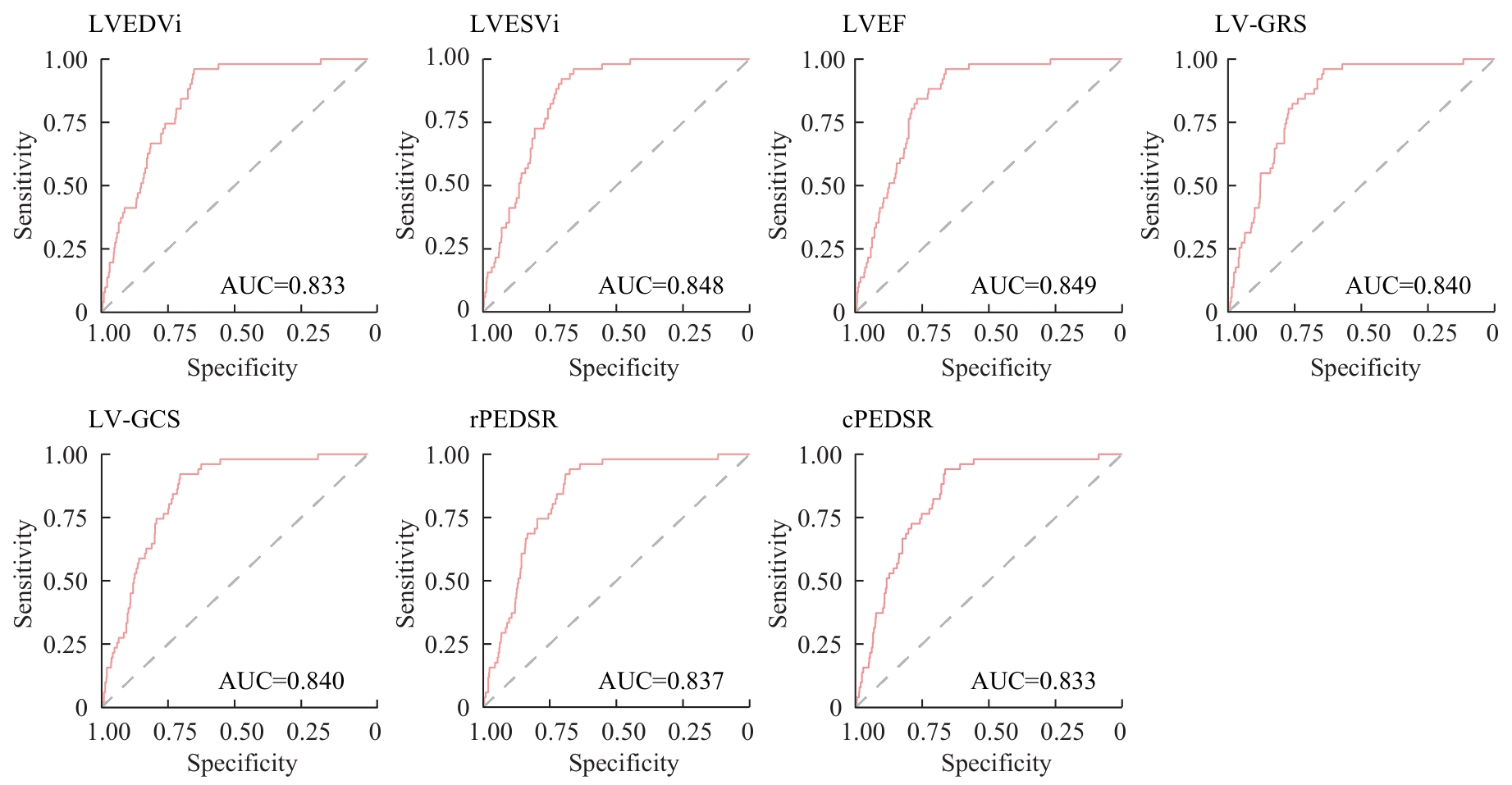
Fig 2 ROC curves of CMR parameters for identifying significant STR
| [1] | PRIHADI E A, DELGADO V, LEON M B, et al. Morphologic types of tricuspid regurgitation characteristics and prognostic implications[J]. JACC Cardiovasc Imag, 2019, 12(3): 491-499. |
| [2] | HAHN R T, LAWLOR M K, DAVIDSON C J, et al. Tricuspid valve academic research consortium definitions for tricuspid regurgitation and trial endpoints[J]. Eur Heart J, 2023, 44(43): 4508-4532. |
| [3] | TOPILSKY Y, MALTAIS S, MEDINA INOJOSA J, et al. Burden of tricuspid regurgitation in patients diagnosed in the community setting[J]. JACC Cardiovasc Imag, 2019, 12(3): 433-442. |
| [4] | SAMMOUR Y M, COHEN D J, ARNOLD S, et al. Association of baseline tricuspid regurgitation with health status and clinical outcomes after TAVR and mitral TEER[J]. JACC Cardiovasc Interv, 2024, 17(16): 1905-1915. |
| [5] | ESSAYAGH B, ANTOINE C, BENFARI G, et al. Functional tricuspid regurgitation of degenerative mitral valve disease: a crucial determinant of survival[J]. Eur Heart J, 2020, 41(20): 1918-1929. |
| [6] | VOGEL B, CLAESSEN B E, ARNOLD S V, et al. ST-segment elevation myocardial infarction[J]. Nat Rev Dis Primers, 2019, 5(1):39. |
| [7] | HARTIKAINEN T S, SÖRENSEN N A, HALLER P M, et al. Clinical application of the 4th universal definition of myocardial infarction[J]. Eur Heart J, 2020, 41(23): 2209-2216. |
| [8] | SANDOVAL Y, THYGESEN K, JAFFE A S. The universal definition of myocardial infarction: present and future[J]. Circulation, 2020, 141(18): 1434-1436. |
| [9] | SADEH B, ITACH T, MERDLER I, et al. Prognostic implication of tricuspid regurgitation in ST-segment elevation myocardial infarction patients[J]. Isr Med Assoc J, 2021, 23(12): 783-787. |
| [10] | MAYR A, KLUG G, REINDL M, et al. Evolution of myocardial tissue injury: a CMR study over a decade after STEMI[J]. JACC Cardiovasc Imag, 2022, 15(6): 1030-1042. |
| [11] | YANG L, CHEN H, PAN W, et al. Analyses for prevalence and outcome of tricuspid regurgitation in China: an echocardiography study of 134 874 patients[J]. Cardiology, 2019, 142(1): 40-46. |
| [12] | DAVIDSON L J, TANG G H L, HO E C, et al. The tricuspid valve: a review of pathology, imaging, and current treatment options: a scientific statement from the American Heart Association[J]. Circulation, 2024, 149(22): e1223-e1238. |
| [13] | BAX J J, DI CARLI M, NARULA J, et al. Multimodality imaging in ischaemic heart failure[J]. Lancet, 2019, 393(10175): 1056-1070. |
| [14] | YOSHIDA K, VAN WEZENBEEK J, WESSELS J N, et al. Tricuspid regurgitation in pulmonary arterial hypertension: a right ventricular volumetric and functional analysis[J]. Eur Respir J, 2024, 63(6): 2301696. |
| [15] | IBANEZ B, ROSSELLO X. Left ventricular remodeling is no longer a relevant outcome after myocardial infarction[J]. JACC Cardiovasc Imag, 2019, 12(12): 2457-2459. |
| [16] | GISSLER M C, ANTIOCHOS P, GE Y, et al. Cardiac magnetic resonance evaluation of LV remodeling post-myocardial infarction prognosis, monitoring and trial endpoints[J]. JACC Cardiovasc Imag, 2024, 17(11): 1366-1380. |
| [17] | EITEL I, STIERMAIER T, LANGE T, et al. Cardiac magnetic resonance myocardial feature tracking for optimized prediction of cardiovascular events following myocardial infarction[J]. JACC Cardiovasc Imag, 2018, 11(10): 1433-1444. |
| [18] | SMISETH O A, RIDER O, CVIJIC M, et al. Myocardial strain imaging theory, current practice, and the future[J]. JACC Cardiovasc Imag, 2025, 18(3): 340-381. |
| [19] | RAJIAH P S, KALISZ K, BRONCANO J, et al. Myocardial strain evaluation with cardiovascular MRI: physics, principles, and clinical applications[J]. Radiographics, 2022, 42(4): 968-990. |
| [20] | BÖNNER F, GASTL M, NIENHAUS F, et al. Regional analysis of inflammation and contractile function in reperfused acute myocardial infarction by in vivo 19F cardiovascular magnetic resonance in pigs[J]. Basic Res Cardiol, 2022, 117(1): 21. |
| [21] | 崔佳宁, 刘文佳, 闫非, 等. 心脏磁共振成像对急性ST段抬高型心肌梗死后左心室不良重构的预测价值[J]. 南方医科大学学报, 2024, 44(3): 553-562. |
| CUI J N, LIU W J, YAN F, et al. Predictive value of cardiac magnetic resonance imaging for adverse left ventricular remodeling after acute ST-segment elevation myocardial infarction [J]. Journal of Southern Medical University, 2024, 44(3): 553-562. | |
| [22] | MANGION K, MCCOMB C, AUGER D A, et al. Magnetic resonance imaging of myocardial strain after acute ST-segment-elevation myocardial infarction: a systematic review[J]. Circ Cardiovasc Imaging, 2017, 10(8): e006498. |
| [23] | WEI L, DONG J X, JIN L X, et al. Peak early diastolic strain rate improves prediction of adverse cardiovascular outcomes in patients with ST-elevation myocardial infarction[J]. Radiol Med, 2023, 128(11): 1372-1385. |
| [24] | GOLDSTEIN J A. Pathophysiology and management of right heart ischemia[J]. J Am Coll Cardiol, 2002, 40(5): 841-853. |
| [25] | CURTIS E, LEMARCHAND L, LEE K C, et al. Right atrial and right ventricular strain: prognostic value depends on the severity of tricuspid regurgitation[J]. Eur Heart J Cardiovasc Imaging, 2024, 25(12): 1734-1742. |
| [1] | Quyang Danzeng, Xiao Huoyuan, Zhang Qingchen, Liu Yuting, Kang Sang, Feng Rui, Pan Jingwei. Diagnostic value of cardiac magnetic resonance for myocardial injury in patients with mild COVID-19 infection [J]. Journal of Shanghai Jiao Tong University (Medical Science), 2026, 46(3): 322-331. |
| [2] | LI Xinxin, BIAN Yize, ZHAO Hang, JIANG Meng. Research progress in the artificial intelligence-assisted measurement of myocardial strain [J]. Journal of Shanghai Jiao Tong University (Medical Science), 2024, 44(6): 773-778. |
| [3] | LIU Qiming, LU Qifan, CHAI Yezi, JIANG Meng, PU Jun. Short-axis cine cardiac magnetic resonance images-derived radiomics for hypertrophic cardiomyopathy and healthy control classification [J]. Journal of Shanghai Jiao Tong University (Medical Science), 2024, 44(1): 79-86. |
| [4] | LIU Qiming, LU Qifan, CHAI Yezi, JIANG Meng, PU Jun. Radiomics-based left ventricular ejection fraction prediction: a feasibility study [J]. Journal of Shanghai Jiao Tong University (Medical Science), 2023, 43(9): 1162-1168. |
| [5] | HU Xiao, ZHANG Xin, GU Yang. Study on the interaction between body weight and C1q tumour necrosis factor-related protein 1 in patients with myocardial infarction [J]. Journal of Shanghai Jiao Tong University (Medical Science), 2022, 42(6): 786-791. |
| [6] | Ze-hao FENG, Ye-zi CHAI, Xuan SU, Bao-hang-xing SUN, Qi-ming LIU, Meng JIANG, Jun PU. Association between body mass index and myocardial involvements in patients with systemic lupus erythematosus [J]. JOURNAL OF SHANGHAI JIAOTONG UNIVERSITY (MEDICAL SCIENCE), 2021, 41(2): 180-186. |
| [7] | Pei-kun HU, Jie HE, Lian-ming WU, Heng GE, Jian-rong XU, Jun PU. Effect of microvascular obstruction on left ventricle function and prognosis in patients with ST-segment elevation myocardial infarction [J]. JOURNAL OF SHANGHAI JIAOTONG UNIVERSITY (MEDICAL SCIENCE), 2021, 41(2): 173-179. |
| [8] | Jian-xun DONG, Lai WEI, Jie HE, Ling-cong KONG, Heng GE, Jun PU. Progress of cardiac magnetic resonance in assessment of left ventricular mechanical dyssynchrony [J]. JOURNAL OF SHANGHAI JIAOTONG UNIVERSITY (MEDICAL SCIENCE), 2021, 41(12): 1698-1702. |
| [9] | Ya-jie GAO, Wen-kun MA, Cheng-jie GAO, Yi ZHOU, Jing-wei PAN. Exploration of the predictive value of myocardial strain on ventricular remodeling after acute ST-segment elevation myocardial infarction [J]. JOURNAL OF SHANGHAI JIAOTONG UNIVERSITY (MEDICAL SCIENCE), 2021, 41(11): 1478-1484. |
| [10] | FENG Ze-hao1*, ZHANG Qing1*, CHAI Ye-zi1, SU Xuan1, SUN Bao-hang-xing1, LIU Qi-ming1, YAN Fu-hua2, JIANG Meng1#, PU Jun1#. Evaluation of effect of smoking on myocardial injury and prognosis in patients with acute ST-segment elevation myocardial infarction [J]. JOURNAL OF SHANGHAI JIAOTONG UNIVERSITY (MEDICAL SCIENCE), 2020, 40(5): 573-582. |
| [11] | WANG Wei, ZHAO Hang, GE Heng, DING Song, SHEN Xue-dong, PU Jun. Value of two-dimensional speckle-tracking echocardiography in accessing myocardial viability and predicting left ventricular remodeling after acute myocardial infarction [J]. , 2018, 38(12): 1447-. |
| [12] | LIN Yi-tong, WANG Hai-ya. Evaluation of the effect of postprandial hypotension on left ventricular myocardial strain by 2D speckle tracking imaging [J]. , 2016, 36(6): 884-. |
| Viewed | ||||||
|
Full text |
|
|||||
|
Abstract |
|
|||||
