
Journal of Shanghai Jiao Tong University (Medical Science) ›› 2026, Vol. 46 ›› Issue (1): 115-122.doi: 10.3969/j.issn.1674-8115.2026.01.014
• Review • Previous Articles Next Articles
Wu Di, Ma Jun( )
)
Received:2025-07-03
Accepted:2025-10-28
Online:2026-01-28
Published:2026-01-30
Contact:
Ma Jun
E-mail:majun@shsmu.edu.cn
About author:First author contact:LMa Jun and Wu Di proposed the idea for the article. Wu Di was responsible for literature retrieval and drafting the initial version. Ma Jun participated in manuscript writing and was responsible for guiding and reviewing the manuscript revisions. Both authors have read the final version of the paper and approved its submission.
Supported by:CLC Number:
Wu Di, Ma Jun. Research progress on mitochondrial pathological mechanisms and targeted therapy in children with autism spectrum disorder[J]. Journal of Shanghai Jiao Tong University (Medical Science), 2026,(1): 115-122.
Add to citation manager EndNote|Ris|BibTeX
URL: https://xuebao.shsmu.edu.cn/EN/10.3969/j.issn.1674-8115.2026.01.014
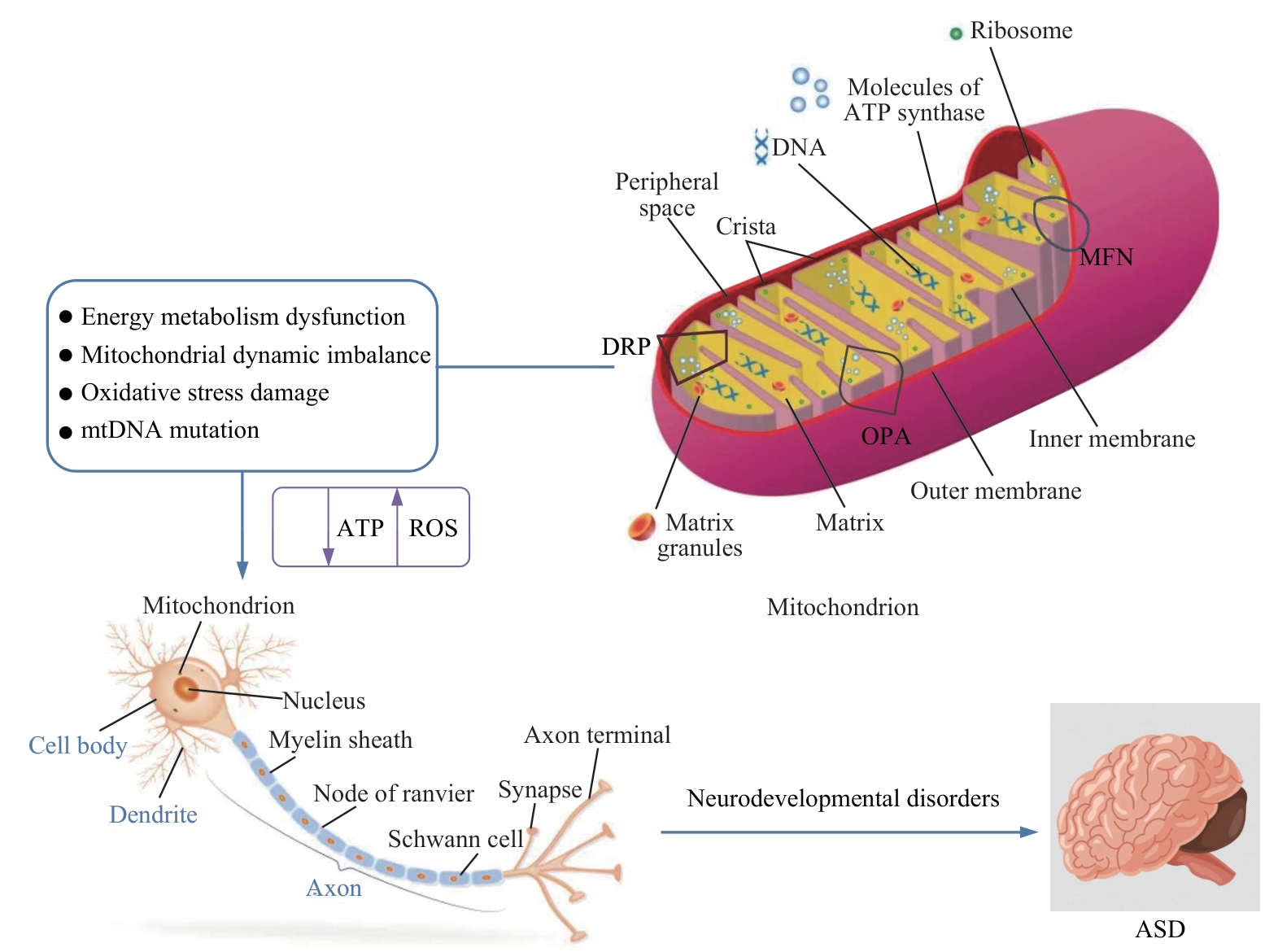
Fig 1 Potential mechanisms of mitochondrial dysfunction in the onset and progression of ASD
| [1] | Zhou H, Xu X, Yan W L, et al. Prevalence of autism spectrum disorder in China: a nationwide multi-center population-based study among children aged 6 to 12 years[J]. Neurosci Bull, 2020, 36(9): 961-971. |
| [2] | Zhang Z C, Han J H. The first national prevalence of autism spectrum disorder in China[J]. Neurosci Bull, 2020, 36(9): 959-960. |
| [3] | Wang Y Q, Guo X X, Hong X M, et al. Association of mitochondrial DNA content, heteroplasmies and inter-generational transmission with autism[J]. Nat Commun, 2022, 13(1): 3790. |
| [4] | Rossignol D A, Frye R E. Mitochondrial dysfunction in autism spectrum disorders: a systematic review and meta-analysis[J]. Mol Psychiatry, 2012, 17(3): 290-314. |
| [5] | Khacho M, Harris R, Slack R S. Mitochondria as central regulators of neural stem cell fate and cognitive function[J]. Nat Rev Neurosci, 2019, 20(1): 34-48. |
| [6] | Rajan A, Fame R M. Brain development and bioenergetic changes[J]. Neurobiol Dis, 2024, 199: 106550. |
| [7] | Agostini M, Romeo F, Inoue S, et al. Metabolic reprogramming during neuronal differentiation[J]. Cell Death Differ, 2016, 23(9): 1502-1514. |
| [8] | Zheng X D, Boyer L, Jin M J, et al. Metabolic reprogramming during neuronal differentiation from aerobic glycolysis to neuronal oxidative phosphorylation[J]. eLife, 2016, 5: e13374. |
| [9] | Garone C, de Giorgio F, Carli S. Mitochondrial metabolism in neural stem cells and implications for neurodevelopmental and neurodegenerative diseases[J]. J Transl Med, 2024, 22(1): 238. |
| [10] | O′Brien L C, Keeney P M, Bennett J P Jr. Differentiation of human neural stem cells into motor neurons stimulates mitochondrial biogenesis and decreases glycolytic flux[J]. Stem Cells Dev, 2015, 24(17): 1984-1994. |
| [11] | Iwata R, Casimir P, Vanderhaeghen P. Mitochondrial dynamics in postmitotic cells regulate neurogenesis[J]. Science, 2020, 369(6505): 858-862. |
| [12] | Wang L H, Zhang T, Wang L, et al. Fatty acid synthesis is critical for stem cell pluripotency via promoting mitochondrial fission[J]. EMBO J, 2017, 36(10): 1330-1347. |
| [13] | Son G, Han J J. Roles of mitochondria in neuronal development[J]. BMB Rep, 2018, 51(11): 549-556. |
| [14] | Iwata R, Vanderhaeghen P. Regulatory roles of mitochondria and metabolism in neurogenesis[J]. Curr Opin Neurobiol, 2021, 69: 231-240. |
| [15] | Rangaraju V, Lewis T L Jr, Hirabayashi Y, et al. Pleiotropic mitochondria: the influence of mitochondria on neuronal development and disease[J]. J Neurosci, 2019, 39(42): 8200-8208. |
| [16] | Gao Q T, Tian R Y, Han H L, et al. PINK1-mediated Drp1S616 phosphorylation modulates synaptic development and plasticity via promoting mitochondrial fission[J]. Signal Transduct Target Ther, 2022, 7(1): 103. |
| [17] | Kang J S, Tian J H, Pan P Y, et al. Docking of axonal mitochondria by syntaphilin controls their mobility and affects short-term facilitation[J]. Cell, 2008, 132(1): 137-148. |
| [18] | Zhou B, Yu P P, Lin M Y, et al. Facilitation of axon regeneration by enhancing mitochondrial transport and rescuing energy deficits[J]. J Cell Biol, 2016, 214(1): 103-119. |
| [19] | Zhao C M, Deng W, Gage F H. Mechanisms and functional implications of adult neurogenesis[J]. Cell, 2008, 132(4): 645-660. |
| [20] | Frye R E. Mitochondrial dysfunction in autism spectrum disorder: unique abnormalities and targeted treatments[J]. Semin Pediatr Neurol, 2020, 35: 100829. |
| [21] | Zawadzka A, CieśLik M, Adamczyk A. The role of maternal immune activation in the pathogenesis of autism: a review of the evidence, proposed mechanisms and implications for treatment[J]. Int J Mol Sci, 2021, 22(21): 11516. |
| [22] | Anitha A, Nakamura K, Thanseem I, et al. Downregulation of the expression of mitochondrial electron transport complex genes in autism brains[J]. Brain Pathol, 2013, 23(3): 294-302. |
| [23] | Tang G M, Gutierrez Rios P, Kuo S H, et al. Mitochondrial abnormalities in temporal lobe of autistic brain[J]. Neurobiol Dis, 2013, 54: 349-361. |
| [24] | Chauhan A, Gu F, Essa M M, et al. Brain region-specific deficit in mitochondrial electron transport chain complexes in children with autism[J]. J Neurochem, 2011, 117(2): 209-220. |
| [25] | Castora F J. Mitochondrial function and abnormalities implicated in the pathogenesis of ASD[J]. Prog Neuropsychopharmacol Biol Psychiatry, 2019, 92: 83-108. |
| [26] | Thibaudeau A, Schmitt K, FrançOis L, et al. Pharmacological modulation of developmental and synaptic phenotypes in human SHANK3 deficient stem cell-derived neuronal models[J]. Transl Psychiatry, 2024, 14(1): 249. |
| [27] | Mahalaxmi I, Subramaniam M D, Gopalakrishnan A V, et al. Dysfunction in mitochondrial electron transport chain complex I, pyruvate dehydrogenase activity, and mutations in ND1 and ND4 gene in autism spectrum disorder subjects from Tamil Nadu population, India[J]. Mol Neurobiol, 2021, 58(10): 5303-5311. |
| [28] | Frye R E, Rincon N, Mccarty P J, et al. Biomarkers of mitochondrial dysfunction in autism spectrum disorder: a systematic review and meta-analysis[J]. Neurobiol Dis, 2024, 197: 106520. |
| [29] | Santos J L S, AraúJo C A, Rocha C A G, et al. Modeling autism spectrum disorders with induced pluripotent stem cell-derived brain organoids[J]. Biomolecules, 2023, 13(2): 260. |
| [30] | Frye R E, Lionnard L, Singh I, et al. Mitochondrial morphology is associated with respiratory chain uncoupling in autism spectrum disorder[J]. Transl Psychiatry, 2021, 11(1): 527. |
| [31] | Khaliulin I, Hamoudi W, Amal H. The multifaceted role of mitochondria in autism spectrum disorder[J]. Mol Psychiatry, 2025, 30(2): 629-650. |
| [32] | Maier S, Nickel K, Lange T, et al. Increased cerebral lactate levels in adults with autism spectrum disorders compared to non-autistic controls: a magnetic resonance spectroscopy study[J]. Mol Autism, 2023, 14(1): 44. |
| [33] | Correia C, Coutinho A M, Diogo L, et al. Brief report: high frequency of biochemical markers for mitochondrial dysfunction in autism: no association with the mitochondrial aspartate/glutamate carrier SLC25A12 gene[J]. J Autism Dev Disord, 2006, 36(8): 1137-1140. |
| [34] | Nickel K, Menke M A, Endres D, et al. Altered markers of mitochondrial function in adults with autism spectrum disorder[J]. Autism Res, 2023, 16(11): 2125-2138. |
| [35] | Wolf C, LóPez Del Amo V, Arndt S, et al. Redox modifications of proteins of the mitochondrial fusion and fission machinery[J]. Cells, 2020, 9(4): 815. |
| [36] | Kim D I, Lee K H, Gabr A A, et al. Aβ- induced Drp1 phosphorylation through Akt activation promotes excessive mitochondrial fission leading to neuronal apoptosis[J]. Biochim Biophys Acta, 2016, 1863(11): 2820-2834. |
| [37] | Rojas-Charry L, Nardi L, Methner A, et al. Abnormalities of synaptic mitochondria in autism spectrum disorder and related neurodevelopmental disorders[J]. J Mol Med (Berl), 2021, 99(2): 161-178. |
| [38] | Gu F, Chauhan V, Chauhan A. Impaired synthesis and antioxidant defense of glutathione in the cerebellum of autistic subjects: alterations in the activities and protein expression of glutathione-related enzymes[J]. Free Radic Biol Med, 2013, 65: 488-496. |
| [39] | Manivasagam T, Arunadevi S, Essa M M, et al. Role of oxidative stress and antioxidants in autism[J]. Adv Neurobiol, 2020, 24: 193-206. |
| [40] | Miao C L, Shen Y Z, Lang Y, et al. Biomimetic nanoparticles with enhanced rapamycin delivery for autism spectrum disorder treatment via autophagy activation and oxidative stress modulation[J]. Theranostics, 2024, 14(11): 4375-4392. |
| [41] | Wang J, FröHlich H, Torres F B, et al. Mitochondrial dysfunction and oxidative stress contribute to cognitive and motor impairment in FOXP1 syndrome[J]. Proc Natl Acad Sci USA, 2022, 119(8): e2112852119. |
| [42] | Mccracken J T, Anagnostou E, Arango C, et al. Drug development for autism spectrum disorder (ASD): progress, challenges, and future directions[J]. Eur Neuropsychopharmacol, 2021, 48: 3-31. |
| [43] | Kent L, Gallagher L, Elliott H R, et al. An investigation of mitochondrial haplogroups in autism[J]. Am J Med Genet Neuropsychiatr Genet, 2008, 147B(6): 987-989. |
| [44] | Yardeni T, Cristancho A G, Mccoy A J, et al. An mtDNA mutant mouse demonstrates that mitochondrial deficiency can result in autism endophenotypes[J]. Proc Natl Acad Sci USA, 2021, 118(6): e2021429118. |
| [45] | Park J, Kim W J, Kim J, et al. Prenatal exposure to traffic-related air pollution and the DNA methylation in cord blood cells: MOCEH study[J]. Int J Environ Res Public Health, 2022, 19(6): 3292. |
| [46] | Picard M, Mcewen B S, Epel E S, et al. An energetic view of stress: focus on mitochondria[J]. Front Neuroendocrinol, 2018, 49: 72-85. |
| [47] | Leuthner T C, Meyer J N. Mitochondrial DNA mutagenesis: feature of and biomarker for environmental exposures and aging[J]. Curr Environ Health Rep, 2021, 8(4): 294-308. |
| [48] | Hong D, Iakoucheva L M. Therapeutic strategies for autism: targeting three levels of the central dogma of molecular biology[J]. Transl Psychiatry, 2023, 13(1): 58. |
| [49] | Alexander J F, Seua A V, Arroyo L D, et al. Nasal administration of mitochondria reverses chemotherapy-induced cognitive deficits[J]. Theranostics, 2021, 11(7): 3109-3130. |
| [50] | Anashkina A A, Erlykina E I. Molecular mechanisms of aberrant neuroplasticity in autism spectrum disorders (review)[J]. Sovrem Tekhnologii Med, 2021, 13(1): 78-91. |
| [51] | Wang J F, Cao Y, Hou W L, et al. Fecal microbiota transplantation improves VPA-induced ASD mice by modulating the serotonergic and glutamatergic synapse signaling pathways[J]. Transl Psychiatry, 2023, 13(1): 17. |
| [1] | Shen Jingting, Liu Zhixu, Wang Xudong. Applications and progress of AI in mechanistic research and clinical diagnosis of oral genetic and rare diseases [J]. Journal of Shanghai Jiao Tong University (Medical Science), 2026, 46(7): 829-838. |
| [2] | Zhu Mo, Chen Jun. Research progress in sleep manifestations related to major depressive disorder and its potential mechanisms [J]. Journal of Shanghai Jiao Tong University (Medical Science), 2026, 46(6): 795-800. |
| [3] | Deng Yincan, Chen Jing, Wang Linying, Guo Xuejing, Qian Xubo, Zhu Dan. Value of T-cell mitochondrial damage index in predicting the risk of acute exacerbation of chronic obstructive pulmonary disease [J]. Journal of Shanghai Jiao Tong University (Medical Science), 2026, 46(5): 633-641. |
| [4] | Huang Jiaxuan, Zhou Rubai, Zhang Huifeng, Peng Daihui. Advances in studies of altered social reward circuitry in major depressive disorder [J]. Journal of Shanghai Jiao Tong University (Medical Science), 2026, 46(5): 651-655. |
| [5] | Zhou Xinyu, Qiu Jianyin. Advances in empathy research from the perspective of the integration of neurobiology and computer science [J]. Journal of Shanghai Jiao Tong University (Medical Science), 2026, 46(4): 545-554. |
| [6] | Chen Jiayu, Zhang Huili. Role and mechanism of fibroblast mitochondrial dysfunction in pulmonary arterial hypertension [J]. Journal of Shanghai Jiao Tong University (Medical Science), 2026, 46(3): 291-300. |
| [7] | Wang Guanzhen, He Wenrui, Tong Xuemei. Mechanisms and therapeutic applications of transketolase in regulating pentose phosphate metabolism and mitochondrial function [J]. Journal of Shanghai Jiao Tong University (Medical Science), 2026, 46(2): 137-142. |
| [8] | Jin Feng, Peng Daihui. Research progress on cognitive function and neural mechanisms of non-suicidal self-injury in adolescents [J]. Journal of Shanghai Jiao Tong University (Medical Science), 2026, 46(2): 220-226. |
| [9] | Fang Wen, Zhang Haonan, Yang Tao, Chen Jun, Fang Yiru. Research progress of sleep disturbance in patients with atypical depression [J]. Journal of Shanghai Jiao Tong University (Medical Science), 2026, 46(2): 241-247. |
| [10] | Xie Yixia, Wang Fan, Liu Xirui, Chen Ningning, Zhang Wenxuan, Wu Jialin, Ma Ting, Hong Wu. Overview of mechanisms of adult major depressive disorder comorbid attention deficit hyperactivity disorder and the prospects of transcranial direct current stimulation [J]. Journal of Shanghai Jiao Tong University (Medical Science), 2026, 46(1): 107-114. |
| [11] | WANG Gaoming, CUI Ran, LI Yanjing, LIU Yingbin. Study on the mechanism of KRAS R68G secondary mutation-induced resistance to KRASG12D-targeted inhibitor MRTX1133 [J]. Journal of Shanghai Jiao Tong University (Medical Science), 2025, 45(6): 705-716. |
| [12] | LI Zhuohang, YU Xindi, REN Jingya, SHEN Jia, DONG Suzhen, WANG Wei. Postoperative neurodevelopmental outcomes of end-to-side anastomosis for coarctation of the aorta [J]. Journal of Shanghai Jiao Tong University (Medical Science), 2025, 45(6): 753-759. |
| [13] | YU Kai, SHUAI Zhewei, HUANG Hongjun, LUO Yan. Research progress on the role and mechanisms of microglia in inflammatory diseases of central nervous system [J]. Journal of Shanghai Jiao Tong University (Medical Science), 2025, 45(5): 630-638. |
| [14] | CAO Siyao, LIU Jieqiong, WANG Guangshuai, WANG Guanghai. Research progress in preemptive screening and intervention for autism spectrum disorder in infancy [J]. Journal of Shanghai Jiao Tong University (Medical Science), 2025, 45(2): 222-227. |
| [15] | DU Tailai, HUANG Zhanpeng. Advances in metabolic modulators as therapeutic agents for heart failure [J]. Journal of Shanghai Jiao Tong University (Medical Science), 2025, 45(12): 1636-1643. |
| Viewed | ||||||
|
Full text |
|
|||||
|
Abstract |
|
|||||
