
Journal of Shanghai Jiao Tong University (Medical Science) ›› 2026, Vol. 46 ›› Issue (7): 847-856.doi: 10.3969/j.issn.1674-8115.2026.07.003
• Frontier review • Previous Articles Next Articles
Chang Yuxin, Li Baiwen( ), Ni Jianbo()
Received:2026-03-09
Accepted:2026-04-09
Online:2026-07-07
Published:2026-07-07
Contact:
Li Baiwen, Ni Jianbo
E-mail:libaiwensh@163.com;jianbo.ni@shgh.cn
Supported by:CLC Number:
Chang Yuxin, Li Baiwen, Ni Jianbo. Review of indication stratification and clinical strategies for endoscopic ultrasound-guided pancreatic duct drainage[J]. Journal of Shanghai Jiao Tong University (Medical Science), 2026,(7): 847-856.
Add to citation manager EndNote|Ris|BibTeX
URL: https://xuebao.shsmu.edu.cn/EN/10.3969/j.issn.1674-8115.2026.07.003
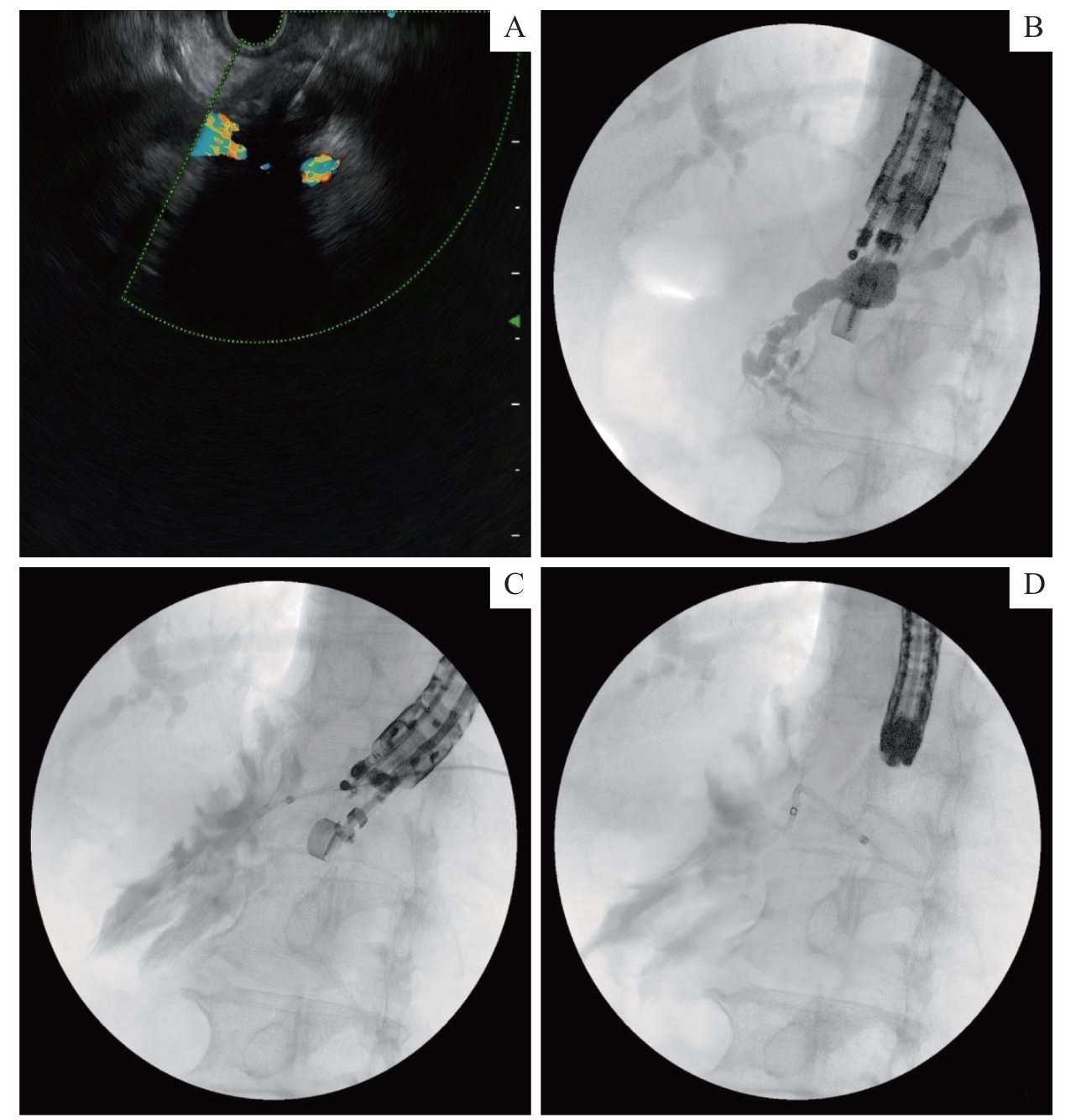
Fig 1 Step-by-step illustration of the EUS-PD procedure
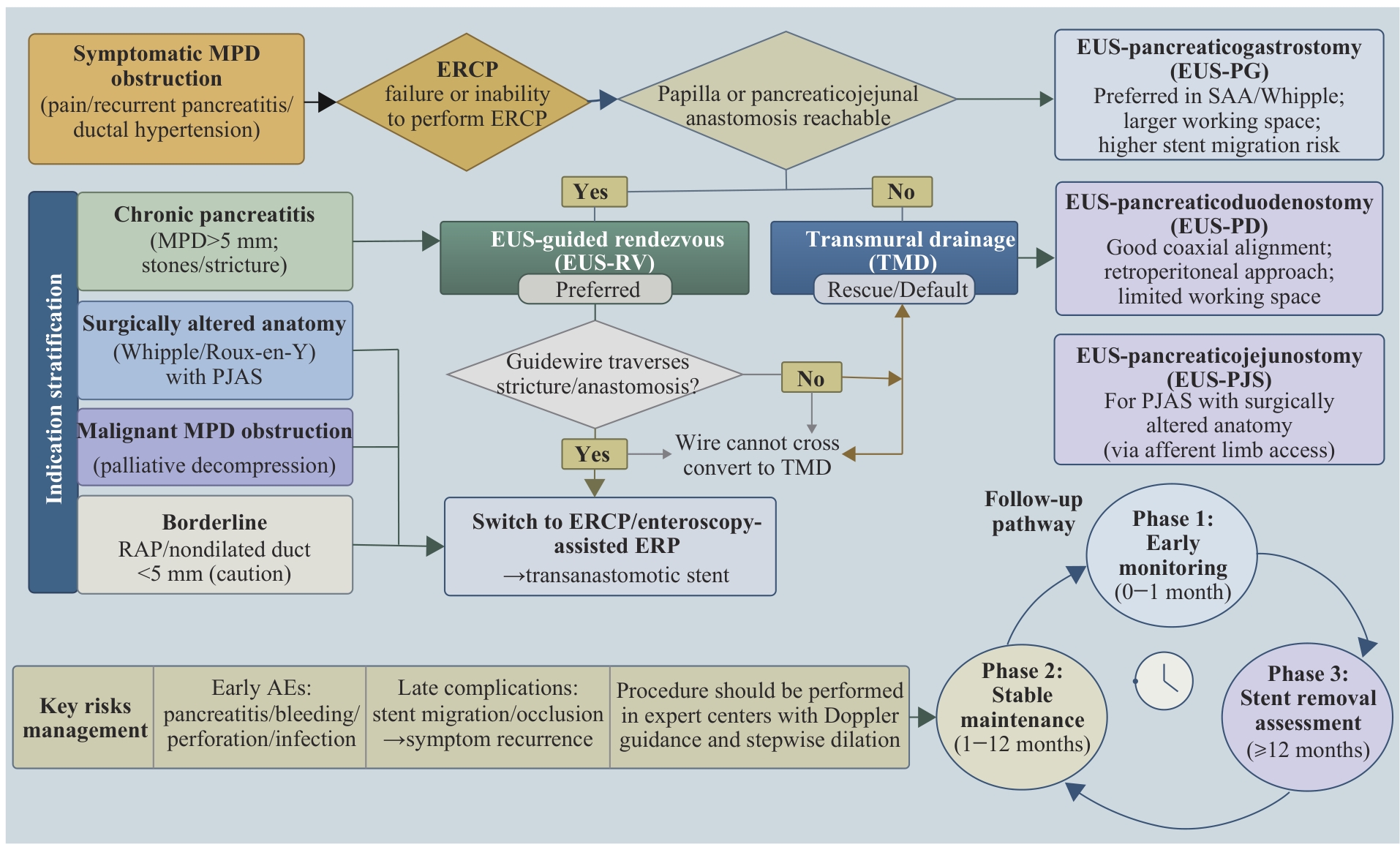
Fig 2 Indication stratification and route selection algorithm for EUS-PD
| Reference | Study design | n | Indication | Approach | TS/% | CS/% | FU/ month | Migration/Occlusion | Reintervention | Overall AE/% |
|---|---|---|---|---|---|---|---|---|---|---|
| François[ | Case series | 4 | MPD obstruction, pain | TMD | 100.0 | 75.0 | 12.0 | NR | NR | 0 |
| Matsunami[ | Single-center | 30 | ARP, PJAS, MPD stricture | TMD | 83.3 | 92.0 | 23.0① | 24.0% | Median 3② | NR |
| Falque[ | Single-center | 27 | CP or SAA | TMD | 92.5 | 88.8 | 34.2① | 18.5% | 7.4% | NR |
| Chandan[ | Meta-analysis | 714 | Mixed cohort | RV+TMD | 84.8 | 89.2 | Var | 21.3% | 15.2% | 18.1 |
| Tyberg[ | Operator cohort | 56 | Mixed cohort | RV+TMD | 84.0 | 98.0 | 13.0① | 3.6% | 3.6% | 24.0 |
| Tessier[ | Case series | 36 | CP, MPD dilation | TMD | 92.0 | 69.0 | 14.5 | NR | NR | 14.0 |
| Brauer[ | Case series | 8 | MPD obstruction | TMD | 88.0 | 50.0 | 14.0 | NR | NR | 0 |
| Barkay[ | Retrospective | 21 | Complex MPD disease | TMD | 48.0 | 12.0 | 13.0 | NR | NR | 13.0 |
Tab 1 Summary of the characteristics and outcomes of representative studies on EUS‑PD
| Reference | Study design | n | Indication | Approach | TS/% | CS/% | FU/ month | Migration/Occlusion | Reintervention | Overall AE/% |
|---|---|---|---|---|---|---|---|---|---|---|
| François[ | Case series | 4 | MPD obstruction, pain | TMD | 100.0 | 75.0 | 12.0 | NR | NR | 0 |
| Matsunami[ | Single-center | 30 | ARP, PJAS, MPD stricture | TMD | 83.3 | 92.0 | 23.0① | 24.0% | Median 3② | NR |
| Falque[ | Single-center | 27 | CP or SAA | TMD | 92.5 | 88.8 | 34.2① | 18.5% | 7.4% | NR |
| Chandan[ | Meta-analysis | 714 | Mixed cohort | RV+TMD | 84.8 | 89.2 | Var | 21.3% | 15.2% | 18.1 |
| Tyberg[ | Operator cohort | 56 | Mixed cohort | RV+TMD | 84.0 | 98.0 | 13.0① | 3.6% | 3.6% | 24.0 |
| Tessier[ | Case series | 36 | CP, MPD dilation | TMD | 92.0 | 69.0 | 14.5 | NR | NR | 14.0 |
| Brauer[ | Case series | 8 | MPD obstruction | TMD | 88.0 | 50.0 | 14.0 | NR | NR | 0 |
| Barkay[ | Retrospective | 21 | Complex MPD disease | TMD | 48.0 | 12.0 | 13.0 | NR | NR | 13.0 |
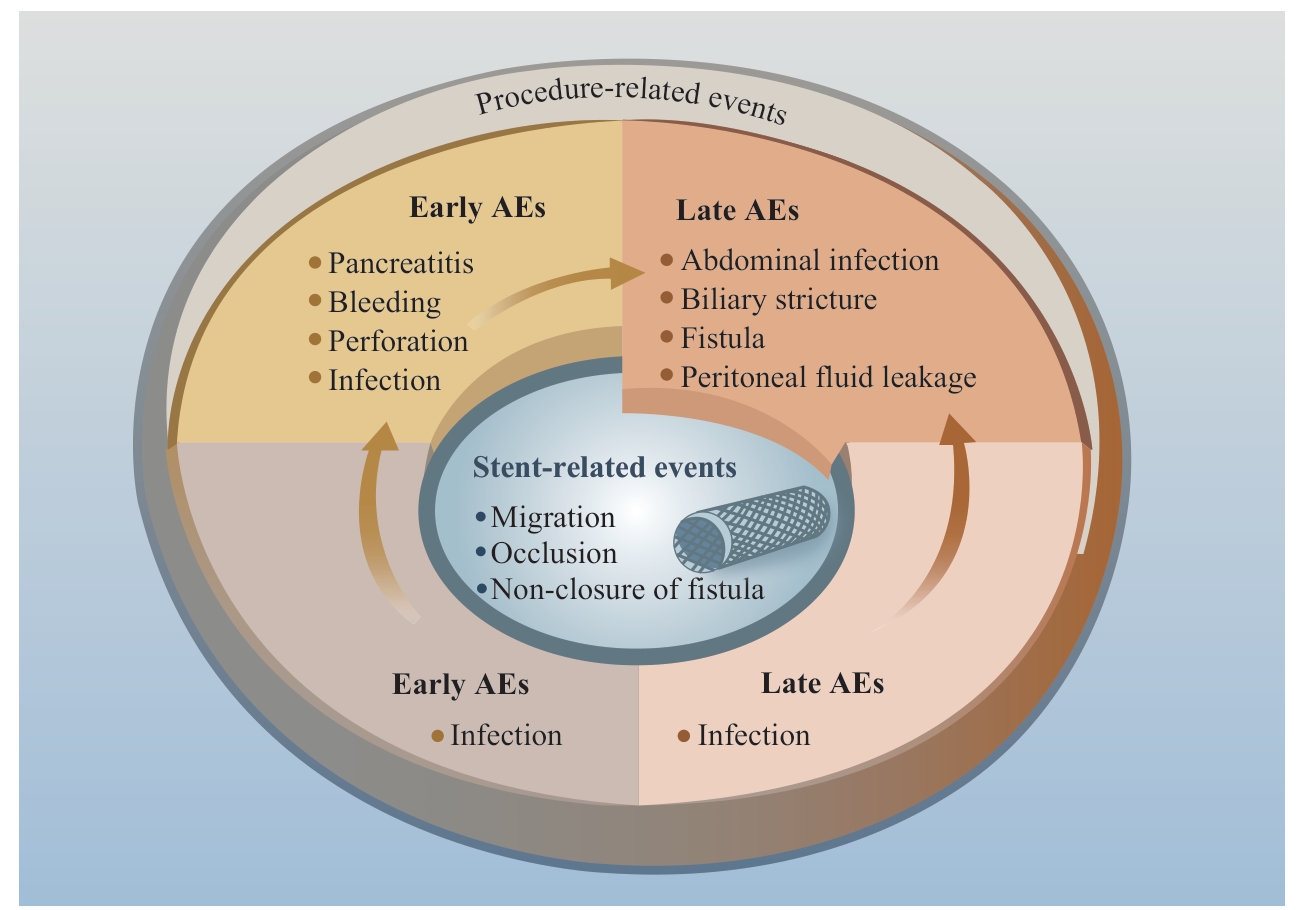
Fig 3 Two-layer risk model for EUS-PD: procedure-related adverse events and stent-related events
| [1] | Strand D S, Law R J, Yang D, et al. AGA clinical practice update on the endoscopic approach to recurrent acute and chronic pancreatitis: expert review[J]. Gastroenterology, 2022, 163(4): 1107-1114. |
| [2] | Han D G, Jing Z T, Liu W. Pancreatic duct stones and severely dilated pancreatic duct in chronic pancreatitis[J]. Dig Liver Dis, 2024, 56(3): 525-527. |
| [3] | Cohen S M, Kent T S. Etiology, diagnosis, and modern management of chronic pancreatitis: a systematic review[J]. JAMA Surg, 2023, 158(6): 652-661. |
| [4] | Toyonaga H, Masaki M, Oka A, et al. Balloon-assisted ERCP for bile duct stones in surgically altered anatomy: current techniques, devices, and evolving strategies[J]. Ther Adv Gastroenterol, 2025, 18: 17562848251387600. |
| [5] | Shiomi H. Current status of endoscopic ultrasound-guided antegrade stone removal for patients with a surgically altered anatomy[J]. Dig Endosc, 2022, 34(1): 82-84. |
| [6] | Wang S Y, Zhao S Q, Wang S P, et al. Endoscopic ultrasound-guided pancreatic duct drainage: progress and future outlook[J]. World J Gastrointest Surg, 2025, 17(5): 104267. |
| [7] | Cai Q Y, Wu X M. Ultrasound-guided percutaneous transhepatic biliary drainage for distal biliary malignant obstructive jaundice[J]. Sci Rep, 2024, 14(1): 12481. |
| [8] | Itonaga M, Takenaka M, Shiomi H, et al. Comparative evaluation of percutaneous transhepatic biliary drainage and endoscopic ultrasound-guided biliary drainage for preoperative management of malignant distal bile duct obstruction after failed ERCP: a multicenter retrospective analysis[J]. Dig Endosc, 2026, 38(1): e70048. |
| [9] | Ishiwatari H, Sato J, Sakamoto H, et al. Current status of preoperative endoscopic biliary drainage for distal and hilar biliary obstruction[J]. Dig Endosc, 2024, 36(9): 969-980. |
| [10] | François E, Devière J. Endoscopic retrograde cholangiopancreatography[J]. Endoscopy, 2002, 34(11): 882-887. |
| [11] | ASGE Standards of Practice Committee, Pawa S, Marya N B, et al. American Society for Gastrointestinal Endoscopy guideline on the role of therapeutic EUS in the management of biliary tract disorders: summary and recommendations[J]. Gastrointest Endosc, 2024, 100(6): 967-979. |
| [12] | van Eecke E, Degroote H, Vanlander A, et al. Outcome of primary ERCP versus primary PTC for biliary drainage in malignant hilar biliary strictures: a systematic review and meta-analysis[J]. Surg Endosc, 2022, 36(10): 7160-7170. |
| [13] | Facciorusso A, Mangiavillano B, Paduano D, et al. Methods for drainage of distal malignant biliary obstruction after ERCP failure: a systematic review and network meta-analysis[J]. Cancers, 2022, 14(13): 3291. |
| [14] | van der Merwe S W, van Wanrooij R L J, Bronswijk M, et al. Therapeutic endoscopic ultrasound: European Society of Gastrointestinal Endoscopy (ESGE) guideline[J]. Endoscopy, 2022, 54(2):185-205. |
| [15] | Liu X M, Li Y, Xiang J X, et al. Magnetic compression anastomosis for biliojejunostomy and pancreaticojejunostomy in Whipple's procedure: an initial clinical study[J]. J Gastroenterol Hepatol, 2019, 34(3): 589-594. |
| [16] | Dell'Anna G, Ogura T, Vanella G, et al. Endoscopic ultrasound guided biliary interventions[J]. Best Pract Res Clin Gastroenterol, 2022(60/61): 101810. |
| [17] | Madhu D, Dhir V. Endoscopic ultrasound-guided biliary interventions[J]. Indian J Gastroenterol, 2024, 43(5): 943-953. |
| [18] | Samanta J, Sundaram S, Dhar J, et al. EUS-guided biliary drainage in patients with moderate-severe cholangitis is safe and effective: a multi-center experience[J]. Surg Endosc, 2023, 37(1): 298-308. |
| [19] | Khan R, Law R. Therapeutic endoscopic ultrasound and endoscopic ultrasound-endoscopic retrograde cholangiopancreatography interventions[J]. Gastroenterol Clin North Am, 2024, 53(4): 683-707. |
| [20] | Zhao Y Z, Fang L W, Zhang Y X, et al. Endoscopic ultrasound guided rendez-vous technique performed for stent implantation[J]. Rev Esp Enferm Dig, 2025, 117(10): 610-611. |
| [21] | Fritzsche J A, de Vries I, van Hooft J E, et al. Changing the flow: how EUS-guided drainage is reshaping the management of distal malignant biliary obstruction[J]. United European Gastroenterol J, 2026, 14(1): e70166. |
| [22] | Wauters L, Talley N J, Walker M M, et al. Novel concepts in the pathophysiology and treatment of functional dyspepsia[J]. Gut, 2020, 69(3): 591-600. |
| [23] | Fábián A, Bor R, Gede N, et al. Double stenting for malignant biliary and duodenal obstruction: a systematic review and meta-analysis[J]. Clin Transl Gastroenterol, 2020, 11(4): e00161. |
| [24] | Gabr M M, Frost T, Kudaravalli P, et al. Why is EUS-guided cyst-gastrostomy more common than cyst-duodenostomy: a disease state or endoscopist preference[J]. Endosc Ultrasound, 2020, 9(5): 352-353. |
| [25] | Wang M H, Chen Y J, Wang W H. Trans-fistulous pancreatoscopy-guided pancreatic duct stone extraction after endoscopic ultrasound-guided pancreaticogastrostomy in post-Whipple patient[J]. Endoscopy, 2026, 58(S 01): E202. |
| [26] | Fernández García R, Guadalupe Santana V J, Valverde-López F, et al. Sustained transmural drainage with plastic stents after LAMS removal in disconnected pancreatic duct syndrome: evidence from a systematic review and meta-analysis[J]. Rev Esp Enferm Dig, 2026. DOI: 10.17235/reed.2026.11742/2025. |
| [27] | Minaga K, Ogura T, Shiomi H, et al. Comparison of the efficacy and safety of endoscopic ultrasound-guided choledochoduodenostomy and hepaticogastrostomy for malignant distal biliary obstruction: multicenter, randomized, clinical trial[J]. Dig Endosc, 2019, 31(5): 575-582. |
| [28] | Teoh A Y B, Napoleon B, Kunda R, et al. EUS-guided choledocho-duodenostomy using lumen apposing stent versus ERCP with covered metallic stents in patients with unresectable malignant distal biliary obstruction: a multicenter randomized controlled trial (DRA-MBO trial)[J]. Gastroenterology, 2023, 165(2): 473-482.e2. |
| [29] | de Miguel P, Arrubla A, Carrascosa J, et al. Resolution of pancreatic ductal disruption through endoscopic ultrasound (EUS)-guided rendez-vous in a patient with pancreas divisum[J]. Rev Esp Enferm Dig, 2025. DOI: 10.17235/reed.2025.11124/2025. |
| [30] | Yasuda T, Matsuda A, Arai H, et al. Feeding gastrostomy and duodenostomy using the round ligament of the liver versus conventional feeding jejunostomy after esophagectomy: a meta-analysis[J]. Dis Esophagus, 2023, 36(9): doac105. |
| [31] | Bassaganyas C, Darnell A, Soler-Perromat A, et al. Accessibility of percutaneous biopsy in retrocolic-placed pancreatic grafts with a duodeno-duodenostomy[J]. Transpl Int, 2024, 37: 12682. |
| [32] | Martínez-Guillén M, Gornals J B, Consiglieri C F, et al. EUS-guided recanalization of complete gastrointestinal strictures[J]. Rev Esp Enferm Dig, 2017, 109(9): 643-647. |
| [33] | Di Mitri R, Amata M, Mocciaro F, et al. EUS-guided biliary drainage with LAMS for distal malignant biliary obstruction when ERCP fails: single-center retrospective study and maldeployment management[J]. Surg Endosc, 2022, 36(6): 4553-4569. |
| [34] | Jearth V, Sundaram S, Kale A, et al. Current paradigm of endoscopic ultrasound in biliary and pancreatic duct drainage: an update[J]. Ann Gastroenterol, 2024, 37(1): 1-14. |
| [35] | van Wanrooij R L J, Bronswijk M, Kunda R, et al. Therapeutic endoscopic ultrasound: European Society Of Gastrointestinal Endoscopy (ESGE) technical review[J]. Endoscopy, 2022, 54(3): 310-332. |
| [36] | Issa Y, Kempeneers M A, Bruno M J, et al. Effect of early surgery vs endoscopy-first approach on pain in patients with chronic pancreatitis: the ESCAPE randomized clinical trial[J]. JAMA, 2020, 323(3): 237-247. |
| [37] | Bronswijk M, Persyn D, van Malenstein H, et al. Outcomes of minor versus major papilla rendez-vous for EUS-guided pancreatic duct drainage[J]. Dig Liver Dis, 2024, 56(1): 170-175. |
| [38] | Sakai T, Koshita S, Kanno Y, et al. Early and long-term clinical outcomes of endoscopic interventions for benign pancreatic duct stricture/obstruction-the possibility of additional clinical effects of endoscopic ultrasonography-guided pancreatic drainage[J]. Pancreatology, 2022, 22(1): 58-66. |
| [39] | Hanaki T, Tanabe H, Sakamoto T, et al. Emergency partington-Rochelle procedure for hemorrhagic peritonitis due to stent migration following endoscopic ultrasonography-guided pancreatic duct drainage[J]. Cureus, 2025, 17(5): e83384. |
| [40] | Matsunami Y, Itoi T, Sofuni A, et al. Evaluation of a new stent for EUS-guided pancreatic duct drainage: long-term follow-up outcome[J]. Endosc Int Open, 2018, 6(5): E505-E512. |
| [41] | Falque A, Gasmi M, Barthet M, et al. Safety and efficacy of EUS-guided pancreatic duct drainage in symptomatic main pancreatic duct obstruction: is there still a place for surgery?[J]. Endosc Int Open, 2021, 9(6): E934-E942. |
| [42] | Liu Y, Yin X Y, Cui J H, et al. Long-term clinical outcomes of extracorporeal shockwave lithotripsy and endoscopic retrograde cholangiopancreatography for pancreatic duct stone treatment in patients with chronic pancreatitis[J]. Aliment Pharmacol Ther, 2024, 60(8): 1110-1121. |
| [43] | Hu L H, Ye B, Yang Y G, et al. Extracorporeal shock wave lithotripsy for Chinese patients with pancreatic stones: a prospective study of 214 cases[J]. Pancreas, 2016, 45(2): 298-305. |
| [44] | Liu Y, Yi J H, Wang P Y, et al. Safety evaluation of extracorporeal shockwave lithotripsy for pancreatic stones: experience based on a large chronic pancreatitis cohort[J]. Dig Liver Dis, 2025, 57(2): 417-426. |
| [45] | Wang D, An W, Yi J H, et al. Treatment of large pancreatic radiolucent stone[J]. Hepatobiliary Pancreat Dis Int, 2025, 24(4): 404-411. |
| [46] | Kohli D R, Amateau S K, Desai M, et al. American Society for Gastrointestinal Endoscopy guideline on management of post-liver transplant biliary strictures: summary and recommendations[J]. Gastrointest Endosc, 2023, 97(4): 607-614. |
| [47] | Chen Y I, Levy M J, Moreels T G, et al. An international multicenter study comparing EUS-guided pancreatic duct drainage with enteroscopy-assisted endoscopic retrograde pancreatography after Whipple surgery[J]. Gastrointest Endosc, 2017, 85(1): 170-177. |
| [48] | Cintolo M, Forti E, Bonato G, et al. Role of the EUS in the treatment of biliopancreatic disease in patients with surgically altered anatomy[J]. Diagnostics (Basel), 2025, 15(21): 2707. |
| [49] | Chandan S, Mohan B P, Khan S R, et al. Efficacy and safety of endoscopic ultrasound-guided pancreatic duct drainage (EUS-PDD): a systematic review and meta-analysis of 714 patients[J]. Endosc Int Open, 2020, 8(11):E1664-E1672. |
| [50] | Tyberg A, Bodiwala V, Kedia P, et al. EUS-guided pancreatic drainage: a steep learning curve[J]. Endosc Ultrasound, 2020, 9(3): 175-179. |
| [51] | Wilcox C M, Bang J Y, Asombang A, et al. Management of the disconnected pancreatic duct in pancreatic necrosis[J]. Clin Gastroenterol Hepatol, 2025, 23(11): 1878-1887.e3. |
| [52] | Takenaka M, Saito T, Hamada T, et al. Disconnected pancreatic duct syndrome: diagnostic and therapeutic challenges and future directions[J]. Expert Rev Gastroenterol Hepatol, 2024, 18(10): 631-645. |
| [53] | Gornals J B, Sumalla-Garcia A, Luna-Rodriguez D, et al. Long-term outcomes of endoscopic ultrasound-guided pancreatic duct interventions: a single tertiary center experience[J]. Gastroenterol Hepatol, 2025, 48(2): 502221. |
| [54] | Tessier G, Bories E, Arvanitakis M, et al. EUS-guided pancreatogastrostomy and pancreatobulbostomy for the treatment of pain in patients with pancreatic ductal dilatation inaccessible for transpapillary endoscopic therapy[J]. Gastrointest Endosc, 2007, 65(2): 233-241. |
| [55] | Brauer B C, Chen Y K, Fukami N, et al. Single-operator EUS-guided cholangiopancreatography for difficult pancreaticobiliary access (with video)[J]. Gastrointest Endosc, 2009, 70(3): 471-479. |
| [56] | Barkay O, Sherman S, McHenry L, et al. Therapeutic EUS-assisted endoscopic retrograde pancreatography after failed pancreatic duct cannulation at ERCP[J]. Gastrointest Endosc, 2010, 71(7): 1166-1173. |
| [57] | Liao Y J, Lin W T, Tsai H J, et al. Critically-ill patients with biliary obstruction and cholangitis: bedside fluoroscopic-free endoscopic drainage versus percutaneous drainage[J]. J Clin Med, 2022, 11(7): 1869. |
| [58] | Ingabire Z, Hanna A B, Sebera E, et al. Management and outcomes of patients with obstructive jaundice from pancreatobiliary diseases in Rwanda[J]. BMC Gastroenterol, 2025, 25(1): 535. |
| [59] | Zafar Y, Azam H, Azhar M A B, et al. Efficacy of endoscopic ultrasound-guided biliary drainage of malignant biliary obstruction: a systematic review and meta-analysis of randomized controlled trials[J]. Clin Endosc, 2025, 58(4): 533-543. |
| [60] | Gupta A, Chernyak V, Chang K J, et al. ACR Appropriateness Criteria® chronic pancreatitis[J]. J Am Coll Radiol, 2026, 23(3): 472-482. |
| [61] | Gkolfakis P, Bourguignon A, Arvanitakis M, et al. Indwelling double-pigtail plastic stents for treating disconnected pancreatic duct syndrome-associated peripancreatic fluid collections: long-term safety and efficacy[J]. Endoscopy, 2021, 53(11): 1141-1149. |
| [62] | Thiruvengadam N R, Saumoy M, Schneider Y, et al. Fully covered self-expanding stents are cost-effective at remediating biliary strictures in patients with chronic pancreatitis[J]. Clin Gastroenterol Hepatol, 2023, 21(2): 552-554.e4. |
| [63] | Shimizu K, Ito T, Irisawa A, et al. Evidence-based clinical practice guidelines for chronic pancreatitis 2021[J]. J Gastroenterol, 2022, 57(10): 709-724. |
| [64] | Ramchandani M, Lakhtakia S, Costamagna G, et al. Fully covered self-expanding metal stent vs multiple plastic stents to treat benign biliary strictures secondary to chronic pancreatitis: a multicenter randomized trial[J]. Gastroenterology, 2021, 161(1): 185-195. |
| [65] | Andrade M F, Fabris-Moraes W, Pacheco-Barrios K, et al. Effect of neurostimulation on chronic pancreatic pain: a systematic review[J]. Neuromodulation Technol Neural Interface, 2024, 27(8): 1255-1265. |
| [66] | Kaushik N, Dasari V, Jain D. Management of pancreatic calculi in chronic pancreatitis: a review article[J]. Cureus, 2023: 15(3): e35788. |
| [67] | Ko S W, So H, Oh D, et al. Long-term clinical outcomes of a fully covered self-expandable metal stent for refractory pancreatic strictures in symptomatic chronic pancreatitis: an 11-year follow-up study[J]. J Gastroenterol Hepatol, 2023, 38(3): 460-467. |
| [68] | Nakai Y, Kogure H, Isayama H, et al. Endoscopic ultrasound-guided pancreatic duct drainage[J]. Saudi J Gastroenterol, 2019, 25(4): 210. |
| [69] | Oh D, Park D H, Song T J, et al. Long-term outcome of endoscopic ultrasound-guided pancreatic duct drainage using a fully covered self-expandable metal stent for pancreaticojejunal anastomosis stricture[J]. J Gastroenterol Hepatol, 2020, 35(6): 994-1001. |
| [70] | Hayat U, Bakker C, Dirweesh A, et al. EUS-guided versus percutaneous transhepatic cholangiography biliary drainage for obstructed distal malignant biliary strictures in patients who have failed endoscopic retrograde cholangiopancreatography: a systematic review and meta-analysis[J]. Endosc Ultrasound, 2022, 11(1): 4-16. |
| [71] | Bhurwal A, Tawadros A, Mutneja H, et al. EUS guided pancreatic duct decompression in surgically altered anatomy or failed ERCP: a systematic review, meta-analysis and meta-regression[J]. Pancreatology, 2021, 21(5): 990-1000. |
| [1] | Chang Yuxin, Li Baiwen, Ni Jianbo. Review of indication stratification and clinical strategise for endoscopic ultrasound-guided pancreatic duct drainage [J]. Journal of Shanghai Jiao Tong University (Medical Science), 2026, (): 1-11. |
| [2] | LIU Chuxuan, ZUO Jiaxin, XIONG Ping. A nomogram based on ultrasound scoring parameters and clinical indicators for differentiating primary Sjὅgren′s syndrome from IgG4-related sialadenitis [J]. Journal of Shanghai Jiao Tong University (Medical Science), 2025, 45(3): 373-380. |
| [3] | SHEN Haoliang, YUAN Kaihao, YU Lei, YANG Nana, WANG Yiping, ZHAO Hongsheng, GUO Fengmei, SUN Chenliang. Value of combined diaphragm and intercostal muscle ultrasonography in guiding weaning assessment in mechanically ventilated patients with sepsis [J]. Journal of Shanghai Jiao Tong University (Medical Science), 2025, 45(2): 186-193. |
| [4] | HUANG Qin, HUANG Ying, LI Wen. Timing of ultrasonography in the diagnosis of fallopian tubal heterotopic pregnancy [J]. Journal of Shanghai Jiao Tong University (Medical Science), 2024, 44(12): 1545-1551. |
| [5] | TIAN Xiaofan, DONG Yi, LOU Wenhui, ZHANG Qi, QIU Yijie, ZUO Dan, WANG Wenping. A modified clinically relevant post-operative pancreatic fistula risk evaluation model based on ultrasound shear wave elastography: a prospective study [J]. Journal of Shanghai Jiao Tong University (Medical Science), 2023, 43(4): 437-444. |
| [6] | HE Ping, SHAO Feixue, GUO Lili, LI Keting, MAO Xiaoyuan, BAO Yirong, WANG Lei. Preliminary study of pelvic floor structural changes in early and middle pregnant women with cervical incompetence [J]. Journal of Shanghai Jiao Tong University (Medical Science), 2023, 43(4): 459-465. |
| [7] | Jie YU, Fan LI. Research progress of contrast-enhanced ultrasound in the diagnosis of benign and malignant bladder tumors [J]. JOURNAL OF SHANGHAI JIAOTONG UNIVERSITY (MEDICAL SCIENCE), 2021, 41(3): 396-399. |
| [8] | HE Feng-jie, ZHANG Hui-ping, GU Ji-ying, DU Lian-fang, WU Rong, BAI Min. Combination of BI-RADS for ultrasound and shear wave elastography in differential diagnosis of benign and malignant breast lesions [J]. , 2019, 39(4): 393-. |
| [9] | LI Chun-xiao, LI Fan, BAI Min, LI Xin, SHAO Si-hui. Analysis of contrast-enhanced ultrasound performance of adrenal cortical adenoma and cortical hyperplasia nodules [J]. , 2019, 39(4): 416-. |
| [10] | LU Can1, JI Xiang2, GENG Guan-nan3, ZHANG Su2, ZHANG Lan1, YE Meng1. Effect of ultrasound combined with SonoVue microbubbles on vascular permeability in hind limbs of rats [J]. , 2019, 39(3): 264-. |
| [11] | WANG Jing1, SUN Kun2, LI Fen1, WU Lan-ping1. Ultrasonic evaluation of different congenital heart diseases with mitral regurgitation [J]. , 2018, 38(6): 643-. |
| [12] | YU Jie, LI Fan. Research progress of contrast-enhanced ultrasound in the diagnosis of benign and malignant bladder tumors [J]. JOURNAL OF SHANGHAI JIAOTONG UNIVERSITY (MEDICAL SCIENCE), 0, (): 1-4. |
| [13] | SHEN Haoliang, YUAN Kaihao, YU Lei, YANG Nana, WANG Yiping, ZHAO Hongsheng, GUO Fengmei, SUN Chenliang. Value of combined diaphragm and intercostal muscle ultrasonography in guiding weaning assessment in mechanically ventilated patients with sepsis [J]. Journal of Shanghai Jiao Tong University (Medical Science), 2025, (): 1-8. |
| Viewed | ||||||
|
Full text |
|
|||||
|
Abstract |
|
|||||
