
Journal of Shanghai Jiao Tong University (Medical Science) ›› 2025, Vol. 45 ›› Issue (8): 1009-1016.doi: 10.3969/j.issn.1674-8115.2025.08.008
• Clinical research • Previous Articles Next Articles
HUANG Xin1,2, LIU Jiahui1,2, YE Jingwen1,2, QIAN Wenli1,2, XU Wanxing1,2, WANG Lin1,2( )
)
Received:2024-11-25
Accepted:2025-02-28
Online:2025-08-28
Published:2025-08-28
Contact:
WANG Lin
E-mail:wanglin987654321@126.com
Supported by:CLC Number:
HUANG Xin, LIU Jiahui, YE Jingwen, QIAN Wenli, XU Wanxing, WANG Lin. Development and clinical application of a machine learning-driven model for metabolite-based diagnosis of small cell lung cancer[J]. Journal of Shanghai Jiao Tong University (Medical Science), 2025, 45(8): 1009-1016.
Add to citation manager EndNote|Ris|BibTeX
URL: https://xuebao.shsmu.edu.cn/EN/10.3969/j.issn.1674-8115.2025.08.008
| Index | Training set | External test set | ||||||
|---|---|---|---|---|---|---|---|---|
SCLC group (n=29) | Benign disease group (n=67) | χ2/|t| value | P value | SCLC group (n=20) | Benign disease group (n=40) | χ2/|t| value | P value | |
| Age/year | 61.00±8.30 | 58.69±7.70 | 1.320 | 0.190 | 59.45±6.89 | 58.78±13.08 | 0.262 | 0.795 |
| Gender/n | 0.289 | 0.591 | <0.001 | >0.999 | ||||
| Male | 19 | 40 | 10 | 20 | ||||
| Female | 10 | 27 | 10 | 20 | ||||
| Smoking/n | 1.993 | 0.158 | 0.035 | 0.851 | ||||
| Smoker | 10 | 14 | 8 | 15 | ||||
| Non-smoker | 19 | 53 | 12 | 25 | ||||
| SCLC staging/n | ||||||||
| Limited stage | 8 | ‒ | 4 | ‒ | ||||
| Extensive stage | 21 | ‒ | 16 | ‒ | ||||
| Benign disease/n | ||||||||
| Infection | ‒ | 28 | ‒ | 26 | ||||
| Hamartoma | ‒ | 4 | ‒ | 1 | ||||
| Other diseases | ‒ | 35 | ‒ | 13 | ||||
Tab 1 Basic characteristics of the study cohorts
| Index | Training set | External test set | ||||||
|---|---|---|---|---|---|---|---|---|
SCLC group (n=29) | Benign disease group (n=67) | χ2/|t| value | P value | SCLC group (n=20) | Benign disease group (n=40) | χ2/|t| value | P value | |
| Age/year | 61.00±8.30 | 58.69±7.70 | 1.320 | 0.190 | 59.45±6.89 | 58.78±13.08 | 0.262 | 0.795 |
| Gender/n | 0.289 | 0.591 | <0.001 | >0.999 | ||||
| Male | 19 | 40 | 10 | 20 | ||||
| Female | 10 | 27 | 10 | 20 | ||||
| Smoking/n | 1.993 | 0.158 | 0.035 | 0.851 | ||||
| Smoker | 10 | 14 | 8 | 15 | ||||
| Non-smoker | 19 | 53 | 12 | 25 | ||||
| SCLC staging/n | ||||||||
| Limited stage | 8 | ‒ | 4 | ‒ | ||||
| Extensive stage | 21 | ‒ | 16 | ‒ | ||||
| Benign disease/n | ||||||||
| Infection | ‒ | 28 | ‒ | 26 | ||||
| Hamartoma | ‒ | 4 | ‒ | 1 | ||||
| Other diseases | ‒ | 35 | ‒ | 13 | ||||
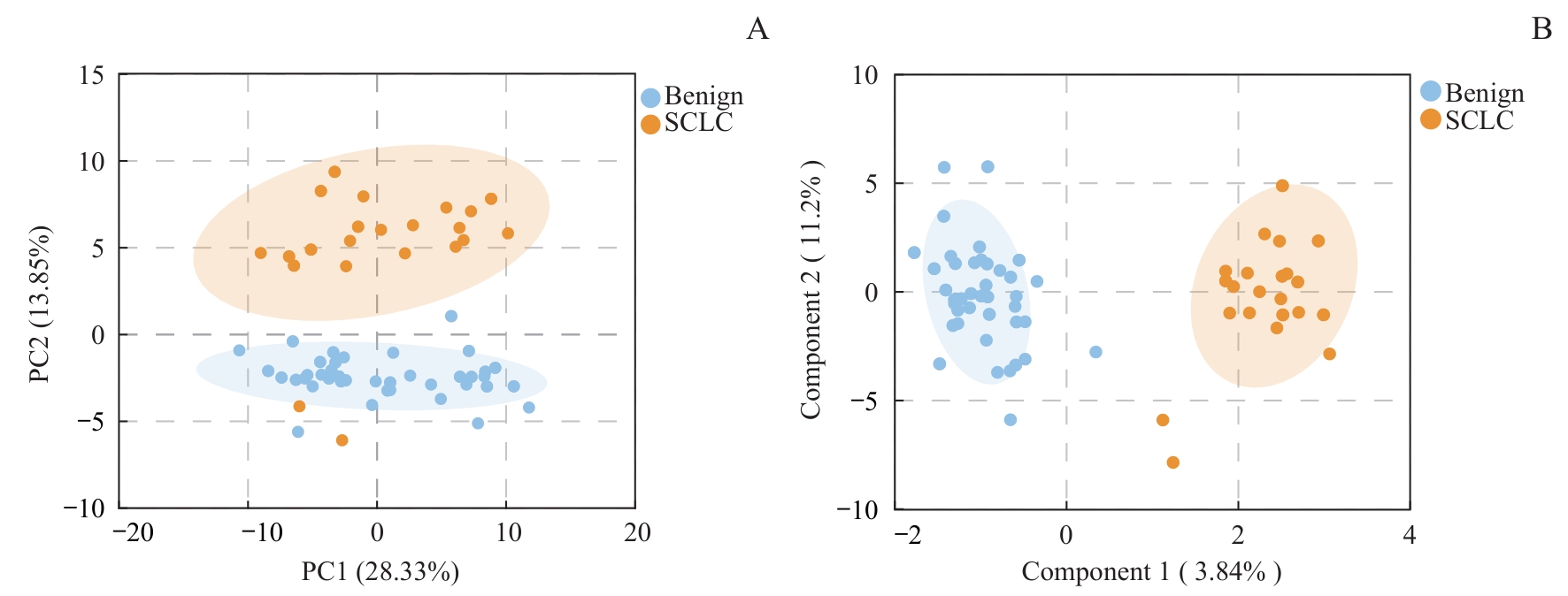
Fig 1 PCA and OPLS-DA analysis of targeted metabolomics data in the training set
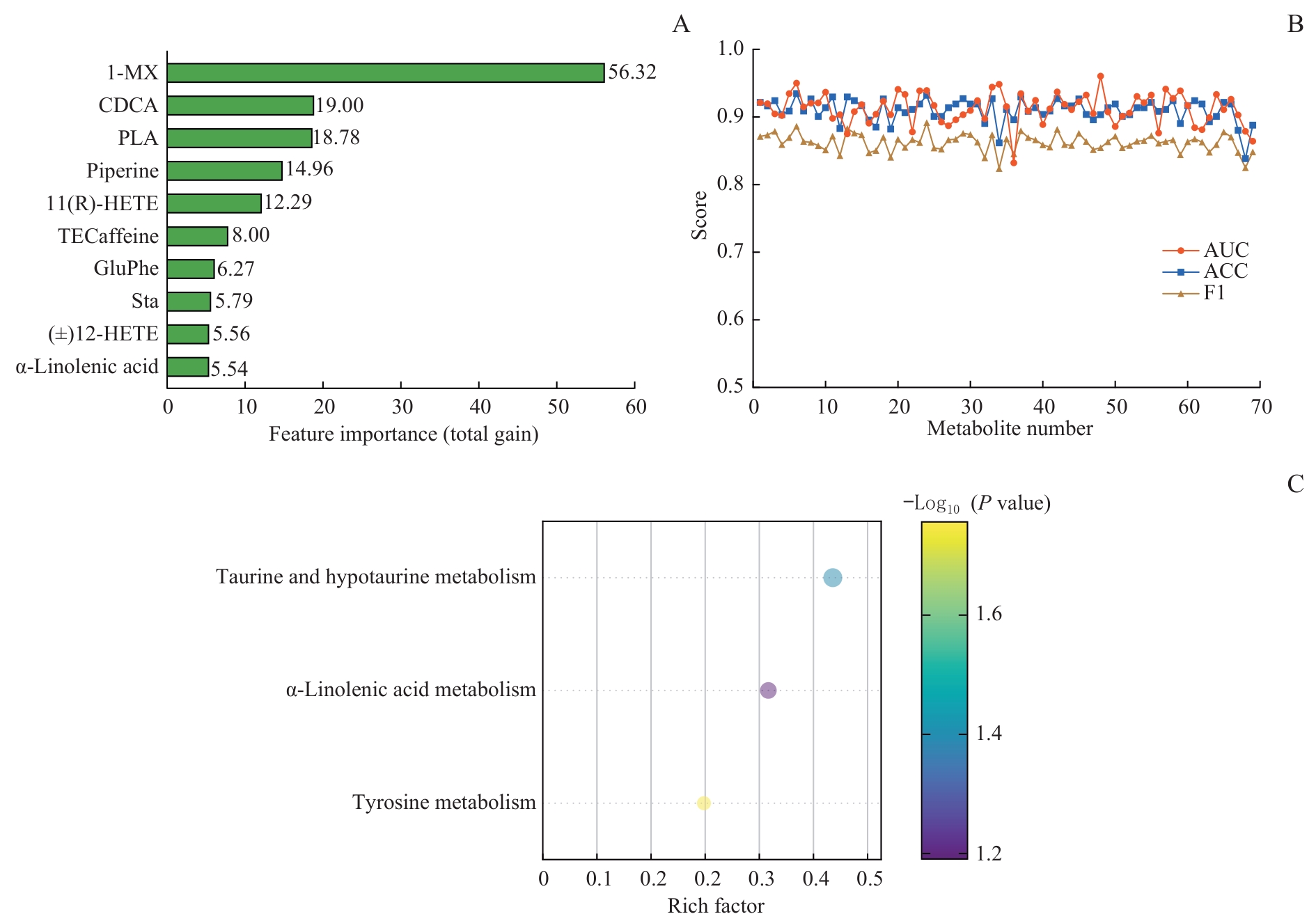
Fig 2 Selection of serum metabolites specific to SCLC
| Model | AUC (95%CI) | Cut-off | ACC | Sensitivity/% | Specificity/% | PPV | NPV |
|---|---|---|---|---|---|---|---|
| AdaBoost | 0.943 (0.827‒1.000) | 0.513 | 0.867 | 75.0 | 90.9 | 0.750 | 0.909 |
| RF | 0.881 (0.739‒0.977) | 0.550 | 0.700 | 16.7 | 92.9 | 0.500 | 0.722 |
| LGBM | 0.818 (0.602‒1.000) | 0.366 | 0.800 | 100.0 | 72.7 | 0.571 | 1.000 |
Tab 2 Performance of the 3 machine learning models on the training set
| Model | AUC (95%CI) | Cut-off | ACC | Sensitivity/% | Specificity/% | PPV | NPV |
|---|---|---|---|---|---|---|---|
| AdaBoost | 0.943 (0.827‒1.000) | 0.513 | 0.867 | 75.0 | 90.9 | 0.750 | 0.909 |
| RF | 0.881 (0.739‒0.977) | 0.550 | 0.700 | 16.7 | 92.9 | 0.500 | 0.722 |
| LGBM | 0.818 (0.602‒1.000) | 0.366 | 0.800 | 100.0 | 72.7 | 0.571 | 1.000 |
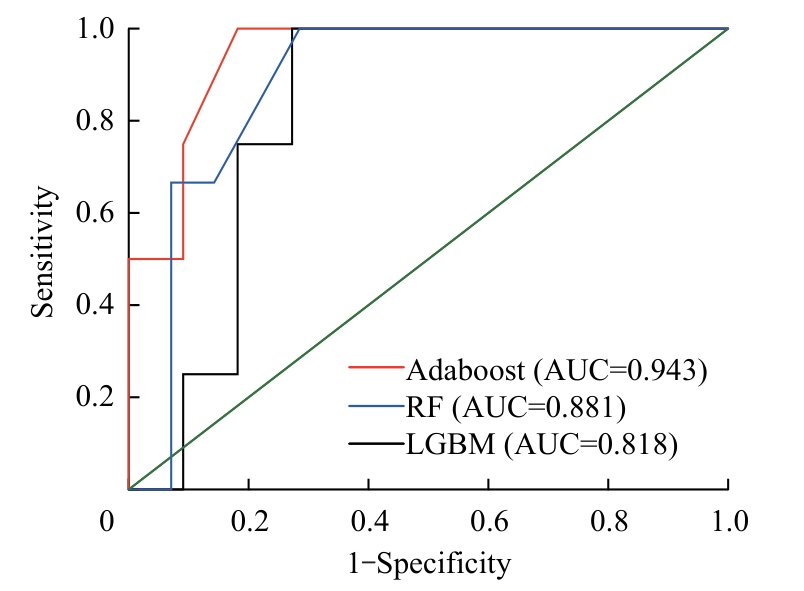
Fig 3 Performance comparison of the 3 machine learning models on the training set
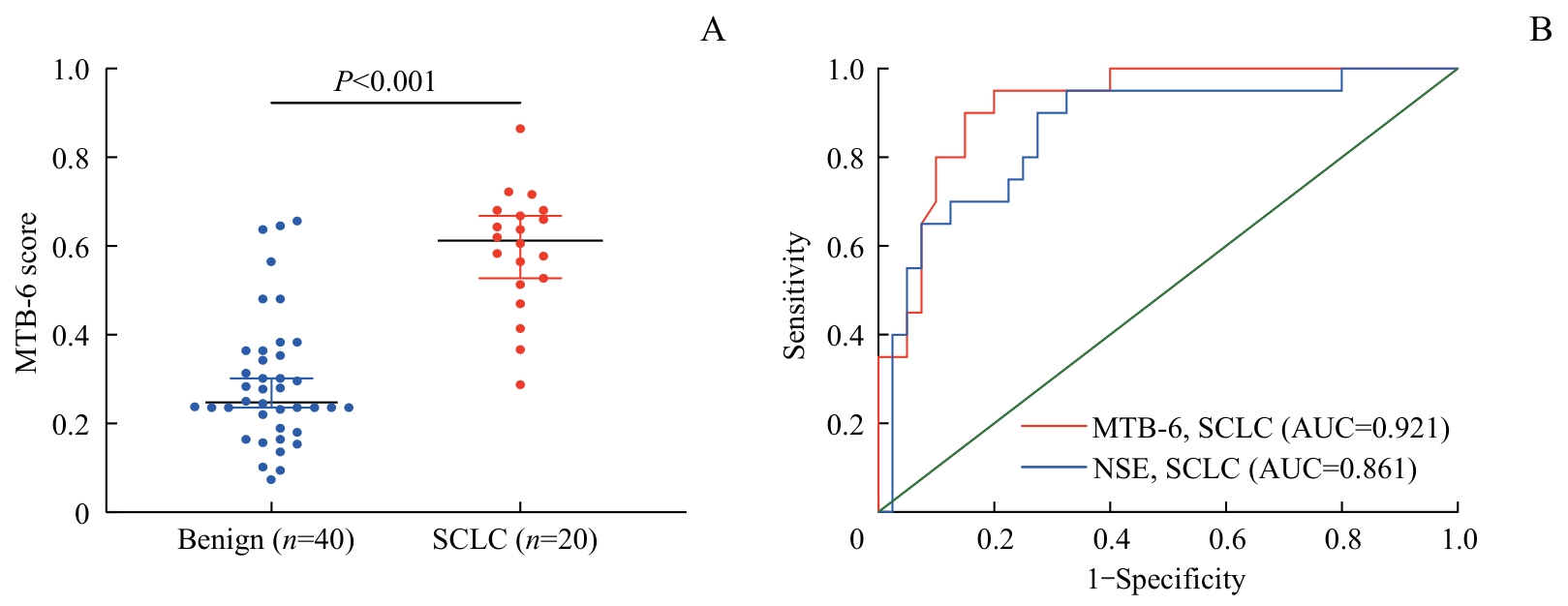
Fig 4 Validation of the MTB-6 model based on AdaBoost in the external test set
| Model | AUC (95%CI) | Cut-off | ACC | Sensitivity/% | Specificity/% | PPV | NPV |
|---|---|---|---|---|---|---|---|
| MTB-6 | 0.921 (0.853‒0.988) | 0.513 | 0.850 | 80.0 | 87.5 | 0.762 | 0.897 |
| NSE | 0.861 (0.759‒0.963) | 16.3 | 0.783 | 70.0 | 82.5 | 0.667 | 0.846 |
Tab 3 Performance comparison of the MTB-6 model and NSE in the external test set
| Model | AUC (95%CI) | Cut-off | ACC | Sensitivity/% | Specificity/% | PPV | NPV |
|---|---|---|---|---|---|---|---|
| MTB-6 | 0.921 (0.853‒0.988) | 0.513 | 0.850 | 80.0 | 87.5 | 0.762 | 0.897 |
| NSE | 0.861 (0.759‒0.963) | 16.3 | 0.783 | 70.0 | 82.5 | 0.667 | 0.846 |
| [1] | RUDIN C M, BRAMBILLA E, FAIVRE-FINN C, et al. Small-cell lung cancer[J]. Nat Rev Dis Primers, 2021, 7(1): 3. |
| [2] | SIEGEL R L, MILLER K D, WAGLE N S, et al. Cancer statistics, 2023[J]. CA A Cancer J Clin, 2023, 73(1): 17-48. |
| [3] | CAO W, QIN K, LI F, et al. Comparative study of cancer profiles between 2020 and 2022 using global cancer statistics (GLOBOCAN)[J]. J Natl Cancer Cent, 2024, 4(2): 128-134. |
| [4] | HUANG L, ZHOU J G, YAO W X, et al. Systematic review and meta-analysis of the efficacy of serum neuron-specific enolase for early small cell lung cancer screening[J]. Oncotarget, 2017, 8(38): 64358-64372. |
| [5] | ISGRÒ M A, BOTTONI P, SCATENA R. Neuron-specific enolase as a biomarker: biochemical and clinical aspects[J]. Adv Exp Med Biol, 2015, 867: 125-143. |
| [6] | XIE E F, ZHANG W, XU H G, et al. Correction of serum NSE reference intervals includes the unidentified hemolysis sample: 1-year data analysis from healthcare individuals[J]. J Clin Lab Anal, 2019, 33(9): e22997. |
| [7] | SEIJO L M, PELED N, AJONA D, et al. Biomarkers in lung cancer screening: achievements, promises, and challenges[J]. J Thorac Oncol, 2019, 14(3): 343-357. |
| [8] | MAURO C, PASSERINI R, SPAGGIARI L, et al. New and old biomarkers in the differential diagnosis of lung cancer: pro-gastrin-releasing peptide in comparison with neuron-specific enolase, carcinoembryonic antigen, and CYFRA 21-1[J]. Int J Biol Markers, 2019, 34(2): 163-167. |
| [9] | FERNANDEZ-CUESTA L, PERDOMO S, AVOGBE P H, et al. Identification of circulating tumor DNA for the early detection of small-cell lung cancer[J]. eBioMedicine, 2016, 10: 117-123. |
| [10] | BATOOL S M, YEKULA A, KHANNA P, et al. The Liquid Biopsy Consortium: challenges and opportunities for early cancer detection and monitoring[J]. Cell Rep Med, 2023, 4(10): 101198. |
| [11] | NI J, ZHANG X T, WANG H P, et al. Clinical characteristics and prognostic model for extensive-stage small cell lung cancer: a retrospective study over an 8-year period[J]. Thorac Cancer, 2022, 13(4): 539-548. |
| [12] | TIAN Y H, WANG Z J, LIU X H, et al. Prediction of chemotherapeutic efficacy in non-small cell lung cancer by serum metabolomic profiling[J]. Clin Cancer Res, 2018, 24(9): 2100-2109. |
| [13] | WANG L, ZHANG M J, PAN X F, et al. Integrative serum metabolic fingerprints based multi-modal platforms for lung adenocarcinoma early detection and pulmonary nodule classification[J]. Adv Sci (Weinh), 2022, 9(34): e2203786. |
| [14] | PRABHA A, YADAV J, RANI A, et al. Design of intelligent diabetes mellitus detection system using hybrid feature selection based XGBoost classifier[J]. Comput Biol Med, 2021, 136: 104664. |
| [15] | CHEN Y P, YANG S P, LIU R Q, et al. Forecasting myopic maculopathy risk over a decade: development and validation of an interpretable machine learning algorithm[J]. Invest Ophthalmol Vis Sci, 2024, 65(6): 40. |
| [16] | LIU H Q, LIN S Y, SONG Y D, et al. Machine learning on MRI radiomic features: identification of molecular subtype alteration in breast cancer after neoadjuvant therapy[J]. Eur Radiol, 2023, 33(4): 2965-2974. |
| [17] | KALEMKERIAN G P, LOO B W, AKERLEY W, et al. NCCN guidelines insights: small cell lung cancer, version 2.2018[J]. J Natl Compr Canc Netw, 2018, 16(10): 1171-1182. |
| [18] | MEGYESFALVI Z, GAY C M, POPPER H, et al. Clinical insights into small cell lung cancer: tumor heterogeneity, diagnosis, therapy, and future directions[J]. CA Cancer J Clin, 2023, 73(6): 620-652. |
| [19] | YANG S, ZHANG Z, WANG Q M. Emerging therapies for small cell lung cancer[J]. J Hematol Oncol, 2019, 12(1): 47. |
| [20] | SCHMIDT D R, PATEL R, KIRSCH D G, et al. Metabolomics in cancer research and emerging applications in clinical oncology[J]. CA Cancer J Clin, 2021, 71(4): 333-358. |
| [21] | LUO P, YIN P Y, HUA R, et al. A large-scale, multicenter serum metabolite biomarker identification study for the early detection of hepatocellular carcinoma[J]. Hepatology, 2018, 67(2): 662-675. |
| [22] | MAYERLE J, KALTHOFF H, RESZKA R, et al. Metabolic biomarker signature to differentiate pancreatic ductal adenocarcinoma from chronic pancreatitis[J]. Gut, 2018, 67(1): 128-137. |
| [23] | JABBARI M, SALARI-MOGHADDAM A, BAGHERI A, et al. A systematic review and dose-response meta-analysis of prospective cohort studies on coffee consumption and risk of lung cancer[J]. Sci Rep, 2024, 14(1): 14991. |
| [24] | 徐润灏, 邹琛, 张洁, 等. 胆汁酸谱在肺炎和肺癌鉴别诊断中的应用价值[J]. 检验医学, 2021, 36(1): 1-7. |
| XU R H, ZOU C, ZHANG J, et al. Application of serum bile acid spectrum in the differential diagnosis of pneumonia and lung cancer[J]. Laboratory Medicine, 2021, 36(1): 1-7. |
| [1] | YU Zhiyuan, DONG Haiping, GAO Nan, MA Ke. Identification and mechanistic analysis of core genes associated with morphine tolerance in dorsal root ganglion: an integrative transcriptomics approach using WGCNA and machine learning algorithms [J]. Journal of Shanghai Jiao Tong University (Medical Science), 2025, 45(10): 1308-1319. |
| [2] | WU Qizhen, LIU Qiming, CHAI Yezi, TAO Zhengyu, WANG Yinan, GUO Xinning, JIANG Meng, PU Jun. Evaluation of machine learning prediction of altered inflammatory metabolic state after neoadjuvant therapy for breast cancer [J]. Journal of Shanghai Jiao Tong University (Medical Science), 2024, 44(9): 1169-1181. |
| [3] | XU Wanxing, WANG Lin, GUO Qiaomei, WANG Xueqing, LOU Jiatao. Clinical validation and application value exploration of multi-modal pulmonary nodule diagnosis model [J]. Journal of Shanghai Jiao Tong University (Medical Science), 2024, 44(8): 1030-1036. |
| [4] | WU Lirong, CHEN Ruihua, CHAO Xiaowen, GUO Yuhuai, SUN Tao, LI Mengci, CHEN Tianlu. Study of metabolic association between elevated fasting blood glucose and cognitive deterioration [J]. Journal of Shanghai Jiao Tong University (Medical Science), 2024, 44(2): 212-222. |
| [5] | MA Ben, ZHAO Cheng, SHU Yijun, DONG Ping. Application progress of CT radiomics in gastrointestinal stromal tumor [J]. Journal of Shanghai Jiao Tong University (Medical Science), 2023, 43(7): 923-930. |
| [6] | ZHANG Mengji, HUANG Lin, LI Zheng, MA Zhuoran, WEI Lin, YUAN Ancai, HU Liuhua, ZHANG Wei, QIAN Kun, PU Jun. Plasma metabolic signature of cardiovascular and cerebrovascular diseases from a large cohort study [J]. Journal of Shanghai Jiao Tong University (Medical Science), 2022, 42(3): 259-266. |
| [7] | Xin LI, Qing FAN. Application progress of machine learning in the study of facial features of patients with depression [J]. JOURNAL OF SHANGHAI JIAOTONG UNIVERSITY (MEDICAL SCIENCE), 2022, 42(1): 124-129. |
| [8] | JIA Zhi-ying1, 2, DONG Min-ye1, 2, SHI Zhen-su2, 3, JIN Chun-lin4, LI Guo-hong1, 2. Study of a screening system for mild cognitive impairment based on machine learning model [J]. , 2019, 39(8): 908-. |
| [9] | XU Yu-peng1*, DU Yu-chen1, 2*, CHEN Feng-e1. Automatic layer segmentation of optical coherence tomography images in retinal vascular diseases [J]. , 2019, 39(6): 613-. |
| [10] | SANG Chao1, XIE Guo-xiang2, LIANG Dan-dan1, ZHAO Ai-hua1, JIA Wei1, 2, CHEN Tian-lu1. Improvement of liver fibrosis diagnostic models based on Youden index [J]. , 2019, 39(10): 1156-. |
| [11] | ZHANG Xin-yu1*, ZHANG Jing2*, ZHU Xiao-qiang1, CAO Ying-ying1, CHEN Hao-yan1. Bacterial signatures for diagnosis of colorectal cancerfecal metagenomics analysis [J]. , 2018, 38(9): 1019-. |
| [12] | LIANG Dan-dan, LI Yi-tao, ZHENG Xiao-jiao, CHEN Tian-lu. Advance in full-functional software of metabolomics [J]. , 2018, 38(7): 805-. |
| [13] | HUANG Jin-guo1*, ZHANG Hai-nan1*, CHEN Zi-qing1*, YANG Li-na2, GUO Shu-juan1, TAO Sheng-ce1. Metabolomics study of the effect of arsenic trioxide on hepatocellular carcinoma cell line HepG2 [J]. , 2018, 38(10): 1145-. |
| [14] | LI Jing, LIU Si, LEI He-hua, WANG Yu-lan, TANG Hui-ru. Gender dependence of metabolomic phenotypes for human saliva using ultra-high performance liquid chromatography with quadrupole time-of-flight mass spectrometry [J]. , 2017, 37(8): 1079-. |
| [15] | CHEN Shu-qing, LU Jing-yi, MA Xiao-jing, ZHOU Jian . Recent progress in metabolomics with regard to diabetic complications and glucose fluctuation#br# [J]. , 2017, 37(11): 1570-. |
| Viewed | ||||||
|
Full text |
|
|||||
|
Abstract |
|
|||||
