
Journal of Shanghai Jiao Tong University (Medical Science) ›› 2025, Vol. 45 ›› Issue (12): 1568-1577.doi: 10.3969/j.issn.1674-8115.2025.12.002
• Basic research • Previous Articles Next Articles
GAO Wen, PAN Jiesong, ZHAO Yikai, LUO Xinping, LI Jian( )
)
Received:2025-07-27
Accepted:2025-09-28
Online:2025-12-28
Published:2025-12-16
Contact:
LI Jian
E-mail:lijiancardio@163.com
Supported by:CLC Number:
GAO Wen, PAN Jiesong, ZHAO Yikai, LUO Xinping, LI Jian. Role and mechanism of xanthine oxidase in platelet hyperreactivity of hyperuricemia patients[J]. Journal of Shanghai Jiao Tong University (Medical Science), 2025,(12): 1568-1577.
Add to citation manager EndNote|Ris|BibTeX
URL: https://xuebao.shsmu.edu.cn/EN/10.3969/j.issn.1674-8115.2025.12.002
| Item | Hyperuricemia group (n=24) | Healthy control group (n=24) | P value |
|---|---|---|---|
| Age/year | 62.13±15.92 | 70.17±7.52 | 0.079 |
| Gender (male)/n(%) | 17 (70.83) | 14 (58.33) | 0.365 |
| Hypertension/n(%) | 3 (12.5) | 0 (0) | 0.234 |
| Platelet (×1012)/L | 206.75±57.25 | 214.92±61.27 | 0.636 |
| Red blood cell/(g·L-1) | 4.58±0.52 | 4.46±0.65 | 0.485 |
| White blood cell (×109)/L | 6.81±1.74 | 7.34±2.08 | 0.342 |
| Anti-hyperuricemic drugs/n(%) | 6 (25.00) | 0 (0) | 0.022 |
| Febuxostat/n(%) | 5 (20.83) | 0 (0) | 0.050 |
| Alopurinol/n(%) | 1 (4.17) | 0 (0) | 1.000 |
Tab 1 Baseline characteristics of the hyperuricemia group and the healthy control group
| Item | Hyperuricemia group (n=24) | Healthy control group (n=24) | P value |
|---|---|---|---|
| Age/year | 62.13±15.92 | 70.17±7.52 | 0.079 |
| Gender (male)/n(%) | 17 (70.83) | 14 (58.33) | 0.365 |
| Hypertension/n(%) | 3 (12.5) | 0 (0) | 0.234 |
| Platelet (×1012)/L | 206.75±57.25 | 214.92±61.27 | 0.636 |
| Red blood cell/(g·L-1) | 4.58±0.52 | 4.46±0.65 | 0.485 |
| White blood cell (×109)/L | 6.81±1.74 | 7.34±2.08 | 0.342 |
| Anti-hyperuricemic drugs/n(%) | 6 (25.00) | 0 (0) | 0.022 |
| Febuxostat/n(%) | 5 (20.83) | 0 (0) | 0.050 |
| Alopurinol/n(%) | 1 (4.17) | 0 (0) | 1.000 |
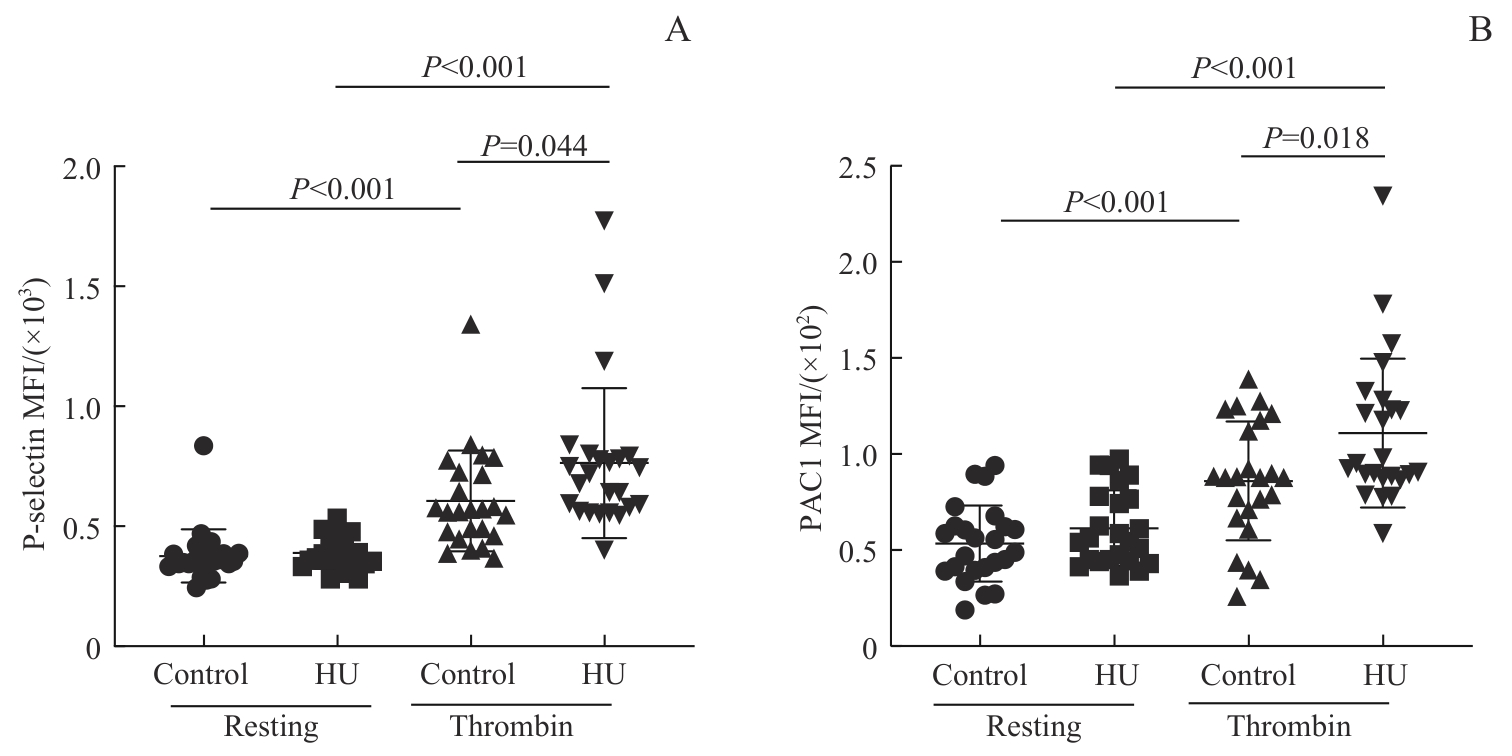
Fig 1 Expression of P-selectin and PAC-1 on platelet surface in the hyperuricemia patient group and the healthy control group
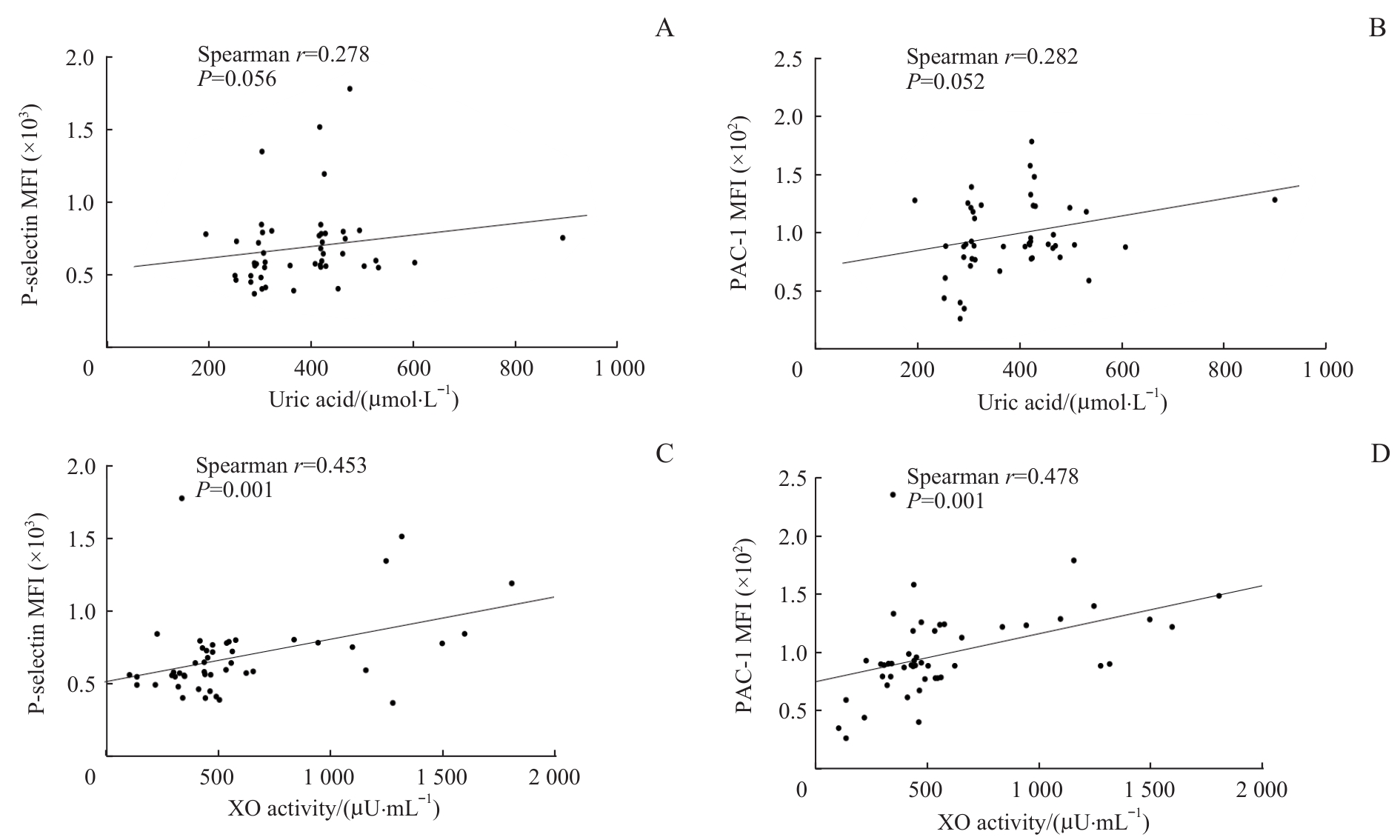
Fig 2 Correlation of platelet activation indicators P-selectin and PAC-1 with serum uric acid levels and platelet XO activity
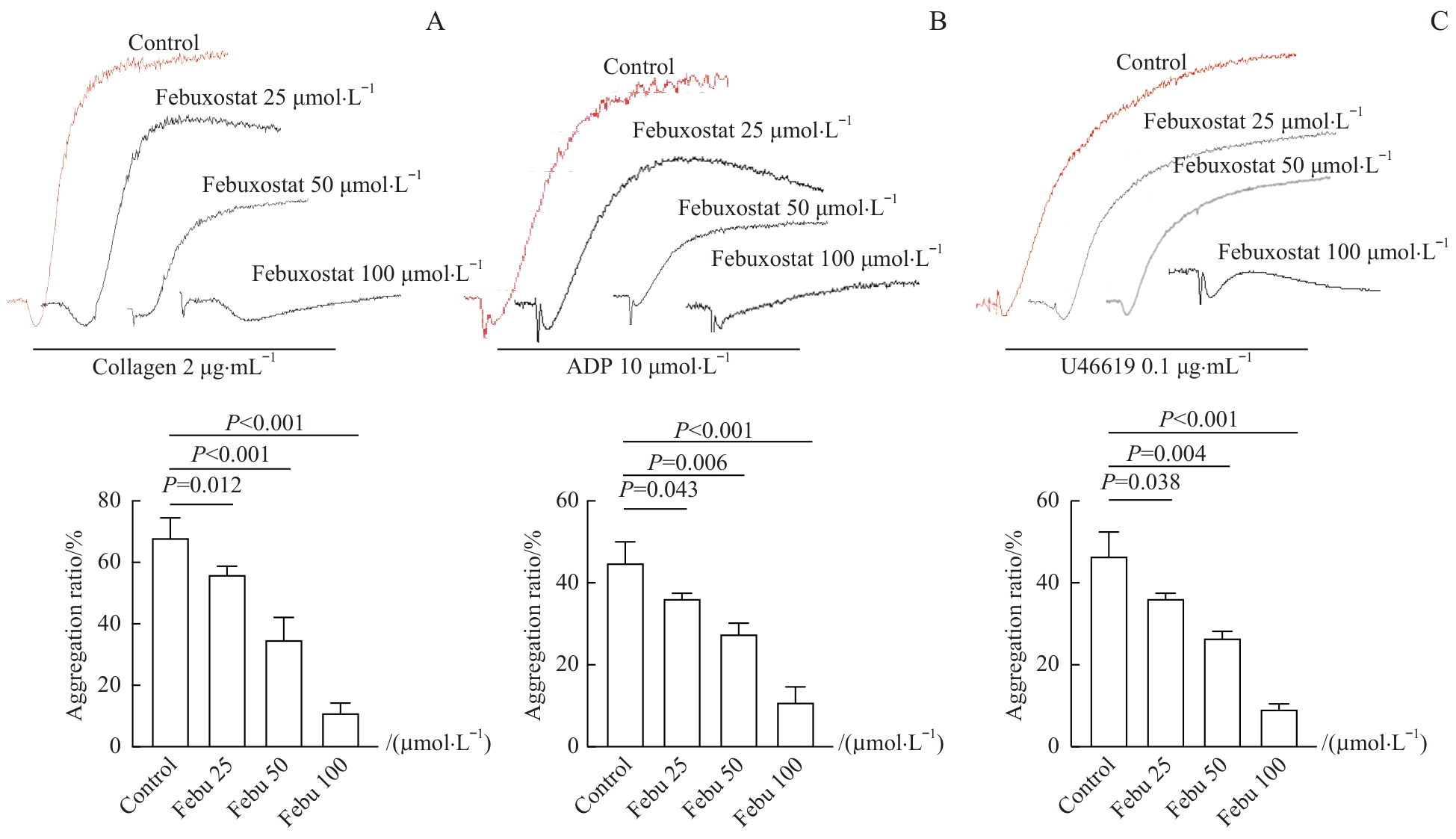
Fig 3 Effect of febuxostat on platelet aggregation induced by different agonists
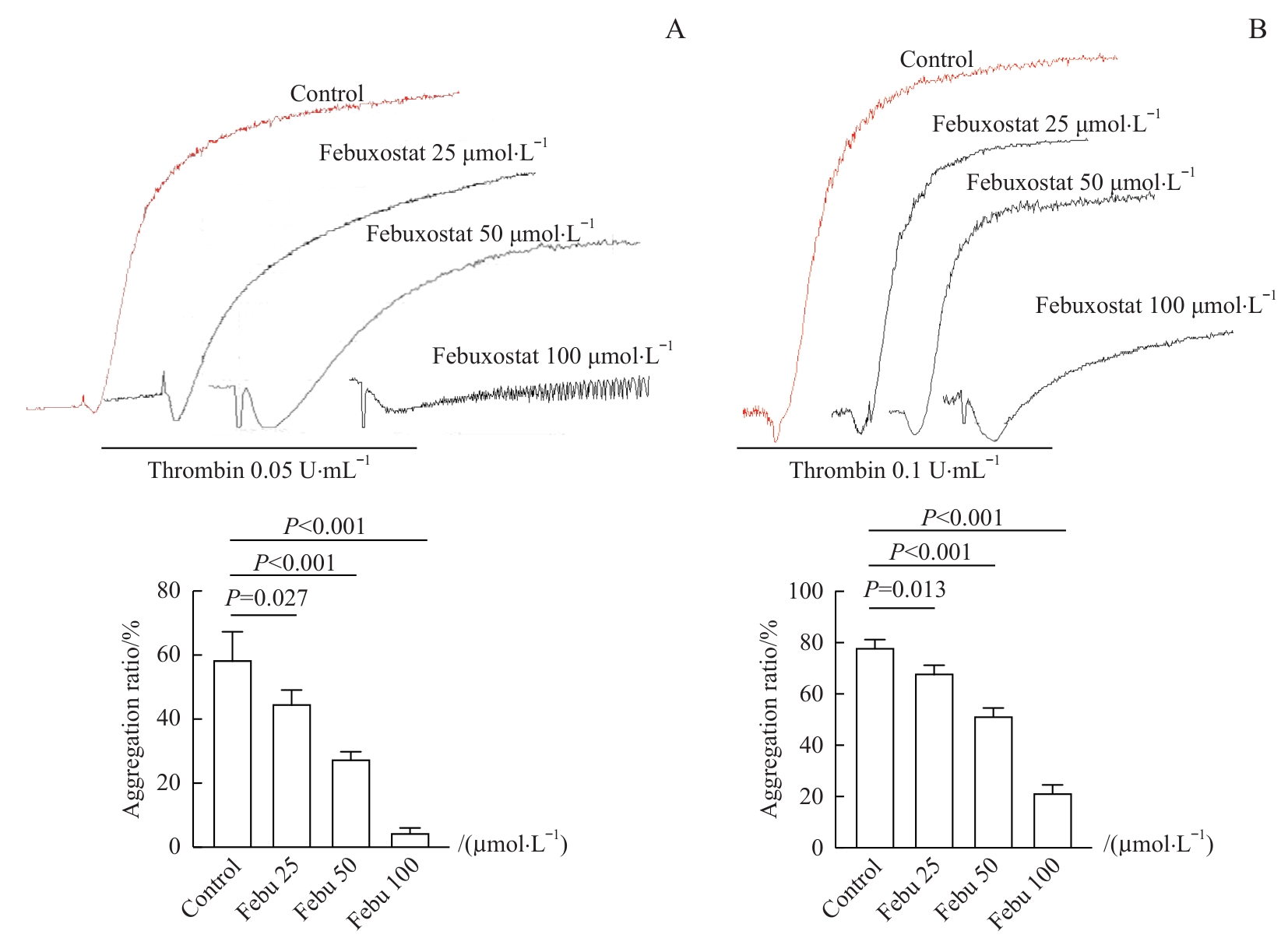
Fig 4 Effect of febuxostat on platelet aggregation induced by different concentrations of thrombin
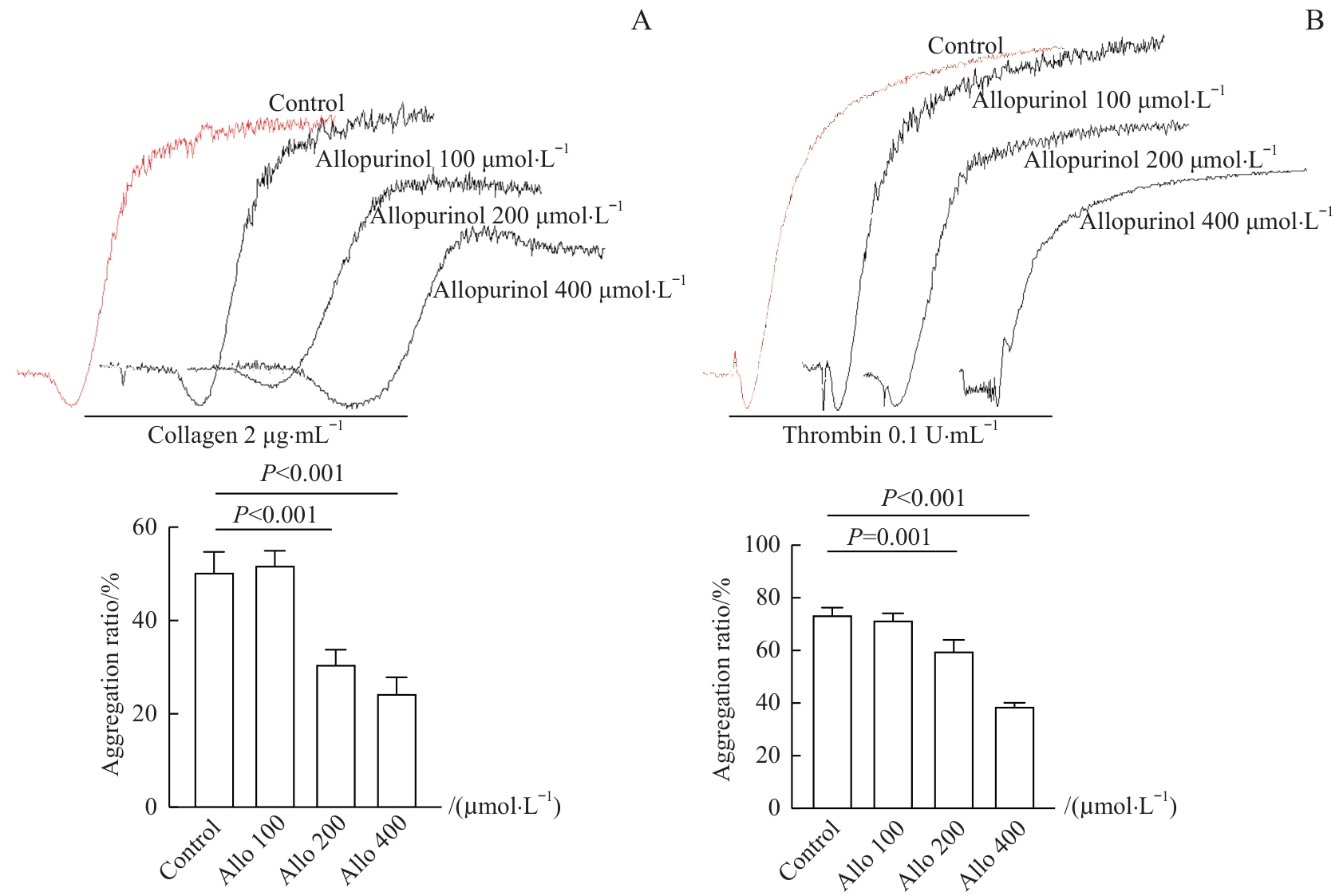
Fig 5 Effect of allopurinol on platelet aggregation induced by collagen and thrombin
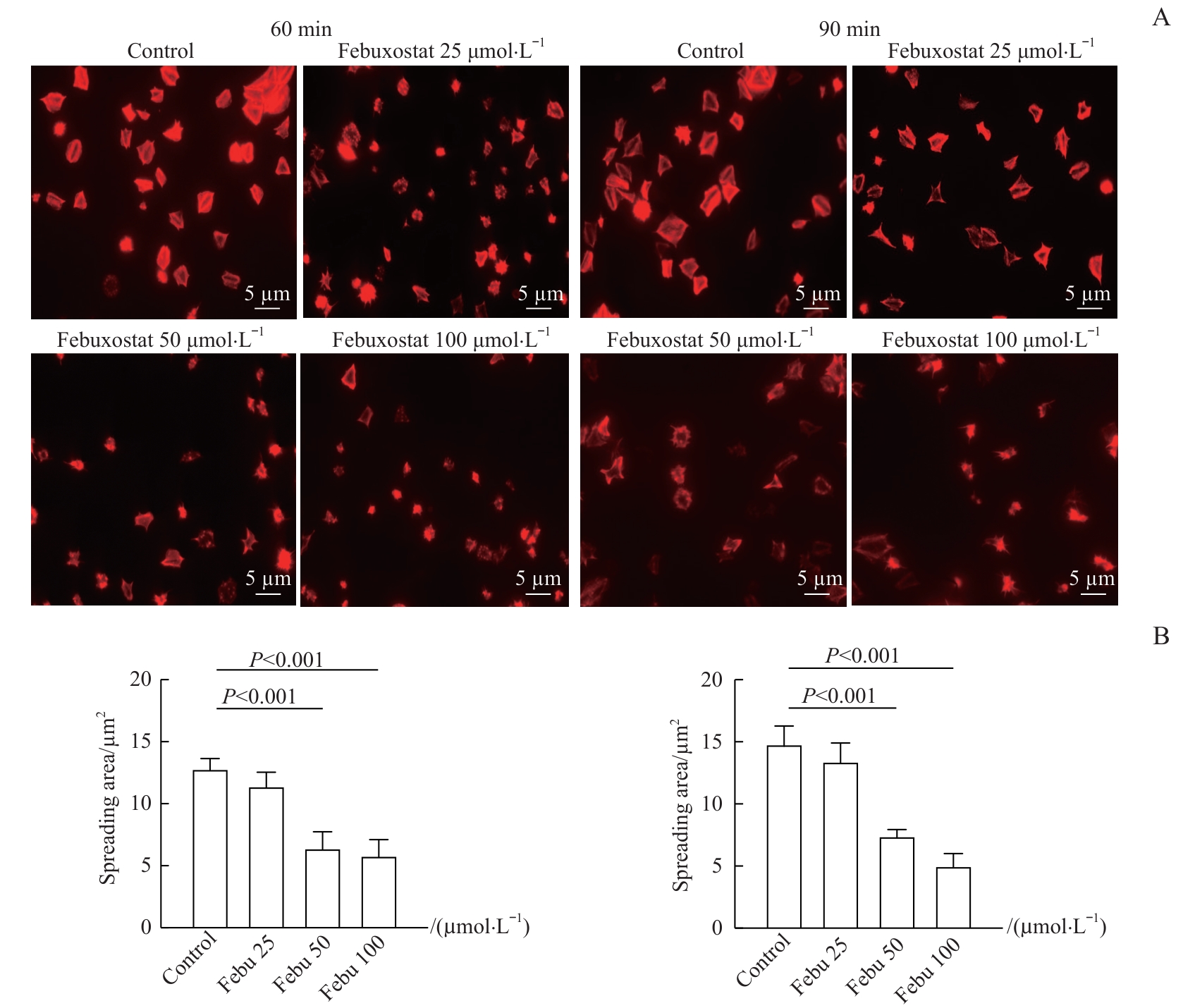
Fig 6 Effect of febuxostat on platelet spreading
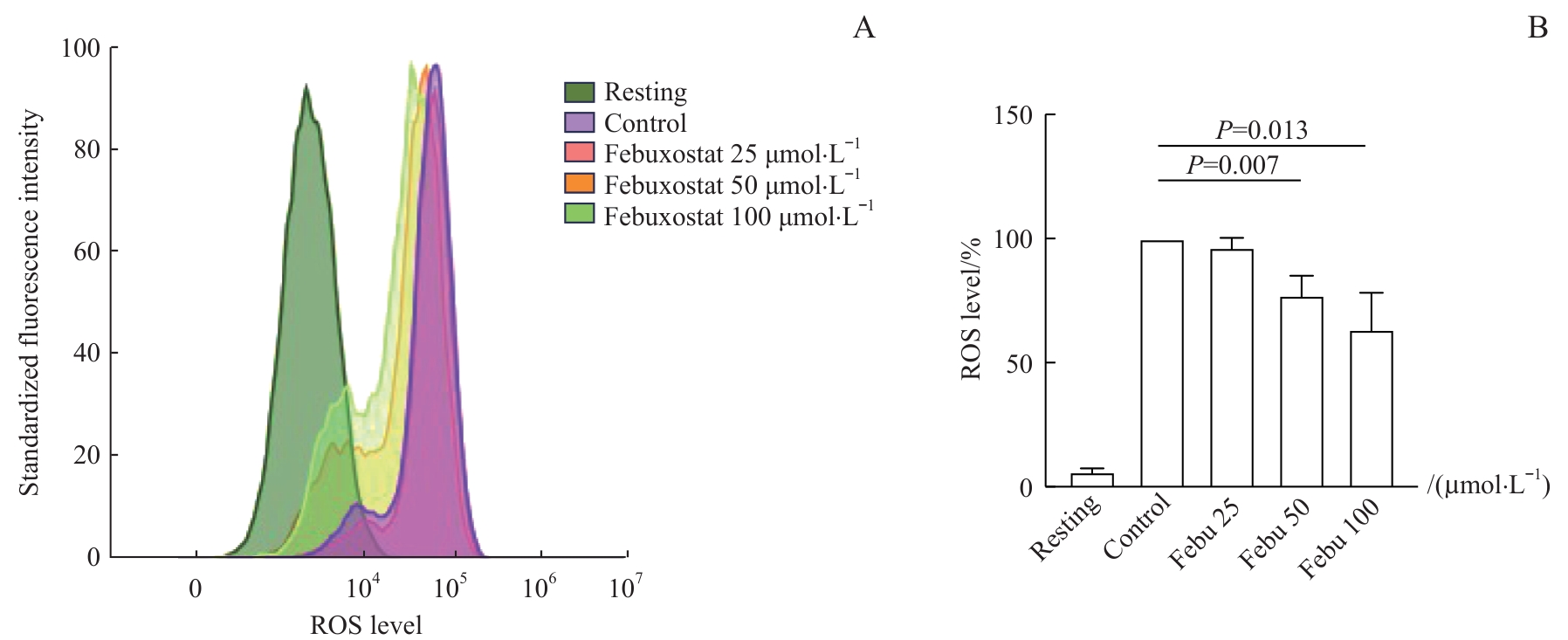
Fig 7 Effect of febuxostat on the production of ROS in platelets
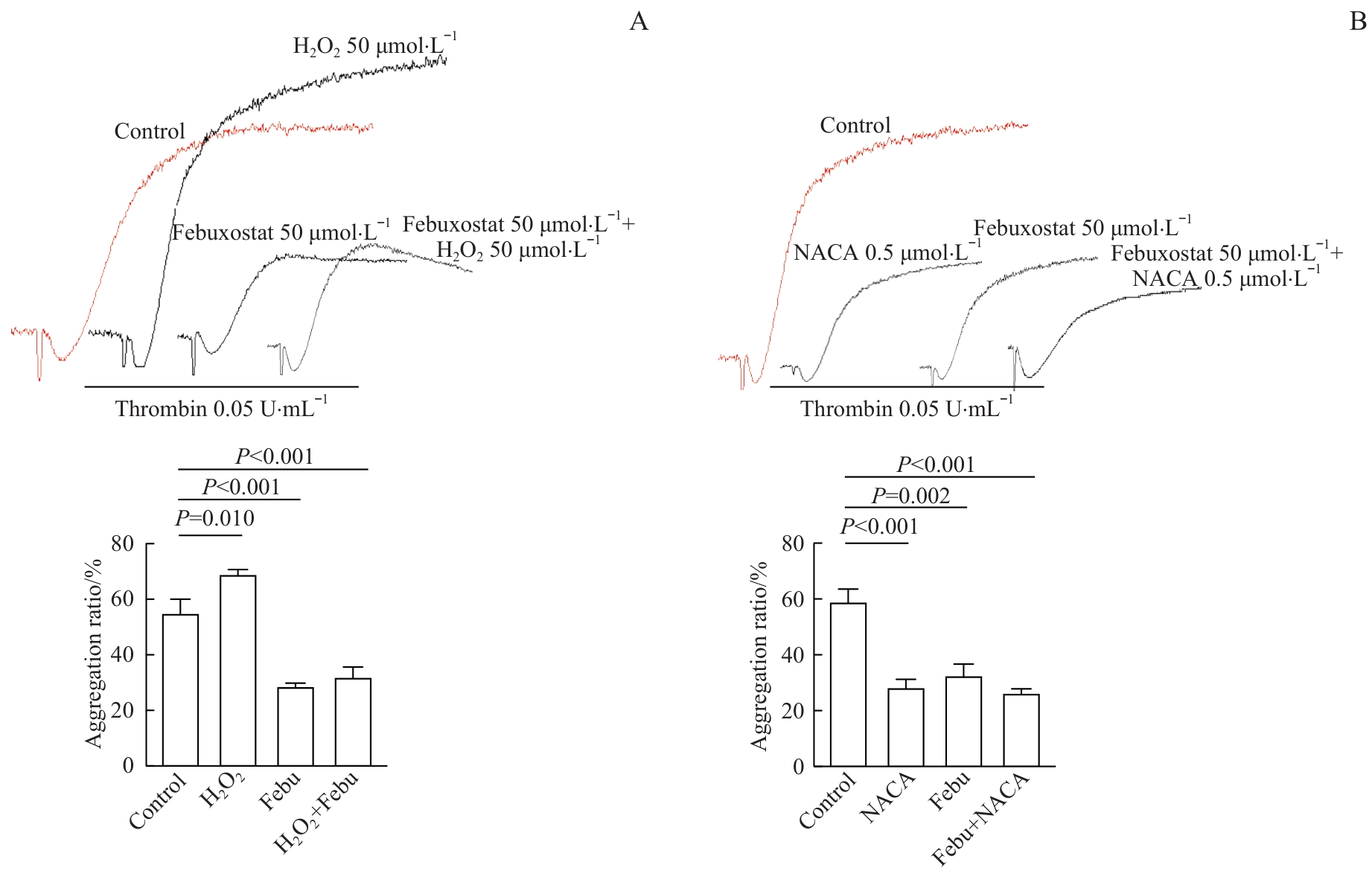
Fig 8 Effect of febuxostat combined with H2O2 or NACA on platelet aggregation
| [1] | 刘明波, 何新叶, 杨晓红, 等. 《中国心血管健康与疾病报告2023》要点解读[J]. 中国全科医学, 2025, 28(1): 20-38. |
| LIU M B, HE X Y, YANG X H, et al. Interpretation of Report on Cardiovascular Health and Diseases in China 2023[J]. Chinese General Practice, 2025, 28(1): 20-38. | |
| [2] | NAKAHASHI T, SAKATA K, MASUDA J, et al. Impact of hyperuricemia on coronary blood flow and in-hospital mortality in patients with acute myocardial infarction undergoing percutaneous coronary intervention[J]. J Cardiol, 2022, 80(3): 268-274. |
| [3] | LEE S, WADOWSKI P P, HOBERSTORFER T, et al. Decreased platelet inhibition by thienopyridines in hyperuricemia[J]. Cardiovasc Drugs Ther, 2021, 35(1): 51-60. |
| [4] | WONG K K, MACWALTER R S, FRASER H W, et al. Urate predicts subsequent cardiac death in stroke survivors[J]. Eur Heart J, 2002, 23(10): 788-793. |
| [5] | CHEN Y F, HONG J, ZHONG H X, et al. IL-37 attenuates platelet activation and thrombosis through IL-1R8 pathway[J]. Circ Res, 2023, 132(9): e134-e150. |
| [6] | ZHU W F, GREGORY J C, ORG E, et al. Gut microbial metabolite TMAO enhances platelet hyperreactivity and thrombosis risk[J]. Cell, 2016, 165(1): 111-124. |
| [7] | KAUR R, KAUR M, SINGH J. Endothelial dysfunction and platelet hyperactivity in type 2 diabetes mellitus: molecular insights and therapeutic strategies[J]. Cardiovasc Diabetol, 2018, 17(1): 121. |
| [8] | ZHONG H X, WARESI M, ZHANG W, et al. NOD2-mediated P2Y12 upregulation increases platelet activation and thrombosis in sepsis[J]. Biochem Pharmacol, 2021, 194: 114822. |
| [9] | PIANI F, ANNESI L, BORGHI C. New insights into uric acid metabolism in the pathophysiology of ischaemic heart disease[J]. Eur Cardiol, 2025, 20: e18. |
| [10] | MITSUBAYASHI T, SUITA K J, OHNUKI Y, et al. Xanthine oxidase inhibitor allopurinol preserves cardiac function after experimental malocclusion induced by occlusal disharmony in mice[J]. J Physiol Sci, 2025, 75(2): 100029. |
| [11] | GRIMALDI-BENSOUDA L, ALPÉROVITCH A, AUBRUN E, et al. Impact of allopurinol on risk of myocardial infarction[J]. Ann Rheum Dis, 2015, 74(5): 836-842. |
| [12] | CECERSKA-HERYĆ E, JESIONOWSKA A, KLAUDYNA S, et al. Xanthine oxidoreductase reference values in platelet-poor plasma and platelets in healthy volunteers[J]. Oxid Med Cell Longev, 2015, 2015: 341926. |
| [13] | 杨标, 赵丽丽, 杜佳豪, 等. 活性氧对血小板活化和凋亡的调控作用[J]. 中国实验血液学杂志, 2024, 32(5): 1503-1508. |
| YANG B, ZHAO L L, DU J H, et al. Regulation of reactive oxygen species on platelet activation and apoptosis[J]. Journal of Experimental Hematology, 2024, 32(5): 1503-1508. | |
| [14] | YIP K, COHEN R E, PILLINGER M H. Asymptomatic hyperuricemia: is it really asymptomatic?[J]. Curr Opin Rheumatol, 2020, 32(1): 71-79. |
| [15] | FEIG D I, KANG D H, JOHNSON R J. Uric acid and cardiovascular risk[J]. N Engl J Med, 2008, 359(17): 1811-1821. |
| [16] | JOHNSON R J, SANCHEZ LOZADA L G, LANASPA M A, et al. Uric acid and chronic kidney disease: still more to do[J]. Kidney Int Rep, 2022, 8(2): 229-239. |
| [17] | JIANG L J, JIN J G, HE X Y, et al. The association between serum uric acid/serum creatinine ratio and in-hospital outcomes in elderly patients with acute myocardial infarction[J]. BMC Cardiovasc Disord, 2024, 24(1): 52. |
| [18] | ZHANG W, ZHANG Y, HAN L P, et al. Double-stranded DNA enhances platelet activation, thrombosis, and myocardial injury via cyclic GMP-AMP synthase[J]. Cardiovasc Res, 2025, 121(2): 353-366. |
| [19] | ROSEI C A, PAINI A N, BUSO G, et al. Serum uric acid, hypertriglyceridemia, and carotid plaques: a sub-analysis of the URic acid right for heart health (URRAH) study[J]. Metabolites, 2024, 14(6): 323. |
| [20] | FORMAN H J, ZHANG H Q. Targeting oxidative stress in disease: promise and limitations of antioxidant therapy[J]. Nat Rev Drug Discov, 2021, 20(9): 689-709. |
| [21] | TIAN Y C, ZONG Y, PANG Y D, et al. Platelets and diseases: signal transduction and advances in targeted therapy[J]. Signal Transduct Target Ther, 2025, 10(1): 159. |
| [1] | Wu Jialong, Chen Xuzhuo, Huang Enkui, Yin Xiuyuan, Xu Qianhe, Liu Peinian, Zhang Shanyong. Anti-inflammatory and antioxidant effects of tannic acid-based ROS-responsive hydrogel in macrophage inflammation [J]. Journal of Shanghai Jiao Tong University (Medical Science), 2026, 46(7): 886-895. |
| [2] | Ding Xinyi, Zhu Yi, Wang Jingyi, Deng Jiali, Wang Zhongling. 4T1 cell membrane-biomimetic nanoprobe based on glutathione depletion for inducing tumor ferroptosis and MR imaging [J]. Journal of Shanghai Jiao Tong University (Medical Science), 2026, 46(7): 906-915. |
| [3] | Lu Bohan, Hu Cuirong, Wang Jinkun, Lu Jifang, Jin Haijiao, Wang Ling, Jiang Na, Mou Shan. Association between hyperuricemia and metabolic syndrome in adults [J]. Journal of Shanghai Jiao Tong University (Medical Science), 2026, 46(4): 486-495. |
| [4] | Yin Xuying, Wang Xuanjia, Yang Mina, Jiang Haojie, Dai Jing, Sun Xiaoyu, Xu Yanyan. Procoagulant platelets regulate H1N1-induced thrombosis formation [J]. Journal of Shanghai Jiao Tong University (Medical Science), 2026, 46(1): 25-33. |
| [5] | LU Jiayi, LIU Jinzhe, GUO Shangchun, TAO Shicong. Advances in nanomaterials for promoting bone tissue regeneration by reducing reactive oxygen species levels [J]. Journal of Shanghai Jiao Tong University (Medical Science), 2025, 45(4): 487-492. |
| [6] | ZHU Zeyu, LÜ Chengqi, LIU Xuling, CHEN Yulu, ZOU Derong, LU Jiayu. Observation on A-PRF promoting regeneration of osteochondral defects in rabbit knee joints [J]. Journal of Shanghai Jiao Tong University (Medical Science), 2024, 44(1): 13-22. |
| [7] | LU Yuhan, SHI Yahong, LONG Manmei, WANG Zi, WU Yingwei. Effect of ceria nanoparticles on activity of DSS-induced colitis in mice by eliminating active oxygen species [J]. Journal of Shanghai Jiao Tong University (Medical Science), 2024, 44(1): 35-42. |
| [8] | LAI Xiuxiu, ZHU Qingyan, TAN Jiaqi, YANG Ling, ZHU Yan, ZHOU Gongmin. Clinical study of low dose febuxostat on improving renal function in elderly patients with asymptomatic hyperuricemia [J]. Journal of Shanghai Jiao Tong University (Medical Science), 2022, 42(7): 885-892. |
| [9] | Ya-zhong WEI, Xiao-mei XUE, Bin HE. Research progress in myocardial ischemia-reperfusion injury mediated by mitochondrial reactive oxygen species [J]. JOURNAL OF SHANGHAI JIAOTONG UNIVERSITY (MEDICAL SCIENCE), 2021, 41(6): 826-829. |
| [10] | Han-yue FU, Xu HUANG, Hong-li LU, Wen-xie XU. Effect of protease activated receptor 2 on colonic transport in chronic stress mice [J]. JOURNAL OF SHANGHAI JIAOTONG UNIVERSITY (MEDICAL SCIENCE), 2021, 41(1): 23-28. |
| [11] | WANG Xiang-qi, ZHAO Chao-ran, XIONG Ai-bing. Effect of deuterium depleted water combined with platelet-rich plasma on wound healing of diabetic ulcer in rats [J]. , 2020, 40(3): 326-. |
| [12] | SUN Si, ZHAO Ai-min. Safety of anticoagulants and antiplatelet drugs in patients with recurrent spontaneous abortion during pregnancy [J]. , 2020, 40(3): 402-. |
| [13] | ZHANG Shi-yun, LAI Guang-yun, WANG Jun. Comparative study on the regeneration capacity of tissue in root canals between concentrated growth factor and blood clot [J]. JOURNAL OF SHANGHAI JIAOTONG UNIVERSITY (MEDICAL SCIENCE), 2020, 40(10): 1365-1370. |
| [14] | ZHAO Fang-ya1, LU Jun-qian2, ZHANG Lei2, CHEN Hai-bing1. Analysis of risk factors of hyperuricemia and its outcomes of renal function in diabetes mellitus in Shanghai [J]. , 2019, 39(7): 783-. |
| [15] | ZHUANG Ling-fang, CHEN Kang. Regulating effect of fatty acid binding protein 3 on survival and apoptosis of cardiomyocytes under hypoxia [J]. , 2019, 39(6): 586-. |
| Viewed | ||||||
|
Full text |
|
|||||
|
Abstract |
|
|||||
