
Journal of Shanghai Jiao Tong University (Medical Science) ›› 2026, Vol. 46 ›› Issue (6): 740-750.doi: 10.3969/j.issn.1674-8115.2026.06.006
• Basic research • Previous Articles Next Articles
Zhu Rundong, Gao Zhiqiang, Xiang Bin, Hong Peng, Hu Zaihong, Cui Kongkong, Long Teng, Zhang Zhijun, Ma Wei, Chen Pengfei, Shi Qinlin, Tian Xiaomao( ), Wei Guanghui
Received:2025-11-28
Accepted:2026-03-16
Online:2026-06-28
Published:2026-06-29
Contact:
Tian Xiaomao
E-mail:xiao-mao@hospital.cqmu.edu.cn
Supported by:CLC Number:
Zhu Rundong, Gao Zhiqiang, Xiang Bin, Hong Peng, Hu Zaihong, Cui Kongkong, Long Teng, Zhang Zhijun, Ma Wei, Chen Pengfei, Shi Qinlin, Tian Xiaomao, Wei Guanghui. hsa_circ_0001900 enhances the proliferation, migration, and invasion of Wilms tumor cells while suppressing apoptosis through acceleration of G1/S cell cycle transition[J]. Journal of Shanghai Jiao Tong University (Medical Science), 2026,(6): 740-750.
Add to citation manager EndNote|Ris|BibTeX
URL: https://xuebao.shsmu.edu.cn/EN/10.3969/j.issn.1674-8115.2026.06.006
| siRNA | Target sequence(5'→3') |
|---|---|
| siRNA-1 (si-hsa_circ_0001900-1) | CTGGATCAACAAGATAACA |
| siRNA-2 (si-hsa_circ_0001900-2) | TCAACAAGATAACATCCCT |
| siRNA-3 (si-hsa_circ_0001900-3) | CAAGATAACATCCCTGAGG |
Tab 1 siRNA sequences used for specific silencing of hsa_circ_0001900
| siRNA | Target sequence(5'→3') |
|---|---|
| siRNA-1 (si-hsa_circ_0001900-1) | CTGGATCAACAAGATAACA |
| siRNA-2 (si-hsa_circ_0001900-2) | TCAACAAGATAACATCCCT |
| siRNA-3 (si-hsa_circ_0001900-3) | CAAGATAACATCCCTGAGG |
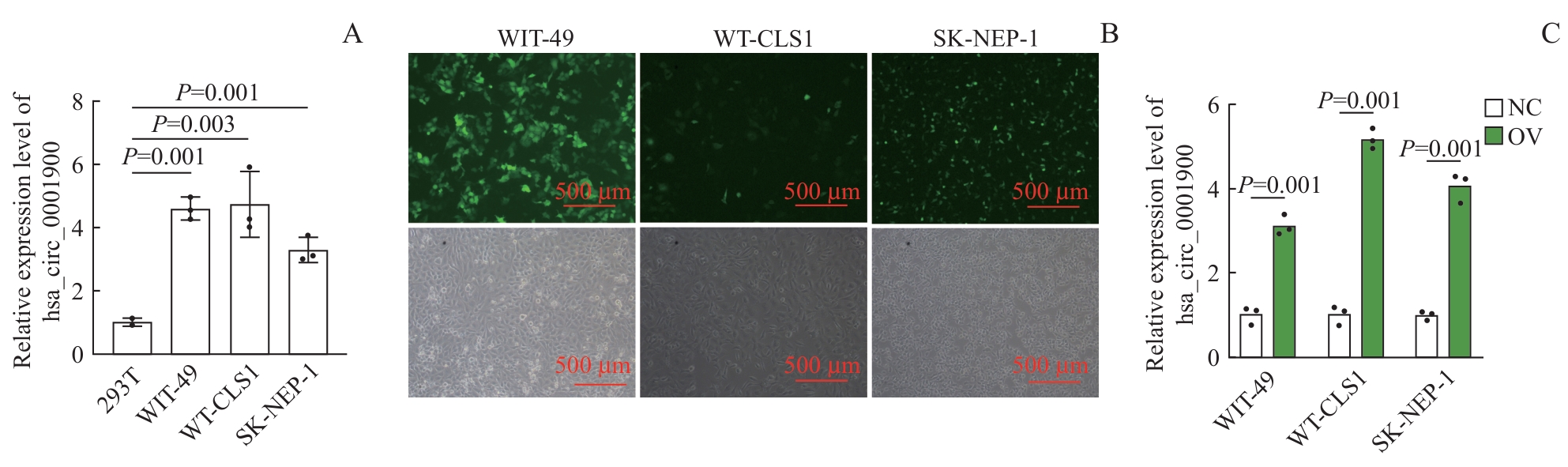
Fig 1 Construction of Wilms tumor cell lines with stable overexpression of hsa_circ_0001900 using lentiviral Vectors
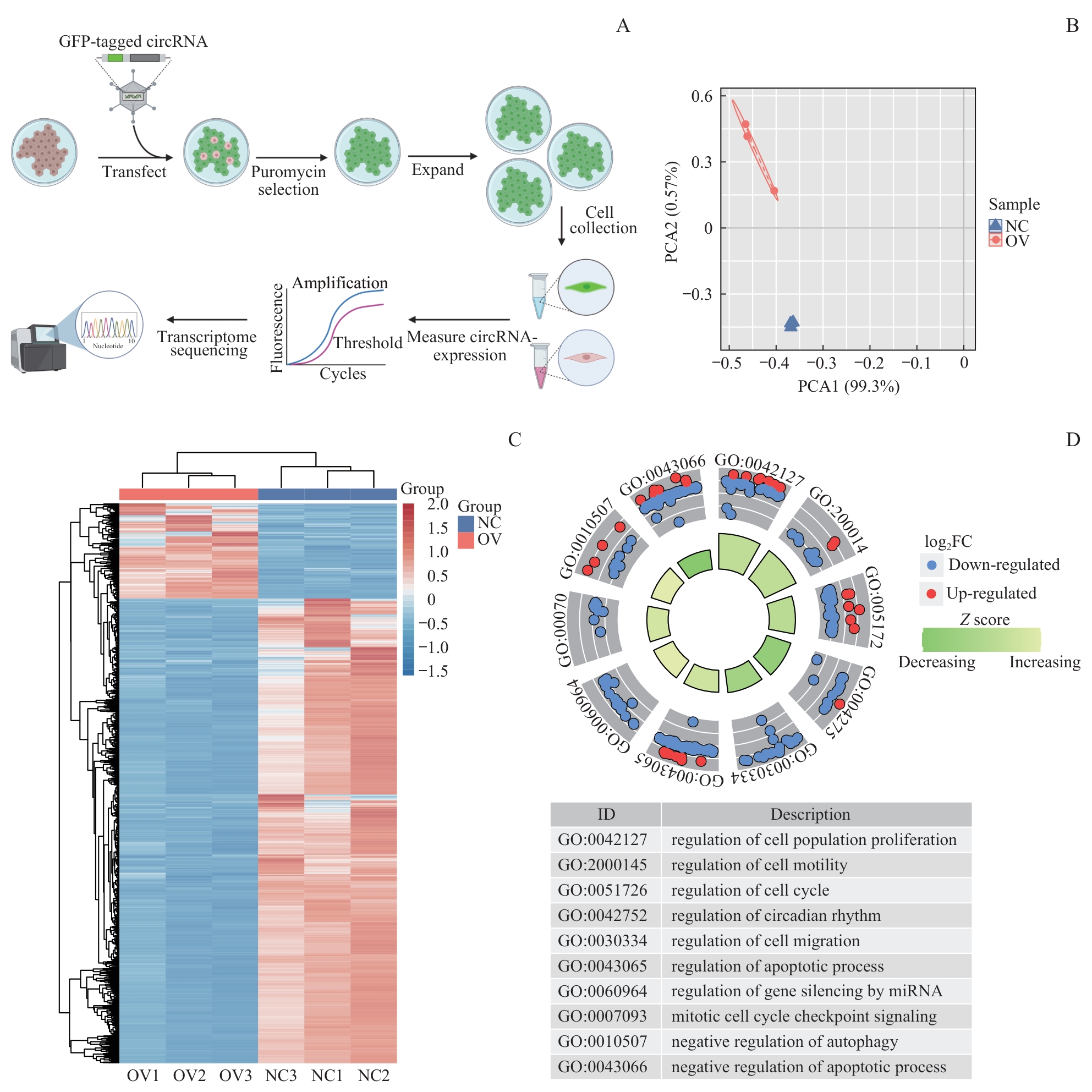
Fig 2 Transcriptome sequencing and bioinformatics analyses based on stably transfected cell lines
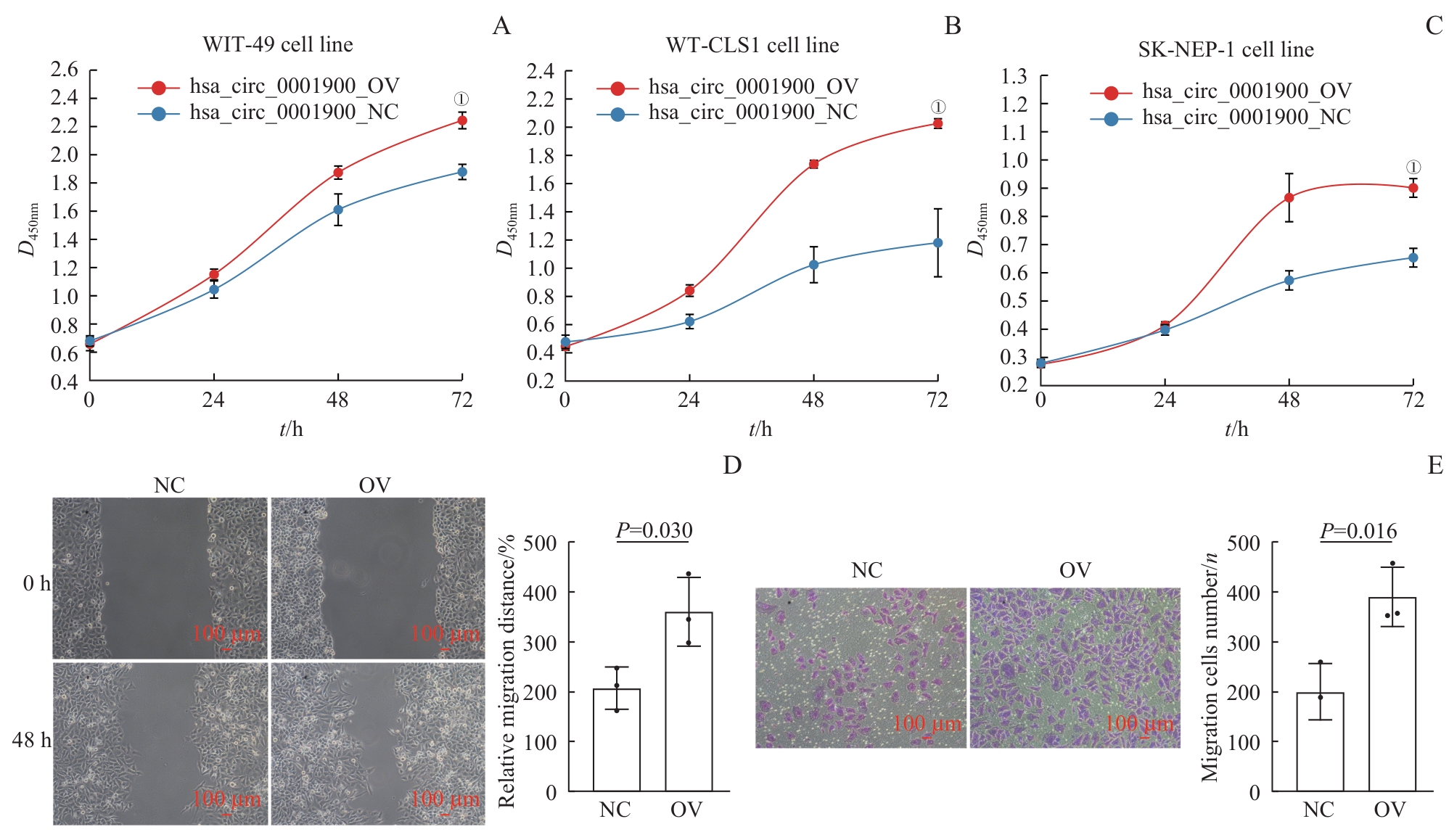
Fig 3 Overexpression of hsa_circ_0001900 promotes proliferation, migration, and invasion of Wilms tumor cells in vitro
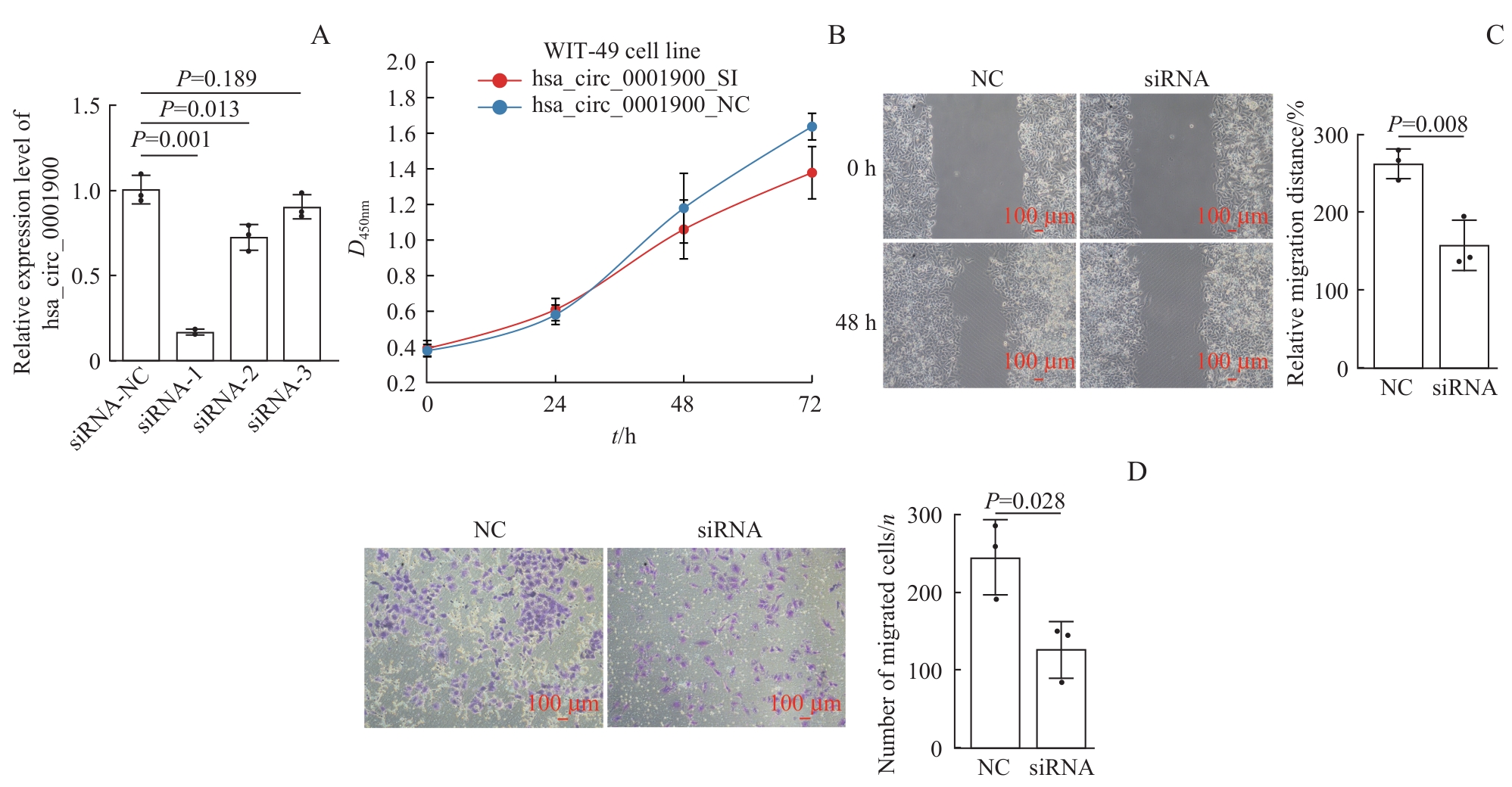
Fig 4 Silencing hsa_circ_0001900 inhibits the proliferation, migration, and invasion of Wilms tumor cells
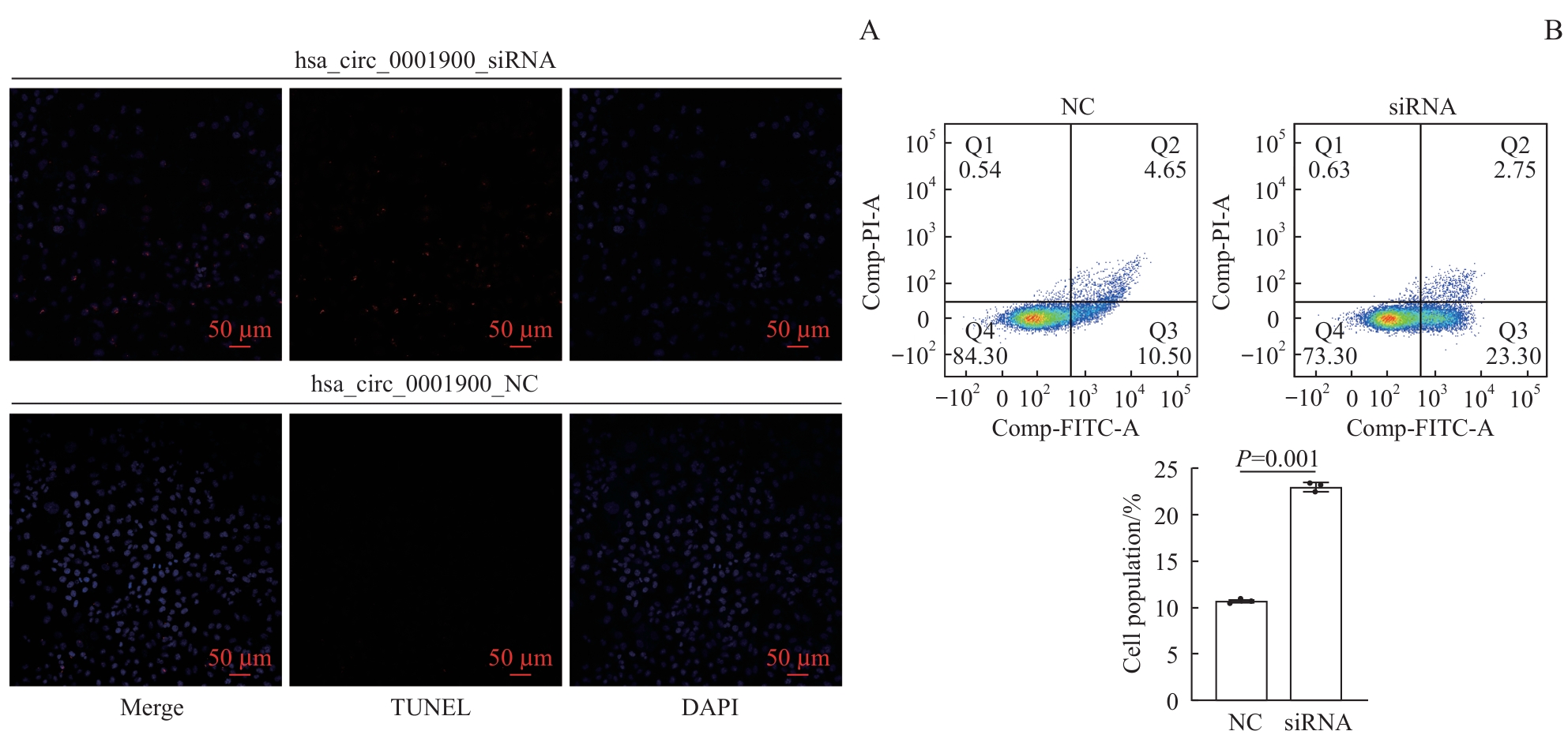
Fig 5 Silencing hsa_circ_0001900 induces apoptosis in WIT-49 Wilms tumor cells
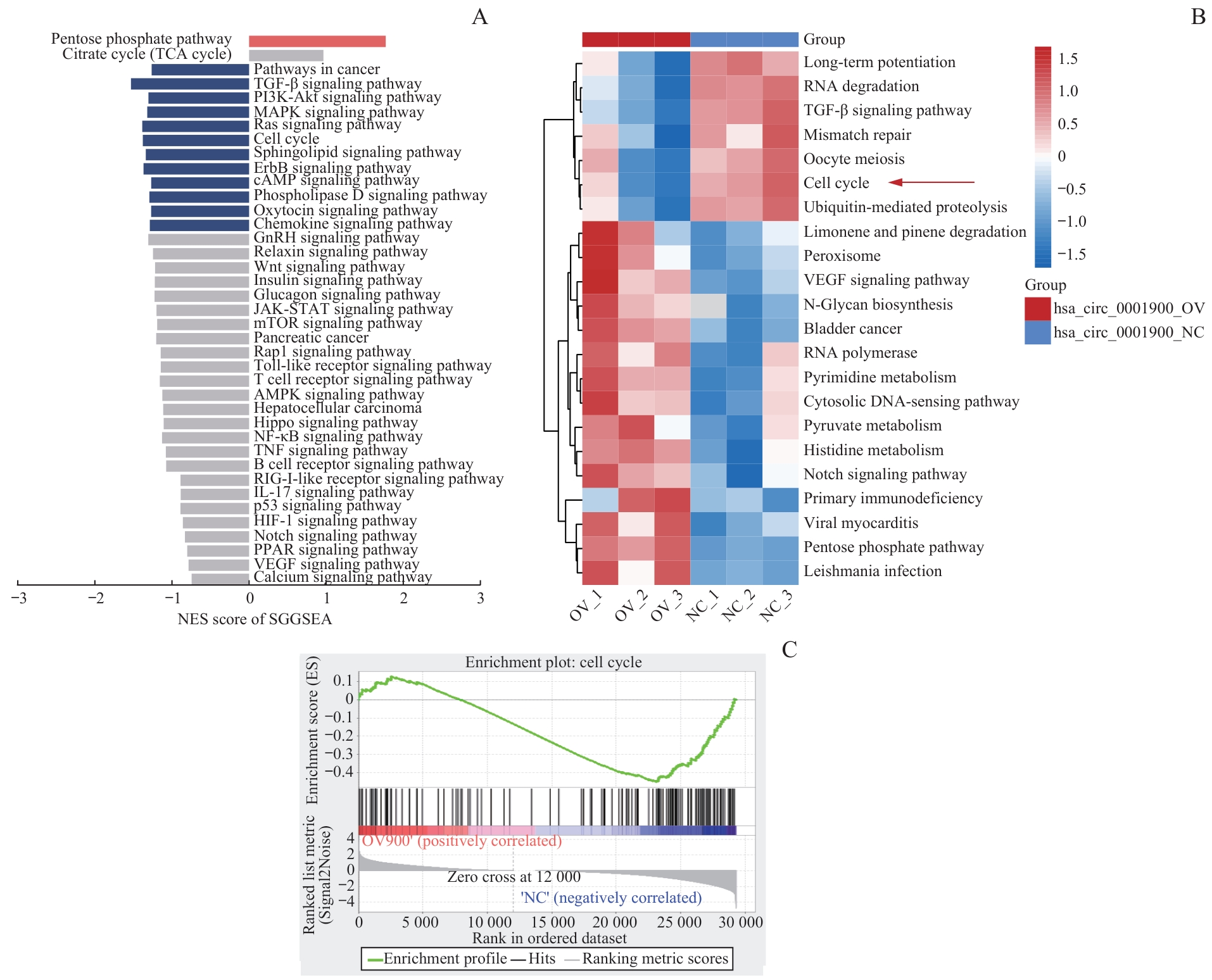
Fig 6 GSEA, GSVA, and key mechanism prediction of hsa_circ_0001900 based on transcriptome sequencing
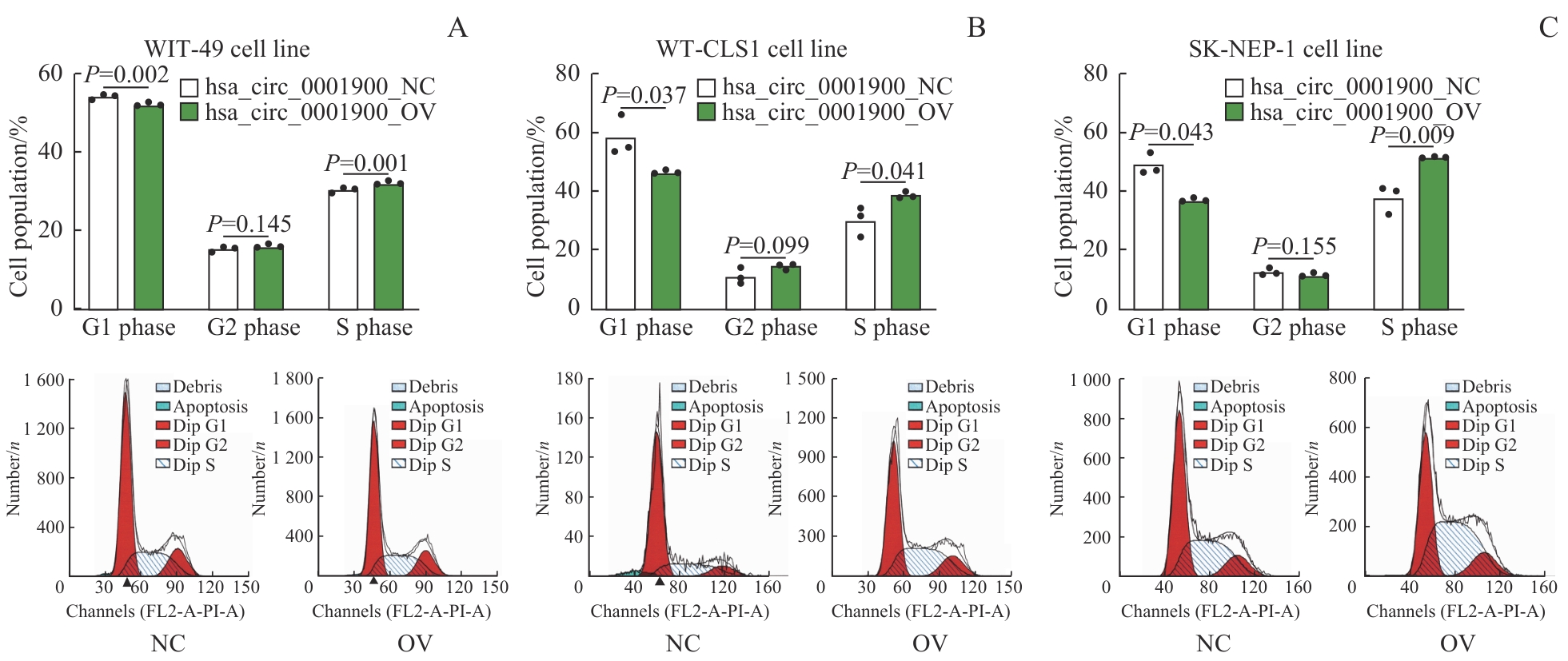
Fig 7 hsa_circ_0001900 regulates the cell cycle pathway in Wilms tumor cells by promoting G1/S phase transition
| [1] | Sanger H L, Klotz G, Riesner D, et al. Viroids are single-stranded covalently closed circular RNA molecules existing as highly base-paired rod-like structures[J]. Proc Natl Acad Sci U S A, 1976, 73(11): 3852-3856. |
| [2] | Cocquerelle C, Mascrez B, Hétuin D, et al. Mis-splicing yields circular RNA molecules[J]. FASEB J, 1993, 7(1): 155-160. |
| [3] | Capel B, Swain A, Nicolis S, et al. Circular transcripts of the testis-determining gene Sry in adult mouse testis[J]. Cell, 1993, 73(5): 1019-1030. |
| [4] | Salzman J, Gawad C, Wang P L, et al. Circular RNAs are the predominant transcript isoform from hundreds of human genes in diverse cell types[J]. PLoS One, 2012, 7(2): e30733. |
| [5] | Ivanov A, Memczak S, Wyler E, et al. Analysis of intron sequences reveals hallmarks of circular RNA biogenesis in animals[J]. Cell Rep, 2015, 10(2): 170-177. |
| [6] | Salzman J, Chen R E, Olsen M N, et al. Cell-type specific features of circular RNA expression[J]. PLoS Genet, 2013, 9(9): e1003777. |
| [7] | Xia S Y, Feng J, Lei L J, et al. Comprehensive characterization of tissue-specific circular RNAs in the human and mouse genomes[J]. Brief Bioinform, 2017, 18(6): 984-992. |
| [8] | Memczak S, Jens M, Elefsinioti A, et al. Circular RNAs are a large class of animal RNAs with regulatory potency[J]. Nature, 2013, 495(7441): 333-338. |
| [9] | Fletcher K, Klosterman S J, Derevnina L, et al. Comparative genomics of downy mildews reveals potential adaptations to biotrophy[J]. BMC Genomics, 2018, 19(1): 851. |
| [10] | Gruner H, Cortés-López M, Cooper D A, et al. CircRNA accumulation in the aging mouse brain[J]. Sci Rep, 2016, 6: 38907. |
| [11] | Han B, Chao J, Yao H H. Circular RNA and its mechanisms in disease: from the bench to the clinic[J]. Pharmacol Ther, 2018, 187: 31-44. |
| [12] | Vo J N, Cieslik M, Zhang Y J, et al. The landscape of circular RNA in cancer[J]. Cell, 2019, 176(4): 869-881.e13. |
| [13] | Tian X M, Xiang B, Zhang Z X, et al. The regulatory network and role of the circRNA-miRNA-mRNA ceRNA network in the progression and the immune response of wilms tumor based on RNA-seq[J]. Front Genet, 2022, 13: 849941. |
| [14] | 高志强, 林洁, 洪鹏, 等. 高通量环状RNA测序揭示hsa_circ_0001900在肾母细胞瘤中特异性高表达且与不良预后相关[J]. 南方医科大学学报, 2025, 45(11): 2466-2474. |
| Gao Z Q, Lin J, Hong P, et al. High-throughput circular RNA sequencing reveals tumor-specific high expression of hsa_circ_0001900 in Wilms tumor in association with poor prognosis[J]. Journal of Southern Medical University, 2025, 45(11): 2466-2474. | |
| [15] | Wang Y A, Yan Q J, Mo Y Z, et al. Splicing factor derived circular RNA circCAMSAP1 accelerates nasopharyngeal carcinoma tumorigenesis via a SERPINH1/c-Myc positive feedback loop[J]. Mol Cancer, 2022, 21(1): 62. |
| [16] | Luo Z J, Lu L B, Tang Q L, et al. CircCAMSAP1 promotes hepatocellular carcinoma progression through miR-1294/GRAMD1A pathway[J]. J Cell Mol Med, 2021, 25(8): 3793-3802. |
| [17] | Zhou C, Liu H S, Wang F W, et al. circCAMSAP1 promotes tumor growth in colorectal cancer via the miR-328-5p/E2F1 axis[J]. Mol Ther, 2020, 28(3): 914-928. |
| [18] | Buchfink B, Xie C, Huson D H. Fast and sensitive protein alignment using DIAMOND[J]. Nat Methods, 2015, 12(1): 59-60. |
| [19] | Robinson M D, McCarthy D J, Smyth G K. edgeR: a Bioconductor package for differential expression analysis of digital gene expression data[J]. Bioinformatics, 2010, 26(1): 139-140. |
| [20] | Subramanian A, Tamayo P, Mootha V K, et al. Gene set enrichment analysis: a knowledge-based approach for interpreting genome-wide expression profiles[J]. Proc Natl Acad Sci U S A, 2005, 102(43): 15545-15550. |
| [21] | Hänzelmann S, Castelo R, Guinney J. GSVA gene set variation analysis for microarray and RNA-seq data[J]. BMC Bioinform, 2013, 14: 7. |
| [22] | Ritchie M E, Phipson B, Wu D, et al. Limma powers differential expression analyses for RNA-sequencing and microarray studies[J]. Nucleic Acids Res, 2015, 43(7): e47. |
| [23] | Hwang H J, Kim Y K. Molecular mechanisms of circular RNA translation[J]. Exp Mol Med, 2024, 56(6): 1272-1280. |
| [24] | Zhang S B, Lin S Y, Liu M, et al. CircAnks1a in the spinal cord regulates hypersensitivity in a rodent model of neuropathic pain[J]. Nat Commun, 2019, 10: 4119. |
| [25] | Li H, Xu J D, Fang X H, et al. Circular RNA circRNA_000203 aggravates cardiac hypertrophy via suppressing miR-26b-5p and miR-140-3p binding to Gata4[J]. Cardiovasc Res, 2020, 116(7): 1323-1334. |
| [26] | Jiang Q, Liu C, Li C P, et al. Circular RNA-ZNF532 regulates diabetes-induced retinal pericyte degeneration and vascular dysfunction[J]. J Clin Invest, 2020, 130(7): 3833-3847. |
| [27] | Goodall G J, Wickramasinghe V O. RNA in cancer[J]. Nat Rev Cancer, 2021, 21(1): 22-36. |
| [28] | Liu Z H, Zhou Y, Liang G H, et al. Circular RNA hsa_circ_001783 regulates breast cancer progression via sponging miR-200c-3p[J]. Cell Death Dis, 2019, 10(2): 55. |
| [29] | Xie H J, Ren X L, Xin S N, et al. Emerging roles of circRNA_001569 targeting miR-145 in the proliferation and invasion of colorectal cancer[J]. Oncotarget, 2016, 7(18): 26680-26691. |
| [30] | Wang X L, Li J X, Bian X, et al. CircURI1 interacts with hnRNPM to inhibit metastasis by modulating alternative splicing in gastric cancer[J]. Proc Natl Acad Sci U S A, 2021, 118(33): e2012881118. |
| [31] | Rubin S M, Sage J, Skotheim J M. Integrating old and new paradigms of G1/S control[J]. Mol Cell, 2020, 80(2): 183-192. |
| [32] | Liu F, Qu R F, Yang L M, et al. Circular RNA controls tumor occurrence and development via cell cycle regulation[J]. Onco Targets Ther, 2022, 15: 993-1009. |
| [33] | Chao F, Wang S Y, Zhang C, et al. The emerging role of circular RNAs in prostate cancer: a systematic review[J]. Front Cell Dev Biol, 2021, 9: 681163. |
| [34] | Zhang N, Wang X J, Li Y, et al. Mechanisms and therapeutic implications of gene expression regulation by circRNA-protein interactions in cancer[J]. Commun Biol, 2025, 8(1): 77. |
| [35] | Kristensen L S, Andersen M S, Stagsted L V W, et al. The biogenesis, biology and characterization of circular RNAs[J]. Nat Rev Genet, 2019, 20(11): 675-691. |
| [36] | He A T, Liu J L, Li F Y, et al. Targeting circular RNAs as a therapeutic approach: current strategies and challenges[J]. Signal Transduct Target Ther, 2021, 6: 185. |
| [37] | Zhang Y, Xue W, Li X, et al. The biogenesis of nascent circular RNAs[J]. Cell Rep, 2016, 15(3): 611-624. |
| [1] | HAN Yishan, XU Ziqi, TAO Mengyu, FAN Guangjian, YU Bo. PRMT6 promotes the proliferation and migration of breast cancer cells [J]. Journal of Shanghai Jiao Tong University (Medical Science), 2024, 44(8): 999-1010. |
| [2] | XUE Yu, ZHANG Hailong, LEI Ming. Expression of cancer-testis antigen SPANXB and its mechanism in affecting hepatocellular carcinoma progress [J]. Journal of Shanghai Jiao Tong University (Medical Science), 2024, 44(7): 801-813. |
| [3] | WANG Wei, WANG Hongli, ALIBIYATI·i Ain, YILIYAER· Rousu, AYI NUER, YANG Liang. Function of vasohibin-2 and the mechanism of alternative splicing in triple-negative breast cancer [J]. Journal of Shanghai Jiao Tong University (Medical Science), 2024, 44(12): 1526-1535. |
| [4] | PENG Tian, XU Leiming. Crosstalk between epigenetic modification and circRNA in colorectal cancer: recent advances [J]. Journal of Shanghai Jiao Tong University (Medical Science), 2023, 43(2): 237-243. |
| [5] | FU Lirong, ZHANG Chen. Advances in the role of circular RNA in schizophrenia [J]. Journal of Shanghai Jiao Tong University (Medical Science), 2023, 43(11): 1445-1449. |
| [6] | WANG Lanxi, MA Guanrong, JIANG Yongzhu, CHANG Xiulin, FANG Liaoqiong, BAI Jin. Effects of Escherichia coli outer membrane vesicles on proliferation of breast cancer cells and tumor growth of tumor-bearing mice [J]. Journal of Shanghai Jiao Tong University (Medical Science), 2023, 43(10): 1245-1254. |
| [7] | ZONG Chunyan, HE Jie, ZHANG Zhe, JIA Renbing, SHEN Jianfeng. Role of APOBEC3B in regulating replication stress of uveal melanoma [J]. Journal of Shanghai Jiao Tong University (Medical Science), 2022, 42(8): 1034-1044. |
| [8] | XU Feixiang, WANG Sheng, XUE Mingming, TONG Chaoyang, CHEN Yumei. Effect of altered expression of long non-coding RNA-B230352I09 on proliferation and cycle of H9C2 cardiomyocytes [J]. Journal of Shanghai Jiao Tong University (Medical Science), 2022, 42(5): 578-582. |
| [9] | Wei HE, Yong ZUO. Effect of oridonin up-regulating PLK1 on the cell cycle of Jurkat cells [J]. JOURNAL OF SHANGHAI JIAOTONG UNIVERSITY (MEDICAL SCIENCE), 2021, 41(5): 603-611. |
| [10] | Zhong-mao FU, Zai LUO, Ze-yin RONG, Jian-ming ZHANG, Teng-fei LI, Zhi-long YU, Chen HUANG. Study on the function and prognosis of circular RNA in colorectal cancer tissues based on high-throughput sequencing [J]. JOURNAL OF SHANGHAI JIAOTONG UNIVERSITY (MEDICAL SCIENCE), 2021, 41(2): 187-195. |
| [11] | Chen-jie XIE, Yi-jin GAO, Min-zhi YIN, Jiao-yang CAI, An-an ZHANG, Yue-jia TANG, Song GU, Ci PAN, Jing-yan TANG, Min XU. Surgical and oncological outcome of 79 consecutive patients with unilateral favorable histology Wilms tumor treated in one single institution following an upfront tumor surgical strategy [J]. JOURNAL OF SHANGHAI JIAOTONG UNIVERSITY (MEDICAL SCIENCE), 2021, 41(10): 1330-1335. |
| [12] | GU Xiao-ping1, CHEN Meng-ping1, LIANG A-juan2, LIU Yun-xia1, SUN Hai-peng1, HUANG Ying1. Regulation of mitochondrial carrier SLC25A13 on breast cancer cell cycle in vitro [J]. , 2019, 39(8): 848-. |
| [13] | WANG Jia-lin, JI Di, CHEN Xiang, YANG Bo, YU Lin. Effect of miR-218-2-3P on proliferation and apoptosis of NK/T-cell lymphomatargeting SIN3A [J]. , 2019, 39(12): 1394-. |
| [14] | DI Fang-fang, LIU Jian-sheng, LI Shang, DU Yan-zhi . Progress on roles and mechanisms of CCAAT/enhancer binding protein β in endometrium decidualization [J]. , 2017, 37(6): 865-. |
| [15] | WEI Ying-qing, ZHANG Lu, HU Yu-tong, ZHANG Jian, SHEN Ying . Novel small-molecule CDK2-cyclinA2 inhibitors: design, synthesis, and biological evaluation [J]. , 2017, 37(3): 330-. |
| Viewed | ||||||
|
Full text |
|
|||||
|
Abstract |
|
|||||
