
Journal of Shanghai Jiao Tong University (Medical Science) ›› 2025, Vol. 45 ›› Issue (12): 1606-1619.doi: 10.3969/j.issn.1674-8115.2025.12.006
• Evidence-based medicine • Previous Articles Next Articles
MA Huihua1,2, YAN Kuipo1( ), LIU Gang1, XU Yazhou1, ZHANG Lei1, SUN Yanqin1
Received:2025-04-17
Accepted:2025-06-17
Online:2025-12-28
Published:2025-12-28
Contact:
YAN Kuipo
E-mail:ykp19821122@163.com
Supported by:CLC Number:
MA Huihua, YAN Kuipo, LIU Gang, XU Yazhou, ZHANG Lei, SUN Yanqin. Causal relationship between gut microbiota and cardiovascular diseases: a bidirectional Mendelian randomization analysis[J]. Journal of Shanghai Jiao Tong University (Medical Science), 2025,(12): 1606-1619.
Add to citation manager EndNote|Ris|BibTeX
URL: https://xuebao.shsmu.edu.cn/EN/10.3969/j.issn.1674-8115.2025.12.006
| GWAS data ID | Disease | Sample size/n | Case/n | Control/n | Population |
|---|---|---|---|---|---|
| ebi-a-GCST006414 | AF | 1 030 836 | 60 620 | 970 216 | European |
| ebi-a-GCST005195 | CAD | 547 261 | 122 733 | 424 528 | European |
| ebi-a-GCST008036 | Hypertension | 20 526 | 11 863 | 8 663 | European |
| ebi-a-GCST009541 | HF | 977 323 | 47 309 | 930 014 | European |
Tab 1 GWAS datasets for CVD
| GWAS data ID | Disease | Sample size/n | Case/n | Control/n | Population |
|---|---|---|---|---|---|
| ebi-a-GCST006414 | AF | 1 030 836 | 60 620 | 970 216 | European |
| ebi-a-GCST005195 | CAD | 547 261 | 122 733 | 424 528 | European |
| ebi-a-GCST008036 | Hypertension | 20 526 | 11 863 | 8 663 | European |
| ebi-a-GCST009541 | HF | 977 323 | 47 309 | 930 014 | European |
| Outcome | Exposure | MR method | SNP/n | β | se | OR (95%CI) | P value | Correct causal direction | P value (Steiger test) |
|---|---|---|---|---|---|---|---|---|---|
| AF | |||||||||
| Catenibacterium | IVW | 5 | 0.05 | 0.025 | 1.057 (1.005‒1.112) | 0.030 | True | 4.85×10⁻⁶ | |
| Victivallales | IVW | 8 | -0.06 | 0.023 | 0.939 (0.896‒0.984) | 0.008 | True | 1.52×10⁻⁶ | |
| Howardella | IVW | 10 | -0.06 | 0.019 | 0.939 (0.904‒0.977) | 0.001 | True | 3.04×10⁻⁵ | |
| Lachnospiraceae UCG008 | IVW | 11 | 0.04 | 0.025 | 1.051 (1.001‒1.104) | 0.047 | True | 2.52×10⁻⁷ | |
| Anaerostipes | IVW | 13 | -0.08 | 0.037 | 0.922 (0.857‒0.993) | 0.030 | True | 5.20×10⁻⁶ | |
| Bifidobacteriaceae | IVW | 11 | -0.08 | 0.034 | 0.916 (0.855‒0.980) | 0.011 | True | 1.42×10⁻⁵ | |
| Lentisphaeria | IVW | 8 | -0.06 | 0.024 | 0.936 (0.887‒0.983) | 0.003 | True | 3.96×10⁻⁶ | |
| Streptococcus | IVW | 15 | 0.08 | 0.039 | 1.089 (1.008‒1.177) | 0.029 | True | 9.37×10⁻⁶ | |
| Victivallis | IVW | 10 | 0.03 | 0.018 | 1.038 (1.001‒1.077) | 0.043 | True | 4.62×10⁻⁶ | |
| Odoribacter | IVW | 7 | -0.09 | 0.046 | 0.909 (0.831‒0.996) | 0.040 | True | 1.81×10⁻⁵ | |
| Intestinibacter | IVW | 15 | -0.06 | 0.031 | 0.933 (0.877‒0.993) | 0.028 | True | 2.28×10⁻⁶ | |
| Lentisphaerae | IVW | 9 | -0.07 | 0.022 | 0.926 (0.886‒0.968) | <0.001 | True | 5.06×10⁻⁶ | |
| Bifidobacteriales | IVW | 11 | -0.08 | 0.034 | 0.916 (0.855‒0.980) | 0.011 | True | 1.35×10⁻⁵ | |
| CAD | |||||||||
| Lactobacillales | IVW | 15 | -0.08 | 0.032 | 0.919 (0.862‒0.980) | 0.010 | True | 9.28×10⁻⁷ | |
| Veillonellaceae | IVW | 19 | 0.06 | 0.026 | 1.065 (1.011‒1.122) | 0.018 | True | 1.21×10⁻⁵ | |
| Parabacteroides | IVW | 6 | -0.14 | 0.050 | 0.866 (0.784‒0.956) | 0.004 | True | 6.31×10⁻⁵ | |
| Lachnospiraceae | IVW | 17 | 0.09 | 0.038 | 1.094 (1.012‒1.183) | 0.023 | True | 7.23×10⁻⁶ | |
| Lachnoclostridium | IVW | 13 | 0.08 | 0.039 | 1.093 (1.011‒1.181) | 0.025 | True | 9.14×10⁻⁵ | |
| Oxalobacter | IVW | 11 | 0.05 | 0.020 | 1.062 (1.019‒1.106) | 0.004 | True | 6.05×10⁻⁶ | |
| Odoribacter | IVW | 7 | 0.14 | 0.047 | 1.160 (1.056‒1.275) | 0.001 | True | 6.42×10⁻⁷ | |
| Hypertension | |||||||||
| Mollicutes RF9 | IVW | 13 | -0.16 | 0.068 | 0.851 (0.743‒0.974) | 0.019 | True | 7.23×10⁻⁵ | |
| Peptococcaceae | IVW | 9 | 0.20 | 0.086 | 1.230 (1.038‒1.458) | 0.016 | True | 2.07×10⁻⁵ | |
| Christensenellaceae R7 group | IVW | 10 | 0.19 | 0.100 | 1.218 (1.001‒1.483) | 0.049 | True | 9.97×10⁻⁵ | |
| Coriobacteriales | IVW | 14 | -0.21 | 0.085 | 0.803 (0.679‒0.950) | 0.010 | True | 0.001 | |
| Coriobacteriia | IVW | 14 | -0.21 | 0.085 | 0.803 (0.679‒0.950) | 0.010 | True | 0.002 | |
| Desulfovibrio | IVW | 10 | 0.15 | 0.062 | 1.167 (1.033‒1.318) | 0.012 | True | 0.007 | |
| Coriobacteriaceae | IVW | 14 | -0.21 | 0.085 | 0.803 (0.679‒0.950) | 0.010 | true | 0.007 | |
| Intestinibacter | IVW | 15 | -0.19 | 0.083 | 0.819 (0.696‒0.965) | 0.010 | True | 0.015 | |
| HF | |||||||||
| Ruminococcaceae UCG009 | IVW | 12 | 0.06 | 0.030 | 1.107 (1.009‒1.137) | 0.022 | True | 6.12×10⁻⁶ | |
| Eubacterium oxidoreducens group | IVW | 4 | 0.11 | 0.043 | 1.117 (1.026‒1.215) | 0.010 | True | 3.26×10⁻⁵ | |
| Bacillales | IVW | 9 | -0.04 | 0.022 | 0.955 (0.913‒0.998) | 0.010 | True | 5.84×10⁻⁶ | |
| Selenomonadales | IVW | 12 | 0.10 | 0.044 | 1.106 (1.013‒1.208) | 0.023 | True | 1.53×10⁻⁵ | |
| Anaerostipes | IVW | 13 | -0.10 | 0.043 | 0.899 (0.825‒0.974) | 0.013 | True | 3.77×10⁻⁶ | |
| Negativicutes | IVW | 12 | 0.10 | 0.044 | 1.107 (1.014‒1.208) | 0.023 | True | 4.48×10⁻⁵ | |
| Eubacterium eligens group | IVW | 7 | 0.13 | 0.057 | 1.139 (1.019‒1.274) | 0.022 | True | 6.43×10⁻⁶ | |
| Flavonifractor | IVW | 5 | 0.13 | 0.053 | 1.144 (1.031‒1.270) | 0.011 | True | 1.06×10⁻⁵ |
Tab 2 Causal relationship between gut microbiota and CVD based on IVW method
| Outcome | Exposure | MR method | SNP/n | β | se | OR (95%CI) | P value | Correct causal direction | P value (Steiger test) |
|---|---|---|---|---|---|---|---|---|---|
| AF | |||||||||
| Catenibacterium | IVW | 5 | 0.05 | 0.025 | 1.057 (1.005‒1.112) | 0.030 | True | 4.85×10⁻⁶ | |
| Victivallales | IVW | 8 | -0.06 | 0.023 | 0.939 (0.896‒0.984) | 0.008 | True | 1.52×10⁻⁶ | |
| Howardella | IVW | 10 | -0.06 | 0.019 | 0.939 (0.904‒0.977) | 0.001 | True | 3.04×10⁻⁵ | |
| Lachnospiraceae UCG008 | IVW | 11 | 0.04 | 0.025 | 1.051 (1.001‒1.104) | 0.047 | True | 2.52×10⁻⁷ | |
| Anaerostipes | IVW | 13 | -0.08 | 0.037 | 0.922 (0.857‒0.993) | 0.030 | True | 5.20×10⁻⁶ | |
| Bifidobacteriaceae | IVW | 11 | -0.08 | 0.034 | 0.916 (0.855‒0.980) | 0.011 | True | 1.42×10⁻⁵ | |
| Lentisphaeria | IVW | 8 | -0.06 | 0.024 | 0.936 (0.887‒0.983) | 0.003 | True | 3.96×10⁻⁶ | |
| Streptococcus | IVW | 15 | 0.08 | 0.039 | 1.089 (1.008‒1.177) | 0.029 | True | 9.37×10⁻⁶ | |
| Victivallis | IVW | 10 | 0.03 | 0.018 | 1.038 (1.001‒1.077) | 0.043 | True | 4.62×10⁻⁶ | |
| Odoribacter | IVW | 7 | -0.09 | 0.046 | 0.909 (0.831‒0.996) | 0.040 | True | 1.81×10⁻⁵ | |
| Intestinibacter | IVW | 15 | -0.06 | 0.031 | 0.933 (0.877‒0.993) | 0.028 | True | 2.28×10⁻⁶ | |
| Lentisphaerae | IVW | 9 | -0.07 | 0.022 | 0.926 (0.886‒0.968) | <0.001 | True | 5.06×10⁻⁶ | |
| Bifidobacteriales | IVW | 11 | -0.08 | 0.034 | 0.916 (0.855‒0.980) | 0.011 | True | 1.35×10⁻⁵ | |
| CAD | |||||||||
| Lactobacillales | IVW | 15 | -0.08 | 0.032 | 0.919 (0.862‒0.980) | 0.010 | True | 9.28×10⁻⁷ | |
| Veillonellaceae | IVW | 19 | 0.06 | 0.026 | 1.065 (1.011‒1.122) | 0.018 | True | 1.21×10⁻⁵ | |
| Parabacteroides | IVW | 6 | -0.14 | 0.050 | 0.866 (0.784‒0.956) | 0.004 | True | 6.31×10⁻⁵ | |
| Lachnospiraceae | IVW | 17 | 0.09 | 0.038 | 1.094 (1.012‒1.183) | 0.023 | True | 7.23×10⁻⁶ | |
| Lachnoclostridium | IVW | 13 | 0.08 | 0.039 | 1.093 (1.011‒1.181) | 0.025 | True | 9.14×10⁻⁵ | |
| Oxalobacter | IVW | 11 | 0.05 | 0.020 | 1.062 (1.019‒1.106) | 0.004 | True | 6.05×10⁻⁶ | |
| Odoribacter | IVW | 7 | 0.14 | 0.047 | 1.160 (1.056‒1.275) | 0.001 | True | 6.42×10⁻⁷ | |
| Hypertension | |||||||||
| Mollicutes RF9 | IVW | 13 | -0.16 | 0.068 | 0.851 (0.743‒0.974) | 0.019 | True | 7.23×10⁻⁵ | |
| Peptococcaceae | IVW | 9 | 0.20 | 0.086 | 1.230 (1.038‒1.458) | 0.016 | True | 2.07×10⁻⁵ | |
| Christensenellaceae R7 group | IVW | 10 | 0.19 | 0.100 | 1.218 (1.001‒1.483) | 0.049 | True | 9.97×10⁻⁵ | |
| Coriobacteriales | IVW | 14 | -0.21 | 0.085 | 0.803 (0.679‒0.950) | 0.010 | True | 0.001 | |
| Coriobacteriia | IVW | 14 | -0.21 | 0.085 | 0.803 (0.679‒0.950) | 0.010 | True | 0.002 | |
| Desulfovibrio | IVW | 10 | 0.15 | 0.062 | 1.167 (1.033‒1.318) | 0.012 | True | 0.007 | |
| Coriobacteriaceae | IVW | 14 | -0.21 | 0.085 | 0.803 (0.679‒0.950) | 0.010 | true | 0.007 | |
| Intestinibacter | IVW | 15 | -0.19 | 0.083 | 0.819 (0.696‒0.965) | 0.010 | True | 0.015 | |
| HF | |||||||||
| Ruminococcaceae UCG009 | IVW | 12 | 0.06 | 0.030 | 1.107 (1.009‒1.137) | 0.022 | True | 6.12×10⁻⁶ | |
| Eubacterium oxidoreducens group | IVW | 4 | 0.11 | 0.043 | 1.117 (1.026‒1.215) | 0.010 | True | 3.26×10⁻⁵ | |
| Bacillales | IVW | 9 | -0.04 | 0.022 | 0.955 (0.913‒0.998) | 0.010 | True | 5.84×10⁻⁶ | |
| Selenomonadales | IVW | 12 | 0.10 | 0.044 | 1.106 (1.013‒1.208) | 0.023 | True | 1.53×10⁻⁵ | |
| Anaerostipes | IVW | 13 | -0.10 | 0.043 | 0.899 (0.825‒0.974) | 0.013 | True | 3.77×10⁻⁶ | |
| Negativicutes | IVW | 12 | 0.10 | 0.044 | 1.107 (1.014‒1.208) | 0.023 | True | 4.48×10⁻⁵ | |
| Eubacterium eligens group | IVW | 7 | 0.13 | 0.057 | 1.139 (1.019‒1.274) | 0.022 | True | 6.43×10⁻⁶ | |
| Flavonifractor | IVW | 5 | 0.13 | 0.053 | 1.144 (1.031‒1.270) | 0.011 | True | 1.06×10⁻⁵ |
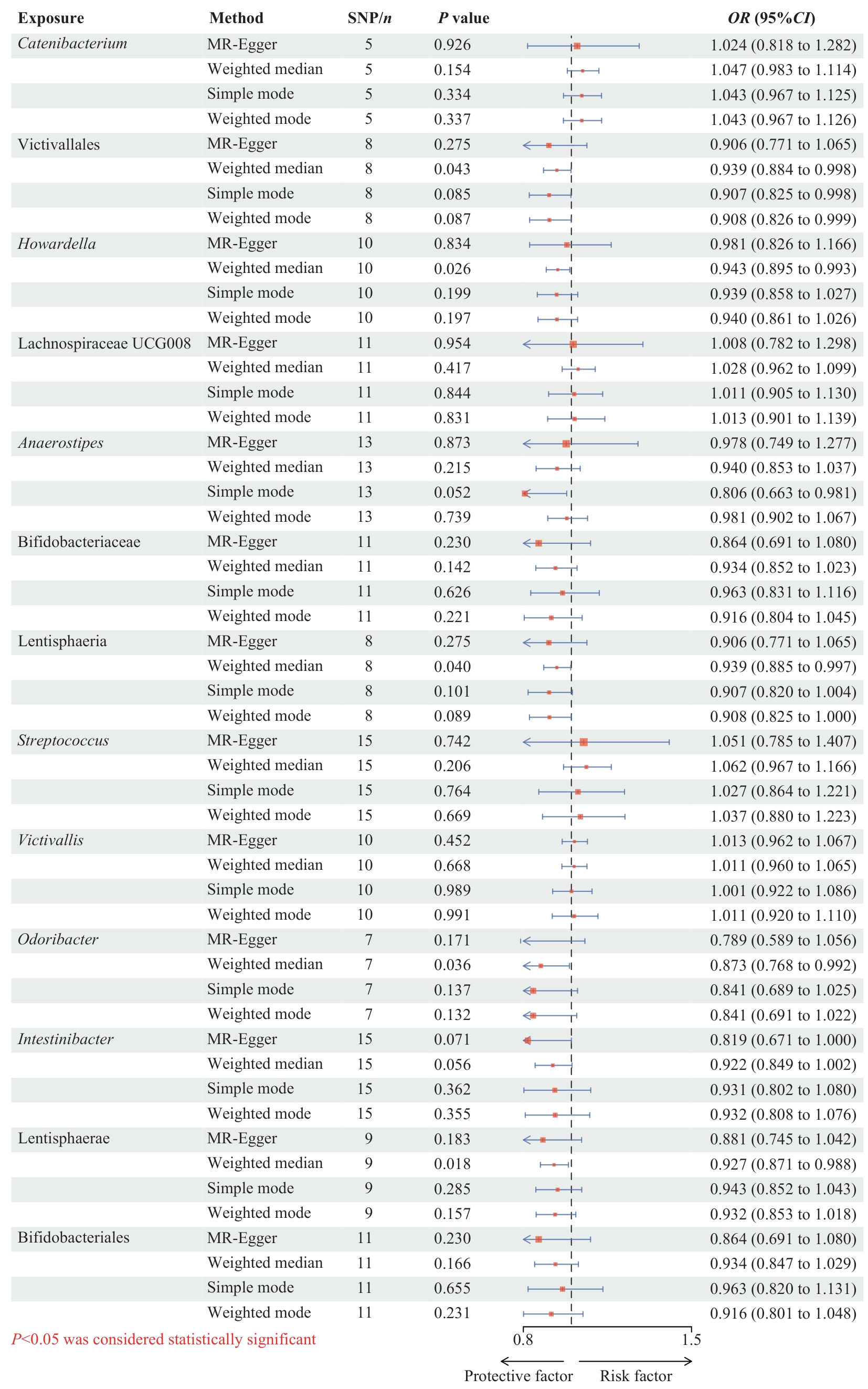
Fig 1 Forest plot of causal relationship between gut microbiota and AF based on 4 MR methods
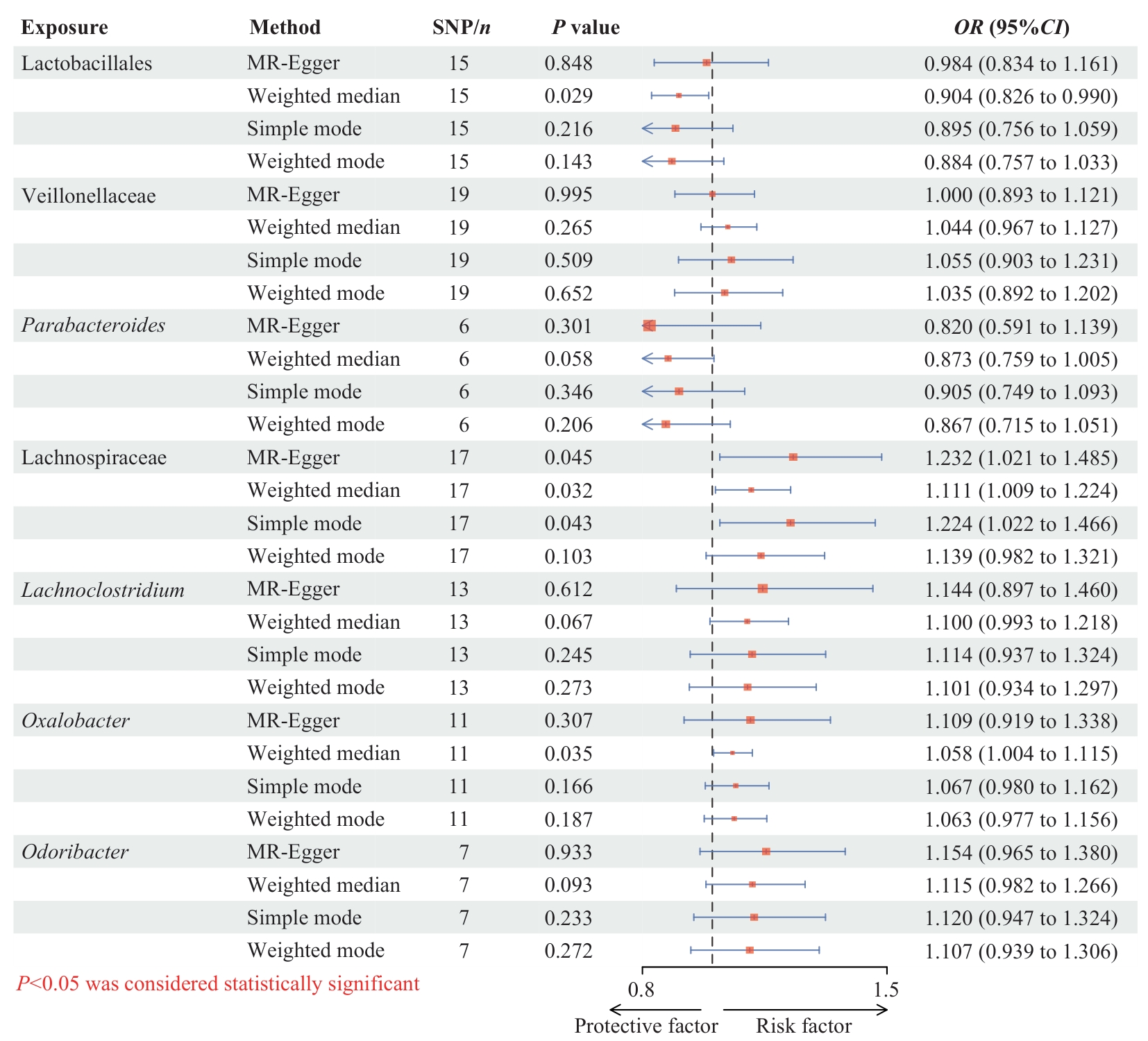
Fig 2 Forest plot of causal relationship between gut microbiota and CAD based on 4 MR methods
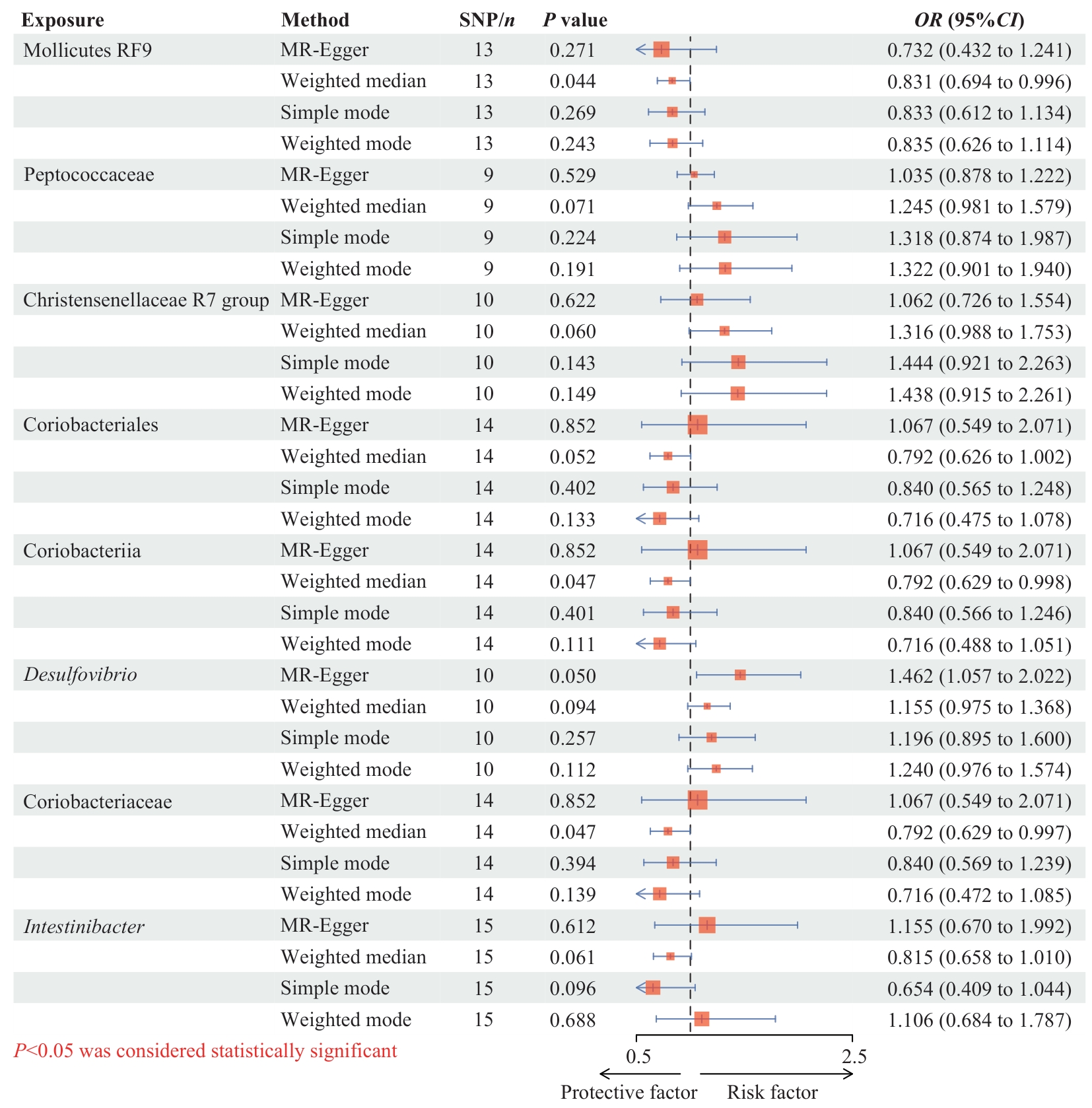
Fig 3 Forest plot of causal relationship between gut microbiota and hypertension based on 4 MR methods
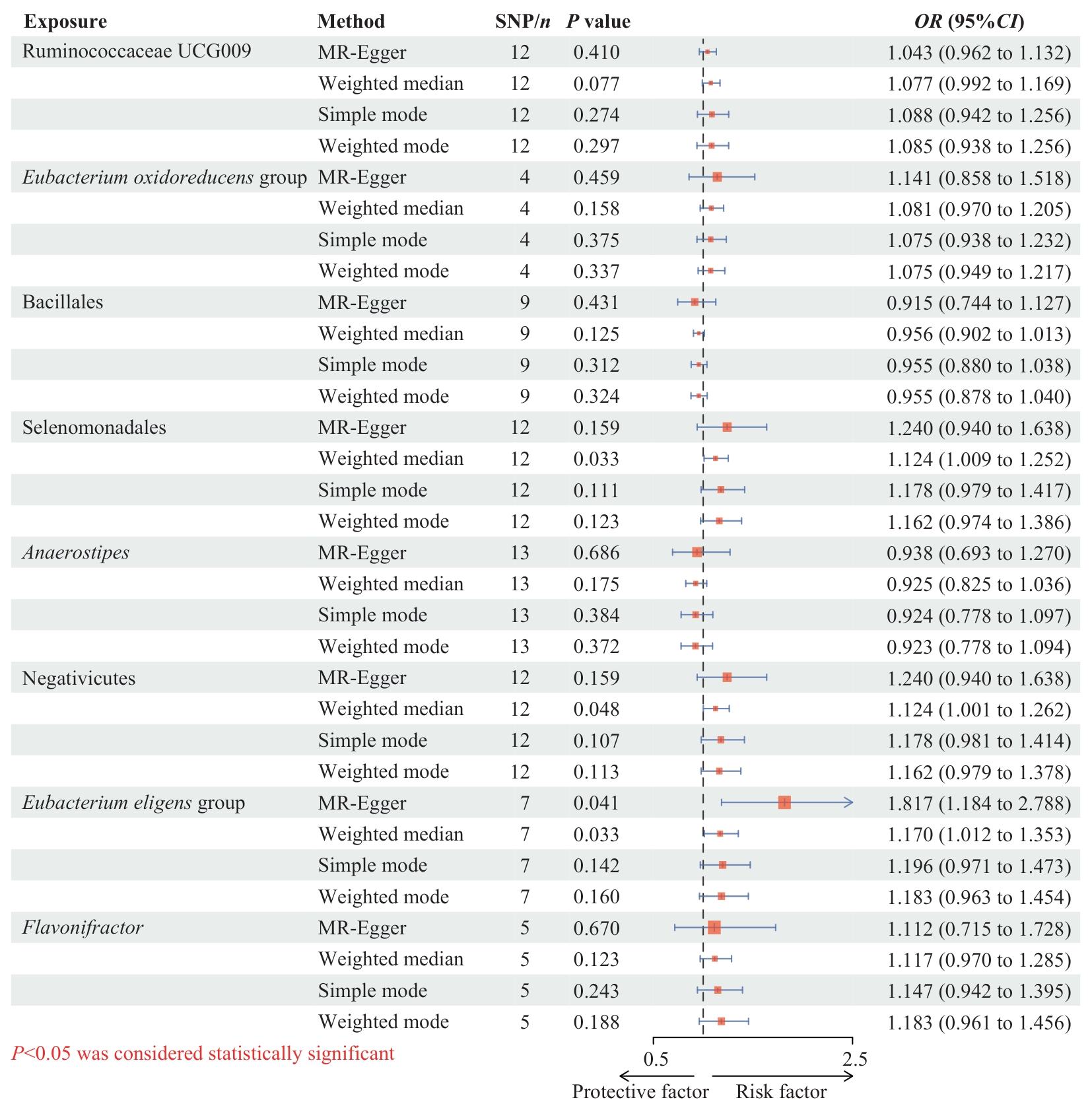
Fig 4 Forest plot of causal relationship between gut microbiota and HF based on 4 MR methods
| Outcome | Exposure | Cochran's Q | MR-Egger intercept | |||||
|---|---|---|---|---|---|---|---|---|
| MR-Egger | IVW | Intercept | P value | |||||
| Q value | P value | Q value | P value | |||||
| AF | ||||||||
| Catenibacterium | 0.370 | 0.946 | 0.488 | 0.974 | 0.010 | 0.753 | ||
| Victivallales | 3.948 | 0.683 | 4.155 | 0.761 | 0.005 | 0.665 | ||
| Howardella | 7.364 | 0.497 | 7.622 | 0.572 | -0.006 | 0.624 | ||
| Lachnospiraceae UCG008 | 8.051 | 0.528 | 8.162 | 0.612 | 0.004 | 0.747 | ||
| Anaerostipes | 12.334 | 0.339 | 12.561 | 0.402 | -0.003 | 0.661 | ||
| Bifidobacteriaceae | 8.821 | 0.453 | 9.111 | 0.521 | 0.004 | 0.603 | ||
| Lentisphaeria | 3.948 | 0.683 | 4.155 | 0.761 | 0.005 | 0.665 | ||
| Streptococcus | 20.126 | 0.092 | 20.223 | 0.123 | 0.002 | 0.807 | ||
| Victivallis | 7.007 | 0.535 | 8.153 | 0.518 | 0.019 | 0.315 | ||
| Odoribacter | 3.621 | 0.605 | 4.634 | 0.591 | 0.010 | 0.360 | ||
| Intestinibacter | 14.962 | 0.309 | 17.041 | 0.253 | 0.010 | 0.203 | ||
| Lentisphaerae | 7.455 | 0.383 | 7.841 | 0.449 | 0.007 | 0.566 | ||
| Bifidobacteriales | 8.821 | 0.454 | 9.111 | 0.521 | 0.004 | 0.603 | ||
| CAD | ||||||||
| Lactobacillales | 13.551 | 0.406 | 14.344 | 0.424 | -0.005 | 0.398 | ||
| Veillonellaceae | 14.934 | 0.528 | 1.741 | 0.495 | 0.005 | 0.241 | ||
| Parabacteroides | 4.608 | 0.329 | 4.742 | 0.448 | 0.005 | 0.750 | ||
| Lachnospiraceae | 21.818 | 0.112 | 24.485 | 0.079 | -0.008 | 0.195 | ||
| Lachnoclostridium | 5.378 | 0.911 | 6.793 | 0.870 | 0.011 | 0.259 | ||
| Oxalobacter | 3.473 | 0.942 | 3.692 | 0.960 | -0.006 | 0.650 | ||
| Odoribacter | 4.080 | 0.537 | 5.288 | 0.507 | 0.012 | 0.321 | ||
| Hypertension | ||||||||
| Mollicutes RF9 | 3.784 | 0.975 | 0.711 | 0.877 | <0.001 | 0.957 | ||
| Peptococcaceae | 5.131 | 0.643 | 0.331 | 0.178 | 0.055 | 0.358 | ||
| Christensenellaceae R7 group | 6.448 | 0.597 | 7.960 | 0.538 | 0.008 | 0.575 | ||
| Coriobacteriales | 8.827 | 0.717 | 9.577 | 0.728 | 0.012 | 0.575 | ||
| Coriobacteriia | 8.827 | 0.717 | 9.577 | 0.728 | 0.013 | 0.145 | ||
| Desulfovibrio | 3.323 | 0.912 | 7.960 | 0.538 | 0.222 | 0.253 | ||
| Coriobacteriaceae | 8.827 | 0.717 | 9.577 | 0.728 | -0.020 | 0.403 | ||
| Intestinibacter | 19.114 | 0.119 | 21.572 | 0.087 | -0.020 | 0.403 | ||
| HF | ||||||||
| Ruminococcaceae UCG009 | 8.939 | 0.537 | 10.956 | 0.446 | 0.017 | 0.185 | ||
| Eubacterium oxidoreducens group | 2.451 | 0.293 | 2.483 | 0.478 | -0.002 | 0.887 | ||
| Bacillales | 2.705 | 0.910 | 2.870 | 0.942 | 0.006 | 0.697 | ||
| Selenomonadales | 4.459 | 0.924 | 5.180 | 0.922 | -0.007 | 0.415 | ||
| Anaerostipes | 9.973 | 0.532 | 10.057 | 0.610 | -0.002 | 0.777 | ||
| Negativicutes | 4.459 | 0.924 | 5.180 | 0.922 | -0.007 | 0.415 | ||
| Eubacterium eligens group | 1.547 | 0.907 | 6.428 | 0.376 | -0.038 | 0.078 | ||
| Flavonifractor | 2.919 | 0.404 | 2.919 | 0.404 | 0.002 | 0.903 | ||
Tab 3 Heterogeneity and horizontal pleiotropy analysis of the effect of gut microbiota on CVD
| Outcome | Exposure | Cochran's Q | MR-Egger intercept | |||||
|---|---|---|---|---|---|---|---|---|
| MR-Egger | IVW | Intercept | P value | |||||
| Q value | P value | Q value | P value | |||||
| AF | ||||||||
| Catenibacterium | 0.370 | 0.946 | 0.488 | 0.974 | 0.010 | 0.753 | ||
| Victivallales | 3.948 | 0.683 | 4.155 | 0.761 | 0.005 | 0.665 | ||
| Howardella | 7.364 | 0.497 | 7.622 | 0.572 | -0.006 | 0.624 | ||
| Lachnospiraceae UCG008 | 8.051 | 0.528 | 8.162 | 0.612 | 0.004 | 0.747 | ||
| Anaerostipes | 12.334 | 0.339 | 12.561 | 0.402 | -0.003 | 0.661 | ||
| Bifidobacteriaceae | 8.821 | 0.453 | 9.111 | 0.521 | 0.004 | 0.603 | ||
| Lentisphaeria | 3.948 | 0.683 | 4.155 | 0.761 | 0.005 | 0.665 | ||
| Streptococcus | 20.126 | 0.092 | 20.223 | 0.123 | 0.002 | 0.807 | ||
| Victivallis | 7.007 | 0.535 | 8.153 | 0.518 | 0.019 | 0.315 | ||
| Odoribacter | 3.621 | 0.605 | 4.634 | 0.591 | 0.010 | 0.360 | ||
| Intestinibacter | 14.962 | 0.309 | 17.041 | 0.253 | 0.010 | 0.203 | ||
| Lentisphaerae | 7.455 | 0.383 | 7.841 | 0.449 | 0.007 | 0.566 | ||
| Bifidobacteriales | 8.821 | 0.454 | 9.111 | 0.521 | 0.004 | 0.603 | ||
| CAD | ||||||||
| Lactobacillales | 13.551 | 0.406 | 14.344 | 0.424 | -0.005 | 0.398 | ||
| Veillonellaceae | 14.934 | 0.528 | 1.741 | 0.495 | 0.005 | 0.241 | ||
| Parabacteroides | 4.608 | 0.329 | 4.742 | 0.448 | 0.005 | 0.750 | ||
| Lachnospiraceae | 21.818 | 0.112 | 24.485 | 0.079 | -0.008 | 0.195 | ||
| Lachnoclostridium | 5.378 | 0.911 | 6.793 | 0.870 | 0.011 | 0.259 | ||
| Oxalobacter | 3.473 | 0.942 | 3.692 | 0.960 | -0.006 | 0.650 | ||
| Odoribacter | 4.080 | 0.537 | 5.288 | 0.507 | 0.012 | 0.321 | ||
| Hypertension | ||||||||
| Mollicutes RF9 | 3.784 | 0.975 | 0.711 | 0.877 | <0.001 | 0.957 | ||
| Peptococcaceae | 5.131 | 0.643 | 0.331 | 0.178 | 0.055 | 0.358 | ||
| Christensenellaceae R7 group | 6.448 | 0.597 | 7.960 | 0.538 | 0.008 | 0.575 | ||
| Coriobacteriales | 8.827 | 0.717 | 9.577 | 0.728 | 0.012 | 0.575 | ||
| Coriobacteriia | 8.827 | 0.717 | 9.577 | 0.728 | 0.013 | 0.145 | ||
| Desulfovibrio | 3.323 | 0.912 | 7.960 | 0.538 | 0.222 | 0.253 | ||
| Coriobacteriaceae | 8.827 | 0.717 | 9.577 | 0.728 | -0.020 | 0.403 | ||
| Intestinibacter | 19.114 | 0.119 | 21.572 | 0.087 | -0.020 | 0.403 | ||
| HF | ||||||||
| Ruminococcaceae UCG009 | 8.939 | 0.537 | 10.956 | 0.446 | 0.017 | 0.185 | ||
| Eubacterium oxidoreducens group | 2.451 | 0.293 | 2.483 | 0.478 | -0.002 | 0.887 | ||
| Bacillales | 2.705 | 0.910 | 2.870 | 0.942 | 0.006 | 0.697 | ||
| Selenomonadales | 4.459 | 0.924 | 5.180 | 0.922 | -0.007 | 0.415 | ||
| Anaerostipes | 9.973 | 0.532 | 10.057 | 0.610 | -0.002 | 0.777 | ||
| Negativicutes | 4.459 | 0.924 | 5.180 | 0.922 | -0.007 | 0.415 | ||
| Eubacterium eligens group | 1.547 | 0.907 | 6.428 | 0.376 | -0.038 | 0.078 | ||
| Flavonifractor | 2.919 | 0.404 | 2.919 | 0.404 | 0.002 | 0.903 | ||
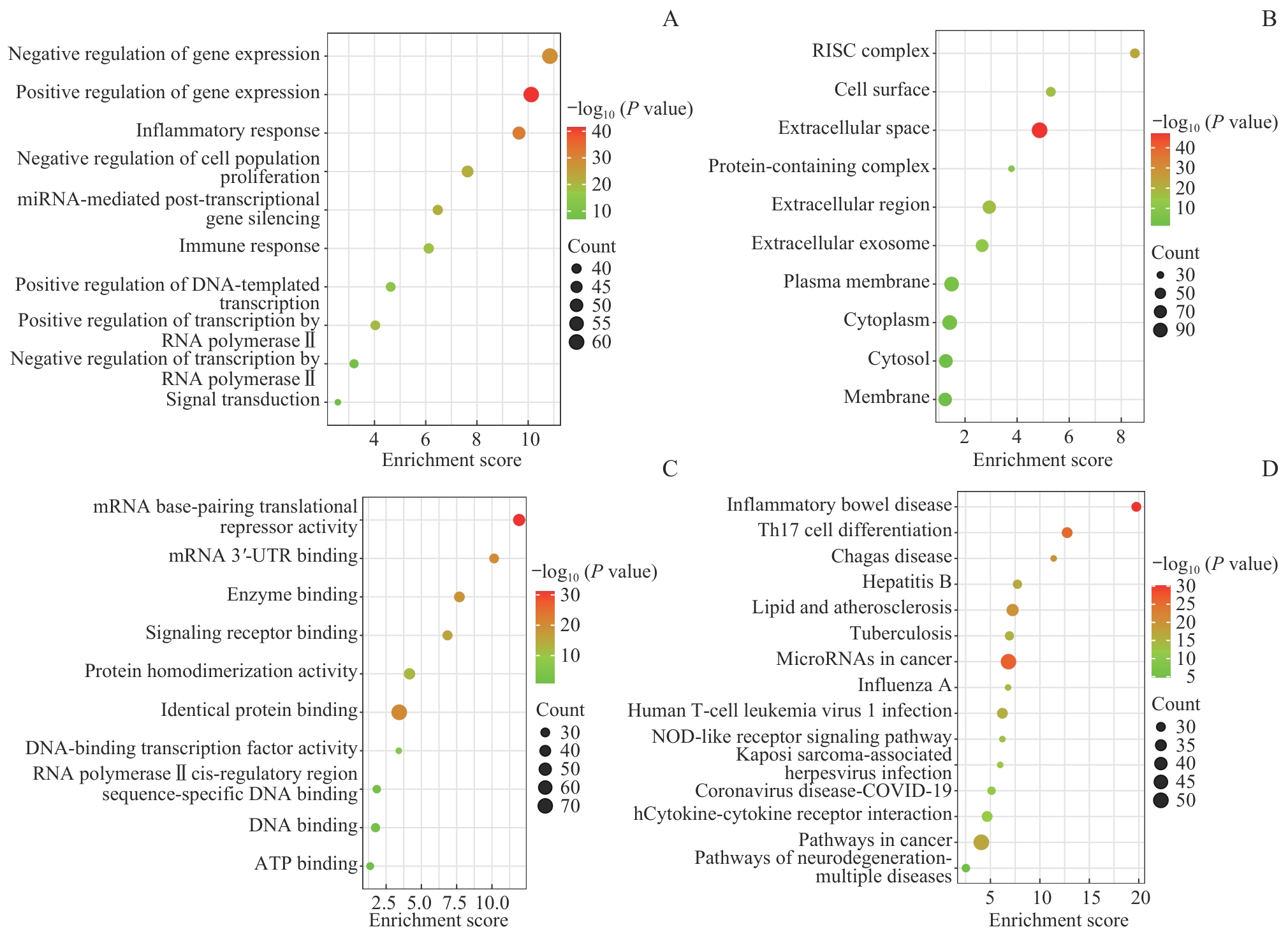
Fig 5 GO function and KEGG pathway enrichment analysis of genes carried by gut microbiota affecting CVD
| [1] | LI Y, CAO G Y, JING W Z, et al. Global trends and regional differences in incidence and mortality of cardiovascular disease, 1990‒2019: findings from 2019 global burden of disease study[J]. Eur J Prev Cardiol, 2023, 30(3): 276-286. |
| [2] | 刘明波, 何新叶, 杨晓红, 等. 《中国心血管健康与疾病报告2023》要点解读[J]. 临床心血管病杂志, 2024, 40(8): 599-616. |
| LIU M B, HE X Y, YANG X H, et al. Interpretation of Report on Cardiovascular Health and Diseases in China 2023[J]. Journal of Clinical Cardiology, 2024, 40(8): 599-616. | |
| [3] | SHI H Q, TER HORST R, NIELEN S, et al. The gut microbiome as mediator between diet and its impact on immune function[J]. Sci Rep, 2022, 12(1): 5149. |
| [4] | OJO O, FENG Q Q, OJO O O, et al. The role of dietary fibre in modulating gut microbiota dysbiosis in patients with type 2 diabetes: a systematic review and meta-analysis of randomised controlled trials[J]. Nutrients, 2020, 12(11): 3239. |
| [5] | TELLE-HANSEN V H, GAUNDAL L, BASTANI N, et al. Replacing saturated fatty acids with polyunsaturated fatty acids increases the abundance of Lachnospiraceae and is associated with reduced total cholesterol levels: a randomized controlled trial in healthy individuals[J]. Lipids Health Dis, 2022, 21(1): 92. |
| [6] | WANG Z N, KLIPFELL E, BENNETT B J, et al. Gut flora metabolism of phosphatidylcholine promotes cardiovascular disease[J]. Nature, 2011, 472(7341): 57-63. |
| [7] | UFNAL M, JAZWIEC R, DADLEZ M, et al. Trimethylamine-N-oxide: a carnitine-derived metabolite that prolongs the hypertensive effect of angiotensin Ⅱ in rats[J]. Can J Cardiol, 2014, 30(12): 1700-1705. |
| [8] | LI D D, LU Y, YUAN S, et al. Gut microbiota-derived metabolite trimethylamine-N-oxide and multiple health outcomes: an umbrella review and updated meta-analysis[J]. Am J Clin Nutr, 2022, 116(1): 230-243. |
| [9] | BÄCKHED F, LEY R E, SONNENBURG J L, et al. Host-bacterial mutualism in the human intestine[J]. Science, 2005, 307(5717): 1915-1920. |
| [10] | SAVAGE D C. Associations of indigenous microorganisms with gastrointestinal mucosal epithelia[J]. Am J Clin Nutr, 1970, 23(11): 1495-1501. |
| [11] | MAZMANIAN S K, LIU C H, TZIANABOS A O, et al. An immunomodulatory molecule of symbiotic bacteria directs maturation of the host immune system[J]. Cell, 2005, 122(1): 107-118. |
| [12] | LI M, WANG B H, ZHANG M H, et al. Symbiotic gut microbes modulate human metabolic phenotypes[J]. Proc Natl Acad Sci USA, 2008, 105(6): 2117-2122. |
| [13] | WANG H R, REN S J, LV H L, et al. Gut microbiota from mice with cerebral ischemia-reperfusion injury affects the brain in healthy mice[J]. Aging (Albany NY), 2021, 13(7): 10058-10074. |
| [14] | WAN S Z, NIE Y, ZHANG Y, et al. Gut microbial dysbiosis is associated with profibrotic factors in liver fibrosis mice[J]. Front Cell Infect Microbiol, 2020, 10: 18. |
| [15] | JIE Z Y, XIA H H, ZHONG S L, et al. The gut microbiome in atherosclerotic cardiovascular disease[J]. Nat Commun, 2017, 8(1): 845. |
| [16] | TANG W H W, BÄCKHED F, LANDMESSER U, et al. Intestinal microbiota in cardiovascular health and disease: JACC state-of-the-art review[J]. J Am Coll Cardiol, 2019, 73(16): 2089-2105. |
| [17] | WAN Y, WANG F L, YUAN J H, et al. Effects of dietary fat on gut microbiota and faecal metabolites, and their relationship with cardiometabolic risk factors: a 6-month randomised controlled-feeding trial[J]. Gut, 2019, 68(8): 1417-1429. |
| [18] | DELANNOY-BRUNO O, DESAI C, RAMAN A S, et al. Evaluating microbiome-directed fibre snacks in gnotobiotic mice and humans[J]. Nature, 2021, 595(7865): 91-95. |
| [19] | SMITH G D, EBRAHIM S. 'Mendelian randomization': can genetic epidemiology contribute to understanding environmental determinants of disease?[J]. Int J Epidemiol, 2003, 32(1): 1-22. |
| [20] | DAVEY SMITH G, HEMANI G. Mendelian randomization: genetic anchors for causal inference in epidemiological studies[J]. Hum Mol Genet, 2014, 23(R1): R89-R98. |
| [21] | SEKULA P, DEL GRECO M F, PATTARO C, et al. Mendelian randomization as an approach to assess causality using observational data[J]. J Am Soc Nephrol, 2016, 27(11): 3253-3265. |
| [22] | WANG J, KURILSHIKOV A, RADJABZADEH D, et al. Meta-analysis of human genome-microbiome association studies: the MiBioGen consortium initiative[J]. Microbiome, 2018, 6(1): 101. |
| [23] | KURILSHIKOV A, MEDINA-GOMEZ C, BACIGALUPE R, et al. Large-scale association analyses identify host factors influencing human gut microbiome composition[J]. Nat Genet, 2021, 53(2): 156-165. |
| [24] | WU F S, HUANG Y, HU J L, et al. Mendelian randomization study of inflammatory bowel disease and bone mineral density[J]. BMC Med, 2020, 18(1): 312. |
| [25] | BURGESS S, BUTTERWORTH A, THOMPSON S G. Mendelian randomization analysis with multiple genetic variants using summarized data[J]. Genet Epidemiol, 2013, 37(7): 658-665. |
| [26] | LONG Y W, TANG L H, ZHOU Y Y, et al. Causal relationship between gut microbiota and cancers: a two-sample Mendelian randomisation study[J]. BMC Med, 2023, 21(1): 66. |
| [27] | LAWLOR D A, HARBORD R M, STERNE J A C, et al. Mendelian randomization: using genes as instruments for making causal inferences in epidemiology[J]. Stat Med, 2008, 27(8): 1133-1163. |
| [28] | HEMANI G, TILLING K, DAVEY SMITH G. Orienting the causal relationship between imprecisely measured traits using GWAS summary data[J]. PLoS Genet, 2017, 13(11): e1007081. |
| [29] | TANG W H, WANG Z N, LEVISON B S, et al. Intestinal microbial metabolism of phosphatidylcholine and cardiovascular risk[J]. N Engl J Med, 2013, 368(17): 1575-1584. |
| [30] | KOH A, DE VADDER F, KOVATCHEVA-DATCHARY P, et al. From dietary fiber to host physiology: short-chain fatty acids as key bacterial metabolites[J]. Cell, 2016, 165(6): 1332-1345. |
| [31] | WAHLSTRÖM A, SAYIN S I, MARSCHALL H U, et al. Intestinal crosstalk between bile acids and microbiota and its impact on host metabolism[J]. Cell Metab, 2016, 24(1): 41-50. |
| [32] | GUO Y, LUO S Y, YE Y X, et al. Intermittent fasting improves cardiometabolic risk factors and alters gut microbiota in metabolic syndrome patients[J]. J Clin Endocrinol Metab, 2021, 106(1): 64-79. |
| [33] | KOREN O, SPOR A, FELIN J, et al. Human oral, gut, and plaque microbiota in patients with atherosclerosis[J]. Proc Natl Acad Sci USA, 2011, 108(Suppl 1): 4592-4598. |
| [34] | HUTCHINSON A N, TINGÖ L N, BRUMMER R J. The potential effects of probiotics and ω-3 fatty acids on chronic low-grade inflammation[J]. Nutrients, 2020, 12(8): 2402. |
| [35] | BRON P A, KLEEREBEZEM M, BRUMMER R J, et al. Can probiotics modulate human disease by impacting intestinal barrier function?[J]. Br J Nutr, 2017, 117(1): 93-107. |
| [36] | RUSCICA M, PAVANELLO C, GANDINI S, et al. Nutraceutical approach for the management of cardiovascular risk—a combination containing the probiotic Bifidobacterium longum BB536 and red yeast rice extract: results from a randomized, double-blind, placebo-controlled study[J]. Nutr J, 2019, 18(1): 13. |
| [37] | LIU J L, AN N, MA C, et al. Correlation analysis of intestinal flora with hypertension[J]. Exp Ther Med, 2018, 16(3): 2325-2330. |
| [38] | MAYERHOFER C C K, KUMMEN M, HOLM K, et al. Low fibre intake is associated with gut microbiota alterations in chronic heart failure[J]. ESC Heart Fail, 2020, 7(2): 456-466. |
| [39] | WANG M, XIONG H, LU L, et al. Serum lipopolysaccharide is associated with the recurrence of atrial fibrillation after radiofrequency ablation by increasing systemic inflammation and atrial fibrosis[J]. Oxid Med Cell Longev, 2022, 2022: 2405972. |
| [40] | KONG B, FU H, XIAO Z, et al. Gut microbiota dysbiosis induced by a high-fat diet increases susceptibility to atrial fibrillation[J]. Can J Cardiol, 2022, 38(12): 1962-1975. |
| [41] | INZAUGARAT M E, JOHNSON C D, HOLTMANN T M, et al. NLR family pyrin domain-containing 3 inflammasome activation in hepatic stellate cells induces liver fibrosis in mice[J]. Hepatology, 2019, 69(2): 845-859. |
| [42] | LIU P N, YU S S, LIU J R, et al. Effects of Lactobacillus on hyperlipidemia in high-fat diet-induced mouse model[J]. Arch Med Sci, 2020, 19(3): 792-799. |
| [43] | CHEN L H, LIU W E, LI Y M, et al. Lactobacillus acidophilus ATCC 4356 attenuates the atherosclerotic progression through modulation of oxidative stress and inflammatory process[J]. Int Immunopharmacol, 2013, 17(1): 108-115. |
| [44] | HUANG Y, WANG J F, QUAN G H, et al. Lactobacillus acidophilus ATCC 4356 prevents atherosclerosis via inhibition of intestinal cholesterol absorption in apolipoprotein E-knockout mice[J]. Appl Environ Microbiol, 2014, 80(24): 7496-7504. |
| [45] | AHN H Y, KIM M, CHAE J S, et al. Supplementation with two probiotic strains, Lactobacillus curvatus HY7601 and Lactobacillus plantarum KY1032, reduces fasting triglycerides and enhances apolipoprotein A-V levels in non-diabetic subjects with hypertriglyceridemia[J]. Atherosclerosis, 2015, 241(2): 649-656. |
| [46] | 李亚梦, 崔美泽, 孙婧, 等. 肠道菌群及其代谢产物氧化三甲胺: 冠心病治疗的新靶点[J]. 生物工程学报, 2021, 37(11): 3745-3756. |
| LI Y M, CUI M Z, SUN J, et al. Gut microbiota and its metabolite trimethylamine-N-oxide (TMAO): a novel regulator in coronary artery disease[J]. Chinese Journal of Biotechnology, 2021, 37(11): 3745-3756. | |
| [47] | KATSIMICHAS T, THEOFILIS P, TSIOUFIS K, et al. Gut microbiota and coronary artery disease: current therapeutic perspectives[J]. Metabolites, 2023, 13(2): 256. |
| [48] | WANG Y, XU Y Y, YANG M, et al. Butyrate mitigates TNF-α-induced attachment of monocytes to endothelial cells[J]. J Bioenerg Biomembr, 2020, 52(4): 247-256. |
| [49] | CHEN W J, ZHANG S, WU J F, et al. Butyrate-producing bacteria and the gut-heart axis in atherosclerosis[J]. Clin Chim Acta, 2020, 507: 236-241. |
| [50] | YU Y J, RAKA F, ADELI K. The role of the gut microbiota in lipid and lipoprotein metabolism[J]. J Clin Med, 2019, 8(12): 2227. |
| [51] | TORTELOTE G G. Therapeutic strategies for hypertension: exploring the role of microbiota-derived short-chain fatty acids in kidney physiology and development[J]. Pediatr Nephrol, 2025. |
| [52] | LUO Q, HU Y L, CHEN X, et al. Effects of gut microbiota and metabolites on heart failure and its risk factors: a two-sample Mendelian randomization study[J]. Front Nutr, 2022, 9: 899746. |
| [53] | CHIONCEL O, AMBROSY A P. Trimethylamine N-oxide and risk of heart failure progression: marker or mediator of disease[J]. Eur J Heart Fail, 2019, 21(7): 887-890. |
| [54] | SUN X L, JIAO X F, MA Y R, et al. Trimethylamine N-oxide induces inflammation and endothelial dysfunction in human umbilical vein endothelial cells via activating ROS-TXNIP-NLRP3 inflammasome[J]. Biochem Biophys Res Commun, 2016, 481(1/2): 63-70. |
| [55] | KEITEL V, REINEHR R, GATSIOS P, et al. The G-protein coupled bile salt receptor TGR5 is expressed in liver sinusoidal endothelial cells[J]. Hepatology, 2007, 45(3): 695-704. |
| [56] | ROMANO K A, MARTINEZ-DEL CAMPO A, KASAHARA K, et al. Metabolic, epigenetic, and transgenerational effects of gut bacterial choline consumption[J]. Cell Host Microbe, 2017, 22(3): 279-290.e7. |
| [1] | Hao Fengjie, Wang Junqing, Lu Ye. Immune cell traits mediate the association between alcoholic liver disease and hepatocellular carcinoma: a Mendelian randomization and mediation analysis [J]. Journal of Shanghai Jiao Tong University (Medical Science), 2026, 46(7): 961-971. |
| [2] | Tang Qiuyi, Dong Wenjun, Hu Chunnan, Gong Wei. Identification of risk biomarkers of gallbladder cancer through plasma proteome-wide Mendelian randomization analysis [J]. Journal of Shanghai Jiao Tong University (Medical Science), 2026, 46(7): 972-980. |
| [3] | Cui Guoyu, Wang Qiuyun, Tan Haozhou, Yang Qianzi, Luo Yan. Mendelian randomization study on the causal relationship between dietary factors and insomnia symptoms [J]. Journal of Shanghai Jiao Tong University (Medical Science), 2026, 46(6): 778-785. |
| [4] | Gong Jian, Han Jiyu, Wan Daqian. Research progress in role of T helper 17 cells and interleukin-17 in occurrence and development of osteoarthritis under regulation of gut microbiota [J]. Journal of Shanghai Jiao Tong University (Medical Science), 2026, 46(6): 815-823. |
| [5] | Huang Xi, Hou Qinwu, Zhang Zhaowei, Wang Yanan, Yang Qinghui, Cheng Ling. Causal relationship between liposome and essential hypertension based on two-sample Mendelian randomization analysis [J]. Journal of Shanghai Jiao Tong University (Medical Science), 2026, 46(3): 340-347. |
| [6] | Tian Qijia, Jia Kangni, Yan Xiaoxiang. Advances in CRISPR/Cas gene editing and its applications in cardiovascular diseases [J]. Journal of Shanghai Jiao Tong University (Medical Science), 2026, 46(3): 358-367. |
| [7] | Aikeremu Aierken, Chen Xingjuan, Niu Yueyue. Mendelian randomization study of loneliness, subjective well-being, and frailty index [J]. Journal of Shanghai Jiao Tong University (Medical Science), 2026, 46(1): 75-81. |
| [8] | LI Long, ZHAO Xia, JIN Shan, LI Zeying, LÜ Fuqiang, PANG Lijuan, LIU Kejian. Deciphering the protective role of AZGP1 in heart failure through Mendelian randomization [J]. Journal of Shanghai Jiao Tong University (Medical Science), 2025, 45(8): 1035-1045. |
| [9] | YAN Junhao, GUO Xiaolei, LUO Zhaofeng, TANG Jian, WANG Zheng. Mendelian randomization analysis of causal relationship between celiac disease and autoimmune thyroid disease [J]. Journal of Shanghai Jiao Tong University (Medical Science), 2025, 45(6): 766-773. |
| [10] | XU Ling, HUANGFU Yuchan, SHEN Lisong, MA Yanhui. Causal association between plasma phosphatidylethanolamine and risk of colorectal adenocarcinoma: a two-sample Mendelian randomization study [J]. Journal of Shanghai Jiao Tong University (Medical Science), 2025, 45(5): 605-613. |
| [11] | ZHANG Huihua, GAN Jing, HOU Miaomiao, LU Na. Bidirectional Mendelian randomization study of the relationship between brain imaging-derived phenotypes and obstructive sleep apnea [J]. Journal of Shanghai Jiao Tong University (Medical Science), 2025, 45(4): 468-475. |
| [12] | QIN Zihao, YUAN Hong, LU Yao, LENG Yiming. Multiple roles of CD34⁺ cell heterogeneity in cardiovascular injury and repair [J]. Journal of Shanghai Jiao Tong University (Medical Science), 2025, 45(12): 1662-1670. |
| [13] | LUO Yuqi, WANG Yangyang, REN Jun. Advances in research on left ventricular hypertrophy-associated cardiovascular pathology in Alzheimer' s disease [J]. Journal of Shanghai Jiao Tong University (Medical Science), 2025, 45(12): 1679-1686. |
| [14] | ZHANG Yingying, ZHANG Junyao, SONG Jiwei, WANG Shengjie, YAO Junyan. Two-sample Mendelian randomization study on the causal association between air pollution and Alzheimer′s disease [J]. Journal of Shanghai Jiao Tong University (Medical Science), 2025, 45(1): 87-94. |
| [15] | YU Yang, MENG Dan, QIU Yiwen, YUAN Jian, ZHU Yingjie. Analysis of impact of type 1 diabetes on colorectal cancer by using two-sample Mendelian randomization [J]. Journal of Shanghai Jiao Tong University (Medical Science), 2024, 44(6): 755-761. |
| Viewed | ||||||
|
Full text |
|
|||||
|
Abstract |
|
|||||
