
Journal of Shanghai Jiao Tong University (Medical Science) ›› 2025, Vol. 45 ›› Issue (11): 1443-1457.doi: 10.3969/j.issn.1674-8115.2025.11.004
• Basic research • Previous Articles
ZHANG Shuqiong1,2,3,4, KE Xing1, ZHAO Xinghe1, CHEN Xiaocui1, ZHENG Haodong1, CHEN Hui1, SHEN Lisong1,2,3( ), YANG Junyao1,3,5()
Received:2025-05-29
Accepted:2025-06-30
Online:2025-11-28
Published:2025-12-03
Contact:
SHEN Lisong, YANG Junyao
E-mail:lisongshen@hotmail.com;yangjunyao@xinhuamed.com.cn
Supported by:CLC Number:
ZHANG Shuqiong, KE Xing, ZHAO Xinghe, CHEN Xiaocui, ZHENG Haodong, CHEN Hui, SHEN Lisong, YANG Junyao. LINC01123 promotes proliferation and glycolysis of gastric cancer via binding to ENO1[J]. Journal of Shanghai Jiao Tong University (Medical Science), 2025, 45(11): 1443-1457.
Add to citation manager EndNote|Ris|BibTeX
URL: https://xuebao.shsmu.edu.cn/EN/10.3969/j.issn.1674-8115.2025.11.004
| Gene | Sequence (5′→3′) |
|---|---|
| si-LINC01123 | |
| Sense | TTCTCTTTATTTTTATACAGT |
| Antisense | ACTGTATAAAAATAAAGAGAA |
| si-ENO1 | |
| Sense | CCCAGUGGUGUCUAUCGAATT |
| Antisense | UUCGAUAGACACCACUGGGTT |
| si-NC | |
| Sense | UUCUCCGAACGUGUCACGU |
| Antisense | ACGUGACACGUUCGGAGAA |
| sh-LINC01123 | CCGGTTCTCTTTATTTTTATACAGTCTCGAGACTGTATAAAAATAAAGAGAATTTTTG |
| sh-NC | TTCTCCGAACGTGTCACGT |
Tab 1 Knockdown sequences for lentiviral vector construction
| Gene | Sequence (5′→3′) |
|---|---|
| si-LINC01123 | |
| Sense | TTCTCTTTATTTTTATACAGT |
| Antisense | ACTGTATAAAAATAAAGAGAA |
| si-ENO1 | |
| Sense | CCCAGUGGUGUCUAUCGAATT |
| Antisense | UUCGAUAGACACCACUGGGTT |
| si-NC | |
| Sense | UUCUCCGAACGUGUCACGU |
| Antisense | ACGUGACACGUUCGGAGAA |
| sh-LINC01123 | CCGGTTCTCTTTATTTTTATACAGTCTCGAGACTGTATAAAAATAAAGAGAATTTTTG |
| sh-NC | TTCTCCGAACGTGTCACGT |
| Gene | Sequence (5′→3′) |
|---|---|
| LINC01123 | |
| Forward | ACAGTGGCCGCACGCATAGCTG |
| Reverse | CTGACGACCGAGGTGACAACGATGA |
| ENO1 | |
| Forward | GCCTCCTGCTCAAAGTCAAC |
| Reverse | AACGATGAGACACCATGACG |
| GAPDH | |
| Forward | TTGGTATCGTGGAAGGACTCA |
| Reverse | TGTCATCATATTTGGCAGGTTT |
| U6 | |
| Forward | CGCTTCGGCAGCACATATAC |
| Reverse | TTCACGAATTTGCGTGTCATC |
Tab 2 Primers sequences for qRT-PCR
| Gene | Sequence (5′→3′) |
|---|---|
| LINC01123 | |
| Forward | ACAGTGGCCGCACGCATAGCTG |
| Reverse | CTGACGACCGAGGTGACAACGATGA |
| ENO1 | |
| Forward | GCCTCCTGCTCAAAGTCAAC |
| Reverse | AACGATGAGACACCATGACG |
| GAPDH | |
| Forward | TTGGTATCGTGGAAGGACTCA |
| Reverse | TGTCATCATATTTGGCAGGTTT |
| U6 | |
| Forward | CGCTTCGGCAGCACATATAC |
| Reverse | TTCACGAATTTGCGTGTCATC |
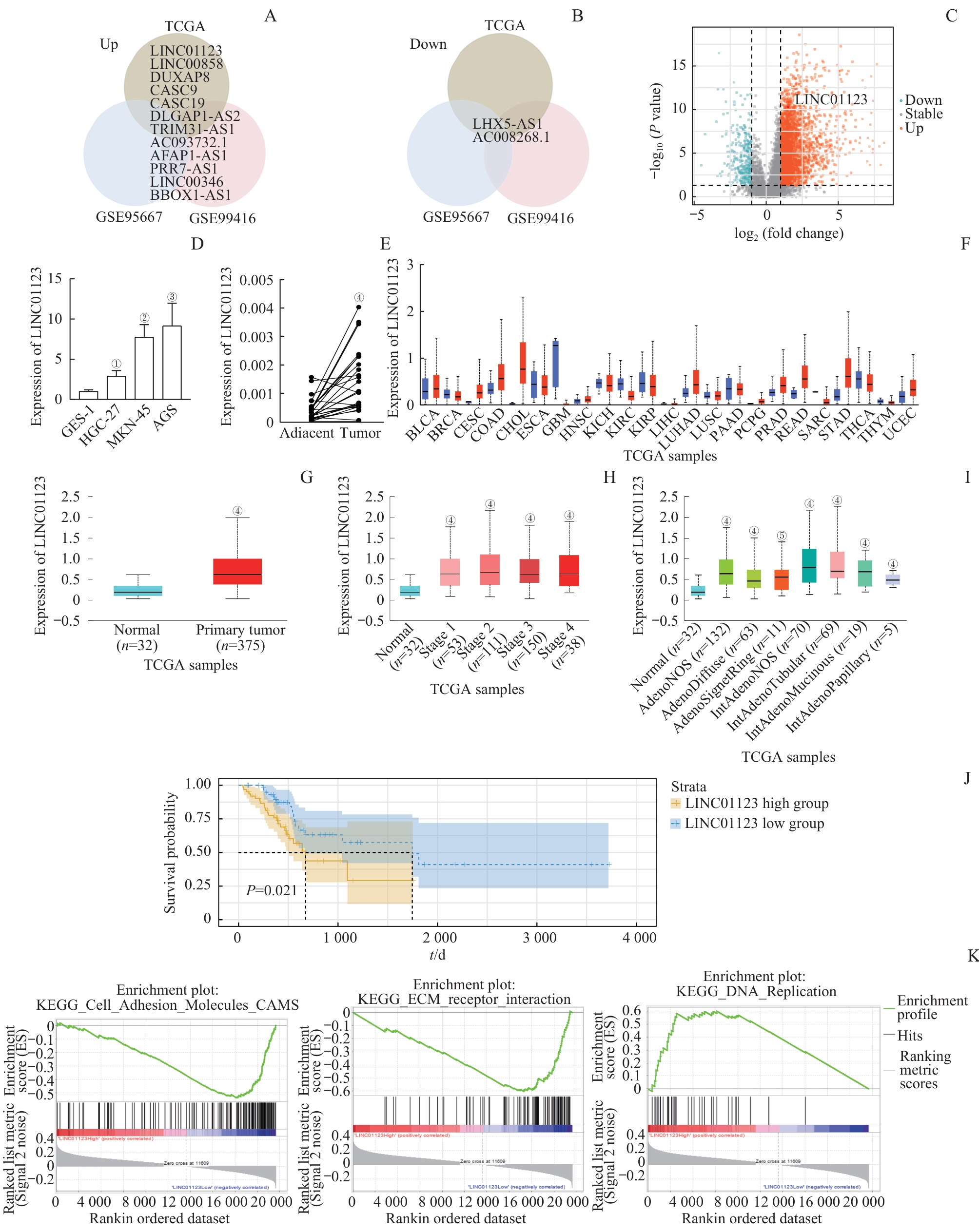
Fig 1 Overexpression of LINC01123 in gastric cancer and its association with poor prognosis
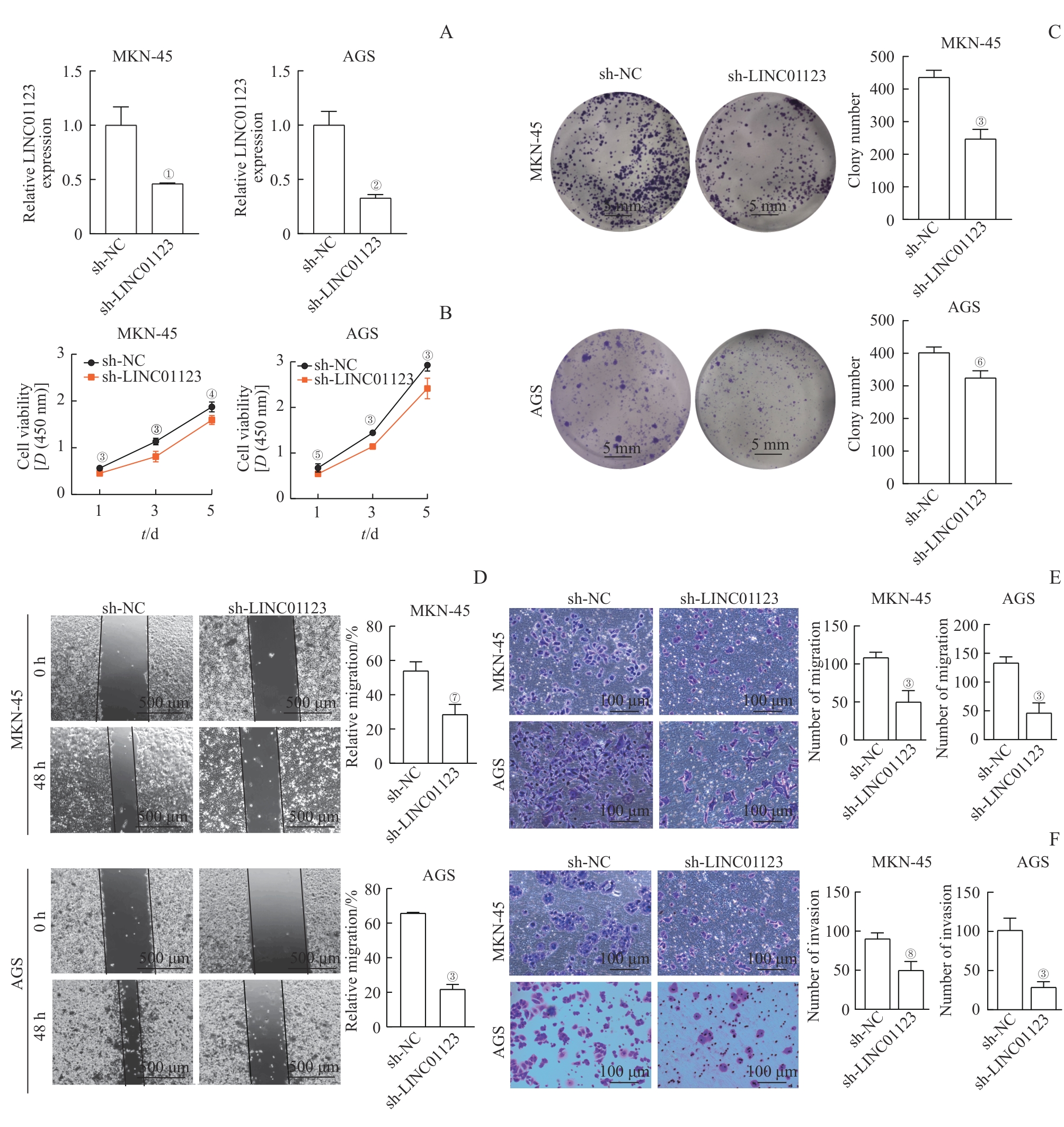
Fig 2 Inhibitory effects of LINC01123 knockdown on gastric cancer cell proliferation, migration, and invasion in vitro
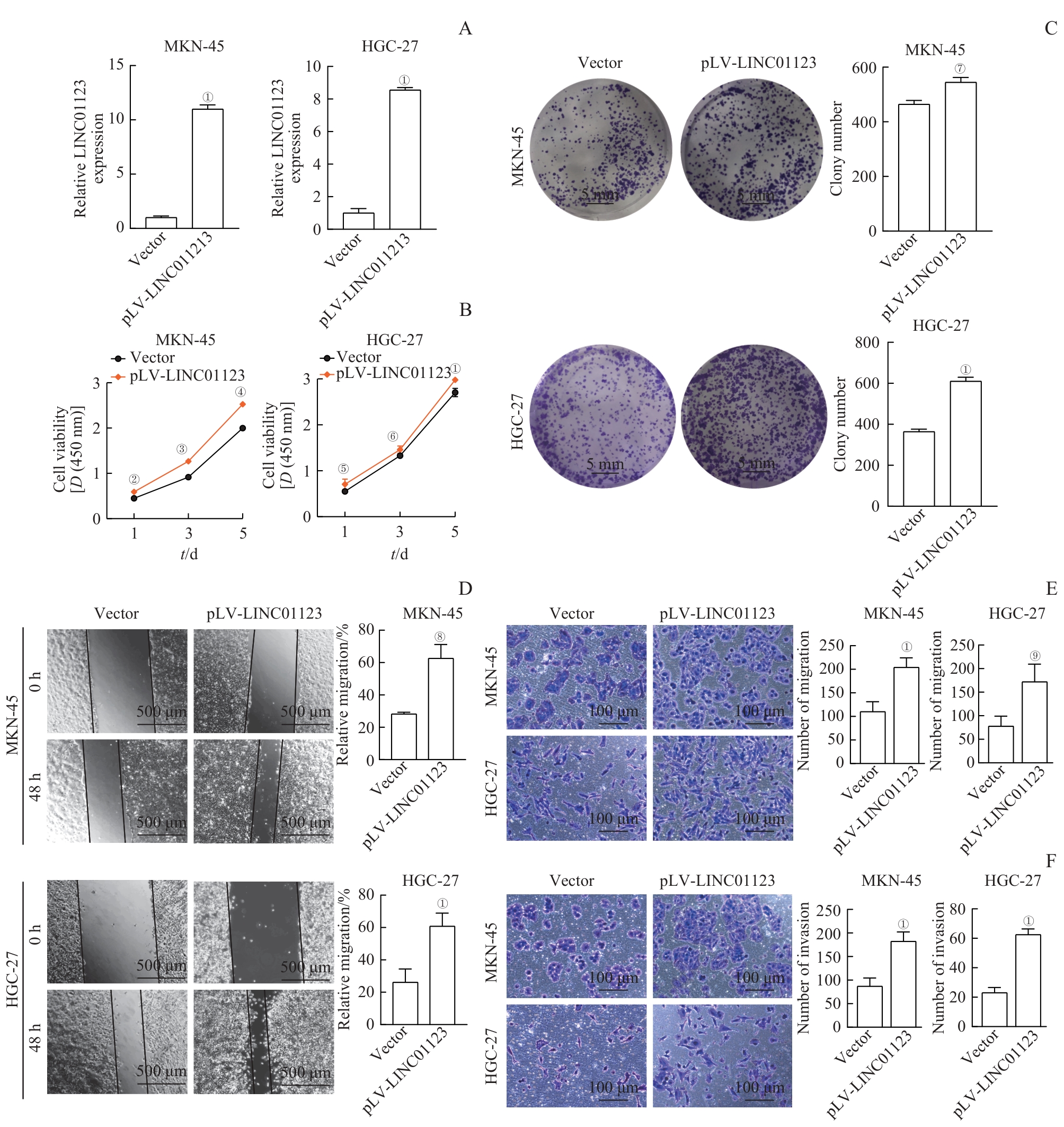
Fig 3 Promotive effects of LINC01123 overexpression on gastric cancer cell proliferation, migration, and invasion in vitro
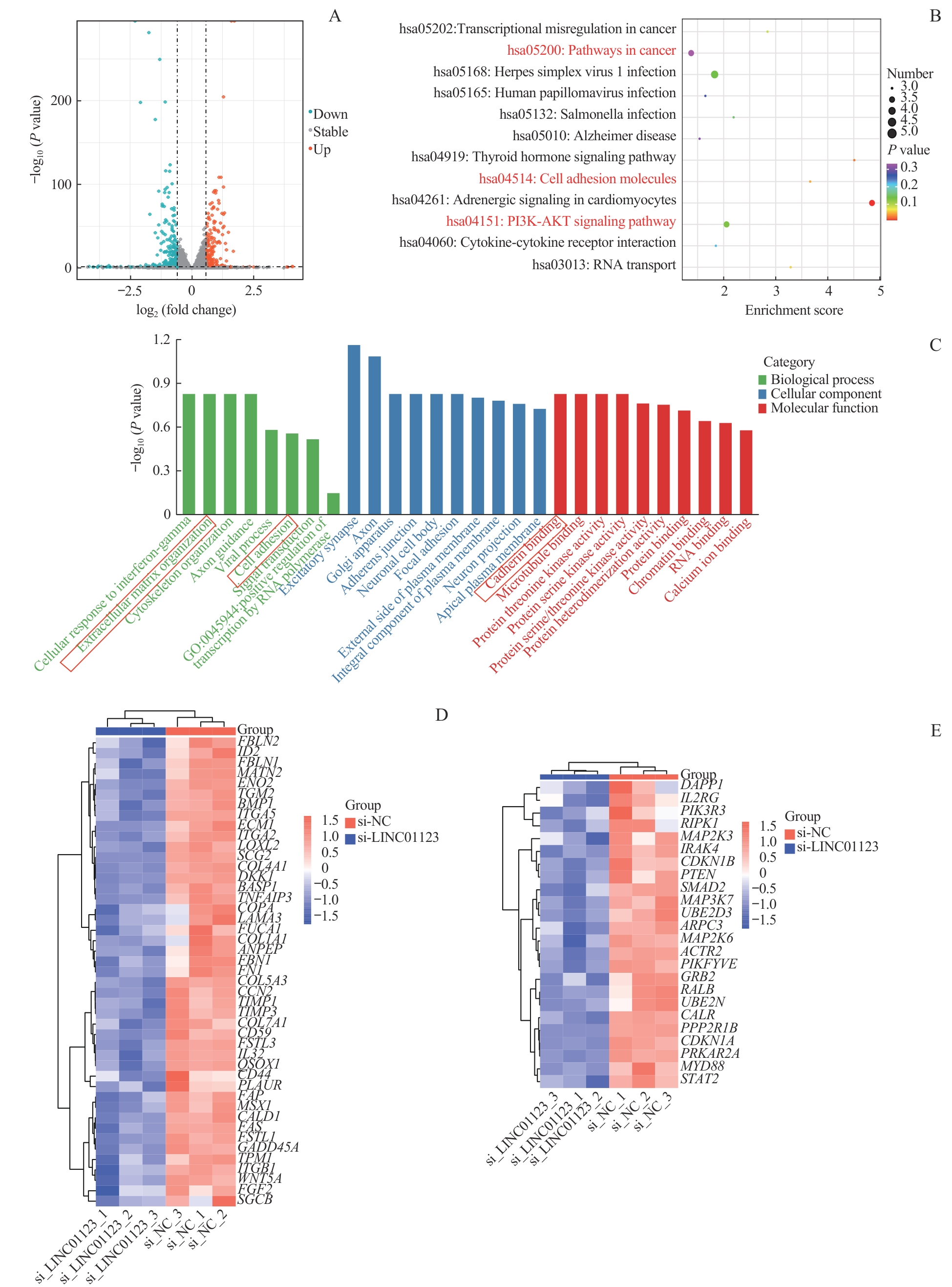
Fig 4 Regulatory role of LINC01123 in EMT and PI3K/AKT pathway
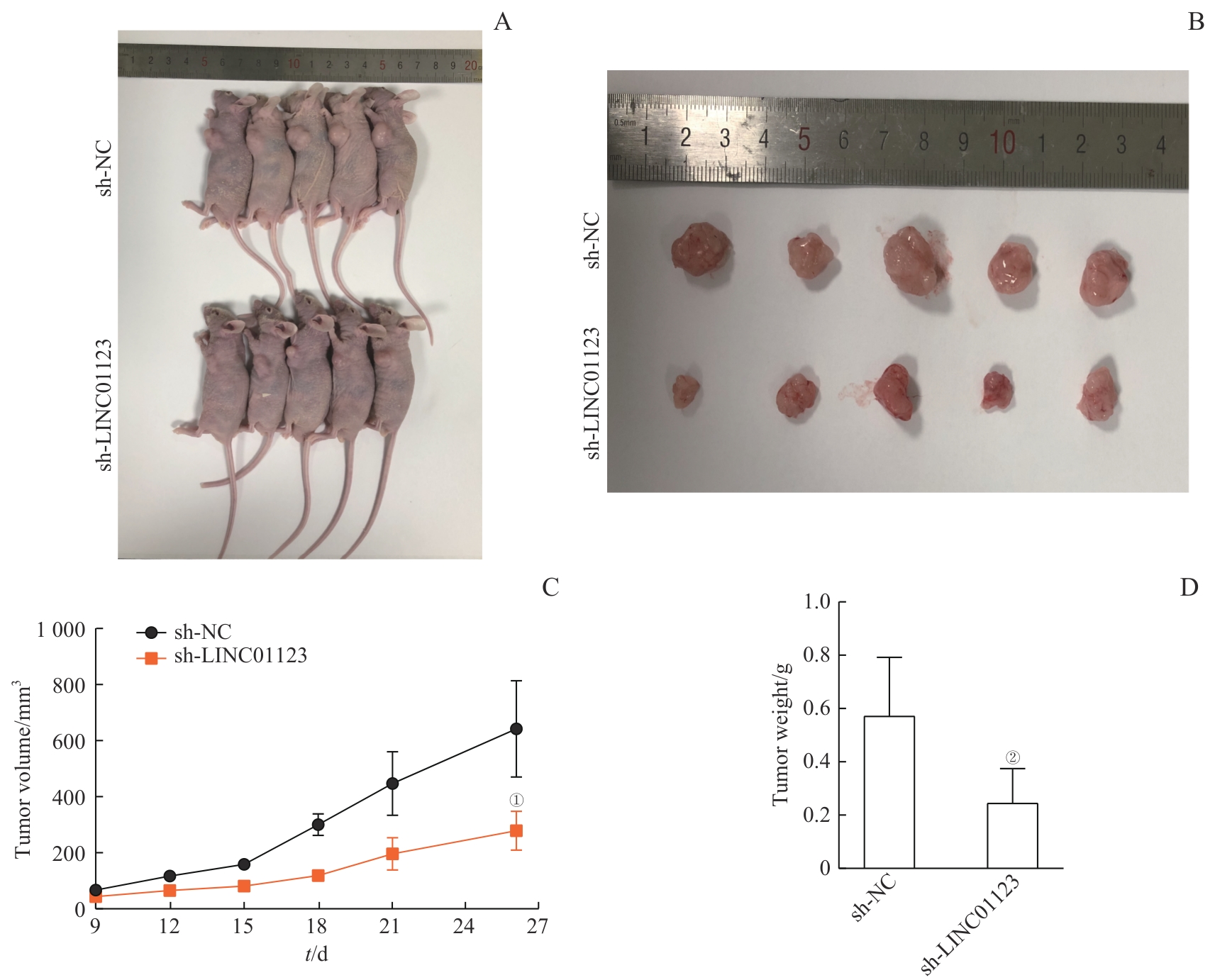
Fig 5 Promotion of tumorigenesis of gastric cancer MKN-45 cells by LINC01123 in vivo
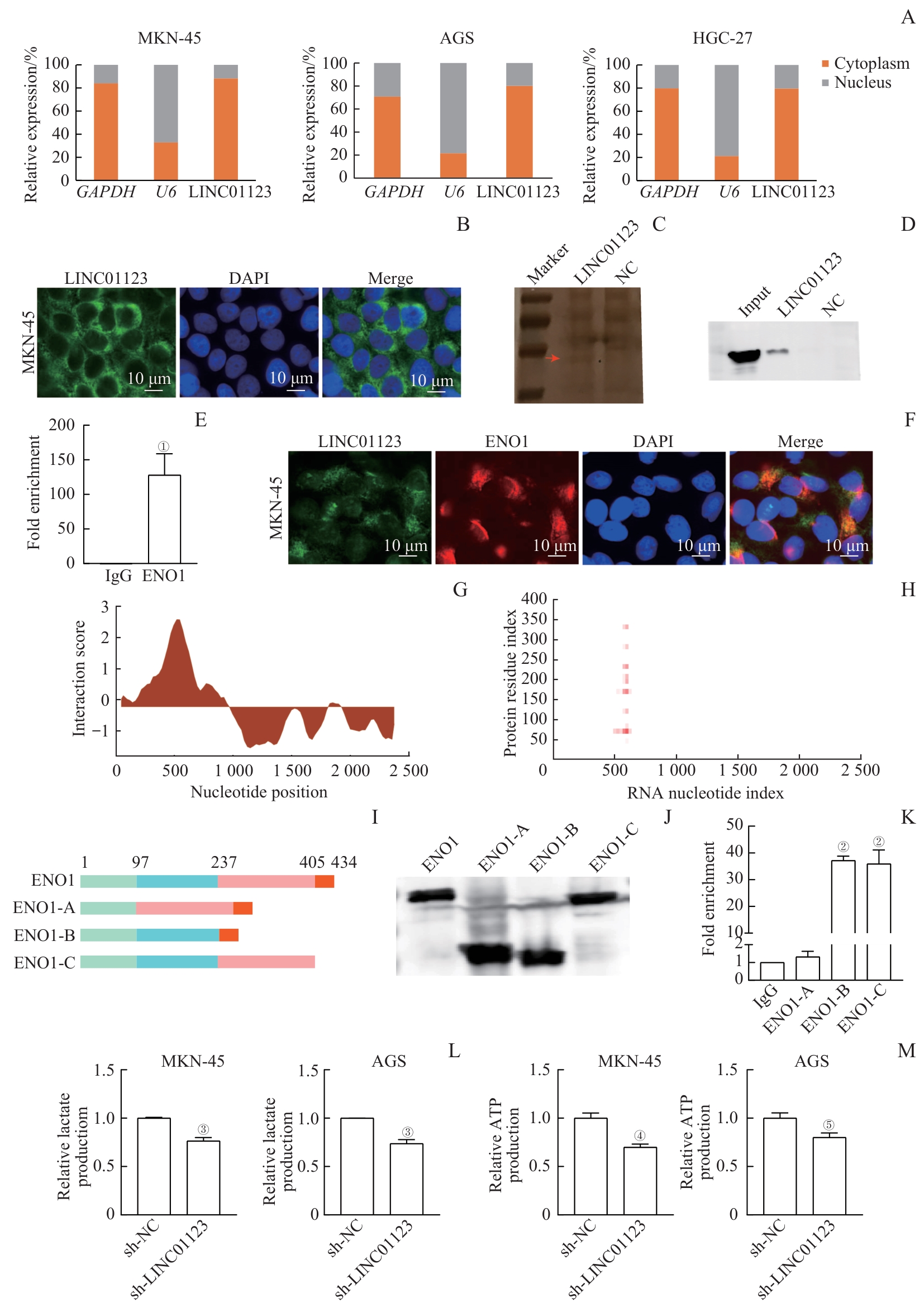
Fig 6 Binding of LINC01123 to ENO1 protein and regulation of glycolysis in gastric cancer cells by LINC01123
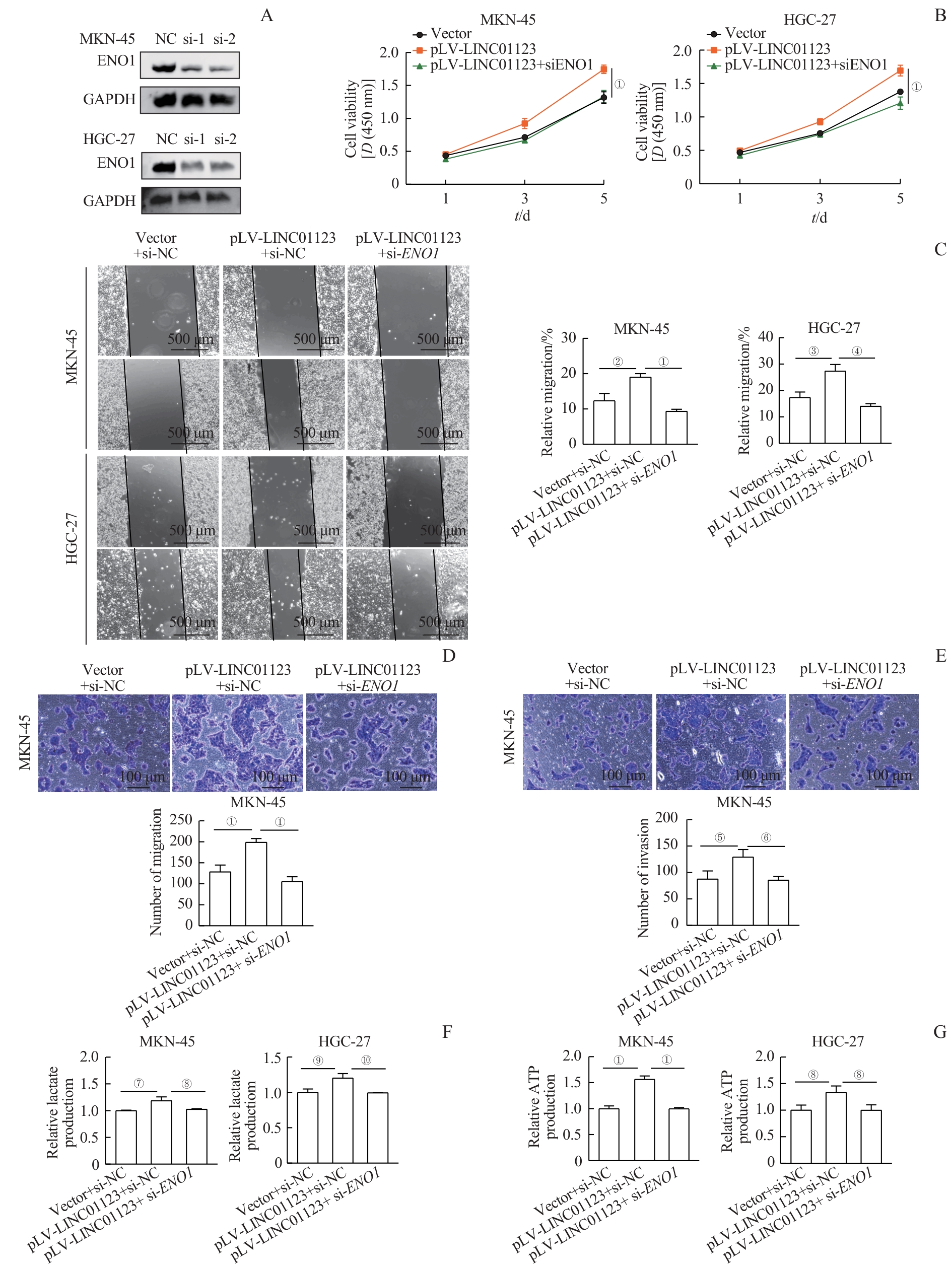
Fig 7 Promotion of proliferation, migration, invasion, and glycolysis by LINC01123 via ENO1
| [1] | ARNOLD M, PARK J Y, CAMARGO M C, et al. Is gastric cancer becoming a rare disease? A global assessment of predicted incidence trends to 2035[J]. Gut, 2020, 69(5): 823-829. |
| [2] | KIM H, HWANG Y, SUNG H, et al. Effectiveness of gastric cancer screening on gastric cancer incidence and mortality in a community-based prospective cohort[J]. Cancer Res Treat, 2018, 50(2): 582-589. |
| [3] | SIEGEL R L, MILLER K D, WAGLE N S, et al. Cancer statistics, 2023[J]. CA A Cancer J Clinicians, 2023, 73(1): 17-48. |
| [4] | SUNG H, FERLAY J, SIEGEL R L, et al. Global cancer statistics 2020: globocan estimates of incidence and mortality worldwide for 36 cancers in 185 countries[J]. CA Cancer J Clin, 2021, 71(3): 209-249. |
| [5] | PICARD M. Why do we care more about disease than health?[J]. Phenomics, 2022, 2(3): 145-155. |
| [6] | GUTSCHNER T, DIEDERICHS S. The hallmarks of cancer: a long non-coding RNA point of view[J]. RNA Biol, 2012, 9(6): 703-719. |
| [7] | DE LOS SANTOS M C, DRAGOMIR M P, CALIN G A. The role of exosomal long non-coding RNAs in cancer drug resistance[J]. Cancer Drug Resist, 2019, 2(4): 1178-1192. |
| [8] | ZHAO J, XU H, SU Y H, et al. Emerging regulatory mechanisms of N6-methyladenosine modification in cancer metastasis[J]. Phenomics, 2023, 3(1): 83-100. |
| [9] | HUA Q, JIN M M, MI B M, et al. LINC01123, a c-Myc-activated long non-coding RNA, promotes proliferation and aerobic glycolysis of non-small cell lung cancer through miR-199a-5p/c-Myc axis[J]. J Hematol Oncol, 2019, 12(1): 91. |
| [10] | SHANG T, ZHOU X, CHEN W. LINC01123 promotes the progression of colorectal cancer via miR-625-5p/LASP1 axis[J]. Cancer Biother Radiopharm, 2021, 36(9): 765-773. |
| [11] | XIAO Z Q, LIU Y, ZHAO J J, et al. Long noncoding RNA LINC01123 promotes the proliferation and invasion of hepatocellular carcinoma cells by modulating the miR-34a-5p/TUFT1 axis[J]. Int J Biol Sci, 2020, 16(13): 2296-2305. |
| [12] | YANG Y, ZHENG Y, ZHANG H L, et al. An immune-related gene panel for preoperative lymph node status evaluation in advanced gastric cancer[J]. Biomed Res Int, 2020, 2020: 8450656. |
| [13] | YE S C, SUN B L, WU W Y, et al. LINC01123 facilitates proliferation, invasion and chemoresistance of colon cancer cells[J]. Biosci Rep, 2020, 40(8): BSR20194062. |
| [14] | ZHANG M, HAN Y G, ZHENG Y, et al. ZEB1-activated LINC01123 accelerates the malignancy in lung adenocarcinoma through NOTCH signaling pathway[J]. Cell Death Dis, 2020, 11(11): 981. |
| [15] | ZHANG P R, LONG Q M, ZENG S Y, et al. FOXC1-induced LINC01123 acts as a mediator in triple negative breast cancer[J]. Cancer Cell Int, 2020, 20: 199. |
| [16] | SUGAHARA T, NAKAJIMA H, SHIRAHATA S, et al. Purification and characterization of immunoglobulin production stimulating factor-II beta derived from Namalwa cells[J]. Cytotechnology, 1992, 10(2): 137-146. |
| [17] | HUANG H, TANG S, JI M, et al. p300-mediated lysine 2-hydroxyisobutyrylation regulates glycolysis[J]. Mol Cell, 2018, 70(4): 663-678.e6. |
| [18] | LÓPEZ-ALEMANY R, LONGSTAFF C, HAWLEY S, et al. Inhibition of cell surface mediated plasminogen activation by a monoclonal antibody against α-enolase[J]. Am J Hematol, 2003, 72(4): 234-242. |
| [19] | HUA Q, WANG D L, ZHAO L, et al. AL355338 acts as an oncogenic lncRNA by interacting with protein ENO1 to regulate EGFR/AKT pathway in NSCLC[J]. Cancer Cell Int, 2021, 21(1): 525. |
| [20] | YU S M, LI N, HUANG Z B, et al. A novel lncRNA, TCONS_00006195, represses hepatocellular carcinoma progression by inhibiting enzymatic activity of ENO1[J]. Cell Death Dis, 2018, 9(12): 1184. |
| [21] | BARLEBO AHLBORN L, ØSTRUP O. Toward liquid biopsies in cancer treatment: application of circulating tumor DNA[J]. APMIS, 2019, 127(5): 329-336. |
| [22] | TRUJANO-CAMACHO S, CANTÚ-DE LEÓN D, PÉREZ-YEPEZ E, et al. HOTAIR promotes the hyperactivation of PI3K/Akt and Wnt/β-catenin signaling pathways via PTEN hypermethylation in cervical cancer[J]. Cells, 2024, 13(17): 1484. |
| [23] | HU Y R, YU Y C, YOU S W, et al. Long noncoding RNA MALAT1 regulates autophagy associated chemoresistance via miR-23b-3p sequestration in gastric cancer[J]. Mol Cancer, 2017, 16(1): 174. |
| [24] | LI H, MA X H, YANG D S, et al. PCAT-1 contributes to cisplatin resistance in gastric cancer through epigenetically silencing PTEN via recruiting EZH2[J]. J Cell Biochem, 2020, 121(2): 1353-1361. |
| [25] | GUO Y M, YUE P R, WANG Y M, et al. PCAT-1 contributes to cisplatin resistance in gastric cancer through miR-128/ZEB1 axis[J]. Biomed Pharmacother, 2019, 118: 109255. |
| [26] | RAY R, MILLER D M. Cloning and characterization of a human c-myc promoter-binding protein[J]. Mol Cell Biol, 1991, 11(4): 2154-2161. |
| [1] | PAERHATI Nadina, ZHANG Pengshan, XU Yitian, CHEN Yunqi, HUANG Chen. Construction of a truncated cylindromatosis tumor suppressor deubiquitinase plasmid and its regulation of the phenotypes of gastric cancer cells [J]. Journal of Shanghai Jiao Tong University (Medical Science), 2025, 45(9): 1149-1160. |
| [2] | ZHU Zijun, QIAN Yife, LI Qianyu, LI Songling, QIN Wenli, LIU Yanfeng. Anaphase-promoting complex subunit 10 promotes hepatocellular carcinoma progression through regulation of the PI3K-AKT-mTOR signaling pathway [J]. Journal of Shanghai Jiao Tong University (Medical Science), 2025, 45(9): 1171-1182. |
| [3] | AIMAITI Muerzhate, ZHANG Yeqian, LIU Tao, BAI Long, ZHANG Haoyu, NI Bo, GUAN Yujing, WANG Shuchang, GU Jiayi, ZHU Chunchao, XIA Xiang, ZHANG Zizhen. A comparative analysis of the short-term efficacy of robotic and laparoscopic proximal gastrectomy combined with double-flap anastomosis in the treatment of early upper gastric cancer [J]. Journal of Shanghai Jiao Tong University (Medical Science), 2025, 45(7): 874-882. |
| [4] | YANG Na, LIU Junli, BAI Jing, YANG Siyi, HAN Jiming, ZHANG Huahua. HENMT1 promotes the proliferation and migration of gastric cancer by activating the PI3K-AKT-mTOR signaling pathway [J]. Journal of Shanghai Jiao Tong University (Medical Science), 2025, 45(6): 717-726. |
| [5] | XU Muxin, LIU Xian, JIANG Lishan, SUN Qing. Promotion of Nd:YAP laser biostimulation on the proliferation and osteogenic differentiation of human periodontal ligament cells through WNT/β-catenin signaling pathway [J]. Journal of Shanghai Jiao Tong University (Medical Science), 2025, 45(5): 562-569. |
| [6] | CHEN Yinan, ZHENG Yang, ZENG Hanlin, LEI Ming. Mechanism of Fas-associated protein with death domain in promoting proliferation of head and neck squamous cell carcinoma cells [J]. Journal of Shanghai Jiao Tong University (Medical Science), 2025, 45(4): 404-414. |
| [7] | LIU Tiantian, ZHAO Yilin, NING Jingjing, ZHANG Yucai, WANG Chunxia. Identification of prognostic long non-coding RNA and construction of competing endogenous RNA networks in pediatric sepsis [J]. Journal of Shanghai Jiao Tong University (Medical Science), 2025, 45(3): 282-291. |
| [8] | CHEN Yongyu, HUANG Yiren, CHEN Zheyi, ZHOU Bingqian, CHEN Shiyu, ZHENG Yingxia. Expression of serpin family E member 1 in gastric cancer and its mechanisms in promoting gastric cancer [J]. Journal of Shanghai Jiao Tong University (Medical Science), 2025, 45(2): 150-160. |
| [9] | ZHANG Xianzhou, DU Fenglin, WU Lei, REN Yizhe, ZHAO Mingna, LOU Jiatao. Mechanistic study of OGT-promoted non-small cell lung cancer proliferation via the ERK signaling pathway [J]. Journal of Shanghai Jiao Tong University (Medical Science), 2025, 45(10): 1288-1297. |
| [10] | LI Xiang, WEI Ming, WU Wenxi, LUO Xiaoqin, YAO Biao, WU Siyu. Inhibitory effect of rutin on the growth and metastasis of osteosarcoma in vitro and in vivo [J]. Journal of Shanghai Jiao Tong University (Medical Science), 2025, 45(1): 20-28. |
| [11] | SUN Chenwei, HAI Wangxi, QU Qian, XI Yun. [18F]F-FMISO and [18F]F-FLT PET/CT dual-nuclide imaging for in vivo prediction of drug resistance in pancreatic cancer [J]. Journal of Shanghai Jiao Tong University (Medical Science), 2025, 45(1): 60-68. |
| [12] | SHI Lingling, CHENG Yanyong, ZHANG Lei. Effects of sevoflurane exposure on proliferation and differentiation of primary oligodendrocytes [J]. Journal of Shanghai Jiao Tong University (Medical Science), 2024, 44(9): 1115-1123. |
| [13] | HAN Yishan, XU Ziqi, TAO Mengyu, FAN Guangjian, YU Bo. PRMT6 promotes the proliferation and migration of breast cancer cells [J]. Journal of Shanghai Jiao Tong University (Medical Science), 2024, 44(8): 999-1010. |
| [14] | TAN Lu, SHEN Shaoming, HE Ping. Function and mechanism study of hypoxia-induced long non-coding RNA 68 in hepatocellular carcinoma [J]. Journal of Shanghai Jiao Tong University (Medical Science), 2024, 44(6): 702-712. |
| [15] | CAI Renjie, XU Ming. KHSRP regulates the responsiveness of prostate cancer cells to androgens through ANK3 [J]. Journal of Shanghai Jiao Tong University (Medical Science), 2024, 44(4): 417-426. |
| Viewed | ||||||
|
Full text |
|
|||||
|
Abstract |
|
|||||
