
Journal of Shanghai Jiao Tong University (Medical Science) ›› 2026, Vol. 46 ›› Issue (8): 1015-1025.doi: 10.3969/j.issn.1674-8115.2026.08.003
• Basic research • Previous Articles
Wang Mingjie, Ni Bo, Xia Xiang( ), Zhang Zizhen()
Received:2026-03-11
Accepted:2026-04-03
Online:2026-08-13
Published:2026-08-13
Contact:
Xia Xiang, Zhang Zizhen
E-mail:xiaxiang@renji.com;zhangzizhen@renji.com
About author:First author contact:Zhang Zizhen and Xia Xiang were responsible for the study conception and design, supervised manuscript preparation, and provided revision suggestions. Ni Bo was responsible for manuscript review and revision. Wang Mingjie was responsible for literature review, data analysis, and manuscript drafting. All authors have read and approved the final version of the manuscript and agreed to its submission.
Supported by:CLC Number:
Wang Mingjie, Ni Bo, Xia Xiang, Zhang Zizhen. Selenoprotein SELENOI promotes the proliferation, migration and invasion of gastric cancer through the PI3K/AKT/mTOR signaling pathway[J]. Journal of Shanghai Jiao Tong University (Medical Science), 2026,(8): 1015-1025.
Add to citation manager EndNote|Ris|BibTeX
URL: https://xuebao.shsmu.edu.cn/EN/10.3969/j.issn.1674-8115.2026.08.003
| Name | Forward (5'→3') | Reverse (5'→3') |
|---|---|---|
| siRNA-NC | UUCUCCGAACGAGUCACGUTT | ACGUGACUCGUUCGGAGAATT |
| siRNA-SELENOI-1 | CCUAGAGUAUUCUACUUUATT | UAAAGUAGAAUACUCUAGGTT |
| siRNA-SELENOI-2 | GAUUAUUGGUUGUGCAUUATT | UAAUGCACAACCAAUAAUCTT |
| siRNA-SELENOI-3 | GGAUAGUUGGUCAUGUGUUTT | AACACAUGACCAACUAUCCTT |
Tab 1 Sequences of siRNA
| Name | Forward (5'→3') | Reverse (5'→3') |
|---|---|---|
| siRNA-NC | UUCUCCGAACGAGUCACGUTT | ACGUGACUCGUUCGGAGAATT |
| siRNA-SELENOI-1 | CCUAGAGUAUUCUACUUUATT | UAAAGUAGAAUACUCUAGGTT |
| siRNA-SELENOI-2 | GAUUAUUGGUUGUGCAUUATT | UAAUGCACAACCAAUAAUCTT |
| siRNA-SELENOI-3 | GGAUAGUUGGUCAUGUGUUTT | AACACAUGACCAACUAUCCTT |
| Gene | Forward (5'→3') | Reverse (5'→3') |
|---|---|---|
| GAPDH | GAGAAGGCTGGGGCTCATTT | AGTGATGGCATGGACTGTGG |
| SELENOI | AAGCAAGCTCGCAGAACCAA | ATGTCATATCCCCATGGCAGG |
| PI3K | CTTTGGCCAGTACCTCATGGA | TGTTACTCAGTCCTGCGTGG |
| AKT | CTCTTTCCAGACCCACGACC | TAATGTGCCCGTCCTTGTCC |
| mTOR | GATGACTGGCTGGAATGGCT | GGTCTGTGTGACTTCAGCGA |
Tab 2 Primer sequences for qPCR
| Gene | Forward (5'→3') | Reverse (5'→3') |
|---|---|---|
| GAPDH | GAGAAGGCTGGGGCTCATTT | AGTGATGGCATGGACTGTGG |
| SELENOI | AAGCAAGCTCGCAGAACCAA | ATGTCATATCCCCATGGCAGG |
| PI3K | CTTTGGCCAGTACCTCATGGA | TGTTACTCAGTCCTGCGTGG |
| AKT | CTCTTTCCAGACCCACGACC | TAATGTGCCCGTCCTTGTCC |
| mTOR | GATGACTGGCTGGAATGGCT | GGTCTGTGTGACTTCAGCGA |
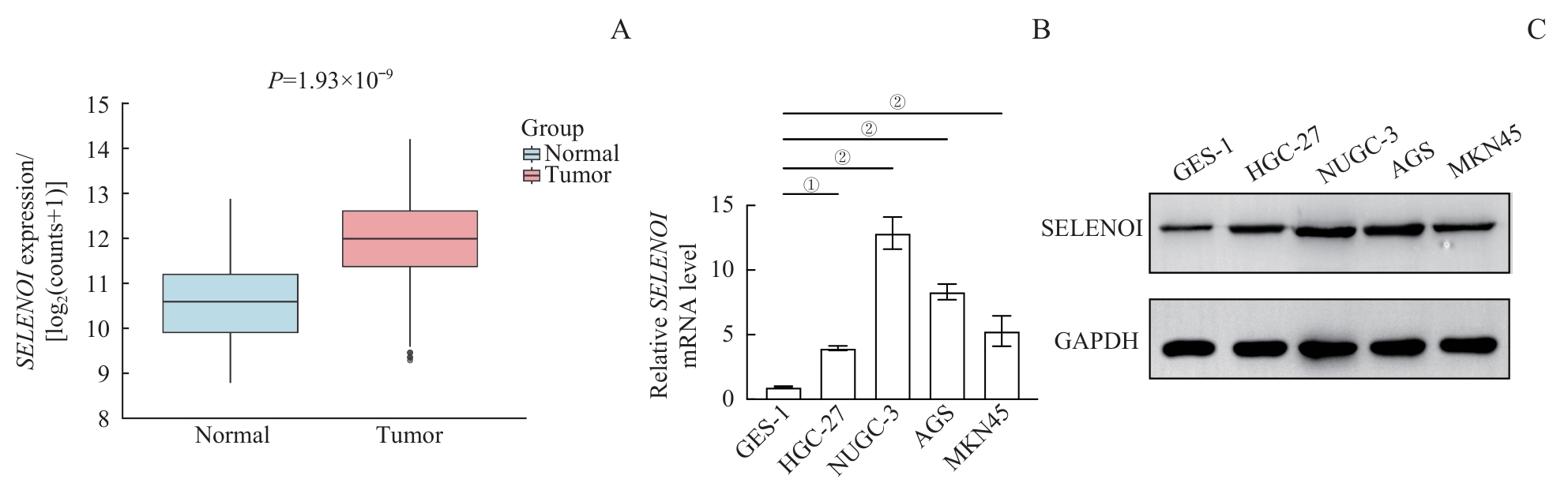
Fig 1 Expression levels of SELENOI in gastric cancer
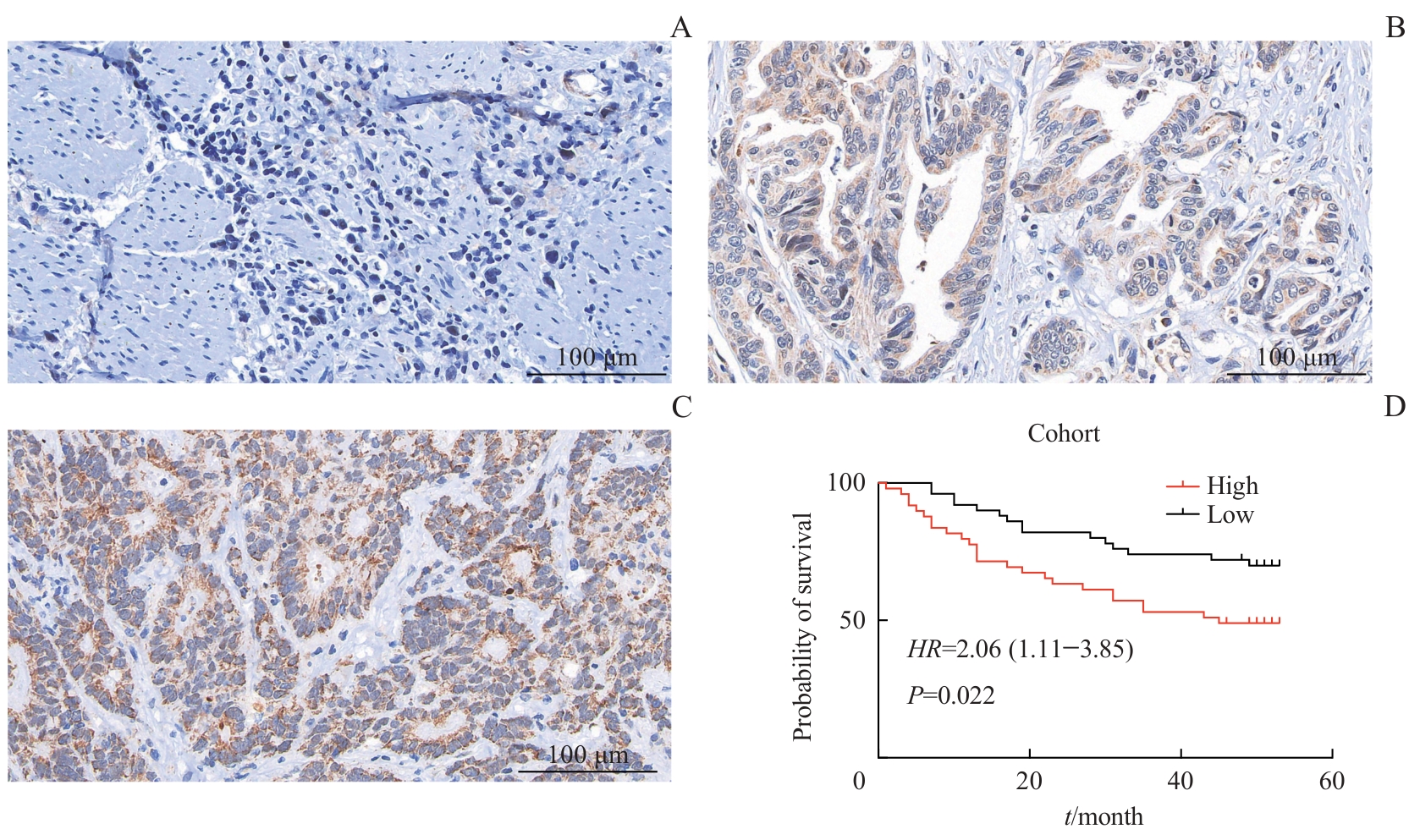
Fig 2 Correlation analysis of SELENOI expression and clinical characteristics of STAD
| Characteristic | SELENOI high-expression group (n=50) | SELENOI low-expression group (n=50) | t/Z/χ² value | P value |
|---|---|---|---|---|
| Age/year | 64.80±10.97 | 62.62±12.34 | 0.934 | 0.386 |
| Gender/n(%) | 0.049 | 0.826 | ||
| Male | 35 (70.0) | 36 (72.0) | ||
| Female | 15 (30.0) | 14 (28.0) | ||
| T stage/n(%) | 0.798 | 0.425 | ||
| T1 | 1 (2.0) | 1 (2.0) | ||
| T2 | 1 (2.0) | 3 (6.0) | ||
| T3 | 6 (12.0) | 7 (14.0) | ||
| T4 | 42 (84.0) | 39 (78.0) | ||
| N stage/n(%) | 0.279 | 0.780 | ||
| N0 | 10 (20.0) | 12 (24.0) | ||
| N1 | 10 (20.0) | 7 (14.0) | ||
| N2 | 12 (24.0) | 15 (30.0) | ||
| N3 | 18 (36.0) | 16 (32.0) | ||
| Clinical stage/n(%) | 0.713 | 0.476 | ||
| Ⅰ | 0 (0) | 1 (2.0) | ||
| Ⅱ | 13 (26.0) | 15 (30.0) | ||
| Ⅲ | 37 (74.0) | 34 (68.0) | ||
| Ⅳ | 0 (0) | 0 (0) |
Tab 3 Comparison of clinicopathological characteristics between patients with high and low SELENOI expression
| Characteristic | SELENOI high-expression group (n=50) | SELENOI low-expression group (n=50) | t/Z/χ² value | P value |
|---|---|---|---|---|
| Age/year | 64.80±10.97 | 62.62±12.34 | 0.934 | 0.386 |
| Gender/n(%) | 0.049 | 0.826 | ||
| Male | 35 (70.0) | 36 (72.0) | ||
| Female | 15 (30.0) | 14 (28.0) | ||
| T stage/n(%) | 0.798 | 0.425 | ||
| T1 | 1 (2.0) | 1 (2.0) | ||
| T2 | 1 (2.0) | 3 (6.0) | ||
| T3 | 6 (12.0) | 7 (14.0) | ||
| T4 | 42 (84.0) | 39 (78.0) | ||
| N stage/n(%) | 0.279 | 0.780 | ||
| N0 | 10 (20.0) | 12 (24.0) | ||
| N1 | 10 (20.0) | 7 (14.0) | ||
| N2 | 12 (24.0) | 15 (30.0) | ||
| N3 | 18 (36.0) | 16 (32.0) | ||
| Clinical stage/n(%) | 0.713 | 0.476 | ||
| Ⅰ | 0 (0) | 1 (2.0) | ||
| Ⅱ | 13 (26.0) | 15 (30.0) | ||
| Ⅲ | 37 (74.0) | 34 (68.0) | ||
| Ⅳ | 0 (0) | 0 (0) |
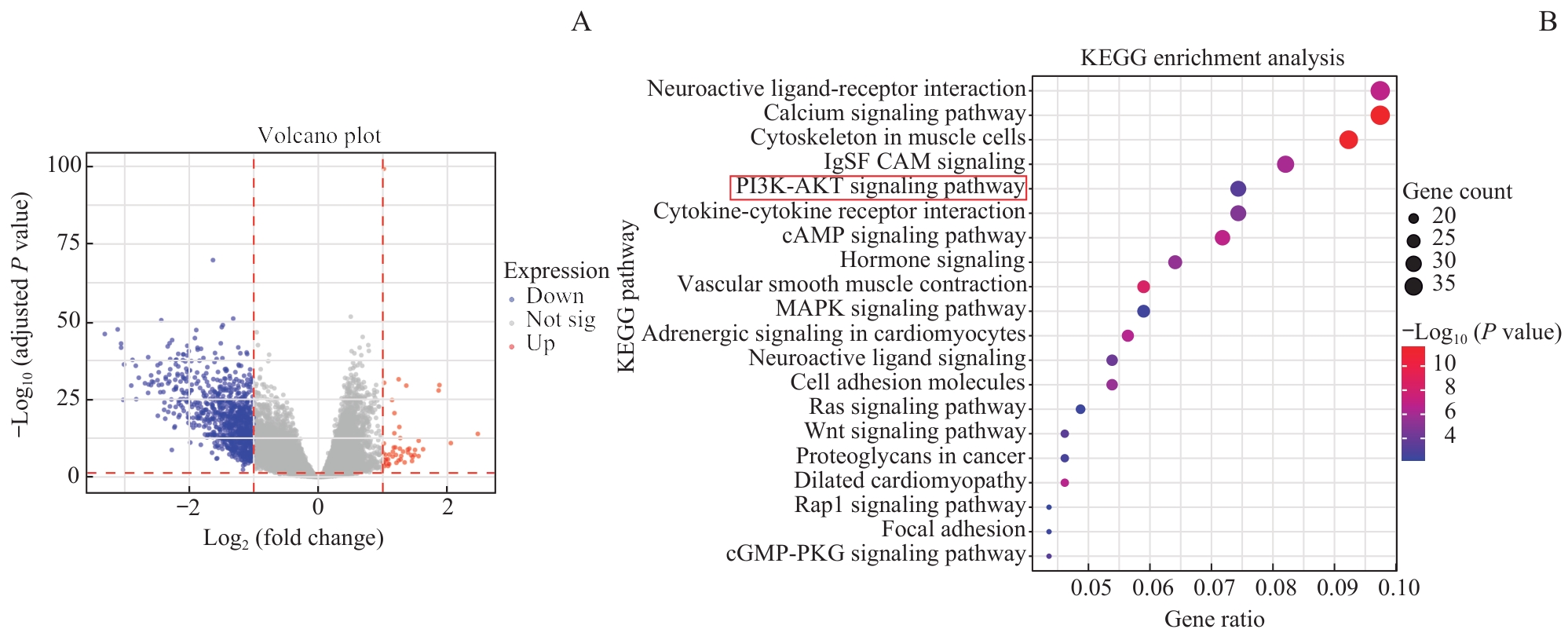
Fig 3 KEGG pathway enrichment analysis of SELENOI-associated differentially expressed genes in TCGA-STAD
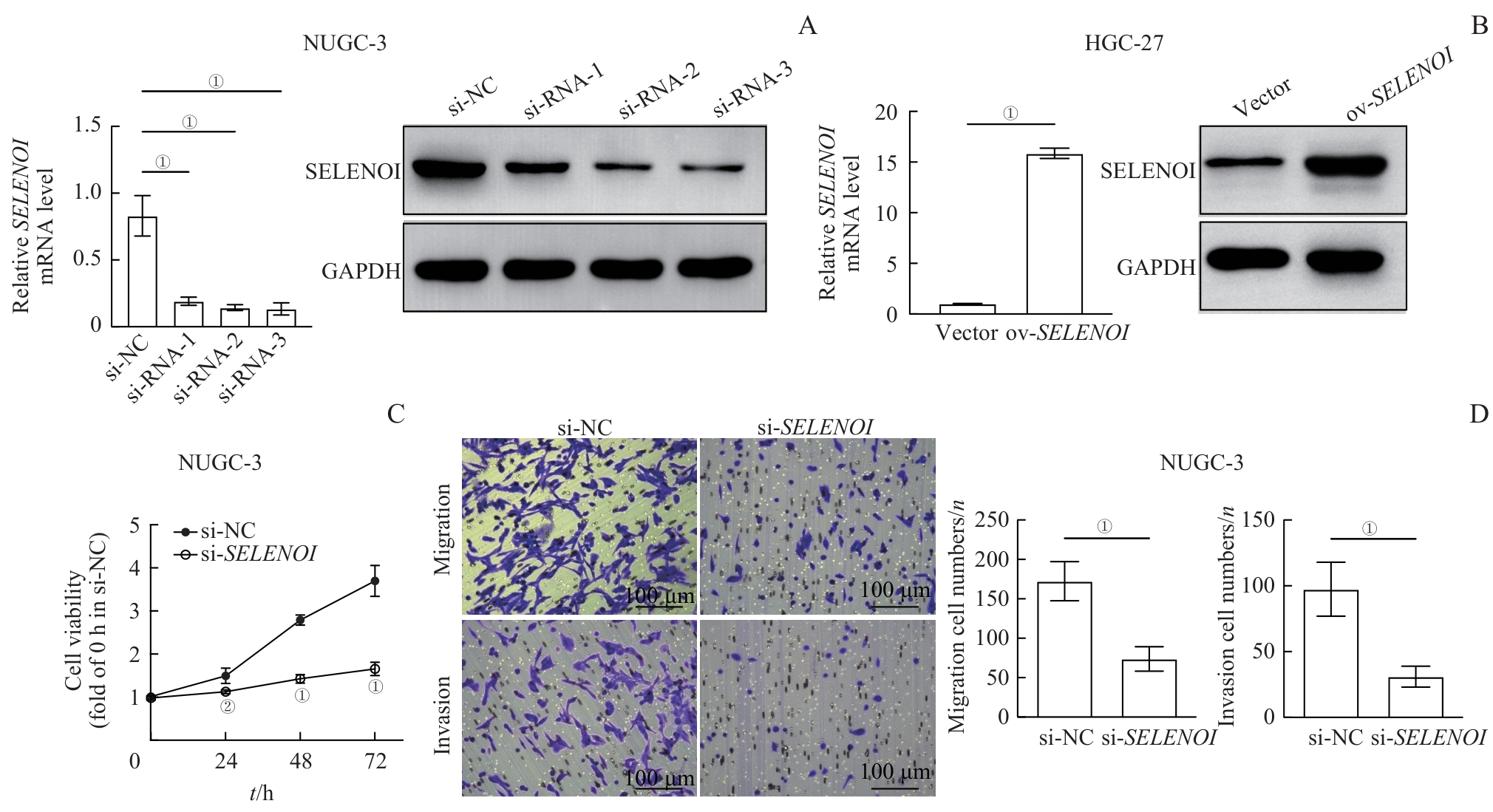
Fig 4 Effect of SELENOI silencing and overexpression on the proliferation, migration, and invasion abilities of gastric cancer cells
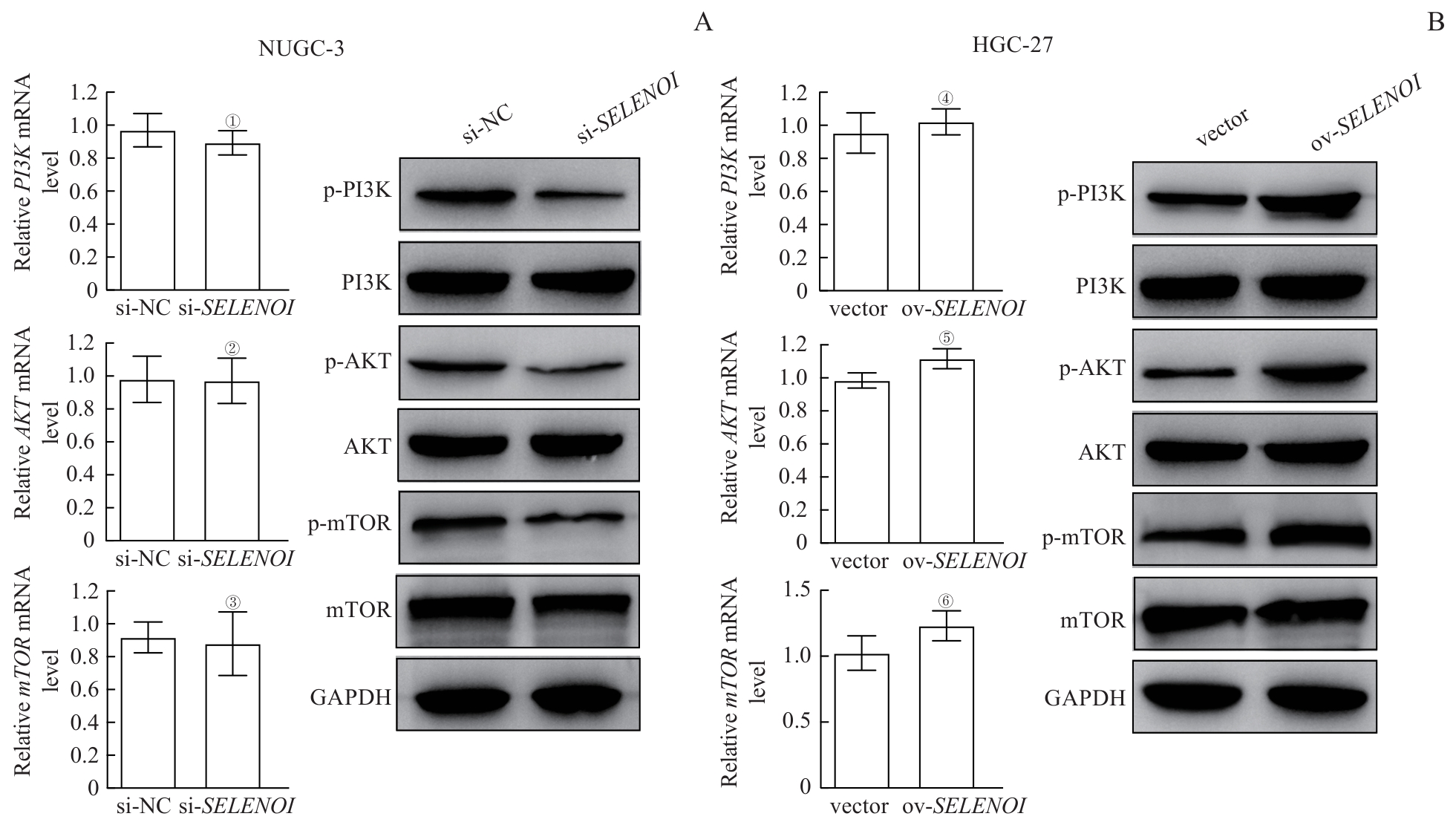
Fig 5 Regulation of the PI3K/AKT/mTOR signaling pathway by SELENOI
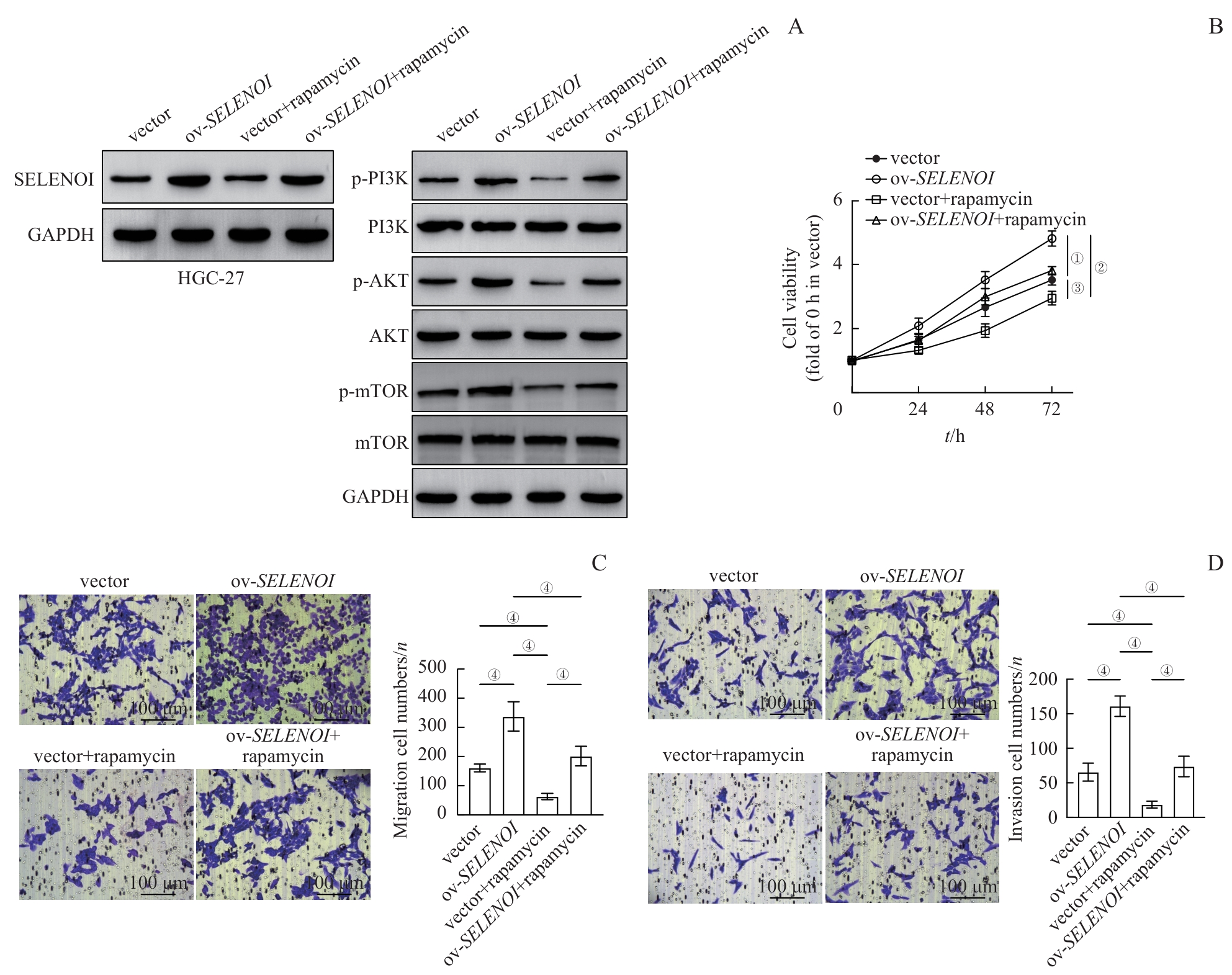
Fig 6 SELENOI promotes the proliferation, migration and invasion of gastric cancer cells through regulation of the PI3K/AKT/mTOR pathway
| [1] | 吴琪, 范伯男, 李岩. 2022全球癌症统计报告分析解读: 中国与世界癌症疾病负担与流行趋势[J]. 诊断学理论与实践, 2025, 24(2): 135-145. |
| Wu Q, Fan B N, Li Y. Analysis and interpretation of the 2022 Global Cancer Statistics Report: cancer burden and epidemiological trends in China and the world[J]. Journal of Diagnostics: Concepts & Practice, 2025, 24(2): 135-145. | |
| [2] | Zheng R S, Zhang S W, Zeng H M, et al. Cancer incidence and mortality in China, 2016[J]. J Natl Cancer Cent, 2022, 2(1): 1-9. |
| [3] | Han B F, Zheng R S, Zeng H M, et al. Cancer incidence and mortality in China, 2022[J]. J Natl Cancer Cent, 2024, 4(1): 47-53. |
| [4] | Henneberry A L, Lagace T A, Ridgway N D, et al. Phosphatidylcholine synthesis influences the diacylglycerol homeostasis required for SEC14p-dependent Golgi function and cell growth[J]. Mol Biol Cell, 2001, 12(3): 511-520. |
| [5] | Nunes L G A, Ma C, Pitts M W, et al. Insights from selenoprotein I mouse models for understanding biological roles of this enzyme[J]. Arch Biochem Biophys, 2025, 768: 110394. |
| [6] | Horibata Y, Maeda S, Konishi A. A Gly-to-Ala substitution confers choline phosphotransferase activity on the CDP-ethanolamine-specific mammalian EPT1[J]. Genes Cells, 2026, 31(2): e70095. |
| [7] | Ma C, Hoffmann F W, Shay A E, et al. Upregulated selenoprotein I during lipopolysaccharide-induced B cell activation promotes lipidomic changes and is required for effective differentiation into IgM-secreting plasma B cells[J]. J Leukoc Biol, 2024, 116(1): 6-17. |
| [8] | Ma C, Hoffmann F W, Marciel M P, et al. Upregulated ethanolamine phospholipid synthesis via selenoprotein I is required for effective metabolic reprogramming during T cell activation[J]. Mol Metab, 2021, 47: 101170. |
| [9] | Ma C, Martinez-Rodriguez V, Hoffmann P R. Roles for selenoprotein I and ethanolamine phospholipid synthesis in T cell activation[J]. Int J Mol Sci, 2021, 22(20): 11174. |
| [10] | Ma C, Hoffmann F W, Nunes L G, et al. Selenoprotein I deficiency in T cells promotes differentiation into tolerant phenotypes while decreasing Th17 pathology[J]. J Leukoc Biol, 2022, 112(6): 1387-1397. |
| [11] | Shi Z, Han Z Y, Chen J Y, et al. Endoplasmic reticulum-resident selenoproteins and their roles in glucose and lipid metabolic disorders[J]. Biochim Biophys Acta Mol Basis Dis, 2024, 1870(6): 167246. |
| [12] | Zhang X, Xiong W, Gao F, et al. Impacts and mechanism of liver-specific knockout of selenoprotein I on hepatic phospholipid metabolism, selenogenome expression, redox status, and resistance to CCl4 toxicity[J]. Free Radic Biol Med, 2025, 235: 426-442. |
| [13] | Huang X, Li T, Yang S H, et al. Hepatocyte-specific SELENOI deficiency predisposes mice to hepatic steatosis and obesity[J]. FASEB J, 2024, 38(11): e23717. |
| [14] | Nunes L G A, Pitts M W, Hoffmann P R. Selenoprotein I (SELENOI) as a critical enzyme in the central nervous system[J]. Arch Biochem Biophys, 2022, 729: 109376. |
| [15] | Nunes L G A, Ma C, Hoffmann F W, et al. Selenoprotein I is indispensable for ether lipid homeostasis and proper myelination[J]. J Biol Chem, 2024, 300(5): 107259. |
| [16] | Huang X, Yang X, Zhang M X, et al. SELENOI functions as a key modulator of ferroptosis pathway in colitis and colorectal cancer[J]. Adv Sci (Weinh), 2024, 11(28): e2404073. |
| [17] | Li J, Chen M M, Huang D W, et al. Inhibition of selenoprotein I promotes ferroptosis and reverses resistance to platinum chemotherapy by impairing Akt phosphorylation in ovarian cancer[J]. MedComm, 2024, 5(12): e70033. |
| [18] | Cao Y J, Luo Y C, Zou J, et al. Autophagy and its role in gastric cancer[J]. Clin Chim Acta, 2019, 489: 10-20. |
| [19] | Wong H, Yau T. Targeted therapy in the management of advanced gastric cancer: are we making progress in the era of personalized medicine?[J]. Oncologist, 2012, 17(3): 346-358. |
| [20] | Byun D S, Cho K, Ryu B K, et al. Frequent monoallelic deletion of PTEN and its reciprocal association with PIK3CA amplification in gastric carcinoma[J]. Int J Cancer, 2003, 104(3): 318-327. |
| [21] | Baghery Saghchy Khorasani A, Pourbagheri-Sigaroodi A, Pirsalehi A, et al. The PI3K/Akt/mTOR signaling pathway in gastric cancer; from oncogenic variations to the possibilities for pharmacologic interventions[J]. Eur J Pharmacol, 2021, 898: 173983. |
| [22] | Wadhwa R, Song S M, Lee J S, et al. Gastric cancer-molecular and clinical dimensions[J]. Nat Rev Clin Oncol, 2013, 10(11): 643-655. |
| [23] | Sukawa Y, Yamamoto H, Nosho K, et al. HER2 expression and PI3K-Akt pathway alterations in gastric cancer[J]. Digestion, 2014, 89(1): 12-17. |
| [1] | PAERHATI Nadina, ZHANG Pengshan, XU Yitian, CHEN Yunqi, HUANG Chen. Construction of a truncated cylindromatosis tumor suppressor deubiquitinase plasmid and its regulation of the phenotypes of gastric cancer cells [J]. Journal of Shanghai Jiao Tong University (Medical Science), 2025, 45(9): 1149-1160. |
| [2] | AIMAITI Muerzhate, ZHANG Yeqian, LIU Tao, BAI Long, ZHANG Haoyu, NI Bo, GUAN Yujing, WANG Shuchang, GU Jiayi, ZHU Chunchao, XIA Xiang, ZHANG Zizhen. A comparative analysis of the short-term efficacy of robotic and laparoscopic proximal gastrectomy combined with double-flap anastomosis in the treatment of early upper gastric cancer [J]. Journal of Shanghai Jiao Tong University (Medical Science), 2025, 45(7): 874-882. |
| [3] | YANG Na, LIU Junli, BAI Jing, YANG Siyi, HAN Jiming, ZHANG Huahua. HENMT1 promotes the proliferation and migration of gastric cancer by activating the PI3K-AKT-mTOR signaling pathway [J]. Journal of Shanghai Jiao Tong University (Medical Science), 2025, 45(6): 717-726. |
| [4] | CHEN Yongyu, HUANG Yiren, CHEN Zheyi, ZHOU Bingqian, CHEN Shiyu, ZHENG Yingxia. Expression of serpin family E member 1 in gastric cancer and its mechanisms in promoting gastric cancer [J]. Journal of Shanghai Jiao Tong University (Medical Science), 2025, 45(2): 150-160. |
| [5] | ZHANG Shuqiong, KE Xing, ZHAO Xinghe, CHEN Xiaocui, ZHENG Haodong, CHEN Hui, SHEN Lisong, YANG Junyao. LINC01123 promotes proliferation and glycolysis of gastric cancer via binding to ENO1 [J]. Journal of Shanghai Jiao Tong University (Medical Science), 2025, 45(11): 1443-1457. |
| [6] | JIANG Shuang, YU Jiwei. Progress of research on m6A demethylases in gastric cancer [J]. Journal of Shanghai Jiao Tong University (Medical Science), 2024, 44(2): 271-277. |
| [7] | HAN Ting, LÜ Chunxin, ZHUO Meng, XIA Qing, LIU Tengfei, WU Xiuqi, LIN Xiaolin, XIAO Xiuying. Related factors and prognostic analysis of adverse events of immunotherapy in advanced gastric cancer [J]. Journal of Shanghai Jiao Tong University (Medical Science), 2022, 42(8): 1053-1061. |
| [8] | CHEN Bin, CUI Hongquan, YANG Yijin, XU Haiyan, ZHANG Ling. Construction of a prediction model of immune-related long non-coding RNA in gastric cancer [J]. Journal of Shanghai Jiao Tong University (Medical Science), 2022, 42(10): 1394-1403. |
| [9] | Jiang-lei MA, Xiao-yao LI, Shi-fu ZHAO, De-jun YANG. Advances in diagnostic methods of clinical staging for gastric cancer [J]. JOURNAL OF SHANGHAI JIAOTONG UNIVERSITY (MEDICAL SCIENCE), 2021, 41(6): 821-825. |
| [10] | Qi-sheng GU, Mi-li ZHANG, Can CAO, Ji-kun LI. Association of alternative splicing and tumor immune in gastric cancer based on TCGA data set [J]. JOURNAL OF SHANGHAI JIAOTONG UNIVERSITY (MEDICAL SCIENCE), 2021, 41(4): 448-458. |
| [11] | Ben YUE, Gao-ming WANG, Lu-di YANG, Ran CUI, Feng-rong YU. Construction and application value of prognosis-associated miRNA prediction model in gastric cancer patients [J]. JOURNAL OF SHANGHAI JIAOTONG UNIVERSITY (MEDICAL SCIENCE), 2021, 41(11): 1436-1445. |
| [12] | ZHANG Jing. Inhibitory effect of toosendanin on gastric cancer cells BGC-823 by downregulating circDLST [J]. JOURNAL OF SHANGHAI JIAOTONG UNIVERSITY (MEDICAL SCIENCE), 2020, 40(9): 1202-1206. |
| [13] | LÜ Heng-yu, HUANG Chen, XIA Xiang, ZHAO Gang. Establishment of a nomogram model predicting risk factors of postoperative complications after radical gastrectomy for gastric cancer [J]. JOURNAL OF SHANGHAI JIAOTONG UNIVERSITY (MEDICAL SCIENCE), 2020, 40(7): 894-900. |
| [14] | DOU Min1, 2, ZHENG Ying-xia2, HAN Li2, ZHAO Qian1. Role and mechanism of PRMT4 in genesis and progression of gastric cancer [J]. JOURNAL OF SHANGHAI JIAOTONG UNIVERSITY (MEDICAL SCIENCE), 2020, 40(5): 609-618. |
| [15] | YU Zhi-long, RONG Ze-yin, LUO Zai, ZHANG Jian-ming, HUANG Chen. Identification of differentially expressed lncRNA in human gastric cancer tissues based on high-throughput RNA sequencing [J]. , 2019, 39(9): 955-. |
| Viewed | ||||||
|
Full text |
|
|||||
|
Abstract |
|
|||||
