
Journal of Shanghai Jiao Tong University (Medical Science) ›› 2026, Vol. 46 ›› Issue (10): 1392-1405.doi: 10.3969/j.issn.1674-8115.2026.10.009
• Techniques and methods • Previous Articles
Hong Yuanxin, Tulamati Aziguli, Shi Wentao, Yang Tian, Zhu Lei, Zhang Xueli, Zhang Zhigang( ), Li Dongxue()
Received:2026-03-26
Accepted:2026-04-21
Online:2026-10-20
Published:2026-10-20
Contact:
Zhang Zhigang, Li Dongxue
E-mail:zzhang@shsci.org;dxli@shsci.org
Supported by:CLC Number:
Hong Yuanxin, Tulamati Aziguli, Shi Wentao, Yang Tian, Zhu Lei, Zhang Xueli, Zhang Zhigang, Li Dongxue. Establishment of a research platform for protein dopaminylation based on the dopamine-derived probe PA[J]. Journal of Shanghai Jiao Tong University (Medical Science), 2026,(10): 1392-1405.
Add to citation manager EndNote|Ris|BibTeX
URL: https://xuebao.shsmu.edu.cn/EN/10.3969/j.issn.1674-8115.2026.10.009
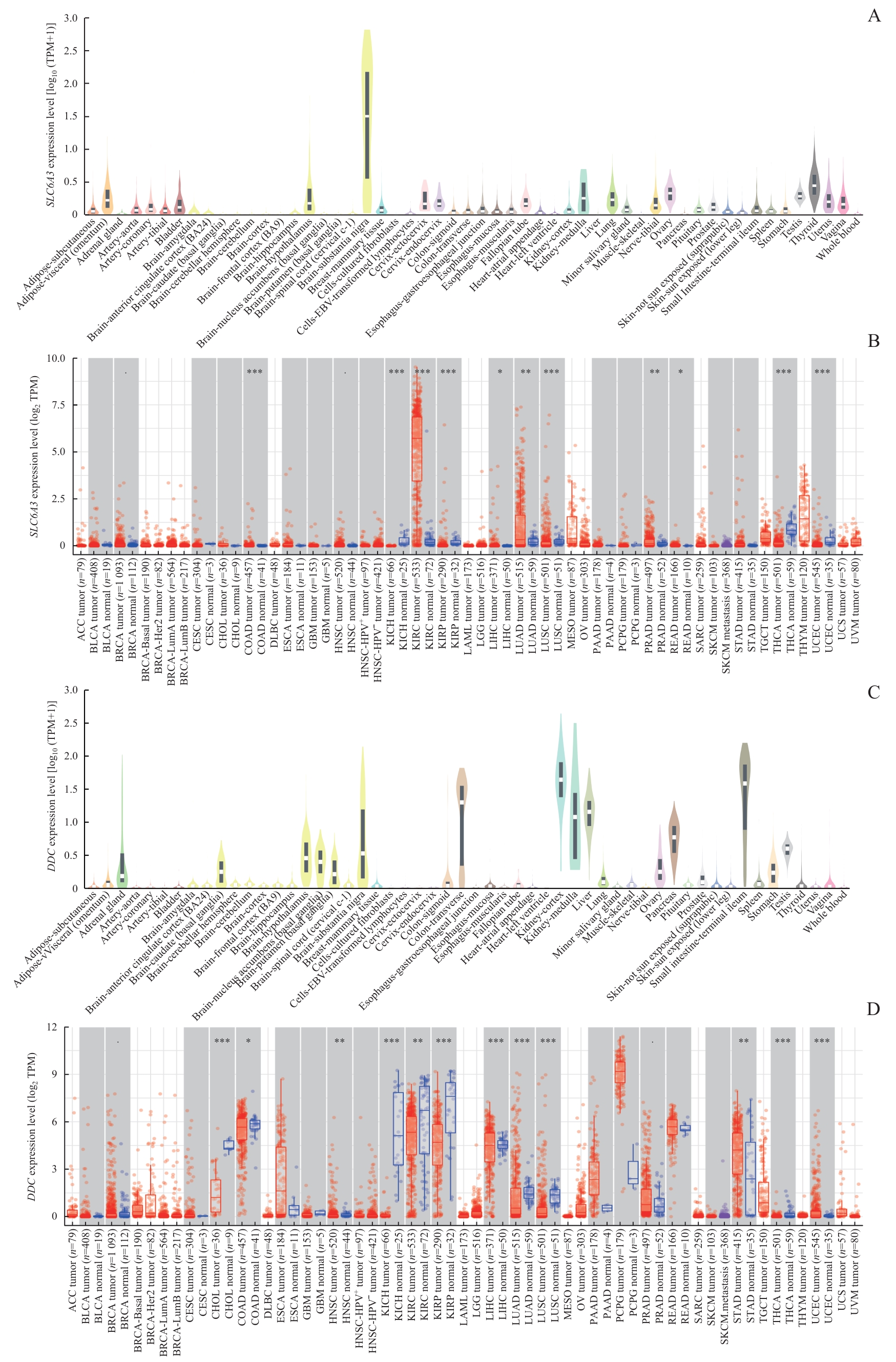
Fig 1 Expression of SLC6A3 and DDC in various normal tissues and pan-cancer tissues
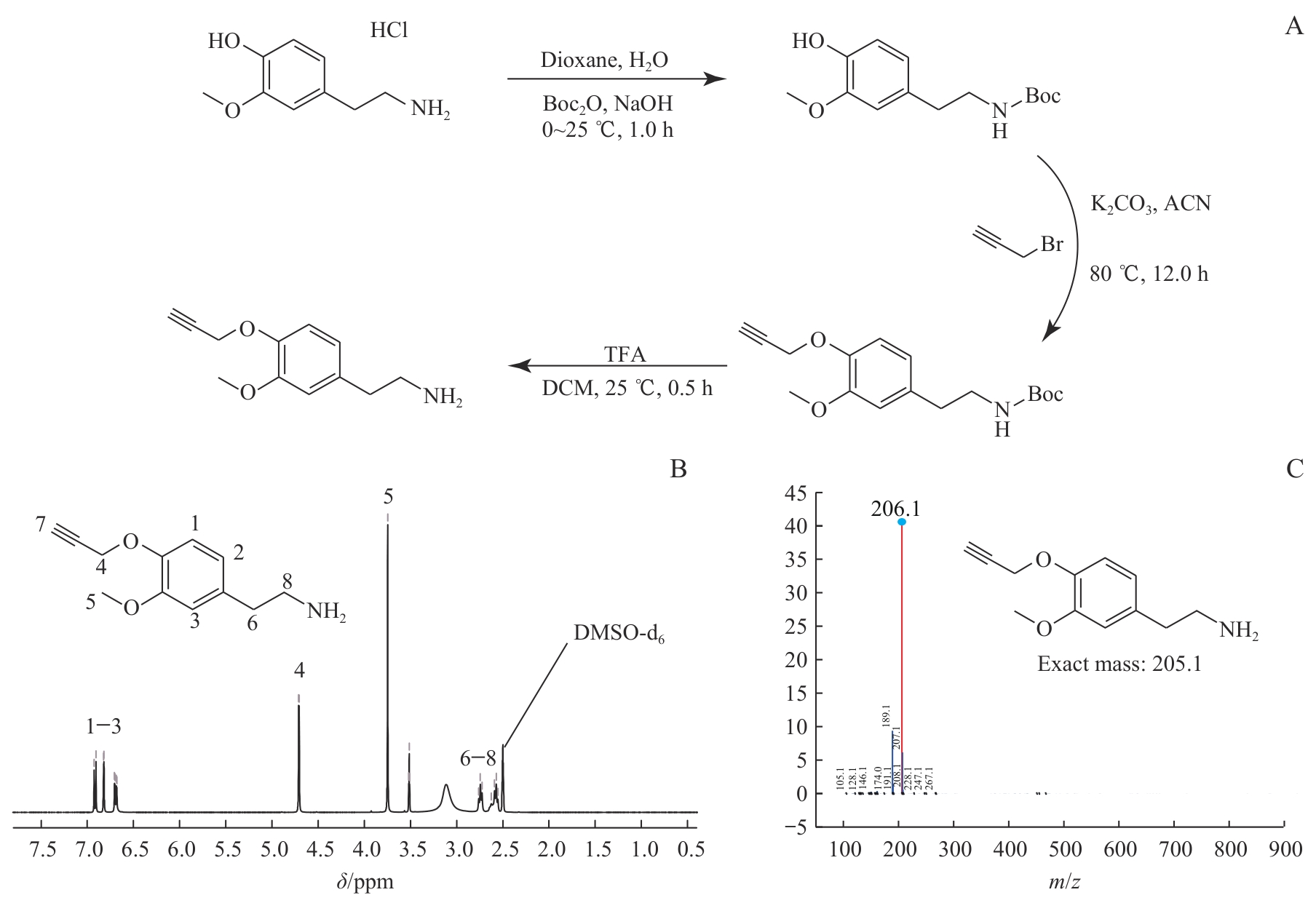
Fig 2 Synthetic route and structural characterization of dopamine derivative PA
| Chemical shift (δ)/ppm | Assigned proton | Integration | Description |
|---|---|---|---|
| 6.93‒6.90 | Aromatic H-2 | 1H | 1, 2, 4-trisubstituted benzene ring |
| 6.82 | Aromatic H-5 | 1H | Aromatic region |
| 6.70‒6.68 | Aromatic H-6 | 1H | Aromatic region |
| 4.71‒4.70 | O‒CH2‒C≡CH | 2H | OCH₂ group of the propargyloxy moiety |
| 3.75 | OCH3 | 3H | Methoxy group on the aromatic ring |
| 2.76‒2.73 | CH2‒NH2 | 2H | Methylene group adjacent to the amino group |
| 2.62‒2.55 | Ar‒CH2 | 2H | Benzylic CH₂ group |
| ca. 2.50‒3.10 | C≡CH | 1H | Terminal alkyne proton, possibly overlapped |
| Broad peak, variable | NH2 | 2H | Exchangeable protons, may be broad or not clearly observed |
Tab 1 1H NMR chemical shift assignments of the alkynylated dopamine derivative PA
| Chemical shift (δ)/ppm | Assigned proton | Integration | Description |
|---|---|---|---|
| 6.93‒6.90 | Aromatic H-2 | 1H | 1, 2, 4-trisubstituted benzene ring |
| 6.82 | Aromatic H-5 | 1H | Aromatic region |
| 6.70‒6.68 | Aromatic H-6 | 1H | Aromatic region |
| 4.71‒4.70 | O‒CH2‒C≡CH | 2H | OCH₂ group of the propargyloxy moiety |
| 3.75 | OCH3 | 3H | Methoxy group on the aromatic ring |
| 2.76‒2.73 | CH2‒NH2 | 2H | Methylene group adjacent to the amino group |
| 2.62‒2.55 | Ar‒CH2 | 2H | Benzylic CH₂ group |
| ca. 2.50‒3.10 | C≡CH | 1H | Terminal alkyne proton, possibly overlapped |
| Broad peak, variable | NH2 | 2H | Exchangeable protons, may be broad or not clearly observed |
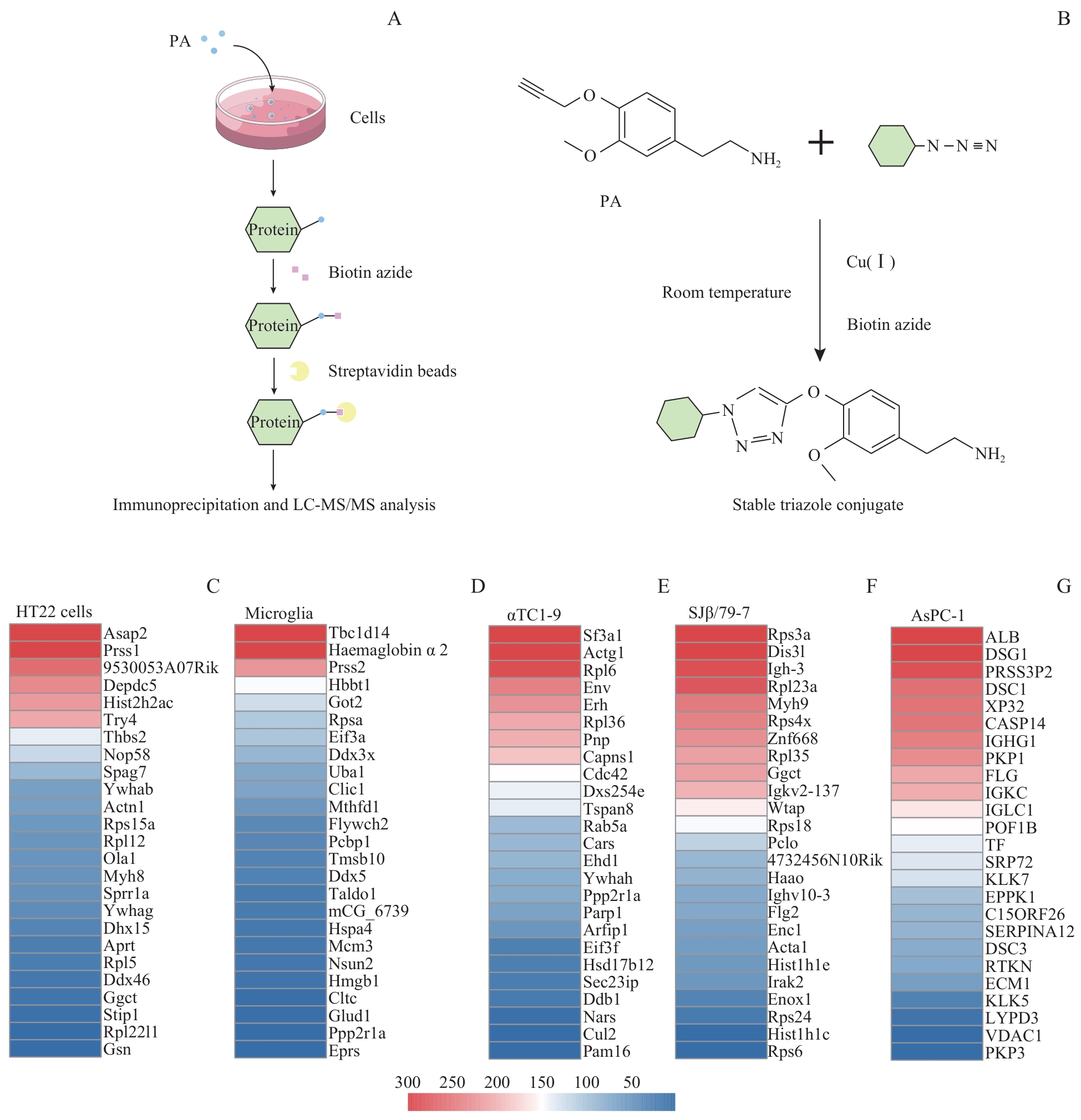
Fig 3 PA-based strategy for the enrichment and profiling of candidate dopaminylated proteins
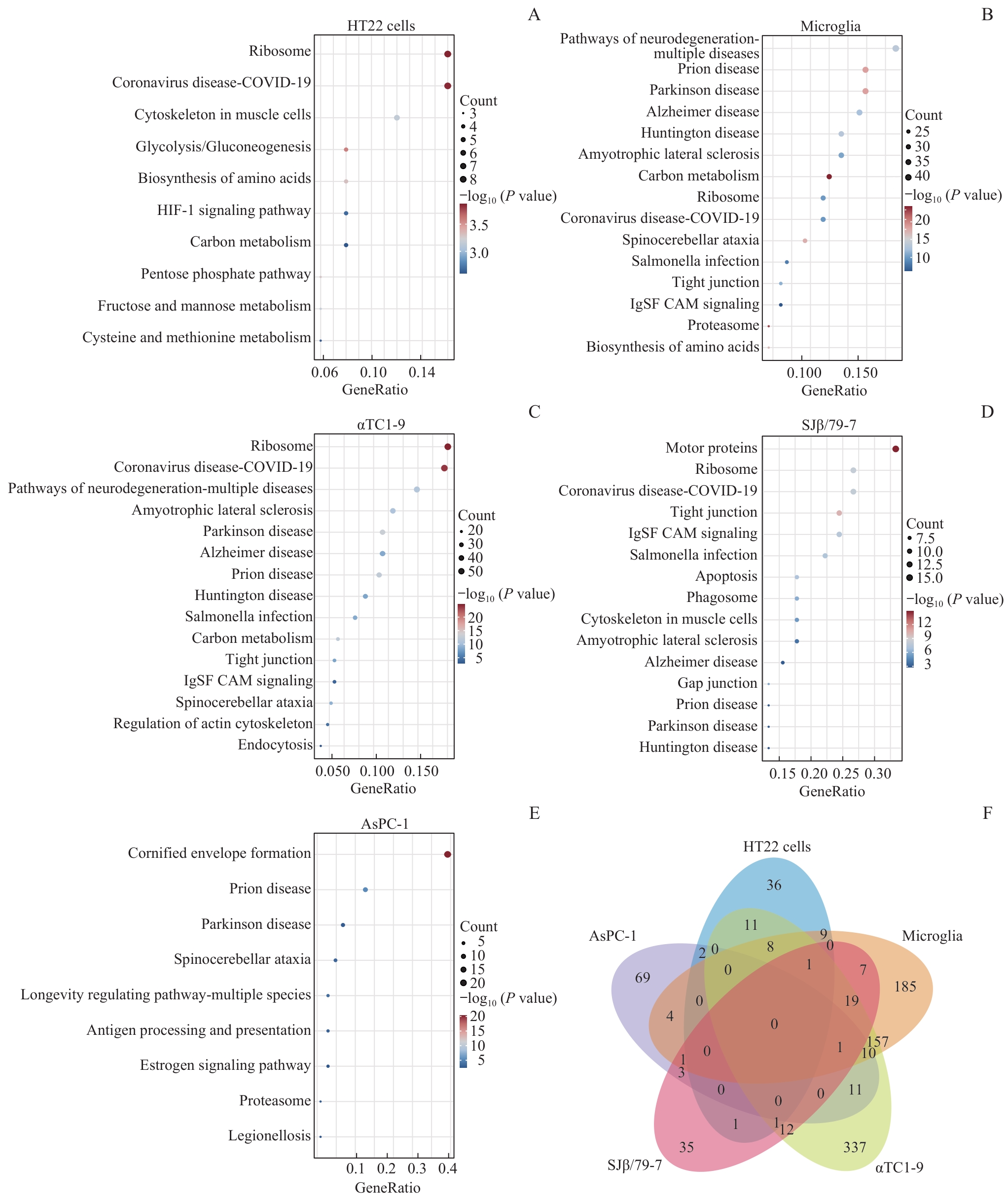
Fig 4 KEGG enrichment and overlap analysis of candidate dopaminylated proteins in different cell types
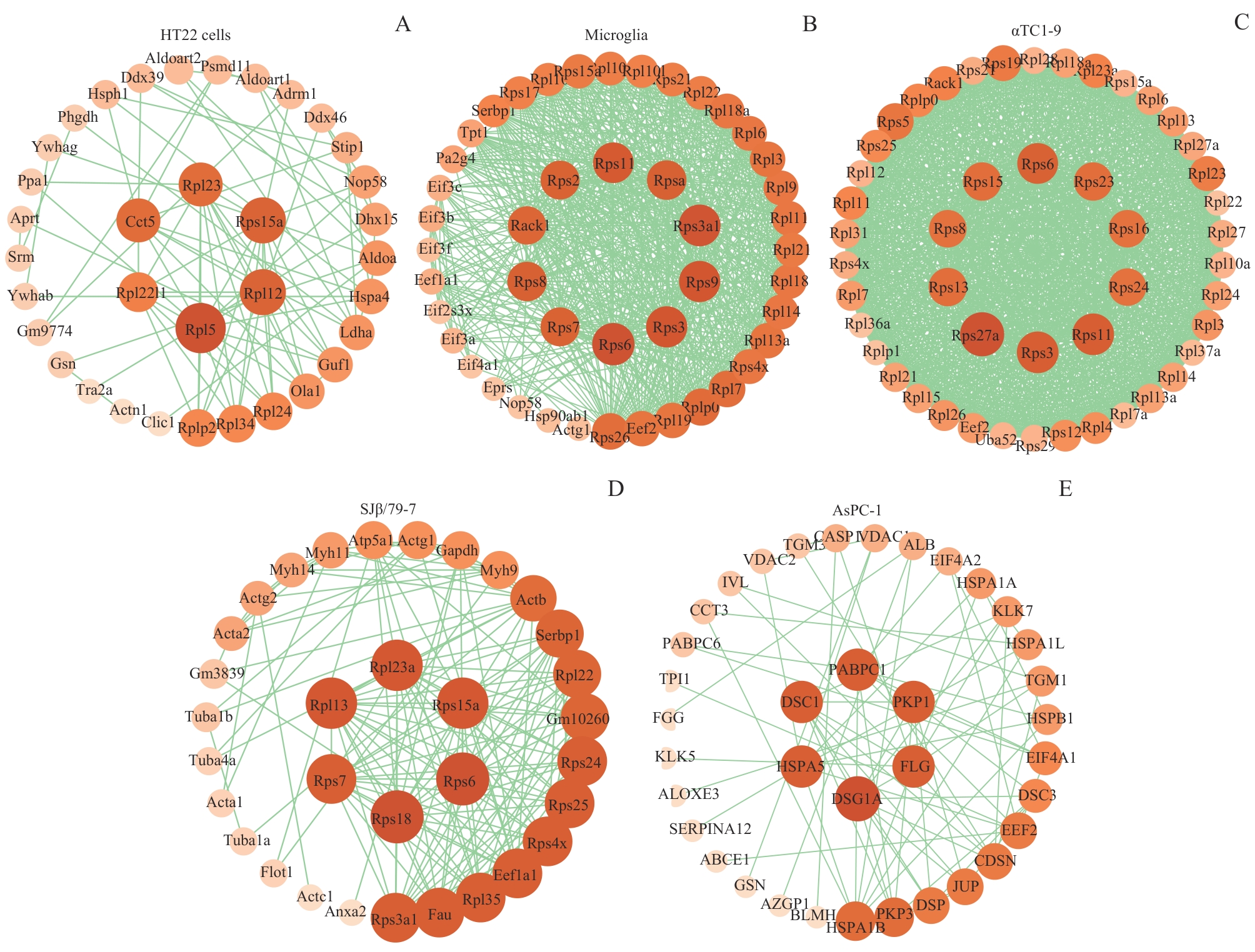
Fig 5 Protein-protein interaction networks of candidate dopaminylated proteins in different cell types
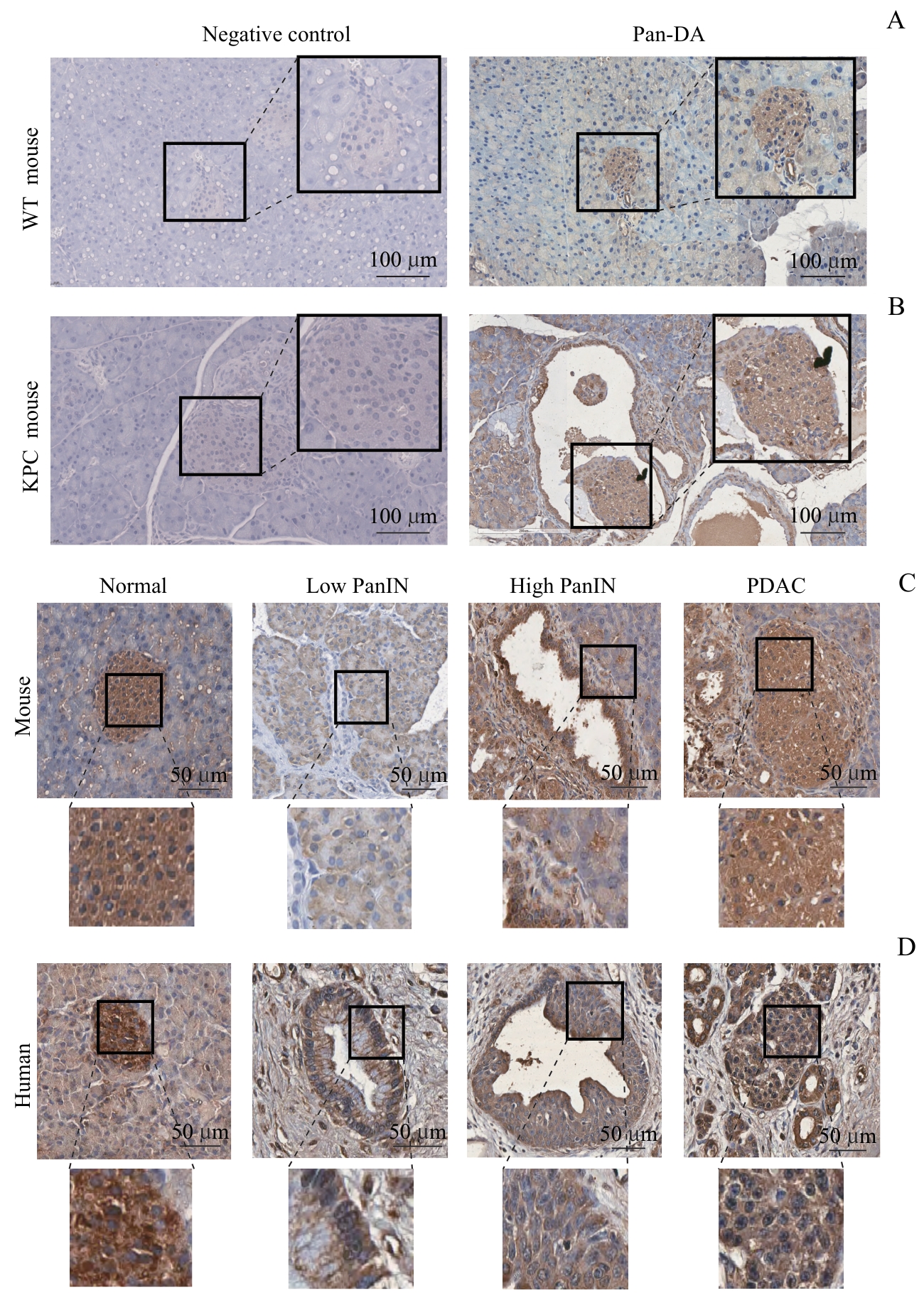
Fig 6 Immunohistochemical detection of dopaminylated in mouse and human pancreatic tissues
| [1] | Channer B, Matt S M, Nickoloff-Bybel E A, et al. Dopamine, immunity, and disease[J]. Pharmacol Rev, 2023, 75(1): 62-158. |
| [2] | Moore S C, Vaz de Castro P A S, Yaqub D, et al. Anti-inflammatory effects of peripheral dopamine[J]. Int J Mol Sci, 2023, 24(18): 13816. |
| [3] | Maneu V, Borges R, Gandía L, et al. Forty years of the adrenal chromaffin cell through ISCCB meetings around the world[J]. Pflugers Arch, 2023, 475(6): 667-690. |
| [4] | Di Nunzio M, Mignogna M L, Bacigaluppi M, et al. The role of dopaminergic signalling from physiology to neuroprotection in acute and chronic disorders[J]. Neurobiol Dis, 2025, 217: 107194. |
| [5] | Speranza L, Miniaci M C, Volpicelli F. The role of dopamine in neurological, psychiatric, and metabolic disorders and cancer: a complex web of interactions[J]. Biomedicines, 2025, 13(2): 492. |
| [6] | Xu H Y, Yang F. The interplay of dopamine metabolism abnormalities and mitochondrial defects in the pathogenesis of schizophrenia[J]. Transl Psychiatry, 2022, 12(1): 464. |
| [7] | Hurben A K, Tretyakova N Y. Role of protein damage inflicted by dopamine metabolites in Parkinson's disease: evidence, tools, and outlook[J]. Chem Res Toxicol, 2022, 35(10): 1789-1804. |
| [8] | Lauretani F, Giallauria F, Testa C, et al. Dopamine pharmacodynamics: new insights[J]. Int J Mol Sci, 2024, 25(10): 5293. |
| [9] | Mönnich D, Humphrys L J, Höring C, et al. Activation of multiple G protein pathways to characterize the five dopamine receptor subtypes using bioluminescence technology[J]. ACS Pharmacol Transl Sci, 2024, 7(3): 834-854. |
| [10] | Hukema F W, Hetty S, Kagios C, et al. Abundance of dopamine and its receptors in the brain and adipose tissue following diet-induced obesity or caloric restriction[J]. Transl Res, 2025, 280: 41-54. |
| [11] | Al-Kachak A, Maze I. Post-translational modifications of histone proteins by monoamine neurotransmitters[J]. Curr Opin Chem Biol, 2023, 74: 102302. |
| [12] | Li H P, Wu J H, Zhang N, et al. Transglutaminase 2-mediated histone monoaminylation and its role in cancer[J]. Biosci Rep, 2024, 44(8): BSR20240493. |
| [13] | Stewart A F, Lepack A E, Fulton S L, et al. Histone H3 dopaminylation in nucleus accumbens, but not medial prefrontal cortex, contributes to cocaine-seeking following prolonged abstinence[J]. Mol Cell Neurosci, 2023, 125: 103824. |
| [14] | Fulton S L, Mitra S, Lepack A E, et al. Histone H3 dopaminylation in ventral tegmental area underlies heroin-induced transcriptional and behavioral plasticity in male rats[J]. Neuropsychopharmacology, 2022, 47(10): 1776-1783. |
| [15] | Lepack A E, Werner C T, Stewart A F, et al. Dopaminylation of histone H3 in ventral tegmental area regulates cocaine seeking[J]. Science, 2020, 368(6487): 197-201. |
| [16] | Mo C H, Li H, Yan M L, et al. Dopaminylation of endothelial TPI1 suppresses ferroptotic angiocrine signals to promote lung regeneration over fibrosis[J]. Cell Metab, 2024, 36(8): 1839-1857.e12. |
| [17] | Hummerich R, Thumfart J O, Findeisen P, et al. Transglutaminase-mediated transamidation of serotonin, dopamine and noradrenaline to fibronectin: evidence for a general mechanism of monoaminylation[J]. FEBS Lett, 2012, 586(19): 3421-3428. |
| [18] | Jia S Q, Ivanov A, Blasevic D, et al. Insm1 cooperates with Neurod1 and Foxa2 to maintain mature pancreatic β-cell function[J]. EMBO J, 2015, 34(10): 1417-1433. |
| [19] | 肖舒予, 阿孜古丽·吐拉麦提, 杨岩, 等. 5-羟色胺衍生物5-PT的合成及5-羟色胺化修饰蛋白研究体系的建立[J]. 上海交通大学学报(医学版), 2025, 45(2): 211-221. |
| Xiao S Y, Tulamati A, Yang Y, et al. Synthesis of the serotonin derivative 5-PT and establishment of a research system for protein serotonylation[J]. Journal of Shanghai Jiao tong University (Medical Science), 2025, 45(2): 211-221. | |
| [20] | Li D X, Abudujilile D, Shi W T, et al. Serotonin (5-HT): ancient signaling molecule reshaped by serotonylation in cancer[J]. Curr Opin Cell Biol, 2026, 100: 102631. |
| [21] | Zhang N, Wu J H, Hossain F, et al. Bioorthogonal labeling and enrichment of histone monoaminylation reveal its accumulation and regulatory function in cancer cell chromatin[J]. J Am Chem Soc, 2024, 146 (24): 16714-16720. |
| [22] | Zhang N, Gao S X, Peng H D, et al. Chemical proteomic profiling of protein dopaminylation in colorectal cancer cells[J]. J Proteome Res, 2024, 23(7): 2651-2660. |
| [23] | Chen B, Zhang Q, Zhong X R, et al. Dopamine modification of glycolytic enzymes impairs glycolysis: possible implications for Parkinson's disease[J]. Cell Commun Signal, 2024, 22(1): 75. |
| [1] | Tang Qiuyi, Dong Wenjun, Hu Chunnan, Gong Wei. Identification of risk biomarkers of gallbladder cancer through plasma proteome-wide Mendelian randomization analysis [J]. Journal of Shanghai Jiao Tong University (Medical Science), 2026, 46(7): 972-980. |
| [2] | Li Ruolin, Li Zimeng, Song Ahui, Tao Ye, Li Chen, Liu Yingli. Proteomic analysis of high glucose-induced apoptosis in peritoneal mesothelial cells [J]. Journal of Shanghai Jiao Tong University (Medical Science), 2026, 46(10): 1331-1338. |
| [3] | LI Qinglin, WANG Wenbo, LIU Wei. Bioinformatics analysis of pathological mechanism of degenerated tendon via stress deprivation [J]. Journal of Shanghai Jiao Tong University (Medical Science), 2023, 43(5): 560-570. |
| [4] | Xiao YUAN, Ye-ye TIAN, Zheng XUE. 6-OHDA-induced Parkinson disease mice exhibit senescent phenotypes characterized by upregulation of p16Ink4a and astrocyte senescence [J]. JOURNAL OF SHANGHAI JIAOTONG UNIVERSITY (MEDICAL SCIENCE), 2021, 41(7): 876-883. |
| [5] | Yuan-xin HUANG, Dong-mei LAI. Application of proteomics to the study of gynecological diseases [J]. JOURNAL OF SHANGHAI JIAOTONG UNIVERSITY (MEDICAL SCIENCE), 2021, 41(2): 233-240. |
| [6] | Zhuo-yi YANG, Hui CHEN, Si-yi BAI, Pameila PERHATI, Jing-li HOU, Yun-sheng YUAN. Phosphoproteomic analysis of concanavalin A-induced hepatocytes injury [J]. JOURNAL OF SHANGHAI JIAOTONG UNIVERSITY (MEDICAL SCIENCE), 2021, 41(1): 1-7. |
| [7] | Qiang-qiang XIONG, Jun TU, Jun-ru LI, Jin-ke CHENG, Jian-hong ZUO, Ya-lan CHEN. Review of proteomic study of protein SUMOylation [J]. JOURNAL OF SHANGHAI JIAOTONG UNIVERSITY (MEDICAL SCIENCE), 2021, 41(1): 89-94. |
| [8] | YANG Dao-liang, LIU Han, WU Yu-jie, DU Wen-yong, JI Wei-dong, CHEN Xuan-xuan. Relationship between aggressive behavior in patients with bipolar disorder and DRD4 gene polymorphism and personality characteristics [J]. , 2020, 40(3): 362-. |
| [9] | LIU Jin-yan, SHI Ce, WANG Ying, LI Wen-jing, ZHAO Yue, ZHU Wei-wei, XIANG Ming-jie . Application of proteomics to the study on Candida albicans [J]. , 2016, 36(12): 1804-. |
| [10] | HU Jiang, WEN Da-xiang, HANG Yan-nan. Study on proteomic profiling of hippocampus tissues of spontaneously hypertensive rats after propofol anesthesia [J]. , 2014, 34(4): 491-. |
| [11] | JI Wei-dong, LI Ning, ZHENG Hong, et al. Relationship between dopamine receptor D4 exon Ⅲ polymorphism and the Gilles de la Tourette syndrome comorbid with depression [J]. , 2014, 34(4): 426-. |
| [12] | ZHANG Yi, ZHANG Chen, CHEN Mei-juan, et al. Effects of DRD2, HTR2A, and HTR2C genes on process of metabolic syndrome induced by clozapine [J]. , 2014, 34(4): 417-. |
| [13] | GUO Xiao-kui, QIN Jin-hong, HE Ping, et al. Progress on the genomics and proteomics of Leptospira interrogans [J]. , 2012, 32(9): 1135-. |
| [14] | WANG Xi-jin, YAN Zhi-qiang, GU Sheng-li, et al. Minocycline protects dopaminergic neurons by inhibiting production of proinflammatory factors [J]. , 2012, 32(6): 711-. |
| [15] | WANG Zi-mei, XU Gang, ZHANG Yong-fang, et al. Neuroprotective effects of Catalpol on BV2 cells injured by MPP+ [J]. , 2012, 32(10): 1296-. |
| Viewed | ||||||
|
Full text |
|
|||||
|
Abstract |
|
|||||
