
Journal of Shanghai Jiao Tong University (Medical Science) ›› 2024, Vol. 44 ›› Issue (5): 591-598.doi: 10.3969/j.issn.1674-8115.2024.05.007
• Clinical research • Previous Articles Next Articles
WANG Wenji1( ), ZHONG Kaiyi2, LI Jiaolun1, ZHOU Yueling1, HUANG Tao1, DUAN Lizhu1, SHEN Yuqi1, LI Xuezhu1, DING Feng1, XIE Danshu1()
Received:2023-10-16
Accepted:2024-02-23
Online:2024-05-28
Published:2024-05-28
Contact:
XIE Danshu
E-mail:codein2004@126.com;melody_hp@163.com
Supported by:CLC Number:
WANG Wenji, ZHONG Kaiyi, LI Jiaolun, ZHOU Yueling, HUANG Tao, DUAN Lizhu, SHEN Yuqi, LI Xuezhu, DING Feng, XIE Danshu. Association between urinary excretion of protein-bound uremic toxins and upper urinary tract calculus[J]. Journal of Shanghai Jiao Tong University (Medical Science), 2024,(5): 591-598.
Add to citation manager EndNote|Ris|BibTeX
URL: https://xuebao.shsmu.edu.cn/EN/10.3969/j.issn.1674-8115.2024.05.007
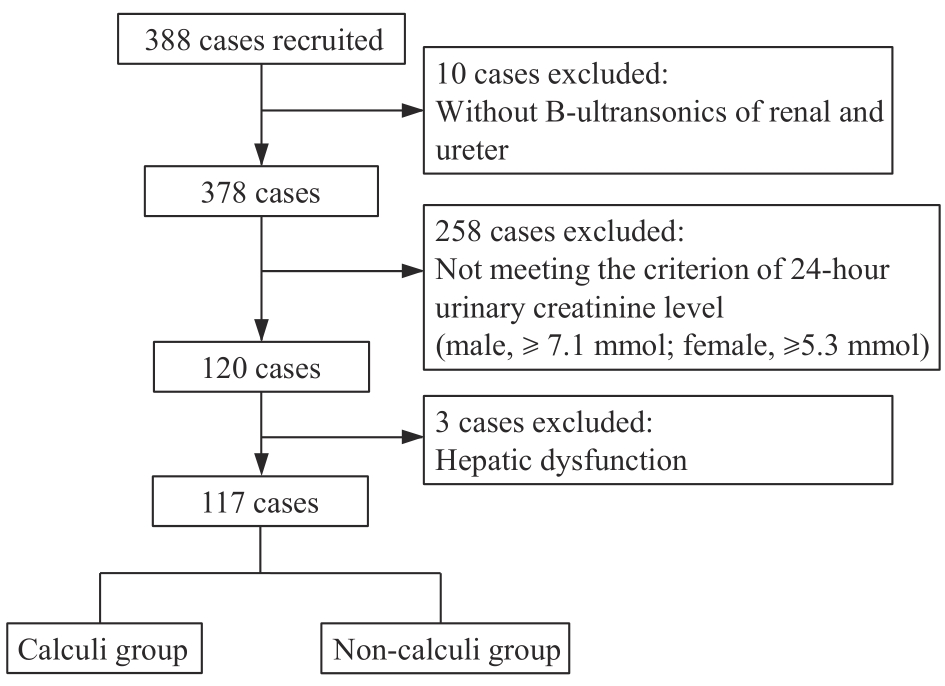
Fig 1 Screen flowchart of subject enrollment
| Characteristic | All (n=117) | Calculi group (n=54) | Non-calculi group (n=63) | P value |
|---|---|---|---|---|
| Male/n(%) | 66 (56.4) | 35 (64.8) | 31 (49.2) | 0.090 |
| Age/year | 50.21±13.63 | 51.72±10.33 | 48.90±15.89 | 0.267 |
| Hypertension/n(%) | 34 (29.1) | 18 (33.3) | 16 (25.4) | 0.346 |
| Diabetes/n(%) | 8 (6.8) | 5 (9.3) | 3 (4.8) | 0.337 |
| Hyperuricemia/gout/n(%) | 9 (7.7) | 6 (11.1) | 3 (4.8) | 0.254 |
| Family history of upper tract urinary calculi/n(%) | 11 (9.4) | 5 (9.3) | 6 (9.5) | 0.781 |
| Daily water intake/L | 0.70±0.45 | 0.63±0.43 | 0.73±0.47 | 0.382 |
| Meat to vegetable ratio/(g·g-1) | 0.52±0.18 | 0.52±0.11 | 0.53±0.21 | 0.697 |
Tab 1 Comparison of characteristics on baseline between the populations with and without upper tract urinary calculi
| Characteristic | All (n=117) | Calculi group (n=54) | Non-calculi group (n=63) | P value |
|---|---|---|---|---|
| Male/n(%) | 66 (56.4) | 35 (64.8) | 31 (49.2) | 0.090 |
| Age/year | 50.21±13.63 | 51.72±10.33 | 48.90±15.89 | 0.267 |
| Hypertension/n(%) | 34 (29.1) | 18 (33.3) | 16 (25.4) | 0.346 |
| Diabetes/n(%) | 8 (6.8) | 5 (9.3) | 3 (4.8) | 0.337 |
| Hyperuricemia/gout/n(%) | 9 (7.7) | 6 (11.1) | 3 (4.8) | 0.254 |
| Family history of upper tract urinary calculi/n(%) | 11 (9.4) | 5 (9.3) | 6 (9.5) | 0.781 |
| Daily water intake/L | 0.70±0.45 | 0.63±0.43 | 0.73±0.47 | 0.382 |
| Meat to vegetable ratio/(g·g-1) | 0.52±0.18 | 0.52±0.11 | 0.53±0.21 | 0.697 |
| Serum parameter | All (n=117) | Calculi group (n=54) | Non-calculi group (n=63) | P value |
|---|---|---|---|---|
| Creatinine/(μmol·L-1) | 68.77±15.21 | 70.15±13.39 | 67.59±16.63 | 0.366 |
| eGFR/[mL·(min·1.73 m2)-1] | 95.67±17.67 | 94.11±18.40 | 97.25±16.94 | 0.361 |
| Uric acid/(μmol·L-1) | 351.27±96.75 | 366.37±113.93 | 338.33±77.79 | 0.130 |
| Glucose/(mmol·L-1) | 5.52±2.32 | 5.29±1.13 | 5.71±3.18 | 0.318 |
| Albumin/(g·L-1) | 43.22±3.61 | 43.29±4.12 | 43.15±3.03 | 0.838 |
| Potassium/(mmol·L-1) | 4.46±0.68 | 4.36±0.75 | 4.56±0.60 | 0.106 |
| Sodium/(mmol·L-1) | 141.40±1.88 | 141.69±1.83 | 141.16±1.91 | 0.133 |
| Chloride/(mmol·L-1) | 103.49±2.49 | 103.89±2.83 | 103.14±2.13 | 0.107 |
| Calcium/(mmol·L-1) | 2.35±0.09 | 2.33±0.09 | 2.36±0.09 | 0.083 |
| Phosphorus/(mmol·L-1) | 1.26±0.58 | 1.33±0.85 | 1.20±0.21 | 0.290 |
| Magnesium/(mmol·L-1) | 0.90±0.06 | 0.90±0.06 | 0.90±0.07 | 0.803 |
| IS/(μmol·L-1) | 1.40 (0.92, 2.25) | 1.40 (1.09, 2.70) | 1.40 (0.78, 2.09) | 0.306 |
| IAA/(μmol·L-1) | 2.50 (1.91, 3.62) | 2.35 (1.81, 3.30) | 2.62 (1.94, 3.66) | 0.567 |
| PCS/(μmol·L-1) | 5.15 (2.06, 12.06) | 5.10 (2.15, 10.05) | 5.66 (1.95, 12.13) | 0.971 |
Tab 2 Comparison of serum parameters between the populations with and without upper tract urinary calculi
| Serum parameter | All (n=117) | Calculi group (n=54) | Non-calculi group (n=63) | P value |
|---|---|---|---|---|
| Creatinine/(μmol·L-1) | 68.77±15.21 | 70.15±13.39 | 67.59±16.63 | 0.366 |
| eGFR/[mL·(min·1.73 m2)-1] | 95.67±17.67 | 94.11±18.40 | 97.25±16.94 | 0.361 |
| Uric acid/(μmol·L-1) | 351.27±96.75 | 366.37±113.93 | 338.33±77.79 | 0.130 |
| Glucose/(mmol·L-1) | 5.52±2.32 | 5.29±1.13 | 5.71±3.18 | 0.318 |
| Albumin/(g·L-1) | 43.22±3.61 | 43.29±4.12 | 43.15±3.03 | 0.838 |
| Potassium/(mmol·L-1) | 4.46±0.68 | 4.36±0.75 | 4.56±0.60 | 0.106 |
| Sodium/(mmol·L-1) | 141.40±1.88 | 141.69±1.83 | 141.16±1.91 | 0.133 |
| Chloride/(mmol·L-1) | 103.49±2.49 | 103.89±2.83 | 103.14±2.13 | 0.107 |
| Calcium/(mmol·L-1) | 2.35±0.09 | 2.33±0.09 | 2.36±0.09 | 0.083 |
| Phosphorus/(mmol·L-1) | 1.26±0.58 | 1.33±0.85 | 1.20±0.21 | 0.290 |
| Magnesium/(mmol·L-1) | 0.90±0.06 | 0.90±0.06 | 0.90±0.07 | 0.803 |
| IS/(μmol·L-1) | 1.40 (0.92, 2.25) | 1.40 (1.09, 2.70) | 1.40 (0.78, 2.09) | 0.306 |
| IAA/(μmol·L-1) | 2.50 (1.91, 3.62) | 2.35 (1.81, 3.30) | 2.62 (1.94, 3.66) | 0.567 |
| PCS/(μmol·L-1) | 5.15 (2.06, 12.06) | 5.10 (2.15, 10.05) | 5.66 (1.95, 12.13) | 0.971 |
| 24-hour urinary parameter | All (n=117) | Calculi group (n=54) | Non-calculi group (n=63) | P value |
|---|---|---|---|---|
| Urine volume/mL | 1 400.7±600.1 | 1 495.3±736.4 | 1 321.3±447.7 | 0.137 |
| pH | 6.16 (5.77, 6.54) | 6.35 (6.04, 6.66) | 6.01 (5.61, 6.40) | 0.010 |
| Potassium/mmol | 31.90±19.10 | 34.81±23.94 | 29.40±13.37 | 0.127 |
| Sodium/mmol | 107.44±53.00 | 116.03±51.99 | 100.08±53.15 | 0.104 |
| Chloride/mmol | 115.08±57.43 | 129.21±62.71 | 102.97±49.88 | 0.013 |
| Calcium/mmol | 3.49±1.81 | 3.89±1.81 | 3.15±1.74 | 0.027 |
| Phosphorus/mmol | 17.43 (12.87, 21.98) | 17.41 (12.80, 19.17) | 17.51 (11.70, 20.79) | 0.870 |
| Magnesium/mmol | 2.78±1.29 | 2.93±1.20 | 2. 64±1.35 | 0.239 |
| Urea/mmol | 229.90 (171.70, 288.10) | 240.60 (191.68, 289.51) | 217.14 (153.66, 280.62) | 0.241 |
| Uric acid/mmol | 2 284.7±1 296.8 | 2 648.6±1 549.0 | 1 972.9±938.6 | 0.006 |
| Creatinine/μmol | 9 316.4±3 989.1 | 9 988.9±4 259.4 | 8 740.1±3 678.5 | 0.091 |
| UACR/(mg·g-1) | 7.57 (2.67, 12.46) | 8.69 (3.93, 16.78) | 7.07 (4.52, 10.41) | 0.153 |
| IS/μmol | 63.20 (18.67, 107.72) | 46.56 (35.95, 74.38) | 83.39 (32.91, 97.33) | 0.040 |
| IAA/μmol | 34.65 (20.67, 48.62) | 37.32 (22.18, 55.34) | 32.90 (26.63, 46.08) | 0.754 |
| PCS/μmol | 110.78 (71.88, 222.37) | 117.58 (63.71, 265.36) | 110.78 (78.83, 178.35) | 0.593 |
| Oxalic acid/μmol | 0.154 (0.129, 0.295) | 0.121 (0.149, 0.254) | 0.156 (0.123, 0.298) | 0.068 |
| Citric acid/μmol | 6.001 (3.098, 8.359) | 5.443 (3.118, 7.495) | 6.120 (3.081, 8.622) | 0.743 |
| Urea creatinine ratio | 28.63±10.02 | 27.67±7.93 | 29.44±11.52 | 0.344 |
Tab 3 Comparison of 24-hour urinary parameters between the populations with and without upper tract urinary calculi
| 24-hour urinary parameter | All (n=117) | Calculi group (n=54) | Non-calculi group (n=63) | P value |
|---|---|---|---|---|
| Urine volume/mL | 1 400.7±600.1 | 1 495.3±736.4 | 1 321.3±447.7 | 0.137 |
| pH | 6.16 (5.77, 6.54) | 6.35 (6.04, 6.66) | 6.01 (5.61, 6.40) | 0.010 |
| Potassium/mmol | 31.90±19.10 | 34.81±23.94 | 29.40±13.37 | 0.127 |
| Sodium/mmol | 107.44±53.00 | 116.03±51.99 | 100.08±53.15 | 0.104 |
| Chloride/mmol | 115.08±57.43 | 129.21±62.71 | 102.97±49.88 | 0.013 |
| Calcium/mmol | 3.49±1.81 | 3.89±1.81 | 3.15±1.74 | 0.027 |
| Phosphorus/mmol | 17.43 (12.87, 21.98) | 17.41 (12.80, 19.17) | 17.51 (11.70, 20.79) | 0.870 |
| Magnesium/mmol | 2.78±1.29 | 2.93±1.20 | 2. 64±1.35 | 0.239 |
| Urea/mmol | 229.90 (171.70, 288.10) | 240.60 (191.68, 289.51) | 217.14 (153.66, 280.62) | 0.241 |
| Uric acid/mmol | 2 284.7±1 296.8 | 2 648.6±1 549.0 | 1 972.9±938.6 | 0.006 |
| Creatinine/μmol | 9 316.4±3 989.1 | 9 988.9±4 259.4 | 8 740.1±3 678.5 | 0.091 |
| UACR/(mg·g-1) | 7.57 (2.67, 12.46) | 8.69 (3.93, 16.78) | 7.07 (4.52, 10.41) | 0.153 |
| IS/μmol | 63.20 (18.67, 107.72) | 46.56 (35.95, 74.38) | 83.39 (32.91, 97.33) | 0.040 |
| IAA/μmol | 34.65 (20.67, 48.62) | 37.32 (22.18, 55.34) | 32.90 (26.63, 46.08) | 0.754 |
| PCS/μmol | 110.78 (71.88, 222.37) | 117.58 (63.71, 265.36) | 110.78 (78.83, 178.35) | 0.593 |
| Oxalic acid/μmol | 0.154 (0.129, 0.295) | 0.121 (0.149, 0.254) | 0.156 (0.123, 0.298) | 0.068 |
| Citric acid/μmol | 6.001 (3.098, 8.359) | 5.443 (3.118, 7.495) | 6.120 (3.081, 8.622) | 0.743 |
| Urea creatinine ratio | 28.63±10.02 | 27.67±7.93 | 29.44±11.52 | 0.344 |
| Urinary solute | IS | IAA | PCS | |||
|---|---|---|---|---|---|---|
| r | P value | r | P value | r | P value | |
| Uric acid | 0.031 | 0.739 | 0.142 | 0.234 | 0.297 | 0.002 |
| Oxalic acid | 0.143 | 0.123 | 0.420 | 0.000 | 0.307 | 0.001 |
| Citric acid | 0.289 | 0.002 | 0.221 | 0.062 | 0.188 | 0.050 |
Tab 4 Correlation analysis between excretion levels of PBUTs and uric acid, oxalic acid, and citric acid in 24-hour urine
| Urinary solute | IS | IAA | PCS | |||
|---|---|---|---|---|---|---|
| r | P value | r | P value | r | P value | |
| Uric acid | 0.031 | 0.739 | 0.142 | 0.234 | 0.297 | 0.002 |
| Oxalic acid | 0.143 | 0.123 | 0.420 | 0.000 | 0.307 | 0.001 |
| Citric acid | 0.289 | 0.002 | 0.221 | 0.062 | 0.188 | 0.050 |
| 1 | RAMELLO A, VITALE C, MARANGELLA M. Epidemiology of nephrolithiasis[J]. J Nephrol, 2000, 13(Suppl 3): S45-S50. |
| 2 | KHAN A. Prevalence, pathophysiological mechanisms and factors affecting urolithiasis[J]. Int Urol Nephrol, 2018, 50(5): 799-806. |
| 3 | ZENG G H, MAI Z L, XIA S J, et al. Prevalence of kidney stones in China: an ultrasonography based cross-sectional study[J]. BJU Int, 2017, 120(1): 109-116. |
| 4 | RODGERS A L. Physicochemical mechanisms of stone formation[J]. Urolithiasis, 2017, 45(1): 27-32. |
| 5 | ALPAY H, OZEN A, GOKCE I, et al. Clinical and metabolic features of urolithiasis and microlithiasis in children[J]. Pediatr Nephrol, 2009, 24(11): 2203-2209. |
| 6 | SIRICH T L, ARONOV P A, PLUMMER N S, et al. Numerous protein-bound solutes are cleared by the kidney with high efficiency[J]. Kidney Int, 2013, 84(3): 585-590. |
| 7 | ARONSON P S. Role of SLC26A6-mediated Cl⁻-oxalate exchange in renal physiology and pathophysiology[J]. J Nephrol, 2010, 23(Suppl 16): S158-S164. |
| 8 | PAJOR A M. Molecular properties of the SLC13 family of dicarboxylate and sulfate transporters[J]. Pflugers Arch, 2006, 451(5): 597-605. |
| 9 | DURANTON F, COHEN G, DE SMET R, et al. Normal and pathologic concentrations of uremic toxins[J]. J Am Soc Nephrol, 2012, 23(7): 1258-1270. |
| 10 | GANESAN C, PAO A C. Urine oxalate and citrate excretion in patients with kidney stone disease: an ab initio clinical prediction[J]. Physiol Rep, 2021, 9(15): e14966. |
| 11 | MAI Z L, LI X X, CUI Z L, et al. Reference intervals for stone risk factors in 24-h urine among healthy adults of the Han population in China[J]. Clin Chem Lab Med, 2018, 56(4): 642-648. |
| 12 | SHEN Y, WANG Y F, SHI Y Y, et al. Improving the clearance of protein-bound uremic toxins using cationic liposomes as an adsorbent in dialysate[J]. Colloids Surf B Biointerfaces, 2020, 186: 110725. |
| 13 | ROMERO V, AKPINAR H, ASSIMOS D G. Kidney stones: a global picture of prevalence, incidence, and associated risk factors[J]. Rev Urol, 2010, 12(2/3): e86-e96. |
| 14 | WANG W Y, FAN J Y, HUANG G F, et al. Prevalence of kidney stones in mainland China: a systematic review[J]. Sci Rep, 2017, 7: 41630. |
| 15 | PARK H K, BAE S R, KIM S E, et al. The effect of climate variability on urinary stone attacks: increased incidence associated with temperature over 18 ℃: a population-based study[J]. Urolithiasis, 2015, 43(1): 89-94. |
| 16 | DALLAS K B, CONTI S, LIAO J C, et al. Redefining the stone belt: precipitation is associated with increased risk of urinary stone disease[J]. J Endourol, 2017, 31(11): 1203-1210. |
| 17 | PREZIOSO D, STRAZZULLO P, LOTTI T, et al. Dietary treatment of urinary risk factors for renal stone formation. A review of CLU Working Group[J]. Arch Ital Urol Androl, 2015, 87(2): 105-120. |
| 18 | NIGAM S K, BUSH K T, MARTOVETSKY G, et al. The organic anion transporter (OAT) family: a systems biology perspective[J]. Physiol Rev, 2015, 95(1): 83-123. |
| 19 | DEGUCHI T, KUSUHARA H, TAKADATE A, et al. Characterization of uremic toxin transport by organic anion transporters in the kidney[J]. Kidney Int, 2004, 65(1): 162-174. |
| 20 | HSUEH C H, YOSHIDA K, ZHAO P, et al. Identification and quantitative assessment of uremic solutes as inhibitors of renal organic anion transporters, OAT1 and OAT3[J]. Mol Pharm, 2016, 13(9): 3130-3140. |
| 21 | WU W, BUSH K T, NIGAM S K. Key role for the organic anion transporters, OAT1 and OAT3, in the in vivo handling of uremic toxins and solutes[J]. Sci Rep, 2017, 7(1): 4939. |
| 22 | LOWENSTEIN J, GRANTHAM J J. Residual renal function: a paradigm shift[J]. Kidney Int, 2017, 91(3): 561-565. |
| 23 | WANG K, KESTENBAUM B. Proximal tubular secretory clearance: a neglected partner of kidney function[J]. Clin J Am Soc Nephrol, 2018, 13(8): 1291-1296. |
| 24 | OGAWA Y, MIYAZATO T, HATANO T. Oxalate and urinary stones[J]. World J Surg, 2000, 24(10): 1154-1159. |
| 25 | YE Z Q, ZENG G H, YANG H, et al. The status and characteristics of urinary stone composition in China[J]. BJU Int, 2020, 125(6): 801-809. |
| 26 | HOLMES R P, AMBROSIUS W T, ASSIMOS D G. Dietary oxalate loads and renal oxalate handling[J]. J Urol, 2005, 174(3): 943-947. |
| 27 | BERGSLAND K J, ZISMAN A L, ASPLIN J R, et al. Evidence for net renal tubule oxalate secretion in patients with calcium kidney stones[J]. Am J Physiol Renal Physiol, 2011, 300(2): F311-F318. |
| 28 | JIANG Z R, ASPLIN J R, EVAN A P, et al. Calcium oxalate urolithiasis in mice lacking anion transporter Slc26a6[J]. Nat Genet, 2006, 38(4): 474-478. |
| 29 | OHANA E, SHCHEYNIKOV N, MOE O W, et al. SLC26A6 and NaDC-1 transporters interact to regulate oxalate and citrate homeostasis[J]. J Am Soc Nephrol, 2013, 24(10): 1617-1626. |
| 30 | JIANG H Y, POKHREL G, CHEN Y W, et al. High expression of SLC26A6 in the kidney may contribute to renal calcification via an SLC26A6-dependent mechanism[J]. PeerJ, 2018, 6: e5192. |
| 31 | SAYER J A. Progress in understanding the genetics of calcium-containing nephrolithiasis[J]. J Am Soc Nephrol, 2017, 28(3): 748-759. |
| 32 | KHAN S R, PEARLE M S, ROBERTSON W G, et al. Kidney stones[J]. Nat Rev Dis Primers, 2016, 2: 16008. |
| 33 | FELLSTRÖM B, DANIELSON B G, KARLSTRÖM B, et al. The influence of a high dietary intake of purine-rich animal protein on urinary urate excretion and supersaturation in renal stone disease[J]. Clin Sci, 1983, 64(4): 399-405. |
| 34 | GRASES F, VILLACAMPA A I, COSTA-BAUZÁ A, et al. Uric acid calculi: types, etiology and mechanisms of formation[J]. Clin Chim Acta, 2000, 302(1/2): 89-104. |
| 35 | ERALY S A, VALLON V, RIEG T, et al. Multiple organic anion transporters contribute to net renal excretion of uric acid[J]. Physiol Genomics, 2008, 33(2): 180-192. |
| 36 | PEERAPEN P, THONGBOONKERD V. Kidney stone prevention[J]. Adv Nutr, 2023, 14(3): 555-569. |
| 37 | PAK C Y C, RODGERS K, POINDEXTER J R, et al. New methods of assessing crystal growth and saturation of brushite in whole urine: effect of pH, calcium and citrate[J]. J Urol, 2008, 180(4): 1532-1537. |
| 38 | BARCELO P, WUHL O, SERVITGE E, et al. Randomized double-blind study of potassium citrate in idiopathic hypocitraturic calcium nephrolithiasis[J]. J Urol, 1993, 150(6): 1761-1764. |
| 39 | DOIZI S, POINDEXTER J R, PEARLE M S, et al. Impact of potassium citrate vs citric acid on urinary stone risk in calcium phosphate stone formers[J]. J Urol, 2018, 200(6): 1278-1284. |
| [1] | TANG Hai-xiao, SHI Bo-wen, DAI Ze-hao, HUANG Yun-teng. Balloon dilatation combined with pneumatic and ultrasound lithotripsy in the treatment of unilateral renal stones by percutaneous nephrolithotomy [J]. JOURNAL OF SHANGHAI JIAOTONG UNIVERSITY (MEDICAL SCIENCE), 2020, 40(8): 1086-1090. |
| [2] | ZHOU Yue-ling, DING Feng. Recent advances in the risk factors, diagnosis and evaluation of renal calculus [J]. JOURNAL OF SHANGHAI JIAOTONG UNIVERSITY (MEDICAL SCIENCE), 2020, 40(5): 688-692. |
| Viewed | ||||||
|
Full text |
|
|||||
|
Abstract |
|
|||||
