
Journal of Shanghai Jiao Tong University (Medical Science) ›› 2025, Vol. 45 ›› Issue (8): 1035-1045.doi: 10.3969/j.issn.1674-8115.2025.08.011
• Evidence-based medicine • Previous Articles Next Articles
LI Long1,2, ZHAO Xia1,2, JIN Shan1, LI Zeying1,2, LÜ Fuqiang1, PANG Lijuan1,2( ), LIU Kejian1()
Received:2025-03-20
Accepted:2025-05-09
Online:2025-08-28
Published:2025-08-20
Contact:
PANG Lijuan, LIU Kejian
E-mail:ocean123456@163.com;25931884@qq.com
Supported by:CLC Number:
LI Long, ZHAO Xia, JIN Shan, LI Zeying, LÜ Fuqiang, PANG Lijuan, LIU Kejian. Deciphering the protective role of AZGP1 in heart failure through Mendelian randomization[J]. Journal of Shanghai Jiao Tong University (Medical Science), 2025,(8): 1035-1045.
Add to citation manager EndNote|Ris|BibTeX
URL: https://xuebao.shsmu.edu.cn/EN/10.3969/j.issn.1674-8115.2025.08.011
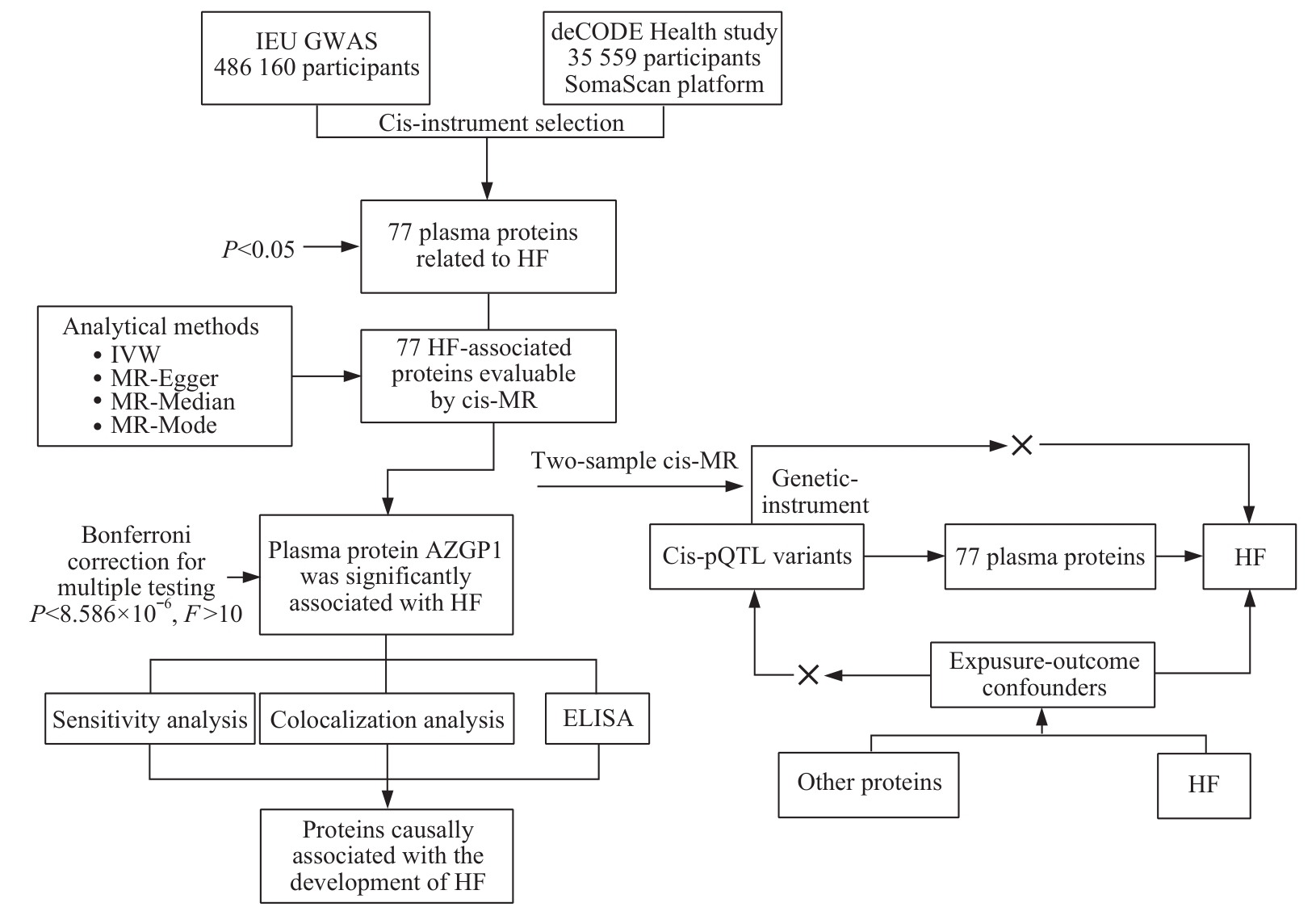
Fig 1 Overview of key assumptions in MR studies
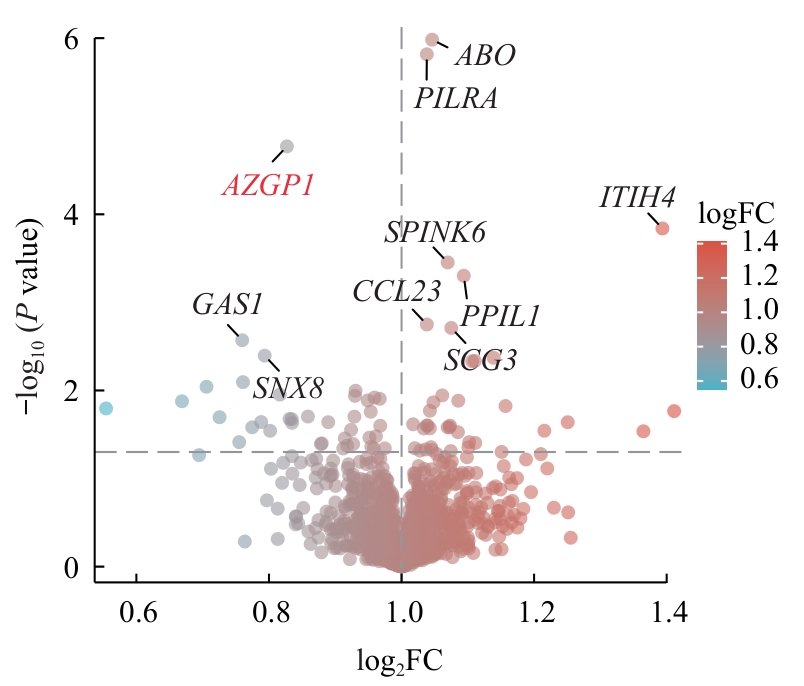
Fig 2 Volcano plot of results of MR analysis of plasma proteins versus HF
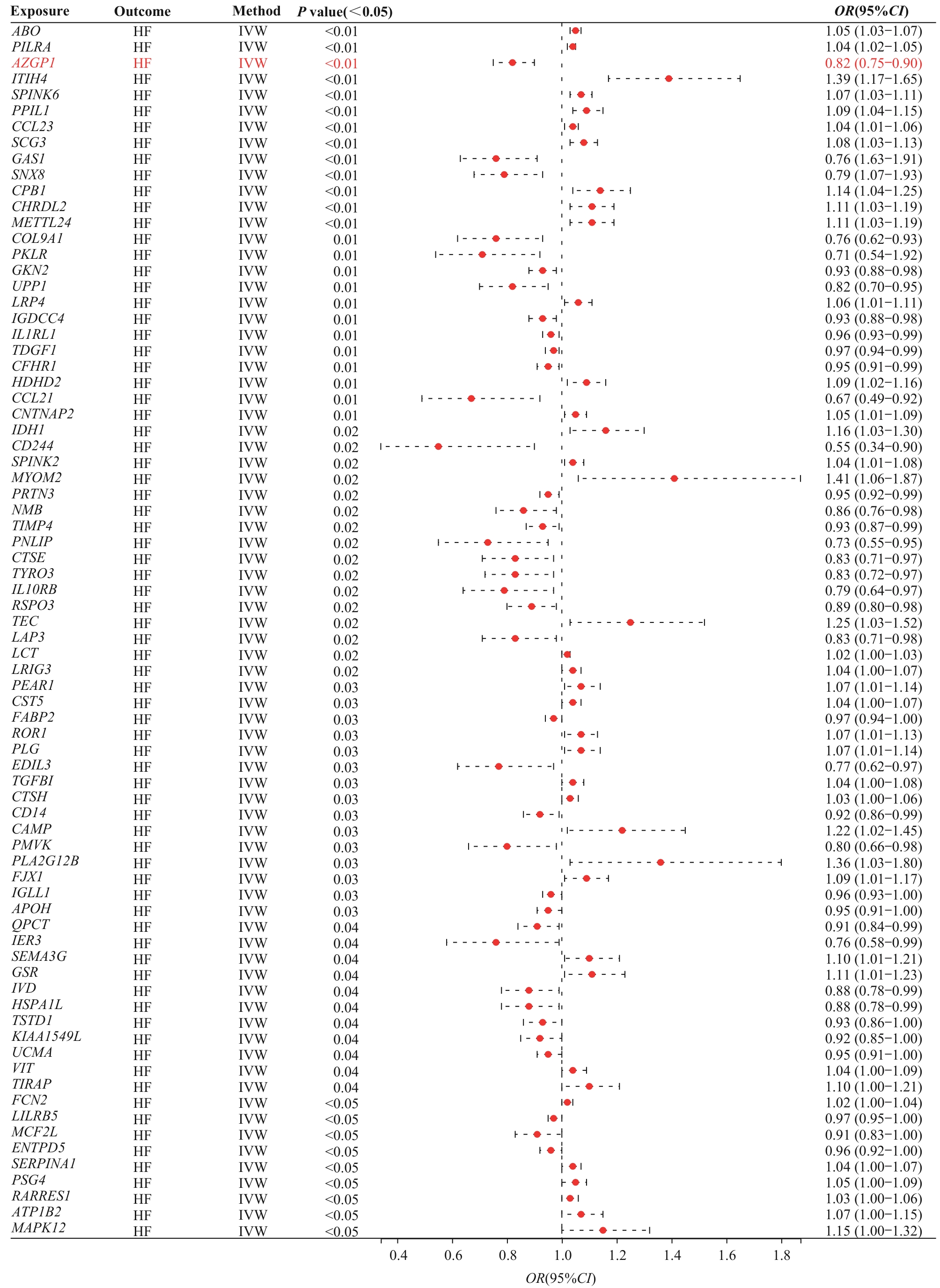
Fig 3 Systematic evaluation of the causal relationships between plasma concentrations of 77 proteins and HF risk by IVW method
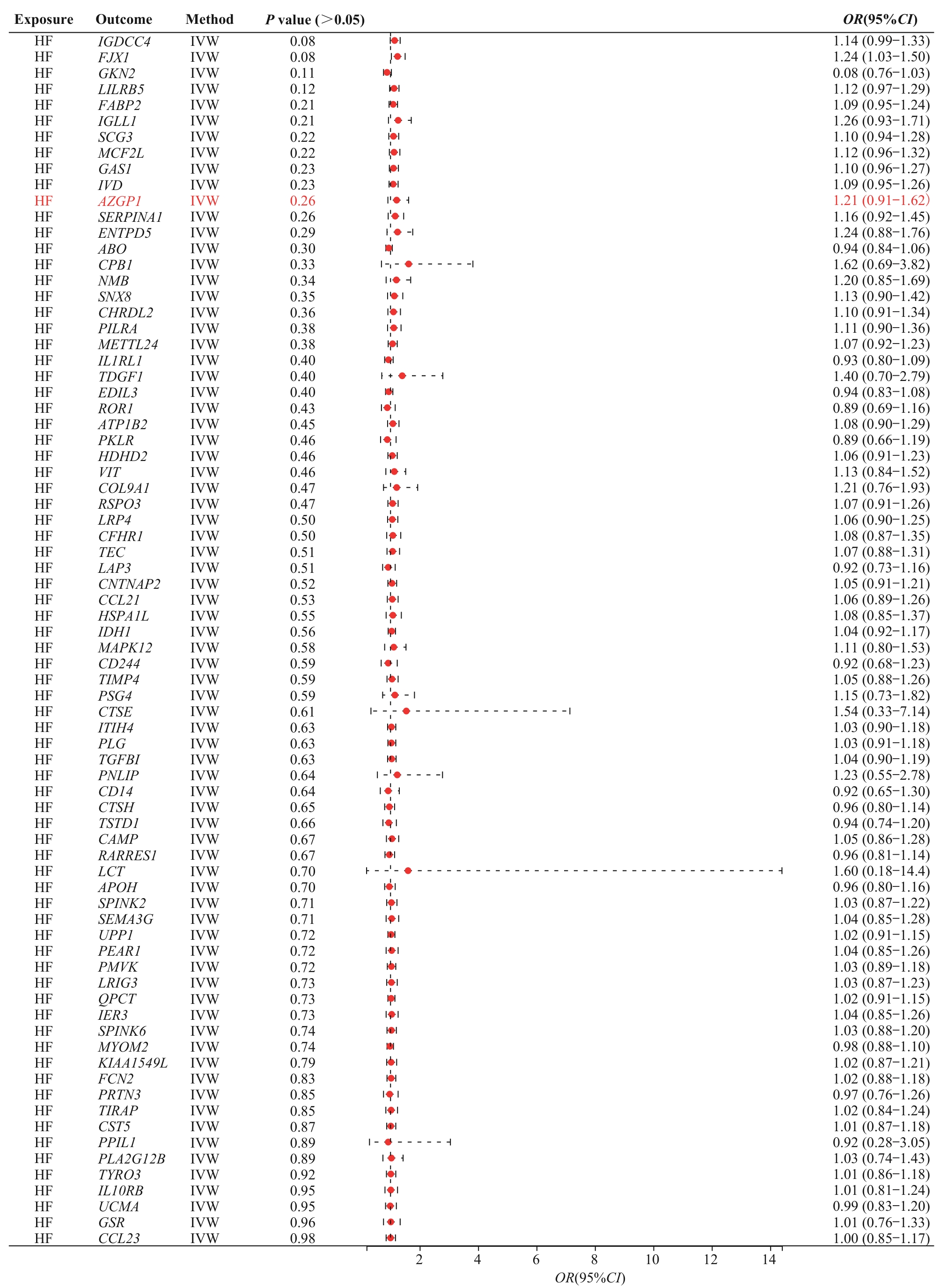
Fig 4 Reverse causality analysis between plasma protein levels and HF risk
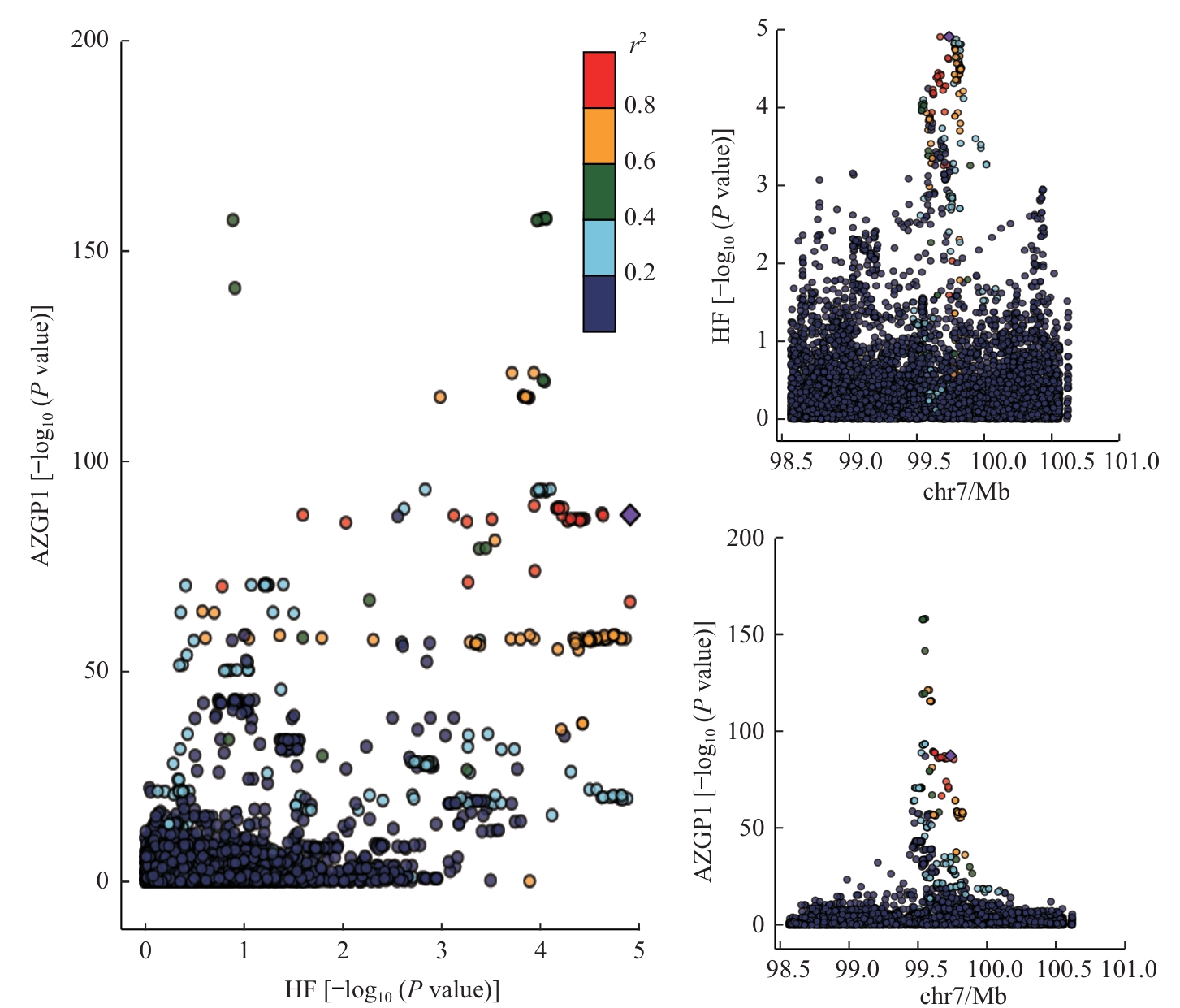
Fig 5 Genetic co-localization analysis of AZGP1 with HF
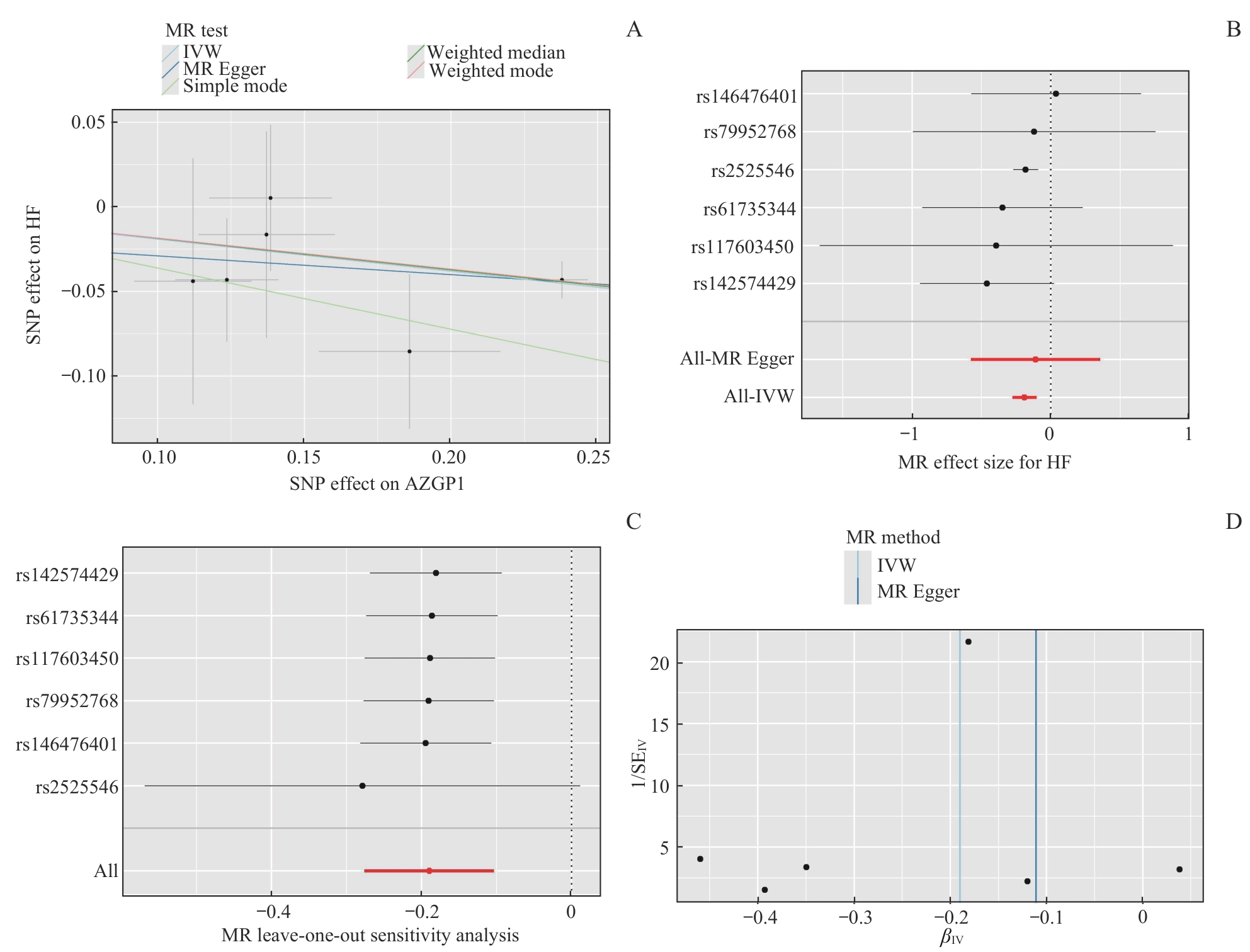
Fig 6 MR causal association analysis of plasma protein AZGP1 with HF
| Characteristic | Control group (n=68) | HF group (n=84) | χ2/Z value | P value |
|---|---|---|---|---|
| Gender/n(%) | 0.030 | 0.862 | ||
| Male | 39 (57.4) | 47 (56.0) | ||
| Female | 29 (42.6) | 37 (44.0) | ||
| Age/year | 72.00 (63.00, 81.00) | 77.50 (69.25, 82.00) | -1.383 | 0.167 |
| BMI/(kg·m-2) | 24.15 (22.99, 26.41) | 24.61 (22.31, 27.51) | -0.715 | 0.474 |
| FPG/(mmol·L-1) | 5.46 (5.11, 6.02) | 5.50 (4.81, 6.58) | -0.009 | 0.993 |
| TAG/(mmol·L-1) | 1.40 (1.07, 1.93) | 0.99 (0.77, 1.27) | -4.056 | <0.001 |
| TC/(mmol·L-1) | 4.49 (3.69, 5.16) | 3.30 (2.69, 3.83) | -6.283 | <0.001 |
| LDL/(mmol·L-1) | 2.83 (2.28, 3.58) | 1.88 (1.37, 2.32) | -6.181 | <0.001 |
| HDL/(mmol·L-1) | 1.19 (0.99, 1.47) | 0.90 (0.77, 1.11) | -5.691 | <0.001 |
Tab 1 Baseline characteristics of clinical samples
| Characteristic | Control group (n=68) | HF group (n=84) | χ2/Z value | P value |
|---|---|---|---|---|
| Gender/n(%) | 0.030 | 0.862 | ||
| Male | 39 (57.4) | 47 (56.0) | ||
| Female | 29 (42.6) | 37 (44.0) | ||
| Age/year | 72.00 (63.00, 81.00) | 77.50 (69.25, 82.00) | -1.383 | 0.167 |
| BMI/(kg·m-2) | 24.15 (22.99, 26.41) | 24.61 (22.31, 27.51) | -0.715 | 0.474 |
| FPG/(mmol·L-1) | 5.46 (5.11, 6.02) | 5.50 (4.81, 6.58) | -0.009 | 0.993 |
| TAG/(mmol·L-1) | 1.40 (1.07, 1.93) | 0.99 (0.77, 1.27) | -4.056 | <0.001 |
| TC/(mmol·L-1) | 4.49 (3.69, 5.16) | 3.30 (2.69, 3.83) | -6.283 | <0.001 |
| LDL/(mmol·L-1) | 2.83 (2.28, 3.58) | 1.88 (1.37, 2.32) | -6.181 | <0.001 |
| HDL/(mmol·L-1) | 1.19 (0.99, 1.47) | 0.90 (0.77, 1.11) | -5.691 | <0.001 |
| Factor | β value | SE | χ2 value | OR (95%CI) | P value |
|---|---|---|---|---|---|
| TAG | -0.694 | 0.366 | 3.596 | 0.500 (0.244‒1.024) | 0.058 |
| LDL | -1.092 | 0.274 | 15.830 | 0.336 (0.196‒0.575) | <0.001 |
| HDL | -2.182 | 0.616 | 12.542 | 0.113 (0.034‒0.377) | <0.001 |
| AZGP1 | -0.115 | 0.043 | 7.278 | 0.891 (0.820‒0.969) | 0.007 |
Tab 2 Multivariate Logistic regression analysis results of risk factors for HF
| Factor | β value | SE | χ2 value | OR (95%CI) | P value |
|---|---|---|---|---|---|
| TAG | -0.694 | 0.366 | 3.596 | 0.500 (0.244‒1.024) | 0.058 |
| LDL | -1.092 | 0.274 | 15.830 | 0.336 (0.196‒0.575) | <0.001 |
| HDL | -2.182 | 0.616 | 12.542 | 0.113 (0.034‒0.377) | <0.001 |
| AZGP1 | -0.115 | 0.043 | 7.278 | 0.891 (0.820‒0.969) | 0.007 |
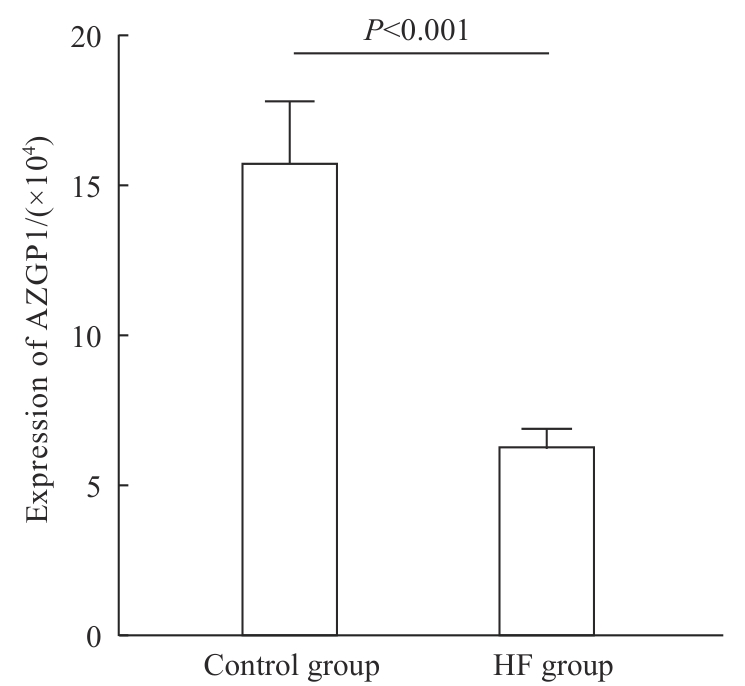
Fig 7 Expression of AZGP1 in HF patients detected by ELISA
| [1] | HEIDENREICH P A, BOZKURT B, AGUILAR D, et al. 2022 AHA/ACC/HFSA guideline for the management of heart failure: a report of the American College of Cardiology/American Heart Association Joint Committee on clinical practice guidelines[J]. Circulation, 2022, 145(18): e895-e1032. |
| [2] | WANG A, HU H L, ZHANG D, et al. Investigating left atrial diameter and heart failure onset in middle-aged and elderly: a retrospective-prospective study[J]. Clin Cardiol, 2025, 48(3): e70085. |
| [3] | ZHAO D, WANG Z H, CHEN Y Y, et al. GDF11 alleviates cardiac ischemia/reperfusion injury by suppressing the mtDNA damage-inflammatory response axis[J]. Eur J Pharmacol, 2025, 993: 177392. |
| [4] | ZHANG H, DHALLA N S. The role of pro-inflammatory cytokines in the pathogenesis of cardiovascular disease[J]. Int J Mol Sci, 2024, 25(2): 1082. |
| [5] | TAN W P, WANG Y J, CHENG S Y, et al. AdipoRon ameliorates the progression of heart failure with preserved ejection fraction via mitigating lipid accumulation and fibrosis[J]. J Adv Res, 2025, 68: 299-315. |
| [6] | CHAN M Y, EFTHYMIOS M, TAN S H, et al. Prioritizing candidates of post-myocardial infarction heart failure using plasma proteomics and single-cell transcriptomics[J]. Circulation, 2020, 142(15): 1408-1421. |
| [7] | SUHRE K, MCCARTHY M I, SCHWENK J M. Genetics meets proteomics: perspectives for large population-based studies[J]. Nat Rev Genet, 2021, 22(1): 19-37. |
| [8] | FERKINGSTAD E, SULEM P, ATLASON B A, et al. Large-scale integration of the plasma proteome with genetics and disease[J]. Nat Genet, 2021, 53(12): 1712-1721. |
| [9] | SAKAUE S, KANAI M, TANIGAWA Y, et al. A cross-population atlas of genetic associations for 220 human phenotypes[J]. Nat Genet, 2021, 53(10): 1415-1424. |
| [10] | HEMANI G, ZHENG J, ELSWORTH B, et al. The MR-Base platform supports systematic causal inference across the human phenome[J]. eLife, 2018, 7: e34408. |
| [11] | BURGESS S, DAVEY SMITH G, DAVIES N M, et al. Guidelines for performing mendelian randomization investigations: update for summer 2023[J]. Wellcome Open Res, 2023, 4: 186. |
| [12] | DOBBYN A, HUCKINS L M, BOOCOCK J, et al. Landscape of conditional eQTL in dorsolateral prefrontal cortex and co-localization with schizophrenia GWAS[J]. Am J Hum Genet, 2018, 102(6): 1169-1184. |
| [13] | ZHENG J, ZHANG Y M, RASHEED H, et al. Trans-ethnic Mendelian-randomization study reveals causal relationships between cardiometabolic factors and chronic kidney disease[J]. Int J Epidemiol, 2022, 50(6): 1995-2010. |
| [14] | 许顶立, 宋霖. 《中国心力衰竭诊断和治疗指南2024》解读[J]. 临床心血管病杂志, 2024, 40(6): 437-439. |
| XU D L, SONG L. Interpretation of Chinese guidelines for the diagnosis and treatment of heart failure 2024[J]. Journal of Clinical Cardiology, 2024, 40(6): 437-439. | |
| [15] | QIU S, WU Q N, WANG H, et al. AZGP1 in POMC neurons modulates energy homeostasis and metabolism through leptin-mediated STAT3 phosphorylation[J]. Nat Commun, 2024, 15(1): 3377. |
| [16] | KIM S H, OH J M, ROH H, et al. Zinc-α-2-glycoprotein peptide downregulates type Ⅰ and Ⅲ collagen expression via suppression of TGF-β and p-smad 2/3 pathway in keloid fibroblasts and rat incisional model[J]. Tissue Eng Regen Med, 2024, 21(7): 1079-1092. |
| [17] | MARTÍNEZ-NAVARRO I, VILCHIS-GIL J, COSSÍO-TORRES P E, et al. Serum zinc-α-2 glycoprotein and zinc levels and their relationship with insulin resistance and biochemical parameters in overweight and obese children[J]. Biol Trace Elem Res, 2025, 203(8): 4036-4045. |
| [18] | REN Y K, ZHAO H, YIN C Y, et al. Adipokines, hepatokines and myokines: focus on their role and molecular mechanisms in adipose tissue inflammation[J]. Front Endocrinol (Lausanne), 2022, 13: 873699. |
| [19] | XIAO X H, QI X Y, WANG Y D, et al. Zinc α2 glycoprotein promotes browning in adipocytes[J]. Biochem Biophys Res Commun, 2018, 496(2): 287-293. |
| [20] | CZAJA-STOLC S, POTRYKUS M, STANKIEWICZ M, et al. Pro-inflammatory profile of adipokines in obesity contributes to pathogenesis, nutritional disorders, and cardiovascular risk in chronic kidney disease[J]. Nutrients, 2022, 14(7): 1457. |
| [21] | LIU M J, ZHU H J, DAI Y F, et al. Zinc-α2-glycoprotein is associated with obesity in Chinese people and HFD-induced obese mice[J]. Front Physiol, 2018, 9: 62. |
| [22] | SÖRENSEN-ZENDER I, BHAYANA S, SUSNIK N, et al. Zinc-α2-glycoprotein exerts antifibrotic effects in kidney and heart[J]. J Am Soc Nephrol, 2015, 26(11): 2659-2668. |
| [23] | MA D F, WU T, QU Y W, et al. Astragalus polysaccharide prevents heart failure-induced Cachexia by alleviating excessive adipose expenditure in white and brown adipose tissue[J]. Lipids Health Dis, 2023, 22(1): 9. |
| [24] | LEE Y P, CHANG C H, CHEN C Y, et al. Correlation between plasma ZAG and adiponectin in older adults: gender modification and frailty specificity[J]. BMC Geriatr, 2021, 21(1): 442. |
| [25] | SEVERO J S, MORAIS J B S, BESERRA J B, et al. Role of zinc in zinc-α2-glycoprotein metabolism in obesity: a review of literature[J]. Biol Trace Elem Res, 2020, 193(1): 81-88. |
| [26] | ZHANG S Y, ZHANG B J, LIU Y H, et al. Adipokines in atopic dermatitis: the link between obesity and atopic dermatitis[J]. Lipids Health Dis, 2024, 23(1): 26. |
| [27] | LIU M J, ZHU H J, ZHAI T S, et al. Serum zinc-α2-glycoprotein levels were decreased in patients with premature coronary artery disease[J]. Front Endocrinol (Lausanne), 2019, 10: 197. |
| [28] | LIU M J, LIU Z Y, ZHU H J, et al. Serum zinc-α2-glycoprotein levels in patients with or without coronary artery disease in Chinese north population[J]. Int J Endocrinol, 2020, 2020: 7864721. |
| [29] | BURGESS S, SWANSON S A, LABRECQUE J A. Are Mendelian randomization investigations immune from bias due to reverse causation?[J]. Eur J Epidemiol, 2021, 36(3): 253-257. |
| [1] | Hao Fengjie, Wang Junqing, Lu Ye. Immune cell traits mediate the association between alcoholic liver disease and hepatocellular carcinoma: a Mendelian randomization and mediation analysis [J]. Journal of Shanghai Jiao Tong University (Medical Science), 2026, 46(7): 961-971. |
| [2] | Tang Qiuyi, Dong Wenjun, Hu Chunnan, Gong Wei. Identification of risk biomarkers of gallbladder cancer through plasma proteome-wide Mendelian randomization analysis [J]. Journal of Shanghai Jiao Tong University (Medical Science), 2026, 46(7): 972-980. |
| [3] | Cui Guoyu, Wang Qiuyun, Tan Haozhou, Yang Qianzi, Luo Yan. Mendelian randomization study on the causal relationship between dietary factors and insomnia symptoms [J]. Journal of Shanghai Jiao Tong University (Medical Science), 2026, 46(6): 778-785. |
| [4] | Huang Xi, Hou Qinwu, Zhang Zhaowei, Wang Yanan, Yang Qinghui, Cheng Ling. Causal relationship between liposome and essential hypertension based on two-sample Mendelian randomization analysis [J]. Journal of Shanghai Jiao Tong University (Medical Science), 2026, 46(3): 340-347. |
| [5] | Chen Tianyi, Jia Kangni, Yan Xiaoxiang, Zhang Ruiyan. Development and clinical application of natriuretic peptide system-targeted drugs [J]. Journal of Shanghai Jiao Tong University (Medical Science), 2026, 46(3): 385-390. |
| [6] | Aikeremu Aierken, Chen Xingjuan, Niu Yueyue. Mendelian randomization study of loneliness, subjective well-being, and frailty index [J]. Journal of Shanghai Jiao Tong University (Medical Science), 2026, 46(1): 75-81. |
| [7] | HE Suhui, ZHAO Yinlong, CHANG Alex Chia Yu. Effects of telomerase gene therapy on pressure overload-induced heart failure in mice [J]. Journal of Shanghai Jiao Tong University (Medical Science), 2025, 45(8): 949-956. |
| [8] | YAN Junhao, GUO Xiaolei, LUO Zhaofeng, TANG Jian, WANG Zheng. Mendelian randomization analysis of causal relationship between celiac disease and autoimmune thyroid disease [J]. Journal of Shanghai Jiao Tong University (Medical Science), 2025, 45(6): 766-773. |
| [9] | XU Ling, HUANGFU Yuchan, SHEN Lisong, MA Yanhui. Causal association between plasma phosphatidylethanolamine and risk of colorectal adenocarcinoma: a two-sample Mendelian randomization study [J]. Journal of Shanghai Jiao Tong University (Medical Science), 2025, 45(5): 605-613. |
| [10] | ZHANG Huihua, GAN Jing, HOU Miaomiao, LU Na. Bidirectional Mendelian randomization study of the relationship between brain imaging-derived phenotypes and obstructive sleep apnea [J]. Journal of Shanghai Jiao Tong University (Medical Science), 2025, 45(4): 468-475. |
| [11] | XU Tianyun, SHEN Yiming, JIANG Meng. Clinical management of heart failure with improved ejection fraction: treatment and maintenance [J]. Journal of Shanghai Jiao Tong University (Medical Science), 2025, 45(4): 493-499. |
| [12] | LIU Tiantian, ZHAO Yilin, NING Jingjing, ZHANG Yucai, WANG Chunxia. Identification of prognostic long non-coding RNA and construction of competing endogenous RNA networks in pediatric sepsis [J]. Journal of Shanghai Jiao Tong University (Medical Science), 2025, 45(3): 282-291. |
| [13] | MA Huihua, YAN Kuipo, LIU Gang, XU Yazhou, ZHANG Lei, SUN Yanqin. Causal relationship between gut microbiota and cardiovascular diseases: a bidirectional Mendelian randomization analysis [J]. Journal of Shanghai Jiao Tong University (Medical Science), 2025, 45(12): 1606-1619. |
| [14] | DU Tailai, HUANG Zhanpeng. Advances in metabolic modulators as therapeutic agents for heart failure [J]. Journal of Shanghai Jiao Tong University (Medical Science), 2025, 45(12): 1636-1643. |
| [15] | WANG Xiaohong, FANG Yiru. Research progress on the neuroinflammation mechanisms in bipolar disorder [J]. Journal of Shanghai Jiao Tong University (Medical Science), 2025, 45(1): 107-112. |
| Viewed | ||||||
|
Full text |
|
|||||
|
Abstract |
|
|||||
