
Journal of Shanghai Jiao Tong University (Medical Science) ›› 2025, Vol. 45 ›› Issue (10): 1298-1307.doi: 10.3969/j.issn.1674-8115.2025.10.005
• Basic research • Previous Articles Next Articles
WU Shiyi1, CHEN Si2, LIU Bohan2, LIU Yuting1, LIU Yiwen2, HE Yiqing2, DU Yan2, ZHANG Guoliang2, GUO Qian2, GAO Feng2, YANG Cuixia1,2( )
)
Received:2024-12-30
Accepted:2025-06-23
Online:2025-10-28
Published:2025-10-28
Contact:
YANG Cuixia
E-mail:dr.steven@163.com
Supported by:CLC Number:
WU Shiyi, CHEN Si, LIU Bohan, LIU Yuting, LIU Yiwen, HE Yiqing, DU Yan, ZHANG Guoliang, GUO Qian, GAO Feng, YANG Cuixia. Role of "HA coat" in modulating stemness and endocrine resistance in ER+ breast cancer[J]. Journal of Shanghai Jiao Tong University (Medical Science), 2025,(10): 1298-1307.
Add to citation manager EndNote|Ris|BibTeX
URL: https://xuebao.shsmu.edu.cn/EN/10.3969/j.issn.1674-8115.2025.10.005
| Gene | Primer sequence | |
|---|---|---|
| KLF4 | Forward | 5'-CATCTCAAGGCACACCTGCGAA-3' |
| Reverse | 5'-TCGGTCGCATTTTTGGCACTGG-3' | |
| SNAIL | Forward | 5'-TGCCCTCAAGATGCACATCCGA-3' |
| Reverse | 5'-GGGACAGGAGAAGGGCTTCTC-3' | |
| SOX2 | Forward | 5'-GCTACAGCATGATGCAGGACCA-3' |
| Reverse | 5'-TCTGCGAGCTGGTCATGGAGTT-3' | |
| SOX9 | Forward | 5'-AGGAAGCTCGCGGACCAGTAC-3' |
| Reverse | 5'-GGTGGTCCTTCTTGTGCTGCAC-3' | |
| TWIST | Forward | 5'-GCCAGGTACATCGACTTCCTCT-3' |
| Reverse | 5'-TCCATCCTCCAGACCGAGAAGG-3' | |
| VIM | Forward | 5'-AGGCAAAGCAGGAGTCCACTGA-3' |
| Reverse | 5'-ATCTGGCGTTCCAGGGACTCAT-3' | |
| ZEB1 | Forward | 5'-GGCATACACCTACTCAACTACGG-3' |
| Reverse | 5'-TGGGCGGTGTAGAATCAGAGTC-3' | |
| NANOG | Forward | 5'-CTCCAACATCCTGAACCTCAGC-3' |
| Reverse | 5'-CGTCACACCATTGCTATTCTTCG-3' | |
| ACTB | Forward | 5'-CCCGAGCTGATTGACTACGG-3' |
| Reverse | 5'-GCAGTTCCAACGATGTCTTCG-3' | |
Tab 1 Primer sequences
| Gene | Primer sequence | |
|---|---|---|
| KLF4 | Forward | 5'-CATCTCAAGGCACACCTGCGAA-3' |
| Reverse | 5'-TCGGTCGCATTTTTGGCACTGG-3' | |
| SNAIL | Forward | 5'-TGCCCTCAAGATGCACATCCGA-3' |
| Reverse | 5'-GGGACAGGAGAAGGGCTTCTC-3' | |
| SOX2 | Forward | 5'-GCTACAGCATGATGCAGGACCA-3' |
| Reverse | 5'-TCTGCGAGCTGGTCATGGAGTT-3' | |
| SOX9 | Forward | 5'-AGGAAGCTCGCGGACCAGTAC-3' |
| Reverse | 5'-GGTGGTCCTTCTTGTGCTGCAC-3' | |
| TWIST | Forward | 5'-GCCAGGTACATCGACTTCCTCT-3' |
| Reverse | 5'-TCCATCCTCCAGACCGAGAAGG-3' | |
| VIM | Forward | 5'-AGGCAAAGCAGGAGTCCACTGA-3' |
| Reverse | 5'-ATCTGGCGTTCCAGGGACTCAT-3' | |
| ZEB1 | Forward | 5'-GGCATACACCTACTCAACTACGG-3' |
| Reverse | 5'-TGGGCGGTGTAGAATCAGAGTC-3' | |
| NANOG | Forward | 5'-CTCCAACATCCTGAACCTCAGC-3' |
| Reverse | 5'-CGTCACACCATTGCTATTCTTCG-3' | |
| ACTB | Forward | 5'-CCCGAGCTGATTGACTACGG-3' |
| Reverse | 5'-GCAGTTCCAACGATGTCTTCG-3' | |
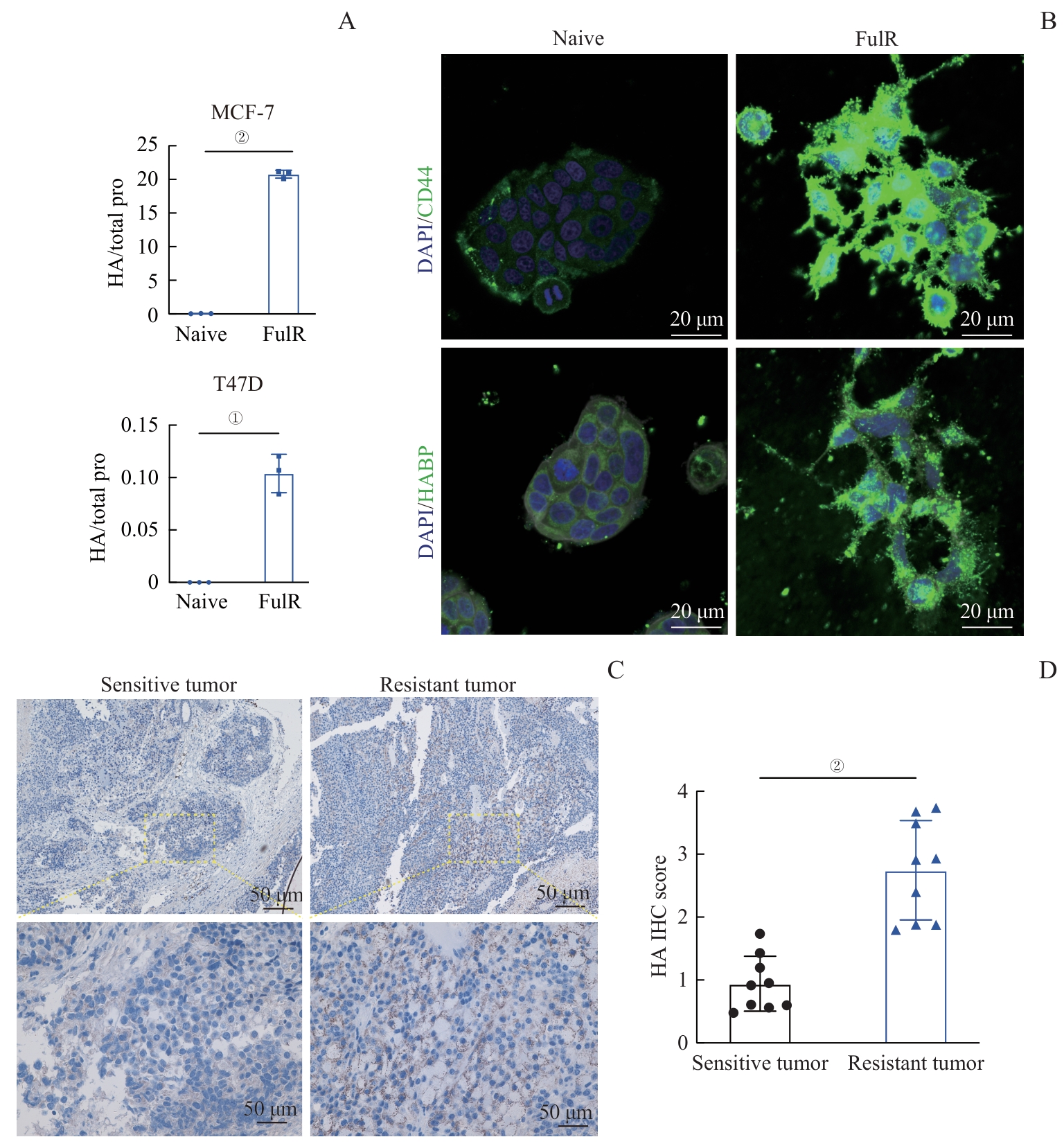
Fig 1 Enrichment of the HA glycocalyx on the surface of fulvestrant-resistant breast cancer cells
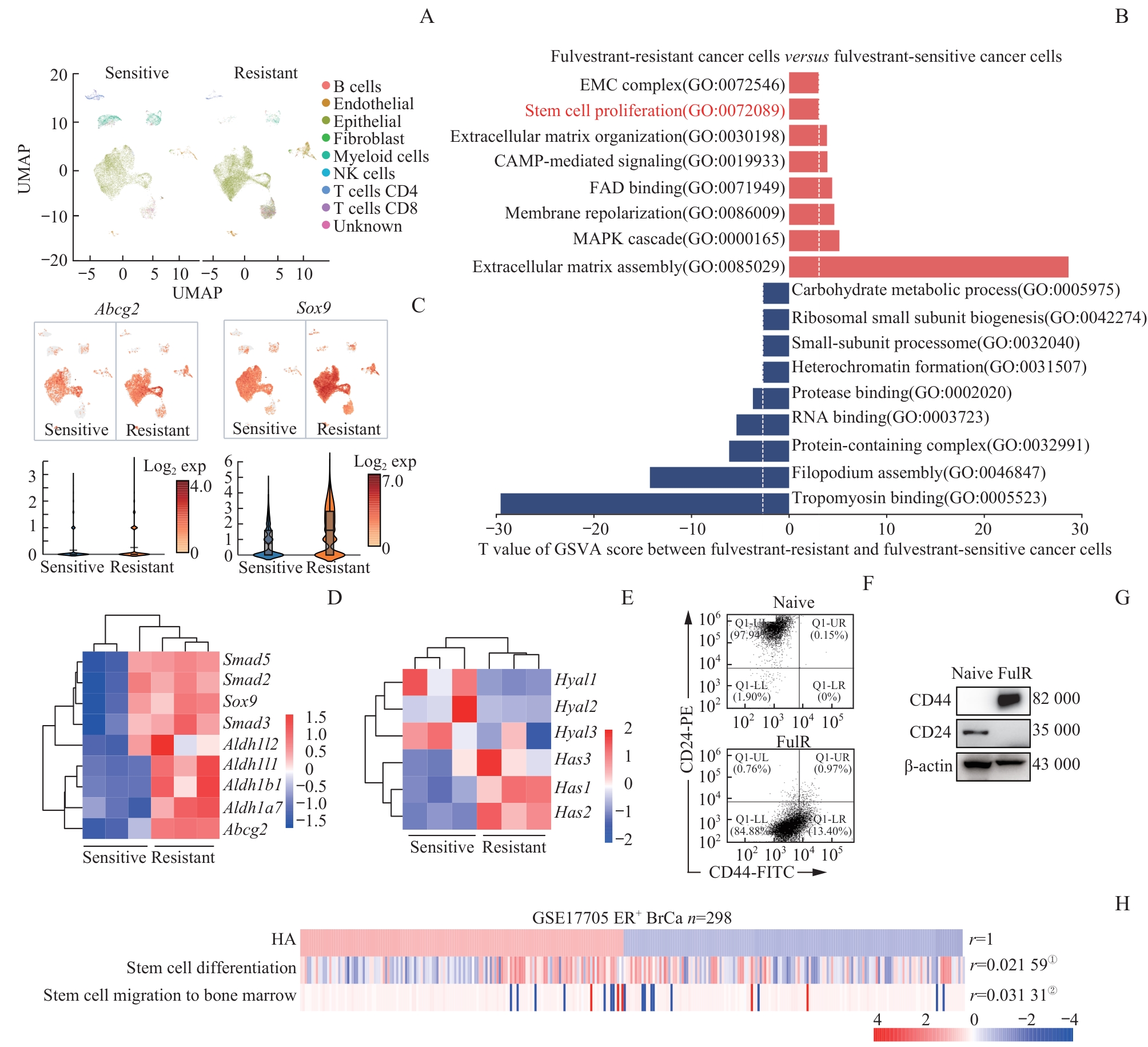
Fig 2 Association between the HA glycocalyx and stemness maintenance in endocrine therapy-resistant breast cancer
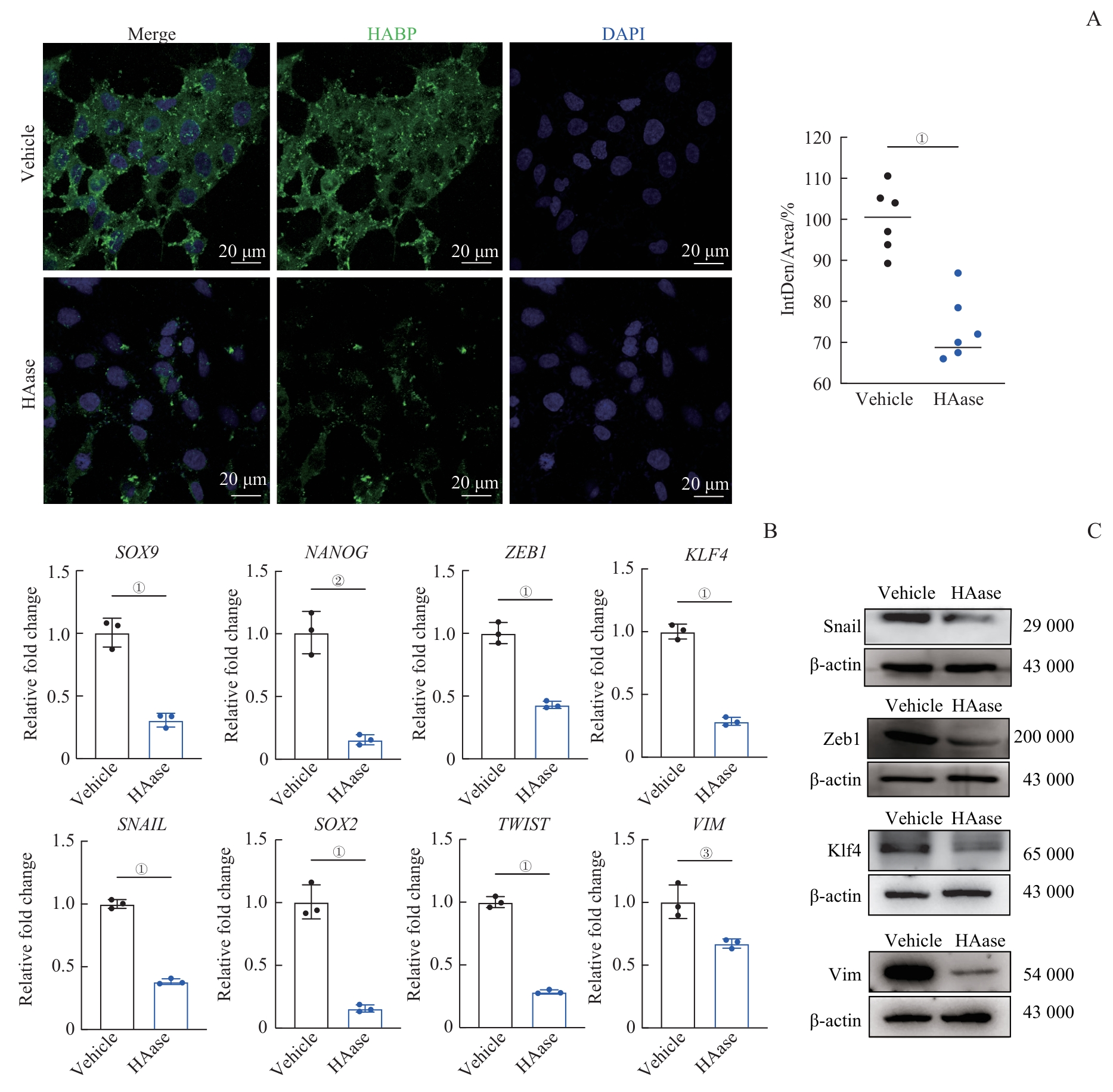
Fig 3 Impact of HA glycocalyx removal on stem-like characteristics in fulvestrant-resistant cancer cells
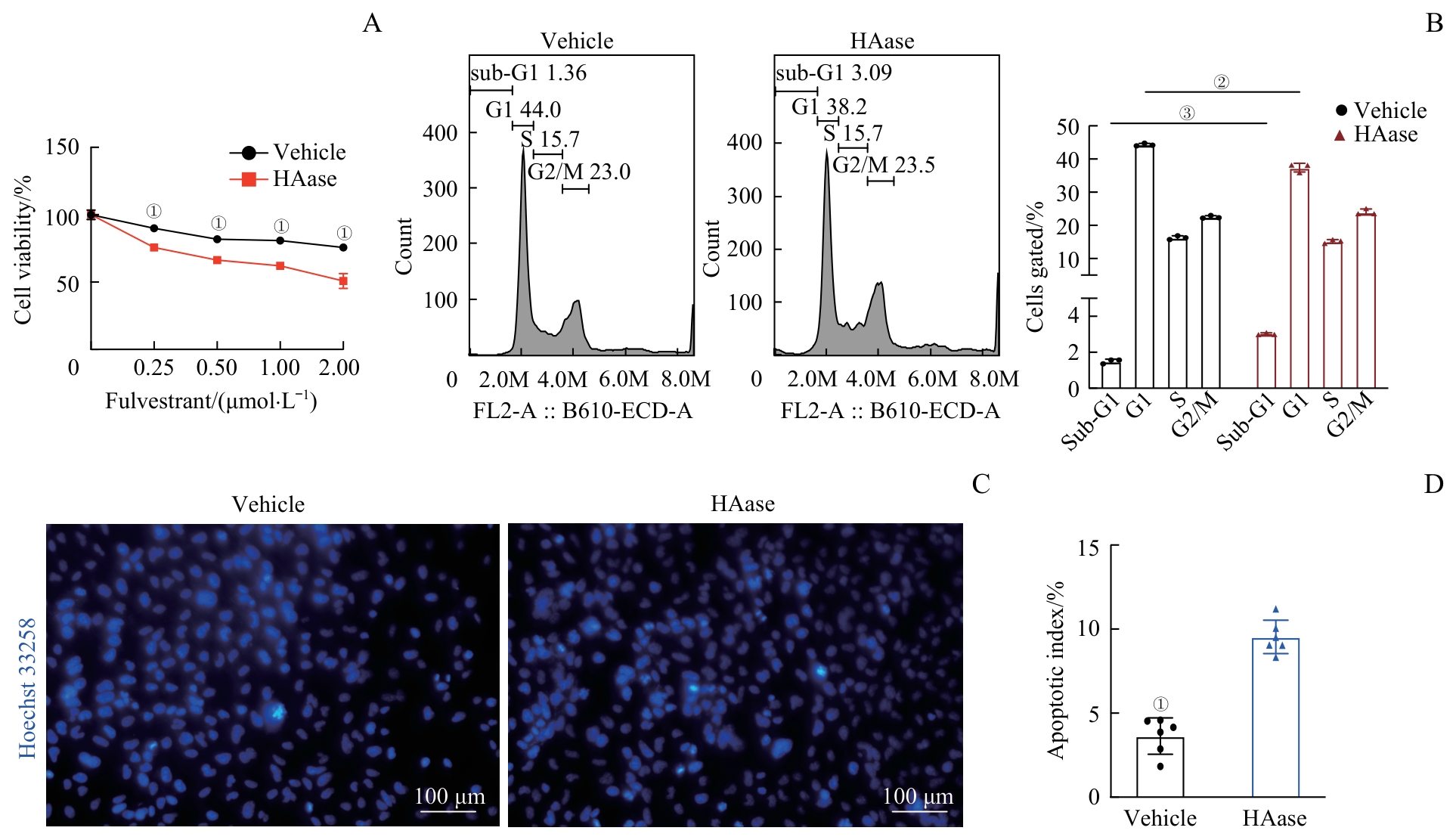
Fig 4 Impact of removal of HA glycocalyx on drug sensitivity in drug-resistant cells
| [1] | SIEGEL R L, MILLER K D, WAGLE N S, et al. Cancer statistics, 2023[J]. CA Cancer J Cli, 2023, 73(1): 17-48. |
| [2] | GIAQUINTO A N, SUNG H, MILLER K D, et al. Breast cancer statistics, 2022[J]. CA Cancer J Cli, 2022, 72(6): 524-541. |
| [3] | KENT OSBORNE C, SCHIFF R. Mechanisms of endocrine resistance in breast cancer[J]. Annu Rev Med, 2011, 62: 233-247. |
| [4] | LIN N U, WINER E P. Advances in adjuvant endocrine therapy for postmenopausal women[J]. J Clin Oncol, 2008, 26(5): 798-805. |
| [5] | PAN H C, GRAY R, BRAYBROOKE J, et al. 20-year risks of breast-cancer recurrence after stopping endocrine therapy at 5 years[J]. N Engl J Med,2017, 377(19): 1836-1846. |
| [6] | HORTOBAGYI G N, STEMMER S M, BURRIS H A, et al. Ribociclib as first-line therapy for HR-positive, advanced breast cancer[J]. N Engl J Med, 2016, 375(18): 1738-1748. |
| [7] | ZENG Z, FU M Y, HU Y, et al. Regulation and signaling pathways in cancer stem cells: implications for targeted therapy for cancer[J]. Mol Cancer, 2023, 22(1): 172. |
| [8] | WINKLER J, ABISOYE-OGUNNIYAN A, METCALF K J, et al. Concepts of extracellular matrix remodelling in tumour progression and metastasis[J]. Nat Commun, 2020, 11(1): 5120. |
| [9] | WU M, CAO M L, HE Y Q, et al. A novel role of low molecular weight hyaluronan in breast cancer metastasis[J]. FASEB J, 2015, 29(4): 1290-1298. |
| [10] | ANTTILA M A, TAMMI R H, TAMMI M I, et al. High levels of stromal hyaluronan predict poor disease outcome in epithelial ovarian cancer[J]. Cancer Res, 2000, 60(1): 150-155. |
| [11] | ROPPONEN K, TAMMI M, PARKKINEN J, et al. Tumor cell-associated hyaluronan as an unfavorable prognostic factor in colorectal cancer[J]. Cancer Res, 1998, 58(2): 342-347. |
| [12] | YANG C X, CAO M L, LIU H, et al. The high and low molecular weight forms of hyaluronan have distinct effects on CD44 clustering[J]. J Biol Chem, 2012, 287(51): 43094-43107. |
| [13] | LIU B H, LIU Y T, YANG S, et al. Enhanced desmosome assembly driven by acquired high-level desmoglein-2 promotes phenotypic plasticity and endocrine resistance in ER+ breast cancer[J]. Cancer Lett, 2024, 600: 217179. |
| [14] | KOBAYASHI T, CHANMEE T, ITANO N. Hyaluronan: metabolism and function[J]. Biomolecules, 2020, 10(11): 1525. |
| [15] | FEINBERG A P, LEVCHENKO A. Epigenetics as a mediator of plasticity in cancer[J]. Science, 2023, 379(6632): eaaw3835. |
| [16] | CAON I, BARTOLINI B, PARNIGONI A, et al. Revisiting the hallmarks of cancer: the role of hyaluronan[J]. Semin Cancer Biol, 2020, 62: 9-19. |
| [17] | BOURGUIGNON L Y W, SHIINA M, LI J J. Hyaluronan-CD44 interaction promotes oncogenic signaling, microRNA functions, chemoresistance, and radiation resistance in cancer stem cells leading to tumor progression[J]. Adv Cancer Res, 2014, 123: 255-275. |
| [18] | SKANDALIS S S, KARALIS T T, CHATZOPOULOS A, et al. Hyaluronan-CD44 axis orchestrates cancer stem cell functions[J]. Cell Signal, 2019, 63: 109377. |
| [19] | JU F, ATYAH M M, HORSTMANN N, et al. Characteristics of the cancer stem cell niche and therapeutic strategies[J]. Stem Cell Res Ther, 2022, 13(1): 233. |
| [20] | LEE I C, WU Y C, HUNG W S. Hyaluronic acid-based multilayer films regulate hypoxic multicellular aggregation of pancreatic cancer cells with distinct cancer stem-cell-like properties[J]. ACS Appl Mater Interfaces, 2018, 10(45): 38769-38779. |
| [21] | OHNO Y, SHINGYOKU S, MIYAKE S, et al. Differential regulation of the sphere formation and maintenance of cancer-initiating cells of malignant mesothelioma via CD44 and ALK4 signaling pathways[J]. Oncogene, 2018, 37(49): 6357-6367. |
| [22] | SKANDALIS S S, KARALIS T, HELDIN P. Intracellular hyaluronan: importance for cellular functions[J]. Semin Cancer Biol, 2020, 62: 20-30. |
| [23] | WANG S J, BOURGUIGNON L Y W. Role of hyaluronan-mediated CD44 signaling in head and neck squamous cell carcinoma progression and chemoresistance[J]. Am J Pathol, 2011, 178(3): 956-963. |
| [24] | BOURGUIGNON L Y W, PEYROLLIER K, XIA W L, et al. Hyaluronan-CD44 interaction activates stem cell marker Nanog, Stat-3-mediated MDR1 gene expression, and ankyrin-regulated multidrug efflux in breast and ovarian tumor cells[J]. J Biol Chem, 2008, 283(25): 17635-17651. |
| [25] | CHEN L Q, BOURGUIGNON L Y W. Hyaluronan-CD44 interaction promotes c-Jun signaling and miRNA21 expression leading to Bcl-2 expression and chemoresistance in breast cancer cells[J]. Mol Cancer, 2014, 13: 52. |
| [26] | WANG H, ZHANG G L, LIU Y W, et al. Glycocalyx hyaluronan removal-induced increasing of cell stiffness delays breast cancer cells progression[J]. Cell Mol Life Sci, 2025, 82(1): 96. |
| [27] | AKIMA K, ITO H, IWATA Y, et al. Evaluation of antitumor activities of hyaluronate binding antitumor drugs: synthesis, characterization and antitumor activity[J]. J Drug Target, 1996, 4(1): 1-8. |
| [28] | THOMPSON C B, MICHAEL SHEPARD H, O'CONNOR P M, et al. Enzymatic depletion of tumor hyaluronan induces antitumor responses in preclinical animal models[J]. Mol Cancer Ther, 2010, 9(11): 3052-3064. |
| [29] | JACOBETZ M A, CHAN D S, NEESSE A, et al. Hyaluronan impairs vascular function and drug delivery in a mouse model of pancreatic cancer[J]. Gut, 2013, 62(1): 112-120. |
| [30] | MOROSI L, MERONI M, UBEZIO P, et al. PEGylated recombinant human hyaluronidase (PEGPH20) pre-treatment improves intra-tumour distribution and efficacy of paclitaxel in preclinical models[J]. J Exp Clin Cancer Res, 2021, 40(1): 286. |
| [1] | Ding Xinyi, Zhu Yi, Wang Jingyi, Deng Jiali, Wang Zhongling. 4T1 cell membrane-biomimetic nanoprobe based on glutathione depletion for inducing tumor ferroptosis and MR imaging [J]. Journal of Shanghai Jiao Tong University (Medical Science), 2026, 46(7): 906-915. |
| [2] | Tong Youhua, Guo Sinan, Nie Yu, Gao Yaxuan, Liu Shiyan, Zhang Haohao, Hou Yinghao, Zhi Hui. Effects of triclosan exposure on the invasion ability of triple-negative breast cancer cells [J]. Journal of Shanghai Jiao Tong University (Medical Science), 2026, 46(4): 442-450. |
| [3] | Zhang Yue, Chen Qingjian. Mass cytometry reveals prognostic immune microenvironment features in breast cancer [J]. Journal of Shanghai Jiao Tong University (Medical Science), 2026, 46(1): 34-42. |
| [4] | WANG Jingyi, DENG Jiali, ZHU Yi, DING Xinyi, GUO Jiajing, WANG Zhongling. Experimental study on novel pH-responsive manganese-based nanoprobes for ferroptosis and magnetic resonance imaging in breast cancer [J]. Journal of Shanghai Jiao Tong University (Medical Science), 2025, 45(9): 1183-1193. |
| [5] | DENG Jiali, GUO Jiajing, WANG Jingyi, DING Xinyi, ZHU Yi, WANG Zhongling. Self -assembled drug -loaded nanoprobes for pyroptosis sensitization and chemical exchange saturation transfer imaging in breast cancer [J]. Journal of Shanghai Jiao Tong University (Medical Science), 2025, 45(3): 271-281. |
| [6] | WU Qizhen, LIU Qiming, CHAI Yezi, TAO Zhengyu, WANG Yinan, GUO Xinning, JIANG Meng, PU Jun. Evaluation of machine learning prediction of altered inflammatory metabolic state after neoadjuvant therapy for breast cancer [J]. Journal of Shanghai Jiao Tong University (Medical Science), 2024, 44(9): 1169-1181. |
| [7] | HAN Yishan, XU Ziqi, TAO Mengyu, FAN Guangjian, YU Bo. PRMT6 promotes the proliferation and migration of breast cancer cells [J]. Journal of Shanghai Jiao Tong University (Medical Science), 2024, 44(8): 999-1010. |
| [8] | WANG Wei, WANG Hongli, ALIBIYATI·i Ain, YILIYAER· Rousu, AYI NUER, YANG Liang. Function of vasohibin-2 and the mechanism of alternative splicing in triple-negative breast cancer [J]. Journal of Shanghai Jiao Tong University (Medical Science), 2024, 44(12): 1526-1535. |
| [9] | TAN Chen, XU Zhangrun, XUE Yang, CHEN Jiayu, YAO Lijun. Research progress in drug repurposing in the treatment of breast cancer [J]. Journal of Shanghai Jiao Tong University (Medical Science), 2024, 44(11): 1454-1459. |
| [10] | DU Shaoqian, TAO Mengyu, CAO Yuan, WANG Hongxia, HU Xiaoqu, FAN Guangjian, ZANG Lijuan. CXCL9 expression in breast cancer and its correlation with the characteristics of tumor immunoinfiltration [J]. Journal of Shanghai Jiao Tong University (Medical Science), 2023, 43(7): 860-872. |
| [11] | CAO Yuan, WANG Hongxia, ZHU Ying, LI Junjian. Expression of tetraspanin 1 in breast cancer and its mechanism in promoting the progression of breast cancer [J]. Journal of Shanghai Jiao Tong University (Medical Science), 2023, 43(3): 293-300. |
| [12] | YANG Xiaoxuan, ZHU Shan, QIAN Cheng, CHU Xiaoying. Effect of intraoperative use of low-dose dexmedetomidine on the prognosis of patients undergoing breast cancer surgery [J]. Journal of Shanghai Jiao Tong University (Medical Science), 2023, 43(2): 194-200. |
| [13] | WANG Lanxi, MA Guanrong, JIANG Yongzhu, CHANG Xiulin, FANG Liaoqiong, BAI Jin. Effects of Escherichia coli outer membrane vesicles on proliferation of breast cancer cells and tumor growth of tumor-bearing mice [J]. Journal of Shanghai Jiao Tong University (Medical Science), 2023, 43(10): 1245-1254. |
| [14] | XIA Kunjian, DENG Linlin, WANG Lin. Construction and evaluation of a prediction model for liver injury induced by chemotherapy for breast cancer [J]. Journal of Shanghai Jiao Tong University (Medical Science), 2022, 42(4): 502-509. |
| [15] | ZHANG Yutang, JIN Yijie, ZHANG Fengchun, XU Yingchun. Exploration on rationalization of diagnosis and treatment of breast cancer patients combined with COVID-19 [J]. Journal of Shanghai Jiao Tong University (Medical Science), 2022, 42(12): 1745-1750. |
| Viewed | ||||||
|
Full text |
|
|||||
|
Abstract |
|
|||||
