
Journal of Shanghai Jiao Tong University (Medical Science) ›› 2026, Vol. 46 ›› Issue (5): 656-664.doi: 10.3969/j.issn.1674-8115.2026.05.012
• Review • Previous Articles Next Articles
Chen Yuhan, Ai Zhihong( )
)
Received:2025-07-31
Accepted:2026-03-02
Online:2026-05-28
Published:2026-05-28
Contact:
Ai Zhihong
E-mail:ai_zhihong@126.com
Supported by:CLC Number:
Chen Yuhan, Ai Zhihong. Research progress on immune microenvironment and immunotherapy of endometrial cancer[J]. Journal of Shanghai Jiao Tong University (Medical Science), 2026,(5): 656-664.
Add to citation manager EndNote|Ris|BibTeX
URL: https://xuebao.shsmu.edu.cn/EN/10.3969/j.issn.1674-8115.2026.05.012
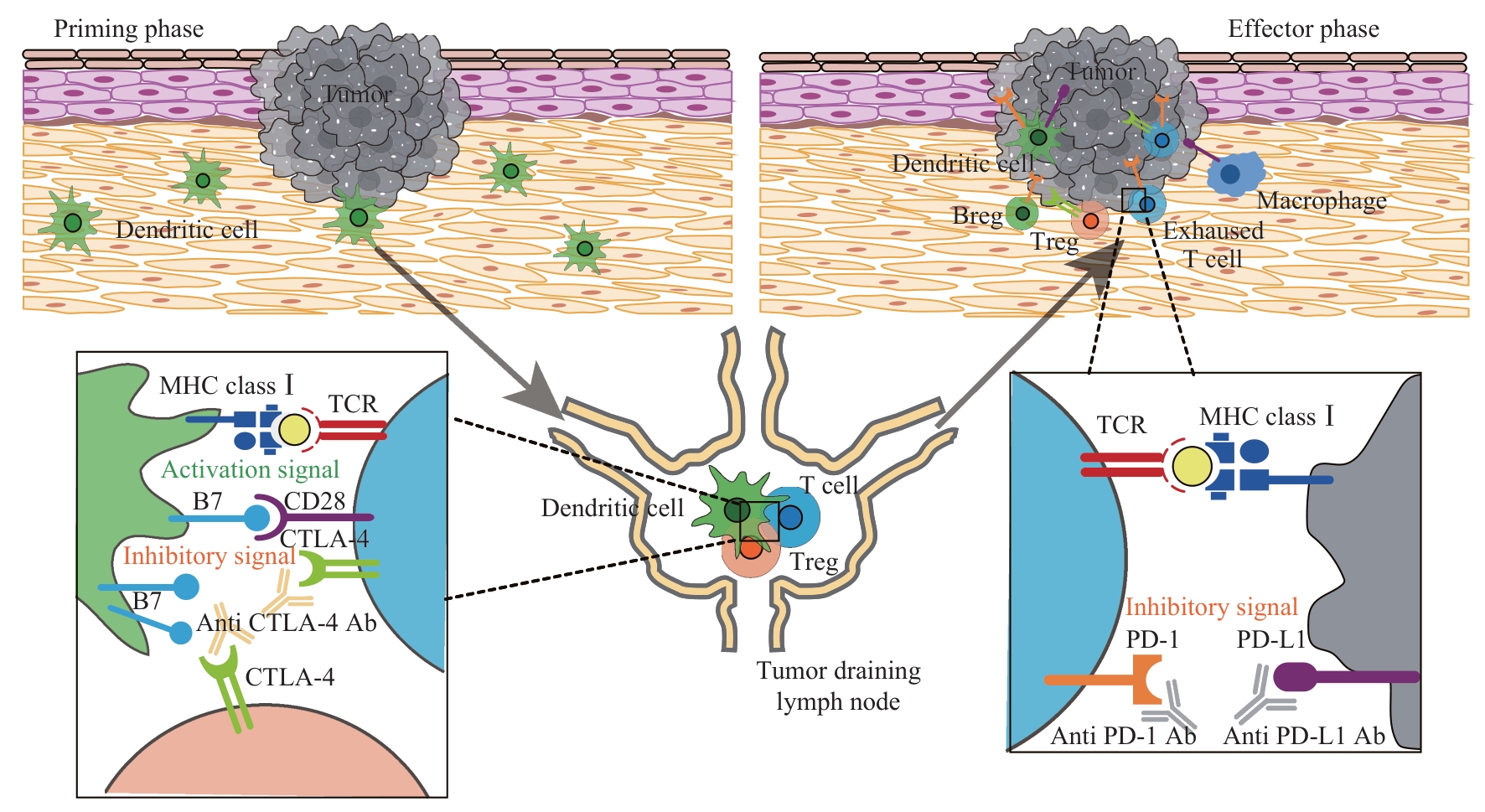
Fig 1 Mechanisms of PD-1/PD-L1 and CTLA-4 inhibitors in the treatment of EC
| Drug | Study | Phase | Sample size/n | Biomarker | Primary endpoint | Secondary endpoint | ORR (95% CI) | mDOR(95% CI) | mPFS (95% CI) | mOS (95% CI) |
|---|---|---|---|---|---|---|---|---|---|---|
| Pembrolizumab | KEYNOTE-028[ | Phase Ⅰb | 75 | PD-L1, MSI | ORR | Safety, DOR, PFS, OS | 13.0 (2.8‒33.6) | NR | 1.8 (1.6‒2.7) | NR |
| KEYNOTE-158[ | Phase Ⅱ | 90 (Cohort D for EC: 11; Cohort K for non-colorectal MSI-H/dMMR solid tumors: 79) | MMR/MSI, PD-L1 | ORR | DOR, PFS, OS, Safety | 48 (37‒60) | NR | 13.1 (4.3‒34.4) | NR | |
| Avelumab | NCT02912572[ | Phase Ⅱ | 33 | MMR, POLE ultramutated, TMB | OR, PFS6 | PFS, OS, Safety | dMMR: 26.7 (7.8‒55.1); pMMR/non-POLE: 6.25 (0.16‒30.2) | NA | dMMR: 4.4 (1.7‒NR); pMMR/non-POLE: 1.9 (1.6‒2.8) | dMMR: NR pMMR/non-POLE: 6.6 (2.0‒10.2) |
| Durvalumab | ANZGOG1601, ACTRN12617000106336[ | Phase Ⅱ | dMMR: 36; pMMR: 35 | MMR | OTR | OTR, PFS, OS, AEs, HRQL, etc. | dMMR: 47 (32‒63); pMMR: 3 (1‒5) | NA | dMMR: 8.3 (2.4‒NR); pMMR: 1.8 (1.8‒2.0) | dMMR: NR pMMR: 12.1 |
| Dostarlimab | GARNET[ | Phase Ⅰ | 327 (dMMR EC:141) | MMR/MSI, POLE ultramutated | ORR and DOR in patients with dMMR solid tumors | ORR and DOR in dMMR solid tumors in Cohorts A1 and F; individual PFS and OS for each cohort, etc. | 45.5 (37.1‒54.0) | NR | 6.0 (4.1‒18.0) | NR |
| Retifanlimab | POD1UM-101[ | Phase Ⅰ | 76 | MMR/MSI, PD-L1 | Safety, tolerability | ORR, DOR, PFS, OS | 51.3 (39.6‒63.0) | NR | 12.2 (6.0‒33.4) | 30.2 (19.3‒NR) |
Tab 1 Studies of PD-1/PD-L1 inhibitor monotherapy in advanced/recurrent EC
| Drug | Study | Phase | Sample size/n | Biomarker | Primary endpoint | Secondary endpoint | ORR (95% CI) | mDOR(95% CI) | mPFS (95% CI) | mOS (95% CI) |
|---|---|---|---|---|---|---|---|---|---|---|
| Pembrolizumab | KEYNOTE-028[ | Phase Ⅰb | 75 | PD-L1, MSI | ORR | Safety, DOR, PFS, OS | 13.0 (2.8‒33.6) | NR | 1.8 (1.6‒2.7) | NR |
| KEYNOTE-158[ | Phase Ⅱ | 90 (Cohort D for EC: 11; Cohort K for non-colorectal MSI-H/dMMR solid tumors: 79) | MMR/MSI, PD-L1 | ORR | DOR, PFS, OS, Safety | 48 (37‒60) | NR | 13.1 (4.3‒34.4) | NR | |
| Avelumab | NCT02912572[ | Phase Ⅱ | 33 | MMR, POLE ultramutated, TMB | OR, PFS6 | PFS, OS, Safety | dMMR: 26.7 (7.8‒55.1); pMMR/non-POLE: 6.25 (0.16‒30.2) | NA | dMMR: 4.4 (1.7‒NR); pMMR/non-POLE: 1.9 (1.6‒2.8) | dMMR: NR pMMR/non-POLE: 6.6 (2.0‒10.2) |
| Durvalumab | ANZGOG1601, ACTRN12617000106336[ | Phase Ⅱ | dMMR: 36; pMMR: 35 | MMR | OTR | OTR, PFS, OS, AEs, HRQL, etc. | dMMR: 47 (32‒63); pMMR: 3 (1‒5) | NA | dMMR: 8.3 (2.4‒NR); pMMR: 1.8 (1.8‒2.0) | dMMR: NR pMMR: 12.1 |
| Dostarlimab | GARNET[ | Phase Ⅰ | 327 (dMMR EC:141) | MMR/MSI, POLE ultramutated | ORR and DOR in patients with dMMR solid tumors | ORR and DOR in dMMR solid tumors in Cohorts A1 and F; individual PFS and OS for each cohort, etc. | 45.5 (37.1‒54.0) | NR | 6.0 (4.1‒18.0) | NR |
| Retifanlimab | POD1UM-101[ | Phase Ⅰ | 76 | MMR/MSI, PD-L1 | Safety, tolerability | ORR, DOR, PFS, OS | 51.3 (39.6‒63.0) | NR | 12.2 (6.0‒33.4) | 30.2 (19.3‒NR) |
| Study | Drug | Phase | Sample size/n | Biomarker | Primary endpoint | Secondary endpoint |
|---|---|---|---|---|---|---|
| NRG-GY018(KEYNOTE-868)[ | Pembrolizumab plus paclitaxel/carboplatin | Phase Ⅲ | dMMR: 225; pMMR: 591 | MMR | PFS in patients with dMMR and pMMR | Safety, OS, and health-related quality of life |
| ENGOT-en11/GOG-3053(KEYNOTE-B21)[ | Pembrolizumab plus paclitaxel/carboplatin | Phase Ⅲ | dMMR: 281; pMMR: 814 | MMR | DFS, OS | DFS, AEs, PROs |
| ENGOT-EN-6-NSGO/GOG-3031/RUBY [ | Dostarlimab plus paclitaxel/carboplatin | Phase Ⅲ | dMMR/MSI-H: 118; pMMR-MSS: 376 | MSI/MMR | PFS in dMMR/MSI-H patients, overall PFS, and OS | PFS, ORR. DOR, etc. |
| DUO-E[ | Durvalumab/olaparib plus paclitaxel/carboplatin | Phase Ⅲ | 718 | MMR, PD-L1, HRRm | PFS | OS, safety, etc. |
| AtTEnd[ | Atezolizumab plus carboplatin/paclitaxel | Phase Ⅲ | 551 | MMR, PD-L1 | PFS in dMMR patients and overall PFS and OS | ORR, DoR, PFS2, safety, etc. |
| KEYNOTE-146[ | Pembrolizumab plus lenvatinib | Phase Ⅰb /Ⅱ | 108 | MMR/MSI | ORR | ORR, DOR, PFS, OS, safety, etc. |
| KEYNOTE-775[ | Pembrolizumab plus lenvatinib | Phase Ⅲ | dMMR: 130; pMMR: 697 | MMR | PFS and OS in patients with dMMR/pMMR | ORR |
| CAP 04[ | Camrelizumab plus apatinib | Phase Ⅰ | 36 | MMR/MSI, PD-L1 | ORR | DCR, TTR, DOR, TTF, PFS, OS, safety, etc. |
| Study | mPFS and HR | PFS and HR | mOS and HR | |||
| NRG-GY018(KEYNOTE-868)[ | dMMR: NR vs 7.6 (HR: 0.30); pMMR: 13.1 vs 8.7 (HR: 0.54) | (12 months) dMMR: 74 vs 38 (HR: 0.30); pMMR: 13.1 vs 8.7 (HR: 0.54) | NA | |||
| ENGOT-en11/GOG-3053(KEYNOTE-B21)[ | NA | NA | NA | |||
| ENGOT-EN-6-NSGO/GOG-3031/RUBY[ | NA | (24 months) dMMR: 61.4 vs 15.7 (HR: 0.28); pMMR: 28.4 vs 18.8 (HR: 0.76); Overall: 36.1 vs 18.1 (HR: 0.64) | NA | |||
| DUO-E[ | CP+D+D, CP+D, and CP ITT: 15.1 vs 10.2 vs 9.6; dMMR: 31.8 vs NR vs 7.0; pMMR: 15.0 vs 9.9 vs 9.7 | NA | CP+D+D, CP+D, and CP ITT: NR vs NR vs 25.9 | |||
| AtTEnd[ | dMMR: NR vs 6.9 (HR: 0.36); Overall: 10.1 vs 8.9 (HR: 0.74) | NA | Overall: 38.7 vs 30.2 (HR: 0.82) | |||
| KEYNOTE-146[ | dMMR: 26.4; pMMR: 7.4; Overall: 7.4 | NA | dMMR: NR; pMMR: 17.2; Overall: 17.7 | |||
| KEYNOTE-775[ | pMMR: 6.6 vs 3.8 (HR: 0.60); Overall: 7.2 vs 3.8 (HR: 0.56) | NA | pMMR: 17.4 vs 12.0 (HR: 0.68);Overall: 18.3 vs 11.4 (HR: 0.62) | |||
| CAP 04[ | pMMR-MSS: 8.1; Overall: 6.2 | NA | Overall: 21.0 | |||
Tab 2 Studies on ICIs combined with chemotherapy or anti-angiogenic agents in the treatment of EC
| Study | Drug | Phase | Sample size/n | Biomarker | Primary endpoint | Secondary endpoint |
|---|---|---|---|---|---|---|
| NRG-GY018(KEYNOTE-868)[ | Pembrolizumab plus paclitaxel/carboplatin | Phase Ⅲ | dMMR: 225; pMMR: 591 | MMR | PFS in patients with dMMR and pMMR | Safety, OS, and health-related quality of life |
| ENGOT-en11/GOG-3053(KEYNOTE-B21)[ | Pembrolizumab plus paclitaxel/carboplatin | Phase Ⅲ | dMMR: 281; pMMR: 814 | MMR | DFS, OS | DFS, AEs, PROs |
| ENGOT-EN-6-NSGO/GOG-3031/RUBY [ | Dostarlimab plus paclitaxel/carboplatin | Phase Ⅲ | dMMR/MSI-H: 118; pMMR-MSS: 376 | MSI/MMR | PFS in dMMR/MSI-H patients, overall PFS, and OS | PFS, ORR. DOR, etc. |
| DUO-E[ | Durvalumab/olaparib plus paclitaxel/carboplatin | Phase Ⅲ | 718 | MMR, PD-L1, HRRm | PFS | OS, safety, etc. |
| AtTEnd[ | Atezolizumab plus carboplatin/paclitaxel | Phase Ⅲ | 551 | MMR, PD-L1 | PFS in dMMR patients and overall PFS and OS | ORR, DoR, PFS2, safety, etc. |
| KEYNOTE-146[ | Pembrolizumab plus lenvatinib | Phase Ⅰb /Ⅱ | 108 | MMR/MSI | ORR | ORR, DOR, PFS, OS, safety, etc. |
| KEYNOTE-775[ | Pembrolizumab plus lenvatinib | Phase Ⅲ | dMMR: 130; pMMR: 697 | MMR | PFS and OS in patients with dMMR/pMMR | ORR |
| CAP 04[ | Camrelizumab plus apatinib | Phase Ⅰ | 36 | MMR/MSI, PD-L1 | ORR | DCR, TTR, DOR, TTF, PFS, OS, safety, etc. |
| Study | mPFS and HR | PFS and HR | mOS and HR | |||
| NRG-GY018(KEYNOTE-868)[ | dMMR: NR vs 7.6 (HR: 0.30); pMMR: 13.1 vs 8.7 (HR: 0.54) | (12 months) dMMR: 74 vs 38 (HR: 0.30); pMMR: 13.1 vs 8.7 (HR: 0.54) | NA | |||
| ENGOT-en11/GOG-3053(KEYNOTE-B21)[ | NA | NA | NA | |||
| ENGOT-EN-6-NSGO/GOG-3031/RUBY[ | NA | (24 months) dMMR: 61.4 vs 15.7 (HR: 0.28); pMMR: 28.4 vs 18.8 (HR: 0.76); Overall: 36.1 vs 18.1 (HR: 0.64) | NA | |||
| DUO-E[ | CP+D+D, CP+D, and CP ITT: 15.1 vs 10.2 vs 9.6; dMMR: 31.8 vs NR vs 7.0; pMMR: 15.0 vs 9.9 vs 9.7 | NA | CP+D+D, CP+D, and CP ITT: NR vs NR vs 25.9 | |||
| AtTEnd[ | dMMR: NR vs 6.9 (HR: 0.36); Overall: 10.1 vs 8.9 (HR: 0.74) | NA | Overall: 38.7 vs 30.2 (HR: 0.82) | |||
| KEYNOTE-146[ | dMMR: 26.4; pMMR: 7.4; Overall: 7.4 | NA | dMMR: NR; pMMR: 17.2; Overall: 17.7 | |||
| KEYNOTE-775[ | pMMR: 6.6 vs 3.8 (HR: 0.60); Overall: 7.2 vs 3.8 (HR: 0.56) | NA | pMMR: 17.4 vs 12.0 (HR: 0.68);Overall: 18.3 vs 11.4 (HR: 0.62) | |||
| CAP 04[ | pMMR-MSS: 8.1; Overall: 6.2 | NA | Overall: 21.0 | |||
| [1] | Siegel R L, Giaquinto A N, Jemal A. Cancer statistics, 2024[J]. CA Cancer J Clin, 2024, 74(1): 12-49. |
| [2] | Bray F, Laversanne M, Sung H, et al. Global cancer statistics 2022: GLOBOCAN estimates of incidence and mortality worldwide for 36 cancers in 185 countries[J]. CA Cancer J Clin, 2024, 74(3): 229-263. |
| [3] | Tan N, Wu Y, Li B, et al. Burden of female breast and five gynecological cancers in China and worldwide[J]. Chin Med J (Engl), 2024, 137(18): 2190-2201. |
| [4] | Farajimakin O. The role of immunotherapy in the treatment of gynecologic cancers: a systematic review[J]. Cureus, 2024, 16(7): e65638. |
| [5] | 查皓然, 朱波. 实体瘤免疫治疗现状与未来发展方向[J]. 中国肿瘤生物治疗杂志, 2024, 31(11): 1061-1072. |
| Zha H R, Zhu B. Current status and future directions of immunotherapy for solid tumors[J]. Chinese Journal of Cancer Biotherapy, 2024, 31(11): 1061-1072. | |
| [6] | Zhan L, Liu X J, Zhang J, et al. Immune disorder in endometrial cancer: immunosuppressive microenvironment, mechanisms of immune evasion and immunotherapy[J]. Oncol Lett, 2020, 20(3): 2075-2090. |
| [7] | Patel M V, Shen Z, Rodriguez-Garcia M, et al. Endometrial cancer suppresses CD8+ T cell-mediated cytotoxicity in postmenopausal women[J]. Front Immunol, 2021, 12: 657326. |
| [8] | Palomero J, Panisello C, Lozano-Rabella M, et al. Biomarkers of tumor-reactive CD4+ and CD8+ TILs associate with improved prognosis in endometrial cancer[J]. J Immunother Cancer, 2022, 10(12): e005443. |
| [9] | Zou X Y, Shen J L, Zhang H D, et al. Association between immune cells and endometrial cancer: a bidirectional Mendelian randomization study[J]. Medicine, 2024, 103(19): e38129. |
| [10] | Le Bras A. Tracking tumor-associated macrophages[J]. Lab Anim, 2025, 54(2): 38. |
| [11] | Dey D K, Krause D, Rai R, et al. The role and participation of immune cells in the endometrial tumor microenvironment[J]. Pharmacol Ther, 2023, 251: 108526. |
| [12] | Sun Y H, Jiang G Y, Wu Q H, et al. The role of tumor-associated macrophages in the progression, prognosis and treatment of endometrial cancer[J]. Front Oncol, 2023, 13: 1213347. |
| [13] | Versluis M A C, Marchal S, Plat A, et al. The prognostic benefit of tumour-infiltrating natural killer cells in endometrial cancer is dependent on concurrent overexpression of human leucocyte antigen-E in the tumour microenvironment[J]. Eur J Cancer, 2017, 86: 285-295. |
| [14] | 闫巧辉, 邢国臣, 潘琼. 恶性肿瘤特异生长因子和肿瘤浸润性树突状细胞在子宫内膜癌患者中的表达及临床意义[J]. 现代肿瘤医学, 2019, 27(5): 845-848. |
| Yan Q H, Xing G C, Pan Q. Expression and significance of tumor specific growth factor and tumor infiltrating dendritic cells in patients with endometrial carcinoma[J]. Journal of Modern Oncology, 2019, 27(5): 845-848. | |
| [15] | Vanderstraeten A, Luyten C, Verbist G, et al. Mapping the immunosuppressive environment in uterine tumors: implications for immunotherapy[J]. Cancer Immunol Immunother, 2014, 63(6): 545-557. |
| [16] | Mabuchi S, Sasano T. Myeloid-derived suppressor cells as therapeutic targets in uterine cervical and endometrial cancers[J]. Cells, 2021, 10(5): 1073. |
| [17] | Mamat Yusof M N, Chew K T, Kampan N C, et al. Expression of PD-1 and PD-L1 in endometrial cancer: molecular and clinical significance[J]. Int J Mol Sci, 2023, 24(20): 15233. |
| [18] | Cancer Genome Atlas Research Network, Kandoth C, Schultz N, et al. Integrated genomic characterization of endometrial carcinoma[J]. Nature, 2013, 497(7447): 67-73. |
| [19] | Cree I A, White V A, Indave B I, et al. Revising the WHO classification: female genital tract tumours[J]. Histopathology, 2020, 76(1): 151-156. |
| [20] | 谢玲玲, 林仲秋. 《2025 NCCN子宫肿瘤临床实践指南(第1版)》解读[J]. 中国实用妇科与产科杂志, 2025, 41(1): 103-109. |
| Xie L L, Lin Z Q. Interpretation of NCCN guidelines version 1. 2025 uterine neoplasms[J]. Chinese Journal of Practical Gynecology and Obstetrics, 2025, 41(1): 103-109. | |
| [21] | Di Tucci C, Capone C, Galati G, et al. Immunotherapy in endometrial cancer: new scenarios on the horizon[J]. J Gynecol Oncol, 2019, 30(3): e46. |
| [22] | Raffone A, Travaglino A, Mascolo M, et al. TCGA molecular groups of endometrial cancer: pooled data about prognosis[J]. Gynecol Oncol, 2019, 155(2): 374-383. |
| [23] | Momeni-Boroujeni A, Dahoud W, Vanderbilt C M, et al. Clinicopathologic and genomic analysis of TP53-mutated endometrial carcinomas[J]. Clin Cancer Res, 2021, 27(9): 2613-2623. |
| [24] | Zhang B H, Zhang H Z, Qin Y R. A primer on the role of TP53 mutation and targeted therapy in endometrial cancer[J]. Front Biosci (Landmark Ed), 2025, 30(1): 25447. |
| [25] | Lin Q, Chen Z, Shi W, et al. JAK1 inactivation promotes proliferation and migration of endometrial cancer cells via upregulating the hypoxia-inducible factor signaling pathway[J]. Cell Commun Signal, 2022, 20(1): 177. |
| [26] | Yang Q L, Lv Z H, Wang M F, et al. LATS1/2 loss promote tumor immune evasion in endometrial cancer through downregulating MHC-Ⅰ expression[J]. J Exp Clin Cancer Res, 2024, 43(1): 54. |
| [27] | Jiang X J, Wang J, Deng X Y, et al. Role of the tumor microenvironment in PD-L1/PD-1-mediated tumor immune escape[J]. Mol Cancer, 2019, 18(1): 10. |
| [28] | Yao H, Xu J. Regulation of cancer immune checkpoint: mono- and poly-ubiquitination: tags for fate[J]. Adv Exp Med Biol, 2020, 1248: 295-324. |
| [29] | O'Malley D M, Bariani G M, Cassier P A, et al. Pembrolizumab in patients with microsatellite instability-high advanced endometrial cancer: results from the KEYNOTE-158 study[J]. J Clin Oncol, 2022, 40(7): 752-761. |
| [30] | Marabelle A, Fakih M, Lopez J, et al. Association of tumour mutational burden with outcomes in patients with advanced solid tumours treated with pembrolizumab: prospective biomarker analysis of the multicohort, open-label, phase 2 KEYNOTE-158 study[J]. Lancet Oncol, 2020, 21(10): 1353-1365. |
| [31] | Konstantinopoulos P A, Luo W X, Liu J F, et al. Phase Ⅱ study of avelumab in patients with mismatch repair deficient and mismatch repair proficient recurrent/persistent endometrial cancer[J]. J Clin Oncol, 2019, 37(30): 2786-2794. |
| [32] | Antill Y, Kok P S, Robledo K, et al. Clinical activity of durvalumab for patients with advanced mismatch repair-deficient and repair-proficient endometrial cancer. A nonrandomized phase 2 clinical trial[J]. J Immunother Cancer, 2021, 9(6): e002255. |
| [33] | André T, Berton D, Curigliano G, et al. Antitumor activity and safety of dostarlimab monotherapy in patients with mismatch repair deficient solid tumors: a nonrandomized controlled trial[J]. JAMA Netw Open, 2023, 6(11): e2341165. |
| [34] | Berton D, Pautier P, Lorusso D, et al. Antitumor activity and safety of the PD-1 inhibitor retifanlimab in patients with recurrent microsatellite instability-high or deficient mismatch repair endometrial cancer: final safety and efficacy results from cohort H of the POD1UM-101 phase Ⅰ study[J]. Gynecol Oncol, 2024, 186: 191-198. |
| [35] | Ott P A, Bang Y J, Berton-Rigaud D, et al. Safety and antitumor activity of pembrolizumab in advanced programmed death ligand 1-positive endometrial cancer: results from the KEYNOTE-028 study[J]. J Clin Oncol, 2017, 35(22): 2535-2541. |
| [36] | Chambers C A, Kuhns M S, Egen J G, et al. CTLA-4-mediated inhibition in regulation of T cell responses: mechanisms and manipulation in tumor immunotherapy[J]. Annu Rev Immunol, 2001, 19: 565-594. |
| [37] | Bruno V, Corrado G, Baci D, et al. Endometrial cancer immune escape mechanisms: let us learn from the fetal-maternal interface[J]. Front Oncol, 2020, 10: 156. |
| [38] | Khalifa R, Elsese N, El-Desouky K, et al. Immune checkpoint proteins (PD-L1 and CTLA-4) in endometrial carcinoma: prognostic role and correlation with CD4+/CD8+ tumor infiltrating lymphocytes (TILs) ratio[J]. J Immunoassay Immunochem, 2022, 43(2): 192-212. |
| [39] | FDA. FDA grants accelerated approval to ipilimumab for MSI-H or dMMR metastatic colorectal cancer[EB/OL]. (2018-07-11) [2026-04-20]. https://www.fda.gov/drugs/resources-information-approved-drugs/fda-grants-accelerated-approval-ipilimumab-msi-h-or-dmmr-metastatic-colorectal-cancer. |
| [40] | Hause R J, Pritchard C C, Shendure J, et al. Classification and characterization of microsatellite instability across 18 cancer types[J]. Nat Med, 2016, 22(11): 1342-1350. |
| [41] | Eskander R N, Sill M W, Beffa L, et al. Pembrolizumab plus chemotherapy in advanced endometrial cancer[J]. N Engl J Med, 2023, 388(23): 2159-2170. |
| [42] | Van Gorp T, Cibula D, Lv W, et al. ENGOT-en11/GOG-3053/KEYNOTE-B21: a randomised, double-blind, phase Ⅲ study of pembrolizumab or placebo plus adjuvant chemotherapy with or without radiotherapy in patients with newly diagnosed, high-risk endometrial cancer[J]. Ann Oncol, 2024, 35(11): 968-980. |
| [43] | Mirza M R, Chase D M, Slomovitz B M, et al. Dostarlimab for primary advanced or recurrent endometrial cancer[J]. N Engl J Med, 2023, 388(23): 2145-2158. |
| [44] | Westin S N, Moore K, Chon H S, et al. Durvalumab plus carboplatin/paclitaxel followed by maintenance durvalumab with or without olaparib as first-line treatment for advanced endometrial cancer: the phase Ⅲ DUO-E trial[J]. J Clin Oncol, 2024, 42(3): 283-299. |
| [45] | Colombo N, Biagioli E, Harano K, et al. Atezolizumab and chemotherapy for advanced or recurrent endometrial cancer (AtTEnd): a randomised, double-blind, placebo-controlled, phase 3 trial[J]. Lancet Oncol, 2024, 25(9): 1135-1146. |
| [46] | Makker V, Aghajanian C, Cohn A L, et al. A phase Ⅰb /Ⅱ study of lenvatinib and pembrolizumab in advanced endometrial carcinoma (study 111/KEYNOTE-146): long-term efficacy and safety update[J]. J Clin Oncol, 2023, 41(5): 974-979. |
| [47] | Makker V, Rasco D, Vogelzang N J, et al. Lenvatinib plus pembrolizumab in patients with advanced endometrial cancer: an interim analysis of a multicentre, open-label, single-arm, phase 2 trial[J]. Lancet Oncol, 2019, 20(5): 711-718. |
| [48] | Makker V, Taylor M H, Aghajanian C, et al. Lenvatinib plus pembrolizumab in patients with advanced endometrial cancer[J]. J Clin Oncol, 2020, 38(26): 2981-2992. |
| [49] | Makker V, Colombo N, Casado Herráez A, et al. Lenvatinib plus pembrolizumab for advanced endometrial cancer[J]. N Engl J Med, 2022, 386(5): 437-448. |
| [50] | Makker V, Colombo N, Casado Herráez A, et al. Lenvatinib plus pembrolizumab in previously treated advanced endometrial cancer: updated efficacy and safety from the randomized phase Ⅲ study 309/KEYNOTE-775[J]. J Clin Oncol, 2023, 41(16): 2904-2910. |
| [51] | Tian W J, Ren Y L, Lu J, et al. Camrelizumab plus apatinib in patients with advanced or recurrent endometrial cancer after failure of at least one prior systemic therapy (CAP 04): a single-arm phase Ⅱ trial[J]. BMC Med, 2024, 22(1): 344. |
| [52] | Galluzzi L, Buqué A, Kepp O, et al. Immunogenic cell death in cancer and infectious disease[J]. Nat Rev Immunol, 2017, 17(2): 97-111. |
| [53] | National Comprehensive Cancer Network. NCCN clinical practice guidelines in oncology: uterine neoplasms (version 3.2025)[EB/OL]. (2025-11-19)[2026-04-20]. https://www.nccnchina.org.cn/guide/detail/997. |
| [54] | Zhang Y Q, Brekken R A. Direct and indirect regulation of the tumor immune microenvironment by VEGF[J]. J Leukoc Biol, 2022, 111(6): 1269-1286. |
| [55] | Fukumura D, Kloepper J, Amoozgar Z, et al. Enhancing cancer immunotherapy using antiangiogenics: opportunities and challenges[J]. Nat Rev Clin Oncol, 2018, 15(5): 325-340. |
| [56] | Ott P A, Bang Y J, Piha-Paul S A, et al. T-cell-inflamed gene-expression profile, programmed death ligand 1 expression, and tumor mutational burden predict efficacy in patients treated with pembrolizumab across 20 cancers: keynote-028[J]. J Clin Oncol, 2019, 37(4): 318-327. |
| [57] | Marabelle A, Le D T, Ascierto P A, et al. Efficacy of pembrolizumab in patients with noncolorectal high microsatellite instability/mismatch repair-deficient cancer: results from the phase Ⅱ KEYNOTE-158 study[J]. J Clin Oncol, 2020, 38(1): 1-10. |
| [58] | Nadelmann E R, Yeh J E, Chen S T. Management of cutaneous immune-related adverse events in patients with cancer treated with immune checkpoint inhibitors: a systematic review[J]. JAMA Oncol, 2022, 8(1): 130-138. |
| [59] | Puzanov I, Diab A, Abdallah K, et al. Managing toxicities associated with immune checkpoint inhibitors: consensus recommendations from the Society for Immunotherapy of Cancer (SITC) Toxicity Management Working Group[J]. J Immunother Cancer, 2017, 5(1): 95. |
| [60] | Pang K, Shi Z D, Wei L Y, et al. Research progress of therapeutic effects and drug resistance of immunotherapy based on PD-1/PD-L1 blockade[J]. Drug Resist Updat, 2023, 66: 100907. |
| [61] | 焦云姝, 李琛, 向阳. 靶向EZH2在妇科恶性肿瘤中的研究进展[J]. 中华妇产科杂志, 2025, 60(3): 236-240. |
| Jiao Y S, Li C, Xiang Y. Advances of targeting EZH2 in gynecological malignancies[J]. Chinese Journal of Obstetrics and Gynecology, 2025, 60(3): 236-240. | |
| [62] | Keller P J, Adams E J, Wu R T, et al. Comprehensive target engagement by the EZH2 inhibitor tulmimetostat allows for targeting of ARID1A mutant cancers[J]. Cancer Res, 2024, 84(15): 2501-2517. |
| [1] | Shen Yuxiao, Li Xiaoguang, Ba Qian. Research progress in development of SHP2 inhibitors and their application in tumor therapy [J]. Journal of Shanghai Jiao Tong University (Medical Science), 2026, 46(6): 713-720. |
| [2] | MENG Jing, XIE Yuting, ZUO Jiaxin, XIONG Ping. Nanoengineered T cell system for the in vitro treatment of oral squamous cell carcinoma [J]. Journal of Shanghai Jiao Tong University (Medical Science), 2025, 45(7): 866-873. |
| [3] | CHEN Zixuan, LIU Min. Research progress on immune cell therapy in renal cell carcinoma [J]. Journal of Shanghai Jiao Tong University (Medical Science), 2025, 45(7): 916-925. |
| [4] | ZHANG Difan, WANG Minghui, ZHAO Jie, WAN Jiangbo, HUANG Fang, HAO Siguo. Anti-leukemia effect of B7 gene-modified leukemia cell-derived exosomes [J]. Journal of Shanghai Jiao Tong University (Medical Science), 2025, 45(2): 129-137. |
| [5] | WANG Xueyi, LI Benshang. Review of CAR-T cell therapy for autoimmune diseases [J]. Journal of Shanghai Jiao Tong University (Medical Science), 2025, 45(11): 1432-1442. |
| [6] | TANG Junqian, LI Benshang. Advances in the treatment of pediatric B-cell acute lymphoblastic leukemia with high-risk cytogenetics [J]. Journal of Shanghai Jiao Tong University (Medical Science), 2025, 45(10): 1390-1399. |
| [7] | HE Rui, YAN Kepeng, WANG Jing. Targeting folate cycle enhances effects of cancer immunotherapy by modulating myeloid-derived suppressor cells [J]. Journal of Shanghai Jiao Tong University (Medical Science), 2024, 44(8): 1011-1022. |
| [8] | HU Fei, CAI Xiaohan, CHENG Rui, JI Shiyu, MIAO Jiaxin, ZHU Yan, FAN Guangjian. Progress in translational research on immunotherapy for osteosarcoma [J]. Journal of Shanghai Jiao Tong University (Medical Science), 2024, 44(7): 814-821. |
| [9] | ZHOU Haixia, ZHANG Jing. Research progress of m6A methylation modification in regulating tumor immunity [J]. Journal of Shanghai Jiao Tong University (Medical Science), 2024, 44(1): 137-144. |
| [10] | HUANG Huayan, XU-ZHANG Wendi, XIA Liliang, YU Yongfeng, LU Shun. Advances in immunotherapy of advanced non-small cell lung cancer with EGFR mutation [J]. Journal of Shanghai Jiao Tong University (Medical Science), 2023, 43(5): 611-618. |
| [11] | HAN Ting, LÜ Chunxin, ZHUO Meng, XIA Qing, LIU Tengfei, WU Xiuqi, LIN Xiaolin, XIAO Xiuying. Related factors and prognostic analysis of adverse events of immunotherapy in advanced gastric cancer [J]. Journal of Shanghai Jiao Tong University (Medical Science), 2022, 42(8): 1053-1061. |
| [12] | LU Yu, WANG Hao, BA Qian. Role of gut microbiota in hepatocellular carcinoma: cancer occurrence, progresses and treatments [J]. Journal of Shanghai Jiao Tong University (Medical Science), 2022, 42(7): 939-944. |
| [13] | ZHANG Xiuqi, SHEN Baiyong. Advances in cytological mechanism of neural invasion in pancreatic ductal adenocarcinoma [J]. Journal of Shanghai Jiao Tong University (Medical Science), 2022, 42(6): 833-838. |
| [14] | XU Jingxuan, DU Shaoqian, CAO Yuan, WANG Hongxia, HUANG Weiyi. MMP14 expression in pancreatic cancer and its correlation with characteristics of tumor immune microenvironment [J]. Journal of Shanghai Jiao Tong University (Medical Science), 2022, 42(3): 312-322. |
| [15] | Yihuan WANG, Ruokun LI, Huanhuan CHONG, Fuhua YAN. Research progress of Gd-EOB-DTPA-enhanced magnetic resonance imaging in the evaluation of biological behavior of hepatocellular carcinoma [J]. JOURNAL OF SHANGHAI JIAOTONG UNIVERSITY (MEDICAL SCIENCE), 2022, 42(1): 130-134. |
| Viewed | ||||||
|
Full text |
|
|||||
|
Abstract |
|
|||||
