
Journal of Shanghai Jiao Tong University (Medical Science) ›› 2025, Vol. 45 ›› Issue (8): 957-968.doi: 10.3969/j.issn.1674-8115.2025.08.003
• Basic research • Previous Articles Next Articles
ZHANG Yuqin1, AIHEMAITI Yilixiati1, WANG Yanli1, YANG Zhi2( ), HUANG Jian1()
Received:2025-03-30
Accepted:2025-04-18
Online:2025-08-28
Published:2025-08-26
Contact:
YANG Zhi, HUANG Jian
E-mail:yangzhi@sibs.ac.cn;jyhuanj@shsmu.edu.cn
Supported by:CLC Number:
ZHANG Yuqin, AIHEMAITI Yilixiati, WANG Yanli, YANG Zhi, HUANG Jian. Ubiquitination and degradation of RPTPα mediated by MARCH9[J]. Journal of Shanghai Jiao Tong University (Medical Science), 2025, 45(8): 957-968.
Add to citation manager EndNote|Ris|BibTeX
URL: https://xuebao.shsmu.edu.cn/EN/10.3969/j.issn.1674-8115.2025.08.003
| Primer | Forword (5′→3′) | Reverse (5′→3′) |
|---|---|---|
| MARCH9-HA | CGCGGATCCGCCACCATGCTCAAGTCTCG GCTCCGCA | CCGGAATTCTCAAGCGTAGTCTGGGACGTCG TATGGGTAGACTGTAGTGACCCTCATGACA |
| MARCH9-H136A/C139S | TCAGCCCAGCCTCATCCGCTGGAT | GCCGTGCAGCGCACTGAGCCGT |
| MARCH9-CC152/155SS | TCAGCTACTTCAAGTACCAGGTCCTGGC | GCTCACTGCTCCAGGAGCCCCTCTCG |
| MARCH9-S198A | GCCATCTCCTGGCTCATCTGGTCCT | GGCAACCAGGAAGAGCGAGCCCAGA |
Tab 1 Primers sequences for PCR
| Primer | Forword (5′→3′) | Reverse (5′→3′) |
|---|---|---|
| MARCH9-HA | CGCGGATCCGCCACCATGCTCAAGTCTCG GCTCCGCA | CCGGAATTCTCAAGCGTAGTCTGGGACGTCG TATGGGTAGACTGTAGTGACCCTCATGACA |
| MARCH9-H136A/C139S | TCAGCCCAGCCTCATCCGCTGGAT | GCCGTGCAGCGCACTGAGCCGT |
| MARCH9-CC152/155SS | TCAGCTACTTCAAGTACCAGGTCCTGGC | GCTCACTGCTCCAGGAGCCCCTCTCG |
| MARCH9-S198A | GCCATCTCCTGGCTCATCTGGTCCT | GGCAACCAGGAAGAGCGAGCCCAGA |
| Name | Sequence (5'→3') |
|---|---|
| MARCH9 shRNA1 | CCGGGTCCAGATTGCTGCCATAGTTCTCGAGAACTATGGCAGCAATCTGGACTTTTTG |
| MARCH9 shRNA2 | CCGGGCAGTGGAAGGTCCTAAATTACTCGAGTAATTTAGGACCTTCCACTGCTTTTTG |
| MARCH9 shRNA3 | CCGGCCCTGGAGAGAACCGTCTTTACTCGAGTAAAGACGGTTCTCTCCAGGGTTTTTG |
Tab 2 Sequence of shRNA
| Name | Sequence (5'→3') |
|---|---|
| MARCH9 shRNA1 | CCGGGTCCAGATTGCTGCCATAGTTCTCGAGAACTATGGCAGCAATCTGGACTTTTTG |
| MARCH9 shRNA2 | CCGGGCAGTGGAAGGTCCTAAATTACTCGAGTAATTTAGGACCTTCCACTGCTTTTTG |
| MARCH9 shRNA3 | CCGGCCCTGGAGAGAACCGTCTTTACTCGAGTAAAGACGGTTCTCTCCAGGGTTTTTG |
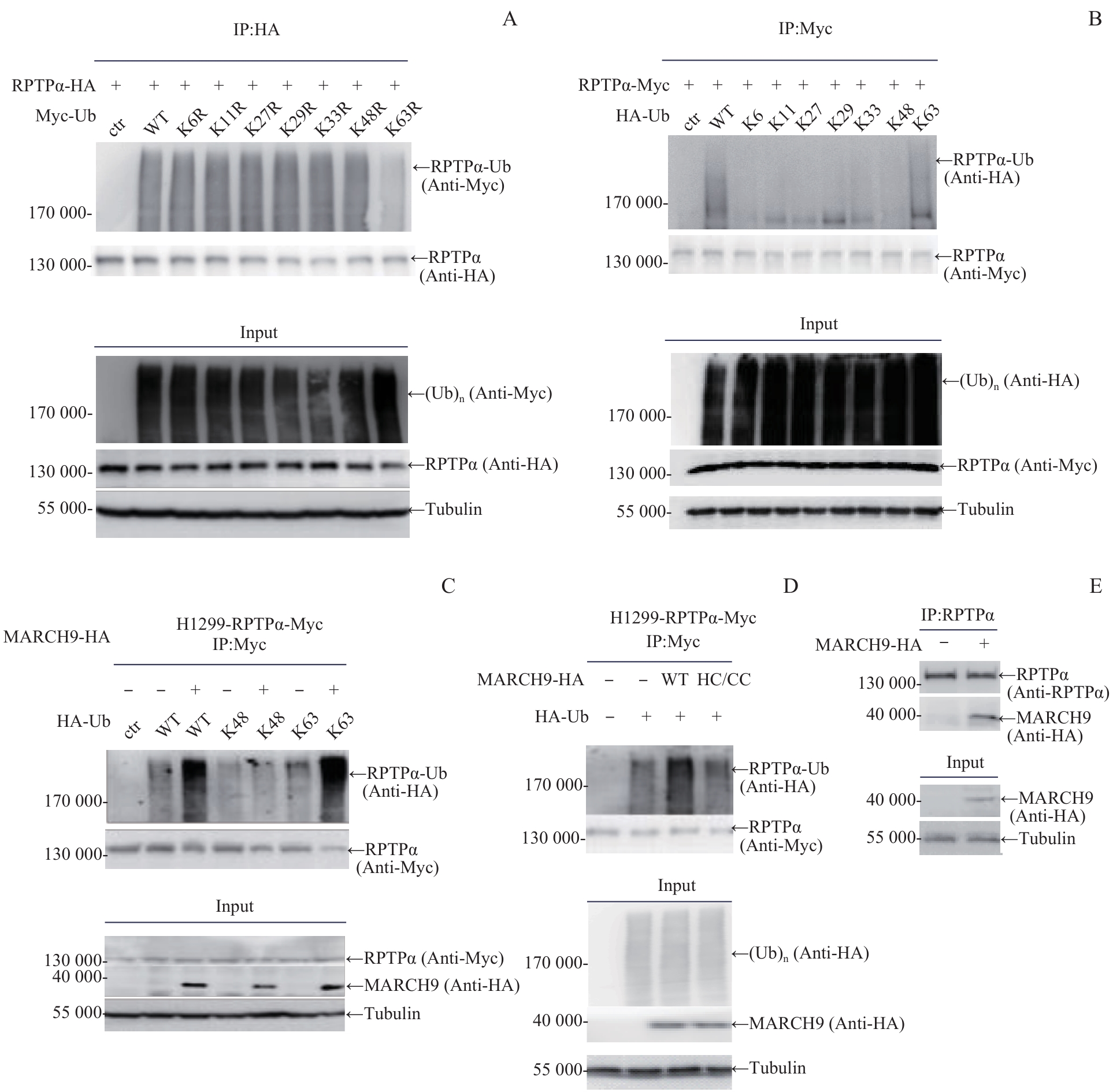
Fig 1 MARCH9-mediated K63-linked ubiquitination of phosphatase RPTPα
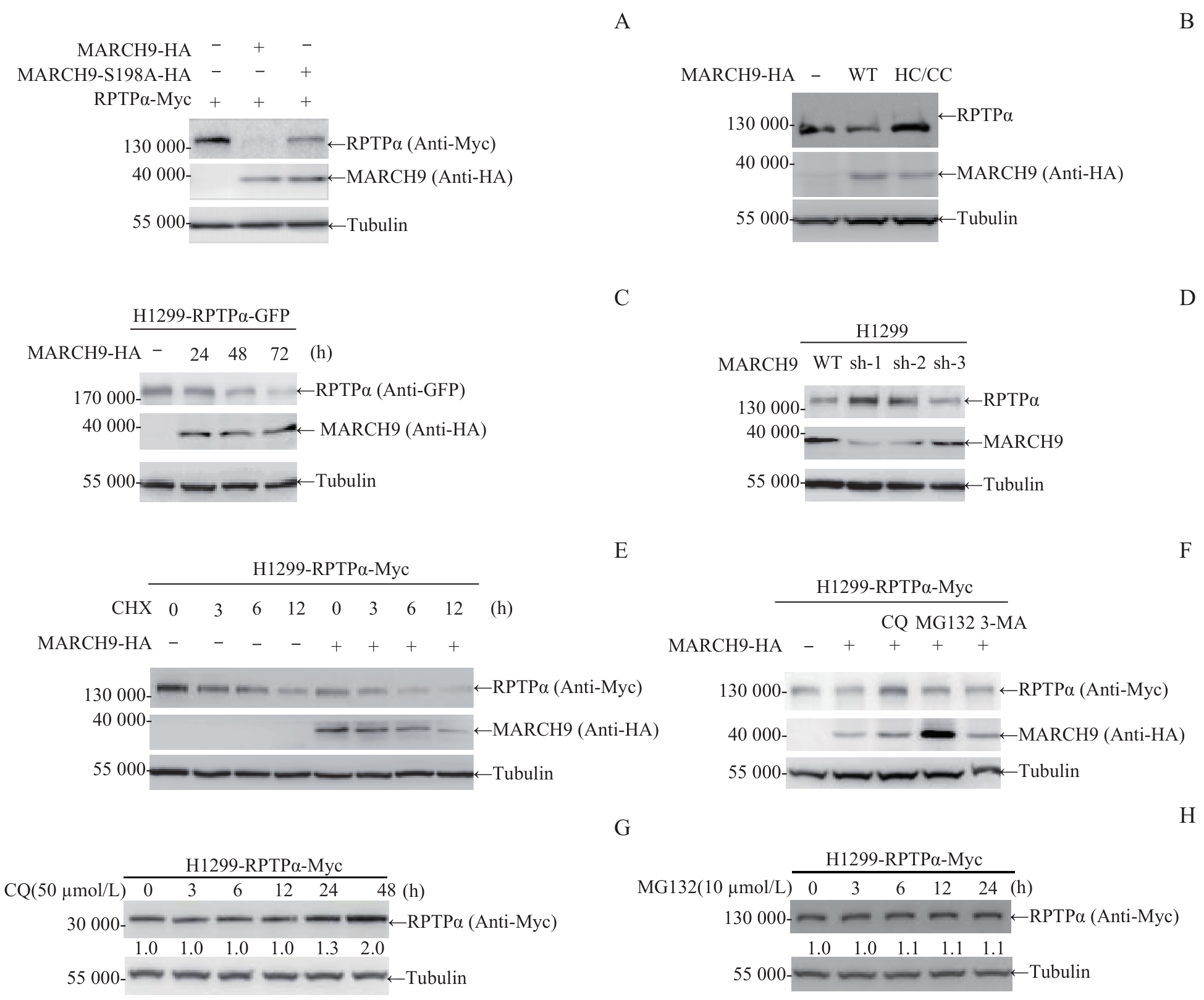
Fig 2 MARCH9-mediated degradation of RPTPα protein
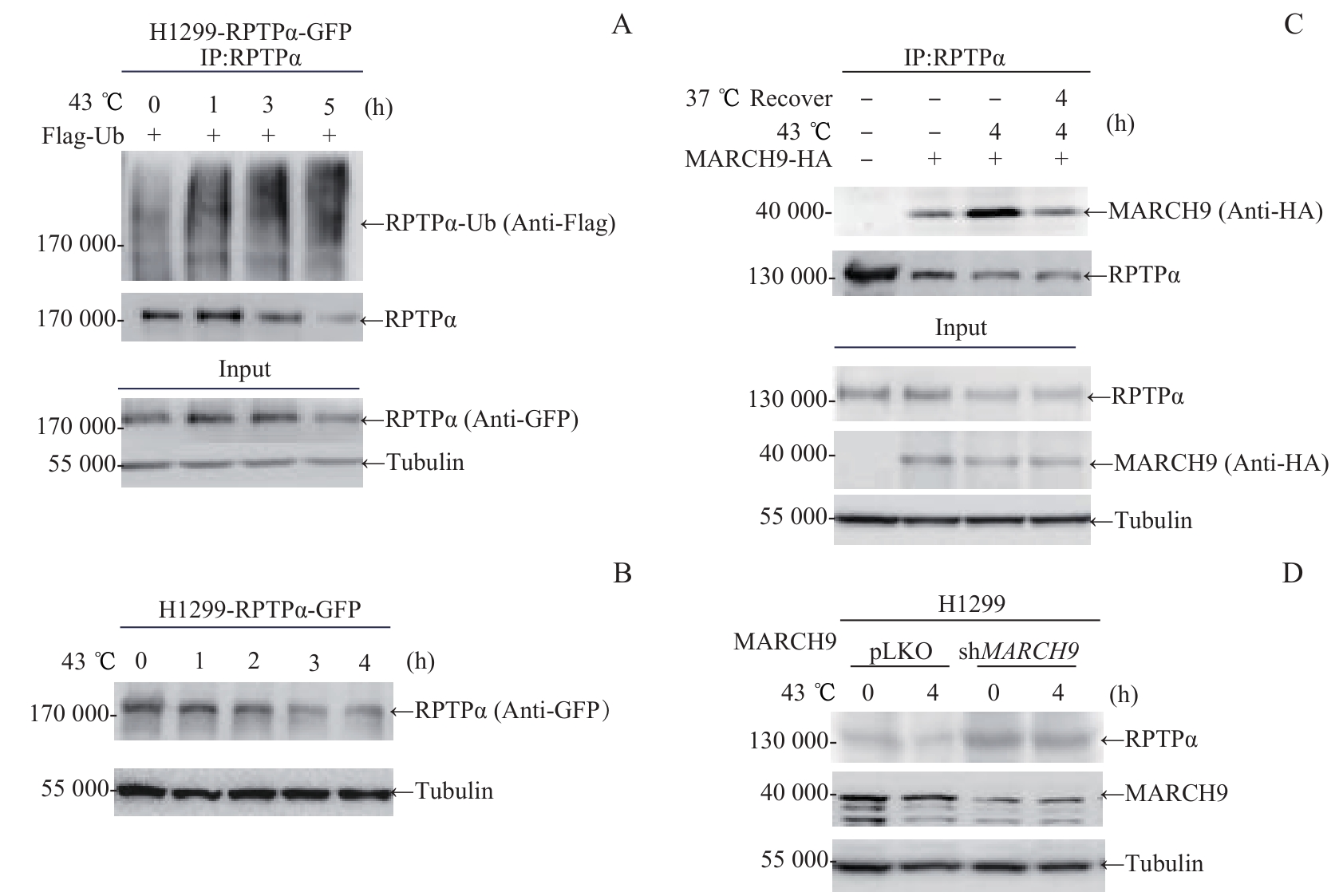
Fig 3 Heat shock and MARCH9-mediated ubiquitination degradation of RPTPα
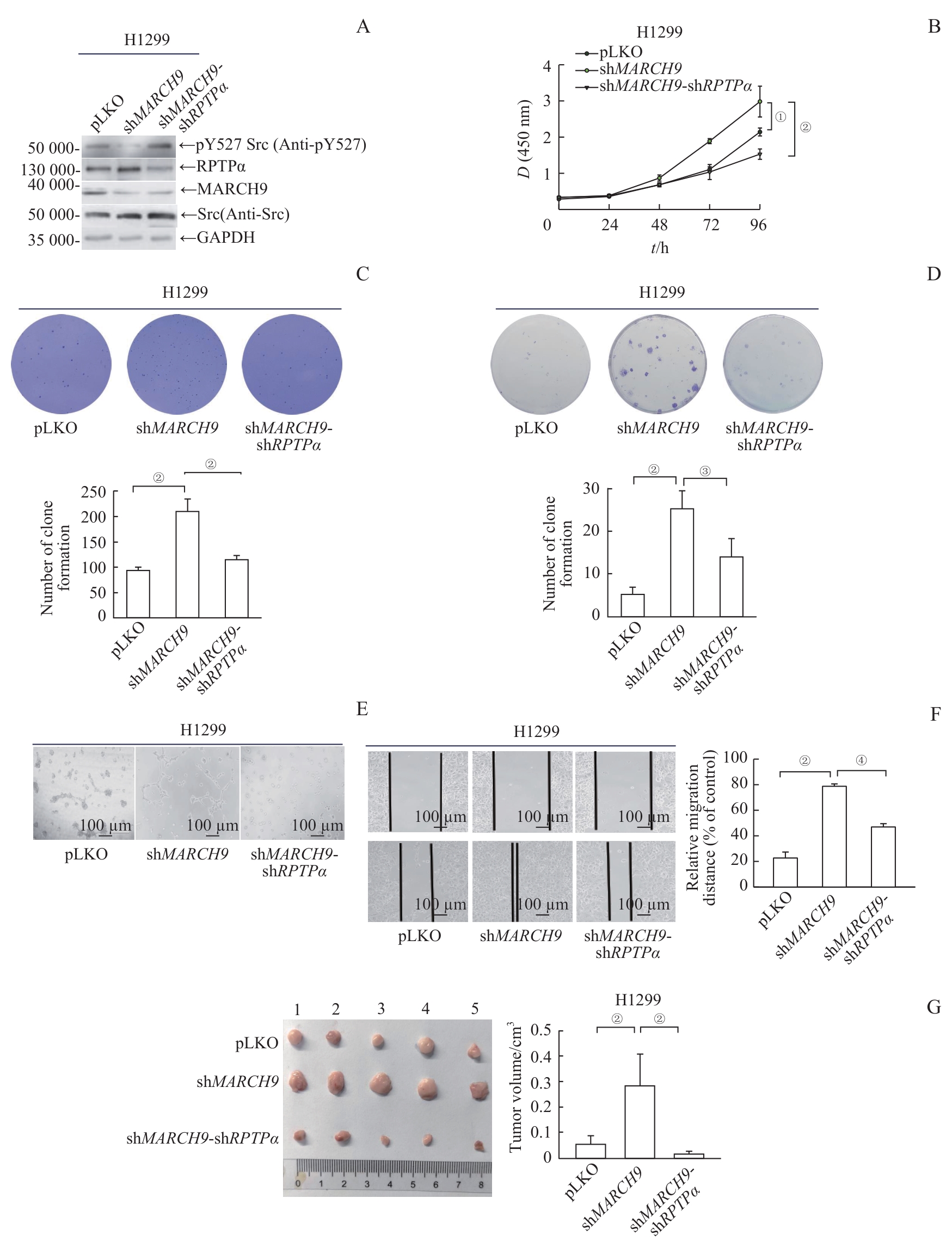
Fig 4 MARCH9-mediated degradation of RPTPα suppresses the oncogenic potential of tumor cells
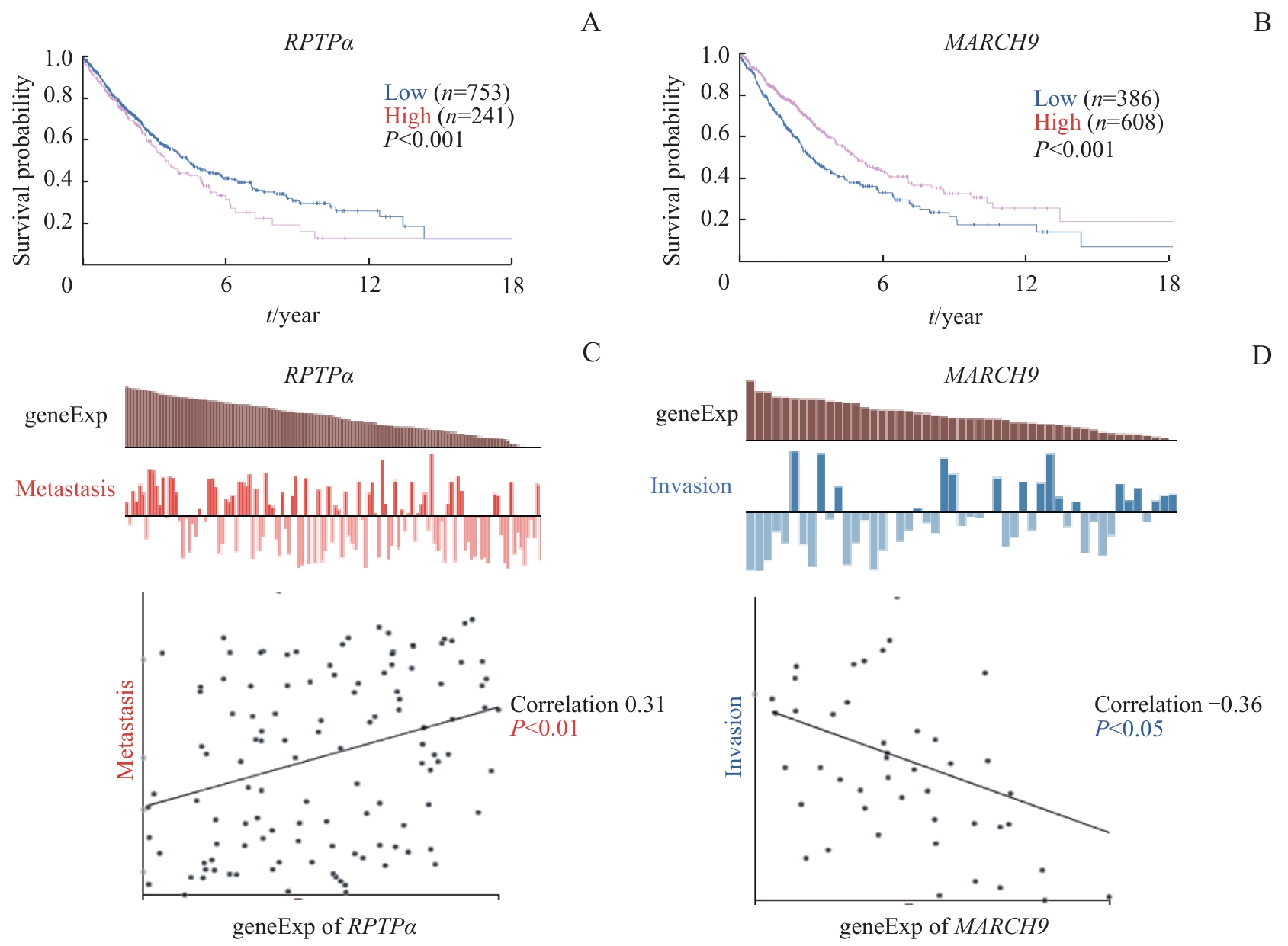
Fig 5 Bioinformatics analysis of RPTPα, MARCH9, and their association with lung cancer
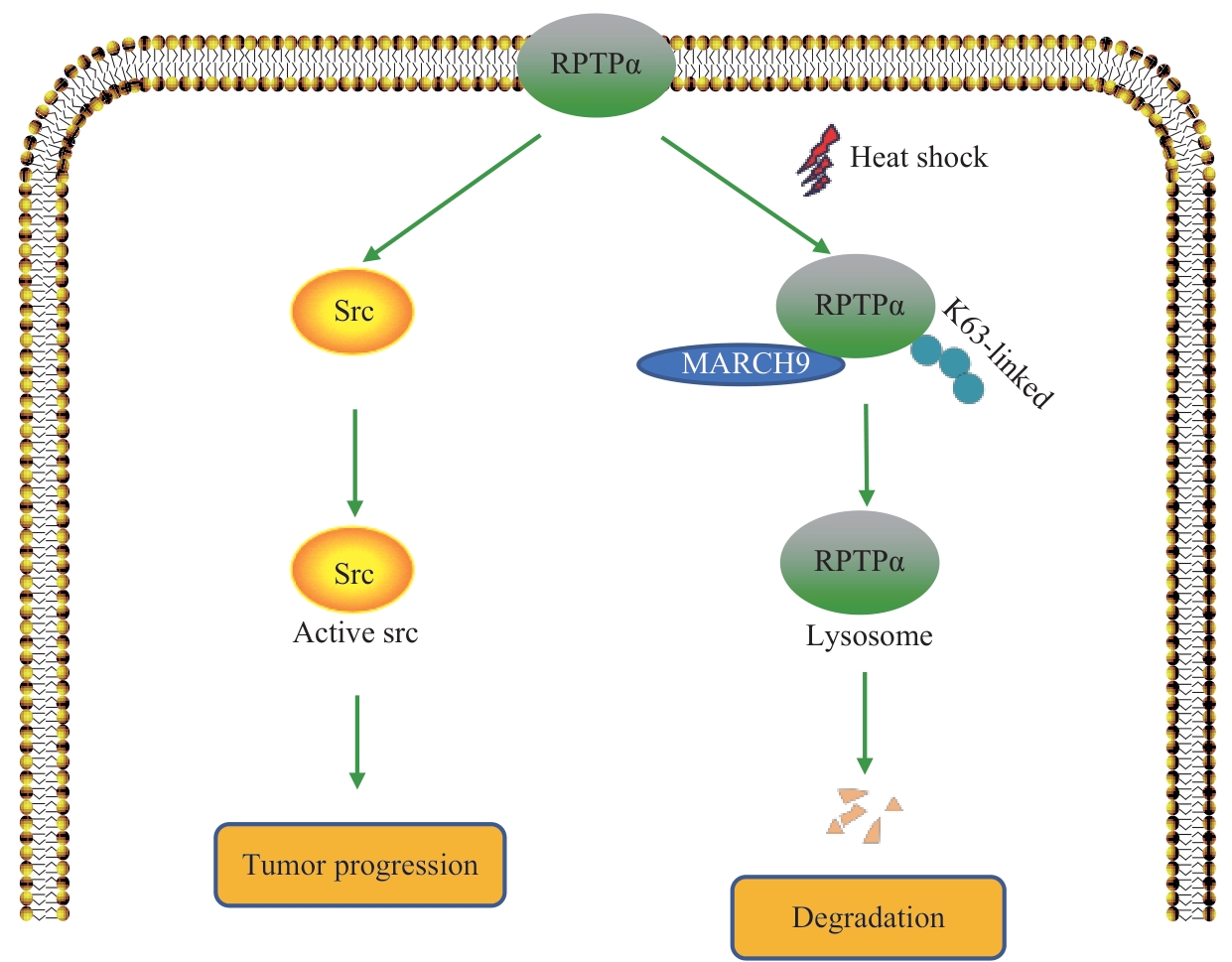
Fig 6 Working model of MARCH9-mediated ubiquitination and degradation of RPTPα
| [1] | SAP J, D'EUSTACHIO P, GIVOL D, et al. Cloning and expression of a widely expressed receptor tyrosine phosphatase[J]. Proc Natl Acad Sci USA, 1990, 87(16): 6112-6116. |
| [2] | ZHENG X M, WANG Y, FALLEN C J. Cell transformation and activation of pp60c-src by overexpression of a protein tyrosine phosphatase[J]. Nature, 1992, 359(6393): 336-339. |
| [3] | ZHENG X M, RESNICK R J, SHALLOWAY D. A phosphotyrosine displacement mechanism for activation of Src by PTPα[J]. EMBO J, 2000, 19(5): 964-978. |
| [4] | VACARU A M, DEN HERTOG J. Serine dephosphorylation of receptor protein tyrosine phosphatase α in mitosis induces Src binding and activation[J]. Mol Cell Biol, 2010, 30(12): 2850-2861. |
| [5] | PALLEN C J. Protein tyrosine phosphatase alpha (PTPα): a Src family kinase activator and mediator of multiple biological effects[J]. Curr Top Med Chem, 2003, 3(7): 821-835. |
| [6] | TABITI K, SMITH D R, GOH H S, et al. Increased mRNA expression of the receptor-like protein tyrosine phosphatase α in late stage colon carcinomas[J]. Cancer Lett, 1995, 93(2): 239-248. |
| [7] | BERNDT A, LUO X, BÖHMER F D, et al. Expression of the transmembrane protein tyrosine phosphatase RPTPα in human oral squamous cell carcinoma[J]. Histochem Cell Biol, 1999, 111(5): 399-403. |
| [8] | KRNDIJA D, SCHMID H, EISMANN J L, et al. Substrate stiffness and the receptor-type tyrosine-protein phosphatase α regulate spreading of colon cancer cells through cytoskeletal contractility[J]. Oncogene, 2010, 29(18): 2724-2738. |
| [9] | ARDINI E, AGRESTI R, TAGLIABUE E, et al. Expression of protein tyrosine phosphatase α (RPTPα) in human breast cancer correlates with low tumor grade, and inhibits tumor cell growth in vitro and in vivo[J]. Oncogene, 2000, 19(43): 4979-4987. |
| [10] | ZHENG X M, RESNICK R J, SHALLOWAY D. Apoptosis of estrogen-receptor negative breast cancer and colon cancer cell lines by PTPα and Src RNAi[J]. Int J Cancer, 2008, 122(9): 1999-2007. |
| [11] | ANDERSON K S, CRAMER D W, SIBANI S, et al. Autoantibody signature for the serologic detection of ovarian cancer[J]. J Proteome Res, 2015, 14(1): 578-586. |
| [12] | FANG J Y, ZHANG Y Q, HUANG C H, et al. Glucose-mediated N-glycosylation of RPTPα affects its subcellular localization and Src activation[J]. Oncogene, 2023, 42(14): 1058-1071. |
| [13] | RAIBORG C, STENMARK H. The ESCRT machinery in endosomal sorting of ubiquitylated membrane proteins[J]. Nature, 2009, 458(7237): 445-452. |
| [14] | LIN H, LI S, SHU H B. The membrane-associated MARCH E3 ligase family: emerging roles in immune regulation[J]. Front Immunol, 2019, 10: 1751. |
| [15] | HÖR S, ZIV T, ADMON A, et al. Stable isotope labeling by amino acids in cell culture and differential plasma membrane proteome quantitation identify new substrates for the MARCH9 transmembrane E3 ligase[J]. Mol Cell Proteomics, 2009, 8(8): 1959-1971. |
| [16] | LUO Q, LIU Q Q, CHENG H C, et al. Nondegradable ubiquitinated ATG9A organizes Golgi integrity and dynamics upon stresses[J]. Cell Rep, 2022, 40(7): 111195. |
| [17] | TAN C, BYRNE E F X, AH-CANN C, et al. A serine in the first transmembrane domain of the human E3 ubiquitin ligase MARCH9 is critical for down-regulation of its protein substrates[J]. J Biol Chem, 2019, 294(7): 2470-2485. |
| [18] | HAGLUND K, DIKIC I. The role of ubiquitylation in receptor endocytosis and endosomal sorting[J]. J Cell Sci, 2012, 125(Pt 2): 265-275. |
| [19] | HUANG F T, KIRKPATRICK D, JIANG X J, et al. Differential regulation of EGF receptor internalization and degradation by multiubiquitination within the kinase domain[J]. Mol Cell, 2006, 21(6): 737-748. |
| [20] | LIU H, CHEN B, LIU L L, et al. The role of MARCH9 in colorectal cancer progression[J]. Front Oncol, 2022, 12: 906897. |
| [21] | SHEN Q M, WANG H Y, XU S. MARCH9 suppresses lung adenocarcinoma progression by downregulating ICAM-1[J]. Cell Physiol Biochem, 2018, 50(1): 92-107. |
| [22] | LUO M, MENG Z P, MOROISHI T, et al. Heat stress activates YAP/TAZ to induce the heat shock transcriptome[J]. Nat Cell Biol, 2020, 22(12): 1447-1459. |
| [23] | NICE T J, DENG W W, COSCOY L, et al. Stress-regulated targeting of the NKG2D ligand Mult1 by a membrane-associated RING-CH family E3 ligase[J]. J Immunol, 2010, 185(9): 5369-5376. |
| [1] | HUANG Xin, LIU Jiahui, YE Jingwen, QIAN Wenli, XU Wanxing, WANG Lin. Development and clinical application of a machine learning-driven model for metabolite-based diagnosis of small cell lung cancer [J]. Journal of Shanghai Jiao Tong University (Medical Science), 2025, 45(8): 1009-1016. |
| [2] | ZOU Peichen, LIU Hongyu, AIHEMAITI· Ayinazhaer, ZHU Liang, TANG Yabin, LEI Huimin. Metabolic profiling of lung cancer cells with acquired resistance to sotorasib [J]. Journal of Shanghai Jiao Tong University (Medical Science), 2025, 45(2): 138-149. |
| [3] | ZHANG Xianzhou, DU Fenglin, WU Lei, REN Yizhe, ZHAO Mingna, LOU Jiatao. Mechanistic study of OGT-promoted non-small cell lung cancer proliferation via the ERK signaling pathway [J]. Journal of Shanghai Jiao Tong University (Medical Science), 2025, 45(10): 1288-1297. |
| [4] | CAI Dan, HUANG Jing. Electron microscopic study of the non-canonical polycomb repressive complex 1.6 [J]. Journal of Shanghai Jiao Tong University (Medical Science), 2024, 44(9): 1136-1145. |
| [5] | ZHU Mingyang, XU Yuanyuan, REN Jianghao, HUANG Jiazheng, LI Ruonan, TAN Qiang. Review of sublobar resection for lung adenocarcinoma with ground-glass presence [J]. Journal of Shanghai Jiao Tong University (Medical Science), 2024, 44(7): 922-927. |
| [6] | WANG Mengting, CHEN Yinan, XUANYUAN Xinyang, YUAN Haihua. Construction and experimental validation of mouse PDX model by malignant pleural effusion-derived tumor cells from lung cancer [J]. Journal of Shanghai Jiao Tong University (Medical Science), 2024, 44(4): 435-443. |
| [7] | LIU Chenxi, HAN Lin, YANG Yi, ZHOU Han, LIU Yayun, SHENG Deqiao. GPR87 promotes invasion and migration through the RHO/ROCK pathway in non-small cell lung cancer [J]. Journal of Shanghai Jiao Tong University (Medical Science), 2024, 44(12): 1514-1525. |
| [8] | HUANG Huayan, XU-ZHANG Wendi, XIA Liliang, YU Yongfeng, LU Shun. Advances in immunotherapy of advanced non-small cell lung cancer with EGFR mutation [J]. Journal of Shanghai Jiao Tong University (Medical Science), 2023, 43(5): 611-618. |
| [9] | ZHAO Zhuoming, LIU Zhenhao, LU Manman, ZHANG Yu, XU Linfeng, XIE Lu. Analysis of tumor-related features of non-small cell lung cancer based on TCR repertoire workflow [J]. Journal of Shanghai Jiao Tong University (Medical Science), 2023, 43(12): 1520-1528. |
| [10] | ZHAO Keke, JIANG Beibei, ZHANG Lu, WANG Lingyun, ZHANG Yaping, XIE Xueqian. Feasibility of ultra-low-dose noncontrast CT based on deep learning image reconstruction to evaluate chest lesions [J]. Journal of Shanghai Jiao Tong University (Medical Science), 2022, 42(8): 1062-1069. |
| [11] | LIAO Yahui, LIU Liyun, ZHU Hongrui, LIN Houwen, YAN Jizhou, SUN Fan. Marine sponge-derived smenospongine overcomes resistance of cisplatin via inhibiting EGFR-Akt-ABCG2 pathway in NSCLC cells [J]. Journal of Shanghai Jiao Tong University (Medical Science), 2022, 42(8): 997-1007. |
| [12] | LIU Ziyang, WANG Xiaowen, CHEN Li. lncRNA GK-IT1 influences the carcinogenesis of non-small cell lung cancer cells through regulating aldolase A [J]. Journal of Shanghai Jiao Tong University (Medical Science), 2022, 42(5): 591-601. |
| [13] | LU Wenqing, MENG Zhouwenli, YU Yongfeng, LU Shun. Resistance mechanisms and overcoming strategies of the third-generation EGFR-TKI in non-small cell lung cancer [J]. Journal of Shanghai Jiao Tong University (Medical Science), 2022, 42(4): 535-544. |
| [14] | HU Chanchan, FAN Yi, XU Yuan, HU Zhijian, ZENG Yiming. Lipid metabolism and lung cancer: emerging roles in occurrence, progression, diagnosis and treatment [J]. Journal of Shanghai Jiao Tong University (Medical Science), 2022, 42(12): 1766-1771. |
| [15] | LIAO Hongjian, CAO Yuchao, DU Yonghong. Anticancer effect of drug-loaded DNA nanoflowers on mouse lung cancer cells [J]. Journal of Shanghai Jiao Tong University (Medical Science), 2022, 42(11): 1542-1549. |
| Viewed | ||||||
|
Full text |
|
|||||
|
Abstract |
|
|||||
