
Journal of Shanghai Jiao Tong University (Medical Science) ›› 2025, Vol. 45 ›› Issue (8): 949-956.doi: 10.3969/j.issn.1674-8115.2025.08.002
• Basic research • Previous Articles Next Articles
HE Suhui, ZHAO Yinlong, CHANG Alex Chia Yu( )
)
Received:2025-02-17
Accepted:2025-04-03
Online:2025-08-28
Published:2025-08-26
Contact:
CHANG Alex Chia Yu
E-mail:alexchang@shsmu.edu.cn
Supported by:CLC Number:
HE Suhui, ZHAO Yinlong, CHANG Alex Chia Yu. Effects of telomerase gene therapy on pressure overload-induced heart failure in mice[J]. Journal of Shanghai Jiao Tong University (Medical Science), 2025,(8): 949-956.
Add to citation manager EndNote|Ris|BibTeX
URL: https://xuebao.shsmu.edu.cn/EN/10.3969/j.issn.1674-8115.2025.08.002
| Species | Gene | Forward primer sequence (5′→3′) | Reverse primer sequence (5′→3′) |
|---|---|---|---|
| Mus musculus | Nppa | TTCGGGGGTAGGATTGACAG | CACACCACAAGGGCTTAGGA |
| Mus musculus | Nppb | AGTCCTTCGGTCTCAAGGCA | CCGATCCGGTCTATCTTGTGC |
| Mus musculus | Myh7 | ACTGTCAACACTAAGAGGGTCA | TTGGATGATTTGATCTTCCAGGG |
| Mus musculus | Myh6 | GCCCAGTACCTCCGAAAGTC | GCCTTAACATACTCCTCCTTGTC |
| Mus musculus | Col1a1 | TGGTACATCAGCCCGAAC | GTCAGCTGGATAGCGACA |
| Mus musculus | Col3a1 | CTGTAACATGGAAACTGGGGAAA | CCATAGCTGAACTGAAAACCACC |
| Mus musculus | Ctgf | GACCCAACTATGATGCGAGCC | CCCATCCCACAGGTCTTAGAAC |
| Mus musculus | Gapdh | CATCACTGCCACCCAGAAGACTG | ATGCCAGTGAGCTTCCCGTTCAG |
| Homo sapiens | TERT | GCGGAAGACAGTGGTGAACT | TTCAGGATGGAGTAGCAGAGG |
Tab 1 Primer sequences for RT-qPCR
| Species | Gene | Forward primer sequence (5′→3′) | Reverse primer sequence (5′→3′) |
|---|---|---|---|
| Mus musculus | Nppa | TTCGGGGGTAGGATTGACAG | CACACCACAAGGGCTTAGGA |
| Mus musculus | Nppb | AGTCCTTCGGTCTCAAGGCA | CCGATCCGGTCTATCTTGTGC |
| Mus musculus | Myh7 | ACTGTCAACACTAAGAGGGTCA | TTGGATGATTTGATCTTCCAGGG |
| Mus musculus | Myh6 | GCCCAGTACCTCCGAAAGTC | GCCTTAACATACTCCTCCTTGTC |
| Mus musculus | Col1a1 | TGGTACATCAGCCCGAAC | GTCAGCTGGATAGCGACA |
| Mus musculus | Col3a1 | CTGTAACATGGAAACTGGGGAAA | CCATAGCTGAACTGAAAACCACC |
| Mus musculus | Ctgf | GACCCAACTATGATGCGAGCC | CCCATCCCACAGGTCTTAGAAC |
| Mus musculus | Gapdh | CATCACTGCCACCCAGAAGACTG | ATGCCAGTGAGCTTCCCGTTCAG |
| Homo sapiens | TERT | GCGGAAGACAGTGGTGAACT | TTCAGGATGGAGTAGCAGAGG |
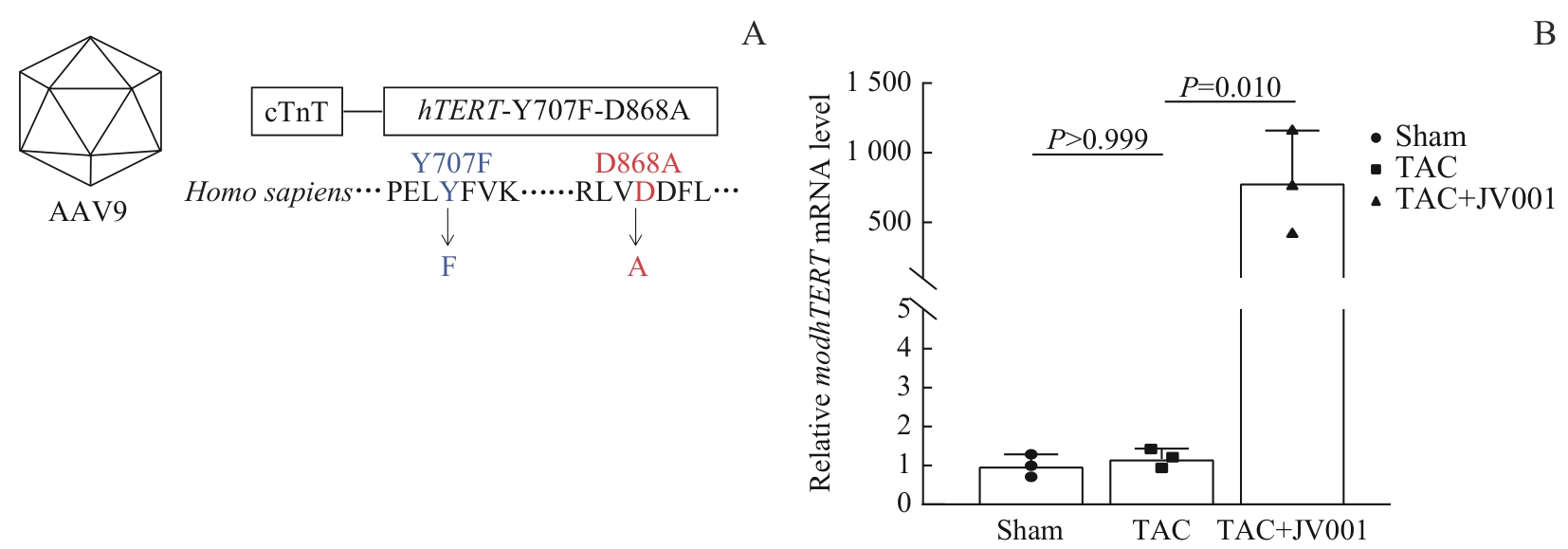
Fig 1 Design of JV001 and modhTERT expression in the hearts at 6 weeks post-administration
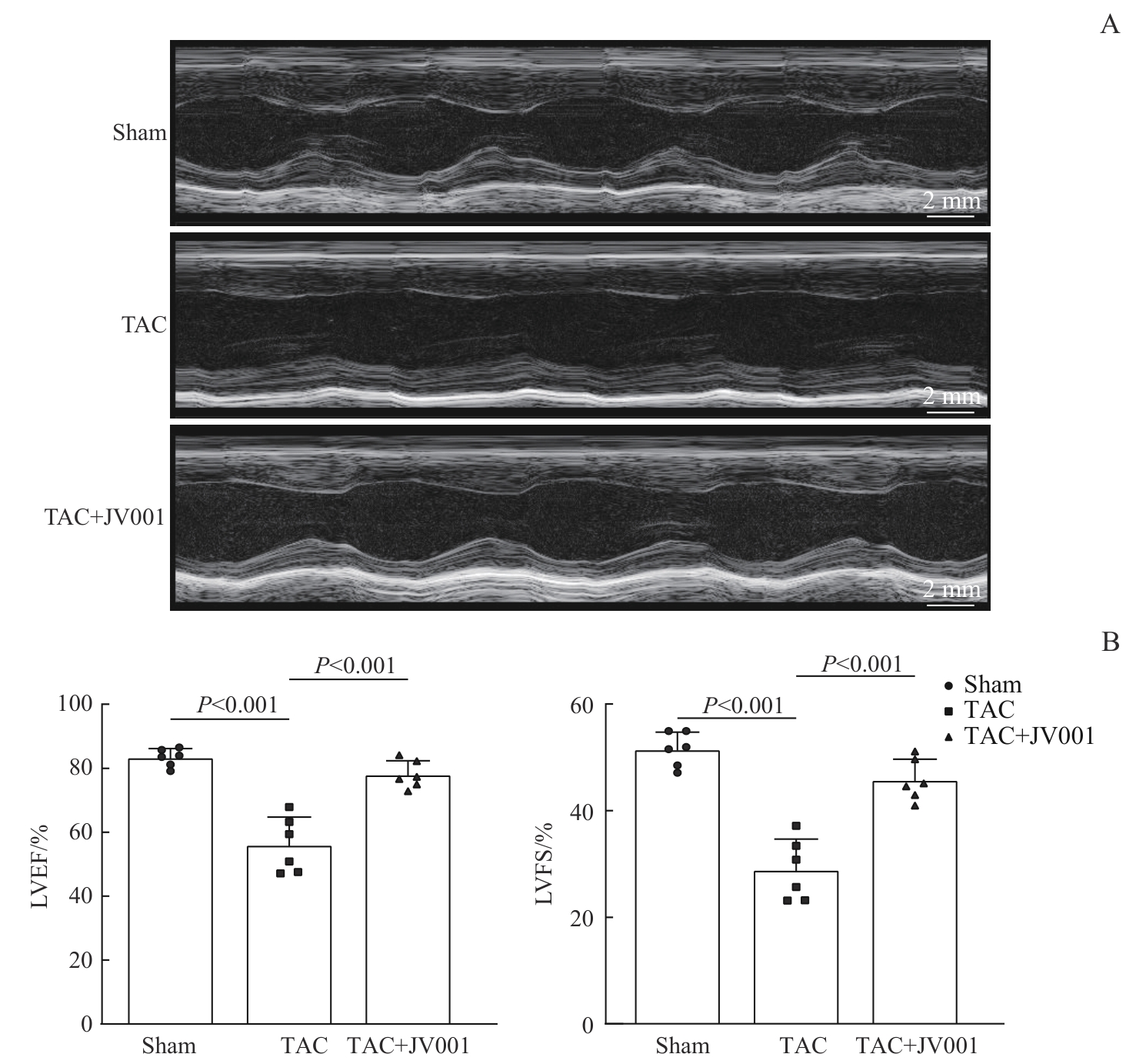
Fig 2 Effects of JV001 on cardiac function in mice
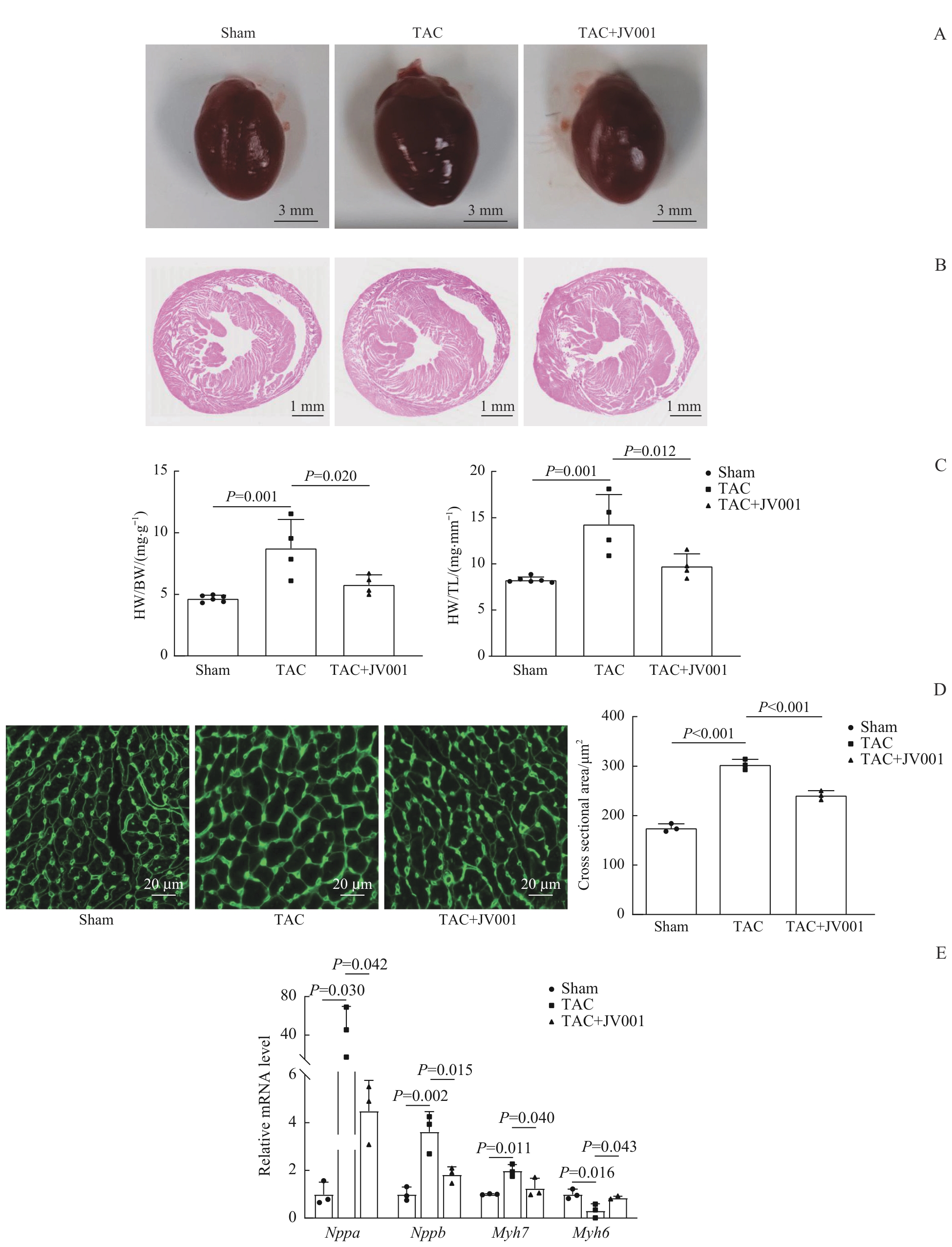
Fig 3 Comparison of cardiac hypertrophy in each group of mice
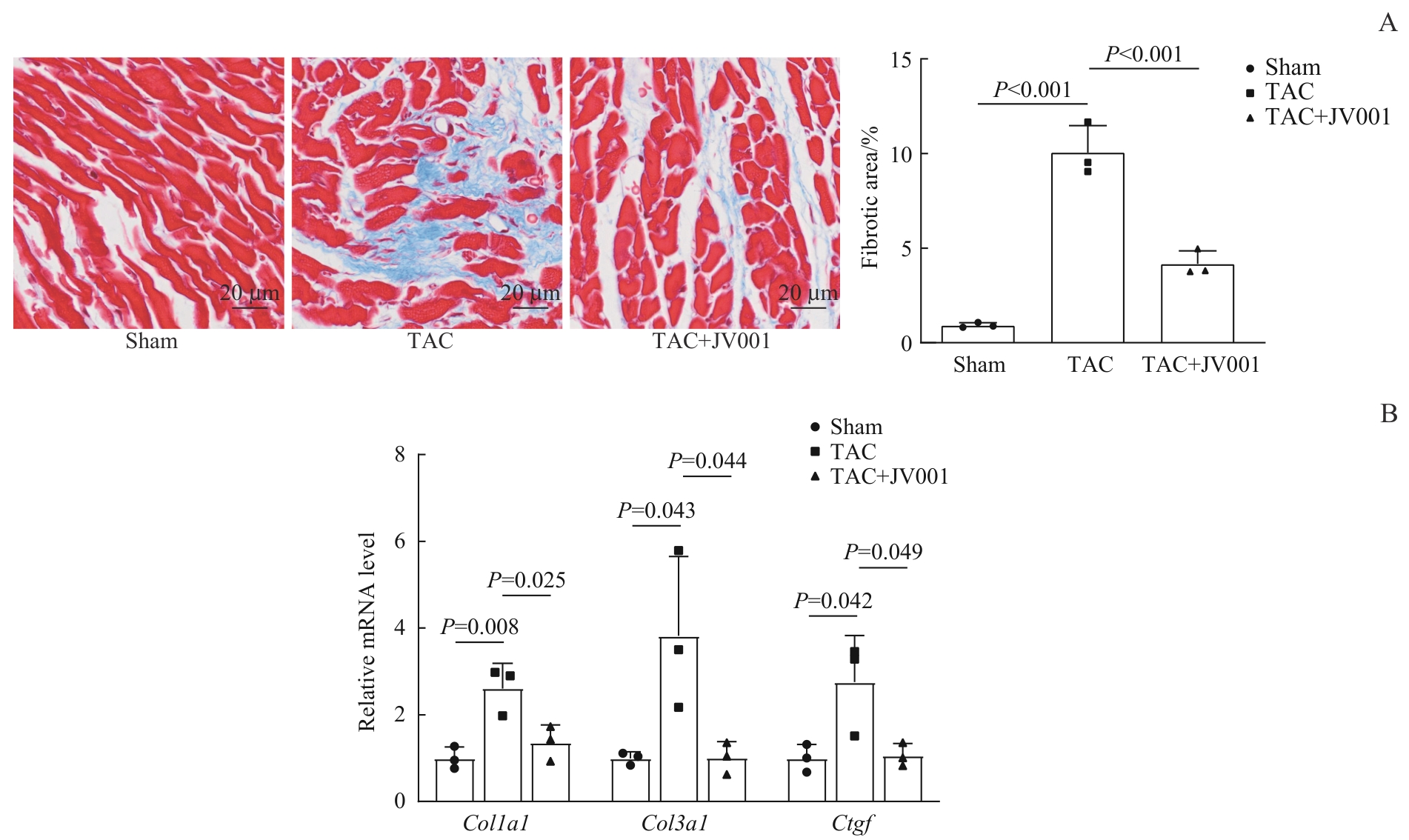
Fig 4 Effects of JV001 on myocardial fibrosis in mice
| [1] | MCDONAGH T A, METRA M, ADAMO M, et al. 2021 ESC Guidelines for the diagnosis and treatment of acute and chronic heart failure[J]. Eur Heart J, 2021, 42(36): 3599-3726. |
| [2] | KHAN M S, SHAHID I, GREENE S J, et al. Mechanisms of current therapeutic strategies for heart failure: more questions than answers?[J]. Cardiovasc Res, 2023, 118(18): 3467-3481. |
| [3] | GBD 2017 Disease and Injury Incidence and Prevalence Collaborators. Global, regional, and national incidence, prevalence, and years lived with disability for 354 diseases and injuries for 195 countries and territories, 1990-2017: a systematic analysis for the Global Burden of Disease Study 2017[J]. Lancet, 2018, 392(10159): 1789-1858. |
| [4] | ROSSIELLO F, JURK D, PASSOS J F, et al. Telomere dysfunction in ageing and age-related diseases[J]. Nat Cell Biol, 2022, 24(2): 135-147. |
| [5] | LÓPEZ-OTÍN C, BLASCO M A, PARTRIDGE L, et al. Hallmarks of aging: an expanding universe[J]. Cell, 2023, 186(2): 243-278. |
| [6] | SHAY J W, WRIGHT W E. Telomeres and telomerase: three decades of progress[J]. Nat Rev Genet, 2019, 20(5): 299-309. |
| [7] | CHAKRAVARTI D, LABELLA K A, DEPINHO R A. Telomeres: history, health, and hallmarks of aging[J]. Cell, 2021, 184(2): 306-322. |
| [8] | BERGMANN O, ZDUNEK S, FELKER A, et al. Dynamics of cell generation and turnover in the human heart[J]. Cell, 2015, 161(7): 1566-1575. |
| [9] | ALKASS K, PANULA J, WESTMAN M, et al. No evidence for cardiomyocyte number expansion in preadolescent mice[J]. Cell, 2015, 163(4): 1026-1036. |
| [10] | OH H, WANG S C, PRAHASH A, et al. Telomere attrition and Chk2 activation in human heart failure[J]. Proc Natl Acad Sci USA, 2003, 100(9): 5378-5383. |
| [11] | TERAI M, IZUMIYAMA-SHIMOMURA N, AIDA J, et al. Association of telomere shortening in myocardium with heart weight gain and cause of death[J]. Sci Rep, 2013, 3: 2401. |
| [12] | SHARIFI-SANJANI M, OYSTER N M, TICHY E D, et al. Cardiomyocyte-specific telomere shortening is a distinct signature of heart failure in humans[J]. J Am Heart Assoc, 2017, 6(9): e005086. |
| [13] | CHANG A C Y, CHANG A C H, KIRILLOVA A, et al. Telomere shortening is a hallmark of genetic cardiomyopathies[J]. Proc Natl Acad Sci USA, 2018, 115(37): 9276-9281. |
| [14] | LIM C J, CECH T R. Shaping human telomeres: from shelterin and CST complexes to telomeric chromatin organization[J]. Nat Rev Mol Cell Biol, 2021, 22(4): 283-298. |
| [15] | SCHMUTZ I, TIMASHEV L, XIE W, et al. TRF2 binds branched DNA to safeguard telomere integrity[J]. Nat Struct Mol Biol, 2017, 24(9): 734-742. |
| [16] | BARNES R P, DE ROSA M, THOSAR S A, et al. Telomeric 8-oxo-guanine drives rapid premature senescence in the absence of telomere shortening[J]. Nat Struct Mol Biol, 2022, 29(7): 639-652. |
| [17] | ISHIKAWA K, WEBER T, HAJJAR R J. Human cardiac gene therapy[J]. Circ Res, 2018, 123(5): 601-613. |
| [18] | PRASAD K R, XU Y, YANG Z, et al. Robust cardiomyocyte-specific gene expression following systemic injection of AAV in vivo gene delivery follows a Poisson distribution[J]. Gene Ther, 2011, 18(1): 43-52. |
| [19] | GHANIM G E, FOUNTAIN A J, VAN ROON A M, et al. Structure of human telomerase holoenzyme with bound telomeric DNA[J]. Nature, 2021, 593(7859): 449-453. |
| [20] | HAENDELER J, HOFFMANN J, FLORIAN DIEHL J, et al. Antioxidants inhibit nuclear export of telomerase reverse transcriptase and delay replicative senescence of endothelial cells[J]. Circ Res, 2004, 94(6): 768-775. |
| [21] | LIU B C, HE Y, WANG Y Q, et al. Structure of active human telomerase with telomere shelterin protein TPP1[J]. Nature, 2022, 604(7906): 578-583. |
| [22] | BERNARDES DE JESUS B, VERA E, SCHNEEBERGER K, et al. Telomerase gene therapy in adult and old mice delays aging and increases longevity without increasing cancer[J]. EMBO Mol Med, 2012, 4(8): 691-704. |
| [23] | BÄR C, BERNARDES DE JESUS B, SERRANO R, et al. Telomerase expression confers cardioprotection in the adult mouse heart after acute myocardial infarction[J]. Nat Commun, 2014, 5: 5863. |
| [24] | CHATTERJEE S, HOFER T, COSTA A, et al. Telomerase therapy attenuates cardiotoxic effects of doxorubicin[J]. Mol Ther, 2021, 29(4): 1395-1410. |
| [25] | KAKKAR R, LEE R T. Intramyocardial fibroblast myocyte communication[J]. Circ Res, 2010, 106(1): 47-57. |
| [26] | ANDERSON R, LAGNADO A, MAGGIORANI D, et al. Length-independent telomere damage drives post-mitotic cardiomyocyte senescence[J]. EMBO J, 2019, 38(5): e100492. |
| [27] | STRAUSS K A, FARRAR M A, MUNTONI F, et al. Onasemnogene abeparvovec for presymptomatic infants with two copies of SMN2 at risk for spinal muscular atrophy type 1: the Phase Ⅲ SPR1NT trial[J]. Nat Med, 2022, 28(7): 1381-1389. |
| [28] | FANG H F, LAI N C, GAO M H, et al. Comparison of adeno-associated virus serotypes and delivery methods for cardiac gene transfer[J]. Hum Gene Ther Methods, 2012, 23(4): 234-241. |
| [1] | An Yiran, Feng Baoyi, Sun Yilin, Wu Hao, Tao Yong. Comparison of inner hair cell transduction by different serotypes of adeno-associated virus via cisterna magna injection in mice [J]. Journal of Shanghai Jiao Tong University (Medical Science), 2026, 46(7): 896-905. |
| [2] | Xu Rui, Guo Jiacheng, Xie Shiyao, Han Deheng, Yue Xiuqin. Research advances in nanomaterials in cardiac fibrosis repair: from precision therapy to tissue remodeling [J]. Journal of Shanghai Jiao Tong University (Medical Science), 2026, 46(3): 377-384. |
| [3] | Chen Tianyi, Jia Kangni, Yan Xiaoxiang, Zhang Ruiyan. Development and clinical application of natriuretic peptide system-targeted drugs [J]. Journal of Shanghai Jiao Tong University (Medical Science), 2026, 46(3): 385-390. |
| [4] | LI Long, ZHAO Xia, JIN Shan, LI Zeying, LÜ Fuqiang, PANG Lijuan, LIU Kejian. Deciphering the protective role of AZGP1 in heart failure through Mendelian randomization [J]. Journal of Shanghai Jiao Tong University (Medical Science), 2025, 45(8): 1035-1045. |
| [5] | GAO Xinjie, LIU Yan, WANG Dawei. Research progress and considerations for thalassemia gene therapy [J]. Journal of Shanghai Jiao Tong University (Medical Science), 2025, 45(5): 540-548. |
| [6] | XU Tianyun, SHEN Yiming, JIANG Meng. Clinical management of heart failure with improved ejection fraction: treatment and maintenance [J]. Journal of Shanghai Jiao Tong University (Medical Science), 2025, 45(4): 493-499. |
| [7] | DU Tailai, HUANG Zhanpeng. Advances in metabolic modulators as therapeutic agents for heart failure [J]. Journal of Shanghai Jiao Tong University (Medical Science), 2025, 45(12): 1636-1643. |
| [8] | LU Qifan, LIU Qiming, ZHOU Hongmei, CHAI Yezi, JIANG Meng, PU Jun. Effect of somatic symptoms, anxiety and depression on clinical prognosis in patients with chronic heart failure [J]. Journal of Shanghai Jiao Tong University (Medical Science), 2023, 43(9): 1153-1161. |
| [9] | CHEN Jin, FU Yao. Research progress in autologous regeneration of human corneal endothelial cells [J]. Journal of Shanghai Jiao Tong University (Medical Science), 2023, 43(6): 775-780. |
| [10] | LUO Wenyi, CHEN Lin, YUAN Li, NI Ping, CAI Xiaoman, ZHANG Yaqing. Rasch analysis of postoperative cardiac rehabilitation and related factors in 3-6-year-old children with congenital heart disease [J]. Journal of Shanghai Jiao Tong University (Medical Science), 2022, 42(9): 1303-1310. |
| [11] | CHENG Zhenzhe, JIN Chenxi, FENG Baoyi, ZHENG Xiaofei, LIU Yiqing, WU Hao, TAO Yong. Adeno-associated virus serotype 8-mediated gene therapy in Gjb2 mutant c.109G>A homozygous mice [J]. Journal of Shanghai Jiao Tong University (Medical Science), 2022, 42(6): 735-741. |
| [12] | Xiao-nan CHEN, Jun-feng ZHANG, Chang-qian WANG, Hui-li ZHANG. Establishment of a novel mice model of heart failure with preserved ejection fraction [J]. JOURNAL OF SHANGHAI JIAOTONG UNIVERSITY (MEDICAL SCIENCE), 2021, 41(5): 565-570. |
| [13] | Qian-li WAN, Jing-yi HU, Jun ZHOU, Miao-miao LI, Yue ZHANG, Fang YUAN. Efficacy of early ultrafiltration in acute decompensated heart failure patients with volume overload [J]. JOURNAL OF SHANGHAI JIAOTONG UNIVERSITY (MEDICAL SCIENCE), 2021, 41(3): 344-349. |
| [14] | LIN Hao, PAN Jian-an, ZHANG Jun-feng, GU Jun, WANG Chang-qian. Effects of different treatment regiments for diabetes mellitus, hypertension and atrial fibrillation on the risk of heart failure with preserved ejection fraction [J]. JOURNAL OF SHANGHAI JIAOTONG UNIVERSITY (MEDICAL SCIENCE), 2020, 40(10): 1402-1407. |
| [15] | WU Ke1*, YAO Zhi-xian1*, ZHENG Zhong1*, CHENG Lei-lei2, LIU Zhi-hong1. Cisplatin promotes heart failure in bladder cancer miceimpairing granulocytic myeloid-derived suppressor cells [J]. , 2019, 39(9): 1011-. |
| Viewed | ||||||
|
Full text |
|
|||||
|
Abstract |
|
|||||
