
Journal of Shanghai Jiao Tong University (Medical Science) ›› 2026, Vol. 46 ›› Issue (6): 801-809.doi: 10.3969/j.issn.1674-8115.2026.06.013
• Review • Previous Articles Next Articles
Li Mengru1, Wang Haiqiang2( )
)
Received:2025-07-16
Accepted:2026-04-21
Online:2026-06-28
Published:2026-06-29
Contact:
Wang Haiqiang
E-mail:haiqiang915@163.com
Supported by:CLC Number:
Li Mengru, Wang Haiqiang. Review of mechanism of interleukin regulatory network in inflammatory bowel disease[J]. Journal of Shanghai Jiao Tong University (Medical Science), 2026,(6): 801-809.
Add to citation manager EndNote|Ris|BibTeX
URL: https://xuebao.shsmu.edu.cn/EN/10.3969/j.issn.1674-8115.2026.06.013
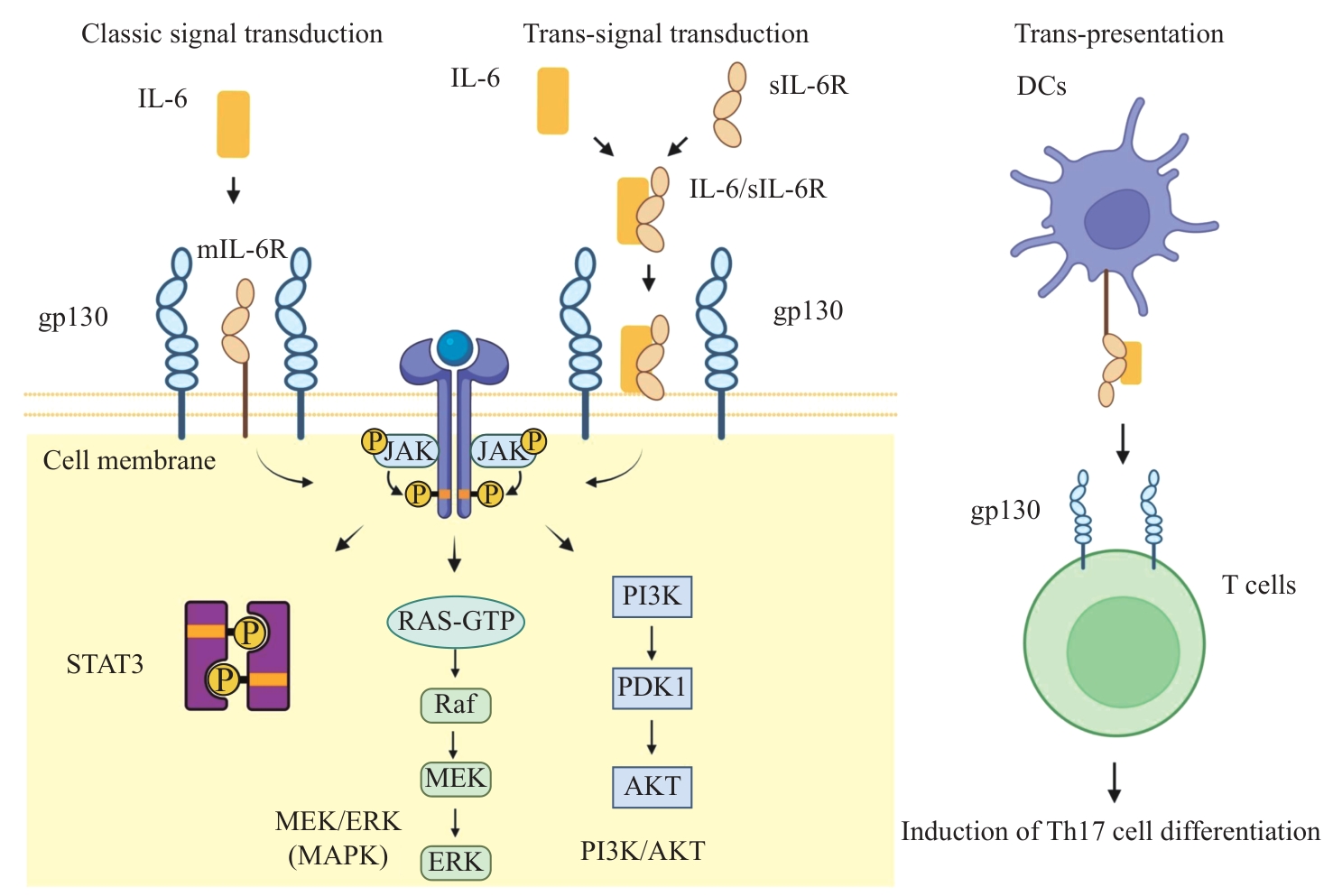
Fig 1 Three pathways of IL-6 signal transduction
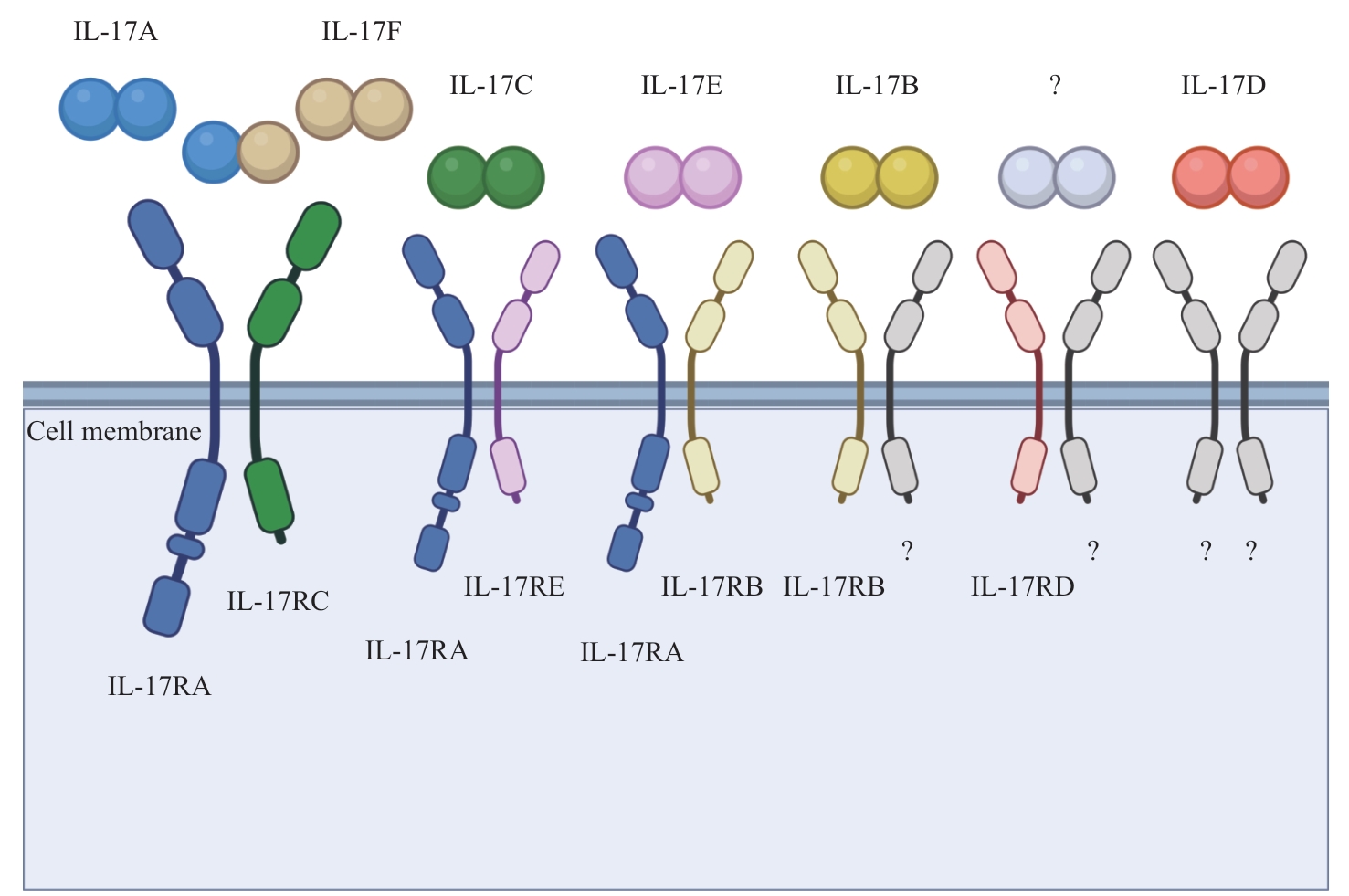
Fig 2 Schematic diagram of IL-17 family and its receptor family
| [1] | Saez A, Herrero-Fernandez B, Gomez-Bris R, et al. Pathophysiology of inflammatory bowel disease: innate immune system[J]. Int J Mol Sci, 2023, 24(2): 1526. |
| [2] | Hracs L, Windsor J W, Gorospe J, et al. Global evolution of inflammatory bowel disease across epidemiologic stages[J]. Nature, 2025, 642(8067): 458-466. |
| [3] | Prioritizing inflammatory bowel disease[J]. Nat Rev Gastroenterol Hepatol, 2025, 22(6): 361. |
| [4] | Nakajima M, Iwao Y, Okabayashi K, et al. Pathological characteristics of inflammatory bowel diseases[J]. J Med Ultrason, 2025, 52(2): 187-196. |
| [5] | Lu Q, Yang M F, Liang Y J, et al. Immunology of inflammatory bowel disease: molecular mechanisms and therapeutics[J]. J Inflamm Res, 2022, 15: 1825-1844. |
| [6] | Padoan A, Musso G, Contran N, et al. Inflammation, autoinflammation and autoimmunity in inflammatory bowel diseases[J]. Curr Issues Mol Biol, 2023, 45(7): 5534-5557. |
| [7] | Vebr M, Pomahačová R, Sýkora J, et al. A narrative review of cytokine networks: pathophysiological and therapeutic implications for inflammatory bowel disease pathogenesis[J]. Biomedicines, 2023, 11(12): 3229. |
| [8] | Uchiyama K, Takagi T, Mizushima K, et al. Mucosal interleukin-8 expression as a predictor of subsequent relapse in ulcerative colitis patients with Mayo endoscopic subscore 0[J]. J Gastroenterol Hepatol, 2022, 37(6): 1034-1042. |
| [9] | Wang C Y, Lv G Q, Chen E B, et al. Cross-trait cross-genome cross-organ analysis of gastrointestinal disorders and depression[J]. Dig Dis Sci, 2025, 70(9): 3021-3033. |
| [10] | Li X C, Zhao C B. Interleukin-6 in neuroimmunological disorders: pathophysiology and therapeutic advances with satralizumab[J]. Autoimmun Rev, 2025, 24(7): 103826. |
| [11] | Song M, Wang Y L, Annex B H, et al. Experiment-based computational model predicts that IL-6 trans-signaling plays a dominant role in IL-6 mediated signaling in endothelial cells[J]. bioRxiv, 2023: 2023.02.03.526721. |
| [12] | Rose-John S, Jenkins B J, Garbers C, et al. Targeting IL-6 trans-signalling: past, present and future prospects[J]. Nat Rev Immunol, 2023, 23(10): 666-681. |
| [13] | Li X T, Wu X Y, Chen X Q, et al. Selective blockade of interleukin 6 trans-signaling depresses atrial fibrillation[J]. Heart Rhythm, 2023, 20(12): 1759-1770. |
| [14] | Forcina L, Franceschi C, Musarò A. The hormetic and hermetic role of IL-6[J]. Ageing Res Rev, 2022, 80: 101697. |
| [15] | Agca S, Kir S. The role of interleukin-6 family cytokines in cancer cachexia[J]. FEBS J, 2024, 291(18): 4009-4023. |
| [16] | Ji T, Huang G H, Cao Y D, et al. Advances in interleukin-6 family cytokines and the role in respiratory diseases[J]. J Inflamm Res, 2025, 18: 3125-3141. |
| [17] | Naganuma M, Takeno M, Çelik A F, et al. Assessment of IL-6 pathway inhibition in gastrointestinal behçet's disease from immunological and clinical perspectives[J]. Biomedicines, 2025, 13(1): 247. |
| [18] | Alhendi A, Naser S A. The dual role of interleukin-6 in Crohn's disease pathophysiology[J]. Front Immunol, 2023, 14: 1295230. |
| [19] | Tie Y Z, Chen M H, Zhang S H. Insights into the molecular mechanisms and therapeutic implications of interleukin-6 for inflammatory bowel disease[J]. Chin Med J, 2023, 136(18): 2143-2146. |
| [20] | Zhang S H, Chen B L, Wang B M, et al. Effect of induction therapy with olamkicept vs placebo on clinical response in patients with active ulcerative colitis: a randomized clinical trial[J]. JAMA, 2023, 329(9): 725-734. |
| [21] | Koureta E, Karatzas P, Kanellopoulos P N, et al. The importance of growth differentiation factor 15 and interleukin 6 serum levels in inflammatory bowel diseases[J]. J Physiol Biochem, 2025, 81(1): 111-122. |
| [22] | Knyazev O, Kagramanova A V. P0578 The relationship between the concentration of D-dimer and interleukin-6 in patients with ulcerative colitis[J]. J Crohn's Colitis, 2025, 19(Supplement_1): i1155. |
| [23] | Samarani S, Dupont-Lucas C, Marcil V, et al. CpG methylation in TGFβ1 and IL-6 genes as surrogate biomarkers for diagnosis of IBD in children[J]. Inflamm Bowel Dis, 2020, 26(10): 1572-1578. |
| [24] | Narazaki M, Kishimoto T. Current status and prospects of IL-6-targeting therapy[J]. Expert Rev Clin Pharmacol, 2022, 15(5): 575-592. |
| [25] | Schreiber S, Aden K, Bernardes J P, et al. Therapeutic interleukin-6 trans-signaling inhibition by olamkicept (sgp130Fc) in patients with active inflammatory bowel disease[J]. Gastroenterology, 2021, 160(7): 2354-2366.e11. |
| [26] | Avci A B, Feist E, Burmester G R. Targeting IL-6 or IL-6 receptor in rheumatoid arthritis: what have we learned [J]. BioDrugs, 2024, 38(1): 61-71. |
| [27] | Aletaha D, Kerschbaumer A, Kastrati K, et al. Consensus statement on blocking interleukin-6 receptor and interleukin-6 in inflammatory conditions: an update[J]. Ann Rheum Dis, 2023, 82(6): 773-787. |
| [28] | Yu Z, Li X L, Huang J Y, et al. The RNA-binding E3 ligase MKRN2 selectively disrupts Il6 translation to restrain inflammation[J]. Nat Immunol, 2025, 26(7): 1036-1047. |
| [29] | Guo S S, Geng W Y, Chen S, et al. Ginger alleviates DSS-induced ulcerative colitis severity by improving the diversity and function of gut microbiota[J]. Front Pharmacol, 2021, 12: 632569. |
| [30] | Huangfu L J, Li R Y, Huang Y M, et al. The IL-17 family in diseases: from bench to bedside[J]. Signal Transduct Target Ther, 2023, 8(1): 402. |
| [31] | Liu Y C, Ouyang Y, You W C, et al. Physiological roles of human interleukin-17 family[J]. Exp Dermatol, 2024, 33(1): e14964. |
| [32] | Deng G Z, Guo M D, Fan J H, et al. Interleukin-17 family in health and immune diseases: from origin to clinical implications[J]. Neural Regen Res, 2026, 21(5): 1809-1833. |
| [33] | Koh C H, Kim B S, Kang C Y, et al. IL-17 and IL-21: their immunobiology and therapeutic potentials[J]. Immune Netw, 2024, 24: e2. |
| [34] | Li J, Liu L, Zhao Q, et al. Role of interleukin-17 in pathogenesis of intestinal fibrosis in mice[J]. Dig Dis Sci, 2020, 65(7): 1971-1979. |
| [35] | Brabec T, Vobořil M, Schierová D, et al. IL-17-driven induction of Paneth cell antimicrobial functions protects the host from microbiota dysbiosis and inflammation in the ileum[J]. Mucosal Immunol, 2023, 16(4): 373-385. |
| [36] | Chong W P, Mattapallil M J, Raychaudhuri K, et al. The cytokine IL-17A limits Th17 pathogenicity via a negative feedback loop driven by autocrine induction of IL-24[J]. Immunity, 2020, 53(2): 384-397.e5. |
| [37] | Goepfert A, Lehmann S, Blank J, et al. Structural analysis reveals that the cytokine IL-17F forms a homodimeric complex with receptor IL-17RC to drive IL-17RA-independent signaling[J]. Immunity, 2020, 52(3): 499-512.e5. |
| [38] | Vangilbergen M, Stockman A, van de Velde A, et al. The role of interleukin-17 and interleukin-23 inhibitors in the development, progression, and recurrence of cancer: a systematic review[J]. JAAD Int, 2024, 17: 71-79. |
| [39] | Deng Z Z, Wang S F, Wu C F, et al. IL-17 inhibitor-associated inflammatory bowel disease: a study based on literature and database analysis[J]. Front Pharmacol, 2023, 14: 1124628. |
| [40] | Munshi A R, Wang T, Takamori Y, et al. SELEX-discovered aptamer that inhibits cellular interleukin-17/interleukin-17 receptor interaction and antagonizes interleukin-17 signaling[J]. Biosci Biotechnol Biochem, 2024, 88(2): 147-153. |
| [41] | Mills K H G. IL-17 and IL-17-producing cells in protection versus pathology[J]. Nat Rev Immunol, 2023, 23(1): 38-54. |
| [42] | Gandhi G R, Mohana T, Athesh K, et al. Anti-inflammatory natural products modulate interleukins and their related signaling markers in inflammatory bowel disease: a systematic review[J]. J Pharm Anal, 2023, 13(12): 1408-1428. |
| [43] | Liang J, Dai W G, Liu C H, et al. Gingerenone a attenuates ulcerative colitis via targeting IL-17RA to inhibit inflammation and restore intestinal barrier function[J]. Adv Sci (Weinh), 2024, 11(28): e2400206. |
| [44] | Biskup L, Semeradt J, Rogowska J, et al. New interleukin-23 antagonists' use in Crohn's disease[J]. Pharmaceuticals (Basel), 2025, 18(4): 447. |
| [45] | Vuyyuru S K, Shackelton L M, Hanzel J, et al. Targeting IL-23 for IBD: rationale and progress to date[J]. Drugs, 2023, 83(10): 873-891. |
| [46] | Tian Z Z, Zhao Q R, Teng X. Anti-IL23/12 agents and JAK inhibitors for inflammatory bowel disease[J]. Front Immunol, 2024, 15: 1393463. |
| [47] | Korta A, Kula J, Gomułka K. The role of IL-23 in the pathogenesis and therapy of inflammatory bowel disease[J]. Int J Mol Sci, 2023, 24(12): 10172. |
| [48] | Sewell G W, Kaser A. Interleukin-23 in the pathogenesis of inflammatory bowel disease and implications for therapeutic intervention[J]. J Crohns Colitis, 2022, 16(Supplement_2): ii3-ii19. |
| [49] | Louis E. Use of interleukin-23 inhibitors for the treatment of inflammatory bowel disease[J]. Gastroenterol Hepatol (N Y), 2025, 21(3): 180-182. |
| [50] | Krueger J G, Eyerich K, Kuchroo V K, et al. IL-23 past, present, and future: a roadmap to advancing IL-23 science and therapy[J]. Front Immunol, 2024, 15: 1331217. |
| [51] | Jacobse J, Brown R E, Li J, et al. Interleukin-23 receptor signaling impairs the stability and function of colonic regulatory T cells[J]. Cell Rep, 2023, 42(2): 112128. |
| [52] | D'Haens G, Panaccione R, Baert F, et al. Risankizumab as induction therapy for Crohn's disease: results from the phase 3 ADVANCE and MOTIVATE induction trials[J]. Lancet, 2022, 399(10340): 2015-2030. |
| [53] | Ferrante M, Panaccione R, Baert F, et al. Risankizumab as maintenance therapy for moderately to severely active Crohn's disease: results from the multicentre, randomised, double-blind, placebo-controlled, withdrawal phase 3 FORTIFY maintenance trial[J]. Lancet, 2022, 399(10340): 2031-2046. |
| [54] | Ferrante M, D'Haens G, Jairath V, et al. Efficacy and safety of mirikizumab in patients with moderately-to-severely active Crohn's disease: a phase 3, multicentre, randomised, double-blind, placebo-controlled and active-controlled, treat-through study[J]. Lancet, 2024, 404(10470): 2423-2436. |
| [55] | Sands B E, Panaccione R, Danese S, et al. P0608 Safety of guselkumab in inflammatory bowel disease up to 1 year: integrated safety analysis of phase 2 and 3 studies in Crohn's disease and ulcerative colitis[J]. J Crohns Colitis, 2025, 19(Supplement_1): i1205-i1207. |
| [56] | Chang C C, Yang C H, Chuang C H, et al. A peptide derived from interleukin-10 exhibits potential anticancer activity and can facilitate cell targeting of gold nanoparticles loaded with anticancer therapeutics[J]. Commun Chem, 2023, 6(1): 278. |
| [57] | York A G, Skadow M H, Qu R H, et al. IL-10 constrains sphingolipid metabolism via fatty acid desaturation to limit inflammation[J]. bioRxiv, 2023: 2023.05.07.539780. |
| [58] | Carlini V, Noonan D M, Abdalalem E, et al. The multifaceted nature of IL-10: regulation, role in immunological homeostasis and its relevance to cancer, COVID-19 and post-COVID conditions[J]. Front Immunol, 2023, 14: 1161067. |
| [59] | Saxton R A, Tsutsumi N, Su L L, et al. Structure-based decoupling of the pro- and anti-inflammatory functions of interleukin-10[J]. Science, 2021, 371(6535): eabc8433. |
| [60] | DiDonato M, Simpson C T, Vo T, et al. A novel interleukin-10 antibody graft to treat inflammatory bowel disease[J]. Structure, 2025, 33(3): 475-488.e7. |
| [61] | Chen X T, Zhang M M, Zhou F, et al. SIRT3 activator honokiol inhibits Th17 cell differentiation and alleviates colitis[J]. Inflamm Bowel Dis, 2023, 29(12): 1929-1940. |
| [62] | Pavel C, Diculescu M M, Ilie M, et al. Immunohistochemistry analysis in inflammatory bowel disease-should we bring to light interleukin-10 [J]. Biomedicines, 2025, 13(2): 406. |
| [63] | York A G, Skadow M H, Oh J, et al. IL-10 constrains sphingolipid metabolism to limit inflammation[J]. Nature, 2024, 627(8004): 628-635. |
| [64] | Eddie Ip W K E, Hoshi N, Shouval D S, et al. Anti-inflammatory effect of IL-10 mediated by metabolic reprogramming of macrophages[J]. Science, 2017, 356(6337): 513-519. |
| [65] | Steen E H, Wang X Y, Balaji S, et al. The role of the anti-inflammatory cytokine interleukin-10 in tissue fibrosis[J]. Adv Wound Care, 2020, 9(4): 184-198. |
| [66] | Carrasco A, Tristán E, Fernández-Bañares F, et al. Mucosal interleukin-10 depletion in steroid-refractory Crohn's disease patients[J]. Immun Inflamm Dis, 2022, 10(10): e710. |
| [67] | Li L L, Ma C X, Chen K X, et al. Integrated transcriptomic and proteomic profiling of colonic tissue in interleukin-10-deficient mice[J]. Sci Data, 2025, 12(1): 1109. |
| [68] | Wang Y F, Liu D D, Gao H L, et al. Treatment of IL-10RA deficiency of pediatric patients with very early onset inflammatory bowel disease by allogeneic haematopoietic stem cell transplantation[J]. Sci Rep, 2025, 15(1): 9606. |
| [1] | Gong Jian, Han Jiyu, Wan Daqian. Research progress in role of T helper 17 cells and interleukin-17 in occurrence and development of osteoarthritis under regulation of gut microbiota [J]. Journal of Shanghai Jiao Tong University (Medical Science), 2026, 46(6): 815-823. |
| [2] | Liu Yadong, Dong Jinwei, Wang Zihui, Lü Zekun, Ding Baozhi, Ma Hui. Thioredoxin-interacting protein: a potential novel therapeutic target for intervertebral disc degeneration [J]. Journal of Shanghai Jiao Tong University (Medical Science), 2026, 46(5): 568-575. |
| [3] | Qian Yile, Yao Sai, Chen Sifeng, Li Quanfu, Zhao Meng. Research progress on the molecular mechanisms and targeted interventions of macrophage-mediated myocardial fibrosis [J]. Journal of Shanghai Jiao Tong University (Medical Science), 2026, 46(3): 348-357. |
| [4] | WANG Zhiqi, WANG Ying. Advances in the diagnosis and treatment of inflammatory bowel disease-associated anemia in children [J]. Journal of Shanghai Jiao Tong University (Medical Science), 2025, 45(9): 1232-1238. |
| [5] | ZHU Hanyi, SHI Huan, YU Chuangqi, ZHENG Lingyan. Preliminary study on early warning value and mechanism of interleukin-1β in extremely severe oral and maxillofacial space infections [J]. Journal of Shanghai Jiao Tong University (Medical Science), 2025, 45(6): 661-672. |
| [6] | YU Kai, SHUAI Zhewei, HUANG Hongjun, LUO Yan. Research progress on the role and mechanisms of microglia in inflammatory diseases of central nervous system [J]. Journal of Shanghai Jiao Tong University (Medical Science), 2025, 45(5): 630-638. |
| [7] | LUO Wen, LÜ Mingjun, ZHANG Zhen, ZHANG Xue, YAO Zhirong. Research progress on the dual effects of autophagy in cutaneous melanoma and its role in drug resistance [J]. Journal of Shanghai Jiao Tong University (Medical Science), 2025, 45(2): 233-240. |
| [8] | TANG Junqian, LI Benshang. Advances in the treatment of pediatric B-cell acute lymphoblastic leukemia with high-risk cytogenetics [J]. Journal of Shanghai Jiao Tong University (Medical Science), 2025, 45(10): 1390-1399. |
| [9] | XIA Xixi, DING Keke, ZHANG Huiheng, PENG Xufei, SUN Yimin, TANG Yajun, TANG Xiaofang. Research progress of the role of intestinal microbiota-mediated bile acids in inflammatory bowel disease [J]. Journal of Shanghai Jiao Tong University (Medical Science), 2024, 44(7): 839-846. |
| [10] | XU Wei, LI Meng, WANG Haoze, CUI Kai, XIAO Zeyu. Observation on the effect of hydrogel probiotics colonized in inflammatory sites in the treatment of inflammatory bowel disease [J]. Journal of Shanghai Jiao Tong University (Medical Science), 2024, 44(7): 883-890. |
| [11] | ZHANG Yong, LI Weihong, CHENG Zhipeng, WANG bin, WANG Siheng, WANG Yubin. Research status of receptor-interacting protein kinase 1 in regulating cancer progression and immune response [J]. Journal of Shanghai Jiao Tong University (Medical Science), 2024, 44(6): 788-794. |
| [12] | XU Wenhui, YANG Chang, LI Ruiqing, BIAN Jing, LI Xiayi, ZHENG Leizhen. Exploratory study of interferon regulatory factor 3 promoting proliferation and invasion related to colorectal cancer cells [J]. Journal of Shanghai Jiao Tong University (Medical Science), 2024, 44(3): 301-311. |
| [13] | DING Yanling, LI Jie, YUAN Jun, LI Yan. Research progress in targeted therapies of chronic lymphocytic leukemia [J]. Journal of Shanghai Jiao Tong University (Medical Science), 2024, 44(2): 264-270. |
| [14] | TANG Sijie, MI Jianqing. Clinical advances in antibody-drug conjugates for hematological malignancies [J]. Journal of Shanghai Jiao Tong University (Medical Science), 2024, 44(12): 1607-1614. |
| [15] | FANG Xinyue, SHI Lan, XIA Siyi, WANG Jiaxuan, WU Yingli, HE Kejun. Research progress in Menin-MLL interaction and its inhibitors in MLL-rearranged leukemia [J]. Journal of Shanghai Jiao Tong University (Medical Science), 2024, 44(10): 1287-1298. |
| Viewed | ||||||
|
Full text |
|
|||||
|
Abstract |
|
|||||
