
Journal of Shanghai Jiao Tong University (Medical Science) ›› 2026, Vol. 46 ›› Issue (7): 857-867.doi: 10.3969/j.issn.1674-8115.2026.07.004
• Basic research • Previous Articles Next Articles
Cui Yiwen1, Sun Siyuan1, Huang Zihan1, Dai Qinggang2, Jiang Lingyong1( )
)
Received:2026-02-05
Accepted:2026-04-09
Online:2026-07-07
Published:2026-07-07
Contact:
Jiang Lingyong
E-mail:jianglingyong@sjtu.edu.cn
Supported by:CLC Number:
Cui Yiwen, Sun Siyuan, Huang Zihan, Dai Qinggang, Jiang Lingyong. Effect of suppressor of cytokine signaling 3 on osteogenic differentiation of mouse calvarial osteoblast precursors[J]. Journal of Shanghai Jiao Tong University (Medical Science), 2026,(7): 857-867.
Add to citation manager EndNote|Ris|BibTeX
URL: https://xuebao.shsmu.edu.cn/EN/10.3969/j.issn.1674-8115.2026.07.004
| Gene | Direction | Primer sequence (5′→3′) |
|---|---|---|
| shcon | Forward | GATCCGTTCTCCGAACGTGTCACGTAATTCAAGAGATTACGTGACACGTTCGGAGAATTTTTTC |
| Reverse | AATTGAAAAAATTCTCCGAACGTGTCACGTAATCTCTTGAATTACGTGACACGTTCGGAGAACG | |
| shSocs3-1 | Forward | GATCCGCTTCGACTGTGTACTCAAGCTGGTCTCGAGACCAGCTTGAGTACACAGTCGAAGCTTTTTTG |
| Reverse | AATTCAAAAAAGCTTCGACTGTGTACTCAAGCTGGTCTCGAGACCAGCTTGAGTACACAGTCGAAGCG | |
| shSocs3-2 | Forward | GATCCGCCTGGATCAGTATGATGCTCCACTTCTCGAGAAGTGGAGCATCATACTGATCCAGGTTTTTTG |
| Reverse | AATTCAAAAAACCTGGATCAGTATGATGCTCCACTTCTCGAGAAGTGGAGCATCATACTGATCCAGG |
Tab 1 Primer sequences of shRNA
| Gene | Direction | Primer sequence (5′→3′) |
|---|---|---|
| shcon | Forward | GATCCGTTCTCCGAACGTGTCACGTAATTCAAGAGATTACGTGACACGTTCGGAGAATTTTTTC |
| Reverse | AATTGAAAAAATTCTCCGAACGTGTCACGTAATCTCTTGAATTACGTGACACGTTCGGAGAACG | |
| shSocs3-1 | Forward | GATCCGCTTCGACTGTGTACTCAAGCTGGTCTCGAGACCAGCTTGAGTACACAGTCGAAGCTTTTTTG |
| Reverse | AATTCAAAAAAGCTTCGACTGTGTACTCAAGCTGGTCTCGAGACCAGCTTGAGTACACAGTCGAAGCG | |
| shSocs3-2 | Forward | GATCCGCCTGGATCAGTATGATGCTCCACTTCTCGAGAAGTGGAGCATCATACTGATCCAGGTTTTTTG |
| Reverse | AATTCAAAAAACCTGGATCAGTATGATGCTCCACTTCTCGAGAAGTGGAGCATCATACTGATCCAGG |
| Gene | Direction | Primer sequence (5'→3') |
|---|---|---|
| Hprt | Forward | GTTAAGCAGTACAGCCCCAAA |
| Reverse | AGGGCATATCCAACAACAAACTT | |
| Socs3 | Forward | ATGGTCACCCACAGCAAGTTT |
| Reverse | TCCAGTAGAATCCGCTCTCCT | |
| Runx2 | Forward | AACGATCTGAGATTTGTGGGC |
| Reverse | CCTGCGTGGGATTTCTTGGTT | |
| Alp | Forward | CCAACTCTTTTGTGCCAGAGA |
| Reverse | GGCTACATTGGTGTTGAGCTTTT | |
| Osx | Forward | GGCTTTTCTGCGGCAAGAGGTT |
| Reverse | CGCTGATGTTTGCTCAAGTGGTC | |
| Col1a1 | Forward | CCTCAGGGTATTGCTGGACAAC |
| Reverse | CAGAAGGACCTTGTTTGCCAGG | |
| Spp1 | Forward | GCCTGTTTGGCATTGCCTCCTC |
| Reverse | CACAGCATTCTGTGGCGCAAGG | |
| Bglap | Forward | GAACAGACAAGTCCCACACAGC |
| Reverse | TCAGCAGAGTGAGCAGAAAGAT |
Tab2 Primer sequences for RT-qPCR
| Gene | Direction | Primer sequence (5'→3') |
|---|---|---|
| Hprt | Forward | GTTAAGCAGTACAGCCCCAAA |
| Reverse | AGGGCATATCCAACAACAAACTT | |
| Socs3 | Forward | ATGGTCACCCACAGCAAGTTT |
| Reverse | TCCAGTAGAATCCGCTCTCCT | |
| Runx2 | Forward | AACGATCTGAGATTTGTGGGC |
| Reverse | CCTGCGTGGGATTTCTTGGTT | |
| Alp | Forward | CCAACTCTTTTGTGCCAGAGA |
| Reverse | GGCTACATTGGTGTTGAGCTTTT | |
| Osx | Forward | GGCTTTTCTGCGGCAAGAGGTT |
| Reverse | CGCTGATGTTTGCTCAAGTGGTC | |
| Col1a1 | Forward | CCTCAGGGTATTGCTGGACAAC |
| Reverse | CAGAAGGACCTTGTTTGCCAGG | |
| Spp1 | Forward | GCCTGTTTGGCATTGCCTCCTC |
| Reverse | CACAGCATTCTGTGGCGCAAGG | |
| Bglap | Forward | GAACAGACAAGTCCCACACAGC |
| Reverse | TCAGCAGAGTGAGCAGAAAGAT |
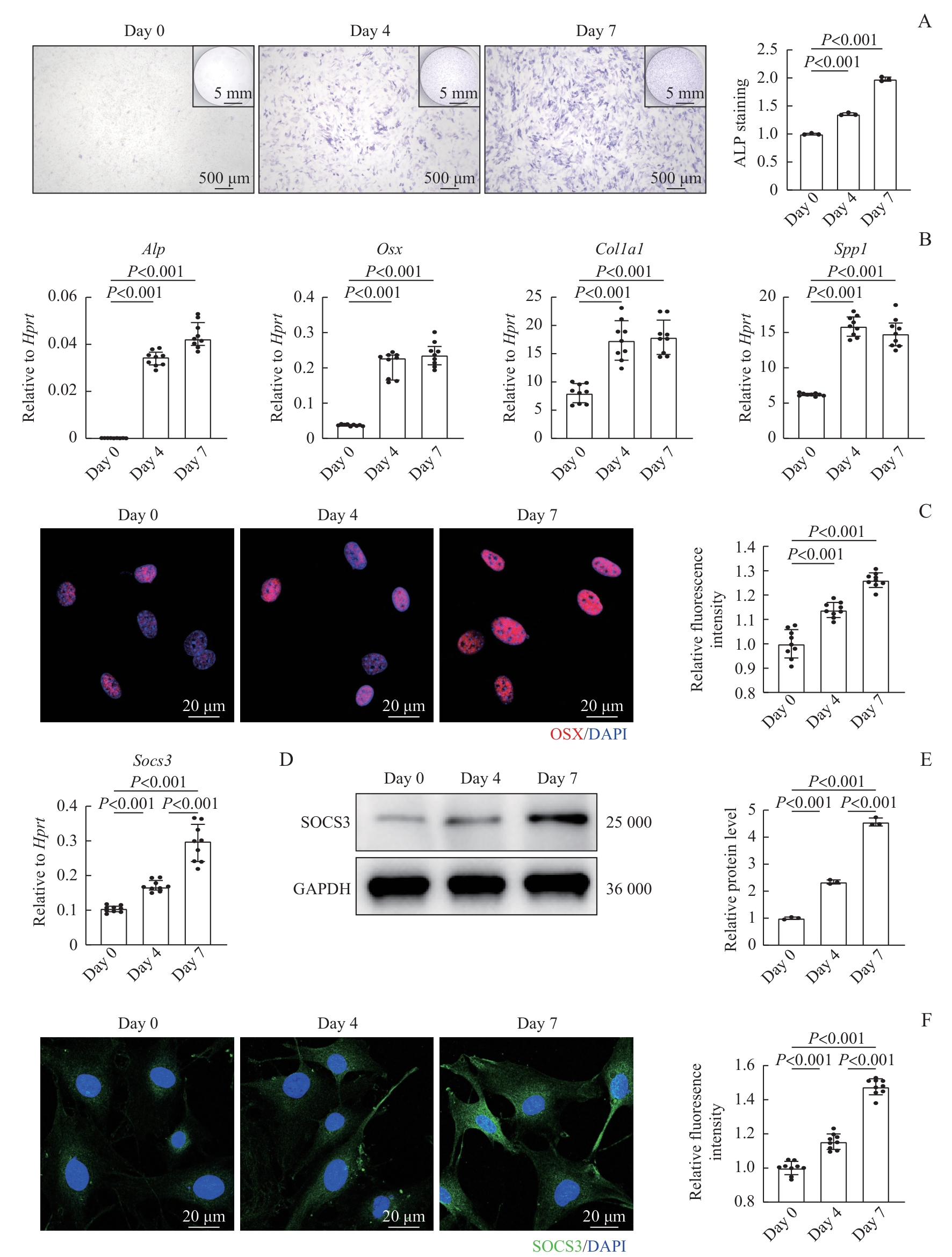
Fig 1 Changes in SOCS3 expression during osteogenic differentiation of MC3T3-E1 cells
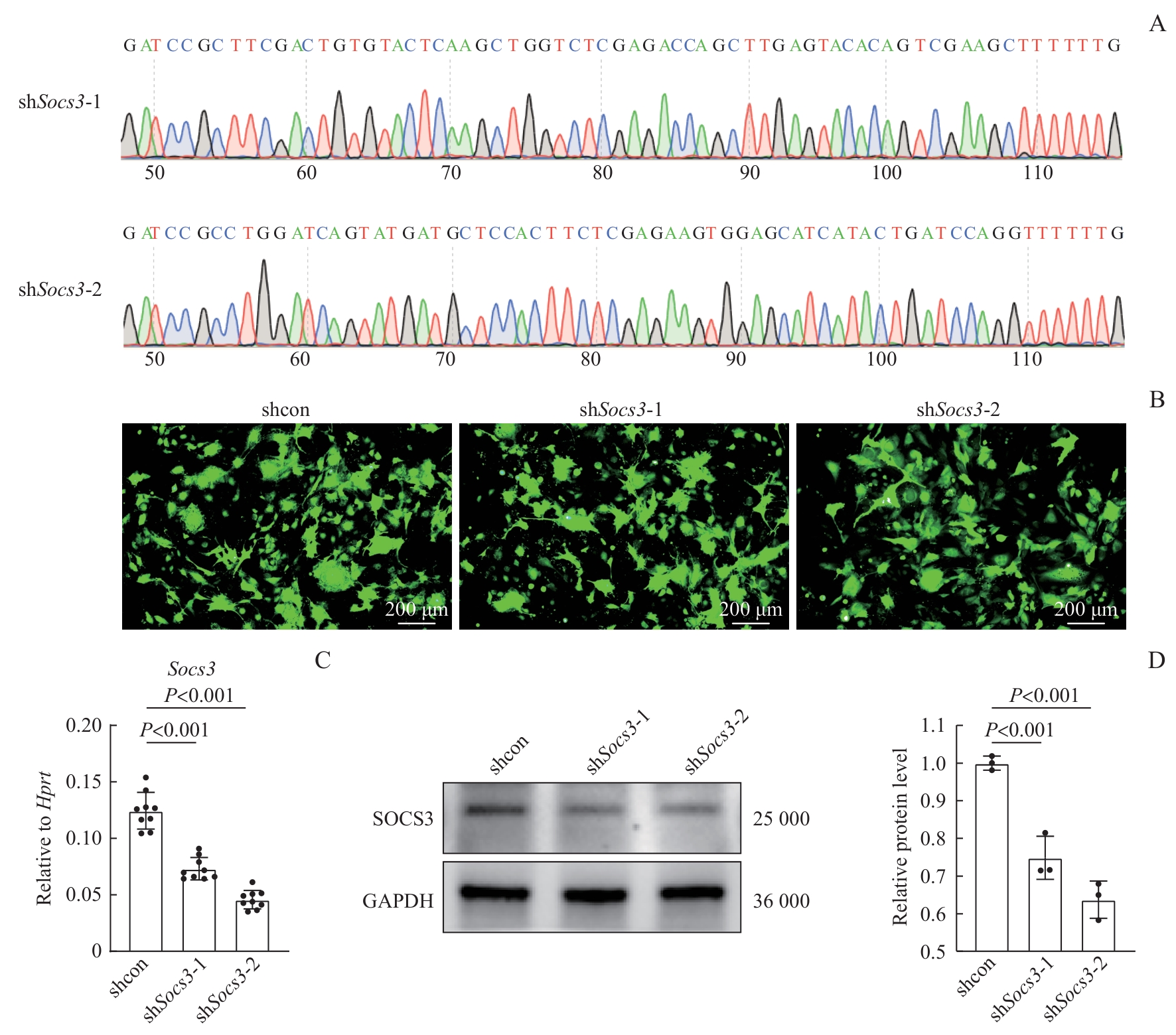
Fig 2 Establishment and validation of stable Socs3-knockdown MC3T3-E1 cell lines
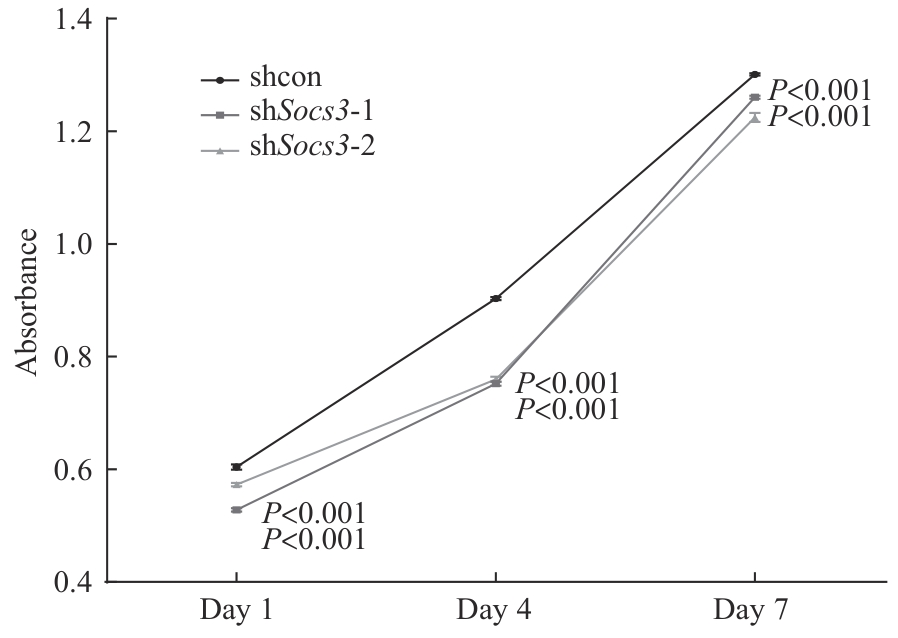
Fig 3 Effect of Socs3 knockdown on the proliferation capacity of MC3T3-E1 cells
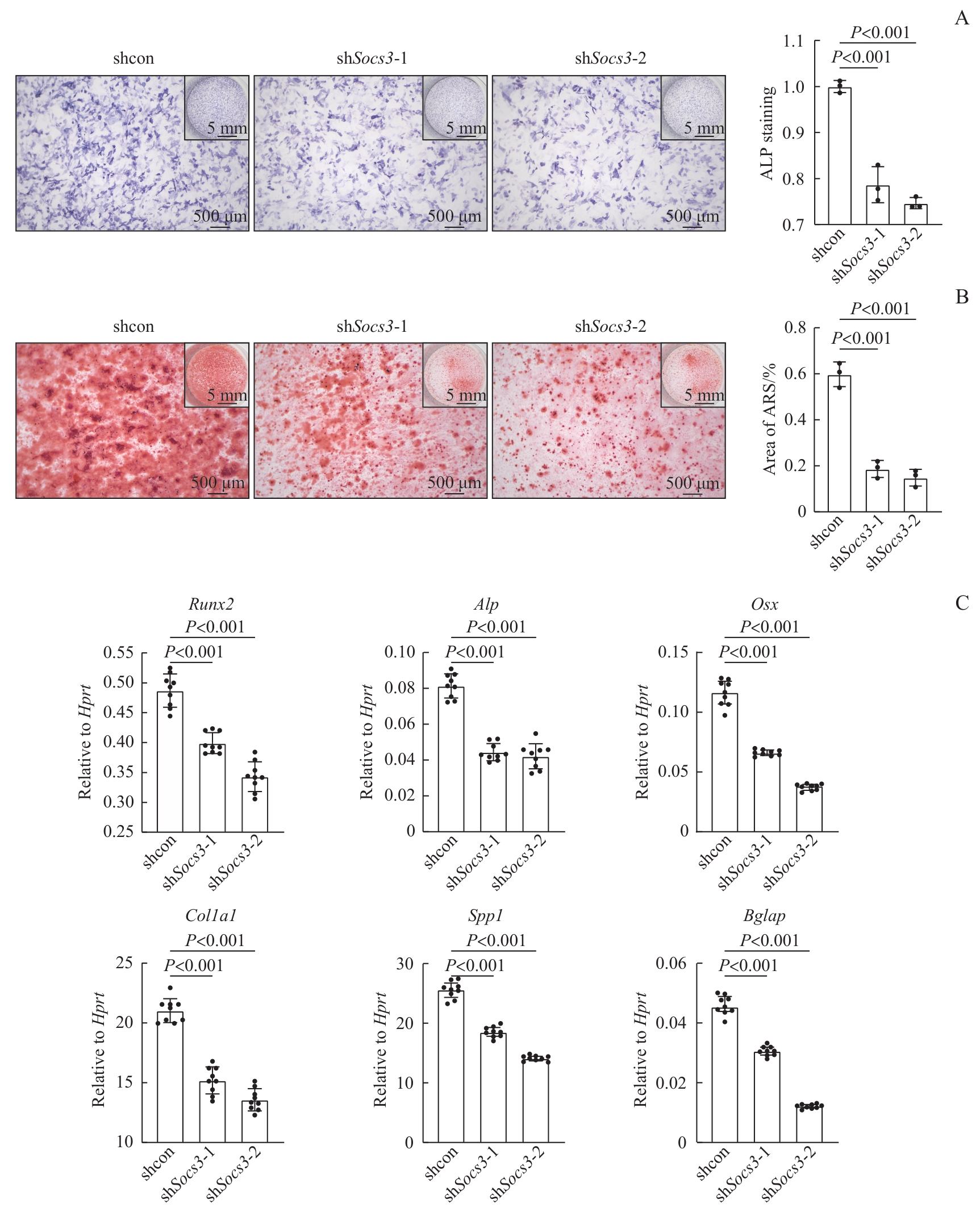
Fig 4 Evaluation of osteogenic differentiation in MC3T3-E1 cells following Socs3 knockdown
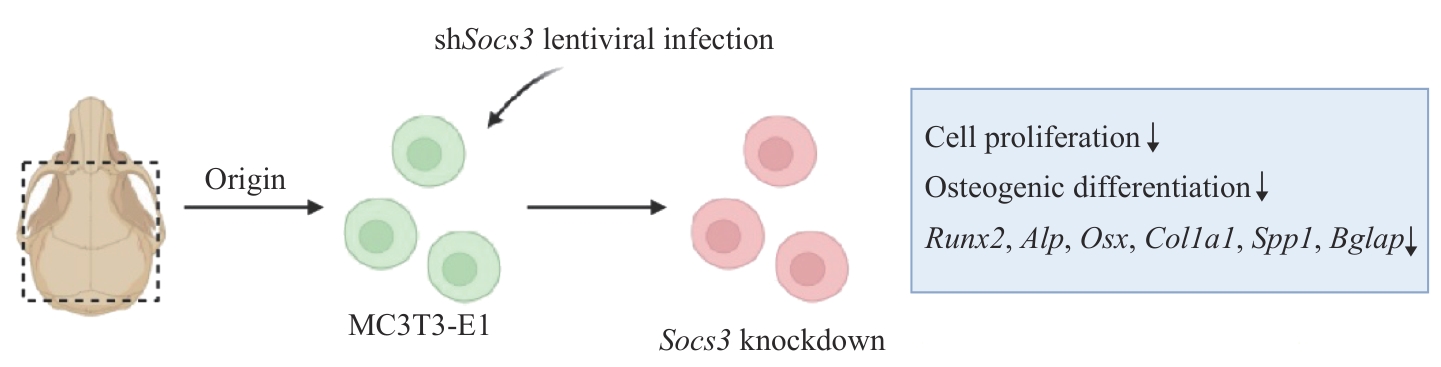
Fig 5 Schematic illustration of the effects of Socs3 knockdown on the proliferation and osteogenic differentiation of MC3T3-E1 cells
| [1] | Ridgway E B, Weiner H L. Skull deformities[J]. Pediatr Clin North Am, 2004, 51(2): 359-387. |
| [2] | Alperovich M, Tonello C, Mayes L C, et al. Non-syndromic craniosynostosis[J]. Nat Rev Dis Primers, 2025, 11(1): 24. |
| [3] | Aghali A. Craniofacial bone tissue engineering: current approaches and potential therapy[J]. Cells, 2021, 10(11): 2993. |
| [4] | Li B, Wang Y G, Fan Y, et al. Cranial suture mesenchymal stem cells: insights and advances[J]. Biomolecules, 2021, 11(8): 1129. |
| [5] | Stanton E, Urata M, Chen J F, et al. The clinical manifestations, molecular mechanisms and treatment of craniosynostosis[J]. Dis Model Mech, 2022, 15(4): dmm049390. |
| [6] | Wang Z, Wang K, Yu Y J, et al. Identification of human cranio-maxillofacial skeletal stem cells for mandibular development[J]. Sci Adv, 2025, 11(1): eado7852. |
| [7] | Tiberio F, Parolini O, Lattanzi W. Ciliary signalling and mechanotransduction in the pathophysiology of craniosynostosis[J]. Genes, 2021, 12(7): 1073. |
| [8] | Li B, Li J Y, Fan Y, et al. Dissecting calvarial bones and sutures at single-cell resolution[J]. Biol Rev Camb Philos Soc, 2023, 98(5): 1749-1767. |
| [9] | Xu J Y, Iyyanar P P R, Lan Y, et al. Sonic hedgehog signaling in craniofacial development[J]. Differentiation, 2023, 133: 60-76. |
| [10] | Sun L, Wang J, Chen S, et al. Crosstalk between Wnt/β-catenin and hedgehog supports Gli1+ lineage osteogenesis in cranial sutures[J]. Int J Mol Sci, 2025, 26(8): 3508. |
| [11] | Ueharu H, Mishina Y. BMP signaling during craniofacial development: new insights into pathological mechanisms leading to craniofacial anomalies[J]. Front Physiol, 2023, 14: 1170511. |
| [12] | Nuri T, Ota M, Ueda K, et al. Quantitative morphologic analysis of cranial vault in Twist1 +/- mice: implications in craniosynostosis[J]. Plast Reconstr Surg, 2022, 149(1): 28e-37e. |
| [13] | Yan Q, Zhou W, Li H, et al. Inactivating GNAS complex locus variants impair G protein-coupled receptor signaling and cause multiple suture craniosynostosis in humans and zebrafish[J]. J Bone Miner Res, 2026, 41(2): 158-174. |
| [14] | Zhou S R, Dai Q G, Huang X R, et al. STAT3 is critical for skeletal development and bone homeostasis by regulating osteogenesis[J]. Nat Commun, 2021, 12(1): 6891. |
| [15] | Babon J J, Varghese L N, Nicola N A. Inhibition of IL-6 family cytokines by SOCS3[J]. Semin Immunol, 2014, 26(1): 13-19. |
| [16] | Yin Y L, Liu W W, Dai Y L. SOCS3 and its role in associated diseases[J]. Hum Immunol, 2015, 76(10): 775-780. |
| [17] | Kershaw N J, Murphy J M, Liau N P, et al. SOCS3 binds specific receptor-JAK complexes to control cytokine signaling by direct kinase inhibition[J]. Nat Struct Mol Biol, 2013, 20(4): 469-476. |
| [18] | Piessevaux J, Lavens D, Peelman F, et al. The many faces of the SOCS box[J]. Cytokine Growth Factor Rev, 2008, 19(5/6): 371-381. |
| [19] | Shouda T, Yoshida T, Hanada T, et al. Induction of the cytokine signal regulator SOCS3/CIS3 as a therapeutic strategy for treating inflammatory arthritis[J]. J Clin Invest, 2001, 108(12): 1781-1788. |
| [20] | Pedroso J A B, Ramos-Lobo A M, Donato J Jr. SOCS3 as a future target to treat metabolic disorders[J]. Hormones (Athens), 2019, 18(2): 127-136. |
| [21] | Mahony R, Ahmed S, Diskin C, et al. SOCS3 revisited: a broad regulator of disease, now ready for therapeutic use?[J]. Cell Mol Life Sci, 2016, 73(17): 3323-3336. |
| [22] | Weber A, Hengge U R, Bardenheuer W, et al. SOCS-3 is frequently methylated in head and neck squamous cell carcinoma and its precursor lesions and causes growth inhibition[J]. Oncogene, 2005, 24(44): 6699-6708. |
| [23] | Issarapu P, Arumalla M, Elliott H R, et al. DNA methylation at the suppressor of cytokine signaling 3 (SOCS3) gene influences height in childhood[J]. Nat Commun, 2023, 14(1): 5200. |
| [24] | Cho D C, Brennan H J, Johnson R W, et al. Bone corticalization requires local SOCS3 activity and is promoted by androgen action via interleukin-6[J]. Nat Commun, 2017, 8(1): 806. |
| [25] | Roberts A W, Robb L, Rakar S, et al. Placental defects and embryonic lethality in mice lacking suppressor of cytokine signaling 3[J]. Proc Natl Acad Sci U S A, 2001, 98(16): 9324-9329. |
| [26] | Durham G A, Williams J J L, Nasim M T, et al. Targeting SOCS proteins to control JAK-STAT signalling in disease[J]. Trends Pharmacol Sci, 2019, 40(5): 298-308. |
| [27] | Liu X, D'Cruz A A, Hansen J, et al. Deleting suppressor of cytokine signaling-3 in chondrocytes reduces bone growth by disrupting mitogen-activated protein kinase signaling[J]. Osteoarthritis Cartilage, 2019, 27(10): 1557-1563. |
| [28] | Sudo H, Kodama H A, Amagai Y, et al. In vitro differentiation and calcification in a new clonal osteogenic cell line derived from newborn mouse Calvaria[J]. J Cell Biol, 1983, 96(1): 191-198. |
| [29] | Somera I K, Sosa B, Cottrell J A. Vanadium compound treatment modulates MC3t3-E1 osteoblast function[J]. Int J Mol Sci, 2025, 26(17): 8682. |
| [30] | Xu S Y, Zhang Z X, Zhou X L, et al. Gouqi-derived nanovesicles (GqDNVs) promoted MC3T3-E1 cells proliferation and improve fracture healing[J]. Phytomedicine, 2025, 142: 156755. |
| [31] | Kim J W, Oh S H, Lee M N, et al. CUEDC2 controls osteoblast differentiation and bone formation via SOCS3-STAT3 pathway[J]. Cell Death Dis, 2020, 11(5): 344. |
| [32] | Walker E C, Truong K, McGregor N E, et al. Cortical bone maturation in mice requires SOCS3 suppression of gp130/STAT3 signalling in osteocytes[J]. eLife, 2020, 9: e56666. |
| [33] | Liu X, Croker B A, Campbell I K, et al. Key role of suppressor of cytokine signaling 3 in regulating gp130 cytokine-induced signaling and limiting chondrocyte responses during murine inflammatory arthritis[J]. Arthritis Rheumatol, 2014, 66(9): 2391-2402. |
| [34] | Wee N K Y, de Lima T F C, McGregor N E, et al. Leptin receptor in osteocytes promotes cortical bone consolidation in female mice[J]. J Endocrinol, 2022, 255(1): 25-37. |
| [35] | Isojima T, Walker E C, Poulton I J, et al. G-CSF receptor deletion amplifies cortical bone dysfunction in mice with STAT3 hyperactivation in osteocytes[J]. J Bone Miner Res, 2022, 37(10): 1876-1890. |
| [36] | Galea G L, Zein M R, Allen S, et al. Making and shaping endochondral and intramembranous bones[J]. Dev Dyn, 2021, 250(3): 414-449. |
| Viewed | ||||||
|
Full text |
|
|||||
|
Abstract |
|
|||||
