
Journal of Shanghai Jiao Tong University (Medical Science) ›› 2026, Vol. 46 ›› Issue (8): 1037-1052.doi: 10.3969/j.issn.1674-8115.2026.08.005
• Basic research • Previous Articles
Chen Yunqi, Paerhati Nadina, Zhang Pengshan( ), Huang Chen()
Received:2026-03-02
Accepted:2026-05-18
Online:2026-08-13
Published:2026-08-13
Contact:
Zhang Pengshan, Huang Chen
E-mail:zhangpengshanxc@163.com;richard-hc@hotmail.com
About author:First author contact:Chen Yunqi was responsible for the experimental design, conducting the experiments, data organization, drafting the initial manuscript, and figure preparation. Nadina Paerhati was responsible for conducting the experiments, data organization, figure preparation, and manuscript revision. Zhang Pengshan was responsible for establishing the experimental methods, manuscript review, and revision. Huang Chen was responsible for the final review and revision of the manuscript. All authors have read the final version of the manuscript and consented to its submission.
Supported by:CLC Number:
Chen Yunqi, Paerhati Nadina, Zhang Pengshan, Huang Chen. Deubiquitinase USP38 promotes gastric cancer progression by stabilizing RBM14[J]. Journal of Shanghai Jiao Tong University (Medical Science), 2026,(8): 1037-1052.
Add to citation manager EndNote|Ris|BibTeX
URL: https://xuebao.shsmu.edu.cn/EN/10.3969/j.issn.1674-8115.2026.08.005
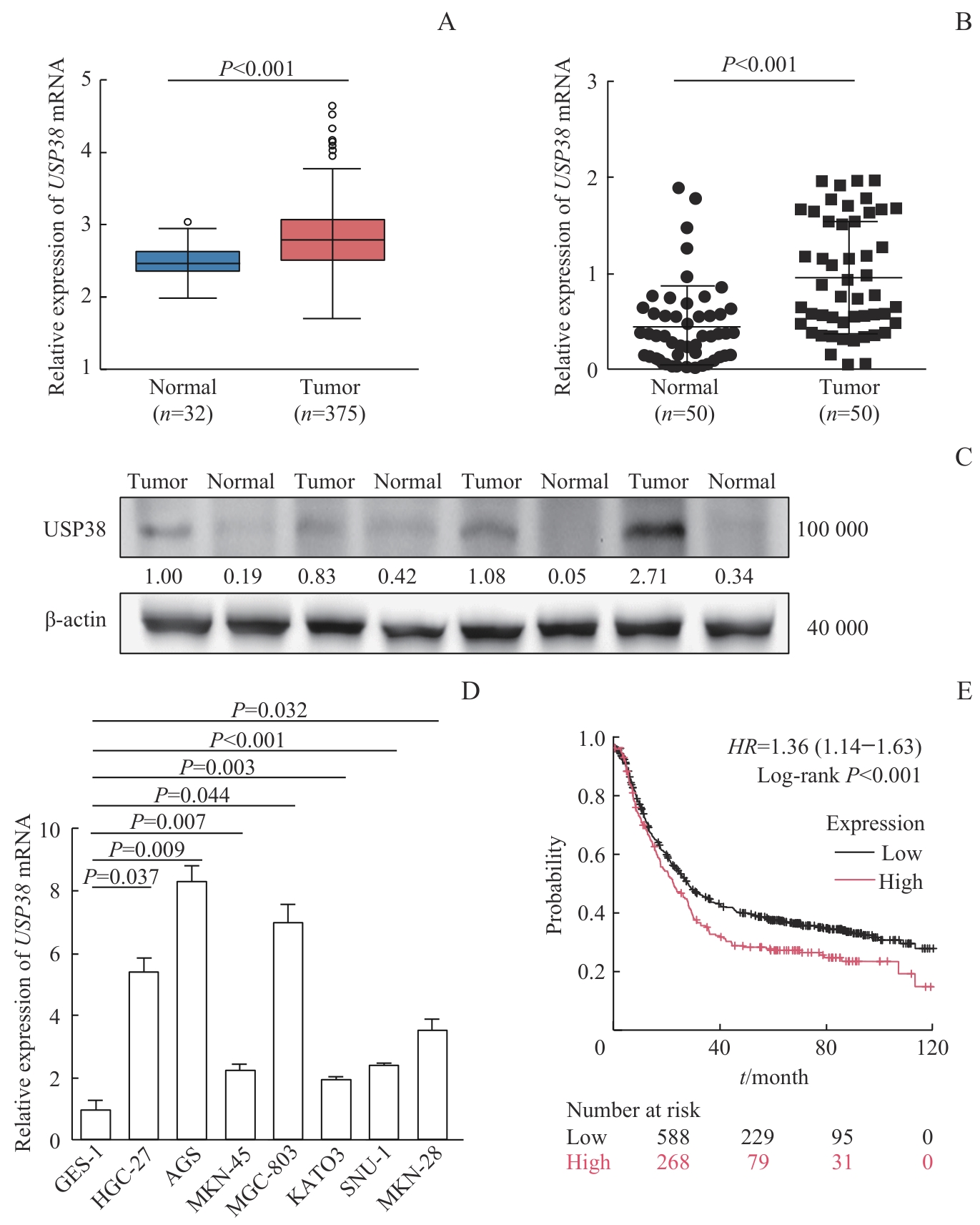
Fig 1 Expression of USP38 in gastric cancer tissues and cells and its impact on prognosis
| Variable | Overall (n =458) | Low (n =229) | High (n =229) | P value |
|---|---|---|---|---|
| Age/year | 67.5 (58.0, 74.0) | 67.0 (58.0, 72.0) | 68.0 (60.0, 75.0) | 0.051 |
| Gender/n(%) | 0.005 | |||
| Female | 167 (36.5) | 69 (30.1) | 98 (42.8) | |
| Male | 291 (63.5) | 160 (69.9) | 131 (57.2) | |
| Histologic grade/n(%) | 0.600 | |||
| G1 | 13 (2.9) | 6 (2.7) | 7 (3.1) | |
| G2 | 168 (37.8) | 88 (40.0) | 80 (35.6) | |
| G3 | 264 (59.3) | 126 (57.3) | 138 (61.3) | |
| Pathologic stage/n(%) | 0.017 | |||
| Stage Ⅰ | 68 (16.2) | 34 (15.7) | 34 (16.7) | |
| Stage Ⅱ | 142 (33.8) | 88 (40.7) | 54 (26.5) | |
| Stage Ⅲ | 165 (39.3) | 73 (33.8) | 92 (45.1) | |
| Stage Ⅳ | 45 (10.7) | 21 (9.7) | 24 (11.8) | |
| T stage/n(%) | 0.066 | |||
| T1 | 25 (5.7) | 12 (5.2) | 13 (6.1) | |
| T2 | 104 (23.5) | 49 (21.4) | 55 (25.8) | |
| T3 | 201 (45.5) | 118 (51.5) | 83 (39.0) | |
| T4 | 112 (25.3) | 50 (21.8) | 62 (29.1) | |
| N stage/n(%) | 0.200 | |||
| N0 | 141 (32.9) | 81 (37.0) | 60 (28.6) | |
| N1 | 120 (28.0) | 61 (27.9) | 59 (28.1) | |
| N2 | 88 (20.5) | 38 (17.4) | 50 (23.8) | |
| N3 | 80 (18.6) | 39 (17.8) | 41 (19.5) | |
| M stage/n(%) | 0.800 | |||
| M0 | 402 (93.3) | 200 (93.0) | 202 (93.5) | |
| M1 | 29 (6.7) | 15 (7.0) | 14 (6.5) |
Tab 1 Association between USP38 expression and clinicopathological characteristics of gastric cancer
| Variable | Overall (n =458) | Low (n =229) | High (n =229) | P value |
|---|---|---|---|---|
| Age/year | 67.5 (58.0, 74.0) | 67.0 (58.0, 72.0) | 68.0 (60.0, 75.0) | 0.051 |
| Gender/n(%) | 0.005 | |||
| Female | 167 (36.5) | 69 (30.1) | 98 (42.8) | |
| Male | 291 (63.5) | 160 (69.9) | 131 (57.2) | |
| Histologic grade/n(%) | 0.600 | |||
| G1 | 13 (2.9) | 6 (2.7) | 7 (3.1) | |
| G2 | 168 (37.8) | 88 (40.0) | 80 (35.6) | |
| G3 | 264 (59.3) | 126 (57.3) | 138 (61.3) | |
| Pathologic stage/n(%) | 0.017 | |||
| Stage Ⅰ | 68 (16.2) | 34 (15.7) | 34 (16.7) | |
| Stage Ⅱ | 142 (33.8) | 88 (40.7) | 54 (26.5) | |
| Stage Ⅲ | 165 (39.3) | 73 (33.8) | 92 (45.1) | |
| Stage Ⅳ | 45 (10.7) | 21 (9.7) | 24 (11.8) | |
| T stage/n(%) | 0.066 | |||
| T1 | 25 (5.7) | 12 (5.2) | 13 (6.1) | |
| T2 | 104 (23.5) | 49 (21.4) | 55 (25.8) | |
| T3 | 201 (45.5) | 118 (51.5) | 83 (39.0) | |
| T4 | 112 (25.3) | 50 (21.8) | 62 (29.1) | |
| N stage/n(%) | 0.200 | |||
| N0 | 141 (32.9) | 81 (37.0) | 60 (28.6) | |
| N1 | 120 (28.0) | 61 (27.9) | 59 (28.1) | |
| N2 | 88 (20.5) | 38 (17.4) | 50 (23.8) | |
| N3 | 80 (18.6) | 39 (17.8) | 41 (19.5) | |
| M stage/n(%) | 0.800 | |||
| M0 | 402 (93.3) | 200 (93.0) | 202 (93.5) | |
| M1 | 29 (6.7) | 15 (7.0) | 14 (6.5) |
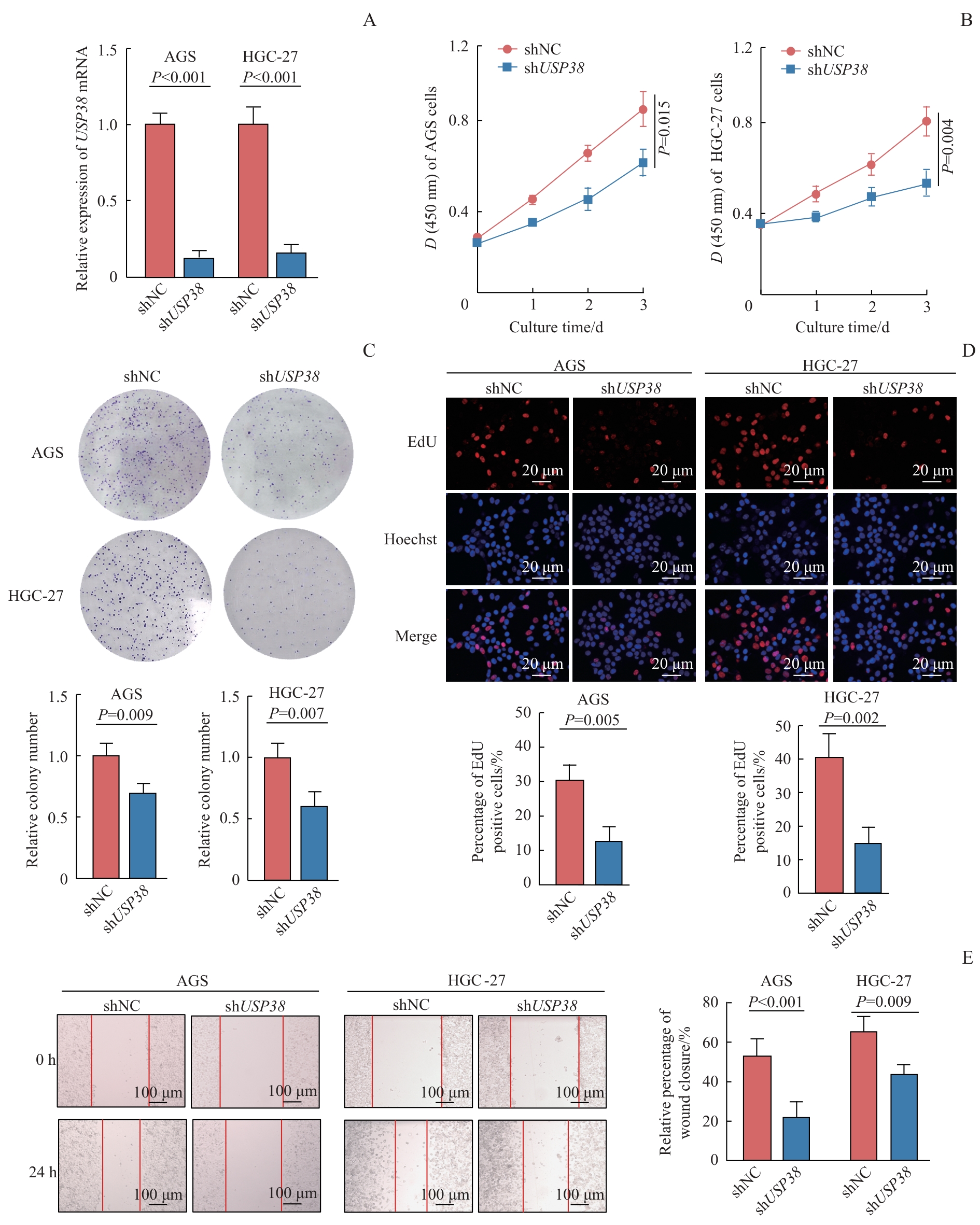
Fig 2 Promotive effects of USP38 on proliferation and migration of gastric cancer cells
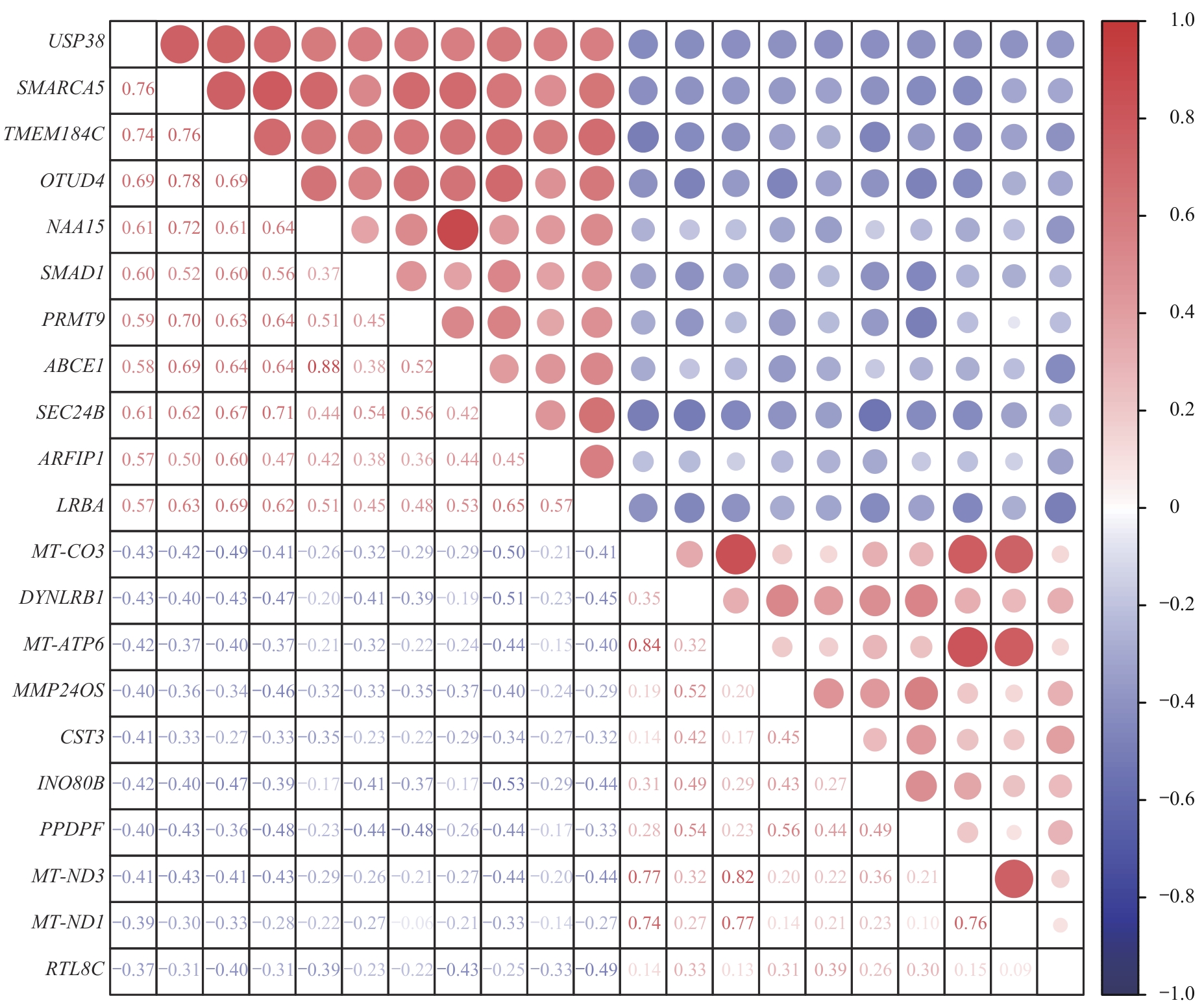
Fig 3 Heatmap of genes correlated with USP38 expression
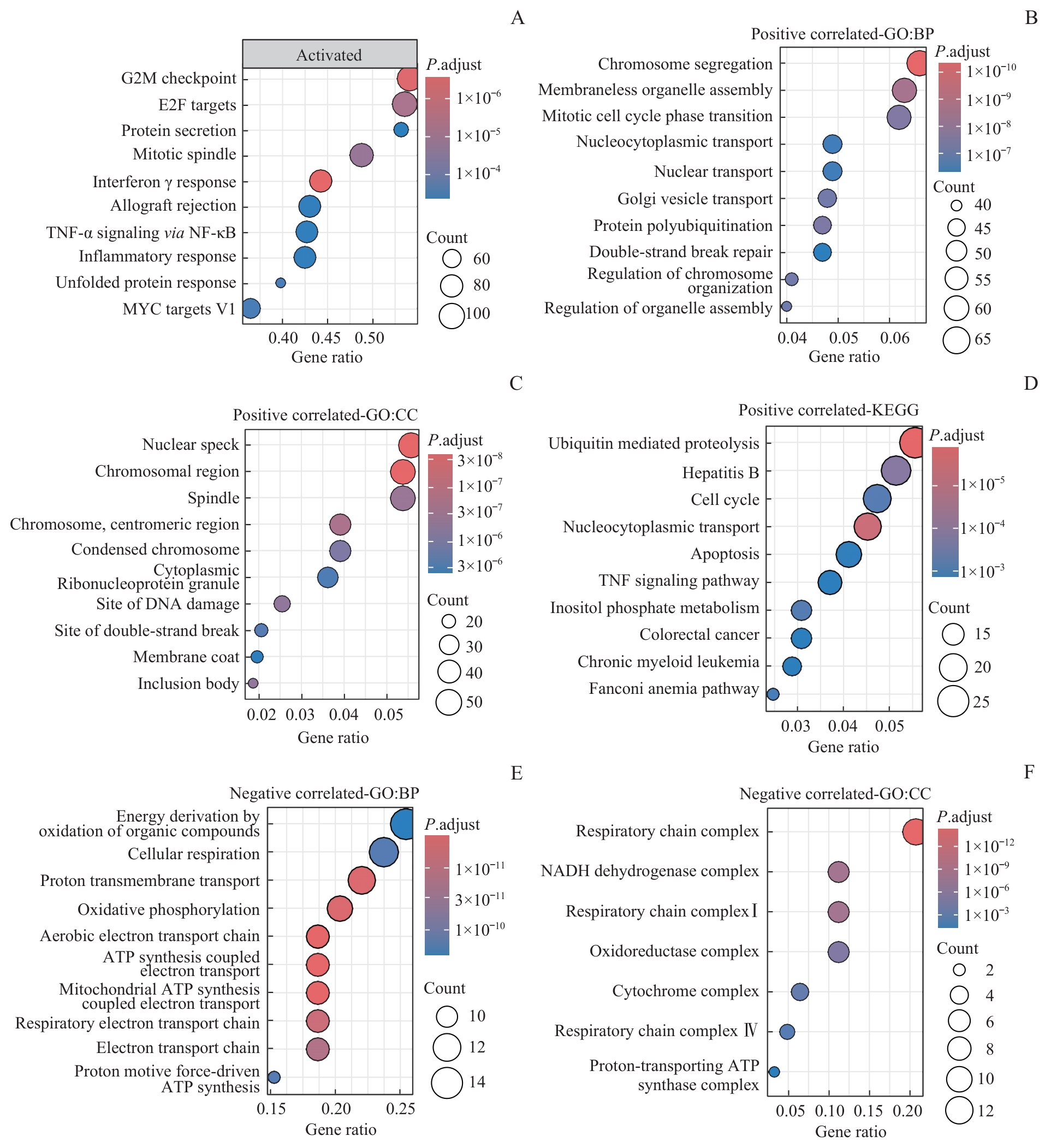
Fig 4 Pathway enrichment analysis of USP38-related genes in gastric cancer
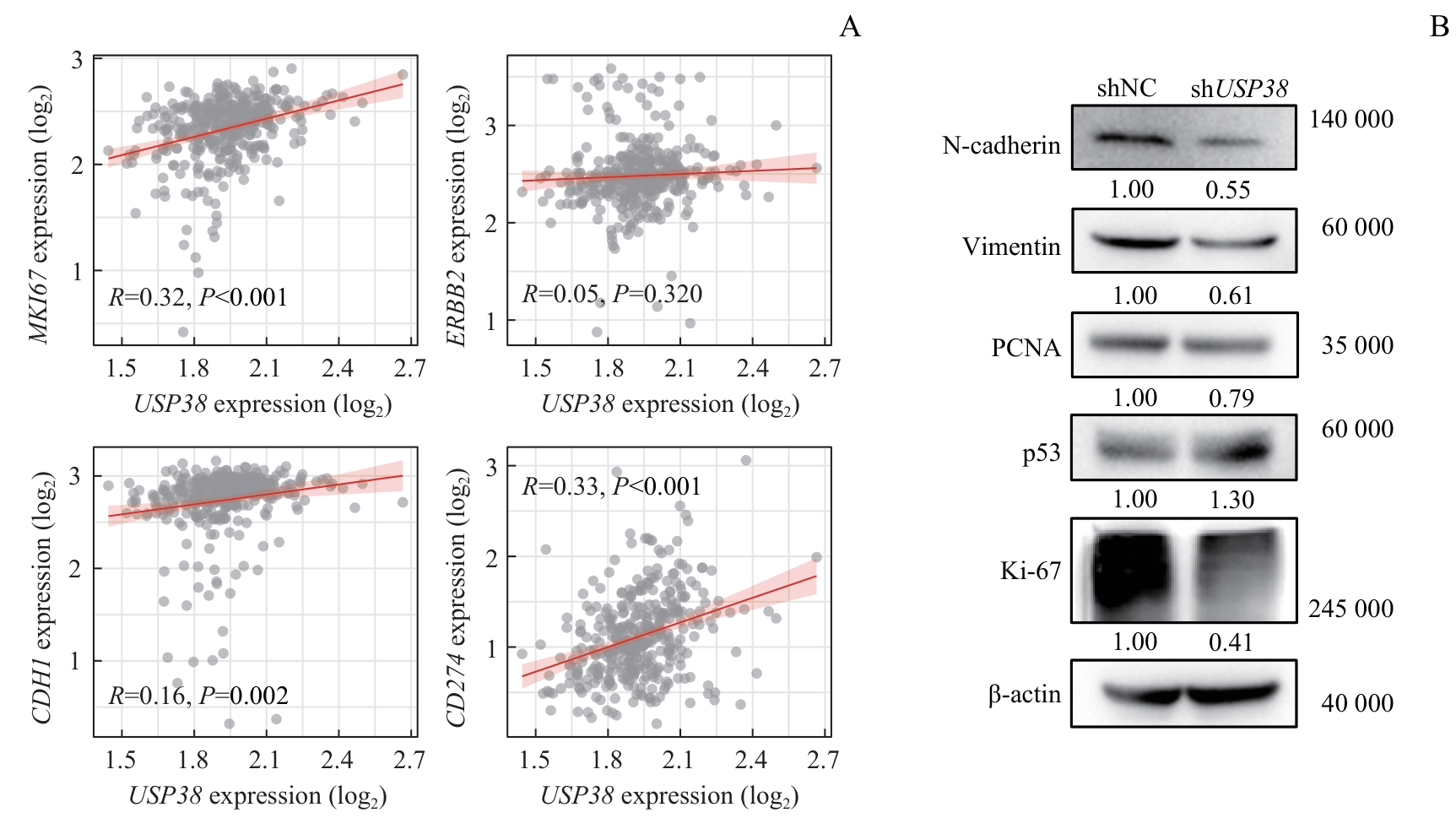
Fig 5 Expression analysis of USP38-associated biomarkers in gastric cancer
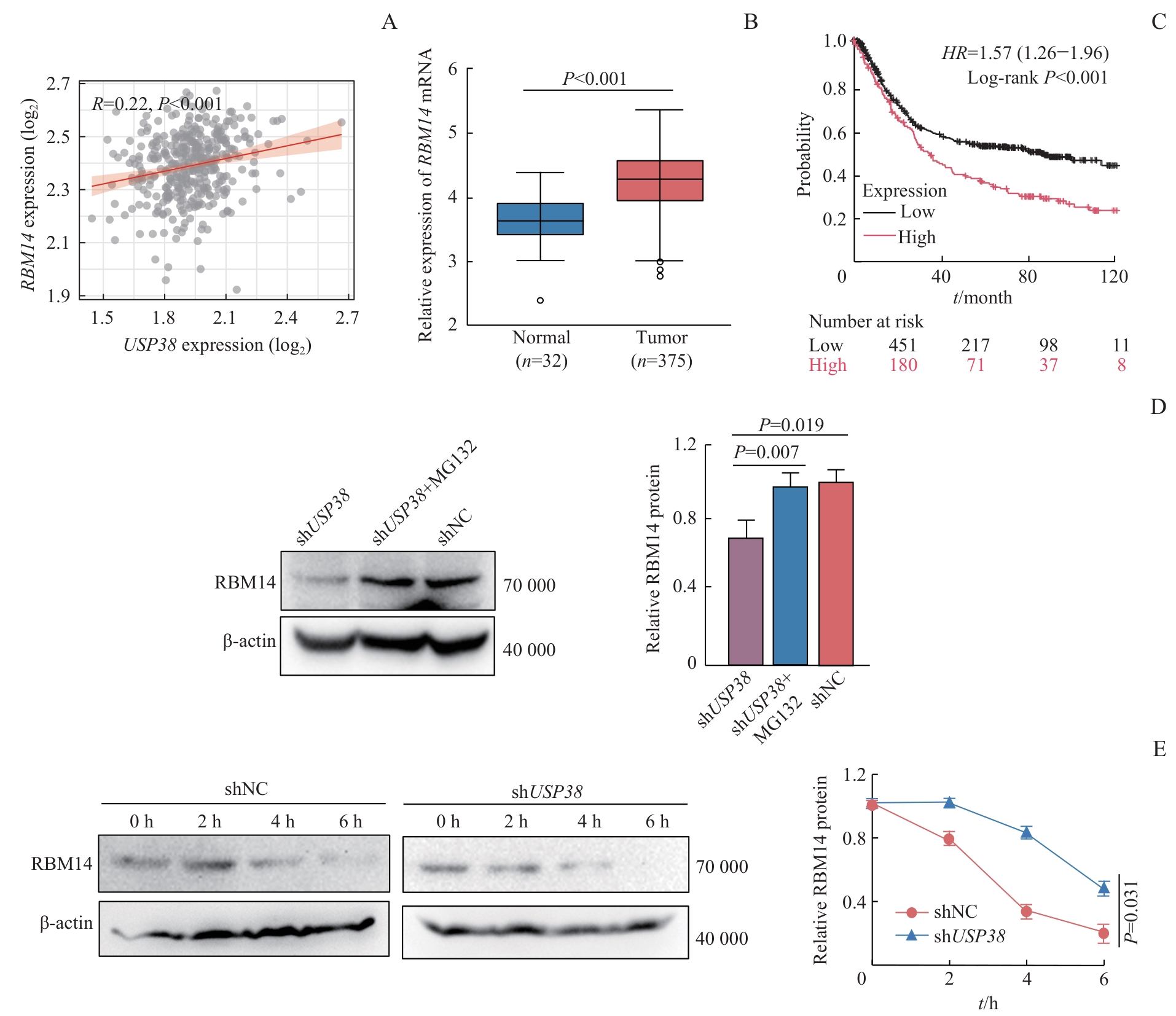
Fig 6 Stabilizing effect of USP38 on RBM14 protein
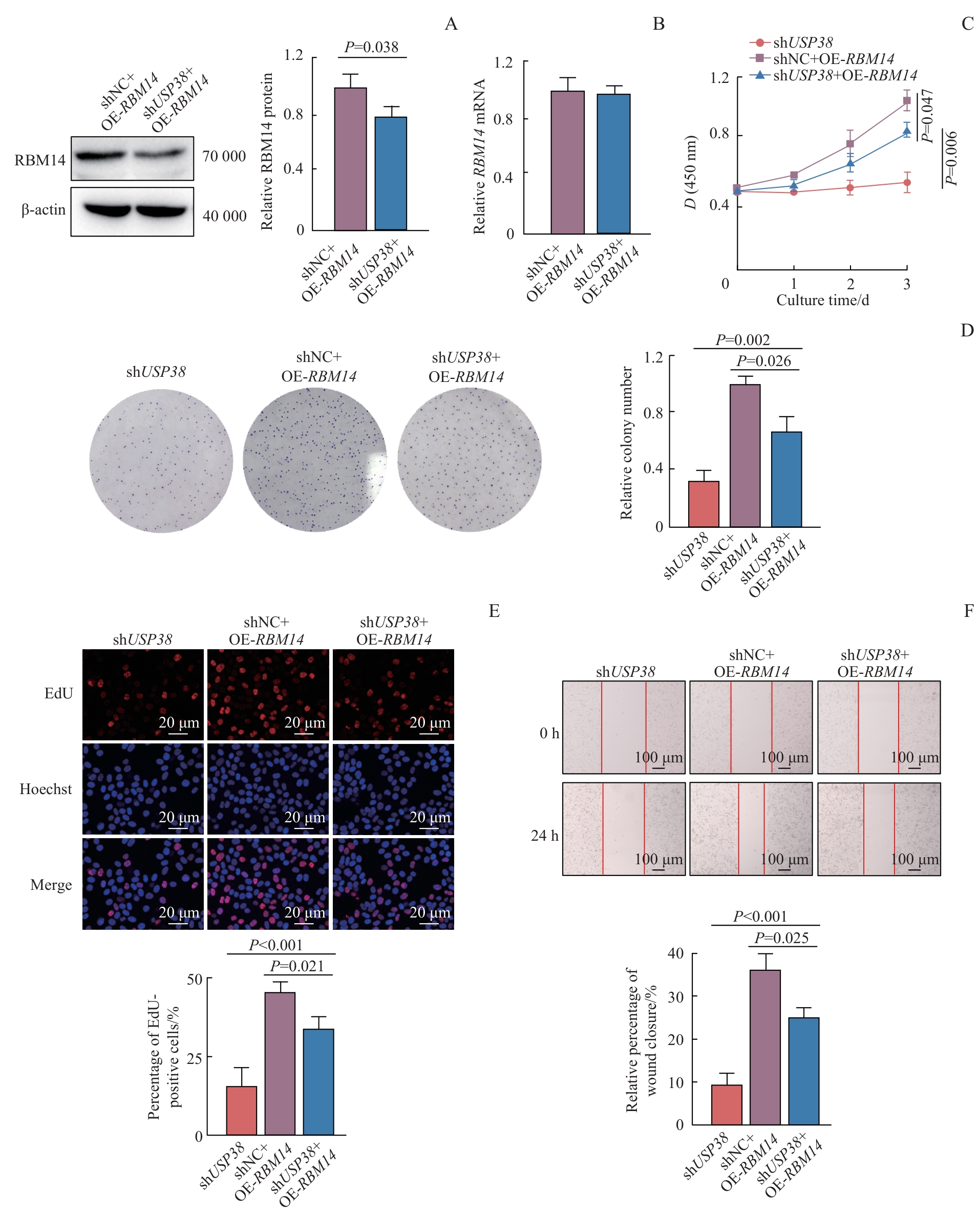
Fig 7 Promotive effect of USP38 on the proliferation and migration of gastric cancer cells via stabilizing RBM14 protein
| [1] | Bray F, Laversanne M, Sung H, et al. Global cancer statistics 2022: GLOBOCAN estimates of incidence and mortality worldwide for 36 cancers in 185 countries[J]. CA Cancer J Clin, 2024, 74(3): 229-263. |
| [2] | 孙可欣, 李荔, 王少明, 等. 2024年中国分地区恶性肿瘤流行情况分析[J]. 中华肿瘤杂志, 2026, 48(3): 400-412. |
| Sun K X, Li L, Wang S M, et al. Cancer incidence and mortality across diverse geographical regions in China, 2024[J]. Chinese Journal of Oncology, 2026, 48(3): 400-412. | |
| [3] | Dewson G, Eichhorn P J A, Komander D. Deubiquitinases in cancer[J]. Nat Rev Cancer, 2023, 23(12): 842-862. |
| [4] | Han S Z, Wang R K, Zhang Y N, et al. The role of ubiquitination and deubiquitination in tumor invasion and metastasis[J]. Int J Biol Sci, 2022, 18(6): 2292-2303. |
| [5] | Li J Y, Zhong J H, Ye J M, et al. USP38: an important regulatory factor in tumor malignant progression[J]. Front Immunol, 2025, 16: 1612723. |
| [6] | Wang R, Cai X L, Li X, et al. USP38 promotes deubiquitination of K11-linked polyubiquitination of HIF1α at Lys769 to enhance hypoxia signaling[J]. J Biol Chem, 2024, 300(1): 105532. |
| [7] | Xiao Z, Dai C, Yu T T, et al. Ubiquitin specific protease 38 aggravates pathological cardiac remodeling by stabilizing phospho-TBK1[J]. Int J Biol Sci, 2024, 20(5): 1815-1832. |
| [8] | Yi X M, Li M, Chen Y D, et al. Reciprocal regulation of IL-33 receptor-mediated inflammatory response and pulmonary fibrosis by TRAF6 and USP38[J]. Proc Natl Acad Sci U S A, 2022, 119(10): e2116279119. |
| [9] | Wang Y C, Li Q, Hu D W, et al. USP38 inhibits zika virus infection by removing envelope protein ubiquitination[J]. Viruses, 2021, 13(10): 2029. |
| [10] | Zheng Z, Shang Y X, Xu R, et al. Ubiquitin specific peptidase 38 promotes the progression of gastric cancer through upregulation of fatty acid synthase[J]. Am J Cancer Res, 2022, 12(6): 2686-2696. |
| [11] | Yue Q Y, Li Z J, Du Y X, et al. Dehydrocostus lactone attenuates ulcerative colitis via USP38-mediated histone H2B deubiquitination to suppress NF-κB-driven inflammation[J]. Int Immunopharmacol, 2025, 164: 115346. |
| [12] | Hu Q Y, Chen Y H, Zhou Q R, et al. ADAR promotes USP38 auto-deubiquitylation and stabilization in an RNA editing-independent manner in esophageal squamous cell carcinoma[J]. J Biol Chem, 2024, 300(10): 107789. |
| [13] | Huang J, Zhou W M, Hao C, et al. The feedback loop of METTL14 and USP38 regulates cell migration, invasion and EMT as well as metastasis in bladder cancer[J]. PLoS Genet, 2022, 18(10): e1010366. |
| [14] | Yang Y F, Yang C Z, Li T T, et al. The deubiquitinase USP38 promotes NHEJ repair through regulation of HDAC1 activity and regulates cancer cell response to genotoxic insults[J]. Cancer Res, 2020, 80(4): 719-731. |
| [15] | Zhan W, Liao X, Liu J, et al. USP38 regulates the stemness and chemoresistance of human colorectal cancer via regulation of HDAC3[J]. Oncogenesis, 2020, 9(5): 48. |
| [16] | Zhang T, Su F, Wang B F, et al. Ubiquitin specific peptidase 38 epigenetically regulates KLF transcription factor 5 to augment malignant progression of lung adenocarcinoma[J]. Oncogene, 2024, 43(16): 1190-1202. |
| [17] | Zhao S Y, Liu X L, Luo R K, et al. USP38 functions as an oncoprotein by downregulating the p53 pathway through deubiquitination and stabilization of MDM2[J]. Cell Death Differ, 2025, 32(6): 1128-1141. |
| [18] | Li Z, Liao Y T, Tang C, et al. RBM14 promotes DNA end resection during homologous recombination repair[J]. Acta Biochim Biophys Sin, 2023, 55(12): 1864-1873. |
| [19] | Posta M, Győrffy B. Pathway-level mutational signatures predict breast cancer outcomes and reveal therapeutic targets[J]. Br J Pharmacol, 2025, 182(23): 5734-5747. |
| [20] | Jang Y, Elsayed Z, Eki R, et al. Intrinsically disordered protein RBM14 plays a role in generation of RNA: DNA hybrids at double-strand break sites[J]. Proc Natl Acad Sci U S A, 2020, 117(10): 5329-5338. |
| [21] | Qian Z X, Bai W, Li J X, et al. Gut microbiome-mediated epigenetic modifications in gastric cancer: a comprehensive multiomics analysis[J]. Front Cell Infect Microbiol, 2025, 15: 1585881. |
| [22] | Wang Y H, Patti G J. The Warburg effect: a signature of mitochondrial overload[J]. Trends Cell Biol, 2023, 33(12): 1014-1020. |
| [23] | Gao H L, Xi Z, Dai J W, et al. Drug resistance mechanisms and treatment strategies mediated by ubiquitin-specific proteases (USPs) in cancers: new directions and therapeutic options[J]. Mol Cancer, 2024, 23(1): 88. |
| [24] | Silvestrini V C, Thomé C H, Albuquerque D, et al. Proteomics analysis reveals the role of ubiquitin specific protease (USP47) in epithelial to mesenchymal transition (EMT) induced by TGFβ2 in breast cells[J]. J Proteomics, 2020, 219: 103734. |
| [25] | Gao Z S, Li C, Sun H Y, et al. N6-methyladenosine-modified USP13 induces pro-survival autophagy and imatinib resistance via regulating the stabilization of autophagy-related protein 5 in gastrointestinal stromal tumors[J]. Cell Death Differ, 2023, 30(2): 544-559. |
| [1] | Wang Mingjie, Ni Bo, Xia Xiang, Zhang Zizhen. Selenoprotein SELENOI promotes the proliferation, migration and invasion of gastric cancer through the PI3K/AKT/mTOR signaling pathway [J]. Journal of Shanghai Jiao Tong University (Medical Science), 2026, 46(8): 1015-1025. |
| [2] | PAERHATI Nadina, ZHANG Pengshan, XU Yitian, CHEN Yunqi, HUANG Chen. Construction of a truncated cylindromatosis tumor suppressor deubiquitinase plasmid and its regulation of the phenotypes of gastric cancer cells [J]. Journal of Shanghai Jiao Tong University (Medical Science), 2025, 45(9): 1149-1160. |
| [3] | AIMAITI Muerzhate, ZHANG Yeqian, LIU Tao, BAI Long, ZHANG Haoyu, NI Bo, GUAN Yujing, WANG Shuchang, GU Jiayi, ZHU Chunchao, XIA Xiang, ZHANG Zizhen. A comparative analysis of the short-term efficacy of robotic and laparoscopic proximal gastrectomy combined with double-flap anastomosis in the treatment of early upper gastric cancer [J]. Journal of Shanghai Jiao Tong University (Medical Science), 2025, 45(7): 874-882. |
| [4] | YANG Na, LIU Junli, BAI Jing, YANG Siyi, HAN Jiming, ZHANG Huahua. HENMT1 promotes the proliferation and migration of gastric cancer by activating the PI3K-AKT-mTOR signaling pathway [J]. Journal of Shanghai Jiao Tong University (Medical Science), 2025, 45(6): 717-726. |
| [5] | CHEN Yongyu, HUANG Yiren, CHEN Zheyi, ZHOU Bingqian, CHEN Shiyu, ZHENG Yingxia. Expression of serpin family E member 1 in gastric cancer and its mechanisms in promoting gastric cancer [J]. Journal of Shanghai Jiao Tong University (Medical Science), 2025, 45(2): 150-160. |
| [6] | ZHANG Shuqiong, KE Xing, ZHAO Xinghe, CHEN Xiaocui, ZHENG Haodong, CHEN Hui, SHEN Lisong, YANG Junyao. LINC01123 promotes proliferation and glycolysis of gastric cancer via binding to ENO1 [J]. Journal of Shanghai Jiao Tong University (Medical Science), 2025, 45(11): 1443-1457. |
| [7] | JIANG Shuang, YU Jiwei. Progress of research on m6A demethylases in gastric cancer [J]. Journal of Shanghai Jiao Tong University (Medical Science), 2024, 44(2): 271-277. |
| [8] | HAN Ting, LÜ Chunxin, ZHUO Meng, XIA Qing, LIU Tengfei, WU Xiuqi, LIN Xiaolin, XIAO Xiuying. Related factors and prognostic analysis of adverse events of immunotherapy in advanced gastric cancer [J]. Journal of Shanghai Jiao Tong University (Medical Science), 2022, 42(8): 1053-1061. |
| [9] | CHEN Bin, CUI Hongquan, YANG Yijin, XU Haiyan, ZHANG Ling. Construction of a prediction model of immune-related long non-coding RNA in gastric cancer [J]. Journal of Shanghai Jiao Tong University (Medical Science), 2022, 42(10): 1394-1403. |
| [10] | Jiang-lei MA, Xiao-yao LI, Shi-fu ZHAO, De-jun YANG. Advances in diagnostic methods of clinical staging for gastric cancer [J]. JOURNAL OF SHANGHAI JIAOTONG UNIVERSITY (MEDICAL SCIENCE), 2021, 41(6): 821-825. |
| [11] | Qi-sheng GU, Mi-li ZHANG, Can CAO, Ji-kun LI. Association of alternative splicing and tumor immune in gastric cancer based on TCGA data set [J]. JOURNAL OF SHANGHAI JIAOTONG UNIVERSITY (MEDICAL SCIENCE), 2021, 41(4): 448-458. |
| [12] | Ben YUE, Gao-ming WANG, Lu-di YANG, Ran CUI, Feng-rong YU. Construction and application value of prognosis-associated miRNA prediction model in gastric cancer patients [J]. JOURNAL OF SHANGHAI JIAOTONG UNIVERSITY (MEDICAL SCIENCE), 2021, 41(11): 1436-1445. |
| [13] | ZHANG Jing. Inhibitory effect of toosendanin on gastric cancer cells BGC-823 by downregulating circDLST [J]. JOURNAL OF SHANGHAI JIAOTONG UNIVERSITY (MEDICAL SCIENCE), 2020, 40(9): 1202-1206. |
| [14] | LÜ Heng-yu, HUANG Chen, XIA Xiang, ZHAO Gang. Establishment of a nomogram model predicting risk factors of postoperative complications after radical gastrectomy for gastric cancer [J]. JOURNAL OF SHANGHAI JIAOTONG UNIVERSITY (MEDICAL SCIENCE), 2020, 40(7): 894-900. |
| [15] | DOU Min1, 2, ZHENG Ying-xia2, HAN Li2, ZHAO Qian1. Role and mechanism of PRMT4 in genesis and progression of gastric cancer [J]. JOURNAL OF SHANGHAI JIAOTONG UNIVERSITY (MEDICAL SCIENCE), 2020, 40(5): 609-618. |
| Viewed | ||||||
|
Full text |
|
|||||
|
Abstract |
|
|||||
