
上海交通大学学报(医学版) ›› 2026, Vol. 46 ›› Issue (8): 1067-1081.doi: 10.3969/j.issn.1674-8115.2026.08.007
• 论著 · 基础研究 • 上一篇
张华华1, 党庆庆2, 刘俊丽1, 白静1, 于婧奕1, 陈亚妮1( )
)
收稿日期:2025-12-16
接受日期:2026-03-20
出版日期:2026-08-28
发布日期:2026-08-28
通讯作者:
陈亚妮,讲师,博士;电子信箱:yadxchen@yau.edu.cn。作者简介:第一联系人:张华华负责实验设计,生信分析;党庆庆负责文献搜集,临床样本收集;刘俊丽、白静负责临床样本收集,细胞实验和数据分析;于婧奕负责临床样本收集和数据分析;陈亚妮、张华华负责课题的监管和指导,论文撰写和修订。所有作者均阅读并同意最终稿件的提交。
基金资助:
Zhang Huahua1, Dang Qingqing2, Liu Junli1, Bai Jing1, Yu Jingyi1, Chen Yani1()
Received:2025-12-16
Accepted:2026-03-20
Online:2026-08-28
Published:2026-08-28
Contact:
Chen Yani, E-mail: yadxchen@yau.edu.cn.About author:First author contact:Zhang Huahua was responsible for the experimental design and bioinformatic analysis. Dang Qingqing conducted the literature review and collected clinical samples. Liu Junli and Bai Jing were involved in the collection of clinical samples, execution of cell experiments, and data analysis. Yu Jingyi contributed to the collection of clinical samples and data analysis. Chen Yani and Zhang Huahua provided supervision and guidance for the research project, in addition to drafting and revising the manuscript. All authors have reviewed and approved the final manuscript for submission.
Supported by:摘要:
目的·系统评估Syndecan结合蛋白(syndecan-binding protein,SDCBP)在泛癌中的表达特征、预后价值及其与肿瘤免疫微环境、肿瘤突变负荷(tumor mutational burden,TMB)、药物敏感性的关联,并通过体外实验验证其在胃癌中的生物学功能及潜在机制。方法·通过整合多种生物信息学数据库数据,对SDCBP的差异表达、预后价值、免疫浸润、免疫检查点、TMB/微卫星不稳定性(microsatellite instability,MSI)及药物敏感性进行多组学分析。进一步通过蛋白质印迹法(Western blotting)、细胞计数试剂盒-8(cell counting kit-8,CCK-8)实验、细胞划痕实验及Transwell迁移实验观察SDCBP对胃癌细胞增殖与迁移的影响,并检测其对上皮-间充质转化(epithelial-mesenchymal transition,EMT)相关蛋白和TGF-β/Smad通路的调控作用。结果·SDCBP在包括胃癌在内的多种恶性肿瘤中表达显著上调,其高表达与患者不良预后密切相关(均P<0.05)。同时,SDCBP表达水平与多种免疫浸润细胞、免疫调节因子及主要组织相容性复合体(major histocompatibility complex,MHC)分子呈正相关,且在部分肿瘤中与TMB或MSI显著相关(均P<0.05)。药物敏感性分析表明,SDCBP高表达与肿瘤耐药性呈正相关,并在部分癌种中与瘤内微生物丰度呈负相关(均P<0.05)。体外实验进一步证实,SDCBP在胃癌组织及细胞系中呈高表达。高龄(>65岁)患者中SDCBP表达降低(P<0.05);不同TNM分期(Ⅰ~Ⅳ)患者中SDCBP表达存在差异,其中Ⅲ期表达最高(P<0.05);Lauren分型中弥漫型表达显著高于肠型和混合型(P<0.05);分子亚型分析显示侵袭型SDCBP表达显著高于其他亚型(P<0.001)。沉默SDCBP可抑制胃癌细胞的活力与迁移,而其过表达则促进细胞恶性表型(均P<0.05)。机制研究表明,SDCBP可能通过调控EMT相关蛋白(N-cadherin、Vimentin、Snail1)的表达(均P<0.05)及激活TGF-β/Smad信号通路,促进胃癌进展。结论·SDCBP在泛癌中具有重要的临床指示意义,并在胃癌中可能作为促进肿瘤进展的关键分子,具备成为预后标志物和治疗靶点的潜力。
中图分类号:
张华华, 党庆庆, 刘俊丽, 白静, 于婧奕, 陈亚妮. SDCBP的泛癌分析及其对胃癌细胞增殖迁移的影响[J]. 上海交通大学学报(医学版), 2026, 46(8): 1067-1081.
Zhang Huahua, Dang Qingqing, Liu Junli, Bai Jing, Yu Jingyi, Chen Yani. Pan-cancer analysis of SDCBP and its effects on the proliferation and migration of gastric cancer cells[J]. Journal of Shanghai Jiao Tong University (Medical Science), 2026,(8): 1067-1081.
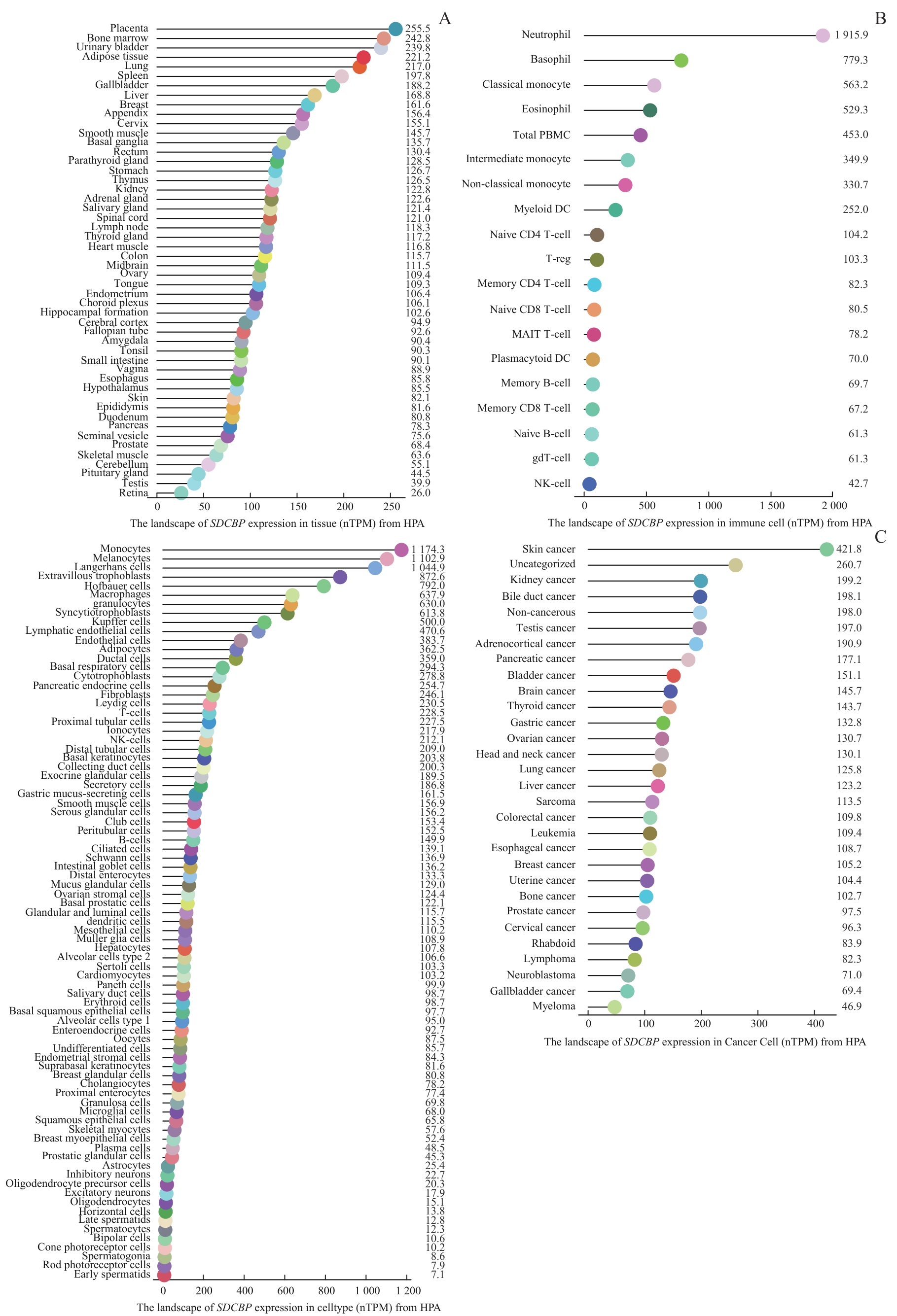
图1 基于HPA数据库分析 SDCBP 在人源组织与细胞中的表达Note: A. SDCBP expression levels in different human tissues. B. SDCBP expression levels in immune cells. C. SDCBP expression levels in cell types and cancer cells.
Fig 1 Expression of SDCBP in human tissues and cells based on the HPA database
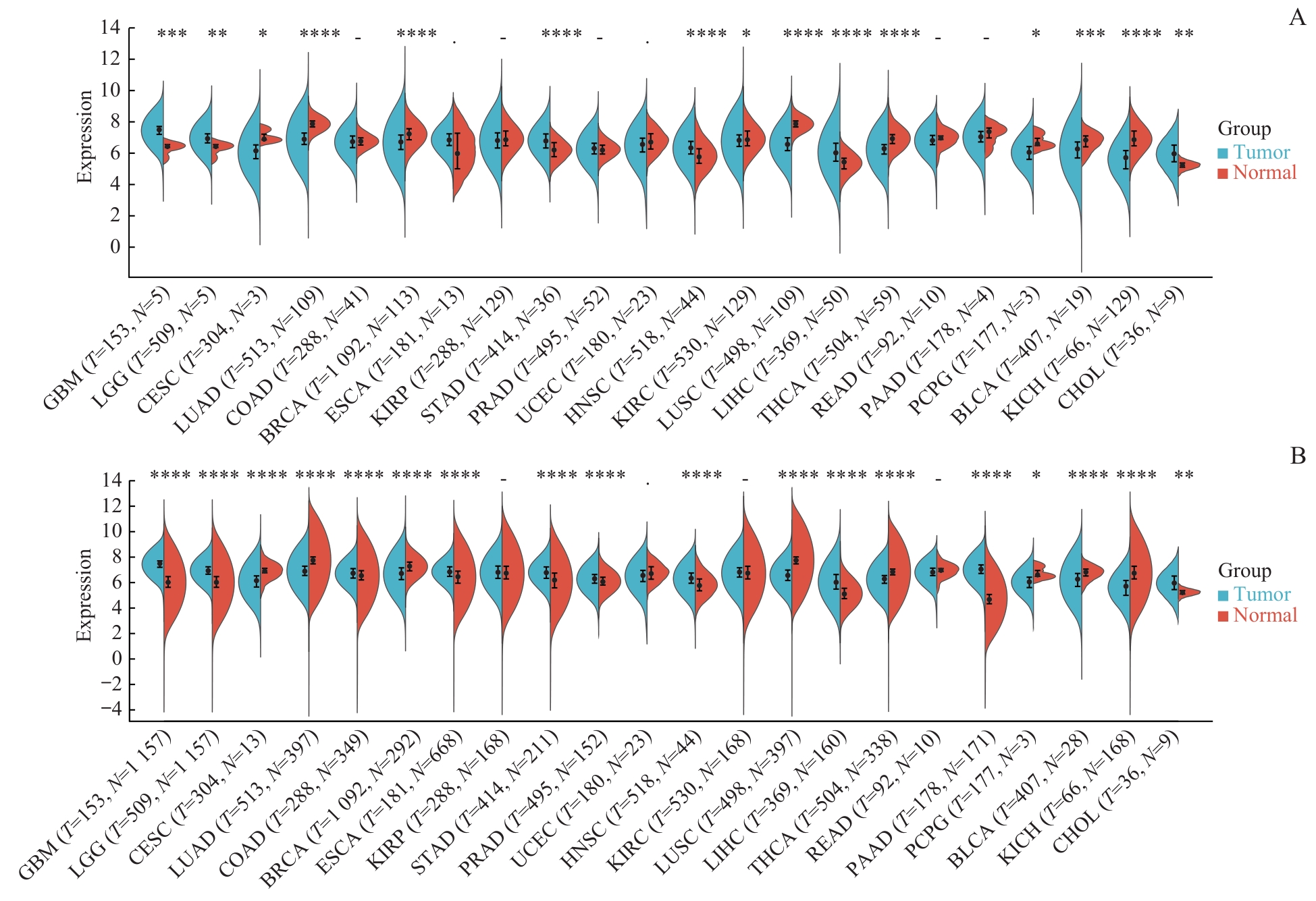
图2 SDCBP 在泛癌中的表达Note: A. Pan-cancer expression of SDCBP in the TCGA database. B. Pan-cancer expression of SDCBP in the TCGA and GTEx databases. *P<0.05, **P<0.01, ***P<0.001, ****P<0.0001.
Fig 2 Expression of SDCBP in pan-cancer
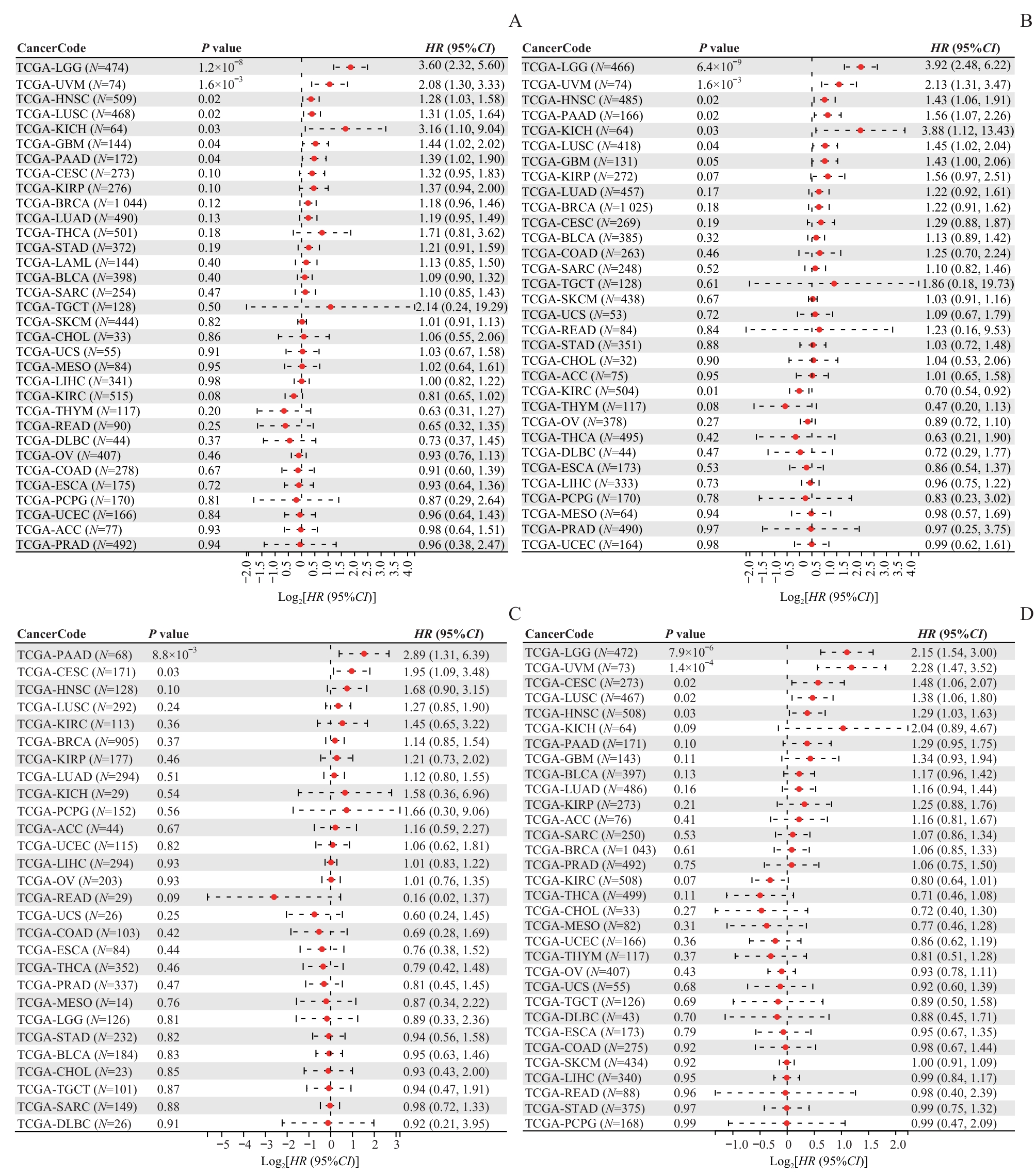
图3 SDCBP 表达与泛癌预后的相关性Note: A. Forest plots showed the correlation between SDCBP expression and OS in pan-cancer. B. Forest plots showed the correlation between SDCBP expression and DSS in pan-cancer. C. Forest plots showed the correlation between SDCBP expression and DFI in pan-cancer. D. Forest plots showed the correlation between SDCBP expression and PFI in pan-cancer.
Fig 3 Correlation between the expression of SDCBP and prognosis in pan-cancer
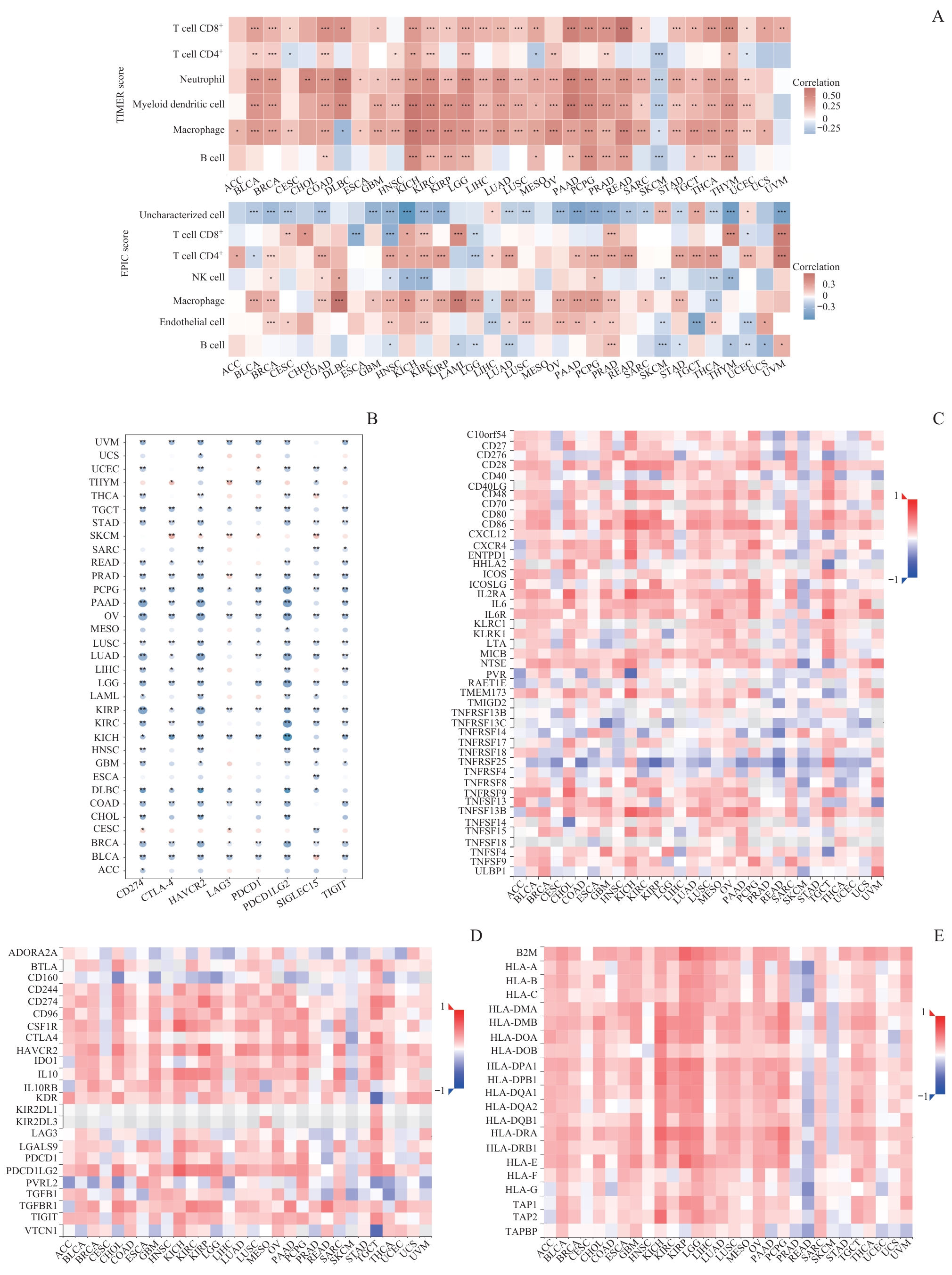
图4 SDCBP 表达与肿瘤免疫的相关性Note: A. Differences in immune cell infiltration under different algorithms. B. Correlation between SDCBP expression and immune checkpoints in pan-cancer. C‒E. Correlation between SDCBP expression and immune-stimulatory factors (C), immune-suppressive factors (D), and MHC molecules (E) in pan-cancer. *P<0.05, **P<0.01, ***P<0.001.
Fig 4 Correlation between SDCBP expression and immune features in pan-cancer
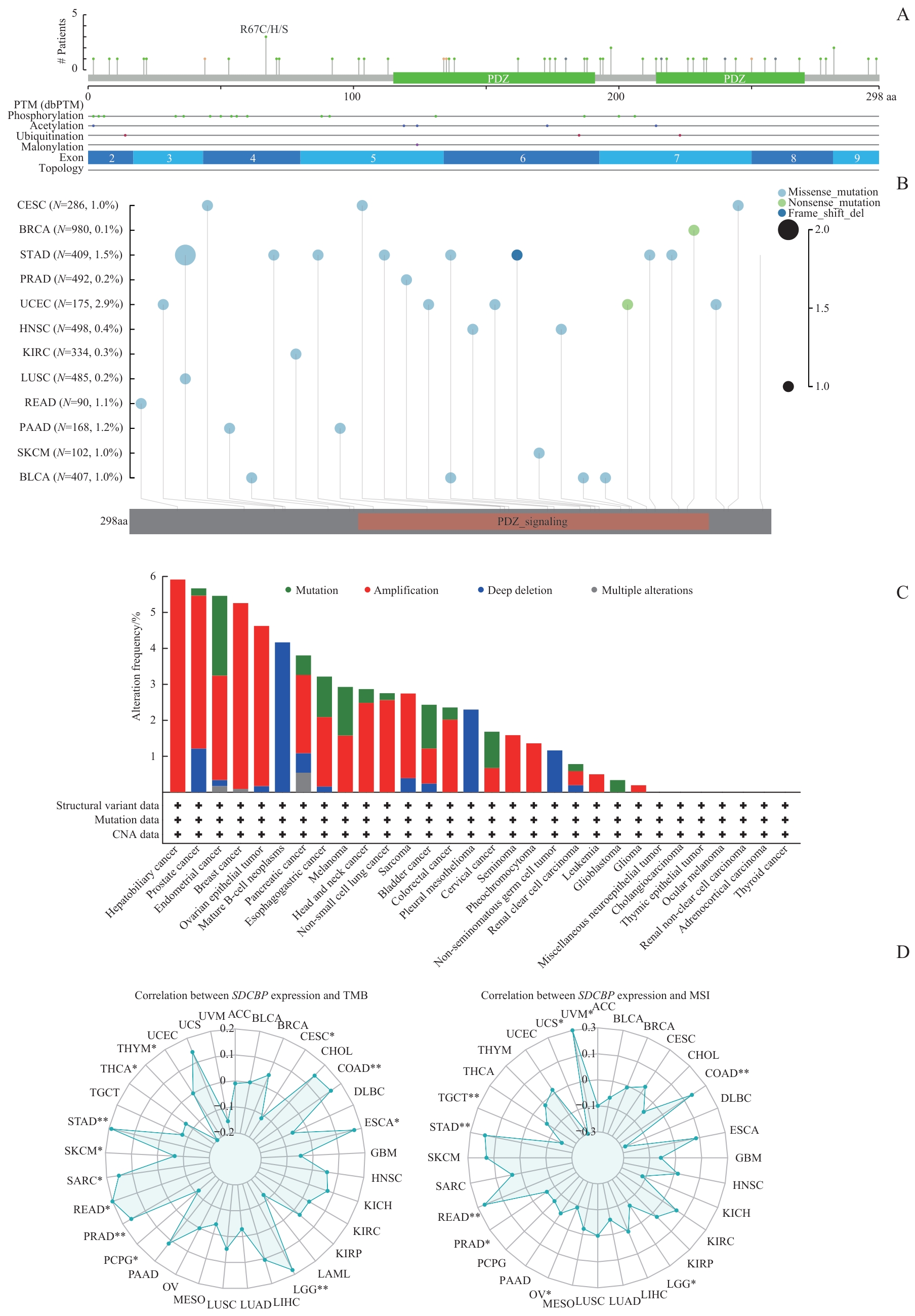
图5 SDCBP 表达与泛癌突变的相关性Note: A. Lollipop diagram showing the mutated sites of SDCBP in pan-cancer. B. Landscape of genetic mutations. C. cBioPortal was used to display the alteration frequency of different mutation types. D. Correlations of SDCBP expression with TMB and MSI in human pan-cancer. *P<0.05, **P<0.01.
Fig 5 Association between SDCBP expression and pan-cancer mutations
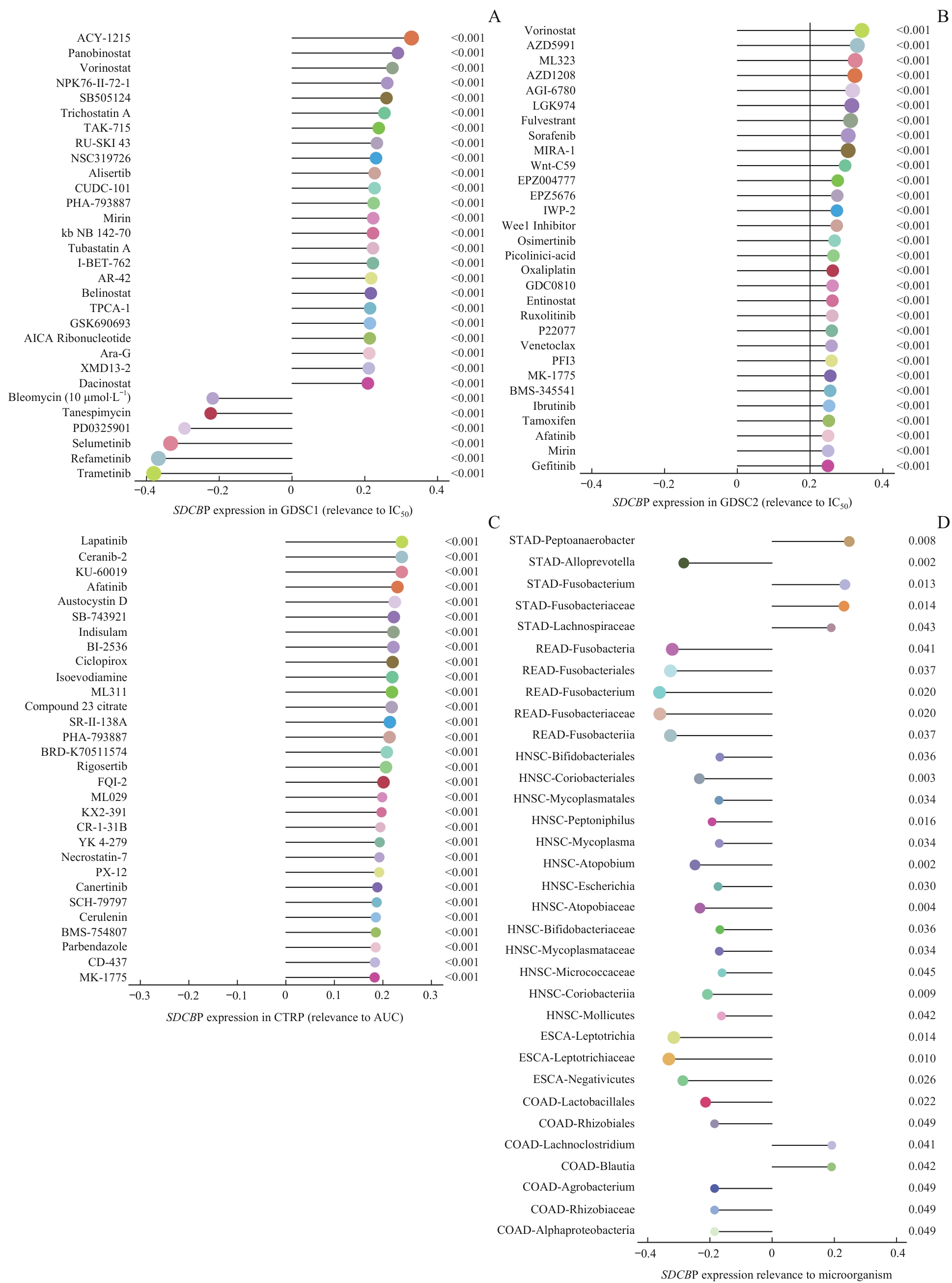
图6 SDCBP 基因表达与药物敏感性、瘤内微生物群的相关性Note: A‒C. Correlation between SDCBP expression and drug sensitivity to GDSC1 (A), GDSC2 (B), and CTRP (C) drugs (top 30) in pan-cancer. D. Association of SDCBP expression with intratumoral microbiota in pan-cancer.
Fig 6 Relationship between SDCBP expression, drug sensitivity, and intratumoral microbiota
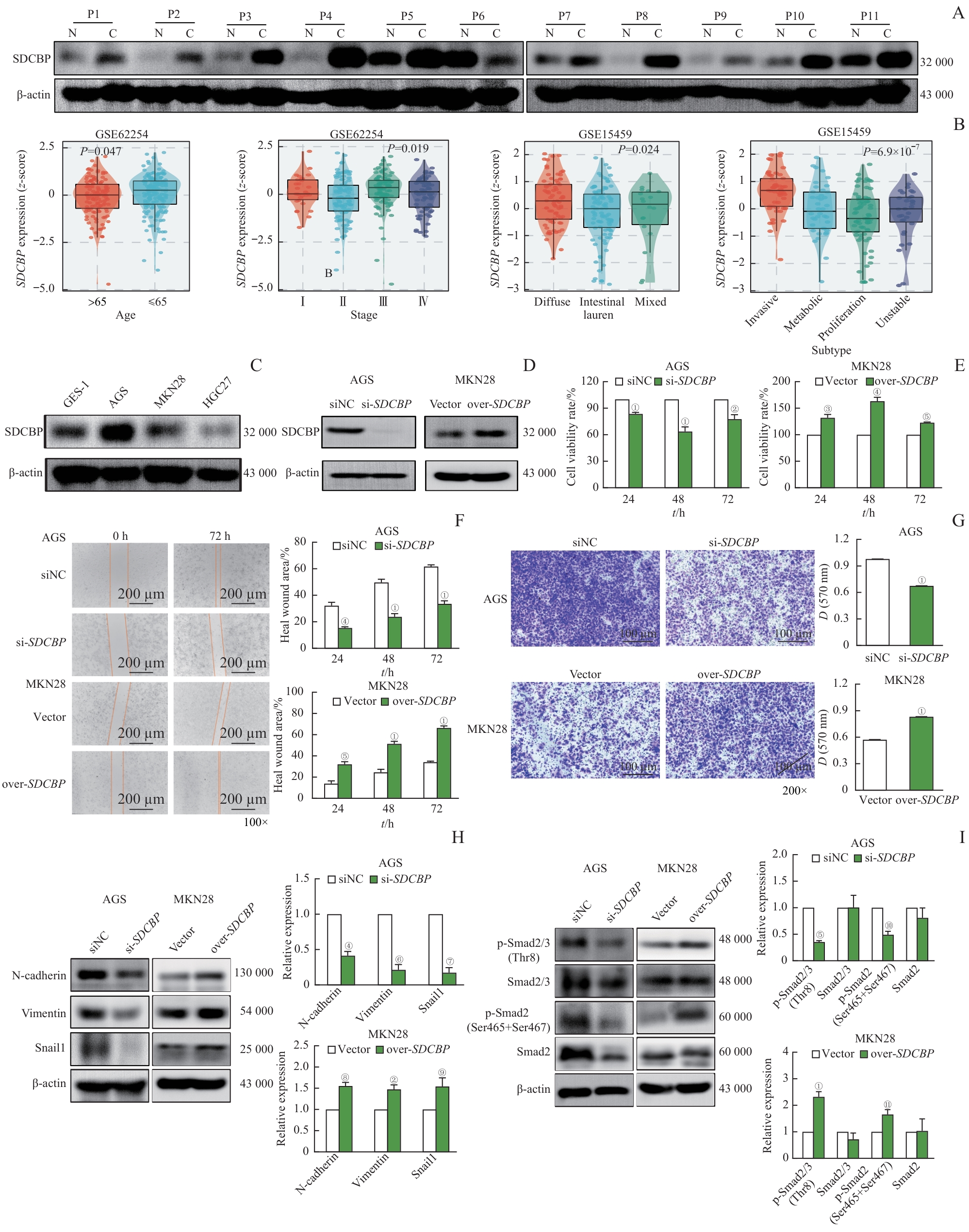
图7 SDCBP 促进胃癌细胞的增殖和迁移Note: A. Western blotting was used to determine the protein expression levels of SDCBP in gastric cancer and para-carcinoma tissues. B.Association of SDCBP expression with clinicopathological features in gastric cancer. C.Western blotting was used to detect the expression of SDCBP protein in different gastric cancer cell lines (AGS, MKN28, HGC27) and the immortalized gastric mucosal cell line GES-1. D. Western blotting validated the SDCBP interference and overexpression efficiency. E. CCK-8 assay was used to detect the effect of SDCBP on the viability of gastric cancer cells. F. The ability of SDCBP knockdown or overexpression to affect the migration of gastric cancer cells in vitro was determined by a wound healing assay. G. The ability of SDCBP knockdown or overexpression to affect the migration and invasion of gastric cancer cells in vitro was determined by Transwell assay. H. Migration-related protein expression levels were analyzed by Western blotting, including N-cadherin, Vimentin, and Snail1. I. Representative images of p-Smad2/3, and p-Smad2 protein expression in in vitro experiments detected by Western blotting. ①P<0.001, compared with the siNC/Vector; ②P=0.017, compared with the siNC; ③P=0.017, compared with the Vector; ④P=0.004, compared with the Vector/siNC; ⑤P=0.001, compared with the Vector/siNC; ⑥P=0.003, compared with the siNC; ⑦P=0.002, compared with the siNC; ⑧P=0.008, compared with the Vector; ⑨P=0.043, compared with the Vector; ⑩P=0.005, compared with the siNC; ⑪ P=0.025, compared with the Vector.
Fig 7 SDCBP promoted gastric cancer cell proliferation and migration
| [1] | Siegel R L, Giaquinto A N, Jemal A. Cancer statistics, 2024[J]. CA Cancer J Clin, 2024, 74(1): 12-49. |
| [2] | Liu H Y, Wang C M, Wang R Q, et al. New insights into mechanisms and interventions of locoregional therapies for hepatocellular carcinoma[J]. Chin J Cancer Res, 2024, 36(2): 167-194. |
| [3] | Glaviano A, Lau H S, Carter L M, et al. Harnessing the tumor microenvironment: targeted cancer therapies through modulation of epithelial-mesenchymal transition[J]. J Hematol Oncol, 2025, 18(1): 6. |
| [4] | Wang Z P, Wang J, Li D X, et al. Novel hormone therapies for advanced prostate cancer: understanding and countering drug resistance[J]. J Pharm Anal, 2025, 15(9): 101232. |
| [5] | Weinstein J N, Collisson E A, Mills G B, et al. The cancer genome atlas pan-cancer analysis project[J]. Nat Genet, 2013, 45(10): 1113-1120. |
| [6] | Wang Q, Yu Y, Liang X, et al. Pan-cancer analysis of PIEZO1: a promising biomarker for diagnosis, prognosis, and targeted therapies[J]. Front Immunol, 2025, 16: 1625734. |
| [7] | Lee K M, Seo E C, Lee J H, et al. The multifunctional protein syntenin-1: regulator of exosome biogenesis, cellular function, and tumor progression[J]. Int J Mol Sci, 2023, 24(11): 9418. |
| [8] | Han J, Nie M L, Chen C, et al. SDCBP-AS1 destabilizes β-catenin by regulating ubiquitination and SUMOylation of hnRNP K to suppress gastric tumorigenicity and metastasis[J]. Cancer Commun (Lond), 2022, 42(11): 1141-1161. |
| [9] | Iwamoto K, Takahashi H, Okuzaki D, et al. Syntenin-1 promotes colorectal cancer stem cell expansion and chemoresistance by regulating prostaglandin E2 receptor[J]. Br J Cancer, 2020, 123(6): 955-964. |
| [10] | Du R J, Xiao N, Han L, et al. Dexrazoxane inhibits the growth of esophageal squamous cell carcinoma by attenuating SDCBP/MDA-9/syntenin-mediated EGFR-PI3K-Akt pathway activation[J]. Sci Rep, 2024, 14(1): 9167. |
| [11] | Nan J N, Hu X G, Guo B B, et al. Inhibition of endoplasmic reticulum stress alleviates triple-negative breast cancer cell viability, migration, and invasion by Syntenin/SOX4/Wnt/β-catenin pathway via regulation of heat shock protein A4[J]. Bioengineered, 2022, 13(4): 10564-10577. |
| [12] | Pradhan A K, Maji S, Das S K, et al. MDA-9/Syntenin/SDCBP: new insights into a unique multifunctional scaffold protein[J]. Cancer Metastasis Rev, 2020, 39(3): 769-781. |
| [13] | Zhao C Y, Liu F, Dong J M, et al. SDCBP orchestrated gastric cancer aggression through epithelial- mesenchymal transition and macrophages M2 polarization[J]. Mol Carcinog, 2025, 64(7): 1247-1263. |
| [14] | Liu J, Yang Y F, Wang H W, et al. Syntenin1/MDA-9 (SDCBP) induces immune evasion in triple-negative breast cancer by upregulating PD-L1[J]. Breast Cancer Res Treat, 2018, 171(2): 345-357. |
| [15] | Mir C, Garcia-Mayea Y, Garcia L, et al. SDCBP modulates stemness and chemoresistance in head and neck squamous cell carcinoma through src activation[J]. Cancers, 2021, 13(19): 4952. |
| [16] | Talukdar S, Das S K, Pradhan A K, et al. MDA-9/syntenin (SDCBP) is a critical regulator of chemoresistance, survival and stemness in prostate cancer stem cells[J]. Cancers, 2019, 12(1): 53. |
| [17] | Feng D C, Zhu W Z, Wang J, et al. The implications of single-cell RNA-seq analysis in prostate cancer: unraveling tumor heterogeneity, therapeutic implications and pathways towards personalized therapy[J]. Mil Med Res, 2024, 11(1): 21. |
| [18] | Miao Y, Konno Y, Wang B J, et al. Integrated multi-omics analyses and functional validation reveal TTK as a novel EMT activator for endometrial cancer[J]. J Transl Med, 2023, 21(1): 151. |
| [19] | Pintor-Romero V G, Hurtado-Ortega E, Nicolás-Morales M L, et al. Biological role and aberrant overexpression of syntenin-1 in cancer: potential role as a biomarker and therapeutic target[J]. Biomedicines, 2023, 11(4): 1034. |
| [20] | Li P T, Cui P F, Yue Q, et al. Exploring the potential biological significance of KDELR family genes in lung adenocarcinoma[J]. Sci Rep, 2024, 14(1): 14820. |
| [21] | Liu J H, Qu J L, Zhou W D, et al. Syntenin-targeted peptide blocker inhibits progression of cancer cells[J]. Eur J Med Chem, 2018, 154: 354-366. |
| [22] | Das S K, Pradhan A K, Bhoopathi P, et al. The MDA-9/syntenin/IGF1R/STAT3 axis directs prostate cancer invasion[J]. Cancer Res, 2018, 78(11): 2852-2863. |
| [23] | Kim O, Hwangbo C, Tran P T, et al. Syntenin-1-mediated small extracellular vesicles promotes cell growth, migration, and angiogenesis by increasing onco-miRNAs secretion in lung cancer cells[J]. Cell Death Dis, 2022, 13: 122. |
| [24] | Cui L, Cheng S, Liu X J, et al. Syntenin-1 is a promoter and prognostic marker of head and neck squamous cell carcinoma invasion and metastasis[J]. Oncotarget, 2016, 7(50): 82634-82647. |
| [25] | Talukdar S, Pradhan A K, Bhoopathi P, et al. MDA-9/Syntenin regulates protective autophagy in anoikis-resistant glioma stem cells[J]. Proc Natl Acad Sci U S A, 2018, 115(22): 5768-5773. |
| [26] | Luo P Y, Yang X L, Huang S R, et al. Syntenin overexpression in human lung cancer tissue and serum is associated with poor prognosis[J]. BMC Cancer, 2020, 20(1): 159. |
| [27] | Samstein R M, Lee C H, Shoushtari A N, et al. Tumor mutational load predicts survival after immunotherapy across multiple cancer types[J]. Nat Genet, 2019, 51(2): 202-206. |
| [28] | Wang Y F, Ma Y D, He L, et al. Clinical and molecular significance of homologous recombination deficiency positive non-small cell lung cancer in Chinese population: an integrated genomic and transcriptional analysis[J]. Chin J Cancer Res, 2024, 36(3): 282-297. |
| [29] | Han S J, Shi T P, Liao Y C, et al. Tumor immune contexture predicts recurrence after prostatectomy and efficacy of androgen deprivation and immunotherapy in prostate cancer[J]. J Transl Med, 2023, 21(1): 194. |
| [30] | Wang Q, Xu J H, Wang A R, et al. Systematic review of machine learning-based radiomics approach for predicting microsatellite instability status in colorectal cancer[J]. Radiol Med, 2023, 128(2): 136-148. |
| [31] | Meerschaert K, Remue E, De Ganck A, et al. The tandem PDZ protein Syntenin interacts with the aminoacyl tRNA synthetase complex in a lysyl-tRNA synthetase-dependent manner[J]. J Proteome Res, 2008, 7(11): 4962-4973. |
| [32] | Latysheva N, Muratov G, Rajesh S, et al. Syntenin-1 is a new component of tetraspanin-enriched microdomains: mechanisms and consequences of the interaction of syntenin-1 with CD63[J]. Mol Cell Biol, 2006, 26(20): 7707-7718. |
| [33] | Honda K, Littman D R. The microbiome in infectious disease and inflammation[J]. Annu Rev Immunol, 2012, 30: 759-795. |
| [34] | Sepich-Poore G D, Zitvogel L, Straussman R, et al. The microbiome and human cancer[J]. Science, 2021, 371(6536): eabc4552. |
| [35] | Zitvogel L, Daillère R, Roberti M P, et al. Anticancer effects of the microbiome and its products[J]. Nat Rev Microbiol, 2017, 15(8): 465-478. |
| [36] | Nejman D, Livyatan I, Fuks G, et al. The human tumor microbiome is composed of tumor type-specific intracellular bacteria[J]. Science, 2020, 368(6494): 973-980. |
| [37] | Koo T H, Lee J J, Kim E M, et al. Syntenin is overexpressed and promotes cell migration in metastatic human breast and gastric cancer cell lines[J]. Oncogene, 2002, 21(26): 4080-4088. |
| [38] | Shi Y F, Yuan L, Xu J L, et al. Huaier inhibits gastric cancer growth and hepatic metastasis by reducing syntenin expression and STAT3 phosphorylation[J]. J Oncol, 2022, 2022: 6065516. |
| [1] | 王铭杰, 倪博, 夏翔, 张子臻. 硒蛋白SELENOI通过PI3K/AKT/mTOR信号通路促进胃癌增殖、迁移和侵袭[J]. 上海交通大学学报(医学版), 2026, 46(8): 1015-1025. |
| [2] | 陈赟琪, 那迪娜·帕尔哈提, 张鹏善, 黄陈. 去泛素化酶USP38通过稳定RBM14促进胃癌进展的机制研究[J]. 上海交通大学学报(医学版), 2026, 46(8): 1037-1052. |
| [3] | 郝风节, 王俊青, 陆晔. 免疫细胞特征介导酒精性肝病与原发性肝细胞癌的关联:一项孟德尔随机化研究和中介分析[J]. 上海交通大学学报(医学版), 2026, 46(7): 961-971. |
| [4] | 汤秋义, 董文君, 胡春楠, 龚伟. 基于全血浆蛋白质组的孟德尔随机化方法探究胆囊癌的风险标志物[J]. 上海交通大学学报(医学版), 2026, 46(7): 972-980. |
| [5] | 沈雨潇, 李晓光, 巴乾. SHP2抑制类药物的开发及在肿瘤治疗中的应用研究进展[J]. 上海交通大学学报(医学版), 2026, 46(6): 713-720. |
| [6] | 缪可言, 贾浩, 杨溪. 花生四烯酸代谢通路重塑肿瘤免疫微环境的研究进展[J]. 上海交通大学学报(医学版), 2026, 46(4): 521-528. |
| [7] | 章玥, 陈青建. 基于质谱流式细胞技术的乳腺癌免疫微环境预后特征分析[J]. 上海交通大学学报(医学版), 2026, 46(1): 34-42. |
| [8] | 那迪娜·帕尔哈提, 张鹏善, 徐亦天, 陈赟琪, 黄陈. 人去泛素化酶圆柱瘤蛋白截短体质粒的构建及其对胃癌细胞表型的调控研究[J]. 上海交通大学学报(医学版), 2025, 45(9): 1149-1160. |
| [9] | 李龙, 赵霞, 金珊, 李泽莹, 吕福强, 庞丽娟, 刘克坚. 孟德尔随机化解析AZGP1在心力衰竭中的保护作用[J]. 上海交通大学学报(医学版), 2025, 45(8): 1035-1045. |
| [10] | 杨娜, 刘俊丽, 白静, 杨思怡, 韩继明, 张华华. HENMT1通过激活PI3K-AKT-mTOR信号通路促进胃癌的增殖与迁移[J]. 上海交通大学学报(医学版), 2025, 45(6): 717-726. |
| [11] | 汤开然, 冯成领, 韩邦旻. 基于单细胞测序与转录组测序构建M2巨噬细胞基因相关的前列腺癌预后模型[J]. 上海交通大学学报(医学版), 2025, 45(5): 549-561. |
| [12] | 陈勇羽, 黄益仁, 陈哲逸, 周冰倩, 陈诗宇, 郑英霞. 丝氨酸蛋白酶抑制因子1在胃癌中的表达及其促进胃癌发展的作用机制[J]. 上海交通大学学报(医学版), 2025, 45(2): 150-160. |
| [13] | 张舒琼, 柯星, 赵兴贺, 陈晓翠, 郑浩东, 陈惠, 沈立松, 杨俊瑶. LINC01123通过结合ENO1促进胃癌的增殖和糖酵解[J]. 上海交通大学学报(医学版), 2025, 45(11): 1443-1457. |
| [14] | 王晓红, 方贻儒. 双相障碍神经炎症机制的研究进展[J]. 上海交通大学学报(医学版), 2025, 45(1): 107-112. |
| [15] | 张烨晟, 杨易静, 黄依雯, 施珑玙, 王曼媛, 陈思思. 肿瘤微环境免疫细胞调节肿瘤细胞耐药性的研究进展[J]. 上海交通大学学报(医学版), 2024, 44(7): 830-838. |
| 阅读次数 | ||||||
|
全文 |
|
|||||
|
摘要 |
|
|||||
