
Journal of Shanghai Jiao Tong University (Medical Science) ›› 2026, Vol. 46 ›› Issue (7): 839-846.doi: 10.3969/j.issn.1674-8115.2026.07.002
• Frontier review • Previous Articles
Xie Xinni1,2, Lü Yan1, Li Min1, Wang Yanan1( )
)
Received:2025-12-05
Accepted:2026-02-24
Online:2026-07-28
Published:2026-07-28
Contact:
Wang Yanan
E-mail:wangyn0819@126.com
Supported by:CLC Number:
Xie Xinni, Lü Yan, Li Min, Wang Yanan. Research progress in adaptive survival and pathogenic mechanisms of toxin-antitoxin systems in Staphylococcus aureus[J]. Journal of Shanghai Jiao Tong University (Medical Science), 2026, 46(7): 839-846.
Add to citation manager EndNote|Ris|BibTeX
URL: https://xuebao.shsmu.edu.cn/EN/10.3969/j.issn.1674-8115.2026.07.002
| Type | Toxin | Antitoxin | Characteristic | Representative TAS in S. aureus |
|---|---|---|---|---|
| Ⅰ | mRNA | Antisense RNA | The toxin is a small peptide encoded by an mRNA. A complementary antisense RNA antitoxin inhibits toxin translation through base pairing | sprG1/sprF1[ |
| Ⅱ | Protein | Protein | Both toxin and antitoxin are proteins. The antitoxin neutralizes the toxin through direct protein-protein interaction | MazEF[ |
| Ⅲ | Protein | RNA | A protein toxin is inactivated by an RNA antitoxin that binds to it, inducing conformational inactivation [ | TenpIN[ |
| Ⅳ | Protein | Protein | The protein antitoxin inhibits the toxin indirectly by blocking its interaction with the cellular target rather than by direct binding | Not reported |
| Ⅴ | Protein | Protein | The antitoxin acts as an RNase that specifically cleaves the toxin mRNA, thereby preventing toxin synthesis | Not reported |
| Ⅵ | Protein | Protein | The antitoxin promotes protease-mediated degradation of the toxin protein through direct interaction | Not reported |
| Ⅶ | Protein | Protein | The antitoxin inactivates the toxin by facilitating its post-translational modification | Not reported |
| Ⅷ | RNA | RNA | An RNA antitoxin inhibits either transcription of the toxin gene or neutralizes the toxin RNA through direct binding | Not reported |
Tab 1 Characteristics of the eight classical types of TAS
| Type | Toxin | Antitoxin | Characteristic | Representative TAS in S. aureus |
|---|---|---|---|---|
| Ⅰ | mRNA | Antisense RNA | The toxin is a small peptide encoded by an mRNA. A complementary antisense RNA antitoxin inhibits toxin translation through base pairing | sprG1/sprF1[ |
| Ⅱ | Protein | Protein | Both toxin and antitoxin are proteins. The antitoxin neutralizes the toxin through direct protein-protein interaction | MazEF[ |
| Ⅲ | Protein | RNA | A protein toxin is inactivated by an RNA antitoxin that binds to it, inducing conformational inactivation [ | TenpIN[ |
| Ⅳ | Protein | Protein | The protein antitoxin inhibits the toxin indirectly by blocking its interaction with the cellular target rather than by direct binding | Not reported |
| Ⅴ | Protein | Protein | The antitoxin acts as an RNase that specifically cleaves the toxin mRNA, thereby preventing toxin synthesis | Not reported |
| Ⅵ | Protein | Protein | The antitoxin promotes protease-mediated degradation of the toxin protein through direct interaction | Not reported |
| Ⅶ | Protein | Protein | The antitoxin inactivates the toxin by facilitating its post-translational modification | Not reported |
| Ⅷ | RNA | RNA | An RNA antitoxin inhibits either transcription of the toxin gene or neutralizes the toxin RNA through direct binding | Not reported |
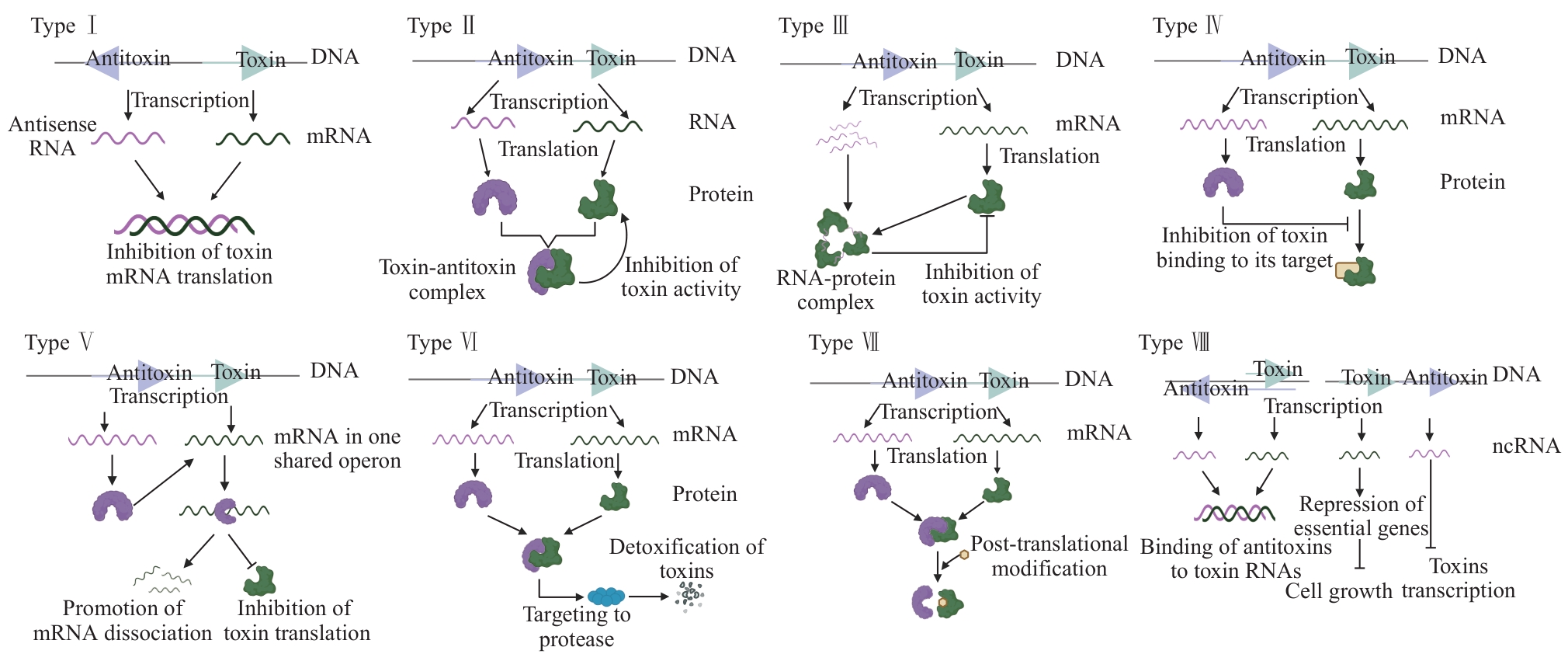
Fig 1 Characteristics of the eight types of TAS
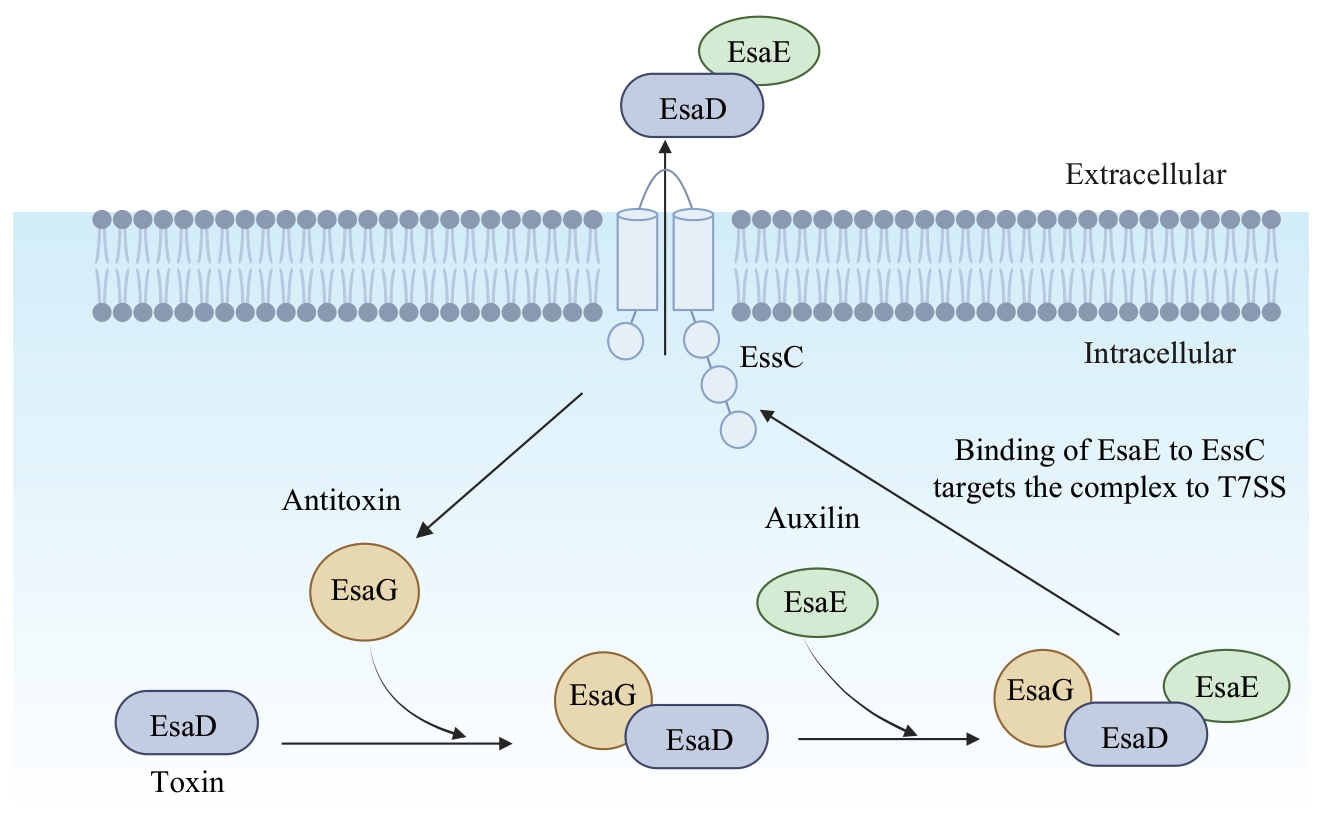
Fig 2 T7SS-mediated toxin secretion mechanism
| [1] | Tong S Y C, Davis J S, Eichenberger E, et al. Staphylococcus aureus infections: epidemiology, pathophysiology, clinical manifestations, and management[J]. Clin Microbiol Rev, 2015, 28(3): 603-661. |
| [2] | Hassoun A, Linden P K, Friedman B. Incidence, prevalence, and management of MRSA bacteremia across patient populations: a review of recent developments in MRSA management and treatment[J]. Crit Care, 2017, 21(1): 211. |
| [3] | Selim S, Faried O A, Almuhayawi M S, et al. Incidence of vancomycin-resistant Staphylococcus aureus strains among patients with urinary tract infections[J]. Antibiotics (Basel), 2022, 11(3): 408. |
| [4] | Zhou S, Zhou K, Yang P H, et al. Molecular characteristics and antimicrobial resistance of linezolid-resistant Staphylococcus aureus in osteoarticular infections: a 11-year study from a hospital in Xi′an[J]. Infect Drug Resist, 2025, 18: 2987-2996. |
| [5] | Harms A, Brodersen D E, Mitarai N, et al. Toxins, targets, and triggers: an overview of toxin-antitoxin biology[J]. Mol Cell, 2018, 70(5): 768-784. |
| [6] | Unterholzner S J, Poppenberger B, Rozhon W. Toxin-antitoxin systems: biology, identification, and application[J]. Mob Genet Elements, 2013, 3(5): e26219. |
| [7] | van Gundy T, Martin E, Bono J, et al. An antisense RNA fine-tunes gene expression of the type Ⅱ MazEF toxin-antitoxin system[J]. mBio, 2022, 13(1): e0344321. |
| [8] | Karimaei S, Kazem Aghamir S M, Foroushani A R, et al. Antibiotic tolerance in biofilm persister cells of Staphylococcus aureus and expression of toxin-antitoxin system genes[J]. Microb Pathog, 2021, 159: 105126. |
| [9] | Bukowski M, Banasik M, Chlebicka K, et al. Analysis of co-occurrence of type Ⅱ toxin-antitoxin systems and antibiotic resistance determinants in Staphylococcus aureus[J]. mSystems, 2025, 10(3): e0095724. |
| [10] | Karimaei S, Kalani B S, Shahrokhi N, et al. Expression of type Ⅱ toxin-antitoxin systems and ClpP protease of methicillin-resistant Staphylococcus aureus under thermal and oxidative stress conditions[J]. Iran J Microbiol, 2021, 13(2): 204-211. |
| [11] | Peacock S J, Moore C E, Justice A, et al. Virulent combinations of adhesin and toxin genes in natural populations of Staphylococcus aureus[J]. Infect Immun, 2002, 70(9): 4987-4996. |
| [12] | Archer N K, Mazaitis M J, Costerton J W, et al. Staphylococcus aureus biofilms: properties, regulation, and roles in human disease[J]. Virulence, 2011, 2(5): 445-459. |
| [13] | Gerdes K, Rasmussen P B, Molin S. Unique type of plasmid maintenance function: postsegregational killing of plasmid-free cells[J]. Proc Natl Acad Sci U S A, 1986, 83(10): 3116-3120. |
| [14] | Ogura T, Hiraga S. Mini-F plasmid genes that couple host cell division to plasmid proliferation[J]. Proc Natl Acad Sci U S A, 1983, 80(15): 4784-4788. |
| [15] | Steif A, Meyer I M. The hok mRNA family[J]. RNA Biol, 2012, 9(12): 1399-1404. |
| [16] | Pandey D P, Gerdes K. Toxin-antitoxin loci are highly abundant in free-living but lost from host-associated prokaryotes[J]. Nucleic Acids Res, 2005, 33(3): 966-976. |
| [17] | Jurėnas D, Fraikin N, Goormaghtigh F, et al. Biology and evolution of bacterial toxin-antitoxin systems[J]. Nat Rev Microbiol, 2022, 20(6): 335-350. |
| [18] | Chlebicka K, Bonar E, Suder P, et al. Impacts of the type Ⅰ toxin-antitoxin system, SprG1/SprF1, on Staphylococcus aureus gene expression[J]. Genes, 2021, 12(5): 770. |
| [19] | Fermon L, Germain-Amiot N, Oriol C, et al. Membrane selectivity and pore formation of SprA1 and SprA2 hemolytic peptides from Staphylococcus aureus type Ⅰ toxin-antitoxin systems[J]. FEBS J, 2025, 292(17): 4555-4579. |
| [20] | Mandell J B, Gish C, Cappellini A J, et al. Methicillin resistant Staphylococcus aureus mazEF expression promotes infections by influencing cellular growth, antibiotic sensitivity, and formation of biofilms[J]. Sci Rep, 2024, 14(1): 21269. |
| [21] | Xue L, Khan M H, Yue J, et al. The two paralogous copies of the YoeB-YefM toxin-antitoxin module in Staphylococcus aureus differ in DNA binding and recognition patterns[J]. J Biol Chem, 2022, 298(1): 101457. |
| [22] | Habib G, Zhu Q, Sun B L. Bioinformatics and functional assessment of toxin-antitoxin systems in Staphylococcus aureus[J]. Toxins, 2018, 10(11): 473. |
| [23] | Short F L, Pei X Y, Blower T R, et al. Selectivity and self-assembly in the control of a bacterial toxin by an antitoxic noncoding RNA pseudoknot[J]. Proc Natl Acad Sci U S A, 2013, 110(3): E241-E249. |
| [24] | Blower T R, Short F L, Rao F, et al. Identification and classification of bacterial type Ⅲ toxin-antitoxin systems encoded in chromosomal and plasmid genomes[J]. Nucleic Acids Res, 2012, 40(13): 6158-6173. |
| [25] | Nadig K, Sandhya S, Singh M. Bioinformatic exploration reveals features of tenpIN family of type Ⅲ toxin-antitoxin systems in bacteria and viruses[J]. Sci Rep, 2025, 15(1): 26624. |
| [26] | Goeders N, Chai R, Chen B H, et al. Structure, evolution, and functions of bacterial type Ⅲ toxin-antitoxin systems[J]. Toxins, 2016, 8(10): 282. |
| [27] | Lechner S, Lewis K, Bertram R. Staphylococcus aureus persisters tolerant to bactericidal antibiotics[J]. J Mol Microbiol Biotechnol, 2012, 22(4): 235-244. |
| [28] | Keren I, Shah D, Spoering A, et al. Specialized persister cells and the mechanism of multidrug tolerance in Escherichia Coli[J]. J Bacteriol, 2004, 186(24): 8172-8180. |
| [29] | Pinel-Marie M L, Brielle R, Riffaud C, et al. RNA antitoxin SprF1 binds ribosomes to attenuate translation and promote persister cell formation in Staphylococcus aureus[J]. Nat Microbiol, 2021, 6(2): 209-220. |
| [30] | Habib G, Zhu J D, Sun B L. A novel type Ⅰ toxin-antitoxin system modulates persister cell formation in Staphylococcus aureus[J]. Int J Med Microbiol, 2020, 310(2): 151400. |
| [31] | Wang X X, Lord D M, Cheng H Y, et al. A new type Ⅴ toxin-antitoxin system where mRNA for toxin GhoT is cleaved by antitoxin GhoS[J]. Nat Chem Biol, 2012, 8(10): 855-861. |
| [32] | Kwan B W, Valenta J A, Benedik M J, et al. Arrested protein synthesis increases persister-like cell formation[J]. Antimicrob Agents Chemother, 2013, 57(3): 1468-1473. |
| [33] | Ma D Z, Mandell J B, Donegan N P, et al. The toxin-antitoxin MazEF drives Staphylococcus aureus biofilm formation, antibiotic tolerance, and chronic infection[J]. mBio, 2019, 10(6): e01658-e01619. |
| [34] | Qi X Y, Brothers K M, Ma D Z, et al. The Staphylococcus aureus toxin-antitoxin system YefM-YoeB is associated with antibiotic tolerance and extracellular dependent biofilm formation[J]. J Bone Jt Infect, 2021, 6(7): 241-253. |
| [35] | Tripathi A, Dewan P C, Ahmed S, et al. MazF-induced growth inhibition and persister generation in Escherichia Coli[J]. J Biol Chem, 2014, 289(7): 4191-4205. |
| [36] | Fluckiger U, Ulrich M, Steinhuber A, et al. Biofilm formation, icaADBC transcription, and polysaccharide intercellular adhesin synthesis by staphylococci in a device-related infection model[J]. Infect Immun, 2005, 73(3): 1811-1819. |
| [37] | Ma D M, Gu H J, Shi Y J, et al. Edwardsiella piscicida YefM-YoeB: a type Ⅱ toxin-antitoxin system that is related to antibiotic resistance, biofilm formation, serum survival, and host infection[J]. Front Microbiol, 2021, 12: 646299. |
| [38] | Wen W, Liu B H, Xue L, et al. Autoregulation and virulence control by the toxin-antitoxin system SavRS in Staphylococcus aureus[J]. Infect Immun, 2018, 86(5): e00032-e00018. |
| [39] | Sierra R, Prados J, Panasenko O O, et al. Insights into the global effect on Staphylococcus aureus growth arrest by induction of the endoribonuclease MazF toxin[J]. Nucleic Acids Res, 2020, 48(15): 8545-8561. |
| [40] | Bezrukov F, Prados J, Renzoni A, et al. MazF toxin causes alterations in Staphylococcus aureus transcriptome, translatome and proteome that underlie bacterial dormancy[J]. Nucleic Acids Res, 2021, 49(4): 2085-2101. |
| [41] | Germain-Amiot N, Augagneur Y, Camberlein E, et al. A novel Staphylococcus aureus cis-trans type Ⅰ toxin-antitoxin module with dual effects on bacteria and host cells[J]. Nucleic Acids Res, 2019, 47(4): 1759-1773. |
| [42] | Chaudhary K, Kumar R, Singh S, et al. A web server and mobile app for computing hemolytic potency of peptides[J]. Sci Rep, 2016, 6: 22843. |
| [43] | Chen Y X, Guarnieri M T, Vasil A I, et al. Role of peptide hydrophobicity in the mechanism of action of α-helical antimicrobial peptides[J]. Antimicrob Agents Chemother, 2007, 51(4): 1398-1406. |
| [44] | Hancock R E W, Rozek A. Role of membranes in the activities of antimicrobial cationic peptides[J]. FEMS Microbiol Lett, 2002, 206(2): 143-149. |
| [45] | Ravn P, Arnau J, Madsen S M, et al. Optimization of signal peptide SP310 for heterologous protein production in Lactococcus lactis[J]. Microbiology (Reading), 2003, 149(Pt 8): 2193-2201. |
| [46] | Pinel-Marie M L, Brielle R, Felden B. Dual toxic-peptide-coding Staphylococcus aureus RNA under antisense regulation targets host cells and bacterial rivals unequally[J]. Cell Rep, 2014, 7(2): 424-435. |
| [47] | Fermon L, Burel A, Ostyn E, et al. Mechanism of action of sprG1-encoded type Ⅰ toxins in Staphylococcus aureus: from membrane alterations to mesosome-like structures formation and bacterial lysis[J]. Front Microbiol, 2023, 14: 1275849. |
| [48] | Kato F, Bandou, Yamaguchi Y, et al. Characterization of a membrane toxin-antitoxin system, tsaAT, from Staphylococcus aureus[J]. FEBS J, 2024, 291(22): 5015-5036. |
| [49] | Cao Z P, Casabona M G, Kneuper H, et al. The type Ⅶ secretion system of Staphylococcus aureus secretes a nuclease toxin that targets competitor bacteria[J]. Nat Microbiol, 2016, 2: 16183. |
| [50] | Kato F, Yoshizumi S, Yamaguchi Y, et al. Genome-wide screening for identification of novel toxin-antitoxin systems in Staphylococcus aureus[J]. Appl Environ Microbiol, 2019, 85(20): e00915-e00919. |
| [51] | Warne B, Harkins C P, Harris S R, et al. The Ess/Type Ⅶ secretion system of Staphylococcus aureus shows unexpected genetic diversity[J]. BMC Genomics, 2016, 17: 222. |
| [52] | Williams J J, Hergenrother P J. Artificial activation of toxin-antitoxin systems as an antibacterial strategy[J]. Trends Microbiol, 2012, 20(6): 291-298. |
| [53] | Lee H T, Kim S K, Lee J B, et al. A novel peptide nucleic acid against the cytidine monophosphate kinase of S. aureus inhibits staphylococcal infection in vivo[J]. Mol Ther Nucleic Acids, 2019, 18: 245-252. |
| [54] | Luo F M, Xu C F, Zhang C W, et al. mRNA-based platform for preventing and treating Staphylococcus aureus by targeted staphylococcal enterotoxin B[J]. Front Immunol, 2024, 15: 1490044. |
| [55] | Xu W F, Yan P, Li Y J, et al. The toxin-antitoxin system SavRS contributes to vancomycin resistance in vancomycin-intermediate Staphylococcus aureus by mediating cell wall thickening[J]. J Antimicrob Chemother, 2025, 80(11): 2978-2988. |
| [56] | Sæbø I P,Dyhr E,Riisnæs I M M, et al. Rational design of synthetic antimicrobial peptides based on the Escherichia Coli ShoB toxin[J]. Sci Rep, 2025, 15(1): 14354. |
| [57] | Chen Z, Yao J Y, Zhang P J, et al. Minimized antibiotic-free plasmid vector for gene therapy utilizing a new toxin-antitoxin system[J]. Metab Eng, 2023, 79: 86-96. |
| [1] | PAN Shufan, YANG Donglei, WANG Pengfei. Rapid detection and typing of Staphylococcus aureus based on nanopore Cas9-targeted sequencing [J]. Journal of Shanghai Jiao Tong University (Medical Science), 2025, 45(6): 774-783. |
| [2] | NURXAT Nadira, LI Min, LIU Qian. Progress in the correlation between atopic dermatitis and colonization of Staphylococcus [J]. Journal of Shanghai Jiao Tong University (Medical Science), 2022, 42(11): 1605-1611. |
| [3] | LU Shi-yuan1, HONG Jie1, CHEN Ying-xuan1, CHEN Jin-xian2, ZHONG Ming2, FANG Jing-yuan1. Study of Fusobacterium nucleatum-related bacterial biofilm promoting M2 polarization of macrophages and chemoresistance in colon cancer [J]. JOURNAL OF SHANGHAI JIAOTONG UNIVERSITY (MEDICAL SCIENCE), 2020, 40(8): 1018-1029. |
| [4] | YU Chun-bo1, LU Ming2, SHAO Lei3, PU Tian4, CHEN Dai-jie4, ZHOU Wei1, 5. Effect of relA knockout on heterologous resistance of colistin to Acinetobacter baumannii [J]. , 2019, 39(9): 1004-. |
| [5] | WU Yi-fan, SONG Zhong-chen, SHU Rong. Antibacterial effect of Nd: YAG laser on Fusobacterium nucleatum [J]. , 2018, 38(3): 259-. |
| [6] | ZENG Long-hui, MENG Guo-yu. Saf pili and biofilm formation [J]. , 2018, 38(2): 125-. |
| [7] | LI Xiao-qian1, WANG Rui1, GU Chuan-jia1, XU Meng-sha1, 2, HE Ping1, HU Fu-pin3 . Introduction and applications of bacteriophage polysaccaride depolymerases [J]. , 2017, 37(12): 1699-. |
| [8] | FENG Mengdie, HONG Yu, MAO Pujia, et al. Quorum sensing inhibitors on biofilm formation [J]. , 2016, 36(3): 442-. |
| [9] | XIANG Jun, GUO Hai-na, HUAN Jing-ning. Effect of biofilm formation of Acinetobacter baumannii strains isolated from burn patients on expressions of efflux pump regulatory genes adeS and adeR and corresponding functional gene cluster adeAB [J]. , 2015, 35(9): 1364-. |
| [10] | WEI Yan-xia, YE Lu, LIU Dian-bin, et al. A typeⅡ toxin-antitoxin system encoded by BLJ_864 and BLJ_865 in chromosome of Bifidobacterium longum [J]. , 2014, 34(9): 1319-. |
| [11] | YANG Peng-gao, WANG Chuan, WANG Ning, et al. Experimental study on inhibition of planktonic and biofilm Escherichia coli by 460 nm visible light [J]. , 2014, 34(7): 1001-. |
| [12] | HUANG Jie-wen, CHEN Zhi-jun, SHEN Jun-fei, et al. In vitro inhibitory effect of quaternized chitosan against Klebsiella pneumoniae [J]. , 2012, 32(11): 1421-. |
| [13] | XIANG Jun, SUN Zhen, XIA Jun-xing, et al. Formation and characteristics of Acinetobacter baumannii bacterial biofilm on inner surfaces of endotracheal tubes of burn patients [J]. , 2010, 30(5): 562-. |
| Viewed | ||||||
|
Full text |
|
|||||
|
Abstract |
|
|||||
