
Journal of Shanghai Jiao Tong University (Medical Science) ›› 2026, Vol. 46 ›› Issue (4): 442-450.doi: 10.3969/j.issn.1674-8115.2026.04.004
• Basic research • Previous Articles Next Articles
Tong Youhua, Guo Sinan, Nie Yu, Gao Yaxuan, Liu Shiyan, Zhang Haohao, Hou Yinghao, Zhi Hui( )
)
Received:2025-06-17
Accepted:2025-11-27
Online:2026-04-28
Published:2026-04-28
Contact:
Zhi Hui
E-mail:Zhi_hui01@hotmail.com
Supported by:CLC Number:
Tong Youhua, Guo Sinan, Nie Yu, Gao Yaxuan, Liu Shiyan, Zhang Haohao, Hou Yinghao, Zhi Hui. Effects of triclosan exposure on the invasion ability of triple-negative breast cancer cells[J]. Journal of Shanghai Jiao Tong University (Medical Science), 2026,(4): 442-450.
Add to citation manager EndNote|Ris|BibTeX
URL: https://xuebao.shsmu.edu.cn/EN/10.3969/j.issn.1674-8115.2026.04.004
| Primer | Forward (5'→3') | Reverse (5'→3') |
|---|---|---|
| miR-21 | ACACTCCAGCTGGGTAGCTTATCAGACTGA | TGGTGTCGTGGAGTCG |
| U6 | CGATACAGAGAAGATTAGCATGGC | AACGCTTCACGAATTTGCGT |
Tab 1 Primer sequences for qPCR
| Primer | Forward (5'→3') | Reverse (5'→3') |
|---|---|---|
| miR-21 | ACACTCCAGCTGGGTAGCTTATCAGACTGA | TGGTGTCGTGGAGTCG |
| U6 | CGATACAGAGAAGATTAGCATGGC | AACGCTTCACGAATTTGCGT |
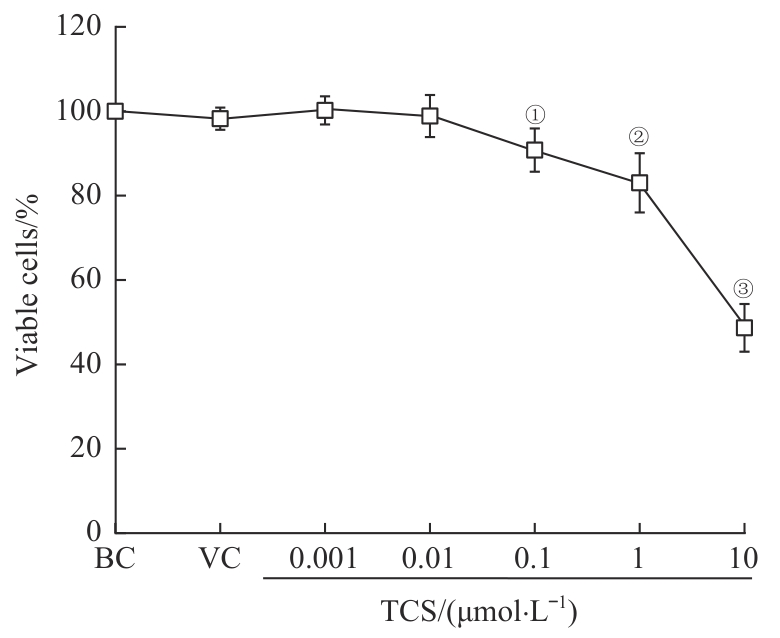
Fig 1 Screening of TCS exposure concentrations by CCK-8 assay
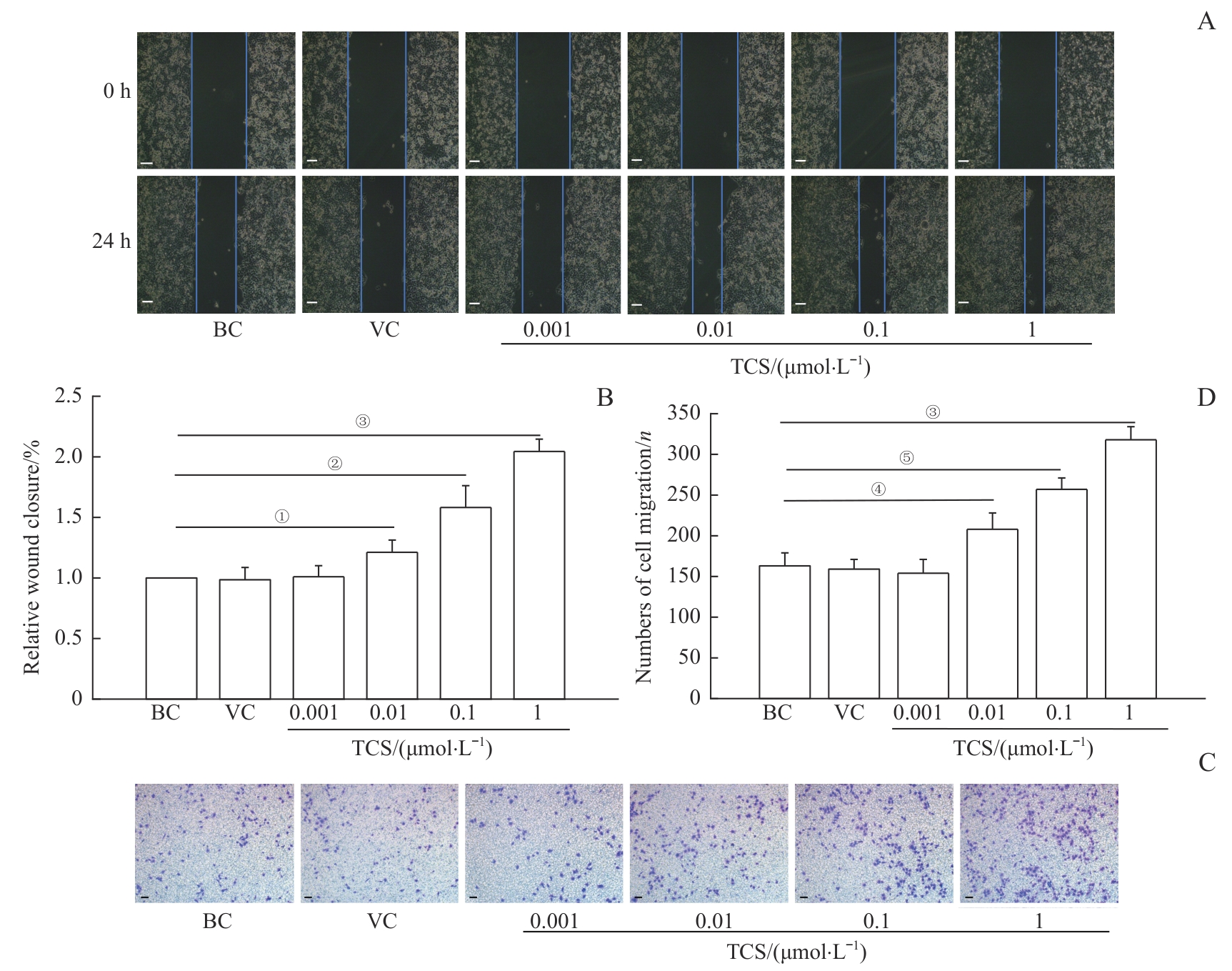
Fig 2 Effect of TCS exposure on the migration and invasion abilities of MDA-MB-231 cells
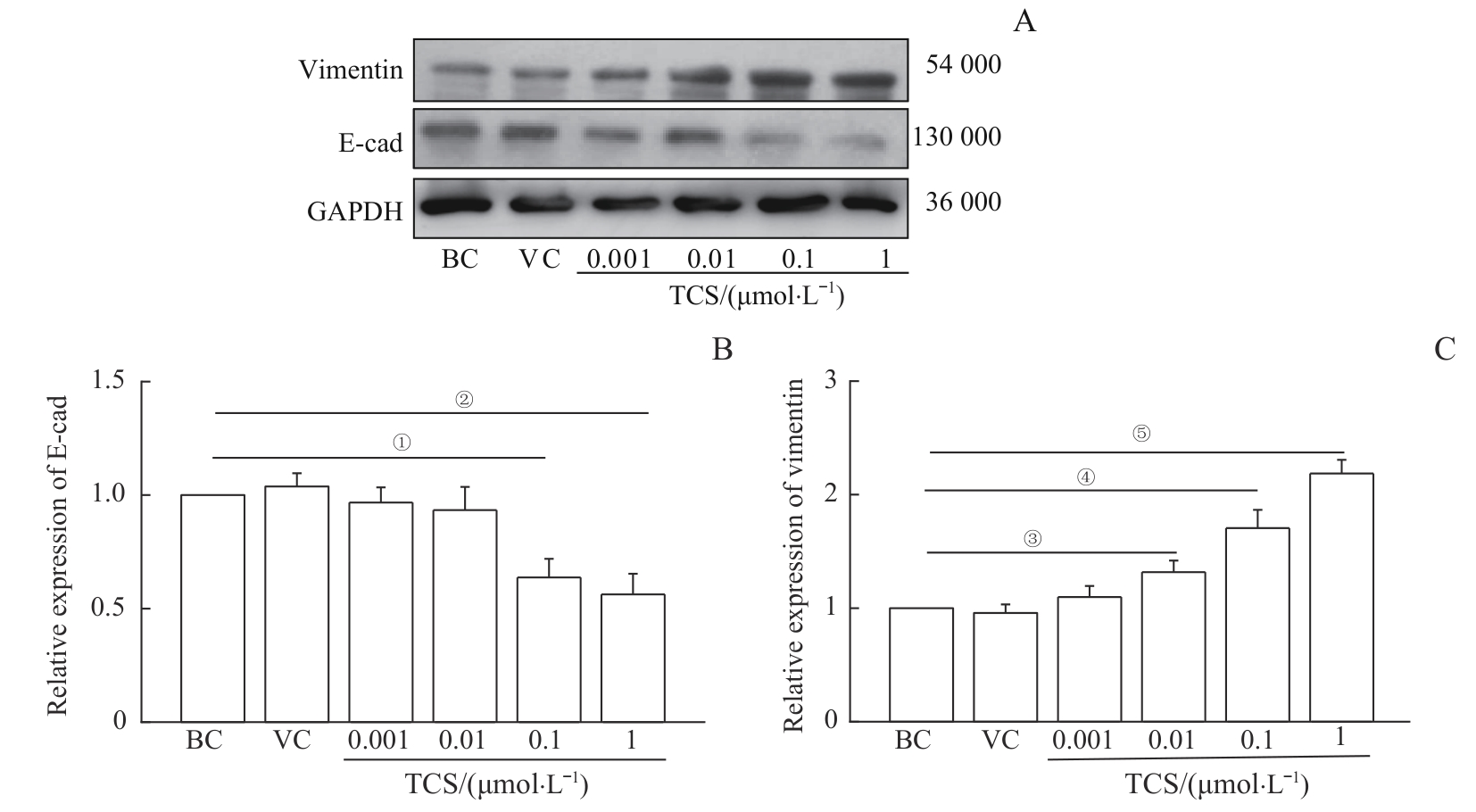
Fig 3 Effect of TCS exposure on EMT in MDA-MB-231 cells
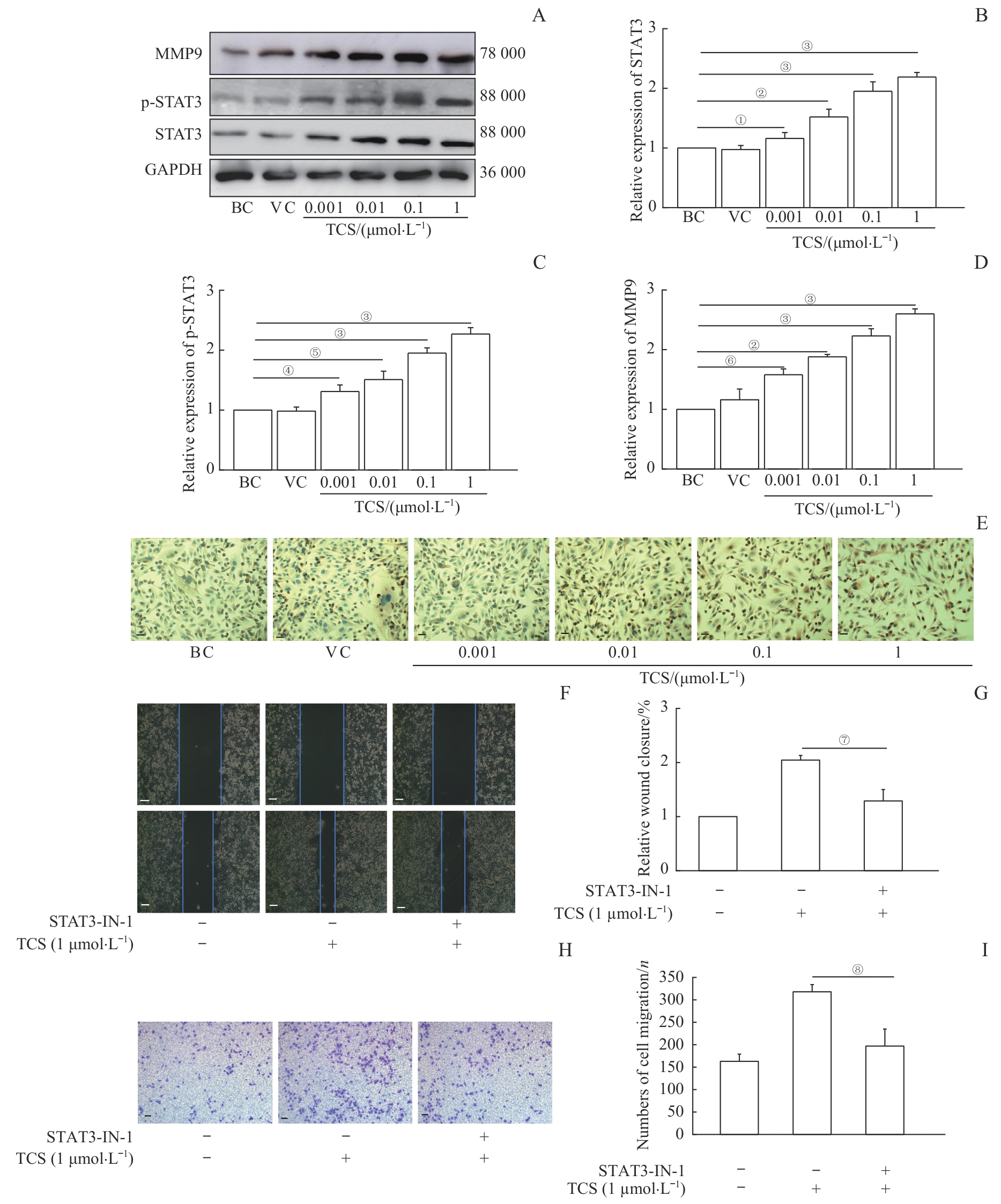
Fig 4 Effect of TCS exposure on the STAT3 signaling pathway
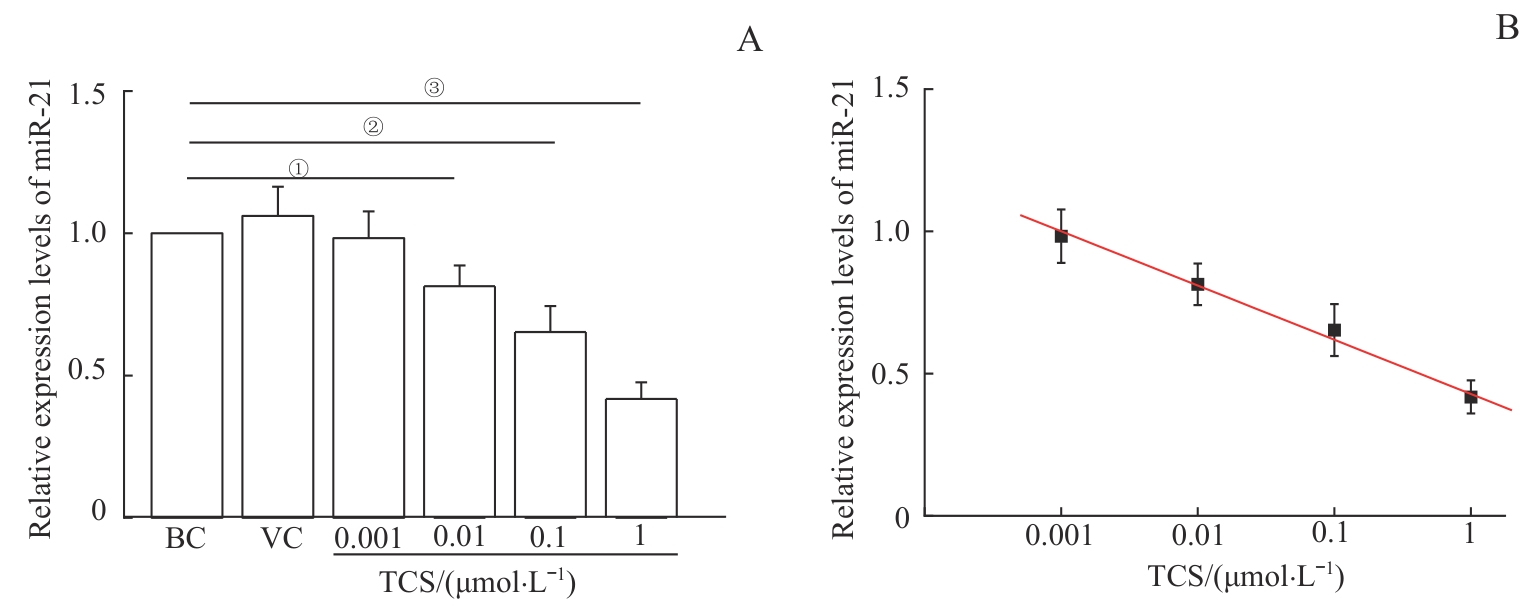
Fig 5 Effect of TCS exposure on miR-21 expression levels
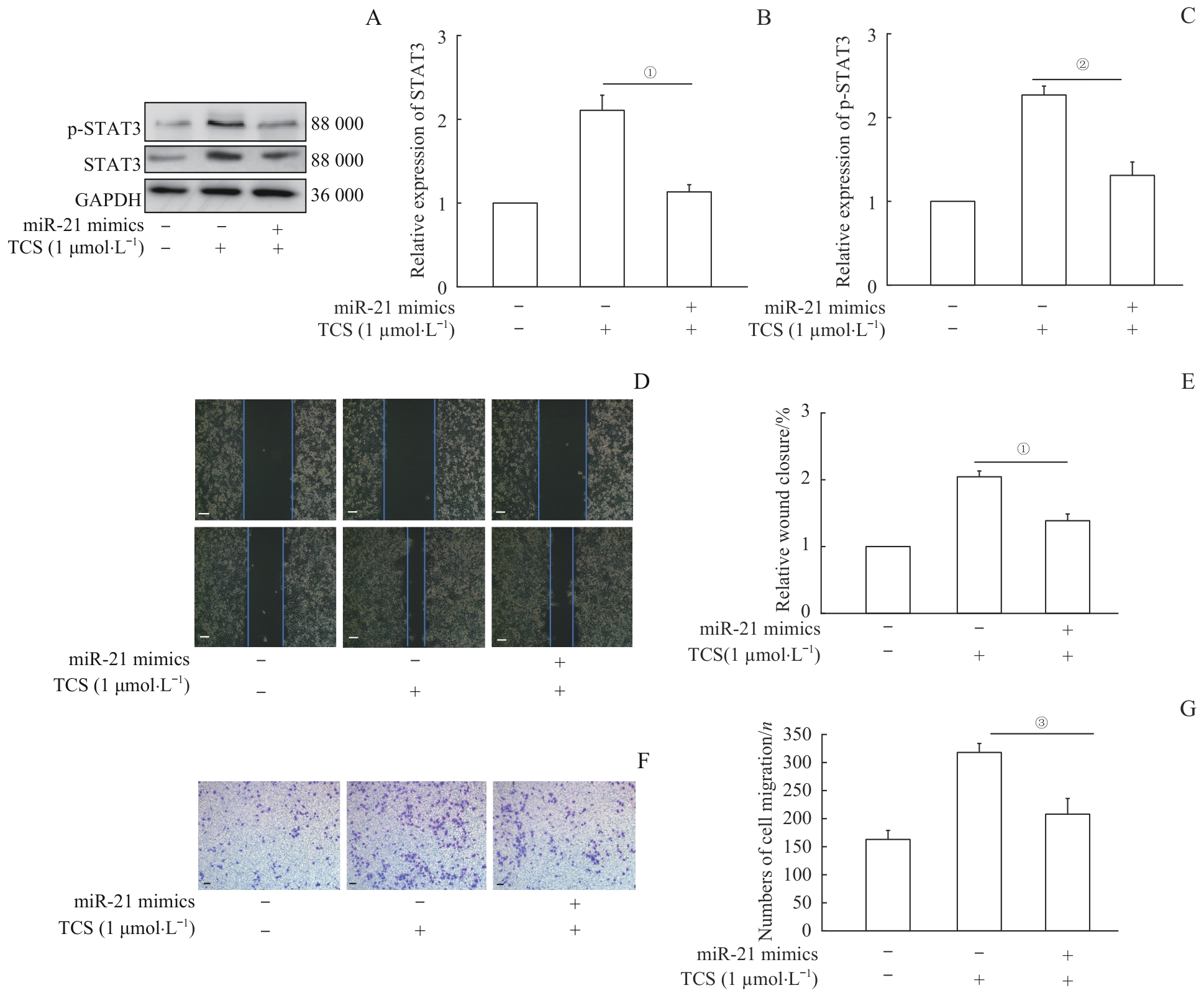
Fig 6 Effect of miR-21 overexpression on TCS-induced STAT3 activation, cell migration, and invasion
| [1] | Fines C, McCarthy H, Buckley N. The search for a TNBC vaccine: the guardian vaccine[J]. Cancer Biol Ther, 2025, 26(1): 2472432. |
| [2] | Liu Y H, Zou Y H, Ye Y L, et al. Advances in the understanding of the pathogenesis of triple-negative breast cancer[J]. Cancer Med, 2024, 13(22): e70410. |
| [3] | Garrido-Castro A C, Lin N U, Polyak K. Insights into molecular classifications of triple-negative breast cancer: improving patient selection for treatment[J]. Cancer Discov, 2019, 9(2): 176-198. |
| [4] | Koual M, Tomkiewicz C, Cano-Sancho G, et al. Environmental chemicals, breast cancer progression and drug resistance[J]. Environ Health, 2020, 19(1): 117. |
| [5] | 许秋瑾, 应光国, 夏青, 等. 洗涤剂对水环境的风险及防控对策建议[J]. 环境工程技术学报, 2019, 9(6): 775-780. |
| Xu Q J, Ying G G, Xia Q, et al. The risk of detergent to water environment and its prevention and control countermeasure suggestions[J]. Journal of Environmental Engineering Technology, 2019, 9(6): 775-780. | |
| [6] | Ma X Q, Wan Y J, Wu M Y, et al. Occurrence of benzophenones, parabens and triclosan in the Yangtze River of China, and the implications for human exposure[J]. Chemosphere, 2018, 213: 517-525. |
| [7] | Zhu Q Q, Wang M, Jia J B, et al. Occurrence, distribution, and human exposure of several endocrine-disrupting chemicals in indoor dust: a nationwide study[J]. Environ Sci Technol, 2020, 54(18): 11333-11343. |
| [8] | Rodgers K M, Udesky J O, Rudel R A, et al. Environmental chemicals and breast cancer: an updated review of epidemiological literature informed by biological mechanisms[J]. Environ Res, 2018, 160: 152-182. |
| [9] | Lee G A, Choi K C, Hwang K A. Kaempferol, a phytoestrogen, suppressed triclosan-induced epithelial-mesenchymal transition and metastatic-related behaviors of MCF-7 breast cancer cells[J]. Environ Toxicol Pharmacol, 2017, 49: 48-57. |
| [10] | Ge J Y, Zuo W J, Chen Y Y, et al. The advance of adjuvant treatment for triple-negative breast cancer[J]. Cancer Biol Med, 2021, 19(2): 187-201. |
| [11] | Meng D S, Li Y R, Chen Z, et al. Exosomes derived from antler mesenchymal stem cells promote wound healing by miR-21-5p/STAT3 axis[J]. Int J Nanomedicine, 2024, 19: 11257-11273. |
| [12] | Tse J, Pierce T, Carli A L E, et al. Onco-miR-21 promotes Stat3-dependent gastric cancer progression[J]. Cancers, 2022, 14(2): 264. |
| [13] | Yang Z L, Liang Z Y, Rao J, et al. Hypoxic-preconditioned mesenchymal stem cell-derived small extracellular vesicles promote the recovery of spinal cord injury by affecting the phenotype of astrocytes through the miR-21/JAK2/STAT3 pathway[J]. CNS Neurosci Ther, 2024, 30(3): e14428. |
| [14] | Ma C, Shi T, Qu Z, et al. CircRNA_ACAP2 suppresses EMT in head and neck squamous cell carcinoma by targeting the miR-21-5p/STAT3 signaling axis[J]. Front Oncol, 2020, 10: 583682. |
| [15] | Grimaldi A M, Salvatore M, Incoronato M. miRNA-based therapeutics in breast cancer: a systematic review[J]. Front Oncol, 2021, 11: 668464. |
| [16] | Bao S, He C P, Ku P J, et al. Effects of triclosan on the RedoximiRs/Sirtuin/Nrf2/ARE signaling pathway in mosquitofish (Gambusia affinis)[J]. Aquat Toxicol, 2021, 230: 105679. |
| [17] | Zhao C, Xie R, Qian Q, et al. Triclosan induced zebrafish immunotoxicity by targeting miR-19a and its gene socs3b to activate IL-6/STAT3 signaling pathway[J]. Sci Total Environ, 2022, 815: 152916. |
| [18] | Farasani A, Darbre P D. Long-term exposure to triclosan increases migration and invasion of human breast epithelial cells in vitro[J]. J Appl Toxicol, 2021, 41(7): 1115-1126. |
| [19] | Yi K F, Chen W Y, Zhou X, et al. Bisphenol S exposure promotes stemness of triple-negative breast cancer cells via regulating Gli1-mediated Sonic hedgehog pathway[J]. Environ Res, 2025, 264(Pt 1): 120293. |
| [20] | Lee G A, Hwang K A, Choi K C. Inhibitory effects of 3, 3'-diindolylmethane on epithelial-mesenchymal transition induced by endocrine disrupting chemicals in cellular and xenograft mouse models of breast cancer[J]. Food Chem Toxicol, 2017, 109(Pt 1): 284-295. |
| [21] | Wang N, Wei L, Huang Y X, et al. miR520c blocks EMT progression of human breast cancer cells by repressing STAT3[J]. Oncol Rep, 2017, 37(3): 1537-1544. |
| [22] | Liao P A, Chu P Y, Tan Z L, et al. STAT3 inactivation and induction of apoptosis associate with fluoxetine-inhibited epithelial-mesenchymal transition and growth of triple-negative breast cancer in vivo[J]. Anticancer Res, 2022, 42(8): 3807-3814. |
| [23] | Shi M J, Lin Z H, Ye L H, et al. Estrogen receptor-regulated SOCS3 modulation via JAK2/STAT3 pathway is involved in BPF-induced M1 polarization of macrophages[J]. Toxicology, 2020, 433/434: 152404. |
| [24] | Wu C Y, Yin K Z, Zhang Y, et al. 2, 3, 7, 8-tetrachlorodibenzo-p-dioxin promotes proliferation of astrocyte cells via the Akt/STAT3/Cyclin D1 pathway[J]. Biomed Environ Sci, 2019, 32(4): 281-290. |
| [25] | Wang Z Y, Wang J, Fu Q, et al. Efficient evaluation of osteotoxicity and mechanisms of endocrine disrupting chemicals using network toxicology and molecular docking approaches: triclosan as a model compound[J]. Ecotoxicol Environ Saf, 2025, 293: 118030. |
| [26] | Zhang X N, Sai B Q, Wang F, et al. Hypoxic BMSC-derived exosomal miRNAs promote metastasis of lung cancer cells via STAT3-induced EMT[J]. Mol Cancer, 2019, 18(1): 40. |
| [27] | Diao W Q, Qian Q H, Sheng G Y, et al. Triclosan targets miR-144 abnormal expression to induce neurodevelopmental toxicity mediated by activating PKC/MAPK signaling pathway[J]. J Hazard Mater, 2022, 431: 128560. |
| [28] | Yang Y, Ni D Y, Wang L, et al. Triclosan has a strong influence on the development of mouse preimplantation embryo via activating miR-134/Nanog axis[J]. Toxicology, 2022, 481: 153349. |
| [29] | Wang X Y, Ren T, Zhang X N, et al. miR-21 suppression in macrophages promotes M2-like polarization and attenuates kidney ischemia-reperfusion injury[J]. FASEB J, 2024, 38(23): e70251. |
| [1] | LI Xiang, WEI Ming, WU Wenxi, LUO Xiaoqin, YAO Biao, WU Siyu. Inhibitory effect of rutin on the growth and metastasis of osteosarcoma in vitro and in vivo [J]. Journal of Shanghai Jiao Tong University (Medical Science), 2025, 45(1): 20-28. |
| [2] | TAN Lu, SHEN Shaoming, HE Ping. Function and mechanism study of hypoxia-induced long non-coding RNA 68 in hepatocellular carcinoma [J]. Journal of Shanghai Jiao Tong University (Medical Science), 2024, 44(6): 702-712. |
| [3] | LI Huxiao, LI Xiaotian, ZHAO Xuri, ZHANG Huanyu, ZHOU Wei, SONG Zhongchen. Effects of gingipain extract on the biological characteristics of oral squamous cell carcinoma cell HN6 [J]. Journal of Shanghai Jiao Tong University (Medical Science), 2024, 44(2): 161-168. |
| [4] | LIU Chenxi, HAN Lin, YANG Yi, ZHOU Han, LIU Yayun, SHENG Deqiao. GPR87 promotes invasion and migration through the RHO/ROCK pathway in non-small cell lung cancer [J]. Journal of Shanghai Jiao Tong University (Medical Science), 2024, 44(12): 1514-1525. |
| [5] | WANG Wei, WANG Hongli, ALIBIYATI·i Ain, YILIYAER· Rousu, AYI NUER, YANG Liang. Function of vasohibin-2 and the mechanism of alternative splicing in triple-negative breast cancer [J]. Journal of Shanghai Jiao Tong University (Medical Science), 2024, 44(12): 1526-1535. |
| [6] | LUO Lange, ZHENG Chao, LEI Ming. Promotive effect of cancer-testis antigen CT57 on proliferation, invasion, migration and epithelial-mesenchymal transition of liver cancer cells [J]. Journal of Shanghai Jiao Tong University (Medical Science), 2024, 44(11): 1335-1346. |
| [7] | ZHU Xiaochen, XIE Xinyi, ZHAO Xuri, XU Lina, HE Zhiyan, ZHOU Wei. Construction and characterization of mice with conditional knockout of Stat3 gene in microglia [J]. Journal of Shanghai Jiao Tong University (Medical Science), 2023, 43(6): 689-698. |
| [8] | YANG Wanli, SONG Juan, LI Bing, LAO Yimin. Deciphering the suppressive effects of CBX8 on prostate cancer cell invasion [J]. Journal of Shanghai Jiao Tong University (Medical Science), 2023, 43(12): 1507-1519. |
| [9] | QIU Jiahui, CAI Qianqian, YANG Yan, CHENG Feichi, QIU Zhengjun, HUANG Chen. Value of combined perineural lymphovascular invasion and tumor-stroma ratio in guiding the prognosis of colorecatal cancer [J]. Journal of Shanghai Jiao Tong University (Medical Science), 2022, 42(8): 1070-1080. |
| [10] | ZHANG Xiuqi, SHEN Baiyong. Advances in cytological mechanism of neural invasion in pancreatic ductal adenocarcinoma [J]. Journal of Shanghai Jiao Tong University (Medical Science), 2022, 42(6): 833-838. |
| [11] | LIU Ziyang, WANG Xiaowen, CHEN Li. lncRNA GK-IT1 influences the carcinogenesis of non-small cell lung cancer cells through regulating aldolase A [J]. Journal of Shanghai Jiao Tong University (Medical Science), 2022, 42(5): 591-601. |
| [12] | Ming CHEN, Jing ZHANG. Inhibitory effect of sanguinarine on proliferaton and invasion of gastric cancer cells by upregulating m6A methyltransferase 14 [J]. JOURNAL OF SHANGHAI JIAOTONG UNIVERSITY (MEDICAL SCIENCE), 2022, 42(2): 135-141. |
| [13] | YUAN Yongmei, CHENG Xiaodan, SUN Jiaan, CHANG Dongge, HE Yingying, LIU Chang. lncRNA NEAT1 affects the proliferation, invasion and migration of ox-LDL-induced human vascular smooth muscle cells through miR-377-3p/Wnt pathway [J]. Journal of Shanghai Jiao Tong University (Medical Science), 2022, 42(11): 1534-1541. |
| [14] | Yihuan WANG, Ruokun LI, Huanhuan CHONG, Fuhua YAN. Research progress of Gd-EOB-DTPA-enhanced magnetic resonance imaging in the evaluation of biological behavior of hepatocellular carcinoma [J]. JOURNAL OF SHANGHAI JIAOTONG UNIVERSITY (MEDICAL SCIENCE), 2022, 42(1): 130-134. |
| [15] | Yu-sheng LU, Wen-yi YANG, Hai-long MA, Jing-zhou HU. Impact of Ras association domain family 5 on cell migration and invasion of head and neck squamous cell carcinoma [J]. JOURNAL OF SHANGHAI JIAOTONG UNIVERSITY (MEDICAL SCIENCE), 2021, 41(6): 717-723. |
| Viewed | ||||||
|
Full text |
|
|||||
|
Abstract |
|
|||||
